

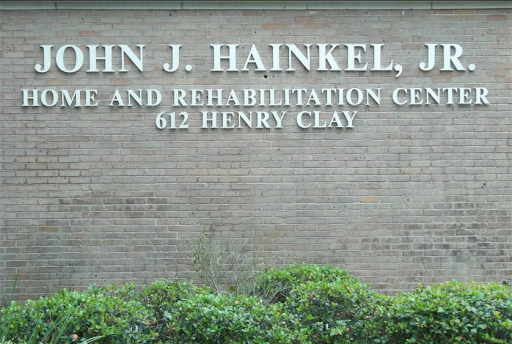
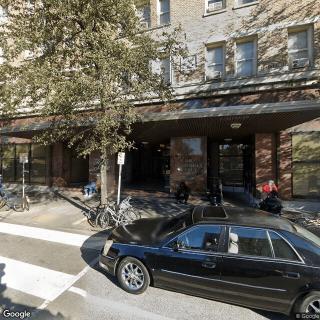
612 Henry Clay Avenue, New Orleans, LA 70118
For more information about senior living options: (866) 208-4318
Overall Review of John J Hainkel Jr Home And Rehabilitation Center
Pros
 Audubon is described as by far the best rehab facility, with friendly and welcoming staff.
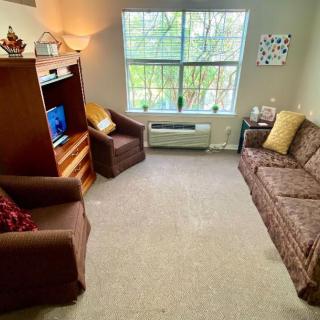
- It offers lots of activities, good food, comfortable rooms, and great staff.
- The reviewer was happy to be accepted into the facility for rehab and recovery.
- The grandfather stayed there and loved it; staff helped him tremendously, and the family would highly recommend.
- It is an incredible place full of compassion and professionalism.
- With the new ownership, the reviewer would give it a try.
Cons
 The facility forces residents to soil diapers and is understaffed.
- No one answers the phone or the call bells.
- The corporation behind it is greedy and only cares about money, not residents’ well-being.
- Residents are turned down without any explanation.
- The staff are unprofessional and treat families badly, including pouring cold water on a grandma.
- Care is terrible: horrible care, extremely bad food, few activities, and little privacy, with slow, uncaring staff.
- The place is no-star rated and is not safe or advisable for a loved one.
- There was poor care and no rehabilitation provided, leaving safety concerns unresolved.
Review
This community is best suited for families seeking a post-acute rehab or long-term stay where social engagement and a friendly, approachable staff can make a meaningful difference, provided there is tolerance for variability in care delivery. The feedback shows a split experience: some residents and families praise warmth, welcoming staff, robust activity calendars, and comfortable rooms, while others describe slow response times, limited privacy, and uneven quality of care. That mix suggests this is not a guaranteed fit for every loved one, but it can work for someone who prioritizes a lively social environment and is comfortable actively supervising care on an ongoing basis.
Those who may want to consider alternatives are families who require consistently high-quality medical oversight, reliable staffing, and predictable operations. If a loved one needs meticulous wound care, dementia-specific programming, strict safety protocols, or transparent billing and insurance handling, the risk of gaps here is enough to steer choices elsewhere. Several reviewers raise red flags about call-bell response, time-to-service for basic needs, and overall attentiveness, which can translate into real safety and comfort concerns for residents with fragile health or complex routines. In short, this facility may deliver in some shifts and with some staff, but it does not deliver consistently across the board.
The strongest pro these reviews reveal is the potential for a positive, engaging living environment when staff are present and the activity schedule is active. For residents who thrive on social interaction, varied programming, and a feeling of being valued by caregivers, this setting can offer meaningful quality-of-life moments. Comfortable rooms and improvements touted by some praise can enhance daily life for residents who are content with a warmer, neighborly atmosphere and who can tolerate occasional lapses in clinical responsiveness. However, those advantages are quickly undermined if basic needs are not met promptly, or if staff turnover undermines continuity of care.
The main cons pull harder for decision-making. Understaffing, slow call-bell responses, and reports of disorganized administration complicate even the best days here. The most troubling anecdotes involve residents receiving cold meals, indifferent or hurried interactions, and situations where rehabilitation or daily routines were inconsistently delivered. Added concerns about privacy, noise or maintenance issues, and past billing or insurance ambiguities further tilt the risk-reward balance toward guarded consideration. When weight is given to safety and reliability, these drawbacks tend to outweigh the appealing social aspects.
Practical evaluation steps follow. Prospective families should observe multiple shifts in real time, not just during a single tour, and speak frankly with front-line staff about response times and care routines. Request to see recent wound-care capabilities, therapy scheduling patterns, and a transparent accounting of any billing disputes or insurance problems. Inspect common areas, bedrooms, and bathrooms for cleanliness, privacy features, and ongoing maintenance. Ask for concrete examples of how resident preferences are honored, how emergencies are handled, and how family communication is maintained. Finally, compare the facility’s stated care philosophy with state inspection results and third-party reviews to form a balanced view.
In the end, this community is not a universal solution. It represents a nuanced option: potentially rewarding for residents who prize social engagement and a friendly, personable staff, but risky for anyone who requires unwavering medical oversight, rapid response, or consistent privacy and quality control. Families should approach with a structured on-site assessment, clear questions about staffing and care protocols, and a plan to validate improvements over time. If those criteria cannot be met, or if the other options in the market demonstrate steadier performance on safety, responsiveness, and transparency, it is prudent to pursue alternatives first.
 142 resident community capacity
 Skilled Nursing Facility
 Air-conditioning
 Beauty salon
 Cable or satellite TV
 Computer center
 Dining room
 Fitness room
 Fully furnished
 Gaming room
 Garden
 Housekeeping services
 Kitchenette
 Move-in coordination
 Outdoor space
 Private bathrooms
 Restaurant-style dining
 Small library
 Telephone
 Wellness center
 Wi-Fi/high-speed internet available
 New Orleans International (9 miles away)
 Community operated transportation
 12-16 hour nursing
 24-hour call system
 Activities of daily living assistance
 Assistance with bathing
 Assistance with dressing
 Assistance with transfers
 Diabetes diet
 Medication management
 Mental wellness program
 Special dietary restrictions
 Concierge services
 Planned day trips




 Supportive Employee Benefits That Help Caregivers Attain Better Work-Life Harmony
 Top Cars for Senior Drivers and Essential Safety Innovations
 A Closer Look at Private Pay Home Care