Good Samaritan Rehabilitation And Nursing Center

4021 Cadillac Street, New Orleans, LA 70122

For more information about senior living options: (844) 490-3973

3.5 from 28 reviews
5 stars
17
4 stars
0
3 stars
1
2 stars
0
1 stars
10

Skilled Nursing Facility

What level of care are you interested in?

Assisted Living

Memory Care

Independent Living

Skilled Nursing Facility

Continuing Care Retirement Community (CCRC)CCRC

Other


Request a tour at Good Samaritan Rehabilitation And Nursing Center

    Overall Review of Good Samaritan Rehabilitation And Nursing Center

    Pros

    • pro Everyone on the staff, from physical therapy to the front desk, was amazing.
    • pro Ms. Stephanie Bruno was helpful and supportive.
    • pro Stephanie Bruno answered questions and took time to understand what the family needed.
    • pro All the staff were welcoming.
    • pro The activities director, Miss Bruno, goes above and beyond for residents and treats them like family.
    • pro Nicole Love is fantastic at her job and cares deeply about patient outcomes.
    • pro Nicole Love (Wound Care Nurse) is intelligent, professional, and courteous.
    • pro The nursing staff are excellent, caring, and responsive.
    • pro The facility is new and beautiful, with shining looks on the faces of the residents.
    • pro The residents love it there.
    • pro The facility is one of the top five-star facilities in Louisiana and has been for several years.
    • pro The new administration has given a facelift and there is excitement.

    Cons

    • pro The facility provides barely three meals a day and does not check on residents, treating them harshly.
    • pro The bedding is badly stained and residents' clothes are washed together, if at all.
    • pro There are bugs everywhere and the floors are filthy.
    • pro Residents are not given fresh water; only ice cubes in a small pitcher.
    • pro The staff congregate in hallways while residents await assistance.
    • pro Medications are not provided as scheduled.
    • pro There are no bed rails and residents in diapers stay soiled all day.
    • pro Aides have no respect or compassion for the elderly; some CNAs come to work high.
    • pro The staff are rude and unprofessional; management is unprofessional.
    • pro The facility allegedly steals residents' belongings and medications.
    • pro Family members rarely receive updates on vitals or care; staff do not communicate.
    • pro Repositioning to prevent bed sores is not done; residents are left unattended for long periods.

    Review

    A wide range of experiences emerges from the reviews for St. Bernard Nursing & Rehab, reflecting both high praise for attentive staff and serious concerns about care quality. Several families describe the facility, at least in parts, as a positive place for rehab and recovery, especially after surgeries. For some residents, the environment feels clean, well cared-for, and supportive, with daily visits from loved ones and consistent attention to basic needs like meals and comfort. In these accounts, the staff - across physical therapy, nursing, and front desk roles - are described as eager to assist, friendly, and efficient. The tone in these reviews is one of gratitude for the care received and a willingness to return if needed, underscoring meaningful moments of reassurance during a challenging time.

    A particularly prominent thread across positive reviews centers on Ms. Stephanie Bruno, who appears repeatedly as a standout staff member. In one account, she is praised for being helpful and supportive during a tour, taking the time to answer questions and to understand the needs of the patient and family. The reviewer notes that Stephanie assuredly conveyed confidence that their loved one would be well cared for and described the broader staff as welcoming. In later praise, Stephanie Bruno is singled out again as an activities director who goes above and beyond, treating residents with the care of family and earning enthusiastic endorsements from multiple family members. Her presence is repeatedly framed as a major, positive influence on the patient experience.

    Yet the same facility draws some of the harshest criticisms from other voices. A substantial portion of the feedback paints a troubling picture, with some reviewers urging others not to place a loved one there. Allegations range from inadequate meals and insufficient supervision to neglect in basic hygiene and troubling conditions. Specific complaints include documentation of dirty bedding, clothing washed together, the presence of bugs, and a lack of clear identification among staff - issues that cast doubt on consistency of care and accountability. Reviewers claim residents often await assistance while staff congregate in hallways, and they report limited access to fresh water, with only small pitchers of ice water provided. On the rehab side, some reviewers allege that medications are not given as scheduled and that attention is uneven between different resident groups, fueling concerns about equity and safety in treatment.

    Other reviews amplify concerns about overall service quality and staff engagement. One reviewer describes a culture of disrespect and unprofessional behavior, with rude communication and a perception that staff are more focused on paycheck than patient well-being. Allegations of medications not being checked, dehydration, and a lack of regular vitals updates are described as part of a pattern that undermines trust. The narrative extends to concerns about bed safety - claims that residents are not repositioned regularly to prevent bedsores and that bed rails may be absent - along with reports of soiled diapers and rooms not being cleaned promptly. The tone of these accounts is urgent, urging prospective families to inspect the facility closely and consider alternate options.

    There are similarly potent warnings directed at staff behavior and accountability. Several reviewers claim the facility has staff who lack empathy, with some describing encounters where family members felt ignored during critical moments. One account emphasizes the distress of not receiving timely information about a loved one's condition or vitals, paired with allegations that dehydration was evident despite family presence and advocacy. Another writes of a hospice patient facing neglect, noting a lack of respect and compassion, with specific visual documentation of a patient who was not properly attended to and whose environment showed signs of inadequate care. In these cases, families describe taking formal steps, such as reporting concerns to hotlines and pursuing legal avenues, to address the perceived neglect and to seek safer care for their loved ones.

    Amid the chorus of concerns, some reviewers highlight notable exceptions and counterpoints that underscore the complexity of the facility's reputation. Several positive comments center on the same staff members criticized in other reviews, suggesting that individual nurses and team members can deliver exceptional care even when broader systemic issues are perceived. Names such as Kiana Johnson (a charge nurse described as attentive and consistently helpful), Nicole Love (noted for wound care excellence and patient-focused engagement), and additional praise for the wound care team appear repeatedly. In these accounts, staff members are portrayed as genuinely compassionate, capable, and deeply committed to positive patient outcomes, with one reviewer praising Nicole Love for going above and beyond and another praising the wound care nurse for making family members feel secure about placement.

    There is also a recurring note about the facility's evolution and branding. Several comments acknowledge the change in administration and point to improvements being made, including a "facelift" in the facility and a renewed sense of energy and positivity among residents and families. Some reviewers frame the new administration and physical upgrades as evidence that the facility is moving in a better direction, with excitement and confidence growing among those who have seen the changes firsthand. A few voices even describe the facility as one of the state's higher-rated options, mentioning five-star status and ongoing positive feedback about staff, facilities, and resident satisfaction.

    Taken together, the reviews present a nuanced portrait of St. Bernard Nursing & Rehab. On one hand, consistent praise for certain staff members - especially Stephanie Bruno as an activities director, Kiana Johnson as a charge nurse, and Nicole Love in wound care - suggests that dedicated professionals can deliver meaningful, high-quality care and genuine warmth to residents and their families. Families recount moments of reassurance, thoughtful engagement, and attentive treatment that can make a difficult transition smoother and more hopeful. On the other hand, multiple accounts raise serious concerns about care gaps, safety, sanitation, and responsiveness that, if accurate, would require urgent attention from administration and regulatory bodies to restore trust and ensure resident well-being. The divergence in experiences highlights the importance of independent, direct visits and careful inquiry when evaluating a facility for a loved one, as well as the potential impact of leadership changes and process improvements over time.

    For anyone considering this facility, the spectrum of experiences underscores the value of personalized evaluation. If you are drawn to the positive testimonies, you may find warmth, competence, and meaningful engagement from standout staff members who are dedicated to their patients' recovery and comfort. If the negative reports reflect your concerns, it would be prudent to conduct thorough private tours, ask pointed questions about staffing ratios, cleanliness, medication administration, patient rights, and emergency responsiveness, and verify current policies and recent quality audits. The facility's evolving name and administration add another layer to the decision, suggesting that current conditions may differ from past reports and that future outcomes could hinge on ongoing improvements and accountability at all levels of care.

    Features

    Housing

    • 127 resident community capacity 127 resident community capacity

    Types of Care

    • Skilled Nursing Facility Skilled Nursing FacilitySkilled Nursing Facilities are crucial for seniors as they provide round-the-clock medical care, rehabilitation services, and assistance with daily activities. These facilities ensure that seniors receive the specialized care they need to maintain their health and well-being as they age.

    Amenities

    • Air-conditioning Air-conditioningAir conditioning is important for seniors as they are more vulnerable to heat-related illnesses and may have underlying health conditions that make it difficult for them to regulate their body temperature. It helps to keep them comfortable, safe, and healthy in hot weather.
    • Beauty salon Beauty salonBeauty salons are important for seniors because they provide a space for them to feel pampered, socialize, and maintain their personal grooming and hygiene. Regular visits to a beauty salon can help boost seniors' self-esteem and overall well-being.
    • Cable or satellite TV Cable or satellite TVCable or satellite TV is important for seniors because it provides entertainment, news, and companionship, helping to combat loneliness and boredom. It also offers a wide range of programming options tailored to different interests and preferences.
    • Computer center Computer centerA computer center is essential for seniors as it provides access to technology, communication tools, and resources that can enhance their daily lives. It allows them to stay connected with loved ones, engage in online activities, and learn new skills, ultimately promoting socialization and mental stimulation.
    • Dining room Dining roomDining rooms are important for seniors as they provide a space for socialization, connection, and nutritious meals. They offer opportunities for residents to bond over shared meals, foster a sense of community, and promote healthy eating habits. Dining rooms also ensure that seniors have access to well-balanced meals tailored to their dietary needs and preferences.
    • Fitness room Fitness roomHaving a fitness room in a senior living community is essential for seniors to stay active, maintain their physical health, and improve their overall well-being. Regular exercise can help prevent falls, reduce the risk of chronic diseases, and promote mental sharpness. It also provides social opportunities for residents to connect with others and enjoy a sense of community.
    • Fully furnished Fully furnishedFully furnished senior living communities are important for seniors because they provide convenience, comfort, and a hassle-free moving experience. Seniors can easily settle into their new living space without the stress of having to buy and move furniture. This allows them to focus on enjoying their new home and community.
    • Gaming room Gaming roomGaming rooms are important for seniors as they provide a fun and engaging environment for socializing, cognitive stimulation, and physical activity. Games can improve memory, problem-solving skills, and overall mental well-being while fostering friendships and reducing feelings of isolation.
    • Garden GardenGardens are important for seniors as they provide a peaceful and therapeutic environment for relaxation, physical activity, and socialization. Being in nature has been shown to reduce stress, improve mood, and promote overall well-being. Gardens also offer opportunities for seniors to engage in gardening activities, which can improve mobility, flexibility, and cognitive function. Additionally, gardens create a sense of community and connection with others who share a passion for plants and outdoor spaces.
    • Housekeeping services Housekeeping servicesHousekeeping services are important for seniors because they help maintain a clean and safe living environment, promote independence, and reduce the risk of accidents or illnesses. Additionally, having assistance with household chores can alleviate physical strain and allow seniors to focus on other aspects of their well-being.
    • Kitchenette KitchenetteKitchenettes are important for seniors living in senior living communities because they provide the convenience and independence of being able to prepare simple meals and snacks in the comfort of their own living space. This can help promote a sense of autonomy and well-being for seniors, allowing them to maintain some level of control over their dietary choices and daily routines.
    • Move-in coordination Move-in coordinationMove-in coordination is important for seniors because it helps ease the transition into their new living environment. It ensures that all logistics, such as packing, organizing movers, and setting up utilities are taken care of, allowing seniors to focus on settling in and adjusting to their new home. Having a smooth move-in process can alleviate stress and anxiety, making the transition smoother and more enjoyable for seniors.
    • Outdoor space Outdoor spaceOutdoor spaces are important for seniors as they provide opportunities for physical activity, social interaction, exposure to natural light and fresh air, and a sense of connection to nature. Having access to outdoor spaces can improve overall well-being and quality of life for older adults living in senior communities.
    • Private bathrooms Private bathroomsPrivate bathrooms are important for seniors in senior living communities because they provide independence, dignity, and comfort. Having a private bathroom allows seniors to maintain their personal hygiene routines without the need for assistance, promoting a sense of autonomy and privacy. Additionally, private bathrooms help prevent the spread of infections and provide a safe and clean environment for seniors to navigate safely.
    • Restaurant-style dining Restaurant-style diningRestaurant-style dining is important for seniors because it allows them to enjoy delicious, nutritious meals in a social and upscale setting. This enhances their dining experience, promotes healthy eating habits, and fosters socialization with fellow residents, ultimately contributing to their overall well-being and quality of life.
    • Small library Small librarySmall libraries are important for seniors as they provide access to a variety of reading materials, including books, newspapers, and magazines. This can help stimulate their minds, keep them engaged, and provide a sense of community through book clubs and other social activities. Additionally, reading has been shown to improve cognitive function and overall mental well-being in older adults.
    • Telephone TelephoneTelephones are important for seniors as they provide a lifeline for communication with loved ones, emergency services, and healthcare providers. They offer a sense of security and independence, enabling seniors to stay connected and access assistance when needed.
    • Wellness center Wellness centerWellness centers are important for seniors because they offer a variety of programs and services that promote physical, mental, and emotional well-being. These centers provide opportunities for exercise, socialization, education, and relaxation, helping seniors maintain their overall health and quality of life.
    • Wi-Fi/high-speed internet available Wi-Fi/high-speed internet availableWi-Fi/high-speed internet is important for seniors to stay connected with loved ones, access online resources, and participate in virtual activities to combat feelings of loneliness and isolation. It also allows them to easily manage healthcare needs, access entertainment, and engage in lifelong learning opportunities.

    Transportation

    • New Orleans International (11 miles away) New Orleans International (11 miles away)
    • Community operated transportation Community operated transportationCommunity operated transportation is crucial for seniors as it provides them with the means to access essential services, social activities, and medical appointments. It allows seniors to maintain their independence and quality of life by ensuring they can participate in activities outside of their homes. Additionally, community-operated transportation services offer a safe and reliable way for seniors to travel without having to rely on family or friends for assistance.
    • Transportation arrangement Transportation arrangementTransportation arrangements are crucial for seniors as they may face challenges with driving, mobility, or access to public transportation. Having reliable transportation services ensures that seniors can easily attend appointments, social activities, and maintain their independence and quality of life.
    • Transportation arrangement (non-medical) Transportation arrangement (non-medical)Transportation arrangements are essential for seniors as they provide access to essential services, activities, and social interactions outside the home. This service helps maintain independence, mobility, and overall well-being for seniors who may have limited transportation options.
    • Transportation to doctors appointments Transportation to doctors appointmentsTransportation to doctors appointments is crucial for seniors as it ensures they have access to necessary medical care and support, promoting their health and well-being. It allows them to receive timely treatment, monitor existing conditions, and address any new health concerns efficiently. Additionally, transportation services can help seniors maintain their independence and quality of life by enabling them to stay connected with their healthcare providers.

    Care Services

    • 12-16 hour nursing 12-16 hour nursing12-16 hour nursing care is crucial for seniors in order to ensure around-the-clock monitoring, timely medication administration, and prompt response to any health concerns or emergencies. This level of care helps to promote the overall well-being and safety of seniors living in senior living communities.
    • 24-hour call system 24-hour call system24-hour call systems are important for seniors because they provide peace of mind and immediate assistance in case of emergencies. This technology ensures that help is always available, promoting safety and security for elderly individuals living alone or in assisted living facilities.
    • 24-hour supervision 24-hour supervision24-hour supervision is important for seniors to ensure their safety, well-being, and access to immediate assistance in case of emergencies or health issues. This constant support provides peace of mind for both seniors and their loved ones, allowing them to age in place with dignity and security.
    • Activities of daily living assistance Activities of daily living assistanceActivities of daily living assistance are important for seniors because they provide essential support with tasks such as eating, bathing, dressing, and mobility. This assistance helps seniors maintain their independence, dignity, and overall quality of life as they age.
    • Assistance with bathing Assistance with bathingAssistance with bathing is crucial for seniors as it helps maintain personal hygiene, prevents infections, and ensures their overall well-being and comfort. It also provides a sense of dignity and independence for seniors who may struggle with this task on their own.
    • Assistance with dressing Assistance with dressingAssistance with dressing is important for seniors because it helps maintain their independence, promotes personal hygiene, prevents accidents and injuries, and improves overall quality of life. This service ensures that seniors can continue to dress comfortably and confidently, despite any physical limitations they may have.
    • Assistance with transfers Assistance with transfersAssistance with transfers is crucial for seniors as it helps prevent falls and injuries, maintains their independence, and ensures they can safely navigate their living environment. It also provides peace of mind for both seniors and their loved ones.
    • Diabetes diet Diabetes dietA diabetes diet is crucial for seniors as it helps manage blood sugar levels, reduce risks of complications, and improve overall health and well-being. By following a balanced and nutritious diet tailored to their specific needs, seniors can better control their diabetes and enhance their quality of life.
    • Meal preparation and service Meal preparation and serviceMeal preparation and service are crucial for seniors as they may have limited mobility or energy to cook nutritious meals. Having access to healthy and convenient food options can ensure they are getting the proper nutrition needed to maintain their overall health and well-being.
    • Medication management Medication managementMedication management is crucial for seniors to ensure they are taking the right medications at the correct dosages and times. This helps prevent adverse drug interactions, reduces the risk of medication errors, and promotes overall health and well-being. Proactive management also allows for adjustments as needed based on changing health conditions or new prescriptions.
    • Mental wellness program Mental wellness programMental wellness programs are essential for seniors as they promote cognitive stimulation, emotional support, and social engagement. These programs help prevent isolation, depression, and cognitive decline, ultimately enhancing the overall quality of life for older adults.
    • Special dietary restrictions Special dietary restrictionsSpecial dietary restrictions are important for seniors because age-related changes in metabolism and health conditions can make it difficult for their bodies to process certain foods. By following a diet tailored to their specific needs, seniors can maintain their overall health and well-being, manage chronic conditions, and reduce the risk of complications such as malnutrition or food interactions with medications.

    Dining

    • Diabetes diet Diabetes dietA diabetes diet is crucial for seniors as it helps manage blood sugar levels, reduce risks of complications, and improve overall health and well-being. By following a balanced and nutritious diet tailored to their specific needs, seniors can better control their diabetes and enhance their quality of life.
    • Special dietary restrictions Special dietary restrictionsSpecial dietary restrictions are important for seniors because age-related changes in metabolism and health conditions can make it difficult for their bodies to process certain foods. By following a diet tailored to their specific needs, seniors can maintain their overall health and well-being, manage chronic conditions, and reduce the risk of complications such as malnutrition or food interactions with medications.

    Activities

    • Community-sponsored activities Community-sponsored activitiesCommunity-sponsored activities are important for seniors as they provide opportunities for social interaction, mental stimulation, and physical activity. These activities can help improve overall well-being, combat loneliness and isolation, and promote a sense of belonging and purpose among older adults.
    • Concierge services Concierge servicesConcierge services are essential for seniors as they provide assistance with daily tasks and errands, enhance their quality of life by offering convenience and personalized care, and promote a sense of safety and security.
    • Fitness programs Fitness programsFitness programs are crucial for seniors as they help improve strength, flexibility, balance, and overall well-being. Staying active can reduce the risk of chronic diseases, improve mental health, and enhance quality of life in older adults.
    • Planned day trips Planned day tripsPlanned day trips are important for seniors because they offer opportunities for socialization, mental stimulation, and physical activity. They provide a change of scenery and help seniors stay engaged and connected to their community, promoting overall well-being and quality of life.
    • Resident-run activities Resident-run activitiesResident-run activities are important for seniors as they encourage social interaction, creativity, and a sense of autonomy. These activities empower seniors to stay engaged and active in their community while fostering meaningful connections with their peers.
    • Scheduled daily activities Scheduled daily activitiesScheduled daily activities are important for seniors because they provide structure, socialization, mental stimulation, and physical activity. Engaging in regular activities can improve overall well-being and quality of life for seniors living in a community setting.

    Description

    The Good Samaritan Rehabilitation and Nursing Center in New Orleans, LA is a vibrant and caring assisted living community that offers an array of amenities and care services to ensure the comfort and well-being of its residents.

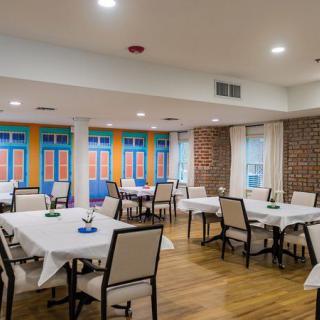
    Our community facilities include a beauty salon, where residents can pamper themselves and stay groomed, as well as a well-equipped computer center for those who enjoy staying connected online. For socializing and relaxation, we offer a gaming room, small library, and outdoor spaces such as gardens to enjoy fresh air and nature. Our dining room serves restaurant-style meals with special dietary restrictions catered to individual needs.

    Residents can rely on our dedicated staff for 24-hour supervision and assistance with activities of daily living including bathing, dressing, and transfers. Medication management is provided to ensure proper administration of medications. Our mental wellness program aims at promoting emotional health among residents.

    We prioritize the mobility and transportation needs of our residents by offering community-operated transportation for various purposes like planned day trips or visits to doctors' appointments. Move-in coordination services are available to make the transition into our community seamless.

    The Good Samaritan Rehabilitation and Nursing Center is situated in a prime location with numerous amenities nearby. There are several cafes, parks, pharmacies, restaurants, and hospitals close by for convenience and accessibility.

    With a focus on providing high-quality care in a comfortable setting, our assisted living community strives to enhance the overall well-being of our residents by catering to their unique needs and preferences.

    Nearby Places of Interest

    Cafes

    • Cafe Du Monde City Park (1.2 miles)
    • CC's Community Coffee House (2.8 miles)
    • Cafe Envie (2.9 miles)
    • Cafe Du Monde (3 miles)
    • French Truck Coffee (3.2 miles)
    • Starbucks (3.9 miles)
    • French Truck Coffee (4.1 miles)

    Parks

    • New Orleans City Park (1.2 miles)
    • Crescent Park (3 miles)
    • Pig Newton Park (3.6 miles)

    Pharmacies

    • Walgreens (1.2 miles)
    • Walgreens (1.4 miles)
    • CVS Pharmacy (1.7 miles)
    • Winn-Dixie (1.7 miles)
    • Walgreens (2 miles)
    • Walgreens (2.1 miles)
    • CVS Pharmacy (2.2 miles)

    Restaurants

    • Zimmer's Seafood (1.2 miles)
    • Pagoda Cafe (1.6 miles)
    • Cafe Navarre (1.7 miles)
    • Felipe's Mexican Taqueria (1.8 miles)
    • French Truck Coffee (1.8 miles)
    • Katie's Restaurant & Bar (1.9 miles)
    • Piece Of Meat (1.9 miles)

    Physicians

    • LCMC Health Cancer Care and Blood Disorders (2.3 miles)
    • Southern Orthopaedic Specialists (3.7 miles)
    • Napoleon Pediatrics (4.3 miles)
    • The Face & Body Clinic (4.7 miles)

    Hospitals

    • SE Louisiana Veterans Hospital (2.5 miles)
    • LSU Medical - 1400 Poydras (3.3 miles)
    • St Charles Surgical Hospital (4.2 miles)
    • The Gayle and Tom Benson Cancer Center (4.5 miles)

    Frequently Asked Questions

    Where is Good Samaritan Rehabilitation And Nursing Center?

    Nearby Communities

    Skilled Nursing Facility in Nearby Cities

    Related Resources

    • what does the sandwich generation meanUnderstanding the Sandwich Generation: Stress and Responsibilities for Multigenerational Caregivers

      The Sandwich Generation comprises adults managing the dual responsibilities of caring for aging parents and raising children, leading to significant emotional, logistical, and financial challenges. This situation is exacerbated by longer life expectancies and cultural expectations, necessitating effective coping strategies and support resources to alleviate caregiver stress and burnout.

    • assistive devices for elderly8 Essential Assistive Devices for Older Adults

      The article highlights eight essential assistive devices that improve the independence and safety of older adults, addressing issues related to mobility, balance, vision, hearing, and dexterity. It emphasizes the importance of proper selection guided by healthcare professionals to enhance seniors' quality of life while allowing them to age in place.

    • how to pay for nursing homeNavigating the Financial Road to Nursing Home Care: In-Depth Guidance and Resources

      The article offers detailed guidance on the financial complexities of nursing home care, covering costs, payment methods, and alternative funding strategies while emphasizing the importance of proactive planning and legal considerations for individuals and families making care decisions.


    Get Pricing Ask A Question Schedule A Tour Contact Senior Advisor