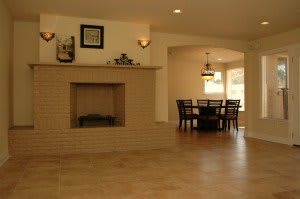
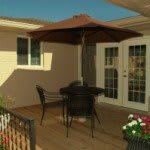
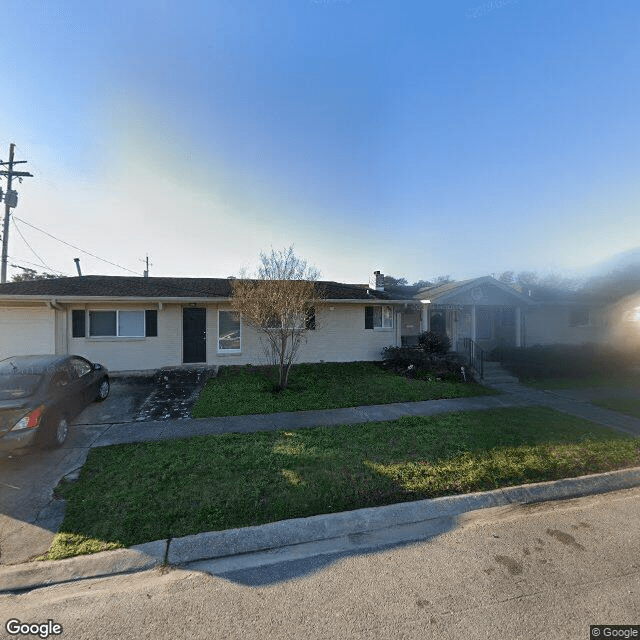
858 Mouton Street, New Orleans, LA 70124
For more information about senior living options: (866) 208-4318
Lakeview House Costs & Pricing
Lakeview House offers competitive monthly costs for its resident accommodations, particularly when compared to the local and state averages. For a semi-private room, Lakeview House charges $4,000, which is slightly lower than the Orleans Parish average of $4,013 but higher than the Louisiana state average of $3,598. The pricing is consistent across different room types; both studio and one-bedroom options are set at $5,000 - significantly above the averages in Orleans Parish ($3,377 for studios and $3,787 for one-bedroom) as well as the state averages ($3,235 and $3,413 respectively). Additionally, private rooms at Lakeview House are priced at $5,000, aligning closely with the county's cost of $4,638 and slightly above Louisiana's average of $4,521. Overall, Lakeview House presents a premium option within its locale while maintaining quality living standards that cater to a variety of preferences.
| Floor plans | Lakeview House | Orleans Parish | Louisiana |
|---|---|---|---|
| Semi-Private | $4,000 | $4,013 | $3,598 |
| Studio | $5,000 | $3,377 | $3,235 |
| 1 Bedroom | $5,000 | $3,787 | $3,413 |
| Private | $5,000 | $4,638 | $4,521 |
Memory care communities with a similar price nearby
-
About the same
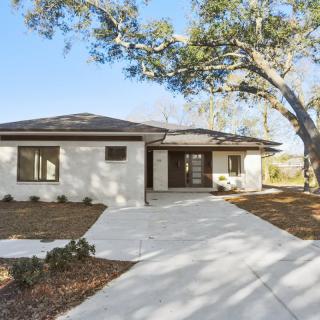
Old Metairie Gardens I/II
$4,000 to $6,000 / month2.2 miles away -
from -$500 / mo
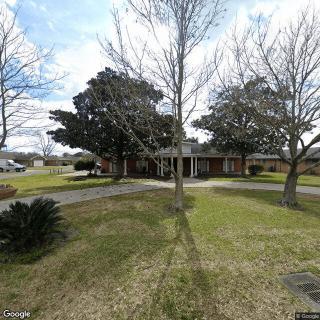
Tranquil Living
$3,500 to $4,000 / month9.0 miles away -
from -$250 / mo
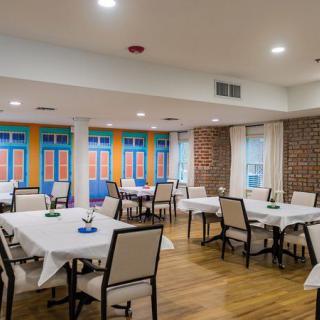
The Suites at Algiers Point
$3,750 to $5,275 / month5.4 miles away -
About the same
Beau Maison
$4,000 to $5,600 / month4.2 miles away -
About the same
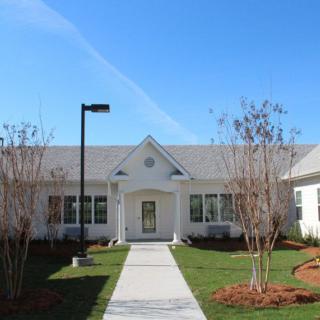
SummerHouse Ashton Manor
$4,095 to $5,665 / month17.5 miles away
Overall Review of Lakeview House
Pros
 The Lakeview House facility was extremely clean.
- Residents at Lakeview House were kept very clean and dry.
- Peristyle House New Orleans feels like a home rather than a nursing facility.
- Residents at Peristyle House can have their own rooms and belongings.
- Peristyle House provides personalized care with 2-3 daytime caregivers.
- The environment at Peristyle House is described as perfect, with residents happy and well cared for.
- The facility is very clean, and the staff are friendly.
- The facility is reasonably priced compared to other options.
Cons
 The meals were rather skimpy.
- There were no activities other than watching TV.
- The staff were understaffed and not well-trained in how to deal with advanced dementia patients.
- A nursing facility is impersonal and depressing.
- The portions are a little small.
Review
Lakeview House in New Orleans is best suited for families seeking a clean, affordable, low-stimulation senior living option where personal attention and a calm, home-like environment are prioritized over a busy activity calendar. Reviewers repeatedly point to a facility that is extremely clean and well maintained, with residents kept dry and cared for on a reliable schedule. The atmosphere is practical and unpretentious, prioritizing safety and comfort over spectacle. This makes it a solid fit for residents who are largely independent, don’t demand constant programming, and whose families are willing to contribute engagement outside staff-led activities. In short, Lakeview House delivers cleanliness, routine, and a straightforward care model that minimizes chaos.
Those weighing alternatives should note who may want to look elsewhere. Families with residents who have advanced dementia or significant cognitive and social needs may find Lakeview’s model insufficient. A more bustling activity calendar, stronger dementia-specific training among staff, and greater daily caregiver coverage are common expectations for higher-need residents, and those needs are not consistently documented here. For families seeking a very intimate, highly personalized environment with more consistent daytime caregiver presence, the comparison to other small, home-like options becomes particularly salient.
On the upside, the facility’s strongest assets are practical and reassuring. Cleanliness is a standout, providing a dependable baseline of daily safety and comfort. The staff are described as friendly, and the price point is competitive within the local market, which helps reduce the financial strain on families without sacrificing basic quality. For families seeking predictability and a straightforward care plan, these positives translate into lower stress around day-to-day operations, fewer sanitation concerns, and a sense that basic needs are met without fuss.
The flip side centers on meal quality and activity life, along with questions about staffing and dementia readiness. Several observers note meals can be skimpy, with portions that feel small and sometimes limited in variety. There are mentions of diet options lacking depth, with lunches occasionally resembling a simple sandwich rather than a substantive hot meal. Activity programming is sparse, with much of the day spent watching TV rather than engaging residents in interactive or meaningful pursuits. Coupled with concerns about understaffing and limited training for advanced dementia, these gaps can leave residents feeling under-stimulated and caregivers stretched thin.
Those concerns don’t cancel out the positives, but they do temper expectations for Lakeview as a comprehensive memory-care or activity-forward option. The clean, calm environment and friendly staff deliver essential safety and comfort, while the pricing keeps affordability in reach. However, for residents who require robust cognitive stimulation, consistent social engagement, and specialized dementia care, these strengths may not fully offset the drawbacks. Families should weigh the value of a quiet, orderly routine against the emotional and social benefits that come from more intensive programming and tailored caregiving.
In practical terms, Lakeview House can be a wise choice for residents who prize a tidy, predictable setting and whose families are prepared to supplement meals and activities outside staff hours. For those prioritizing high-touch dementia care, frequent meaningful activities, and stronger day-to-day caregiver coverage, stronger alternatives exist. A contrasting option described by reviewers, a small, 4- to 5-resident home-like setting with 2–3 daytime caregivers, weekly doctor visits, and highly personalized care, illustrates the kind of environment that can better accommodate advanced memory needs and constant social interaction. Prospective families should visit Lakeview multiple times, ask direct questions about dementia training, staff ratios, meal planning, and the activity calendar, and compare those findings with clearly defined alternatives before deciding.
 7 resident community capacity
 Assisted Living
 Board and Care Home
 Memory Care
 Activities off-site
 Air-conditioning
 Beautician on-site
 Cable or satellite TV
 Devotional services on-site
 Dining room
 Full kitchen
 Fully furnished
 Garden
 Ground floor units
 Handicap accessible
 Housekeeping services
 Indoor common areas
 Move-in coordination
 Outdoor common areas
 Private
 Respite or short term stays offered
 Telephone
 Wheelchair accessible showers
 Wi-Fi/high-speed internet available
 New Orleans International (9 miles away)
 24-hour supervision
 Ambulatory care
 Assistance with bathing
 Assistance with dressing
 Assistance with transfers
 Diabetes diet
 Diabetic care
 High acuity care
 Incontinence care
 Meal preparation and service
 Medication management
 Special dietary restrictions
 Transportation arrangement (medical)
 Transportation to doctors appointments
 Art classes
 Cooking classes
 Educational speakers / life long learning
 Forever fit
 Karaoke
 Live dance or theater performances
 Live musical performances
 Live well programs
 Visiting chaplain or priest
 Wine tasting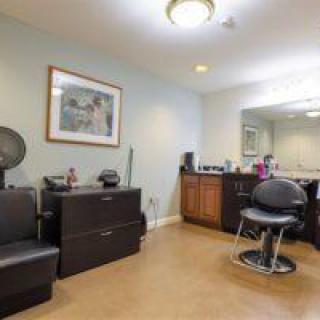





 8 Key Indicators That Suggest It May Be Time to Transition from Assisted Living to Skilled Nursing Care
 Nourishing the Mind: Essential Dietary Approaches for Dementia
 Understanding Dementia Behaviors: Practical Insights and Strategies for Caregivers