
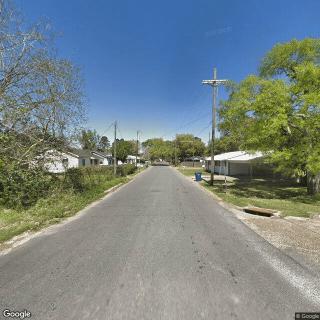
830 South Broadway, Church Point, LA 70525
For more information about senior living options: (866) 208-4318
Overall Review of Acadia St. Landry Guest House
Pros
 Missy was the best nurse and really cared about the patients.
- Pat, the night nurse's aide, was great.
- The physical therapists were AWESOME.
- He received excellent care from facility staff and therapy.
- He made friends for life during his stay.
- Melissa Cole and her staff have a special place in his heart.
Cons
 Her clothes were always missing.
- Her food brought by family was always missing.
- She was afraid at night.
- There were male patients visiting her at night, and nothing was done about it.
- She had to be transferred to another home.
- Her experience was very unpleasant.
Review
Acadia St. Landry Guest House in Church Point is best suited for families seeking a small, relational care setting where the nursing team and therapists can form real connections with residents. The strongest endorsements come from staff who consistently interact with residents and families, Missy, described as genuinely caring, Pat the night aide who helps with comfort and routine, and a physical therapy team many families call “awesome.” A sense of warmth is reinforced by stories of rehab progress and personal bonds formed with caregivers. When care is built on hands-on attention and a rehab-focused approach delivered by committed staff who remember names and backstories, this community can deliver meaningful, tangible benefits.
However, potential movers should note who may want to consider alternatives. The most serious red flags stem from long-term experiences that suggest uneven care and safety gaps. One family reports missing clothes, meals not arriving as planned, and a nighttime environment that felt unsafe due to male visitors circulating in the halls, which forced a relocation to another facility. These accounts highlight risks around consistency, privacy, and security that cannot be ignored, especially for residents requiring steady routines and reliable housekeeping. For families prioritizing predictable day-to-day operations and rigorous controls on resident interactions, other options may provide greater reassurance.
On balance, the positives, engaged staff, visible compassion, and a robust therapy track, often offset many concerns when care is short-term or rehabilitation-driven. Testimonials about attentive nurses, involved therapists, and caregivers who leave a tangible personal impression point to a facility that can produce meaningful gains in function and comfort. Yet the main drawbacks loom larger when these benefits are not consistently delivered: lapses in laundry and dining logistics, and a perceived risk around nighttime safety. In practical terms, the therapy-and-nursing strengths create real value for post-acute residents, but they do not automatically cure the vulnerabilities that surface in longer stays.
Families evaluating this community should demand concrete assurances before committing. Schedule multiple visits at different shifts; talk directly with current residents and relatives to gauge consistency; request recent incident and remediation reports; probe nurse-to-resident ratios and turnover; and verify how meals, clothing, and personal belongings are tracked. Specifically ask how security is managed after hours, what steps are taken if a resident experiences wandering or unsafe situations, and how privacy is protected when male visitors are present. Having clear, written statements about these policies helps separate reliable care from episodic positives.
The facility’s rehabilitation orientation is a real asset for those emerging from surgery or illness who need structured therapy and daily nursing support. When the focus is on rebuilding strength and returning home, the blend of compassionate staff and treatment options can accelerate progress and lift morale. Yet when long-term living needs predominate, ongoing privacy, consistent daily routines, and guaranteed safe surroundings, the variability evident in anecdotes should guide decisions. The right fit hinges on the resident’s care goals and the family’s ability to monitor performance across shifts.
In essence, Acadia St. Landry Guest House offers genuine warmth and capable therapy that can make a difference for many residents, particularly in rehab or short-term stays. It is not a universal fit for every elder, and red flags around clothing, meals, and nighttime safety warrant careful scrutiny. The decision favors families who can actively engage, verify policy adherence, and seek out staff who consistently translate care into daily reliability. For those needing stringent security, predictable routines, or comprehensive long-term memory care, exploring alternatives with stronger track records in those areas is a prudent course.
 134 resident community capacity
 Skilled Nursing Facility
 Air-conditioning
 Beauty salon
 Cable or satellite TV
 Computer center
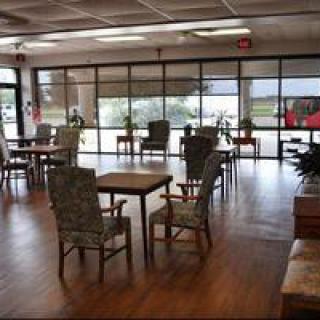
 Dining room
 Fitness room
 Fully furnished
 Gaming room
 Garden
 Housekeeping services
 Kitchenette
 Move-in coordination
 Outdoor space
 Private bathrooms
 Restaurant-style dining
 Small library
 Telephone
 Wellness center
 Wi-Fi/high-speed internet available
 Lafayette Regional (19 miles away)
 Community operated transportation
 12-16 hour nursing
 24-hour call system
 Activities of daily living assistance
 Assistance with bathing
 Assistance with dressing
 Assistance with transfers
 Diabetes diet
 Medication management
 Mental wellness program
 Special dietary restrictions
 Concierge services
 Planned day trips






 Exploring the World of Home Health Nurses: Qualifications, Roles, and Hiring Tips
 Navigating Medicare Coverage for In-Home Care Services
 In-Home Care Costs in 2025: A Detailed State-by-State Exploration