

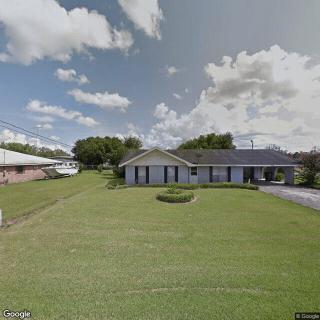
308 Amelia Street, Rayne, LA 70578
For more information about senior living options: (866) 208-4318
Overall Review of The Ellington
Pros
 The facility is an awesome workplace.
- The facility is very nice and well kept.
- The staff provides great care to residents.
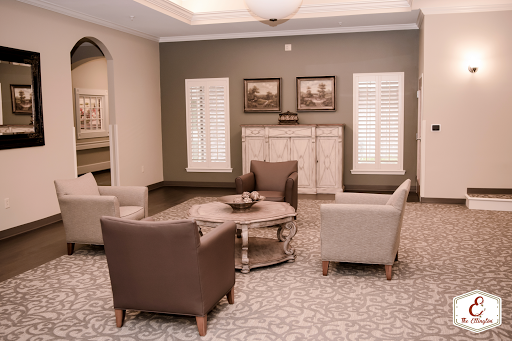
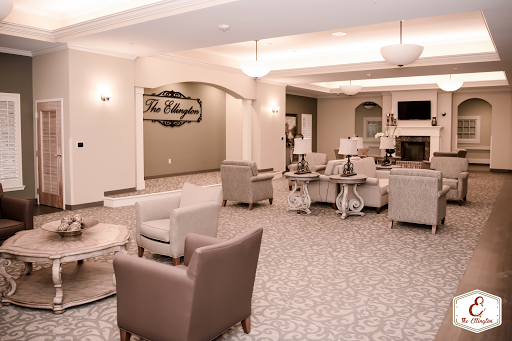
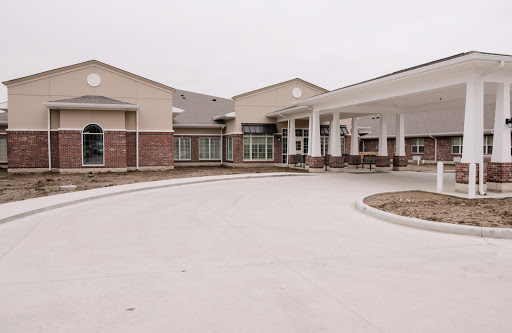
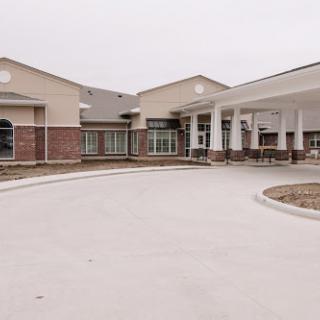
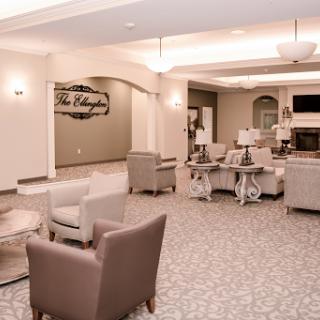
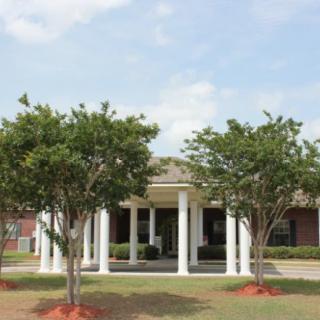
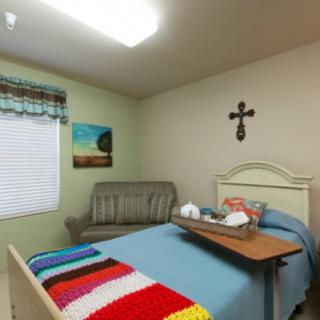
- The home is wonderful, renovated, and beautiful.
- The location is great.
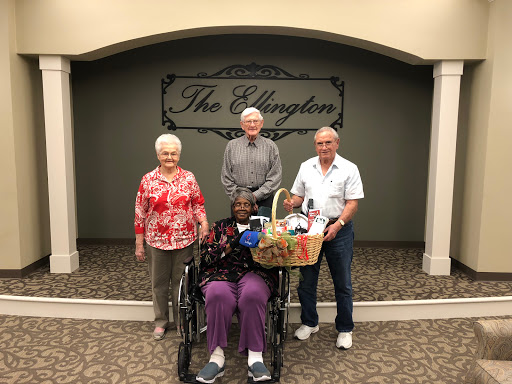
- The staff fosters a family-like environment and loves its residents.
Cons
 The facility used to be great, but it isn't anymore.
- The food is awful and could be much better.
- If residents need to be fed by assistants, families may have to do it themselves, risking dehydration or worse.
- The thermostat is kept too low, leaving rooms freezing.
- There is neglect in many ways, especially for residents needing extra care.
- Residents may develop bedsores because staff won’t turn them or provide proper pillows and treatment.
- Some residents are found lying in beds full of urine with infections, requiring families to take them to the emergency room to save their lives.
- Night shifts are chronically short-handed and staff sometimes don’t care, just collecting a paycheck.
Review
The Ellington in Rayne, LA is best suited for families that can stay actively involved in a loved one’s daily care and advocate for consistent, attentive treatment, especially when a comfortable, renovated setting is a priority. The property has visible improvements and a refreshed feel that can be reassuring to residents and visitors alike. It is a workable option for those who want proximity to home-like neighborhoods, reliable housekeeping, and a general sense of “home” in a skilled-nursing environment. However, this community is not the right fit for anyone who requires rigorous, predictable 24/7 clinical oversight or specialized wound and hydration management without regular family escalation and monitoring.
Those considering alternatives should note that several reviews flag significant risk factors for basic daily care. Widespread concerns about understaffing, particularly on night shifts, raise questions about timely assistance, turning patients to prevent bedsores, and consistent hydration. Multiple accounts describe neglectful practices, with suggestions that meals may be inadequately served or prepared, and that serious issues like infections or dehydration were not addressed promptly. For families whose loved ones depend on steady, proactive nursing and immediate response to changing needs, these themes point toward exploring other facilities with stronger staffing standards and tangible, verifiable care protocols.
The strongest positives here are tangible: a renovated, pleasant environment; a sense of community among some staff; and moments of high-quality care from individual caregivers. A few CNAs are singled out for excellent attention, and there is commentary about clean, seemingly happy residents when care is well delivered. The facility’s 위치 and ambience contribute to a calmer, more dignified daily life for residents who can rely on consistent staff follow-through. When these elements align, theEllington can feel like a solid, respectable option within the local market.
Yet the central tension remains between the decent environment and the uneven care quality reported. The most troubling themes, missed turns, dehydration, untreated bedsores, and the impression that night shifts may drift into indifference, cannot be dismissed as isolated incidents. The dissonance between a well-maintained building and variability in direct care creates a practical risk calculus: the comfort of the surroundings does not compensate for moments when urgent needs go unmet. For families evaluating this community, the trade-off is clear: comfort and occasional strong caregiving versus the real possibility of inconsistent responsiveness.
Practical next steps are essential. Schedule a thorough tour that includes time with night-shift coverage and a candid look at staffing patterns, turnover, and care plans. Request a current resident-and-family reference list and speak with families who have firsthand experience across different shifts. Demand up-to-date wound-care protocols, feeding assistance procedures, and hydration monitoring practices, along with documented turning schedules and pressure-relief measures. Ask for a sample weekly menu and a meal-service timeline to verify nutritional consistency. Consider a short-term respite stay to observe daily operations firsthand before making a long-term commitment.
In the final assessment, The Ellington can be a viable choice for families that remain actively engaged and demand accountability, especially when the goal is access to a nicely upgraded setting with pockets of exceptional caregiving. However, for those whose priority is unwavering, scalable, high-quality everyday care with minimal oversight, better options exist in the region. A careful, structured intake process, focusing on staffing reliability, care planning, and transparent service levels, will determine whether this community meets specific senior-care needs or if it’s wiser to pursue alternatives that promise more consistent day-to-day execution.
 120 resident community capacity
 Board and Care Home
 Skilled Nursing Facility
 Air-conditioning
 Beauty salon
 Cable or satellite TV
 Computer center
 Dining room
 Fitness room
 Fully furnished
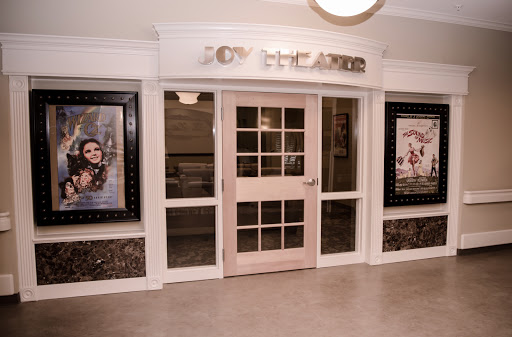
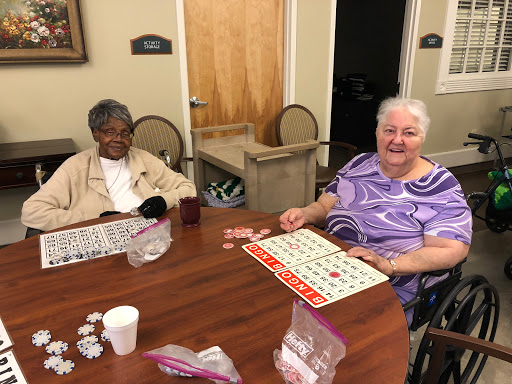
 Gaming room
 Garden
 Housekeeping services
 Kitchenette
 Move-in coordination
 Outdoor space
 Private bathrooms
 Restaurant-style dining
 Small library
 Telephone
 Wellness center
 Wi-Fi/high-speed internet available
 Lafayette Regional (17 miles away)
 Community operated transportation
 12-16 hour nursing
 24-hour call system
 Activities of daily living assistance
 Assistance with bathing
 Assistance with dressing
 Assistance with transfers
 Diabetes diet
 Medication management
 Mental wellness program
 Special dietary restrictions
 Concierge services
 Planned day trips


 6 Crucial Ways an Elder Law Attorney Assists Families
 Navigating the Tax Landscape of Caregiving: Credits, Deductions, and Beyond
 Highly Beneficial Low-Impact Exercises for Senior Living Residents