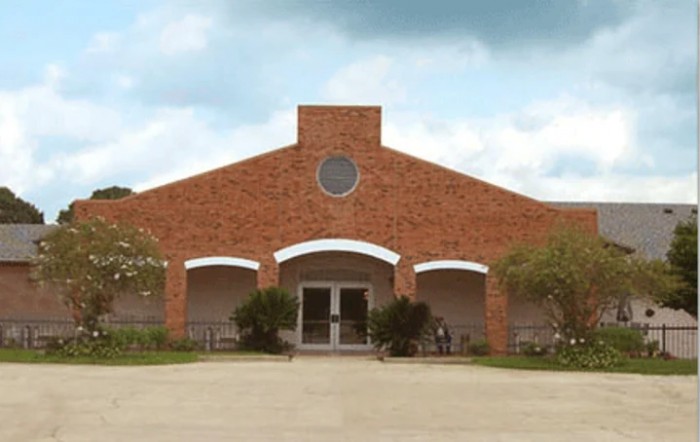
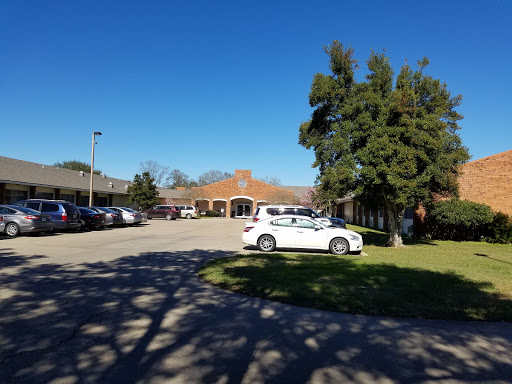
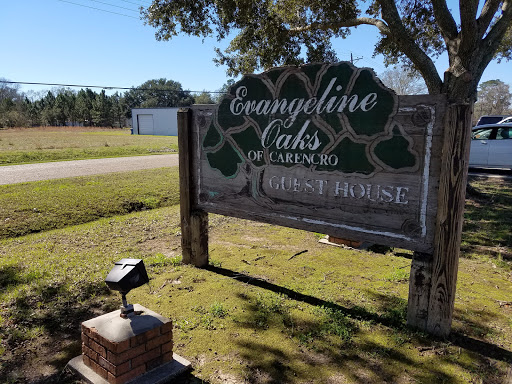


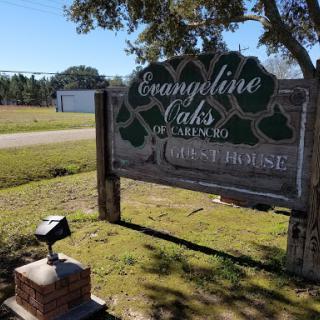

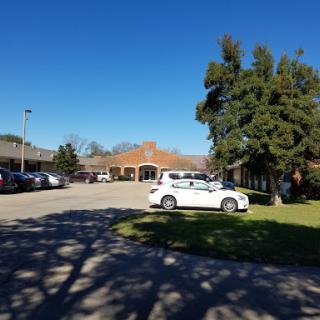
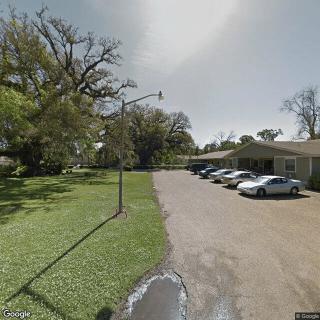
240 Arceneaux Road, Carencro, LA 70520
For more information about senior living options: (866) 208-4318
Overall Review of Evangeline Oaks Guest House
Pros
 Evangeline Oaks is a wonderful place to live.
- Amanda Stanley is an amazing person who cares deeply for patients.
- Amanda Stanley is praised for her compassionate care of residents.
- A family member received excellent care at Evangeline Oaks.
- The therapy team at Evangeline Oaks is wonderful.
- The facility has a dedicated staff and a new administrator.
- With new management and facility updates, things look extremely positive for residents and the community.
- The Rehab-to-Home program for short stay rehabilitation is coming soon.
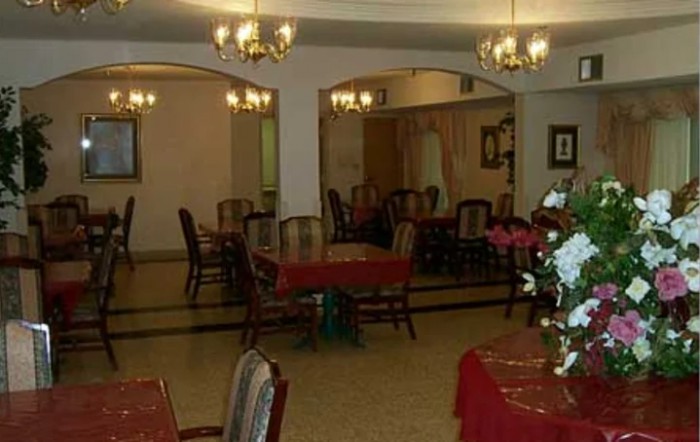
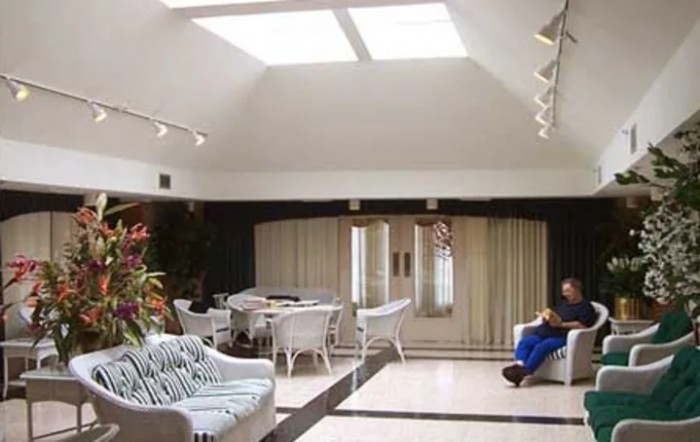
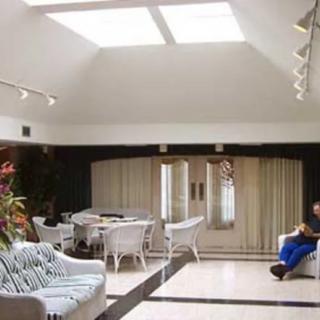
- The home-like atmosphere and the staff are knowledgeable and attentive.
Cons
 The facility was described as horrible, like a zoo, with residents yelling, looking depressed and unattended, and it smelling dirty.
 - The staff were described as very unprofessional and rude, with no on-call RN or DON available on weekends, and they refused to take back their patients on weekends despite commitment.
- The reviewer would give it zero, citing their brotherā€™s rehabilitation after a stroke and subsequent repeated infections and health issues, plus financial concerns, and would not recommend the facility.
- The reviewer was not impressed; the staff were rude and yelled at their mother, and the place needs remodeling.
- The staff were described as horrible and uncaring, prioritizing money, with limited meals for patients and poor cleanliness.
- Communication was poor, with calls to schedule a tour redirected to voicemail and a multi-day wait for a callback.
Review
Evangeline Oaks Guest House in Carencro is best suited for families seeking a warm, home-like setting with a strong emphasis on rehabilitation and a dependable transition back to independence. The community has earned steady praise for its therapy team and the leadership under a new administrator, with many residents and families noting progress through rehabilitative care and the planned Rehab-to-Home wing. For residents who need short-term rehabilitation after a stroke or other medical setback, the environment and staff dedication can translate into meaningful gains. The overall culture favors personal attention and continuity, which matters to families that value a familiar, relatively less institution-like atmosphere during a difficult chapter.
However, this is not a one-size-fits-all choice. Those who require consistently polished operations, rapid front-desk responsiveness, and unwavering weekend on-call coverage should weigh alternatives. Several reviews flag communication gaps, including delays in scheduling tours and difficulty reaching key contacts. Some accounts describe safety, cleanliness, and treatment concerns that are not universal but are serious enough to demand scrutiny. Financial handling questions also surface in a few anecdotes, underscoring the need for careful, current verification. If reliability and a flawlessly smooth daily experience are non-negotiable, other communities may be a better fit.
On the upside, the clinical core is real and compelling. The therapy department receives frequent praise for competence, and the Rehab-to-Home initiative signals a deliberate move toward shorter hospital stays and clearer pathways home. Reviewers also point to an attentive staff and a homelike environment as distinguishing strengths. The new administrator is repeatedly framed as a positive force for updates and accountability, and the planned rehab wing adds tangible capacity. For families prioritizing skilled rehabilitative services that can meaningfully accelerate recovery, these elements are meaningful differentiators that can offset some daily inconveniences when properly managed.
Yet the risks cannot be dismissed. The most troubling accounts describe environments that feel chaotic or unclean, with reports of residents being unattended, odors or dirt, and front-desk interactions that come across as unhelpful or dismissive. Weekend coverage gaps and the absence of an on-call RN or DON create real safety concerns for long-term residents and their families. A few stories imply financial concerns or misgivings about how funds are handled, which should be a red flag for anyone evaluating ongoing care. These are not universal experiences, but they carry enough weight to demand direct, current confirmation before committing to a long-term arrangement.
When weighing pros against cons, the rehab strengths and the homelike culture carry substantial weight for transitional care and ongoing therapy. If tours and conversations verify stable staffing, reliable meal service, transparent communication channels, and clean, safe living spaces, Evangeline Oaks can deliver on its core promise. The decisive question is whether the strong therapy resources and evolving administration translate into consistent day-to-day operations across weekends and shifts. For residents with high supervision needs or families that require meticulous, proactive oversight, the cons may overwhelm the upside. For a family comfortable with bounded risk and active involvement, a careful, well-informed decision process can still make Evangeline Oaks a viable option.
Practical next steps apply: schedule a thorough tour with a sharp eye on the Rehab-to-Home wing, request conversations with the therapy director and the administrator, and observe a mealtime and activity period to gauge attentiveness and cleanliness. Ask pointed questions about weekend staffing, on-call coverage, and how concerns are tracked and resolved. Seek current resident or family references, and request copies of recent incident reports and financial processes to confirm transparency. If those checks satisfy, Evangeline Oaks can offer a strong rehabilitative pathway in a comforting setting; if not, families should pivot to communities with steadier daily operations and better-supported critical needs.
 190 resident community capacity
 Skilled Nursing Facility
 Air-conditioning
 Beauty salon
 Cable or satellite TV
 Computer center
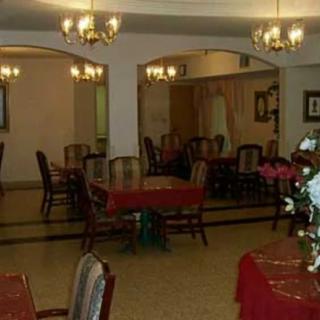
 Dining room
 Fitness room
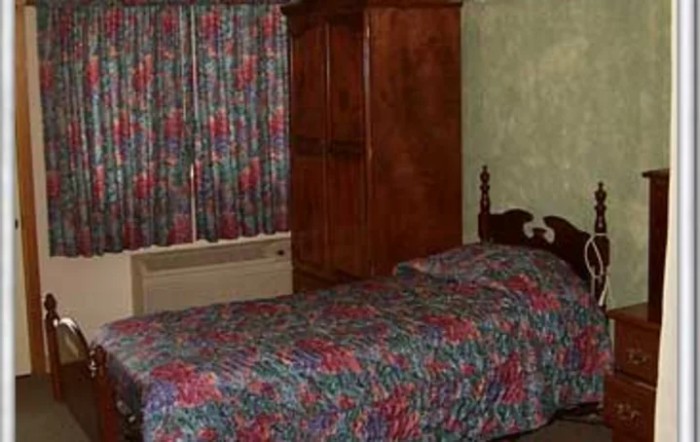
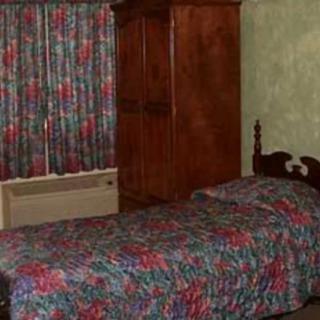
 Fully furnished
 Gaming room
 Garden
 Housekeeping services
 Kitchenette
 Move-in coordination
 Outdoor space
 Private bathrooms
 Restaurant-style dining
 Small library
 Telephone
 Wellness center
 Wi-Fi/high-speed internet available
 Lafayette Regional (8 miles away)
 Community operated transportation
 12-16 hour nursing
 24-hour call system
 Activities of daily living assistance
 Assistance with bathing
 Assistance with dressing
 Assistance with transfers
 Diabetes diet
 Medication management
 Mental wellness program
 Special dietary restrictions
 Concierge services
 Planned day trips




 Home Health Care Aides: Understanding Their Role and Supporting Your Family
 Urinary Tract Infections in Older Adults: Comprehensive Insights on Symptoms, Treatment, and Prevention
 California's Form 602A: An In-Depth Examination of Senior Care Assessment