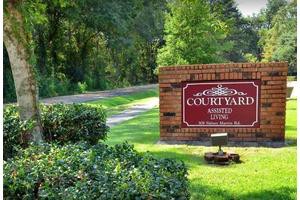

306 Sydney Martin Road, Lafayette, LA 70507
For more information about senior living options: (866) 208-4318
Overall Review of Courtyard Manor Nurse Care Center & Assisted Living
Pros
 The aides are wonderful.
- The decor is beautiful.
- The staff are great and consistently friendly and caring.
- The facility is very clean and well maintained.
- The staff are knowledgeable about patient care.
- The community offers engaging activities like bingo and Bible studies.
- The food is good, with multiple entree options.
- Transportation to appointments and outings is reliable and considerate.
- Residents feel well cared for and at home.
- The staff go above and beyond to help and treat residents like family.
Cons
 The reviewer claims terrible business practices, leaving families in the dark, lying, and rude admin staff.
- The front desk staff are described as very rude, who cussed out the reviewer, with the reviewer saying they would never recommend the facility.
- Leadership is described as profoundly dysfunctional, with rude, uncaring, and control-freak staff.
- Care is described as hindered by short-staffing and Medicare limitations.
- Nursing staff, nurse management, and physicians are described as unprofessional and unresponsive.
- The director and physician reportedly failed to contact the family for over two weeks, described as unprofessional and sarcastic.
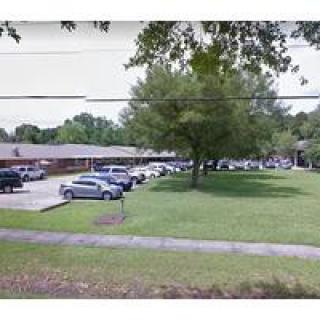
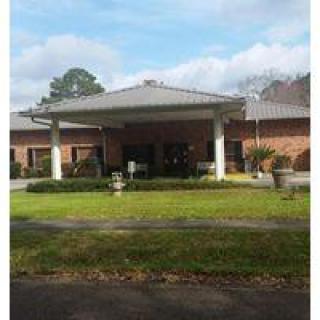
- The exterior upkeep is not well kept.
Review
Courtyard Manor Nurse Care Center & Assisted Living in Lafayette is best suited for seniors who want a warm, home-like atmosphere with a strong social calendar and caregivers who know residents by name. The community earns praise for attentive aides who form real connections, a decor and setting that feel comfortable rather than clinical, and a range of activities that move beyond basic care. For families prioritizing daily engagement, friendly staff, good food, and dependable transportation to appointments, Courtyard Manor can deliver a living experience that feels more like a social club with supportive care than a sterile facility. It is less ideal, however, for those who demand flawless administrative communication and relentlessly consistent leadership.
Those who should consider alternatives include families prioritizing transparent, highly responsive administration and a governance structure that consistently keeps families informed. Several reviews raise red flags about rude front-desk interactions and unreliable communication from leadership, with some families feeling left in the dark. Short-staffing in rehab scenarios is noted, which can affect timely care and oversight. When heavy nursing management, rapid problem resolution, and predictable family updates are non-negotiable, the risk of gaps grows. For such situations, a community with steadier administrative processes and clearer family-facing accountability may be preferable.
On the plus side, the strongest recurring strength lies with the caregiving staff. Aides are described as wonderful, friendly, and genuinely attentive, and many residents appear well cared for in daily routines. The environment tends to be clean, and the food receives favorable remarks. Activities and social opportunities are plentiful, from bingo and Bible studies to organized outings and in-house entertainment. Resident transportation to appointments and occasional group meals reinforce a sense of independence and community. For families seeking a socially vibrant setting where residents are regularly engaged, these elements can offset other concerns and deliver meaningful quality of life.
Yet the drawbacks are substantial and should not be minimized. Leadership and administrative culture surface repeatedly as potential weaknesses, with some reviewers labeling the management as dysfunctional. Front-desk interactions can be brusque, and timely replies from administrators or physicians are not consistently demonstrated. Short-staffing compounds these issues, particularly around rehab or ongoing medical oversight. The combination of perceived indifference from leadership and inconsistent family communication can erode trust and complicate the caregiving partnership. These aren’t abstract complaints; they translate into real uncertainties about responsiveness, accountability, and safety.
Decision-making should hinge on careful vetting. Prospective residents and families should insist on meeting a designated administrator and a lead nurse to establish predictable points of contact. Observe how staff interact with residents, especially aides who are the daily anchor of care. Inquire about staffing ratios, turnover, and how rehab oversight is managed when short-term skilled services are needed. Confirm the activity calendar, transportation logistics, and how regular family updates are provided. If possible, speak with multiple current residents and families to gauge consistency of care across shifts and days. This diligence will clarify whether the wind of positives can sustain through potential governance and communication gaps.
In sum, Courtyard Manor offers a compelling package for a resident who prizes a lively social calendar, a home-like atmosphere, and consistently kind aides, and who can tolerate occasional administrative friction. For families where reliable leadership, transparent communication, and prompt problem-solving are non-negotiable, alternatives may be a better fit. The best course is a thorough, repeated visit with explicit questions about staffing, governance, and family escalation paths, paired with a clear plan for how concerns will be tracked and resolved. When those conditions align, Courtyard Manor can become a trusted home; when they do not, it pays to keep exploring Lafayette options that promise steadier management and more uniform responsiveness.
 92 resident community capacity
 Skilled Nursing Facility
 Air-conditioning
 Beauty salon
 Cable or satellite TV
 Computer center
 Dining room
 Fitness room
 Fully furnished
 Gaming room
 Garden
 Housekeeping services
 Kitchenette
 Move-in coordination
 Outdoor space
 Private bathrooms
 Restaurant-style dining
 Small library
 Telephone
 Wellness center
 Wi-Fi/high-speed internet available
 Lafayette Regional (5 miles away)
 Community operated transportation
 12-16 hour nursing
 24-hour call system
 Activities of daily living assistance
 Assistance with bathing
 Assistance with dressing
 Assistance with transfers
 Diabetes diet
 Medication management
 Mental wellness program
 Special dietary restrictions
 Concierge services
 Planned day trips





 California's Form 602A: An In-Depth Examination of Senior Care Assessment
 Comprehensive Look at Senior Blood Pressure Charts: Normal and Elevated Levels by Age
 Top Canine Companions for Older Adults