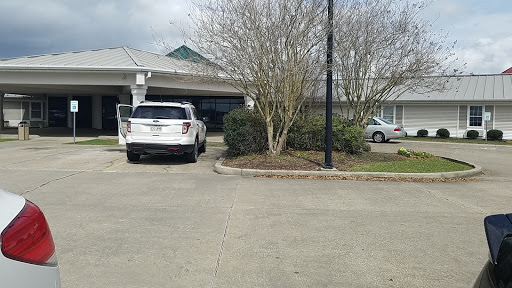

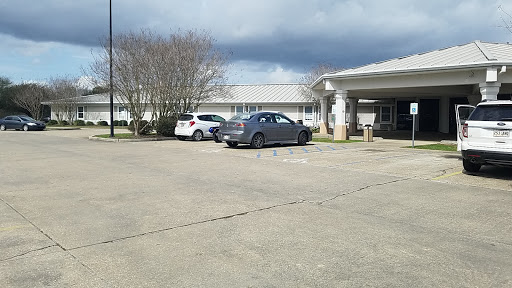
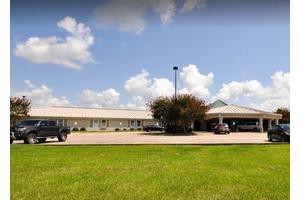
3859 Highway 190, Eunice, LA 70535
For more information about senior living options: (866) 208-4318
Overall Review of Eunice Manor
Pros
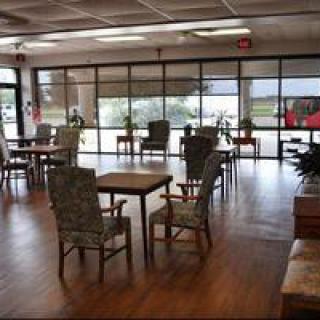
 The staff are friendly and the facility is clean, with a lively, engaging environment.
- Families appreciate the convenient location and the assurance of the best care.
- Eunice Manor is absolutely wonderful, with excellent staff.
- The staff at Eunice Manor are exceptional, according to a longtime nursing-home professional.
- The facility shows care, love, and pride, and residents receive great care.
- The staff are described as world-class, with daily demonstrations of care and dedication.
- The residents look very happy, and the nurses are kind in a beautiful setting.
- Overall, experiences at Eunice Manor are wonderful.
Cons
 This place is terrible.
- The administrator is loud and intrusive.
- She does not allow simple things like safety belts, she would apparently rather the resident fall and break a bone.
- The nurses were very rude.
- CNAs are not well trained.
- The DON can't make any decisions because the administrator doesn't allow it.
- There is poor continuity of care due to high turnover.
- The fall rate is very high.
- The facility denied coverage and admittance for no reason whatsoever.
- It seems like more attention is placed on the building than the people inside it.
Review
Eunice Manor is best suited for families that prioritize a warm, person-centered culture in a skilled-nursing setting. The community shines for residents who respond well to engaged, friendly staff and a lively, activity-rich atmosphere. It is particularly appealing for rehab-to-home trajectories and long-term stays when families want frequent family-facing communication and a sense that caregivers know residents by name. The location also helps families stay connected, convenience near work and home makes ongoing oversight practical and reassuring.
Prospective buyers should also consider alternatives if leadership clarity and consistent policy enforcement are top priorities. Several reviews raise red flags about administrative control and decision-making processes. One reviewer details intrusive, loud leadership and a restriction mindset that appears to limit safety measures and clinical autonomy. Another account notes a disconnect between administration and front-line decisions, with concerns about continuity of care due to turnover and a high fall rate. Insurance interactions, specifically a denial of in-network coverage without a clear, documented rationale, also warrant scrutiny before committing.
The strongest positives at Eunice Manor are the staff's evident dedication and the overall quality of daily care. Families repeatedly describe staff as kind, attentive, and deeply invested in residents, with administrators and nurses who go beyond the call of duty, sometimes personally contacting family members to coordinate care. The facility itself frequently earns praise for cleanliness and a welcoming, energized environment where residents participate in activities and appear engaged. For families seeking a supportive, relationship-driven care team, these attributes can meaningfully offset routine care needs and provide a reliable sense of security during recovery or extended stays.
Yet the main negatives cannot be dismissed. Claims of high staff turnover, limited autonomy for the DON, and a management style that seems to micromanage or restrict decisions raise concerns about consistency and long-term reliability. The documented fall rate and reports of safety debates, such as resistance to using certain safety measures, point to potential safety risks that may not align with every family's expectations for risk management. Environmental notes, carpeting believed to harbor bacteria and occasional odors, also suggest areas where upkeep and infection-control practices should be verified during tours and live observations. These factors collectively temper the otherwise strong caregiving narrative.
For families evaluating Eunice Manor, practical next steps are essential. Request candid conversations with the administrator and the director of nursing to map out care pathways, safety protocols, and escalation procedures. Review the facility’s incident and falls data, staff training programs, and turnover rates. Ask for a detailed, itemized understanding of how insurance approvals are handled, what documentation is required, and how disputes are managed. During visits, assess nurse-to-resident ratios during peak hours, observe how staff communicate with residents, and speak with current residents and family members about day-to-day experiences. Confirm environmental hygiene practices, especially in high-traffic areas, and request a tour of the rehab unit and memory-care pathways if applicable.
In the end, Eunice Manor offers a compelling combination of compassionate care and a lively, homey atmosphere that can delight families seeking personal attention and robust rehab-to-home support. However, the concerns raised about leadership style, policy control, and safety consistency mean that those prioritizing predictable governance and airtight safety protocols may want to explore alternatives. If the decision is to proceed, enter with clear expectations, concrete questions, and a plan to verify care continuity and administrative responsiveness through a structured tour and follow-up conversations.
 152 resident community capacity
 Skilled Nursing Facility
 Air-conditioning
 Beauty salon
 Cable or satellite TV
 Computer center
 Dining room
 Fitness room
 Fully furnished
 Gaming room
 Garden
 Housekeeping services
 Kitchenette
 Move-in coordination
 Outdoor space
 Private bathrooms
 Restaurant-style dining
 Small library
 Telephone
 Wellness center
 Wi-Fi/high-speed internet available
 Community operated transportation
 12-16 hour nursing
 24-hour call system
 Activities of daily living assistance
 Assistance with bathing
 Assistance with dressing
 Assistance with transfers
 Diabetes diet
 Medication management
 Mental wellness program
 Special dietary restrictions
 Concierge services
 Planned day trips



 Recognizing the Journey: Understanding and Navigating Anticipatory Grief
 Encouraging Participation in Adult Day Care: A Guide to Supporting a Hesitant Parent
 Comprehensive Exploration of Living Wills and Other Advance Directives