

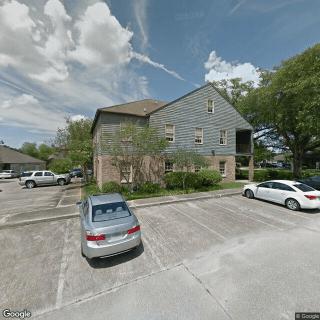
4250 Essen Lane, Baton Rouge, LA 70809
For more information about senior living options: (866) 208-4318
Overall Review of Ollie Steele Burden Manor
Pros
 The grounds are really beautiful.
- The medical staff is excellent.
- The food is fantastic.
- Aides are very focused on the welfare of each patient.
- The skilled care was wonderful.
- The physical therapy is the shining star.
- The facility is very clean and the staff are very good.
Cons
 They put her in a wheelchair and she never walked on her own again.
- Staff wouldn’t answer the phone when the family checked on her.
- They were told their mom had died after shift change and without proper notification.
- Her jewelry was stolen off her body while she was in the facility.
- The mother was left alone in a room after her death.
- The facility left a resident sitting all night in a freezing chair, with no warmth or robe.
- A walker was removed and brakes jammed, preventing the resident from getting up.
- The staff were unprofessional and uncaring, cutting off communication with the family.
- The place was described as a “hell hole” and a nightmare due to neglect and poor management.
- The respite wing had lazy and incompetent staff, old facilities, and neglectful care.
- The facility was infested with bed bugs, and the issue was hidden from families.
Review
Ollie Steele Burden Manor is best suited for seniors who need rehabilitation-focused care and can benefit from a strong physical therapy program, provided there is vigilant oversight from family members or designated surrogates. The facility has been described as clean with well-maintained grounds and with a PT department that delivers noticeable mobility gains. For residents who prioritize tangible rehabilitation outcomes and a straightforward skilled-nursing experience, this site can be a viable option, especially in the short-term rehab context. However, it is not a fit for those seeking a modernized environment, consistently high-touch daily care, or seamless communication between staff and families. In short, the strongest case for Ollie Steele Burden rests on rehab quality and a clean, orderly setting, not on predictably reliable everyday caregiving.
Those considering alternatives should recognize who may be poorly matched here. Families dealing with dementia or Alzheimer’s who require steadfast, around-the-clock attention and carefully managed wandering tendencies should look elsewhere, as reported incidents suggest inconsistent supervision and care gaps. Prospective residents who expect timely responses to call lights, dependable assistance during transfers, and steady medication management should pursue other options with documented staffing stability. The facility’s age and need for modernization also weigh against long-term comfort and predictable service, particularly for residents who prize contemporary accommodations and consistently courteous, well-trained front-line staff.
The main pros, strong physical therapy, real-world improvements in mobility, and a clean environment, often fail to fully offset the prominent cons. When PT is effective, residents may gain independence enough to go home or reduce levels of care, which is a meaningful upside. Yet these gains can be undermined by two overarching issues: chronic understaffing and uneven quality across shifts. Several accounts describe aides repeatedly unavailable or delayed in assisting with basic needs, and nurses who appear overwhelmed or disinterested in communicating medical histories or care plans. The discrepancy between skilled-rehab performance and day-to-day caregiving creates a troubling mismatch that families must weigh carefully.
Financial and emotional stakes also come into play. Families should consider the impact of inconsistent safety and dignity in daily care, ranging from call-light neglect to inadequate hygiene and even reports of harmful restraint practices in some anecdotes. Instances of poor communication between shifts and with family members further erode trust and complicate care transitions. The contrast between well-regarded therapy and troubling bedside care makes the decision especially patient- and family-dependent: if rehab success is the priority and strict oversight is possible, Ollie Steele Burden can work; if reliable, compassionate daily care is non-negotiable, alternatives deserve strong consideration.
For families evaluating this community, practical next steps are essential. Request a candid tour of both the skilled-nursing and respite/long-term wings at different times of day to observe staffing patterns and response times. Ask for detailed current staffing ratios, the role of the director of nursing, and a sample weekly treatment plan that clearly documents therapy progress and discharge goals. Seek to review recent incident logs, housekeeping standards, and resident meal and nutrition plans. Verify the facility’s process for handling medications, bed safety, and equipment maintenance. Above all, insist on speaking with current residents and families about day-to-day interactions and the consistency of care.
The bottom line remains clear: Ollie Steele Burden Manor presents a conflicted value proposition. The institution delivers standout physical therapy and a generally clean environment, but pervasive concerns about staffing levels, communication failures, and safety lapses erode confidence for most long-term decisions. For families whose priority is reliable daily care, transparent governance, and modern amenities, exploring other options is prudent. For those who can couple diligent oversight with a rehab-first objective, and who understand that excellent therapy must be matched by steadfast nursing care, a careful, evidence-driven admission decision may still be warranted, but proceed with heightened scrutiny, multiple corroborating tours, and a clear plan for ongoing oversight.
 112 resident community capacity
 Skilled Nursing Facility
 Air-conditioning
 Beauty salon
 Cable or satellite TV
 Computer center
 Dining room
 Fitness room
 Fully furnished
 Gaming room
 Garden
 Housekeeping services
 Kitchenette
 Move-in coordination
 Outdoor space
 Private bathrooms
 Restaurant-style dining
 Small library
 Telephone
 Wellness center
 Wi-Fi/high-speed internet available
 Baton Rouge Metropolitan (9 miles away)
 Community operated transportation
 12-16 hour nursing
 24-hour call system
 Activities of daily living assistance
 Assistance with bathing
 Assistance with dressing
 Assistance with transfers
 Diabetes diet
 Medication management
 Mental wellness program
 Special dietary restrictions
 Concierge services
 Planned day trips







 Understanding the Nuances of Palliative Care and Hospice: A Comprehensive Exploration
 Fecal Incontinence in Older Adults: A Comprehensive Guide
 Nurturing Well-Being Through Gardening: A Detailed Guide for Senior Enthusiasts