Sage Rehabilitation Hospital

Save

Sage Rehabilitation Hospital

8000 Summa Avenue, Baton Rouge, LA 70809

For more information about senior living options: (844) 490-3973

3.4 from 100 reviews
5 stars
53
4 stars
7
3 stars
0
2 stars
7
1 stars
33

Skilled Nursing Facility

Overall Review of Sage Rehabilitation Hospital

Pros

  • pro Cherika is described as a beautiful, hardworking, sweet, and kind nurse who was always there with a smile.
  • pro The techs Anthony, Marnaysha, and Lue'Ella made the stay feel like home.
  • pro Ouida (the activity director) is awesome.
  • pro The therapy team was knowledgeable, encouraging, and invested in recovery.
  • pro Ann and Ashley provided wound care with skill, compassion, and great bedside manners.
  • pro The nursing staff and therapy team demonstrated professionalism and teamwork, helping the patient improve.
  • pro Judy was great at getting the patient to dialysis on time.
  • pro The food was delicious, and the overall environment was clean and positive.
  • pro Admissions and the Welcome team were nice and helpful.

Cons

  • pro A reviewer described the level of care at Sage Rehabilitation Hospital as absolutely appalling.
  • pro The reviewer stated that staff insulted a family member's career, refused to provide charges for therapy, and held medical records hostage, calling the staff rude and unaccommodating.
  • pro A family member's experience was described as like a zoo - very loud, with people smoking outside, making visits depressing and not professional.
  • pro One reviewer said Sage Rehabilitation Hospital is the absolute worst and urged others to avoid it.
  • pro The on-duty nurse reportedly did not care and appeared to hate her job, causing distress.
  • pro The reviewer claimed the administration did not believe concerns and mishandled the situation, resulting in hurt and frustration.
  • pro A commenter described the facility as rude, uncoordinated, and poorly staffed, criticizing communication and care coordination.

Review

Sage Rehabilitation Hospital appears to leave a strong impression on its patients, but not in exactly the same way for everyone. Across a long thread of reviews, the predominant notes are warmth, competence, and recovery progress from many staff members and a few disconcerting moments that some patients say reveal deeper issues with safety, communication, and administration. Taken together, the collection paints a picture of a facility where compassionate care and effective therapy co-exist with concerns about patient safety, responsiveness, and consistency in service.

Several reviewers sing the praises of individual caregivers who stood out for their dedication and personal touch. A nurse named Cherika is repeatedly singled out as a beacon of reliability and kindness - described as hard-working, smiling, and always present, with an ability to lift spirits even in challenging days. One patient credits Cherika with being the reason their family member would want to return, calling her a "gem" on the team. Other staff members who earned high marks include techs Anthony, Marnaysha, and Lue'Ella, whose availability and attitude helped the stay feel more like home. The activity director, Ouida, is praised as "awesome," and the therapy team receives enduring appreciation for their professionalism and encouragement. Reviewers also acknowledge the admissions and welcome team, noting Lisa B and others as friendly and helpful as new patients begin their rehab journey. Across multiple comments, the positive tone about nursing, therapy, transport drivers, and the cleaning crew underscores a broad sense that people care and that the atmosphere can be uplifting.

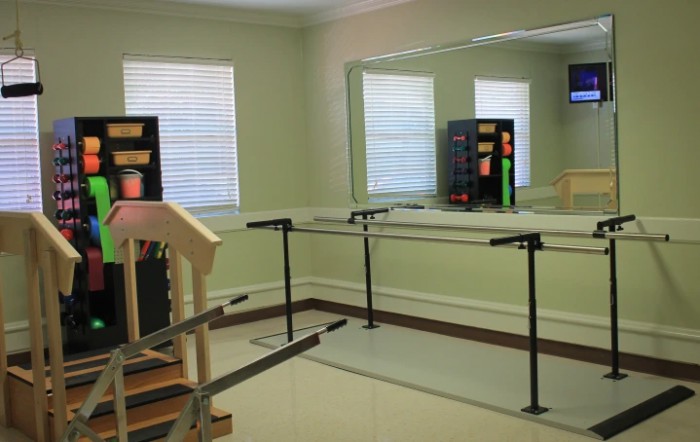
Therapy and wound care emerge as particular strong points in the experiences of several patients. Multiple reviewers highlight the therapists as knowledgeable, personable, and patient, with names like Courtney, Stephanie, Allen, and Brunetta appearing in appreciations for their attentive and effective support. The wound care team, Ann and Ashley, receives extensive praise for clear explanations, bedside manners, and a compassionate approach that helped patients feel understood during long months of care. Several patients report tangible progress - learning to walk again, improving functional status, and discovering strengths they didn't know they had. The therapeutic environment is described as well-equipped and focused, with many noting that OT/PT/ST and other disciplines delivered care that was not only professional but genuinely encouraging. Food also receives compliments, along with dependable transportation and a consistently clean, comfortable room environment, rounding out a generally positive portrayal of the rehab experience.

There are also narratives from patients who felt their experience was marred by avoidable problems, particularly around safety and administrative handling. One review recounts a disturbing incident in which two workers allegedly stole a bag of medicine and two rings, with the administration failing to believe the patient at first, adding to the emotional distress of the episode. That account includes implications about HIPAA-related concerns and questions about care coordination, accusing the facility of withholding or mismanaging important information and not providing timely explanations about charges for therapy. These serious allegations are presented as isolated incidents within a broader context of otherwise positive care, but they have a lasting impact on trust and willingness to recommend the facility.

A number of reviews pull together a more critical assessment of the hospital's environment and administrative responsiveness. A few patients describe the setting as chaotic or not as professional as they would expect, with language likening the place to a "zoo" - loud and busy, with some visitors allowed to congregate in ways that felt disruptive. Another patient group emphasizes that while the therapy and nursing teams can be excellent, there were gaps in how therapy sessions were coordinated, especially for stroke patients requiring multiple disciplines on the same day. Some reviewers express frustration with communication, reporting that requests for information or assistance went unanswered or were not handled with the urgency they expected, and a particularly harsh critique describes the facility as the "absolute worst" after a severe incident involving a fall and a complicated medical trajectory that highlighted perceived miscommunication and lack of accountability.

In summary, Sage Rehabilitation Hospital seems to deliver highly valued, person-centered care in a framework that many patients describe as effective, reassuring, and supportive. The dedicated clinicians - especially Cherika, Anthony, Marnaysha, Lue'Ella, Ouida, the wound care team, and the therapists - are repeatedly recognized for their skill, empathy, and the real progress they help patients achieve. Yet the picture is not uniformly favorable. A subset of reviews raises serious questions about safety, medical record handling, and administrative coordination, including allegations of theft, HIPAA concerns, and experiences of unresponsiveness or perceived indifference during critical moments. For families considering Sage, the message is clear: expect standout care and strong therapy when the right staff are involved, but also recognize that experiences may vary, and it is prudent to seek clear information, advocate for patient rights, and stay engaged with the care team to ensure safety, communication, and a consistent standard of service throughout the stay.

Features

Housing

  • 24 resident community capacity 24 resident community capacity

Types of Care

  • Skilled Nursing Facility Skilled Nursing FacilitySkilled Nursing Facilities are crucial for seniors as they provide round-the-clock medical care, rehabilitation services, and assistance with daily activities. These facilities ensure that seniors receive the specialized care they need to maintain their health and well-being as they age.

Amenities

  • Beauty salon Beauty salonBeauty salons are important for seniors because they provide a space for them to feel pampered, socialize, and maintain their personal grooming and hygiene. Regular visits to a beauty salon can help boost seniors' self-esteem and overall well-being.
  • Cable or satellite TV Cable or satellite TVCable or satellite TV is important for seniors because it provides entertainment, news, and companionship, helping to combat loneliness and boredom. It also offers a wide range of programming options tailored to different interests and preferences.
  • Dining room Dining roomDining rooms are important for seniors as they provide a space for socialization, connection, and nutritious meals. They offer opportunities for residents to bond over shared meals, foster a sense of community, and promote healthy eating habits. Dining rooms also ensure that seniors have access to well-balanced meals tailored to their dietary needs and preferences.
  • Fully furnished Fully furnishedFully furnished senior living communities are important for seniors because they provide convenience, comfort, and a hassle-free moving experience. Seniors can easily settle into their new living space without the stress of having to buy and move furniture. This allows them to focus on enjoying their new home and community.
  • Garden GardenGardens are important for seniors as they provide a peaceful and therapeutic environment for relaxation, physical activity, and socialization. Being in nature has been shown to reduce stress, improve mood, and promote overall well-being. Gardens also offer opportunities for seniors to engage in gardening activities, which can improve mobility, flexibility, and cognitive function. Additionally, gardens create a sense of community and connection with others who share a passion for plants and outdoor spaces.
  • Housekeeping services Housekeeping servicesHousekeeping services are important for seniors because they help maintain a clean and safe living environment, promote independence, and reduce the risk of accidents or illnesses. Additionally, having assistance with household chores can alleviate physical strain and allow seniors to focus on other aspects of their well-being.
  • Kitchenette KitchenetteKitchenettes are important for seniors living in senior living communities because they provide the convenience and independence of being able to prepare simple meals and snacks in the comfort of their own living space. This can help promote a sense of autonomy and well-being for seniors, allowing them to maintain some level of control over their dietary choices and daily routines.
  • Move-in coordination Move-in coordinationMove-in coordination is important for seniors because it helps ease the transition into their new living environment. It ensures that all logistics, such as packing, organizing movers, and setting up utilities are taken care of, allowing seniors to focus on settling in and adjusting to their new home. Having a smooth move-in process can alleviate stress and anxiety, making the transition smoother and more enjoyable for seniors.
  • Outdoor space Outdoor spaceOutdoor spaces are important for seniors as they provide opportunities for physical activity, social interaction, exposure to natural light and fresh air, and a sense of connection to nature. Having access to outdoor spaces can improve overall well-being and quality of life for older adults living in senior communities.
  • Restaurant-style dining Restaurant-style diningRestaurant-style dining is important for seniors because it allows them to enjoy delicious, nutritious meals in a social and upscale setting. This enhances their dining experience, promotes healthy eating habits, and fosters socialization with fellow residents, ultimately contributing to their overall well-being and quality of life.
  • Small library Small librarySmall libraries are important for seniors as they provide access to a variety of reading materials, including books, newspapers, and magazines. This can help stimulate their minds, keep them engaged, and provide a sense of community through book clubs and other social activities. Additionally, reading has been shown to improve cognitive function and overall mental well-being in older adults.
  • Telephone TelephoneTelephones are important for seniors as they provide a lifeline for communication with loved ones, emergency services, and healthcare providers. They offer a sense of security and independence, enabling seniors to stay connected and access assistance when needed.
  • Wi-Fi/high-speed internet available Wi-Fi/high-speed internet availableWi-Fi/high-speed internet is important for seniors to stay connected with loved ones, access online resources, and participate in virtual activities to combat feelings of loneliness and isolation. It also allows them to easily manage healthcare needs, access entertainment, and engage in lifelong learning opportunities.

Transportation

  • Baton Rouge Metropolitan (10 miles away) Baton Rouge Metropolitan (10 miles away)

Care Services

  • 24-hour call system 24-hour call system24-hour call systems are important for seniors because they provide peace of mind and immediate assistance in case of emergencies. This technology ensures that help is always available, promoting safety and security for elderly individuals living alone or in assisted living facilities.
  • 24-hour supervision 24-hour supervision24-hour supervision is important for seniors to ensure their safety, well-being, and access to immediate assistance in case of emergencies or health issues. This constant support provides peace of mind for both seniors and their loved ones, allowing them to age in place with dignity and security.
  • Activities of daily living assistance Activities of daily living assistanceActivities of daily living assistance are important for seniors because they provide essential support with tasks such as eating, bathing, dressing, and mobility. This assistance helps seniors maintain their independence, dignity, and overall quality of life as they age.
  • Assistance with bathing Assistance with bathingAssistance with bathing is crucial for seniors as it helps maintain personal hygiene, prevents infections, and ensures their overall well-being and comfort. It also provides a sense of dignity and independence for seniors who may struggle with this task on their own.
  • Assistance with dressing Assistance with dressingAssistance with dressing is important for seniors because it helps maintain their independence, promotes personal hygiene, prevents accidents and injuries, and improves overall quality of life. This service ensures that seniors can continue to dress comfortably and confidently, despite any physical limitations they may have.
  • Assistance with transfers Assistance with transfersAssistance with transfers is crucial for seniors as it helps prevent falls and injuries, maintains their independence, and ensures they can safely navigate their living environment. It also provides peace of mind for both seniors and their loved ones.
  • Diabetes diet Diabetes dietA diabetes diet is crucial for seniors as it helps manage blood sugar levels, reduce risks of complications, and improve overall health and well-being. By following a balanced and nutritious diet tailored to their specific needs, seniors can better control their diabetes and enhance their quality of life.
  • Meal preparation and service Meal preparation and serviceMeal preparation and service are crucial for seniors as they may have limited mobility or energy to cook nutritious meals. Having access to healthy and convenient food options can ensure they are getting the proper nutrition needed to maintain their overall health and well-being.
  • Medication management Medication managementMedication management is crucial for seniors to ensure they are taking the right medications at the correct dosages and times. This helps prevent adverse drug interactions, reduces the risk of medication errors, and promotes overall health and well-being. Proactive management also allows for adjustments as needed based on changing health conditions or new prescriptions.
  • Mental wellness program Mental wellness programMental wellness programs are essential for seniors as they promote cognitive stimulation, emotional support, and social engagement. These programs help prevent isolation, depression, and cognitive decline, ultimately enhancing the overall quality of life for older adults.
  • Special dietary restrictions Special dietary restrictionsSpecial dietary restrictions are important for seniors because age-related changes in metabolism and health conditions can make it difficult for their bodies to process certain foods. By following a diet tailored to their specific needs, seniors can maintain their overall health and well-being, manage chronic conditions, and reduce the risk of complications such as malnutrition or food interactions with medications.
Dining

  • Diabetes diet Diabetes dietA diabetes diet is crucial for seniors as it helps manage blood sugar levels, reduce risks of complications, and improve overall health and well-being. By following a balanced and nutritious diet tailored to their specific needs, seniors can better control their diabetes and enhance their quality of life.
  • Special dietary restrictions Special dietary restrictionsSpecial dietary restrictions are important for seniors because age-related changes in metabolism and health conditions can make it difficult for their bodies to process certain foods. By following a diet tailored to their specific needs, seniors can maintain their overall health and well-being, manage chronic conditions, and reduce the risk of complications such as malnutrition or food interactions with medications.

Activities

  • Community-sponsored activities Community-sponsored activitiesCommunity-sponsored activities are important for seniors as they provide opportunities for social interaction, mental stimulation, and physical activity. These activities can help improve overall well-being, combat loneliness and isolation, and promote a sense of belonging and purpose among older adults.
  • Resident-run activities Resident-run activitiesResident-run activities are important for seniors as they encourage social interaction, creativity, and a sense of autonomy. These activities empower seniors to stay engaged and active in their community while fostering meaningful connections with their peers.
  • Scheduled daily activities Scheduled daily activitiesScheduled daily activities are important for seniors because they provide structure, socialization, mental stimulation, and physical activity. Engaging in regular activities can improve overall well-being and quality of life for seniors living in a community setting.

Description

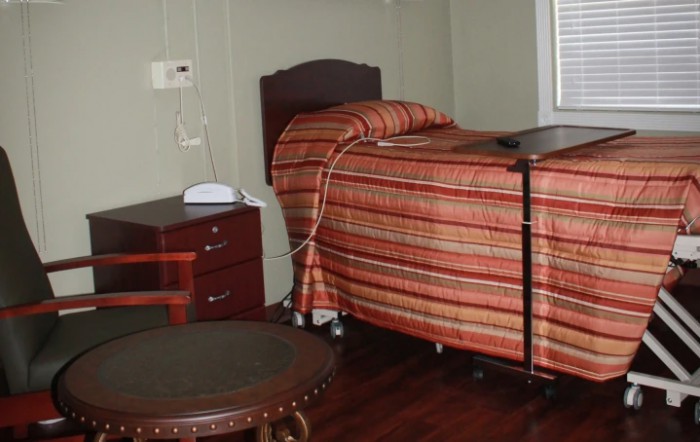
Sage Rehabilitation Hospital in Baton Rouge, LA is an assisted living community that offers a wide range of amenities and care services to ensure the comfort and well-being of its residents. The community provides a homelike environment with fully furnished accommodations, including cable or satellite TV and Wi-Fi/high-speed internet for entertainment and connectivity.

Residents can enjoy delicious meals in the dining room with restaurant-style dining options available. Special dietary restrictions are accommodated to ensure that each individual's nutritional needs are met. Additionally, there is a small library where residents can relax and engage in reading.

The care services provided at Sage Rehabilitation Hospital include 24-hour supervision to ensure the safety of all residents. Highly trained staff members assist with activities of daily living such as bathing, dressing, and transfers for those who require additional support. Medication management is also provided to ensure that medications are taken on time and as prescribed.

The community places emphasis on mental wellness with a dedicated program tailored to enhance the emotional well-being of residents. This program promotes socialization, engagement, and overall mental health.

With numerous cafes, pharmacies, physicians' offices, restaurants, places of worship, theaters, and hospitals nearby, residents have easy access to various amenities and services within the local area. This allows them to maintain an independent lifestyle while being part of a supportive community.

At Sage Rehabilitation Hospital in Baton Rouge, LA, residents can expect personalized care in a comfortable setting with numerous amenities at their disposal.

Nearby Places of Interest

Physicians

  • Biopotentials Sleep Center (0.1 miles)
  • Anesthesiology Group Associates (0.2 miles)
  • Med Aid (0.2 miles)
  • Our Lady of the Lake Heart and Vascular Institute (0.3 miles)
  • OLOL Physicians Group (0.4 miles)
  • Louisiana Cardiology (0.4 miles)
  • TRIO Eyecare (0.5 miles)

Pharmacies

  • Walgreens (0.2 miles)
  • CVS Pharmacy (1.5 miles)
  • CVS Pharmacy (1.7 miles)
  • Walgreens (2.6 miles)
  • Walmart Pharmacy (2.6 miles)
  • Walgreens (2.8 miles)
  • Winn-Dixie (2.8 miles)

Restaurants

  • Piccadilly (0.2 miles)
  • McDonald's (0.2 miles)
  • Sushi Masa (0.4 miles)
  • J. Alexander’S Restaurant (1 miles)
  • Copeland's Cheesecake Bistro (1 miles)
  • Maxwell's Market (1.3 miles)
  • McDonald's (1.5 miles)

Hospitals

  • Our Lady Of The Lake Children’s Hospital (0.4 miles)
  • Our Lady of the Lake Regional Medical Center (0.5 miles)
  • Our Lady of the Lake Physician Group Internal Medicine at O'Donovan (0.6 miles)
  • Baton Rouge General Medical Center (0.7 miles)
  • Healthsouth Rehabilitation, Hospital of Baton Rouge (0.9 miles)
  • Centene Corporation (1.1 miles)
  • Baton Rouge Bioidentical (1.4 miles)

Cafes

  • Starbucks (1.5 miles)
  • la Madeleine (1.5 miles)
  • Panera Bread (1.9 miles)
  • Reve Coffee Lab (2.1 miles)
  • Starbucks (2.6 miles)
  • Coffee Call (2.7 miles)
  • Starbucks (2.8 miles)

Theaters

  • MovieTavern (2 miles)

Places of Worship

  • St George Catholic Church (2.5 miles)

Frequently Asked Questions

Where is Sage Rehabilitation Hospital?
What photos are available for Sage Rehabilitation Hospital in Baton Rouge, Louisiana?

Nearby Communities

Skilled Nursing Facility in Nearby Cities

Related Resources

  • who qualifies for home health care servicesComprehensive Guide to Qualifying for Home Health Care Services

    The guide outlines the eligibility criteria for home health care services, emphasizing clinical requirements, insurance options, and application processes. It distinguishes between Medicare's strict and Medicaid's flexible qualifications while addressing challenges families may face in securing necessary care at home.

  • what is elder abusePowerful Realities of Elder Abuse and the Most Effective Ways to Report It

    Elder abuse affects many older adults worldwide and includes physical, emotional, neglectful, and financial harm, with about one in six individuals over 60 experiencing abuse annually. Prevention and intervention strategies focus on awareness, support for caregivers, and mandatory reporting, while recovery necessitates comprehensive support for both physical and emotional needs.

  • caregiver dutiesTen Vital Duties of a Senior Caregiver: A Comprehensive Guide

    The guide details ten essential responsibilities of senior caregivers, including personal care, mobility assistance, medication management, and emotional support, while emphasizing the importance of safety, nutrition, and maintaining a safe living environment to enhance seniors' quality of life and independence.