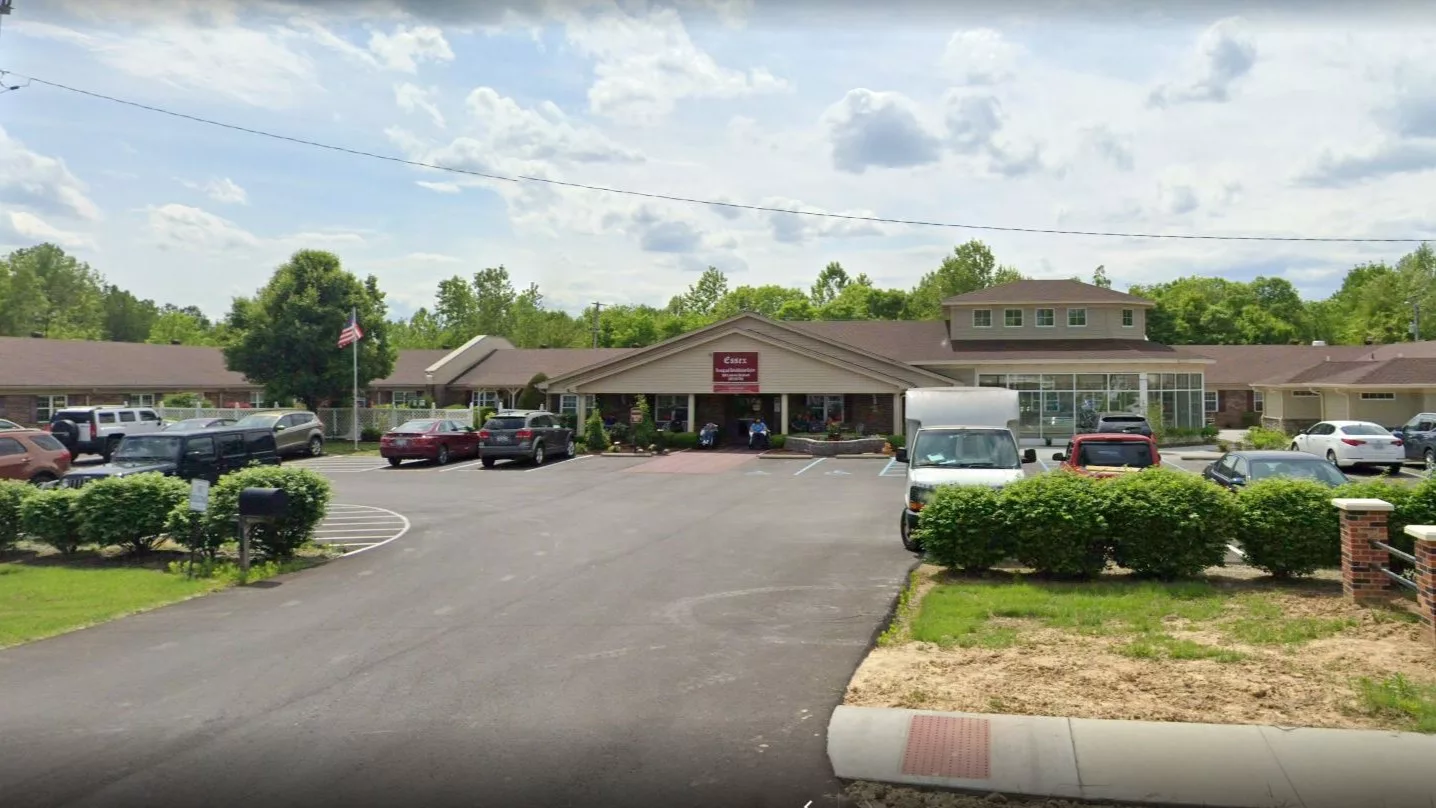
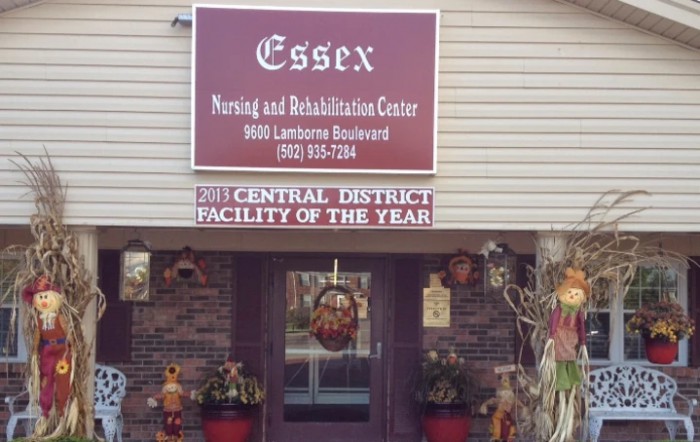
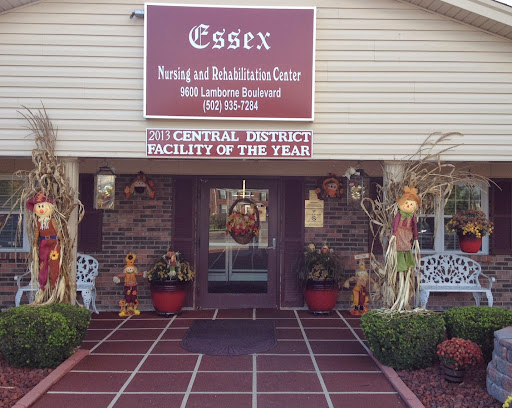
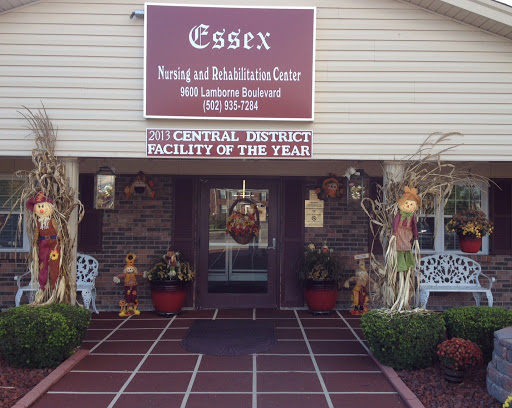
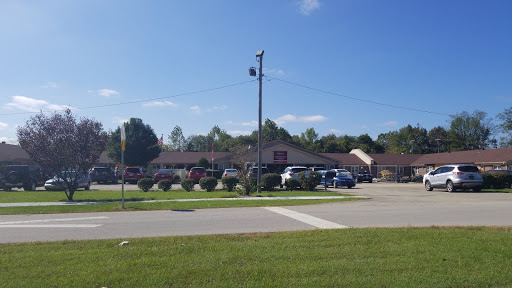
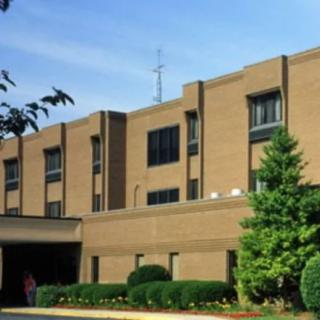
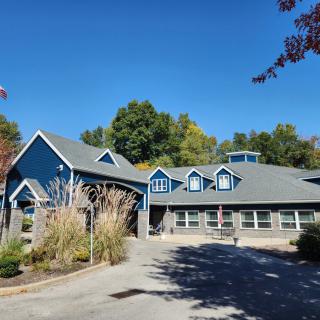
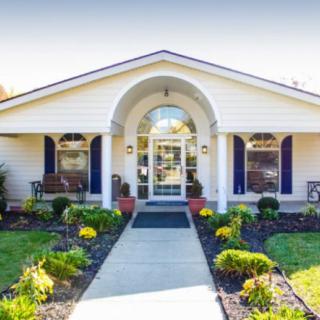
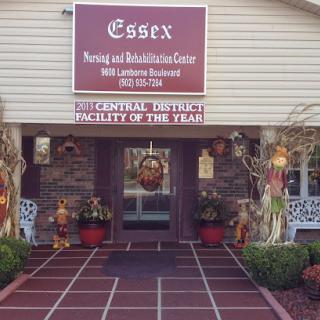
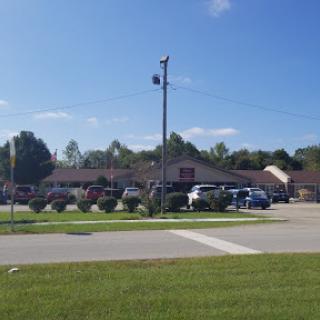
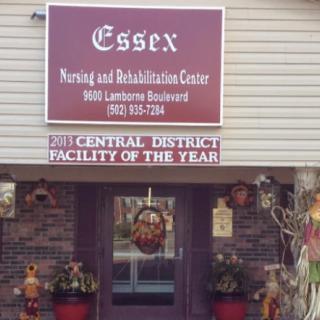
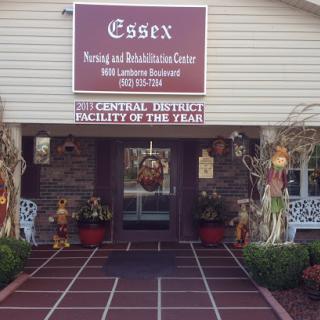
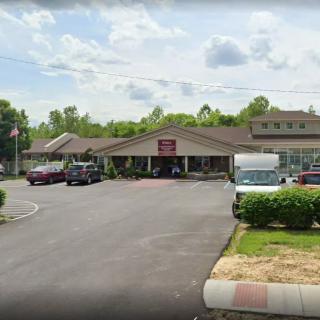
Essex Nursing And Rehabilitation Center in Louisville, KY

Save

Essex Nursing And Rehabilitation Center in Louisville, KY

Information last verified:

9600 Lamborne Boulevard, Louisville, KY 40272

For more information about senior living options: (844) 490-3973

3.4 from 63 reviews
5 stars
34
4 stars
4
3 stars
1
2 stars
3
1 stars
21

Overall Review of Essex Nursing And Rehabilitation Center

Pros

  • pro Essex is a great facility.
  • pro The staff is wonderful, friendly, and attentive.
  • pro The aides are patient and caring with residents.
  • pro The facility is clean and nicely maintained.
  • pro The rooms are great, comfortable, and well-equipped.
  • pro The food is good and there is a variety of activities for residents.
  • pro Jamie, the social worker, is astonishing and extremely helpful.
  • pro The discharge planning and support from staff are excellent.
  • pro The facility offers engaging activities and events, like concerts, bingo, and church groups.
  • pro Families feel supported and involved in care.
  • pro Essex is described as a hidden gem in south Louisville.

Cons

  • pro Under the new ownership, the facility has gone downhill quickly, with trash-quality food, no soap for patients, hard and cheap mattresses, sandpaper-like towels, and inadequate, poorly absorbent diapers.
  • pro The facility is severely understaffed, and memory care patients are parked in front of the nursing station, creating a safety hazard with little walking room and a strong urine odor.
  • pro Holiday meals are no longer served, signaling a decline in resident care and morale.
  • pro The new owner is described as a disgrace and the overall quality is unacceptable, warranting immediate state intervention.
  • pro The aides and nurses are rude and disrespectful; the operation is run by aides rather than the DON or administrator, leading to insufficient care and slow responses.
  • pro The facility is dirty and unsafe, with warnings to keep loved ones away.
  • pro There are reports of neglect: long delays to assist with bathroom needs, memory care patients roaming naked into other residents’ rooms, and staff taking or mismanaging residents’ belongings.
  • pro There are serious allegations of theft of narcotics from dying residents by nurses, described as disgusting.

Review

Essex Nursing and Rehabilitation Center in Louisville is best suited for families that want a locally accessible, activity-rich rehab and long-term care option where the emphasis is on structured therapy, social programming, and a personal, park-like feel within a smaller campus. This community can work well for residents who respond to a lively activity calendar, a dedicated social services presence, and staff who are genuinely cheerful and patient when functioning at their best. When the goal is to transition from hospital to recovery with a focus on regain of function, and when family involvement remains a daily expectation, Essex can deliver meaningful gains and a sense of community. The right resident will be someone who benefits from hands-on discharge planning, regular therapy sessions, and the opportunity to participate in in-house activities that make the days feel purposeful. The ideal match includes families comfortable with hands-on oversight and frequent communication about care plans and progress.

That said, several families should consider alternatives or approach Essex with a stricter due diligence mindset. Memory care needs in particular are a red flag for many reviewers, who describe roaming patients, inconsistent supervision, and safety concerns that could compromise rest and recovery. Prospective residents with significant behavioral or memory-related challenges may require a higher level of monitored care than what is reliably delivered here, according to several accounts. Families with heightened sensitivity to staffing stability, medication management, and timely assistance will want to compare other local facilities that demonstrate steadier staffing ratios and clearer accountability. In short, Essex is not universally suitable, and those who expect consistently tight governance, impeccable safety, and spotless day-to-day operations should survey other options before committing.

On the plus side, the strongest pro lies in the rehab and discharge-support mechanisms when they are functioning well. Multiple families praise the therapy environment, the bright, person-friendly spaces, and the accessibility of services that help residents regain or maintain function after surgery or illness. The campus often features an activities director, a salon, a gym, and various social programming that can keep residents engaged and connected to family during visits. Several reviews spotlight responsive social workers and administrative staff who steer discharge planning, answer questions, and advocate for residents during transitions. When the care plan comes together, Essex can feel like a well-coordinated, patient-centered environment that respects dignity and independence.

Yet the other half of the picture is far murkier. The most damaging concerns center on inconsistent care, staffing shortages, and quality lapses that undermine trust. Reports of poor food quality, inadequate hygiene supplies, cheap mattresses, and rough towels are not trivial, they directly affect comfort and recovery. Odors, delays in basic assistance, and patients left awaiting help for extended periods are repeatedly cited as indicators of insufficient staffing or misaligned priorities. Safety worries emerge in memory care settings, where roaming residents and insufficient supervision raise alarm bells for families trying to protect fragile health conditions. Allegations of medication mishandling, theft, and inaccurate care communications further erode confidence in daily operations. Taken together, these cons can erode recovery momentum and escalate family stress, especially during tense rehab periods or long-term care installments.

The key to balancing these elements lies in how Essex is managed day to day and how actively families engage with it. The pros offset the cons when supervision is stable, therapy teams are consistent, and social work remains a visible, proactive partner in care planning. When a family attends care planning meetings, requests regular progress updates, and insists on transparent medication and hygiene practices, Essex can meet expectations for respectful treatment, meaningful activities, and steady rehabilitation momentum. The presence of a dedicated social worker who guides transitions, along with a staff contingent that presents as caring and communicative, can convert a facility’s potential into real, tangible improvements for a resident. In other words, the facility can be a favorable choice, provided the family does not relax oversight.

For families evaluating Essex today, the practical path is to visit with questions anchored in day-to-day realities: demand to meet the director or administrator, walk the halls at different times, observe how quickly call lights are answered, and scrutinize the cleanliness and odor profile. Request to review recent care plans, incident reports, and the facility’s response to any ongoing concerns. Probe specifically about memory care supervision, medication management protocols, and recent staffing levels by shift. If memory care is essential, insist on direct observations of staff engagement with memory-impaired residents, and ask for references from other families with similar needs. Ultimately, Essex should be weighed against alternatives that offer more consistent safety, stronger clinical oversight, and a stronger track record in proven weight-bearing therapies and dementia care.

Essex Nursing and Rehabilitation Center can be a pragmatic, even compelling option for families prioritizing rehab services, local availability, and social programming, so long as vigilance remains constant and memory care needs are carefully assessed. The best-fit clients are those who can leverage solid discharge planning and a hopeful, engaged care team to drive recovery and well-being. Families who cannot tolerate sporadic staffing, inconsistent care, or safety concerns should explore other communities first. With intentional oversight and careful selection of the right unit and care plan, Essex can deliver meaningful recovery and day-to-day quality of life; without that oversight, the gaps described by numerous reviewers become hard to overlook.

Features

Housing

  • 128 resident community capacity 128 resident community capacity

Types of Care

  • Skilled Nursing Facility Skilled Nursing FacilitySkilled Nursing Facilities are crucial for seniors as they provide round-the-clock medical care, rehabilitation services, and assistance with daily activities. These facilities ensure that seniors receive the specialized care they need to maintain their health and well-being as they age.

Amenities

  • Air-conditioning Air-conditioningAir conditioning is important for seniors as they are more vulnerable to heat-related illnesses and may have underlying health conditions that make it difficult for them to regulate their body temperature. It helps to keep them comfortable, safe, and healthy in hot weather.
  • Beauty salon Beauty salonBeauty salons are important for seniors because they provide a space for them to feel pampered, socialize, and maintain their personal grooming and hygiene. Regular visits to a beauty salon can help boost seniors' self-esteem and overall well-being.
  • Cable or satellite TV Cable or satellite TVCable or satellite TV is important for seniors because it provides entertainment, news, and companionship, helping to combat loneliness and boredom. It also offers a wide range of programming options tailored to different interests and preferences.
  • Computer center Computer centerA computer center is essential for seniors as it provides access to technology, communication tools, and resources that can enhance their daily lives. It allows them to stay connected with loved ones, engage in online activities, and learn new skills, ultimately promoting socialization and mental stimulation.
  • Dining room Dining roomDining rooms are important for seniors as they provide a space for socialization, connection, and nutritious meals. They offer opportunities for residents to bond over shared meals, foster a sense of community, and promote healthy eating habits. Dining rooms also ensure that seniors have access to well-balanced meals tailored to their dietary needs and preferences.
  • Fitness room Fitness roomHaving a fitness room in a senior living community is essential for seniors to stay active, maintain their physical health, and improve their overall well-being. Regular exercise can help prevent falls, reduce the risk of chronic diseases, and promote mental sharpness. It also provides social opportunities for residents to connect with others and enjoy a sense of community.
  • Fully furnished Fully furnishedFully furnished senior living communities are important for seniors because they provide convenience, comfort, and a hassle-free moving experience. Seniors can easily settle into their new living space without the stress of having to buy and move furniture. This allows them to focus on enjoying their new home and community.
  • Gaming room Gaming roomGaming rooms are important for seniors as they provide a fun and engaging environment for socializing, cognitive stimulation, and physical activity. Games can improve memory, problem-solving skills, and overall mental well-being while fostering friendships and reducing feelings of isolation.
  • Garden GardenGardens are important for seniors as they provide a peaceful and therapeutic environment for relaxation, physical activity, and socialization. Being in nature has been shown to reduce stress, improve mood, and promote overall well-being. Gardens also offer opportunities for seniors to engage in gardening activities, which can improve mobility, flexibility, and cognitive function. Additionally, gardens create a sense of community and connection with others who share a passion for plants and outdoor spaces.
  • Housekeeping services Housekeeping servicesHousekeeping services are important for seniors because they help maintain a clean and safe living environment, promote independence, and reduce the risk of accidents or illnesses. Additionally, having assistance with household chores can alleviate physical strain and allow seniors to focus on other aspects of their well-being.
  • Kitchenette KitchenetteKitchenettes are important for seniors living in senior living communities because they provide the convenience and independence of being able to prepare simple meals and snacks in the comfort of their own living space. This can help promote a sense of autonomy and well-being for seniors, allowing them to maintain some level of control over their dietary choices and daily routines.
  • Move-in coordination Move-in coordinationMove-in coordination is important for seniors because it helps ease the transition into their new living environment. It ensures that all logistics, such as packing, organizing movers, and setting up utilities are taken care of, allowing seniors to focus on settling in and adjusting to their new home. Having a smooth move-in process can alleviate stress and anxiety, making the transition smoother and more enjoyable for seniors.
  • Outdoor space Outdoor spaceOutdoor spaces are important for seniors as they provide opportunities for physical activity, social interaction, exposure to natural light and fresh air, and a sense of connection to nature. Having access to outdoor spaces can improve overall well-being and quality of life for older adults living in senior communities.
  • Private bathrooms Private bathroomsPrivate bathrooms are important for seniors in senior living communities because they provide independence, dignity, and comfort. Having a private bathroom allows seniors to maintain their personal hygiene routines without the need for assistance, promoting a sense of autonomy and privacy. Additionally, private bathrooms help prevent the spread of infections and provide a safe and clean environment for seniors to navigate safely.
  • Restaurant-style dining Restaurant-style diningRestaurant-style dining is important for seniors because it allows them to enjoy delicious, nutritious meals in a social and upscale setting. This enhances their dining experience, promotes healthy eating habits, and fosters socialization with fellow residents, ultimately contributing to their overall well-being and quality of life.
  • Small library Small librarySmall libraries are important for seniors as they provide access to a variety of reading materials, including books, newspapers, and magazines. This can help stimulate their minds, keep them engaged, and provide a sense of community through book clubs and other social activities. Additionally, reading has been shown to improve cognitive function and overall mental well-being in older adults.
  • Telephone TelephoneTelephones are important for seniors as they provide a lifeline for communication with loved ones, emergency services, and healthcare providers. They offer a sense of security and independence, enabling seniors to stay connected and access assistance when needed.
  • Wellness center Wellness centerWellness centers are important for seniors because they offer a variety of programs and services that promote physical, mental, and emotional well-being. These centers provide opportunities for exercise, socialization, education, and relaxation, helping seniors maintain their overall health and quality of life.
  • Wi-Fi/high-speed internet available Wi-Fi/high-speed internet availableWi-Fi/high-speed internet is important for seniors to stay connected with loved ones, access online resources, and participate in virtual activities to combat feelings of loneliness and isolation. It also allows them to easily manage healthcare needs, access entertainment, and engage in lifelong learning opportunities.

Transportation

  • Louisville International-Standiford (6 miles away) Louisville International-Standiford (6 miles away)
  • Community operated transportation Community operated transportationCommunity operated transportation is crucial for seniors as it provides them with the means to access essential services, social activities, and medical appointments. It allows seniors to maintain their independence and quality of life by ensuring they can participate in activities outside of their homes. Additionally, community-operated transportation services offer a safe and reliable way for seniors to travel without having to rely on family or friends for assistance.
  • Transportation arrangement Transportation arrangementTransportation arrangements are crucial for seniors as they may face challenges with driving, mobility, or access to public transportation. Having reliable transportation services ensures that seniors can easily attend appointments, social activities, and maintain their independence and quality of life.
  • Transportation arrangement (non-medical) Transportation arrangement (non-medical)Transportation arrangements are essential for seniors as they provide access to essential services, activities, and social interactions outside the home. This service helps maintain independence, mobility, and overall well-being for seniors who may have limited transportation options.
  • Transportation to doctors appointments Transportation to doctors appointmentsTransportation to doctors appointments is crucial for seniors as it ensures they have access to necessary medical care and support, promoting their health and well-being. It allows them to receive timely treatment, monitor existing conditions, and address any new health concerns efficiently. Additionally, transportation services can help seniors maintain their independence and quality of life by enabling them to stay connected with their healthcare providers.

Care Services

  • 12-16 hour nursing 12-16 hour nursing12-16 hour nursing care is crucial for seniors in order to ensure around-the-clock monitoring, timely medication administration, and prompt response to any health concerns or emergencies. This level of care helps to promote the overall well-being and safety of seniors living in senior living communities.
  • 24-hour call system 24-hour call system24-hour call systems are important for seniors because they provide peace of mind and immediate assistance in case of emergencies. This technology ensures that help is always available, promoting safety and security for elderly individuals living alone or in assisted living facilities.
  • 24-hour supervision 24-hour supervision24-hour supervision is important for seniors to ensure their safety, well-being, and access to immediate assistance in case of emergencies or health issues. This constant support provides peace of mind for both seniors and their loved ones, allowing them to age in place with dignity and security.
  • Activities of daily living assistance Activities of daily living assistanceActivities of daily living assistance are important for seniors because they provide essential support with tasks such as eating, bathing, dressing, and mobility. This assistance helps seniors maintain their independence, dignity, and overall quality of life as they age.
  • Assistance with bathing Assistance with bathingAssistance with bathing is crucial for seniors as it helps maintain personal hygiene, prevents infections, and ensures their overall well-being and comfort. It also provides a sense of dignity and independence for seniors who may struggle with this task on their own.
  • Assistance with dressing Assistance with dressingAssistance with dressing is important for seniors because it helps maintain their independence, promotes personal hygiene, prevents accidents and injuries, and improves overall quality of life. This service ensures that seniors can continue to dress comfortably and confidently, despite any physical limitations they may have.
  • Assistance with transfers Assistance with transfersAssistance with transfers is crucial for seniors as it helps prevent falls and injuries, maintains their independence, and ensures they can safely navigate their living environment. It also provides peace of mind for both seniors and their loved ones.
  • Diabetes diet Diabetes dietA diabetes diet is crucial for seniors as it helps manage blood sugar levels, reduce risks of complications, and improve overall health and well-being. By following a balanced and nutritious diet tailored to their specific needs, seniors can better control their diabetes and enhance their quality of life.
  • Meal preparation and service Meal preparation and serviceMeal preparation and service are crucial for seniors as they may have limited mobility or energy to cook nutritious meals. Having access to healthy and convenient food options can ensure they are getting the proper nutrition needed to maintain their overall health and well-being.
  • Medication management Medication managementMedication management is crucial for seniors to ensure they are taking the right medications at the correct dosages and times. This helps prevent adverse drug interactions, reduces the risk of medication errors, and promotes overall health and well-being. Proactive management also allows for adjustments as needed based on changing health conditions or new prescriptions.
  • Mental wellness program Mental wellness programMental wellness programs are essential for seniors as they promote cognitive stimulation, emotional support, and social engagement. These programs help prevent isolation, depression, and cognitive decline, ultimately enhancing the overall quality of life for older adults.
  • Special dietary restrictions Special dietary restrictionsSpecial dietary restrictions are important for seniors because age-related changes in metabolism and health conditions can make it difficult for their bodies to process certain foods. By following a diet tailored to their specific needs, seniors can maintain their overall health and well-being, manage chronic conditions, and reduce the risk of complications such as malnutrition or food interactions with medications.

Dining

  • Diabetes diet Diabetes dietA diabetes diet is crucial for seniors as it helps manage blood sugar levels, reduce risks of complications, and improve overall health and well-being. By following a balanced and nutritious diet tailored to their specific needs, seniors can better control their diabetes and enhance their quality of life.
  • Special dietary restrictions Special dietary restrictionsSpecial dietary restrictions are important for seniors because age-related changes in metabolism and health conditions can make it difficult for their bodies to process certain foods. By following a diet tailored to their specific needs, seniors can maintain their overall health and well-being, manage chronic conditions, and reduce the risk of complications such as malnutrition or food interactions with medications.

Activities

  • Community-sponsored activities Community-sponsored activitiesCommunity-sponsored activities are important for seniors as they provide opportunities for social interaction, mental stimulation, and physical activity. These activities can help improve overall well-being, combat loneliness and isolation, and promote a sense of belonging and purpose among older adults.
  • Concierge services Concierge servicesConcierge services are essential for seniors as they provide assistance with daily tasks and errands, enhance their quality of life by offering convenience and personalized care, and promote a sense of safety and security.
  • Fitness programs Fitness programsFitness programs are crucial for seniors as they help improve strength, flexibility, balance, and overall well-being. Staying active can reduce the risk of chronic diseases, improve mental health, and enhance quality of life in older adults.
  • Planned day trips Planned day tripsPlanned day trips are important for seniors because they offer opportunities for socialization, mental stimulation, and physical activity. They provide a change of scenery and help seniors stay engaged and connected to their community, promoting overall well-being and quality of life.
  • Resident-run activities Resident-run activitiesResident-run activities are important for seniors as they encourage social interaction, creativity, and a sense of autonomy. These activities empower seniors to stay engaged and active in their community while fostering meaningful connections with their peers.
  • Scheduled daily activities Scheduled daily activitiesScheduled daily activities are important for seniors because they provide structure, socialization, mental stimulation, and physical activity. Engaging in regular activities can improve overall well-being and quality of life for seniors living in a community setting.

Description

Essex Nursing And Rehabilitation Center in Louisville, KY is a highly regarded assisted living community that offers a wide range of amenities and care services to its residents. The center prioritizes the comfort and satisfaction of its residents by providing top-notch facilities and services.

The community features a beauty salon where residents can pamper themselves and stay stylish. Residents can also enjoy their favorite shows and movies with cable or satellite TV in their private rooms. There is community-operated transportation available for various social outings and appointments, ensuring residents remain engaged in the outside world.

For those who love technology, there is a computer center equipped with modern equipment for residents to utilize. The dining room provides restaurant-style dining experiences, where delicious meals are served by the attentive staff. Residents have the convenience of fitness facilities on-site, maintaining their physical well-being.

The fully furnished accommodations provide a comfortable living space that feels like home. There is also a gaming room for entertainment purposes and a small library for avid readers. Private bathrooms ensure personal privacy and convenience.

Essex Nursing And Rehabilitation Center offers various care services tailored to meet the individual needs of each resident. A 24-hour call system ensures assistance is readily available whenever required, along with round-the-clock supervision for added safety and peace of mind. Trained staff members provide assistance with activities of daily living such as bathing, dressing, and transfers.

The center caters to specialized diets like diabetes diets, ensuring proper nutrition for all residents. Meal preparation and service are taken care of by qualified staff members. Medication management ensures that medications are administered according to prescribed schedules.

Mental wellness programs are offered to promote emotional well-being among residents. Special dietary restrictions are accommodated, taking into consideration any specific health requirements or personal preferences.

Transportation arrangements are made for non-medical purposes as well as for doctors' appointments, ensuring that residents can conveniently access necessary healthcare services when needed. A wellness center aims to maintain overall health and well-being.

Residents have access to Wi-Fi and high-speed internet for staying connected with loved ones or enjoying online activities. The community also organizes various activities, including fitness programs, planned day trips, resident-run activities, and scheduled daily activities. A concierge service is available to assist residents with any needs or requests.

Essex Nursing And Rehabilitation Center is conveniently located near several parks, pharmacies, physicians' offices, restaurants, and hospitals. This proximity allows easy access to essential services and amenities for the convenience of residents.

In summary, Essex Nursing And Rehabilitation Center provides a comfortable and engaging assisted living community in Louisville, KY. With its extensive amenities and comprehensive care services, residents can enjoy a fulfilling and independent lifestyle while receiving the necessary assistance when needed.

Nearby Places of Interest

Hospitals

  • Norton Southwest Hospital (1.2 miles)
  • Kentucky One Health (4.6 miles)
  • KentuckyOne Health - Medical Center Jewish South: Emergency Room (7.3 miles)
  • 3 East Olop (9.2 miles)
  • Norton Pavilion Hospital (9.8 miles)
  • Norton Children's Hospital (10 miles)
  • KentuckyOne Health Jewish Hospital (10 miles)

Physicians

  • Norton Children's Medical Group - Fairdale (2.2 miles)
  • Valley Medical (2.8 miles)
  • Caritas Medical Mall (2.8 miles)
  • Valley Medical (2.8 miles)
  • Fairdale Family Medical (3.4 miles)
  • Family Health Centers (3.5 miles)
  • Southend Medical Clinic PSC (3.7 miles)

Restaurants

  • McDonald's (3 miles)
  • McDonald's (3.8 miles)
  • Biscuit Belly (3.8 miles)
  • Mike Linnig's (4.5 miles)
  • Bc Roosters (4.7 miles)
  • Sues Touch Of Country (4.7 miles)
  • Stooges Bar & Grill (4.8 miles)

Parks

  • Iroquois Park (3.7 miles)
  • Riverview Park (5.3 miles)
  • Central Park (8.5 miles)
  • Frank E Simon Park (9.8 miles)

Pharmacies

  • Walgreens (3.9 miles)
  • Walgreens (5.2 miles)
  • Walgreens (5.5 miles)
  • CVS Pharmacy (7.5 miles)
  • Walgreens (7.5 miles)
  • Walgreens (8 miles)
  • CVS Pharmacy (8.1 miles)

Places of Worship

  • Beechmont Baptist Church (5.6 miles)
  • Southern Baptist Convention (6.3 miles)
  • St Luke Catholic Church (7 miles)
  • Bethany UCC (7.7 miles)
  • Everlasting Joy Ministries (8 miles)
  • Southern Baptist Convention (8.4 miles)
  • Southern Baptist Convention (8.9 miles)

Transportation

  • TSA Pre️ (6.3 miles)
  • Security Checkpoint (6.4 miles)
  • Louisville Muhammad Ali International Airport (SDF) (6.4 miles)
  • SDF Arrivals (6.4 miles)
  • U-Haul Neighborhood Dealer (8.4 miles)

Cafes

  • Starbucks (6.8 miles)
  • Starbucks (6.9 miles)
  • Panera Bread (8.5 miles)
  • North Lime Coffee and Donuts (8.7 miles)
  • Heine Brothers' - Longest Ave in the Highlands (10 miles)
  • Quills Coffee (10.1 miles)

Frequently Asked Questions

Where is Essex Nursing And Rehabilitation Center?
What photos are available for Essex Nursing And Rehabilitation Center in Louisville, Kentucky?

Nearby Communities

  • Park Terrace Health Campus

    Park Terrace Health Campus

    Louisville, KY

    3.5 from 74 reviews
     

    pro Compassionate staff and generally clean environment with pleasant dining and activities.

  • Holiday Ponder Creek Estates

    Holiday Ponder Creek Estates

    Louisville, KY

    4.2 from 134 reviews
    $2,209 to $2,809 / month

    pro Friendly staff, clean and well-equipped apartments, and engaging activities.

  • Heartsong Memory Care

    Heartsong Memory Care

    Louisville, KY

    4.2 from 21 reviews
     

    pro Compassionate staff in a clean, home-like memory care setting with personalized rooms and open family communication.

  • Brookdale Stonestreet

    Brookdale Stonestreet

    Louisville, KY

    3.9 from 59 reviews
    $3,670 to $4,775 / month

    pro Active social calendar with friendly staff and clean, comfortable apartments.

  • Symphony At Valley Farms

    Symphony At Valley Farms

    Louisville, KY

    4.6 from 116 reviews
     

    pro Clean, well-maintained facility with friendly staff and engaging activities.

  • Signature Healthcare Of South Louisville

    Signature Healthcare Of South Louisville

    Louisville, KY

    4.3 from 88 reviews
     

    pro Extensive amenities and programs (dining, beauty salon, fitness, transportation, wellness, activities) with on-site conveniences.

  • Rockford Manor Intermediate Cr

    Rockford Manor Intermediate Cr

    Shively, KY

    4.2 from 80 reviews
     

    pro Caring staff (CNAs/therapists), positive atmosphere, clean facility, and quality meals.

  • Franciscan Health Care Center

    Franciscan Health Care Center

    Louisville, KY

    4.1 from 105 reviews
    $3,006 to $4,669 / month

    pro Comfortable private rooms with attentive staff and engaging activities.

  • The Villages of Park Duvalle

    The Villages of Park Duvalle

    Louisville, KY

    2.9 from 16 reviews
    $550 / month

    pro Clean, secure, and offers a variety of activities.

Related Resources

  • palliative care vs hospiceUnderstanding the Nuances of Palliative Care and Hospice: A Comprehensive Exploration

    Palliative care focuses on alleviating distress at any stage of a serious illness and can accompany curative treatments, while hospice care is for those nearing the end of life with a prognosis of six months or less, emphasizing comfort over curative measures. Both prioritize holistic care for patients and families but differ in timing, goals, and scope.

  • fecal incontinenceFecal Incontinence in Older Adults: A Comprehensive Guide

    Fecal incontinence, prevalent among older adults, arises from factors like weakened pelvic muscles and nerve damage, significantly affecting well-being and social interactions. Diagnosis involves clinical evaluation and tests to inform tailored treatments, while caregivers and preventive measures can aid in managing the condition effectively.

  • anticipatory griefRecognizing the Journey: Understanding and Navigating Anticipatory Grief
    Anticipatory grief is an emotional response to the impending loss of a loved one, characterized by complex emotions such as sadness and anger, and involves navigating stages similar to those identified by Kübler-Ross. Coping strategies are vital for managing this process, emphasizing compassionate communication, self-care, and support groups while recognizing the cultural influences on grieving.