
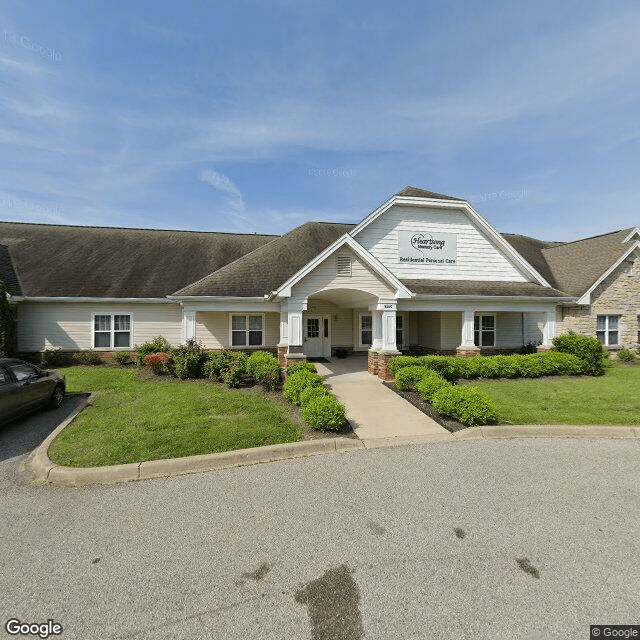
9260 Stonestreet Road, Louisville, KY 40272
For more information about senior living options: (866) 208-4318
Overall Review of Heartsong Memory Care
Pros
 The staff genuinely care and do their absolute best for the residents there.
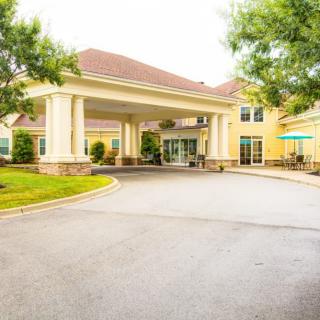
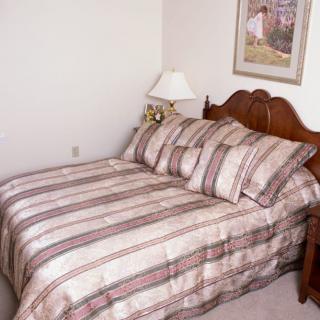
- The facility looks brand new after a recent painting, creating a welcoming environment.
- Heartsong Memory Care is praised for excellent, well-trained, compassionate, patient, attentive, and courteous staff.
- Families feel comfort and peace knowing their loved ones are well cared for and treated with love.
- The atmosphere is homey and caring, making residents feel like they are part of a family.
- Residents participate in daily activities with staff who keep them engaged and involved.
Cons
 The room was smaller and a bit more expensive.
- Most of the residents lay in their rooms and just sit and watch TV.
- Heartsong was unable to provide the care that my mother needed.
- Some residents were sitting in wheelchairs not doing anything, indicating inconsistent activity.
Review
Heartsong Memory Care in Louisville is best suited for families seeking a warm, home-like environment dedicated specifically to Alzheimer’s and other forms of dementia, where the priority is high-quality, person-centered care and consistent family communication. This community earns trust through staff who are described as genuinely caring, well-trained, and patient, with a clear emphasis on relationships over flash. It is the kind of place where daily routines, meaningful engagement, and a sense of belonging are emphasized, even as memory loss progresses. For families facing the difficult decision of placement, Heartsong offers a reassuring, hands-on approach: regular updates, involvement in activities, and staff who treat residents like members of a close-knit team.
Those who may want to consider alternatives are families chasing top-tier resort-style amenities, ultra-modern décor, or proximity to home at all costs. Heartsong is not marketed as a luxury facility, and some reviews acknowledge its modest size and simpler aesthetic. For residents requiring intensive medical oversight, rapid access to skilled nursing interventions, or expansive rehabilitation programs, a larger campus with broader medical resources could be a better fit. Cost sensitivity is another factor; a few reviewers flagged price compared with the space and features, so families comparing options should benchmark value against the level of dementia-specific expertise offered.
The main strengths of Heartsong, its expert memory-care focus, compassionate staffing, and transparent family communication, offset several common concerns in this space. Staff training is repeatedly highlighted as substantive, with caregivers who know how to engage residents with dementia, manage daily activities, and involve families in care decisions. The daily programming is robust enough to keep many residents engaged, and the atmosphere is consistently described as loving and respectful. The facility’s decor and recent updates contribute to a welcoming, less institutional vibe, reinforcing the impression that this is a home rather than a hospital setting. When a family needs timely updates or reassurance, Heartsong’s practice of proactive communication is a meaningful counterbalance to the darker fear that a loved one is out of sight or out of touch.
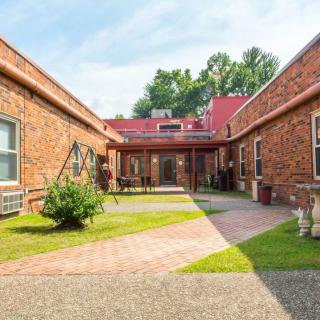
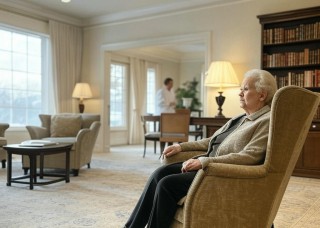
The practical realities of a smaller, memory-focused community show up in mixed ways. Several reviews spotlight a “homey,” nonclinical feel that distinguishes Heartsong from larger memory-care campuses, including intimate common spaces, a couple of courtyards, and a sense that residents are known personally by the staff. Some days, however, residents appear to settle into routines with less bustling activity, occasionally reclining in rooms watching TV. The salon presence can be uneven, and there are remarks about rooms being on the smaller side or not as expansive as some families might expect. These are not fatal flaws, but they are real trade-offs for families prioritizing connection, safety, and individualized care over showroom polish.
For decision-makers, the key question is whether the emphasis aligns with the loved one’s needs and the family’s expectations for day-to-day life. Research and visits should probe staffing ratios during peak hours, the level of dementia-specific training across shifts, and how programming adapts to different stages of the disease. It’s wise to request a sample week of activities, observe caregiver-resident interactions, and ask for recent care plans and family communication protocols. If proximity to home, a highly relational staff, and a sense of “being cared for” rank above luxury features, Heartsong stands out as a credible, trustworthy choice. If the priority list instead prioritizes upscale surroundings or expansive medical amenities, alternatives should be examined with equal rigor.
 36 resident community capacity
 Studio apartments
 Assisted Living
 Memory Care
 Beautician on-site
 Cable or satellite TV
 Dining room
 Fully furnished
 Garden
 Guest parking
 Housekeeping services
 Kitchenette
 Laundry
 Move-in coordination
 Outdoor space
 Party space
 Telephone
 Wi-Fi/high-speed internet available
 Louisville International-Standiford (7 miles away)
 24-hour call system
 Activities of daily living assistance
 Assistance with bathing
 Assistance with dressing
 Assistance with transfers
 Diabetes diet
 Hospice care
 Meal preparation and service
 Medication management
 Mental wellness program
 Physical therapy
 Special dietary restrictions
 Transportation arrangement (medical)
 Transportation to doctors appointments
 Arts and crafts
 Book club
 Educational speakers / life long learning
 Fitness programs
 Games
Games Live musical performances
 Religious services
 Tai Chi
 Wii bowling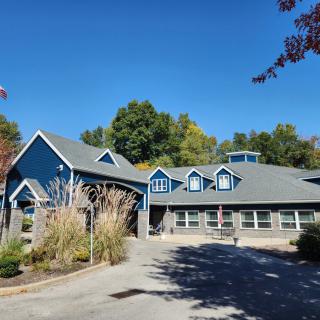

 Delving into the Inner World of Dementia: Insights into Thoughts and Awareness
 Five Subtle Dementia Indicators to Observe: An In-Depth Guide to Understanding “Does My Mom Have Dementia?”
 Dementia, Paranoia, and Caregiver Guidance: Understanding the Connection