Kansas City Transitional Care Center in Kansas City, KS
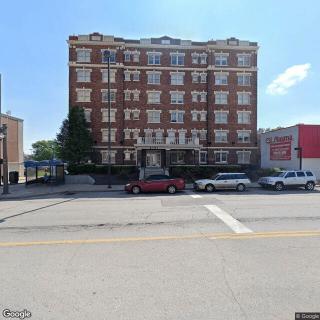
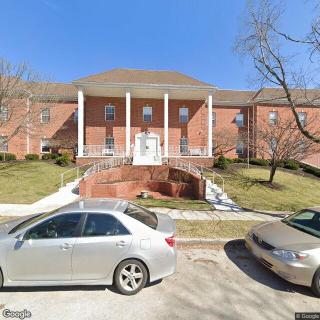
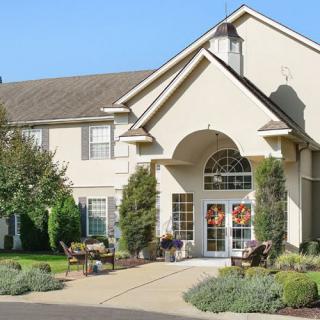
Kansas City Transitional Care Center is a nursing home community in Kansas City, KS.
Information last verified:
3910 Rainbow Boulevard, Suite 400, Kansas City, KS 66103
For more information about senior living options: (866) 208-4318
2.2 from 27 reviews
5 stars
5
4 stars
2
3 stars
2
2 stars
2
1 stars
16
Overall Review of Kansas City Transitional Care Center
common4 reviews mention this
Therapy support gets praise
Physical, speech, and occupational therapy are repeatedly described as a strong part of care.
Several residents and families highlight therapy as a standout, naming physical therapists and occupational therapy as professional and effective. One reviewer credits PT and OT with helping their ability to walk and drive again. Others describe excellent therapy experiences while their loved one was there for rehabilitation or after surgery.
common5 reviews mention this
Food quality feels mixed
Dining experiences range from well-liked meals to issues with temperature and service.
Some reviewers say the food was good or excellent, and at least one notes access to snacks at any time. Others describe food arriving cold when delivered to the room. A separate concern mentions dining-room coverage problems, including residents without anything to drink and staff not present for choking-related needs.
caveat6 reviews mention this
Staffing and call response draw complaints
Residents and families report delays, short staffing, and slow response to needs.
Multiple reviews point to staffing gaps that affect daily reliability, including being short staffed and leaving needs unmet. Several mention long waits after pressing call buttons, including waits of 30+ minutes, and one reviewer describes routine care being pushed to the next shift or next day. Another complaint describes no staff presence in the dining area during concerns, with related service failures.
caveat6 reviews mention this
Medication and care coordination issues
Reviews describe problems with medication handling and communication during care.
A number of reviews mention medication problems, such as medication being changed without clear examination, delays in pain medications, or medication administration issues. Others describe care being delivered differently than expected, like a swallow-related diet not matching what was indicated after testing. Across these accounts, families also mention breakdowns in communication among staff and delayed follow-through on routine orders.
caveat2 reviews mention this
Billing frustrations come up
Some families report billing disputes and difficulty getting answers.
A couple of reviews describe being billed again for room and board after an agreed schedule payment. One reviewer also says extra charges were pursued and a credit was denied when paperwork and transfer timing caused delays. Both accounts describe trouble reaching the person responsible for billing or scheduling decisions.
How we summarize
Counts show how many written reviews mention each theme; a review can touch several themes, and only frequently mentioned themes are displayed.
Features
Housing
96 resident community capacity
Types of Care
Skilled Nursing Facility
Amenities
Air-conditioning
Beauty salon
Cable or satellite TV
Computer center
Dining room
Fitness room
Fully furnished
Gaming room
Garden
Housekeeping services
Kitchenette
Move-in coordination
Outdoor space
Private bathrooms
Restaurant-style dining
Small library
Telephone
Wellness center
Wi-Fi/high-speed internet available
Transportation
Kansas City International (18 miles away)
Community operated transportation
Transportation arrangement
Transportation arrangement (non-medical)
Transportation to doctors appointments
Care Services
12-16 hour nursing
24-hour call system
24-hour supervision
Activities of daily living assistance
Assistance with bathing
Assistance with dressing
Assistance with transfers
Diabetes diet
Meal preparation and service
Medication management
Mental wellness program
Special dietary restrictions
Dining
Diabetes diet
Special dietary restrictions
Activities
Community-sponsored activities
Concierge services
Fitness programs
Planned day trips
Resident-run activities
Scheduled daily activities
Nearby Places of Interest
Pharmacies
The University of Kansas Hospital Cambridge Tower A Pharmacy (0.2 miles)
The University of Kansas Hospital Cambridge Tower A Retail Pharmacy (0.2 miles)
CVS Pharmacy (0.5 miles)
Sun Fresh (1 miles)
Walgreens (1.2 miles)
CVS Pharmacy (1.4 miles)
Hen House (1.6 miles)
Hospitals
Cambridge A Pre/Post (0.2 miles)
Saint Luke's Hospital of Kansas City (1.3 miles)
Children's Mercy Research Institute (2.7 miles)
Truman Medical Center (2.8 miles)
Kansas City VA Medical Center : Midwest Biomedical Research (4.6 miles)
Restaurants
Char Bar (1.1 miles)
Mickey's Hideaway (1.1 miles)
Beer Kitchen (1.2 miles)
Bistro 303 (1.2 miles)
China Feast (1.8 miles)
Winstead's (1.8 miles)
Tower Tavern (2 miles)
Cafes
Broadway Cafe (1.2 miles)
Starbucks (1.5 miles)
Starbucks (1.6 miles)
Billie's Grocery (1.9 miles)
Filling Station (2.1 miles)
Panera Bread (2.5 miles)
Mildred's (2.7 miles)
Physicians
KC CARE Health Center (1.3 miles)
Mill Creek Park (1.3 miles)
The University of Kansas Hospital - Westwood Campus (1.6 miles)
Vibrant Health - Wyandotte Neighborhood Clinics (3.6 miles)
Research Medical Center: Yandrapu, Harathi MD (4.4 miles)
The article highlights eight essential assistive devices that improve the independence and safety of older adults, addressing issues related to mobility, balance, vision, hearing, and dexterity. It emphasizes the importance of proper selection guided by healthcare professionals to enhance seniors' quality of life while allowing them to age in place.
The article offers detailed guidance on the financial complexities of nursing home care, covering costs, payment methods, and alternative funding strategies while emphasizing the importance of proactive planning and legal considerations for individuals and families making care decisions.
The article emphasizes the critical role of supportive employee benefits for caregivers, advocating for flexible scheduling, paid leave, and mental health services to ease their challenges while enhancing employee well-being and organizational loyalty. It also highlights the importance of strong leadership in promoting these initiatives to foster a sustainable workplace culture that values caregivers.
Get PricingAsk A QuestionSchedule A TourContact Senior Advisor
By clicking submit, you agree to our Partner's Terms of Use. You
also consent to receive calls and texts, which may be autodialed, from our Partner. Your consent is not a condition to
using our Partner's service. Please visit our Partner's Privacy Policy for information about their privacy practices.

 96 resident community capacity
 Skilled Nursing Facility
 Air-conditioning
 Beauty salon
 Cable or satellite TV
 Computer center
 Dining room
 Fitness room
 Fully furnished
 Gaming room
 Garden
 Housekeeping services
 Kitchenette
 Move-in coordination
 Outdoor space
 Private bathrooms
 Restaurant-style dining
 Small library
 Telephone
 Wellness center
 Wi-Fi/high-speed internet available
 Kansas City International (18 miles away)
 Community operated transportation
 12-16 hour nursing
 24-hour call system
 Activities of daily living assistance
 Assistance with bathing
 Assistance with dressing
 Assistance with transfers
 Diabetes diet
 Medication management
 Mental wellness program
 Special dietary restrictions
 Concierge services
 Planned day trips
 Extensive on-site amenities and 24/7 supervision support independence and engagement.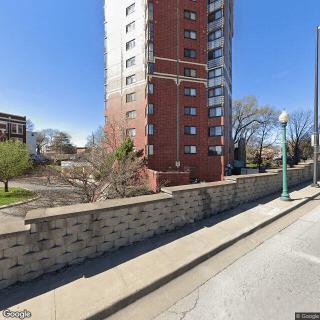
 8 Essential Assistive Devices for Older Adults
 Navigating the Financial Road to Nursing Home Care: In-Depth Guidance and Resources
 Supportive Employee Benefits That Help Caregivers Attain Better Work-Life Harmony