For more information about senior living options: (866) 208-4318
3.4 from 45 reviews
5 stars
25
4 stars
2
3 stars
0
2 stars
1
1 stars
17
Overall Review of Westwood Specialty Care
common24 reviews mention this
Care teams are praised
Residents and families consistently describe the staff as caring and professional.
Many reviews emphasize kind, attentive staff and help from nurses, therapists, and administrators. Several also describe good communication and responsiveness to concerns, including staff knowing resident needs. A smaller set of reviews is more negative about care and management, including claims of understaffing and missed needs.
differentiator9 reviews mention this
Therapy support drives progress
Rehab therapy is a central part of the experience for residents.
Reviews frequently mention skilled nursing and rehab care, especially physical therapy and occupational therapy. Several people describe noticeable improvement after surgery, stroke recovery, or other medical events, and others highlight speech therapy as a strong point. There are also critical reviews describing pain, being pushed in therapy, and difficulty getting specific psychiatric support or rehab services.
common5 reviews mention this
Food gets mixed feedback
Dining is often discussed, with both positive and negative comments.
Several reviews say the food is good or decent and mention specific items like breakfast eggs. One review describes enjoying food alongside activities while recovering. Other reviews directly criticize dining quality, including food being cold and left in rooms.
caveat3 reviews mention this
Activities can be limited
Activities are valued, but some residents report weekend gaps.
Some reviews highlight activities and day-to-day engagement, including praise for activity directors and craft ideas. One review says there are no events on weekends and describes reduced staffing there. Another review notes residents enjoyed activities while receiving recovery care.
caveat4 reviews mention this
Call lights and staffing concerns
A recurring complaint involves delays and staffing shortages.
Multiple reviews describe long waits for call lights to be answered, including reports of 20–45 minutes. Some also mention reduced staffing on weekends or being short-staffed when residents need pickup from appointments. A few negative reviews broaden this into claims that residents who can’t advocate for themselves aren’t being met with proper care.
How we summarize
Counts show how many written reviews mention each theme; a review can touch several themes, and only frequently mentioned themes are displayed.
Features
Housing
85 resident community capacity
Types of Care
Skilled Nursing Facility
Amenities
Air-conditioning
Beauty salon
Cable or satellite TV
Computer center
Dining room
Fitness room
Fully furnished
Gaming room
Garden
Housekeeping services
Kitchenette
Move-in coordination
Outdoor space
Private bathrooms
Restaurant-style dining
Small library
Telephone
Wellness center
Wi-Fi/high-speed internet available
Transportation
Sioux Gateway (8 miles away)
Community operated transportation
Transportation arrangement
Transportation arrangement (non-medical)
Transportation to doctors appointments
Care Services
12-16 hour nursing
24-hour call system
24-hour supervision
Activities of daily living assistance
Assistance with bathing
Assistance with dressing
Assistance with transfers
Diabetes diet
Meal preparation and service
Medication management
Mental wellness program
Special dietary restrictions
Dining
Diabetes diet
Special dietary restrictions
Activities
Community-sponsored activities
Concierge services
Fitness programs
Planned day trips
Resident-run activities
Scheduled daily activities
Nearby Places of Interest
Restaurants
Billy Boy Drive-Thru (1.2 miles)
Harveys (1.4 miles)
Beano and Sherry's Casino's (1.8 miles)
Glass Slipper (1.8 miles)
Taco John's (2.1 miles)
McDonald's (2.2 miles)
Da Kao Restaurant (2.3 miles)
Places of Worship
Crosspointe Church (1.2 miles)
St Boniface Church (2.3 miles)
The Ark United Methodist Church (2.3 miles)
Cathedral of the Epiphany (2.9 miles)
The Of Church Of Christ Latter-Day St (3 miles)
St Thomas Orthodox Church (3.1 miles)
Holy Trinity Greek Orthodox Church (3.3 miles)
Pharmacies
Dunes Family Pharmacy (1.7 miles)
Thompson Dean Drug (2.2 miles)
Walgreens (2.4 miles)
Shopko Pharmacy (2.6 miles)
Physicians
Siouxland Pain Clinic (1.7 miles)
ENT Consultants (1.7 miles)
Bruening Eye Specialists (1.7 miles)
Ear Nose and Throat Consultants and Hearing Services PLC (1.7 miles)
Setliff Sinus Institute (1.8 miles)
Plastic Surgery Associates of South Dakota (1.8 miles)
Siouxland Urology Center (1.8 miles)
Hospitals
Siouxland Surgery Center (1.7 miles)
Mercy Medical Center (2.8 miles)
St Luke's Regional Medical Center (3 miles)
Northwest Iowa Hospital Corporation (3 miles)
St Luke's Labor And Delivery (3 miles)
St Luke's College - UnityPoint Health Library (3.1 miles)
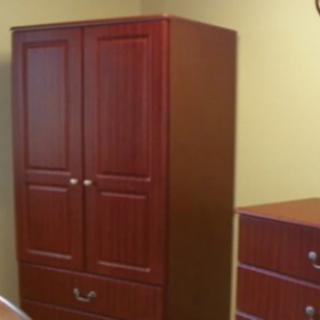
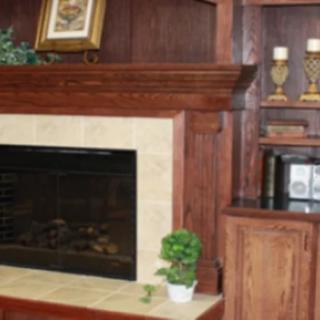
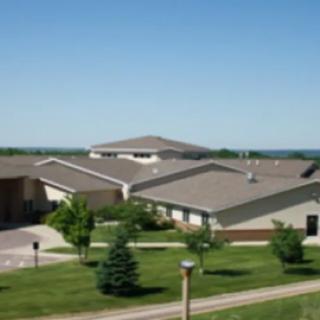
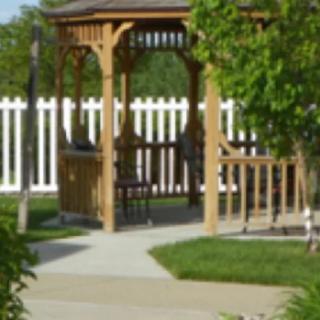
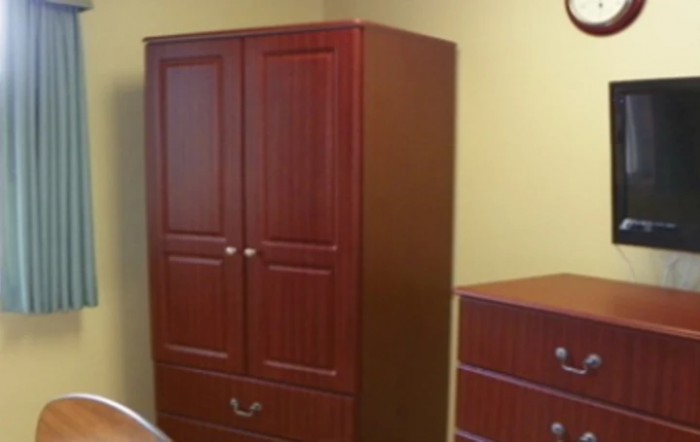
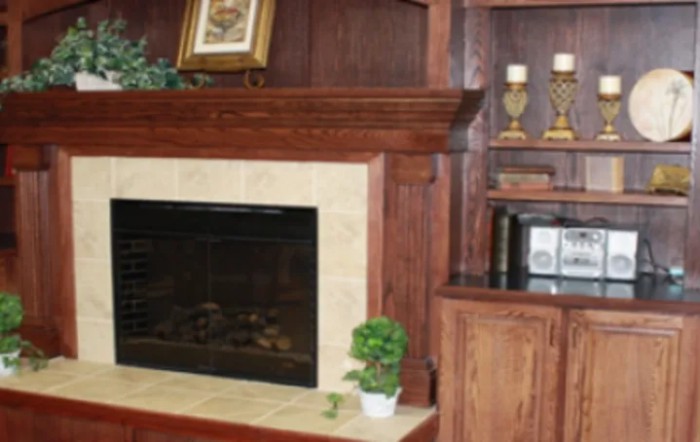
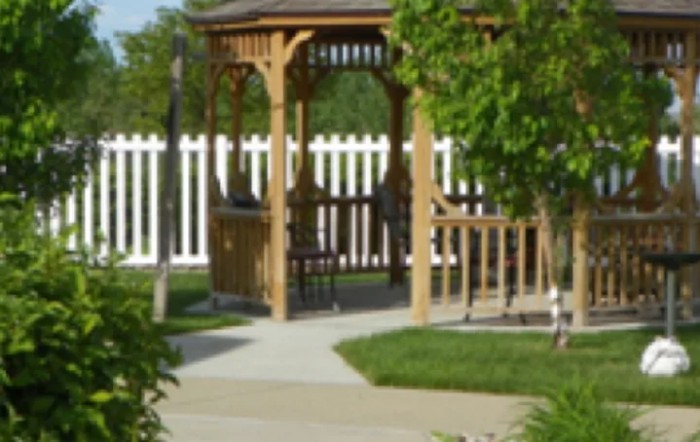
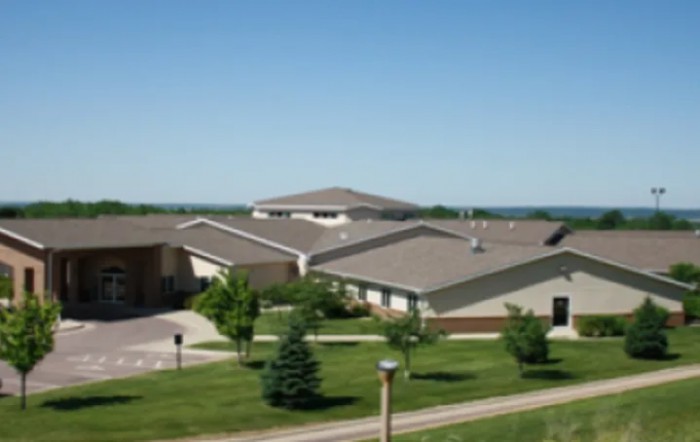
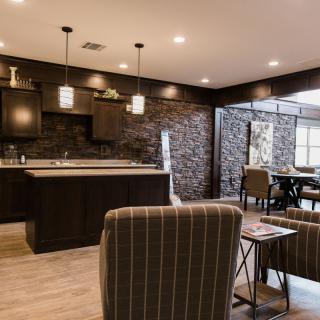
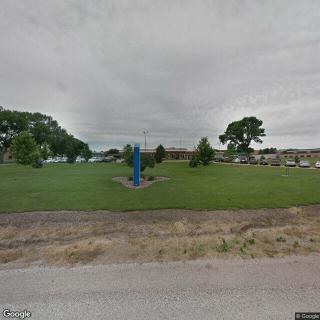
Westwood Specialty Care on seniors.fyi includes 5 photos including images showing trees, plant, wood paneling, gazebo, outdoor, garden, fence, building, and more.
Nearby Communities
Casa De Paz
Sioux City, IA
3.9 from 30 reviews
Strong family communication and caring staff.
Casa De Paz Health Care Center
Sioux City, IA
3.9 from 30 reviews
Holy Spirit
Sioux City, IA
3.3 from 23 reviews
Comprehensive care options (CCRC, memory care, skilled nursing) with restaurant-style dining and mental wellness programs.
Holy Spirit Retirement Home
Sioux City, IA
3.3 from 21 reviews
Compassionate care with engaging activities and a convenient Sioux City location.
StoneyBrook Suites
Dakota Dunes, SD
4.3 from 6 reviews
$4,770 to $7,080 / month
Caring staff with a vibrant activity program
Synergy HomeCare
Dakota Dunes, SD
4.8 from 16 reviews
Excellent location with convenient access to healthcare, dining, parks, and amenities.
Westwood Nursing & Rehab Ctr
Sioux City, IA
Specialized diabetic care in a supportive environment.
The Heritage at Northern Hills
Sioux City, IA
4.6 from 84 reviews
$1,948 to $3,217 / month
Caring, friendly staff in a welcoming, pet-friendly community with multiple care options.
Good Samaritan Society-LeMars
Le Mars, IA
5 from 3 reviews
Diabetic care and 24/7 supervision with meals, transportation options, and a range of on-site amenities.
The article explores the complexities of using Social Security to finance long-term nursing home care in the U.S., detailing eligibility requirements and misconceptions, while emphasizing that these benefits often do not cover full costs and highlighting the need for strategic financial planning and professional guidance.
Pneumonia significantly affects older adults due to weakened immune systems and atypical symptoms that complicate diagnosis, necessitating early detection and tailored treatment. Risk factors include chronic diseases and cognitive impairments, with preventive measures like vaccinations and healthy lifestyles being crucial for reducing risk.
Palliative care enhances the quality of life for seriously ill patients by providing comprehensive support at home through a multidisciplinary team, addressing various needs and prioritizing comfort over curative treatments. While it offers personalized care and involves family in decision-making, challenges like caregiver stress and logistical issues persist, with growing demand prompting advancements in technology and healthcare policies to improve access.
Get PricingAsk A QuestionSchedule A TourContact Senior Advisor
By clicking submit, you agree to our Partner's Terms of Use. You
also consent to receive calls and texts, which may be autodialed, from our Partner. Your consent is not a condition to
using our Partner's service. Please visit our Partner's Privacy Policy for information about their privacy practices.


 85 resident community capacity
 Skilled Nursing Facility
 Air-conditioning
 Beauty salon
 Cable or satellite TV
 Computer center
 Dining room
 Fitness room
 Fully furnished
 Gaming room
 Garden
 Housekeeping services
 Kitchenette
 Move-in coordination
 Outdoor space
 Private bathrooms
 Restaurant-style dining
 Small library
 Telephone
 Wellness center
 Wi-Fi/high-speed internet available
 Sioux Gateway (8 miles away)
 Community operated transportation
 12-16 hour nursing
 24-hour call system
 Activities of daily living assistance
 Assistance with bathing
 Assistance with dressing
 Assistance with transfers
 Diabetes diet
 Medication management
 Mental wellness program
 Special dietary restrictions
 Concierge services
 Planned day trips
 Strong family communication and caring staff.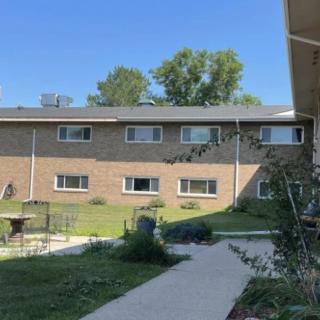


 Financing Long-Term Nursing Home Care Through Social Security: A Thorough Exploration
 Essential Knowledge on Pneumonia in Older Adults
 Exploring Palliative Care in the Home: A Comprehensive Overview