
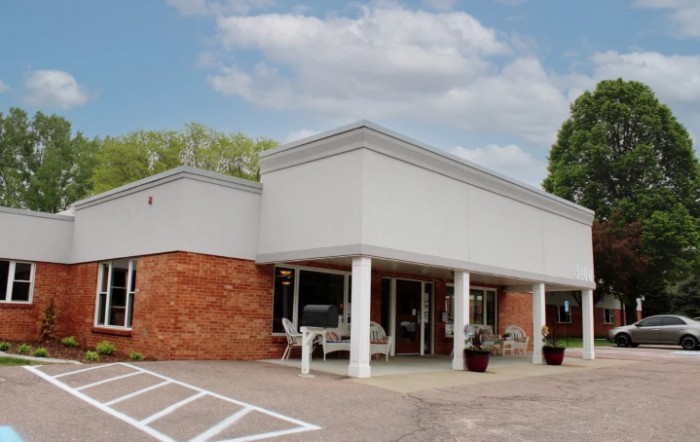

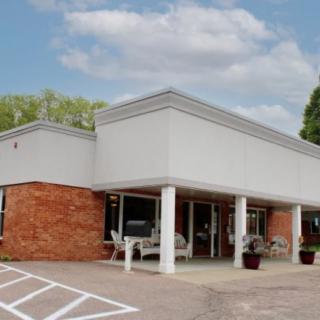

3800 Indian Hills Drive, Sioux City, IA 51104
For more information about senior living options: (866) 208-4318
Overall Review of Accura Healthcare Of Sioux City
Pros
 The staff are very kind, accommodating, and thoughtful toward residents and visiting families.
- The environment is wonderful for loved ones going through hospice.
- The staff explain clearly what they will do before moving patients or performing activities.
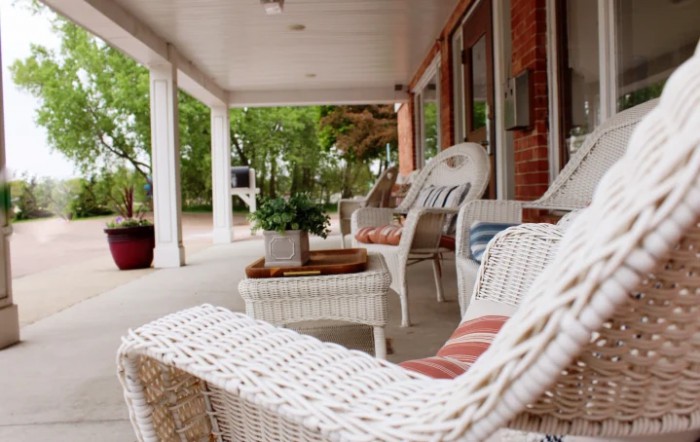
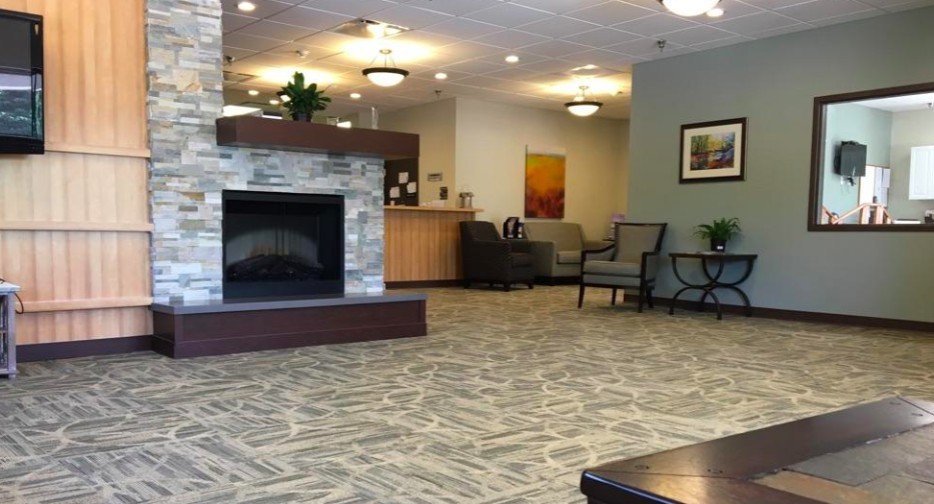
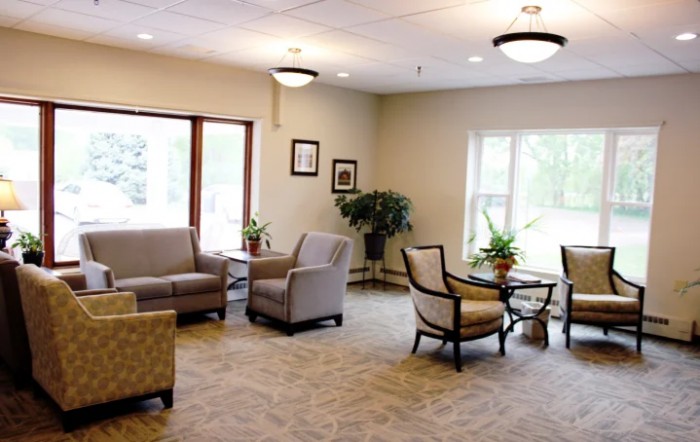
- The building is older but kept clean, and residents seem happy.
- The facility has kind and caring staff, with pleasant smells and tasty food.
- Accura of Sioux City provides the best service and high-level personal care.
- Ben and his healthcare team are highly impressive.
Cons
 The place is horrible and a complete dump.
- The staff treat residents terribly and don’t have the resident’s best interests at heart.
- They shut the resident’s cell phone off without informing him, preventing contact.
- They tried kicking out visitors and have done so when relatives were trying to communicate.
- They tell the resident he’s confused to manipulate him, even though he isn’t.
- The facility is plagued by bed bugs and neglectful management.
- The administration and their puppets are snakes and should be avoided.
- They leave residents unaccounted for or missing for hours, raising safety concerns.
- A resident was treated horribly and moved out shortly after arriving.
Review
Accura Healthcare Of Sioux City is best suited for families that prize hands-on, compassionate day-to-day caregiving and a homelike atmosphere, even when administrative reliability is variable. Frontline caregivers are repeatedly praised for patience, kindness, and the ability to explain procedures, with families noting that residents feel cared for at the bedside. The environment is described as lived-in but clean, and several reviews highlight hospice coordination as a practical plus for serious medical needs. For families willing to prioritize personal interaction and daily care over pristine polish or airtight governance, this community delivers tangible comfort and attentive attention where it matters most.
Those weighing alternatives should weigh the reality that this is not a one-size-fits-all choice. If consistency in leadership, predictable visitation, and ironclad safety protocols are non-negotiable, other communities may serve better. The reviews contain persistent concerns about access to residents, with accounts of visitation restrictions and communication gaps that can leave families feeling shut out or uninformed. Reports of staff confusion about resident location, coupled with perceptions of punitive administration, create credibility gaps that undermine trust. For families who require transparent policies and steady, expectation-aligned operations, a different option may protect peace of mind more effectively.
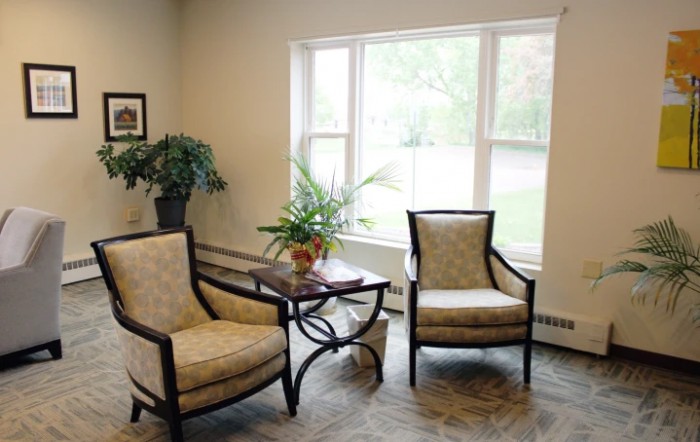
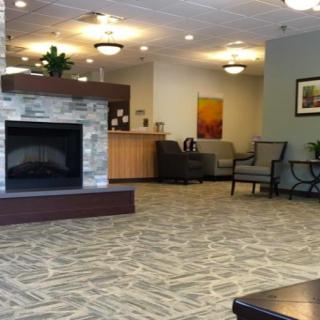
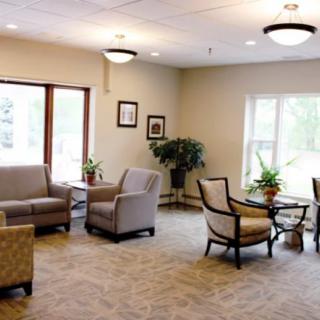
On the positive side, the strongest assets lie with the people providing daily care. Frontline staff are described as accommodating and genuinely attentive, and in several accounts the staff take time to explain what will happen before moving a resident or starting an activity. The building’s atmosphere, clean, odor-controlled, and with a home-like feel, contributes to daily comfort. Hospice collaboration and the willingness to work with families to coordinate medical needs add practical value, particularly when longer-term or end-of-life care is involved. These strengths matter deeply for residents who rely on consistent, compassionate contact with caregivers.
Yet the most significant risks center on management and governance. A subset of reviews targets the administration itself, portraying a troubling culture that some readers interpret as prioritizing image or control over transparent, responsive care. Even with capable caregivers, leadership perceived as out of touch or inconsistent can erode confidence and slow response to issues. Prospective residents should request current leadership details, a formal visitation policy that protects privacy, and concrete steps taken to address past concerns, especially around safety, incident reporting, and pest control. A candid look at who is in charge, how decisions are made, and what accountability looks like is essential before moving forward.
From a decision-making perspective, practical due diligence becomes the deciding factor. Schedule multiple visits across different days and times to observe staff dynamics under pressure, and talk with residents’ family support networks to gauge consistency. Ask specifically about visitation rights, escalation procedures, and how resident location is tracked during shifts. Inspect public areas for cleanliness and odor control, verify dietary accommodations are honored, and obtain pest-control history. Review state inspection records and any repeat deficiencies to gauge ongoing risk. Clarify how the hospice team is integrated into care planning and how often care plans are updated to reflect changing needs. The goal is to verify that daily care remains steady, compassionate, and responsive, even when administrative signals fluctuate.
In the final assessment, Accura Healthcare Of Sioux City demands careful judgment rather than unconditional endorsement. It is not the default choice for families requiring unwavering safety, transparent governance, and consistent visitation. However, it can function as a viable option for families prepared to supervise care actively, value genuine warmth from frontline caregivers, and weigh potential governance gaps against practical benefits like hospice collaboration and a supportive daily care routine. If the decision leans toward this community, proceed with a structured plan: insist on a formal, documented visitation policy; secure a detailed, measurable care plan with family involvement; and establish scheduled follow-ups to monitor progress and respond quickly to concerns. The right match will deliver steady, compassionate daily care with clear leadership and responsive accountability.
 48 resident community capacity
 Skilled Nursing Facility
 Beauty salon
 Cable or satellite TV
 Dining room
 Fully furnished
 Garden
 Housekeeping services
 Kitchenette
 Move-in coordination
 Outdoor space
 Restaurant-style dining
 Small library
 Telephone
 Wi-Fi/high-speed internet available
 Sioux Gateway (9 miles away)
 24-hour call system
 Activities of daily living assistance
 Assistance with bathing
 Assistance with dressing
 Assistance with transfers
 Diabetes diet
 Medication management
 Mental wellness program
 Special dietary restrictions



 Exploring Palliative Care in the Home: A Comprehensive Overview
 Comprehensive Insights into Palliative Home Care: What It Is and What to Expect
 Skilled Nursing Facilities vs. Nursing Homes: Making Sense of the Differences