


3440 Mulberry Avenue, Muscatine, IA 52761
For more information about senior living options: (866) 208-4318
Overall Review of Premier Estates Of Muscatine
Pros
 Premier staff treated residents with care and dignity.
- The staff were very caring and personable to families.
- Penny, a night nurse, was one of the sweetest, most caring healthcare workers.
- Premier Estates is one of the best facilities there is.
- The staff are motivated and caring; they want residents to feel welcome, at home, and to reach their fullest potential.
- For rehabilitation or long-term care, it is highly recommended.
- It is an awesome place to get help and to make good friends.
- The administration and nursing care, along with rehabilitation, are top-notch.
Cons
 They waited 30 minutes after ringing the bell for a patient pickup, and no one came to the door.
- They couldn't reach anyone by phone and had to contact the police to gain entry.
- The staff ignored calls, thinking someone else would respond.
- They felt that this person's life was not treated as a human being.
- They would not recommend this place for any loved ones.
- The patient had bedsores and bandages had not been changed.
- The facility was dirty and bloody.
- The staff were unfriendly and bossy.
- A hospice patient was left without meds for over 24 hours, meals were not provided, and they were left half naked and exposed.
Review
Premier Estates of Muscatine is best suited for families seeking a small, personable atmosphere where genuine warmth from some caregivers can translate into meaningful daily support, social engagement, and a home-like feel. The facility appears capable of delivering solid nursing care and rehabilitation when staffing aligns with resident needs, and it can work well for those who value meaningful connections with staff and peers. For short-term rehab or long-term stays where a resident thrives on visible kindness and a community feel, Premier Estates can be a workable option. The caveat is that warmth and attentiveness do not appear uniformly reliable across all shifts or days, and that inconsistency can color the entire experience.
Those who should actively consider alternatives are families prioritizing consistent, highly responsive care, meticulous safety practices, and predictable day-to-day operations. When medical oversight matters most, such as complex medication management, rapid response to alarms, or frequent turning and wound care, Premier Estates has shown troubling gaps in responsiveness. The presence of unaddressed bedsores, delays in medication delivery, and reports of patients being left unattended suggest that a resident with high medical or safety needs may not receive the reliable attention required. For hospice or end-of-life scenarios, the most serious concerns raised about med omissions and exposure indicate considerable risk that families would want to address elsewhere.
The strongest positives center on care-quality moments when staff are present and attentive. Several reviews highlight compassionate individuals, including a night nurse cited for exceptional kindness, and a broad sentiment that the nursing and rehabilitation teams can be top-notch when staffing is sufficient. For residents who value social opportunities, “making good friends” and feeling welcome are frequently cited benefits. A subset of feedback emphasizes a motivated, caring workforce that aims to help residents reach their potential, with administrators and clinical teams perceived as capable in the best cases. When praise lands, it is vivid and specific, underscoring that excellent care is possible within this community.
However, the cons consistently pull the risk line higher. Persistent staffing gaps, reports of unfriendly or overworked staff, and incidents of delayed responses create an undercurrent of insecurity. Food quality and daily living routines receive less enthusiastic assessments, which matters for long-term satisfaction. The most alarming reviews describe neglectful moments: a patient left without medications for a full day, being watched but not aided, and a lack of timely interventions for those in distress. Taken together, these issues illuminate a pattern where good intentions exist alongside real, non-trivial failure points that can jeopardize safety and comfort.
To make a confident decision, families should pursue concrete assurances and guardrails before moving a loved one in. During tours or conversations, ask for current staffing levels by shift, average nurse call response times, and how med administration is tracked and verified. Request recent quality metrics on wound care, infection rates, and any ongoing safety initiatives. Insist on a clear, written plan for 24/7 coverage during weekends and holidays, plus a trial period to observe how the team handles real-time needs. Incline toward facilities that can demonstrate consistent scheduling, robust communication with families, and transparent escalation processes when concerns arise.
In the end, Premier Estates of Muscatine presents a divided picture: moments of real warmth and competence tempered by recurring reliability concerns. For families prioritizing social engagement and genuine caregiver connections, and where safety and consistency can be closely monitored and managed, it can be a reasonable choice with careful oversight and explicit expectations. For those whose top criterion is unwavering reliability, predictable care, and meticulous safety standards, alternatives with stronger, more consistent performance should be pursued. The decision hinges on risk tolerance and the ability to secure concrete commitments that address the notable gaps observed in the record.
 100 resident community capacity
 Skilled Nursing Facility
 Air-conditioning
 Beauty salon
 Cable or satellite TV
 Computer center
 Dining room
 Fitness room
 Fully furnished
 Gaming room
 Garden
 Housekeeping services
 Kitchenette
 Move-in coordination
 Outdoor space
 Private bathrooms
 Restaurant-style dining
 Small library
 Telephone
 Wellness center
 Wi-Fi/high-speed internet available
 Community operated transportation
 12-16 hour nursing
 24-hour call system
 Activities of daily living assistance
 Assistance with bathing
 Assistance with dressing
 Assistance with transfers
 Diabetes diet
 Medication management
 Mental wellness program
 Special dietary restrictions
 Concierge services
 Planned day trips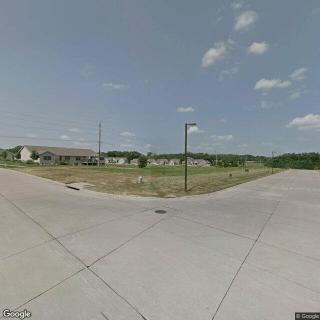



 Fecal Incontinence in Older Adults: A Comprehensive Guide
 Recognizing the Journey: Understanding and Navigating Anticipatory Grief
 Encouraging Participation in Adult Day Care: A Guide to Supporting a Hesitant Parent