Lutheran Living Senior Campus
Save2421 Lutheran Dr, Muscatine, IA 52761
For more information about senior living options: (844) 490-3973
At Lutheran Living Senior Campus, the monthly costs for various room types reflect a blend of quality care and amenities tailored to the needs of residents. For a studio unit, the cost is $4,118, which is notably higher than the average in Muscatine County ($3,597) and slightly above the state average ($3,613). One-bedroom apartments are priced at $4,583, surpassing both county and state benchmarks significantly - Muscatine County averages $3,405 and Iowa's average stands at $2,862. The two-bedroom accommodations at $4,973 also exceed local and state averages of $4,234 and $3,329 respectively. Interestingly, semi-private rooms are priced uniformly at $8,400 across both Lutheran Living and Muscatine County but starkly contrast with Iowa's average of just $3,885. These figures indicate that while Lutheran Living Senior Campus offers elevated pricing compared to local and state standards, it likely reflects enhanced services or facilities that cater to a specific demographic seeking quality senior living options.
| Floor plans | Lutheran Living Senior Campus | Muscatine County | Iowa |
|---|---|---|---|
| Studio | $4,118 | $3,597 | $3,609 |
| 1 Bedroom | $4,583 | $3,405 | $2,863 |
| 2 Bedrooms | $4,973 | $4,234 | $3,329 |
| Semi-Private | $8,400 | $8,400 | $3,885 |
What level of care are you interested in?

Assisted Living

Memory Care

Independent Living

Skilled Nursing Facility

Continuing Care Retirement Community (CCRC)CCRC

Other
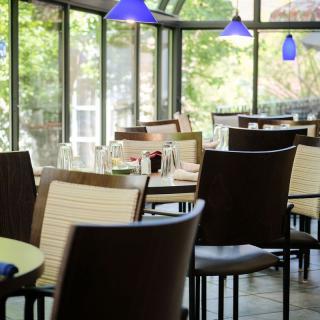
The reviews paint a picture of a Lutheran-affiliated senior care operation in the Quad Cities that many families regard highly, while acknowledging real and serious caveats. On the positive side, several families describe the facility as among the best in the area, praising the warm, friendly staff and the overall cleanliness of the surroundings. Visitors consistently note that staff members are courteous, attentive, and caring, with several families reporting that the staff treated their loved ones as if they were part of the staff's own family. In particular, reviewers highlight competent care, a competent administrator who has begun to implement positive changes, and a dining program that can be a bright spot, including a cafe service that some families found exceptional. The living spaces themselves are often described as newer and clean, with multiple sitting areas and a layout that supports social interaction and family involvement.
Several reviews emphasize the importance of staff communication and responsiveness. Families repeatedly mention that the staff calls them before making changes to medications or treatments, and that they can see staff members who are knowledgeable and engaged in the residents' care. When care goes well, it is described in terms of prompt attention to medical needs, clear updates to families, and a sense that the care team is organized and attentive to daily routines. For those who have had loved ones in transitional or skilled nursing within the facility, the accounts frequently highlight positive experiences with the care teams, the ability to bring personal items (like a chair) into the room for comfort, and a feeling of being treated with respect and kindness. In several accounts, the dining experience is praised, with references to good food choices and supportive staff who help residents during meals.
However, the picture is not uniformly rosy. A number of reviewers report significant and troubling shortcomings that undermine trust in the facility's ability to provide safe, dignified care. One of the most pointed issues is staffing: several accounts describe insufficient staff coverage, staff fatigue from long shifts, and experiences where residents did not receive timely assistance. There are explicit accusations of neglect, including a resident going without oxygen or help after calls for assistance, and a general sense from some families that the environment can become toxic or poorly managed when turnover is high or administration fails to address issues promptly. In one sharply critical voice, the facility was described as having terrible management and a toxic atmosphere where staff were harsh or unsupportive toward each other and toward residents' needs. There are also references to unsanitary practices, such as leaving dirty trays out overnight, which raised concerns about basic cleanliness.
Other reviews emphasize inconsistency in experience. Some residents find the rooms and overall environment to be clean and comfortable, with newer rooms and a homey feel that makes the facility pleasant to visit. Yet others feel that the physical environment can lean toward a hospital-like atmosphere rather than a warm, homey setting, with some comments about outdated d?cor or less-than-cozy room designs. A common thread is the tension between the care that families witness in certain moments - when staff are responsive, communicative, and supportive - and the moments when care appears to slip due to staffing shortages or administrative missteps. This mix leaves readers with an ambivalent impression: the care can be very good, but it is not guaranteed, and lapses can be serious.
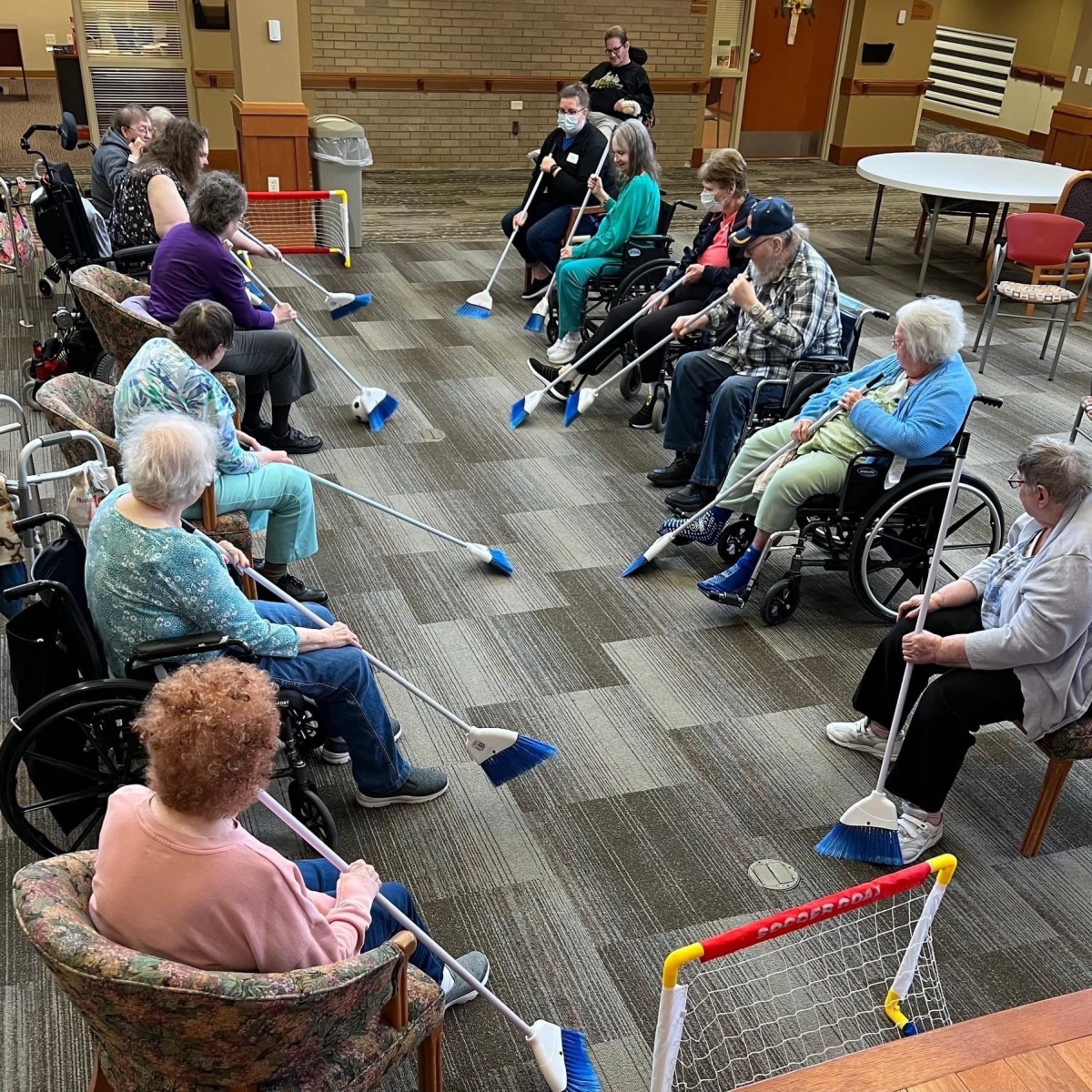
Food and activities also show a split in opinion. Some reviews mention good dietary experiences, with dietitians who are patient and accommodating, and the ability to bring in personal preferences to support picky diets. Others report that their loved ones did not enjoy the food, or that the facility had limited dining options at times. In terms of daily life and engagement, several accounts praise the emphasis on getting residents out of their rooms, the availability of multiple social spaces, and a variety of activities throughout the day rather than only in the evenings. Yet a few reviewers felt more could be done to broaden activities or to ensure consistent social and recreational opportunities, indicating room for improvement in keeping residents engaged across all shifts.
In sum, the reviews depict a facility with clear strengths and genuine commitments: a caring staff, clean facilities, and meaningful family involvement, supported by some successful programs in dining and activity. They also reveal serious risks and frustrations, centered on staffing levels, consistency of care, and maintenance of basic safety standards. Families who have had positive experiences emphasize feeling valued and informed, while those who encountered problems stress the need for more robust staffing, better oversight, and more proactive responsiveness from leadership. For anyone considering this Lutheran-affiliated care center, the message is to weigh firsthand experiences with current staffing realities, verify safety and communication practices, and, if possible, visit with questions in hand to gauge whether the facility's strengths align with their loved one's needs and expectations.
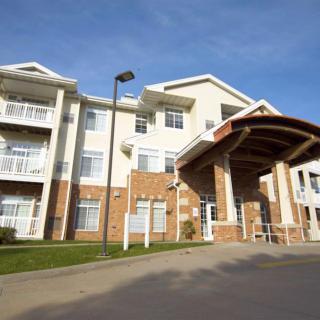
Located in Muscatine, Iowa, the Lutheran Living Senior Campus offers a warm and inviting assisted living community for seniors in need of various levels of care. With a focus on promoting independence and ensuring the well-being of residents, this community provides two types of care: Independent Living and Memory Care.
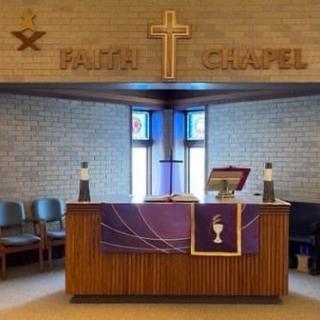
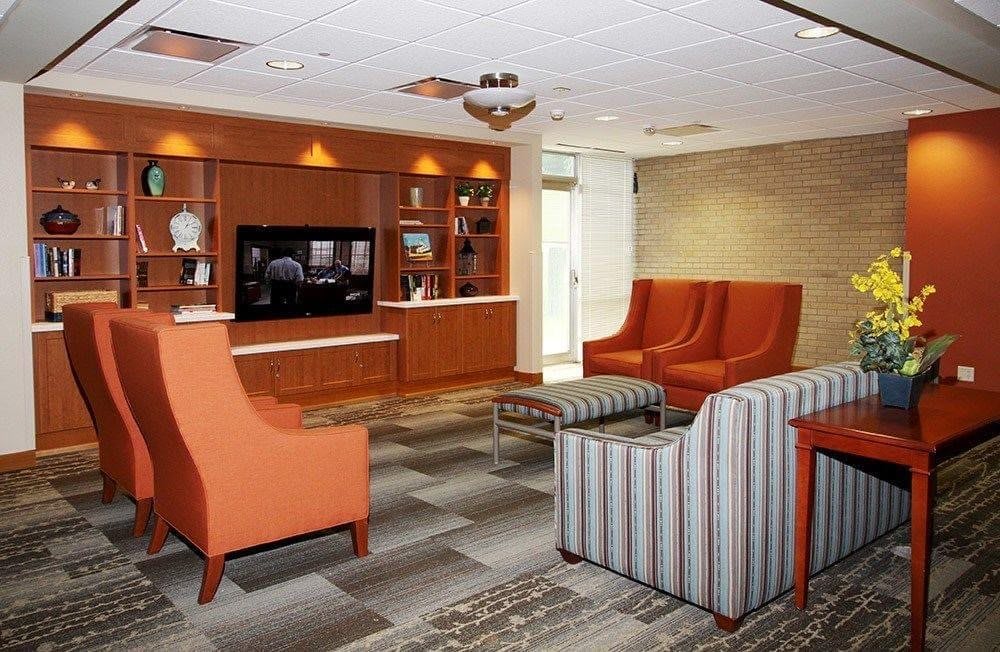
For those who are still able to live independently but desire a supportive and engaging environment, Independent Living is an ideal choice. Residents can enjoy their freedom while benefiting from the available amenities and services. Devotional services off-site provide spiritual nourishment, while indoor common areas offer spaces for socializing and relaxation.
The Lutheran Living Senior Campus also caters to individuals requiring Memory Care. Specially trained staff members are dedicated to assisting residents with memory-related challenges, ensuring they receive the personalized care they need in a safe and secure setting.
Beyond the comprehensive care services provided at this senior campus, there are numerous amenities and attractions nearby that enhance the overall quality of life for residents. With four cafes nearby, residents can easily meet friends or family for a cup of coffee or a meal. Additionally, five parks offer opportunities for leisurely walks or outdoor activities. Two pharmacies located close by ensure convenient access to medication needs.
Healthcare is readily available with eight physicians within proximity to the community, offering reassurance to both residents and their families. For dining options, 27 restaurants cater to different taste preferences in close proximity.
Transportation services make it easy for residents to explore the surrounding area or attend events further away from home. Nearby places of worship allow residents to maintain their spiritual practices conveniently.
Lastly, cultural entertainment options are easily accessible with one theater nearby for enjoying movies or live performances. In case of emergencies or specialized medical care needs, five hospitals within reach provide peace of mind knowing that medical attention is close at hand.
At the Lutheran Living Senior Campus in Muscatine, IA, seniors can enjoy a vibrant community that combines excellent care services with convenient access to essential amenities, fostering a fulfilling and enriching lifestyle.
At Lutheran Living Senior Campus, the monthly costs for various room types reflect a blend of quality care and amenities tailored to the needs of residents. For a studio unit, the cost is $4,118, which is notably higher than the average in Muscatine County ($3,597) and slightly above the state average ($3,613). One-bedroom apartments are priced at $4,583, surpassing both county and state benchmarks significantly - Muscatine County averages $3,405 and Iowa's average stands at $2,862. The two-bedroom accommodations at $4,973 also exceed local and state averages of $4,234 and $3,329 respectively. Interestingly, semi-private rooms are priced uniformly at $8,400 across both Lutheran Living and Muscatine County but starkly contrast with Iowa's average of just $3,885. These figures indicate that while Lutheran Living Senior Campus offers elevated pricing compared to local and state standards, it likely reflects enhanced services or facilities that cater to a specific demographic seeking quality senior living options.
Lutheran Living Senior Campus is located at 2421 Lutheran Dr, Muscatine, IA 52761 in Muscatine County, Iowa
Yes, Lutheran Living Senior Campus provides memory care services for residents with mild or advanced stages of dementia or Alzheimer's disease.
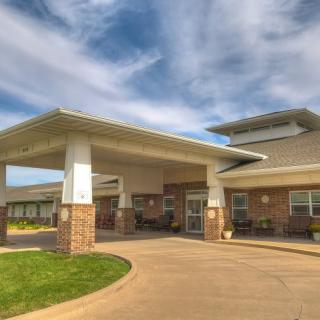
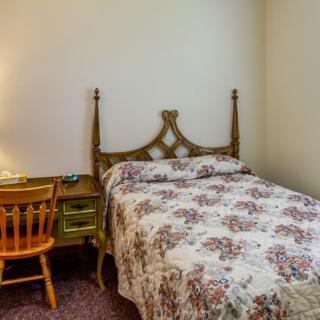
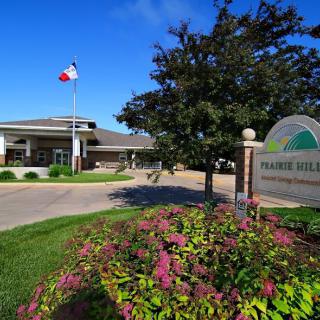
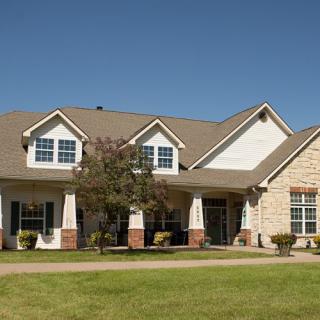
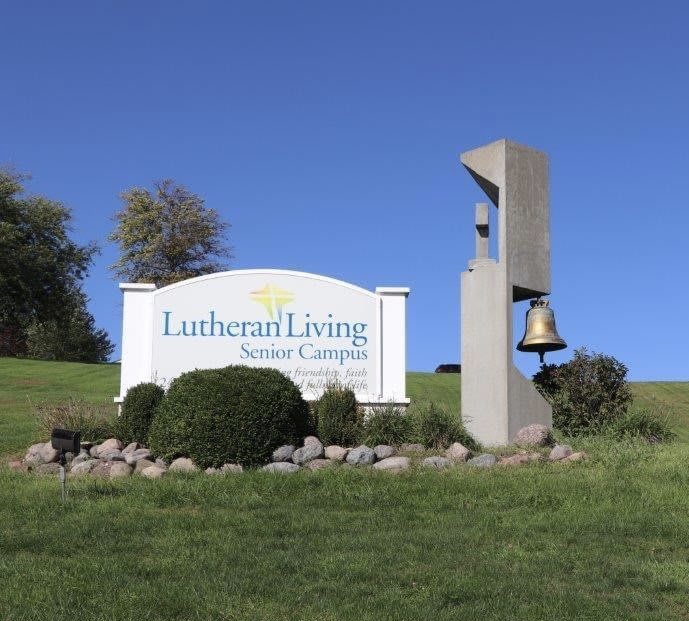
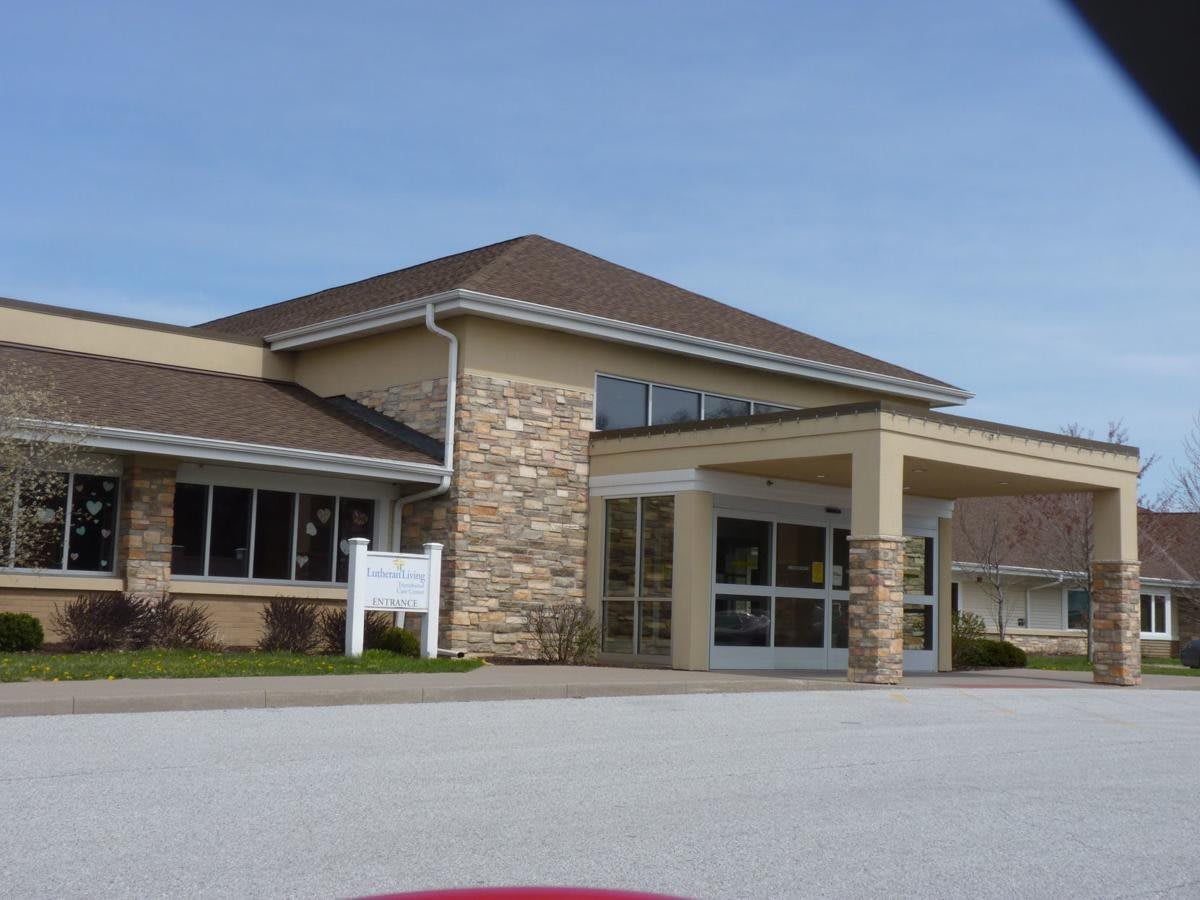
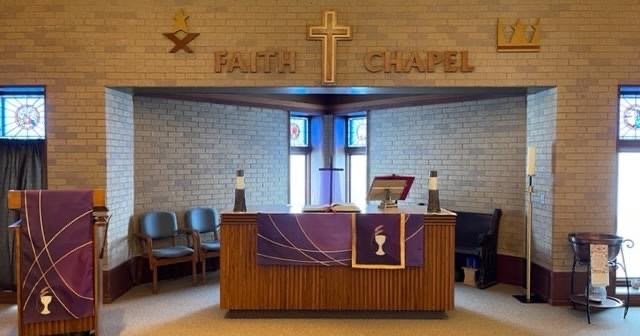
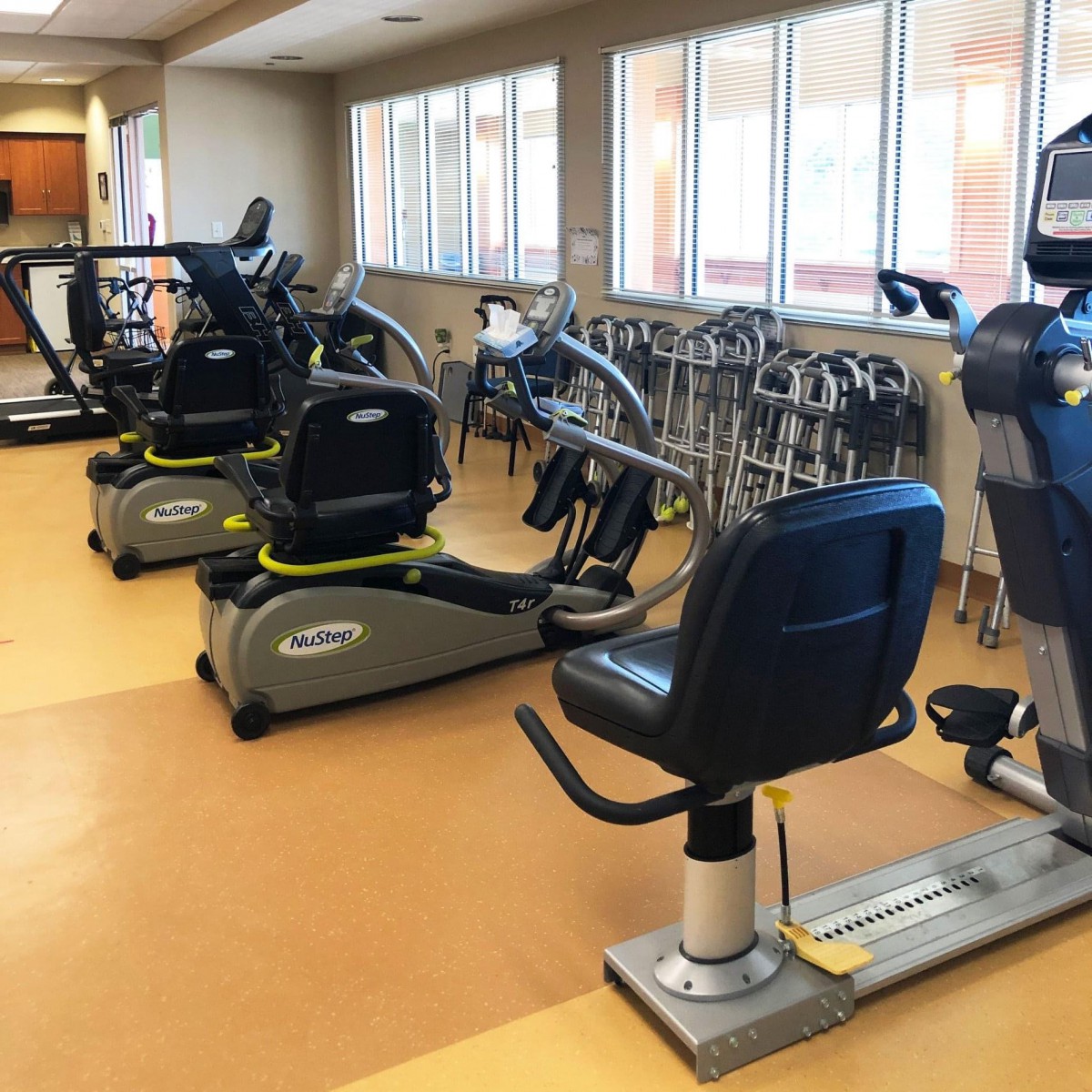
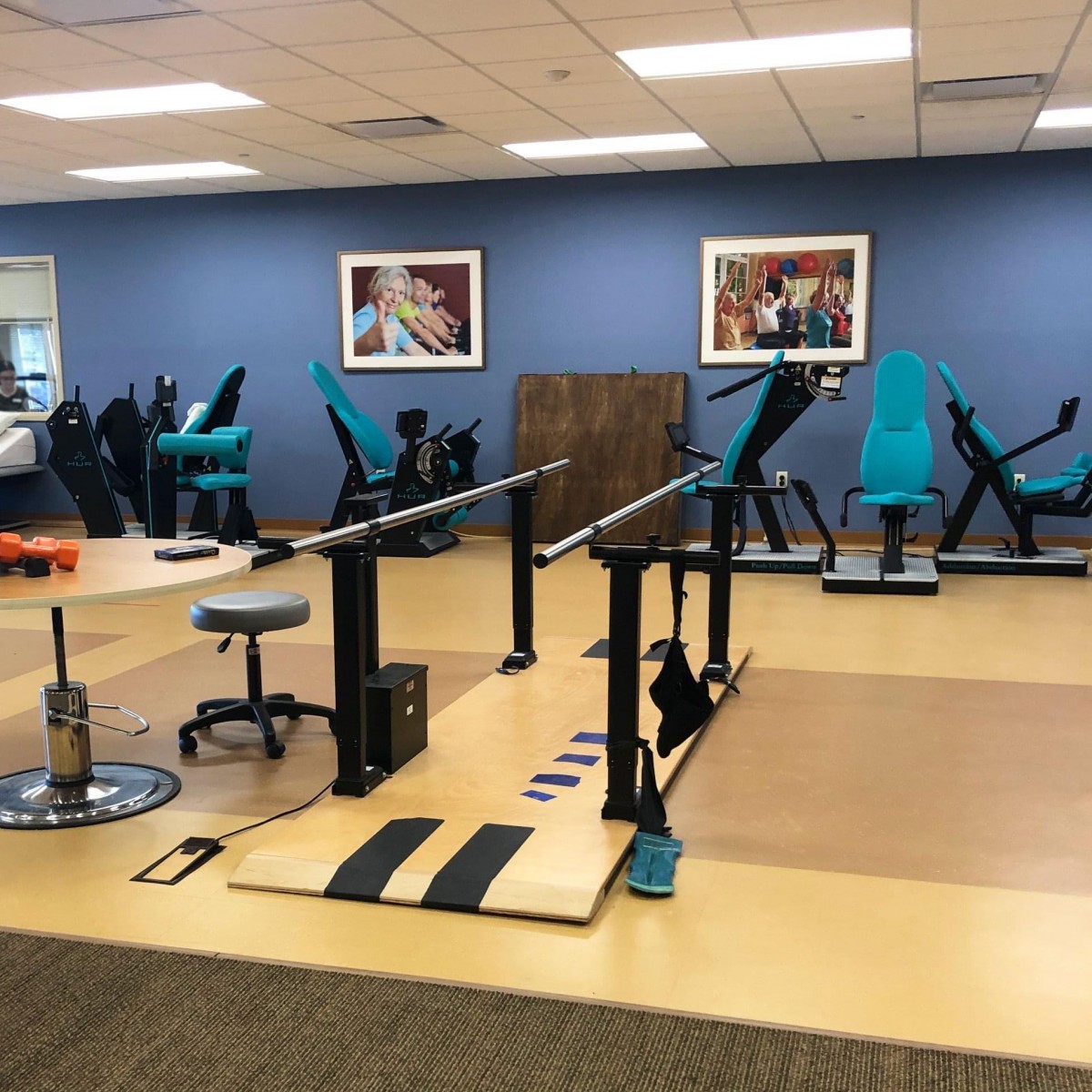
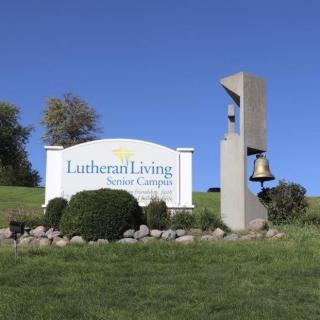
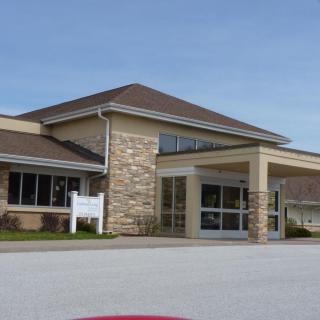
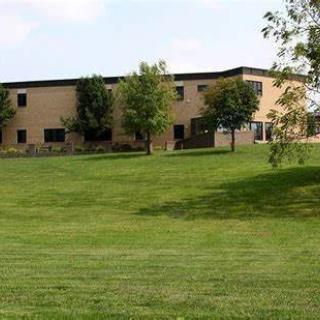
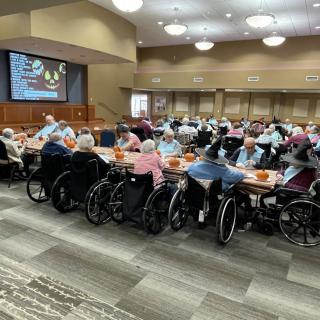
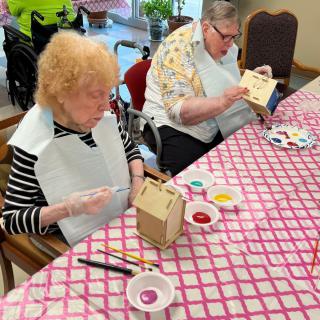
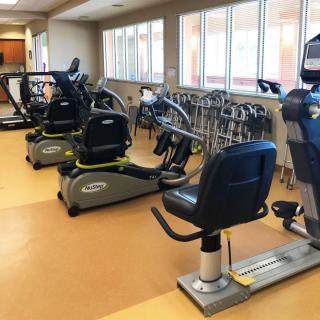
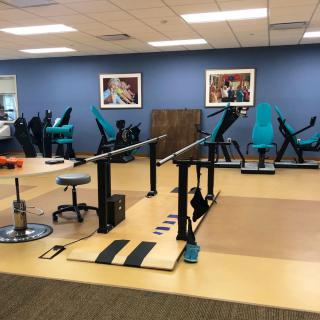
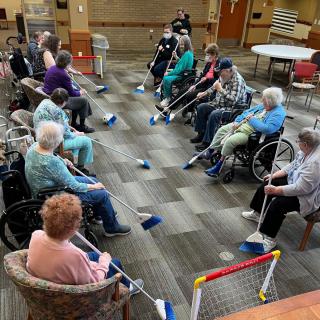
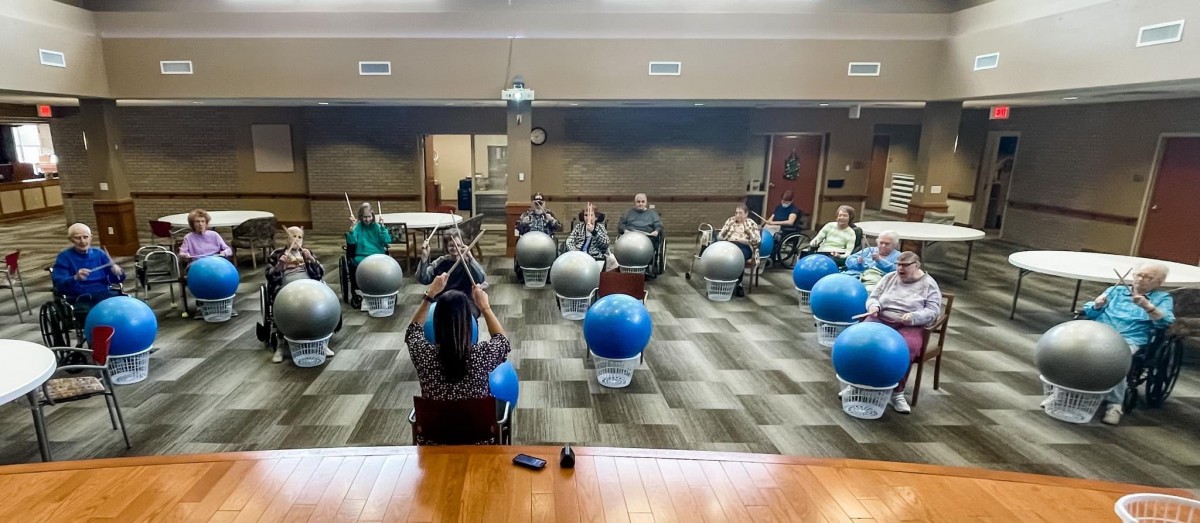
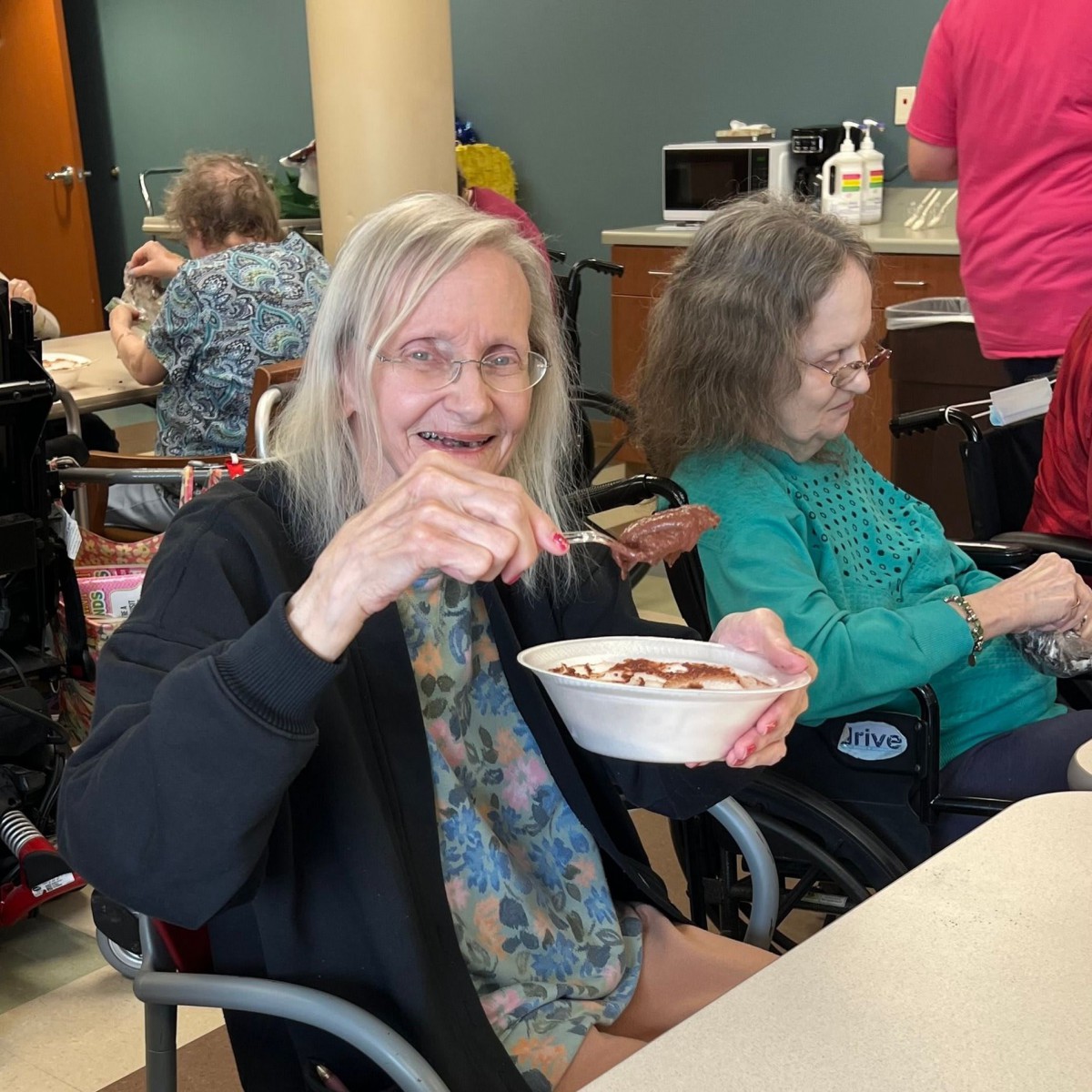
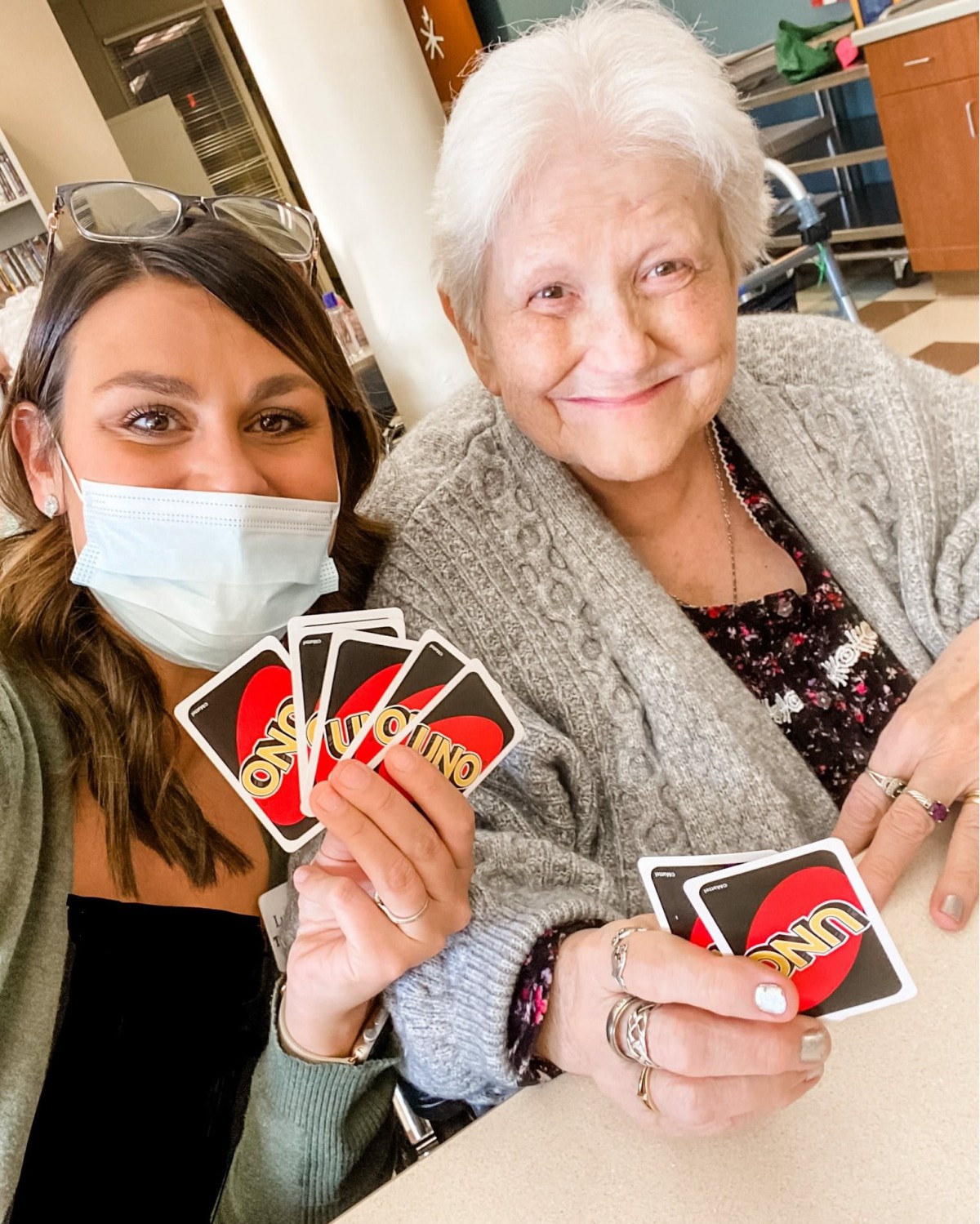
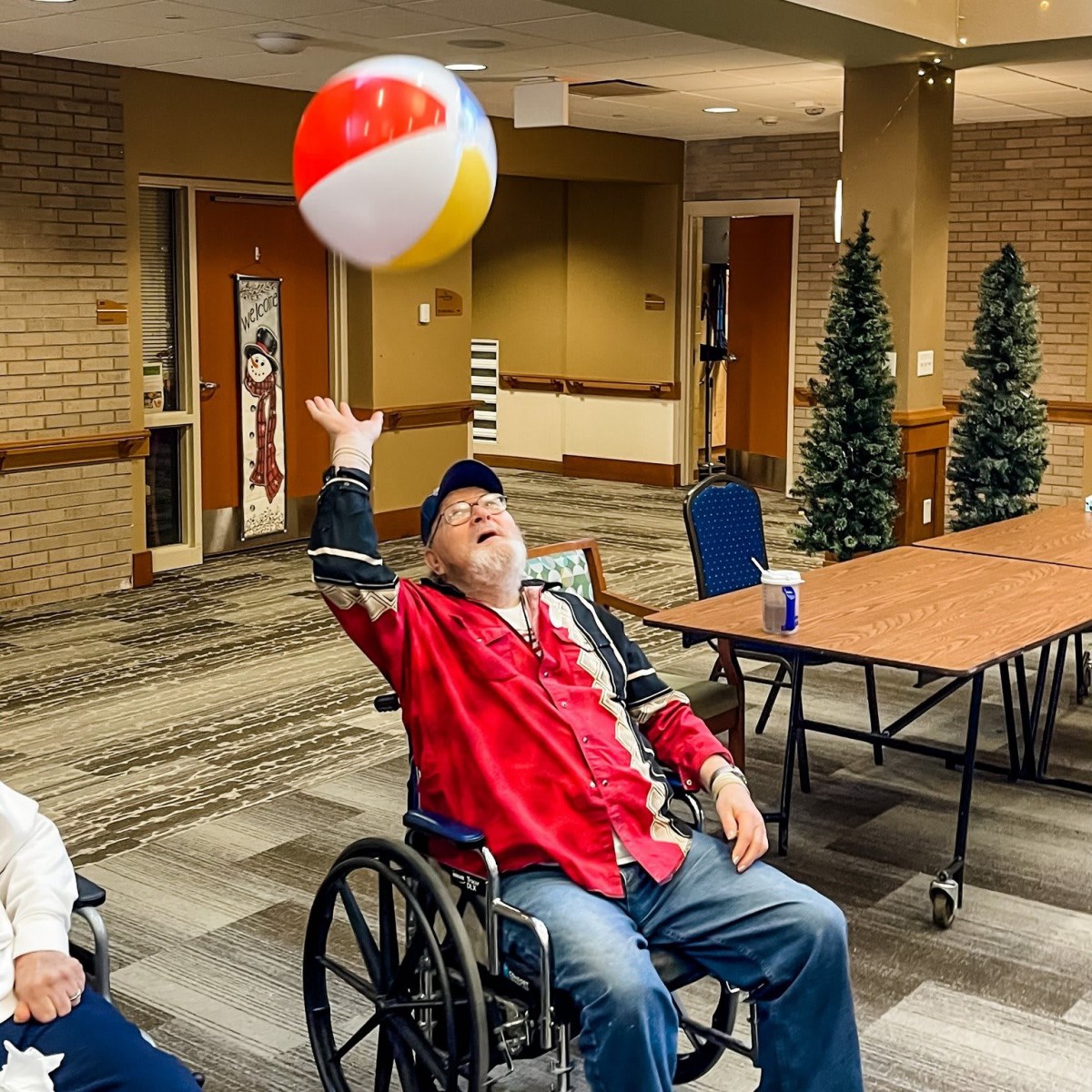
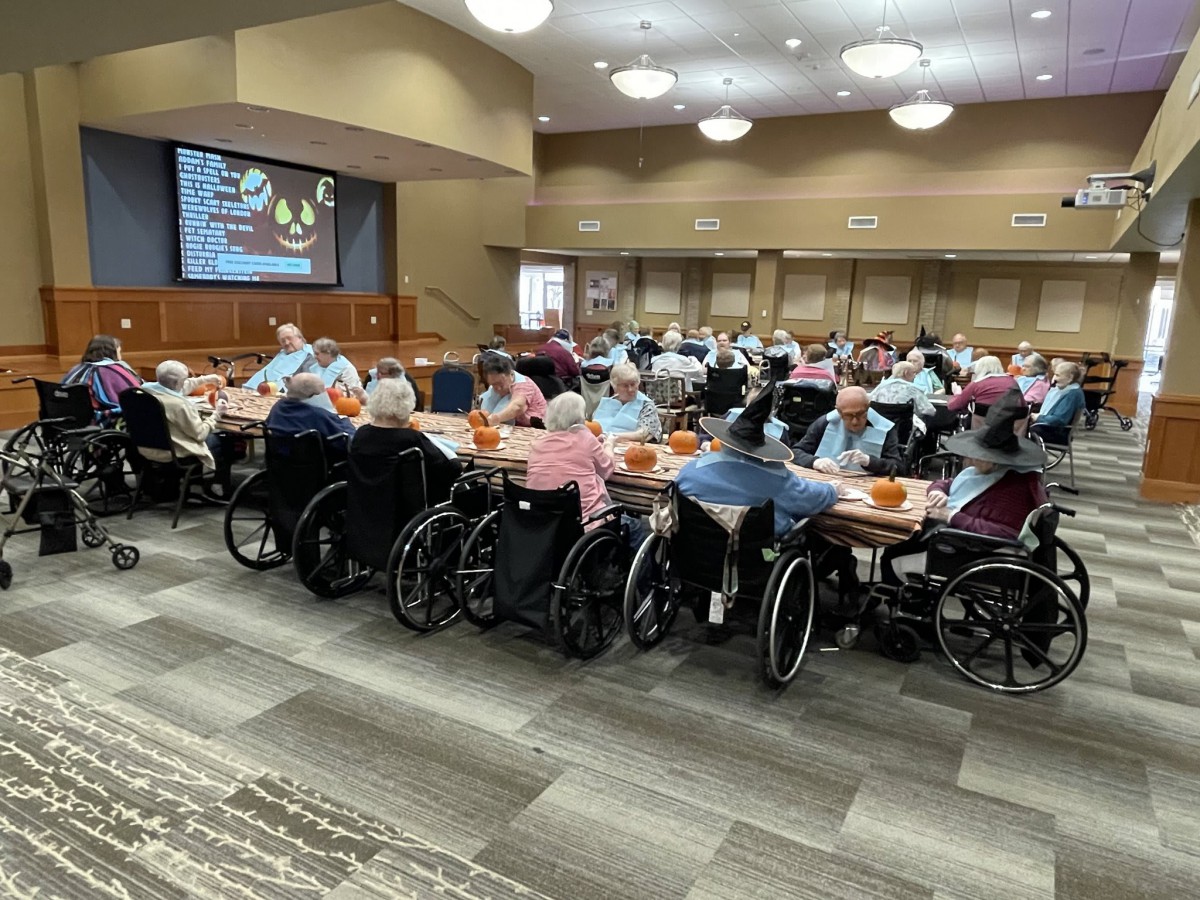
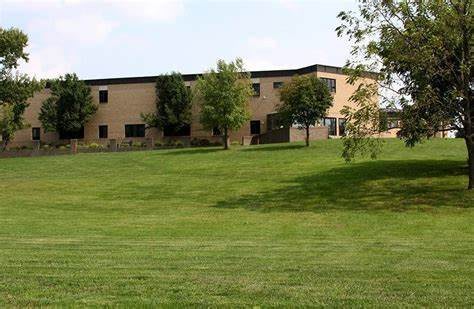
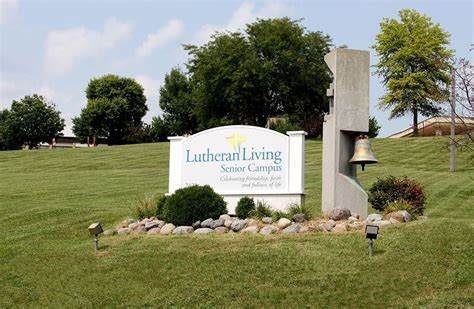
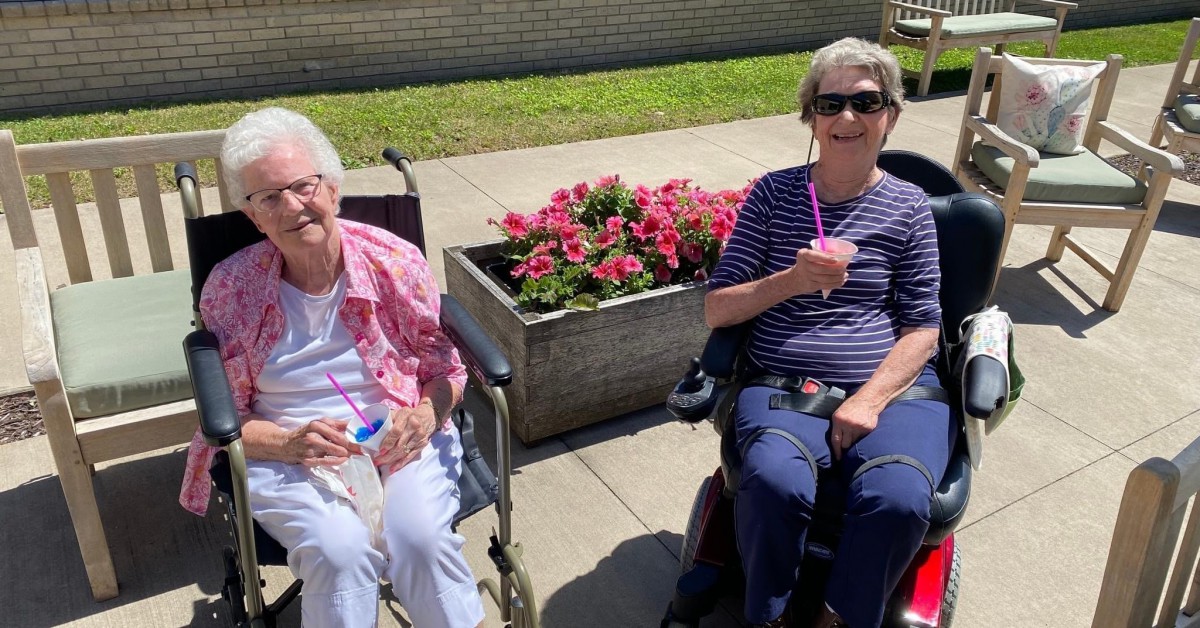
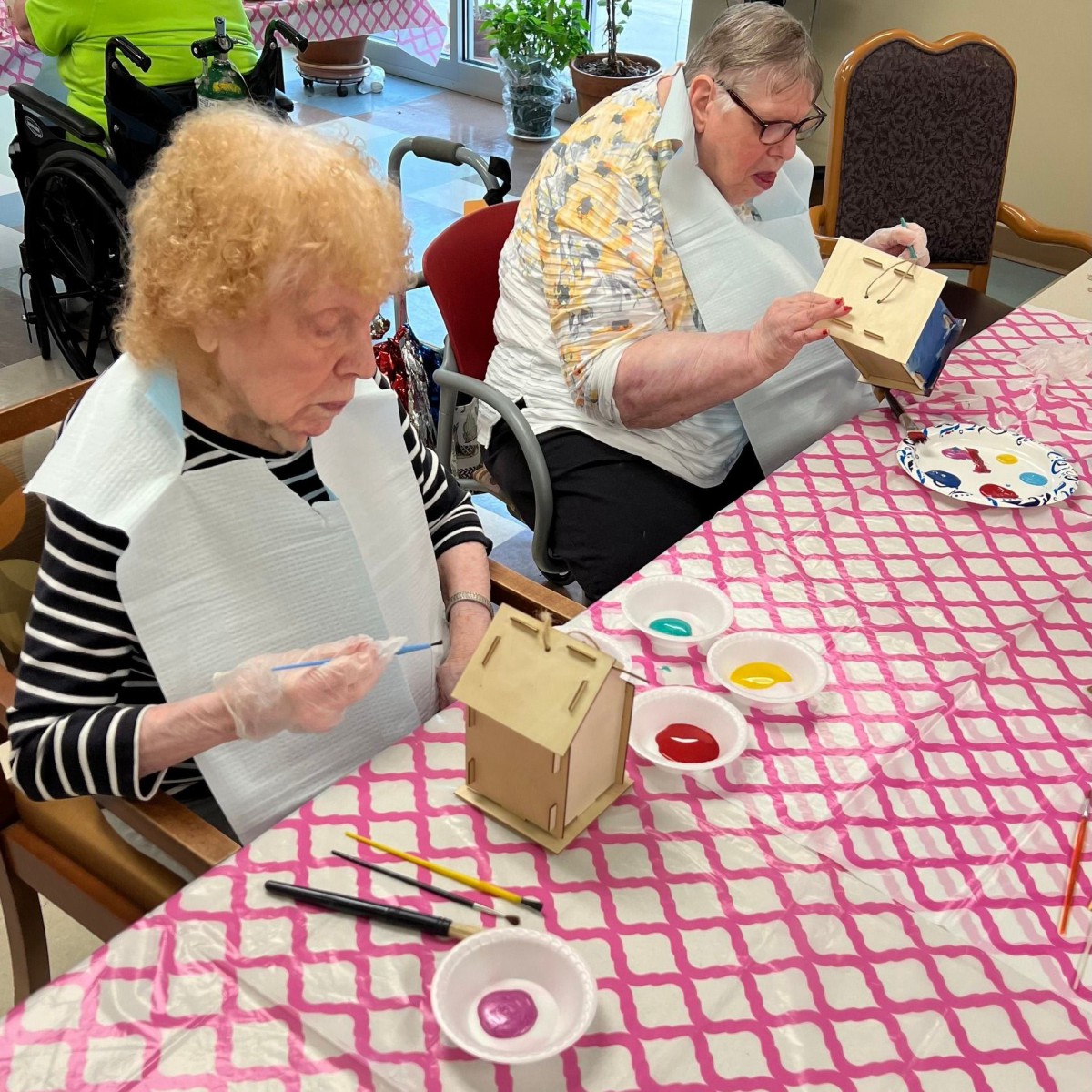
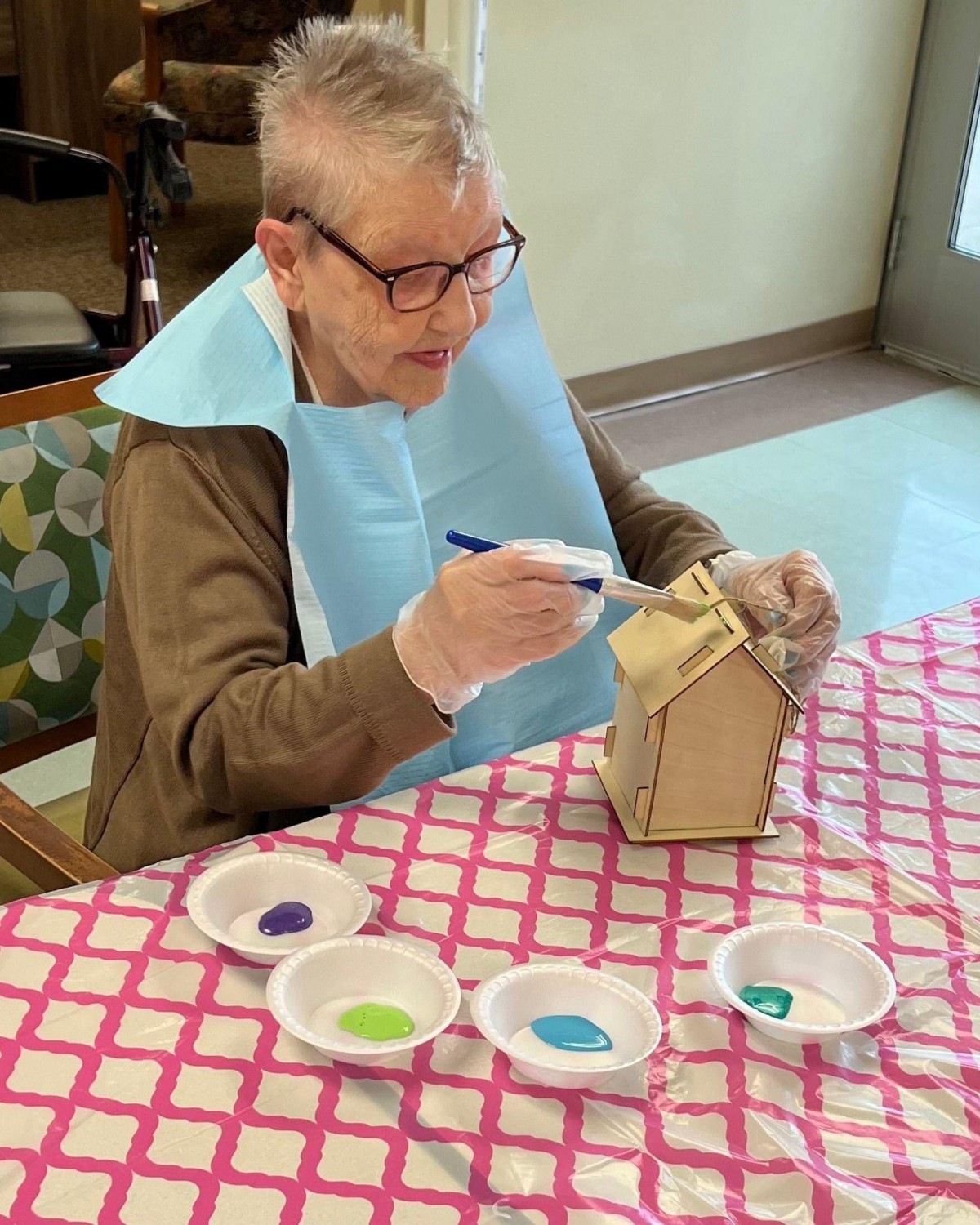
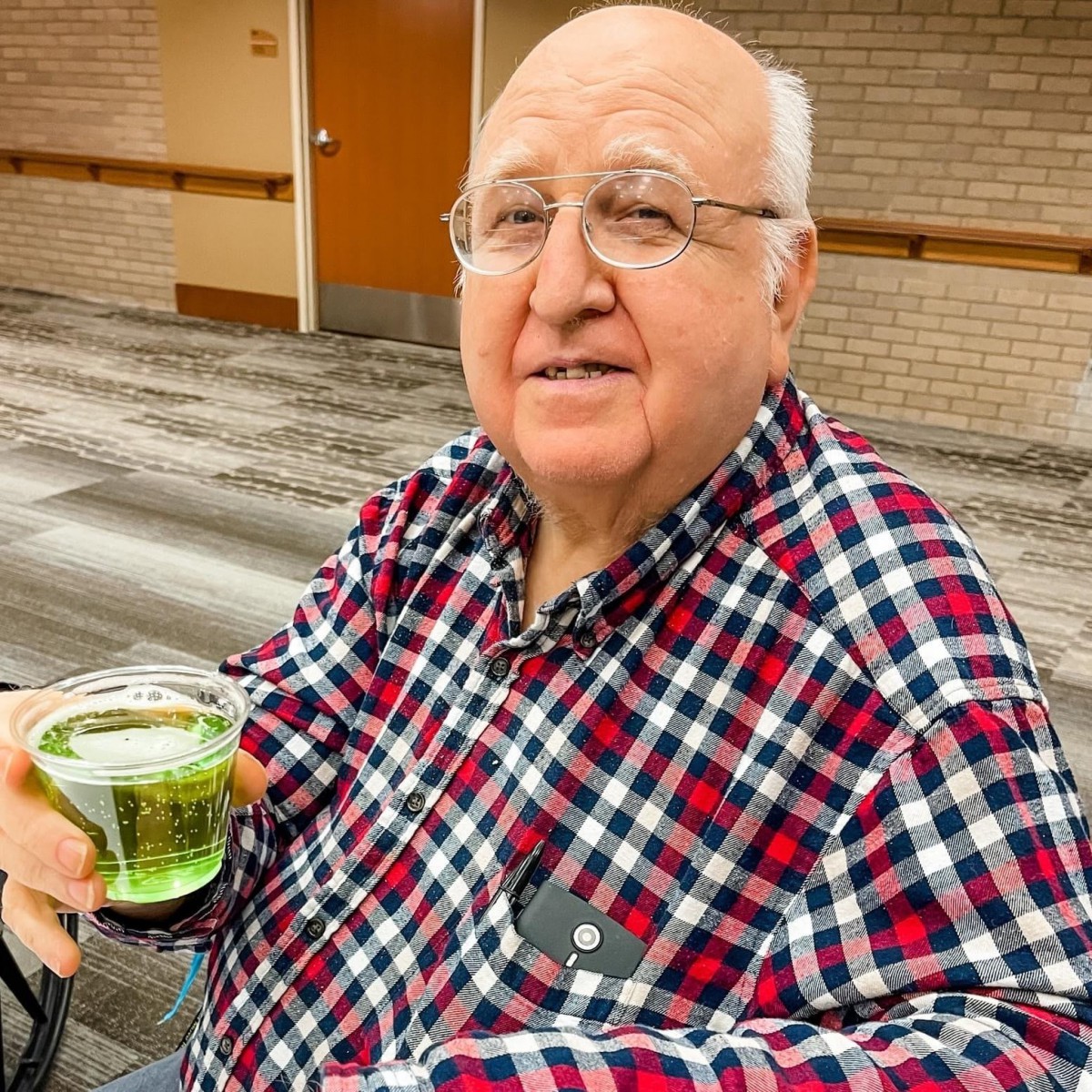
Lutheran Living Senior Campus on seniors.fyi includes 22 photos including images showing interior, landscaping, exercise equipment, outdoors, wheelchair, grass, exercise, building, and more.
Bickford of Muscatine
Muscatine, IA
Warm, home-like environment with attentive staff and engaging activities.
Bickford of Muscatine costs
Bickford of Muscatine reviews
Bickford of Muscatine images
Premier Estates Of Muscatine
Muscatine, IA
Extensive on-site amenities and diverse care services (dining, transportation, wellness, beauty, library, garden, fitness).
Premier Estates Of Muscatine reviews
Premier Estates Of Muscatine images
Pinnacle Elder Group Homes
Muscatine, IA
Specialized memory care with dedicated staff and nearby amenities.
Pinnacle Elder Group Homes reviews
Pinnacle Elder Group Homes images
Addington Place Muscatine
Muscatine, IA
Friendly staff, clean facility, and engaging activities that support cognitive health.
Addington Place Muscatine costs
Addington Place Muscatine reviews
Addington Place Muscatine images
Legacy Pointe
Iowa City, IA
Warm, attentive staff in a clean, activity-rich community.
Legacy Pointe costs
Legacy Pointe reviews
Legacy Pointe images
Friendship Manor
Rock Island, IL
Clean facility with friendly staff and strong rehabilitation services.
Friendship Manor costs
Friendship Manor reviews
Friendship Manor images
Edgewater on Third
Davenport, IA
Friendly, attentive staff delivering quality care.
Edgewater on Third costs
Edgewater on Third reviews
Edgewater on Third images
Dementia encompasses a range of cognitive impairments characterized by types such as Alzheimer's and vascular dementia, and follows a seven-stage progression model known as the Global Deterioration Scale (GDS), highlighting varying symptoms and decline timelines. Early detection allows for lifestyle adjustments to potentially slow progression, while caregivers need support and resources to manage the challenges involved in caring for affected individuals.
Safeguarding Your Memory Through the Golden Years: Eight Ways to Preserve Cognitive Health

The article presents eight strategies for preserving cognitive health and memory in older adults, emphasizing a nutrient-rich diet, regular exercise, intellectually stimulating activities, adequate sleep, social connections, stress management techniques, limiting harmful substances, and regular medical checkups to mitigate age-related memory decline.
Comprehensive Insights into Activities of Daily Living (ADLs) and Their Assessment
Activities of Daily Living (ADLs) are fundamental tasks vital for an individual's independence, particularly in older adults over 85, and include functions like bathing and dressing; assessing ADLs alongside Instrumental Activities of Daily Living (IADLs) helps determine the level of required assistance due to age-related health challenges. Tailored support plans, involving family and community resources, are essential for maintaining dignity and autonomy in assisted living environments.