
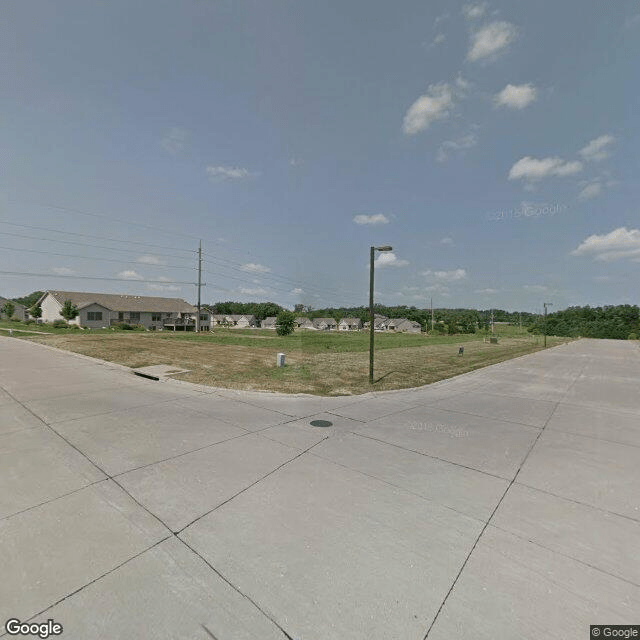
3500 Diana Queen Drive, Muscatine, IA 52761
To contact a resident: (563) 554-3250
For more information about senior living options: (866) 208-4318
Overall Review of Pinnacle Elder Group Homes
Pros
 Pinnacle provides residents with a true family environment in a home setting.
- Each resident has a private bedroom, offering privacy and personalization.
- The staff are fully invested in residents and their families.
- Pinnacle Memory Care in Muscatine, IA upholds high standards of cleanliness and safety.
- The atmosphere at Pinnacle is quiet and home-like.
- The staff are well trained in consistent dementia care.
- The resident remained content after moving to Pinnacle and did not express a desire to leave.
- The leadership at Pinnacle is supportive and staff feel appreciated.
Cons
 There are some rough days at Pinnacle, though they are usually not too bad.
Review
This community is best suited for families pursuing a small, home-like memory-care environment in Muscatine, Iowa, where privacy, routine, and a genuine family feeling drive daily life. Pinnacle lends each resident a private bedroom, enabling personal expression and dignity through familiar surroundings. It particularly fits residents with dementia who benefit from steady supervision delivered with warmth and consistency in a quiet, homelike setting. The care ethos emphasizes close collaboration with family members, allowing ongoing involvement in care planning and daily activities. Faith practices are honored, further easing transitions for residents and their loved ones. In short, Pinnacle shines for those who prize intimate, personalized care over a clinical, impersonal atmosphere when supporting memory-impaired seniors.
From the reviews, the core strengths are evident: a true family environment, high standards of cleanliness and safety, and attentive, well-trained staff who invest in residents and their families. The home-like atmosphere reduces agitation and confusion for dementia patients, while the private bedrooms provide needed privacy and a sense of control. The menus and specially prepared foods indicate careful attention to nutrition and taste, essential for long-term wellbeing. Staff actively engage residents with outside activities and aim to keep routines predictable, which supports cognitive stability. The ability to honor faith practices and the cooperative work with hospice services further enhances comfort during difficult progressions. All of these positives coalesce into a care experience that feels supportive rather than transactional.
As a focused memory-care setting in a smaller footprint, Pinnacle may not satisfy families whose loved one requires extensive on-site medical oversight or 24/7 skilled nursing. The reviews do not highlight a large team of on-site physicians, advanced medical amenities, or broad clinical programming that some families expect from bigger campuses. For those whose priorities include a bustling social calendar, varied programming across multiple neighborhoods, or rapid access to hospital-like services, alternatives on longer-established campuses or larger memory-care communities may be preferable. The intimate, home-based model is excellent for comfort, but it can feel limiting when the care plan grows in complexity or when greater medical management is needed. Families should recognize that the strength of its approach is also a signal to test fit against medical expectations.
Yet the strengths can mitigate these potential gaps brilliantly. The private rooms and a quiet, stable environment lower rates of distress and wandering, which often trump the need for constant clinical intervention. The deeply involved staff, trained in dementia care, bring a level of consistency and trust that reduces crisis-driven transfers and preserves dignity. The family-centric approach means care plans are updated with input from loved ones, yielding smoother coordination with hospice and end-of-life services when required. Cleanliness and safety standards provide confidence that daily operations support healthy living, while faith accommodations offer reassurance and meaning for residents who value spiritual support. In this light, the positives deliver measurable value that often outweigh the absence of a high-volume medical footprint.
Families should choose Pinnacle when privacy, personal attention, and a calm environment for memory-impaired relatives are non-negotiable. The setting is particularly compelling for residents who respond well to routine, small-group interactions, and daily reassurance from a devoted caregiving team. Prepare to accept that this is a model built on intimate, human-centered care rather than on hospital-like medical density. If the loved one requires daily nursing tasks, IVs, complex wound care, or rapid escalation of medical care, alternatives with larger clinical staffing are worth comparing. When possible, arrange a visit to assess how staff communication, meal service, and activity pacing align with the loved one’s preferences and daily rhythms.
Overall, Pinnacle Elder Group Homes in Muscatine delivers a practical, dependable choice for memory-care needs anchored in home, privacy, and family involvement. Its strongest draw, the sense of belonging and hands-on staff dedication, creates a warmth that many families seek but struggle to find in larger facilities. The trade-off is a more intimate medical footprint that may not satisfy every clinical requirement, making alternatives with stronger on-site nursing a better fit for residents with high medical complexity. For families prioritizing comfort, individualized attention, and dignified dementia care, Pinnacle offers a clear, experience-backed option that translates into meaningful daily life for both residents and their loved ones.
 Board and Care Home
 Memory Care



 8 Key Indicators That Suggest It May Be Time to Transition from Assisted Living to Skilled Nursing Care
 Nourishing the Mind: Essential Dietary Approaches for Dementia
 Understanding Dementia Behaviors: Practical Insights and Strategies for Caregivers