For more information about senior living options: (866) 208-4318
2.9 from 110 reviews
5 stars
48
4 stars
5
3 stars
1
2 stars
3
1 stars
53
Wildwood Healthcare Center Costs & Pricing
Wildwood Healthcare Center offers a range of accommodation options with monthly costs that reflect the quality of care and services provided. For semi-private rooms, residents can expect to pay between $3,145 and $6,280, which is competitive compared to Marion County's average of $3,689 and Indiana's average of $3,739. Studio apartments are priced at $4,490 - a significant premium over the county's average of $2,869 and the state's average of $3,258 - indicating a higher level of amenities or personalized care. For those seeking more privacy, private rooms range from $4,950 to $7,160; this again positions Wildwood above local averages which stand at approximately $4,415 in Marion County and about $4,418 statewide. Additionally, the 1-bedroom option is offered at $5,200, considerably higher than both Marion County's average ($2,917) and Indiana's ($3,300), reflecting perhaps not only the facilities available but also an emphasis on tailored residential experiences. Overall, while Wildwood Healthcare Center does present higher costs in most categories compared to local benchmarks, it presumably invests in superior services and a supportive environment for its residents.
Floor plans
Wildwood Healthcare Center
Marion County
Indiana
Semi-Private
$3,145 to $6,280
$3,689
$3,739
Studio
$4,490
$2,869
$3,258
Private
$4,950 to $7,160
$4,415
$4,418
1 Bedroom
$5,200
$2,917
$3,300
Skilled Nursing Facilities with a similar price nearby
Residents and families frequently describe therapy as hands-on and effective.
Multiple reviewers credit the therapy team with real progress, especially during rehab after hospital stays. Families describe therapy as persistent and focused on getting loved ones home, and others highlight specific disciplines like physical therapy and speech therapy. Several reviewers also mention positive day-to-day engagement from therapists during recovery, which contributes to an overall confidence in the rehab experience.
caveat22 reviews mention this
Care quality is mixed
Reviews raise serious concerns about medication timing and consistent follow-through.
While some reviewers praise nursing and describe residents being well cared for across shifts, others report problems with medication delivery and basic support. Negative accounts include delayed or withheld meds, call lights going unanswered for long periods, and residents not receiving care in a timely way. A number of reviews also describe communication issues when families try to reach staff or clarify medical updates.
common18 reviews mention this
Many mention cleanliness
Reviews commonly discuss the facility’s cleanliness and odors.
Several reviewers describe the building as clean, tidy, and smelling fresh or odor-free, including references to bathrooms and rooms being maintained. Others counter that cleanliness lapses are part of the experience, pointing to overflowing trash, dirty conditions, or unpleasant odors. Taken together, the reviews suggest cleanliness may vary by time and unit, with enough mentions on both sides to matter to families.
common9 reviews mention this
Dining receives both praise and complaints
Dining is a frequent topic, with both positive and negative notes.
On the positive side, reviewers mention food with good flavor, balanced meals, and generally acceptable dining for residents in rehab. Others say meals are missed, served cold, or not well matched to healthier needs, and some describe unsanitary presentation like dirty dishes. Reviews also mention the importance of diet-related care, including special dietary restrictions.
caveat17 reviews mention this
Staff responsiveness varies widely
Some reviews describe attentive help, while others report delays reaching staff.
Several reviewers describe caring staff who interact with families and answer questions promptly, including during rehab and admissions. In contrast, other reviewers say it can be difficult to get help when needed, describing long delays for call buttons, trouble reaching someone by phone, and residents not being assisted when requested. This split suggests family expectations may align or clash depending on staffing and shift coverage at the time of the experience.
How we summarize
Counts show how many written reviews mention each theme; a review can touch several themes, and only frequently mentioned themes are displayed.
Features
Housing
160 resident community capacity
Types of Care
Skilled Nursing Facility
Pets
Cats allowed
Dogs allowed
Amenities
Air-conditioning
Beautician on-site
Beauty salon
Cable or satellite TV
Computer center
Dining room
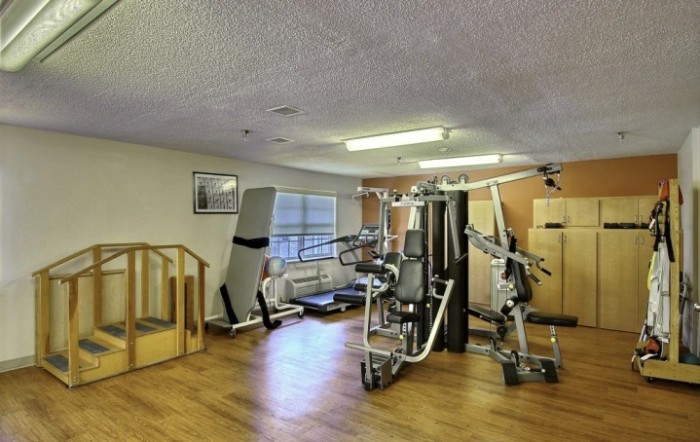
Fitness room
Fully furnished
Gaming room
Garden
Guasts at mealtime
Housekeeping services
Kitchenette
Move-in coordination
Outdoor space
Private
Private bathrooms
Restaurant-style dining
Small library
Telephone
Wellness center
Wi-Fi/high-speed internet available
Transportation
Indianapolis International (14 miles away)
Community operated transportation
Transportation & parking
Transportation arrangement
Care Services
24-hour call system
24-hour supervision
Activities of daily living assistance
Assistance with bathing
Assistance with dressing
Assistance with transfers
Diabetes diet
Meal preparation and service
Medication management
Special dietary restrictions
Dining
Diabetes diet
Special dietary restrictions
Activities
Community-sponsored activities
Concierge services
Fitness programs
Planned day trips
Resident-run activities
Scheduled daily activities
Videos
Nearby Places of Interest
This section of Indianapolis, Indiana offers a variety of conveniences for seniors looking to live in the area. With multiple cafes, pharmacies, restaurants, and medical facilities within close proximity, residents have easy access to essential services. Additionally, nearby hospitals such as Methodist Medical Plazas and St Francis Hospital Breast Center provide quality healthcare options. The presence of theaters, places of worship, and parks offer opportunities for entertainment, spiritual fulfillment, and outdoor recreation. Overall, this part of Indianapolis presents a well-rounded community with amenities that cater to the needs and interests of seniors.
Cafes
Starbucks (0.5 miles)
Panera Bread (4.9 miles)
Starbucks (6.1 miles)
Starbucks (6.5 miles)
Panera Bread (6.8 miles)
Starbucks (6.9 miles)
Physicians
Community Health Pavilion (0.6 miles)
Dr Vickery's Office (4.8 miles)
Fall Creek Family Medicine (5.6 miles)
Blackburn Community Health Center (7.1 miles)
Riley Pediatric Neurology - IU Health Simon Cancer Center (7.4 miles)
Northeast Family Physicians (7.5 miles)
Dr Richard Stanley, DPM (7.7 miles)
Pharmacies
Walgreens (1.7 miles)
CVS Pharmacy (1.7 miles)
CVS Pharmacy (2.8 miles)
Walgreens (3.5 miles)
Walgreens (4.2 miles)
CVS Pharmacy (4.5 miles)
CVS Pharmacy (5.2 miles)
Restaurants
Jack In The Box (1.7 miles)
Cracker Barrel (1.7 miles)
Hardee's (1.8 miles)
Wendy's (1.9 miles)
Weebles Bar & Grill (2.5 miles)
Taco Bell (2.6 miles)
Wendy's (2.6 miles)
Hospitals
Methodist Medical Plazas (2.6 miles)
St Francis Hospital Breast Center (6.3 miles)
Eskenazi Hospital (7.1 miles)
Indiana University Hospital (7.3 miles)
Simon Family Tower (7.5 miles)
Newborn Follow-Up Program, Riley Hospital for Children at IU Health (7.5 miles)
Community Rehabilitation Hospital North (7.6 miles)
Wildwood Healthcare Center offers a range of accommodation options with monthly costs that reflect the quality of care and services provided. For semi-private rooms, residents can expect to pay between $3,145 and $6,280, which is competitive compared to Marion County's average of $3,689 and Indiana's average of $3,739. Studio apartments are priced at $4,490 - a significant premium over the county's average of $2,869 and the state's average of $3,258 - indicating a higher level of amenities or personalized care. For those seeking more privacy, private rooms range from $4,950 to $7,160; this again positions Wildwood above local averages which stand at approximately $4,415 in Marion County and about $4,418 statewide. Additionally, the 1-bedroom option is offered at $5,200, considerably higher than both Marion County's average ($2,917) and Indiana's ($3,300), reflecting perhaps not only the facilities available but also an emphasis on tailored residential experiences. Overall, while Wildwood Healthcare Center does present higher costs in most categories compared to local benchmarks, it presumably invests in superior services and a supportive environment for its residents.
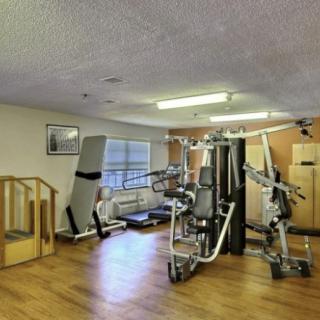
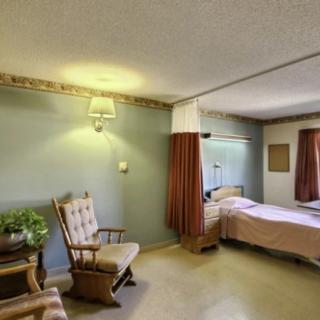
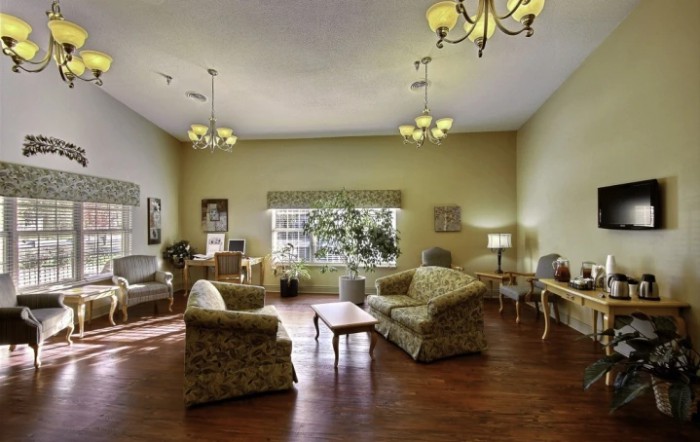
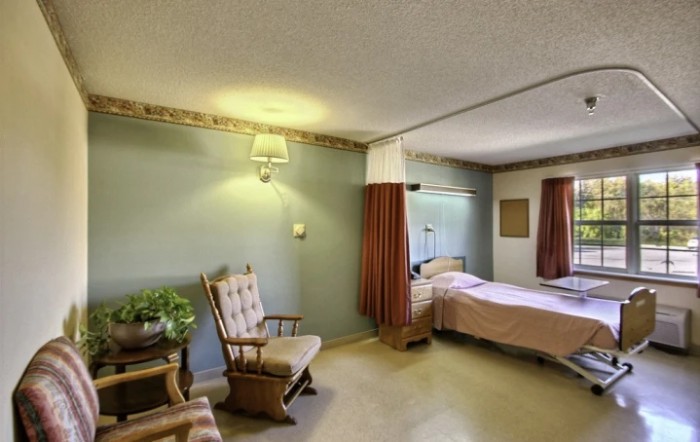
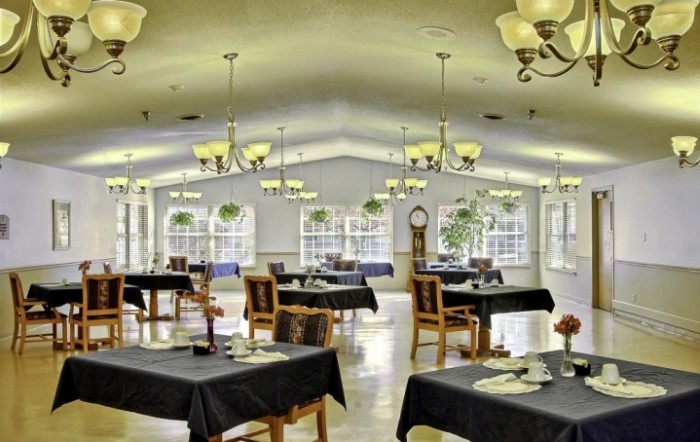
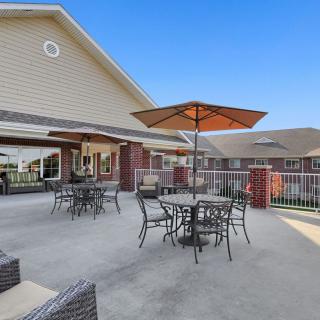
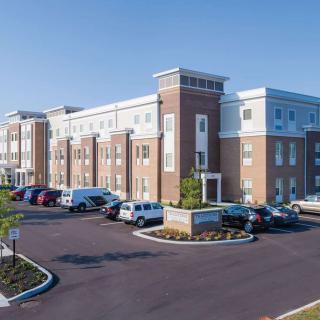
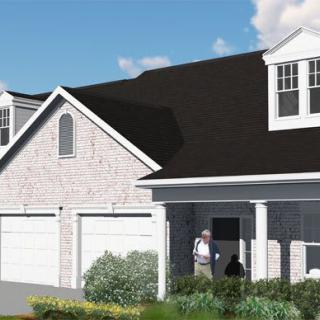
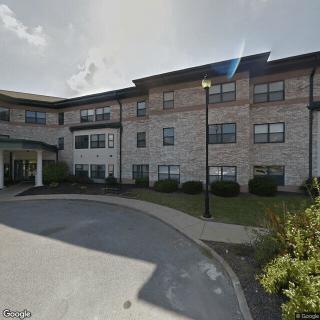
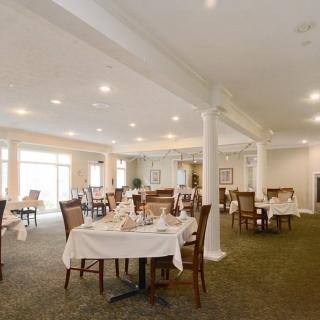
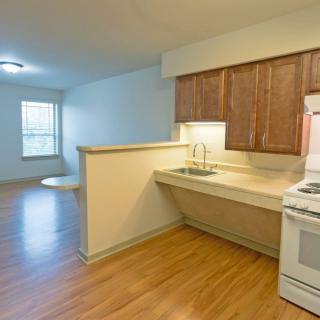
Wildwood Healthcare Center on seniors.fyi includes 6 photos including images showing interior, chandelier, windows, decor, bedroom, dining, rocking chairs, plant, and more.
Nearby Communities
Crownpointe Of Indianapolis
Indianapolis, IN
3.8 from 34 reviews
Extensive amenities and care services including restaurant-style dining, wellness programs, and transportation.
Crown Pointe Indianapolis
Indianapolis, IN
3 from 23 reviews
Assisted living with diabetic care, short-term respite options, and on-site activities, plus nearby dining and medical services.
Harrison Terrace
Indianapolis, IN
4 from 54 reviews
Attentive, compassionate staff with engaging activities and clean, adequate care.
Golden LivingCenter - Brookview
Indianapolis, IN
$5,741 / month
Broad care options (memory care and skilled nursing) with on-site activities and extensive amenities.
Angelic Senior Care
Indianapolis, IN
4.8 from 27 reviews
Excellent access to healthcare, pharmacies, dining, and recreation nearby.
Wyndham Hall At Wellington
Indianapolis, IN
4.5 from 15 reviews
$520 to $645 / month
Excellent staff, ultra-clean, secure, and engaging activities.
Greenbriar Village
Indianapolis, IN
4.3 from 133 reviews
$3,003 to $4,780 / month
Warm, attentive staff in a clean, newly renovated community with active social programs.
Oasis at 30th
Indianapolis, IN
4.1 from 138 reviews
$4,325 / month
Caring staff, engaging activities, and clean facilities.
Bloom at German Church
Indianapolis, IN
4.5 from 59 reviews
$1,950 to $3,600 / month
Friendly, attentive staff; strong sense of community; clean, safe environment with on-site activities.
Anticipatory grief is an emotional response to the impending loss of a loved one, characterized by complex emotions such as sadness and anger, and involves navigating stages similar to those identified by Kübler-Ross. Coping strategies are vital for managing this process, emphasizing compassionate communication, self-care, and support groups while recognizing the cultural influences on grieving.
Adult day care programs offer essential support and activities for older adults, yet many hesitate to participate due to concerns about independence and stigma. To alleviate these apprehensions, families should facilitate open discussions, explore financial resources, suggest trial visits, and collaborate with healthcare providers to highlight the benefits of such services for both the participants and their caregivers.
Living wills and advance directives are crucial legal documents that outline an individual's healthcare preferences when they cannot make decisions themselves, enhancing patient autonomy and alleviating family stress during medical crises. The article emphasizes the need for these documents to be personalized, legally valid, and regularly updated, while also encouraging communication about end-of-life wishes among family members and healthcare providers.
Get PricingAsk A QuestionSchedule A TourContact Senior Advisor
By clicking submit, you agree to our Partner's Terms of Use. You
also consent to receive calls and texts, which may be autodialed, from our Partner. Your consent is not a condition to
using our Partner's service. Please visit our Partner's Privacy Policy for information about their privacy practices.



 160 resident community capacity
 Skilled Nursing Facility
 Cats allowed
 Dogs allowed
 Air-conditioning
 Beautician on-site
 Cable or satellite TV
 Computer center
 Dining room
 Fitness room
 Fully furnished
 Gaming room
 Garden
 Housekeeping services
 Kitchenette
 Move-in coordination
 Outdoor space
 Private
 Private bathrooms
 Restaurant-style dining
 Small library
 Telephone
 Wellness center
 Wi-Fi/high-speed internet available
 Indianapolis International (14 miles away)
 Community operated transportation
 24-hour call system
 Activities of daily living assistance
 Assistance with bathing
 Assistance with dressing
 Assistance with transfers
 Diabetes diet
 Medication management
 Special dietary restrictions
 Concierge services
 Planned day trips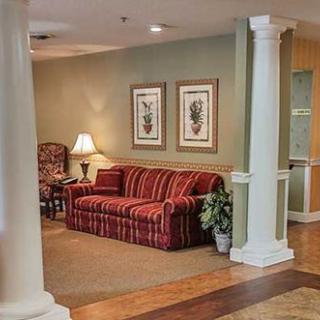
 Extensive amenities and care services including restaurant-style dining, wellness programs, and transportation.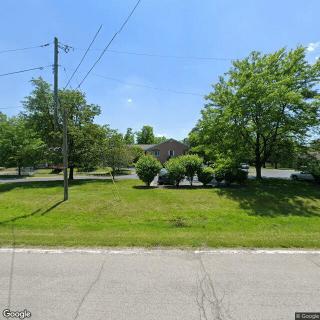



 Recognizing the Journey: Understanding and Navigating Anticipatory Grief
 Encouraging Participation in Adult Day Care: A Guide to Supporting a Hesitant Parent
 Comprehensive Exploration of Living Wills and Other Advance Directives