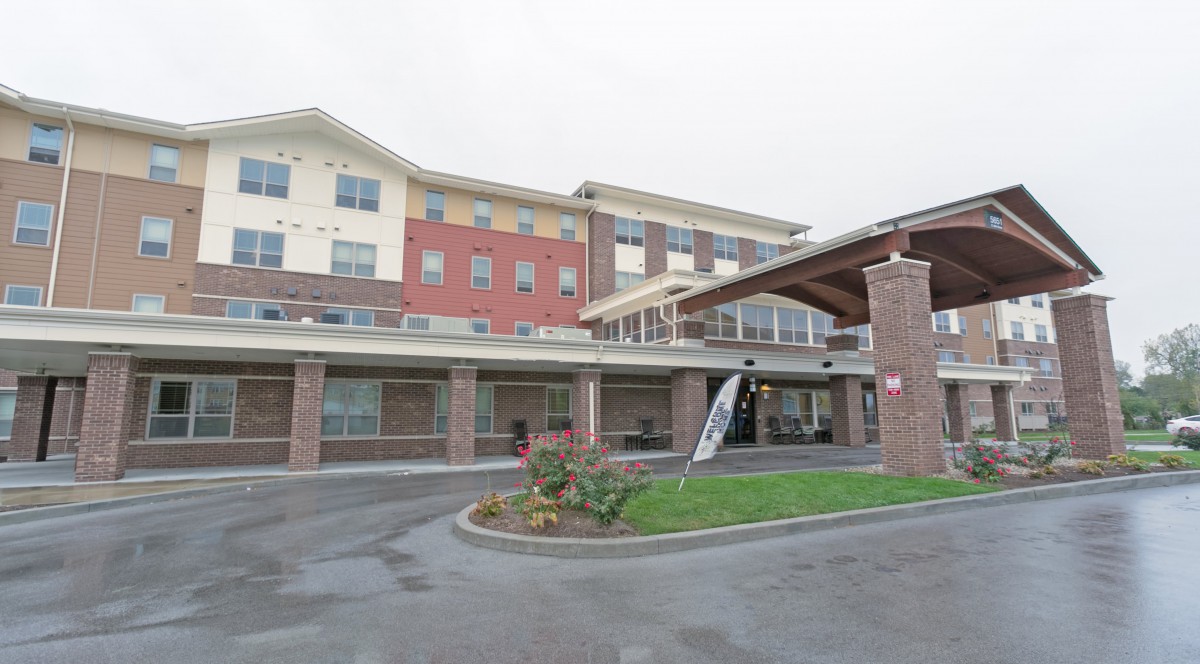
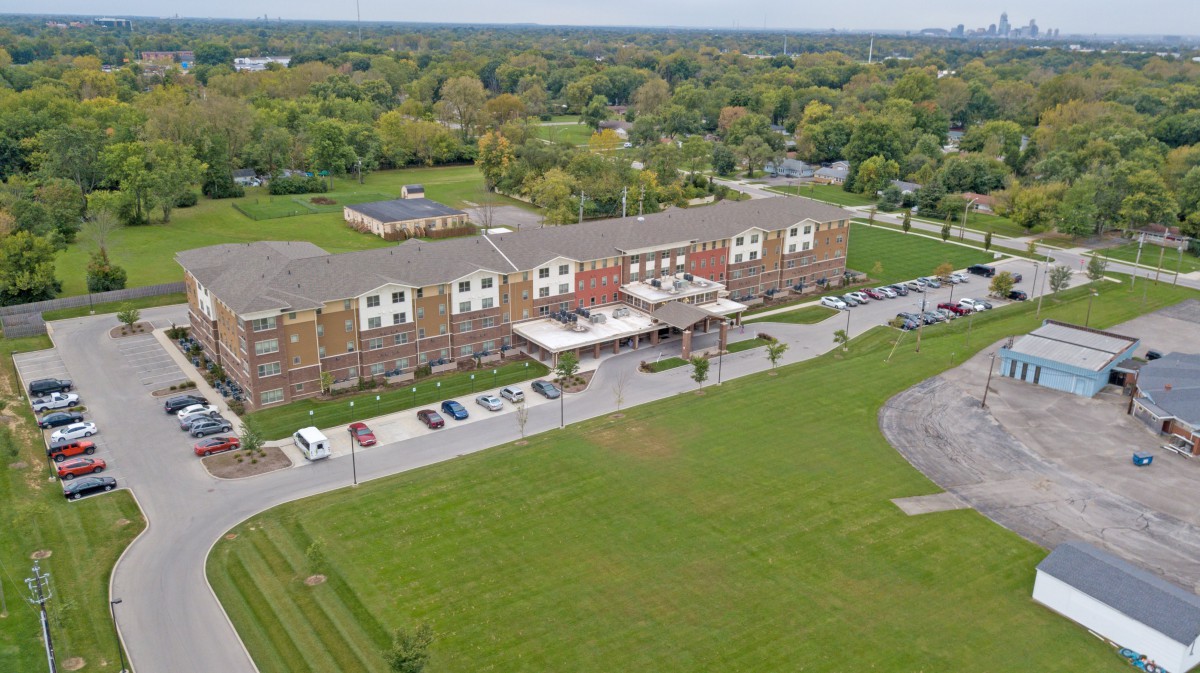
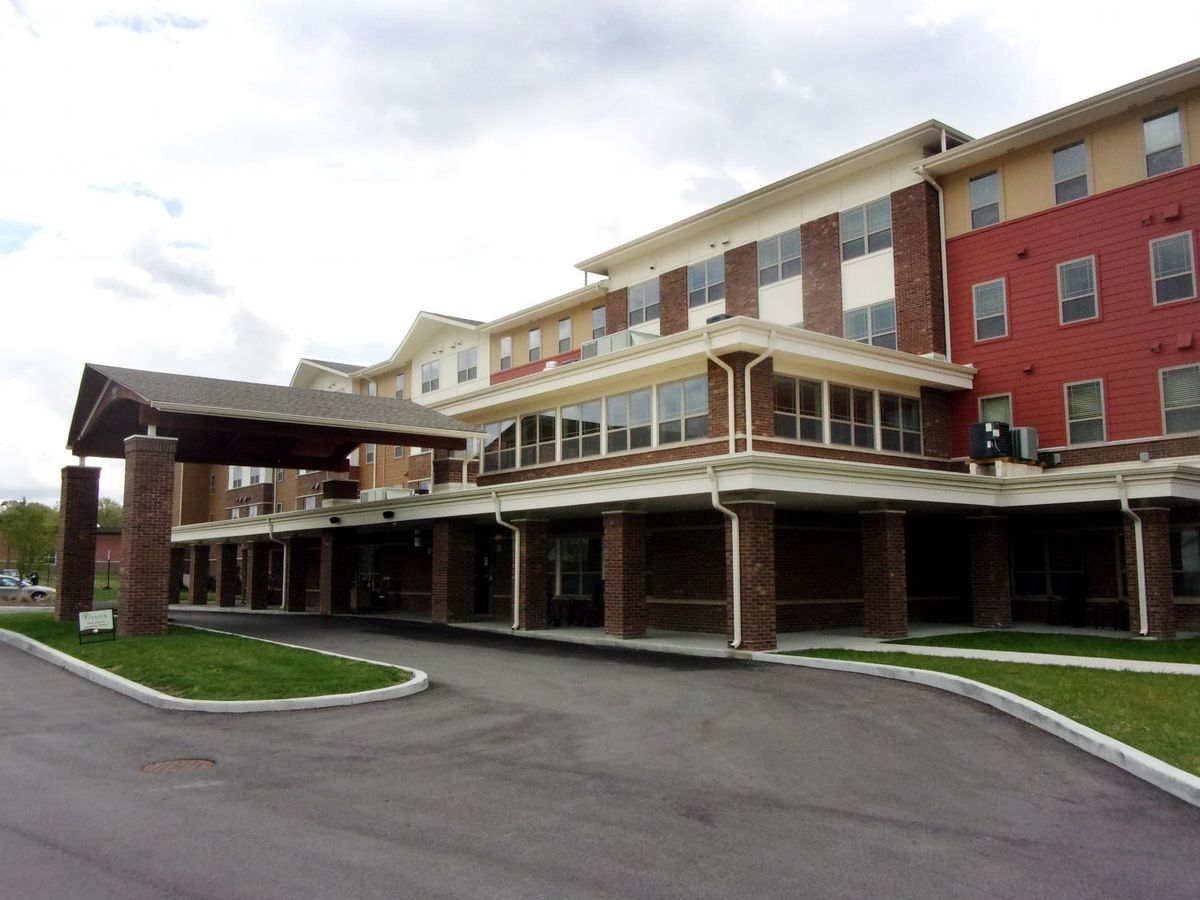
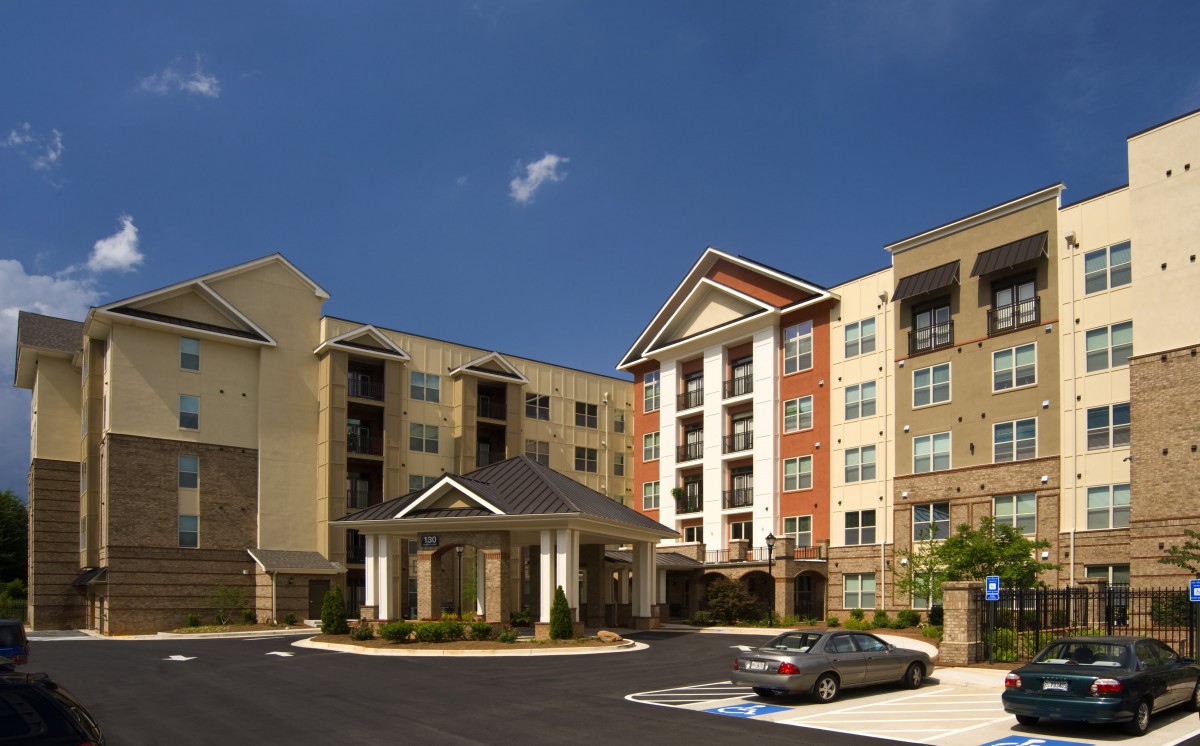
Oasis at 30th Costs & Pricing
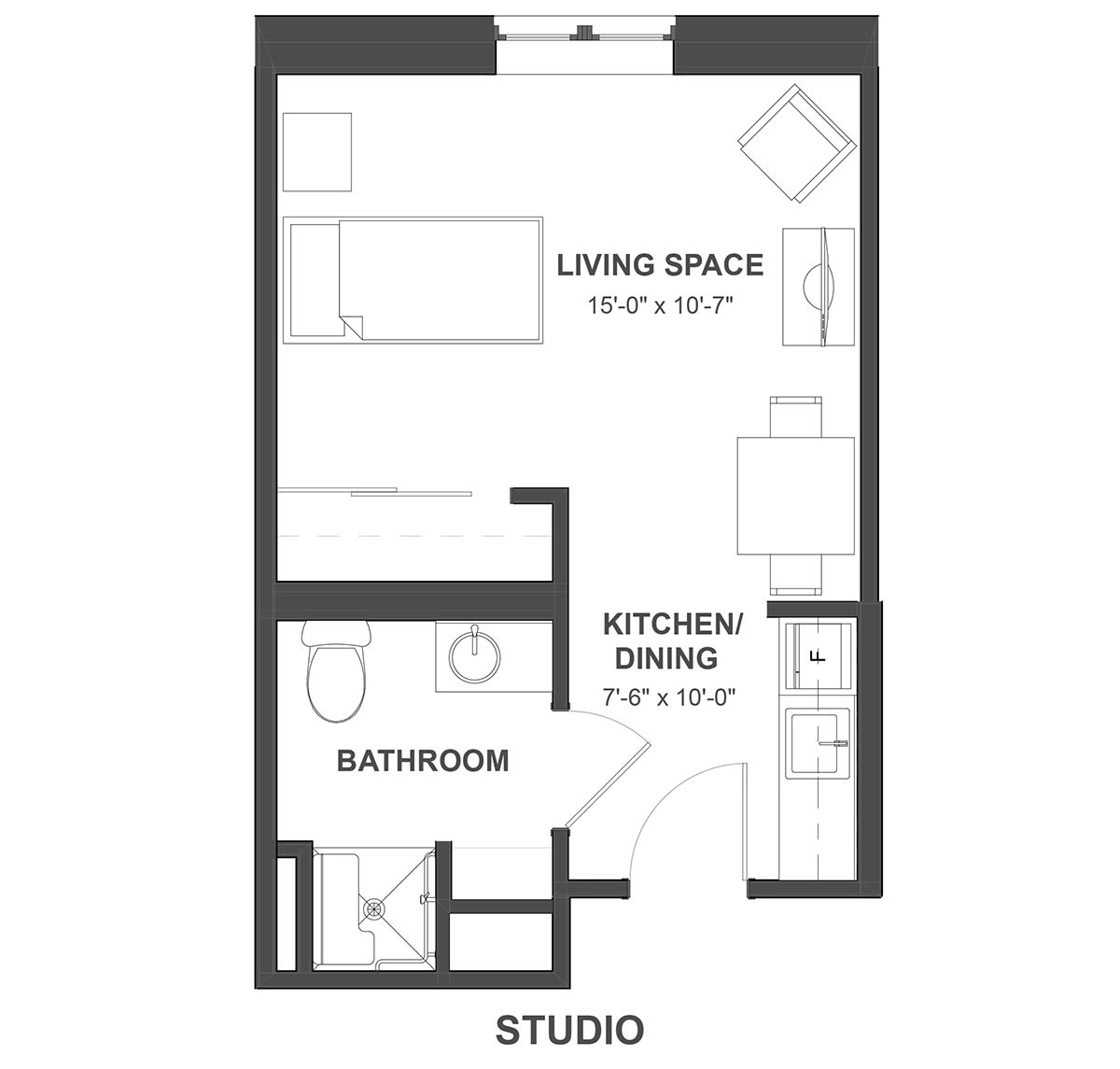
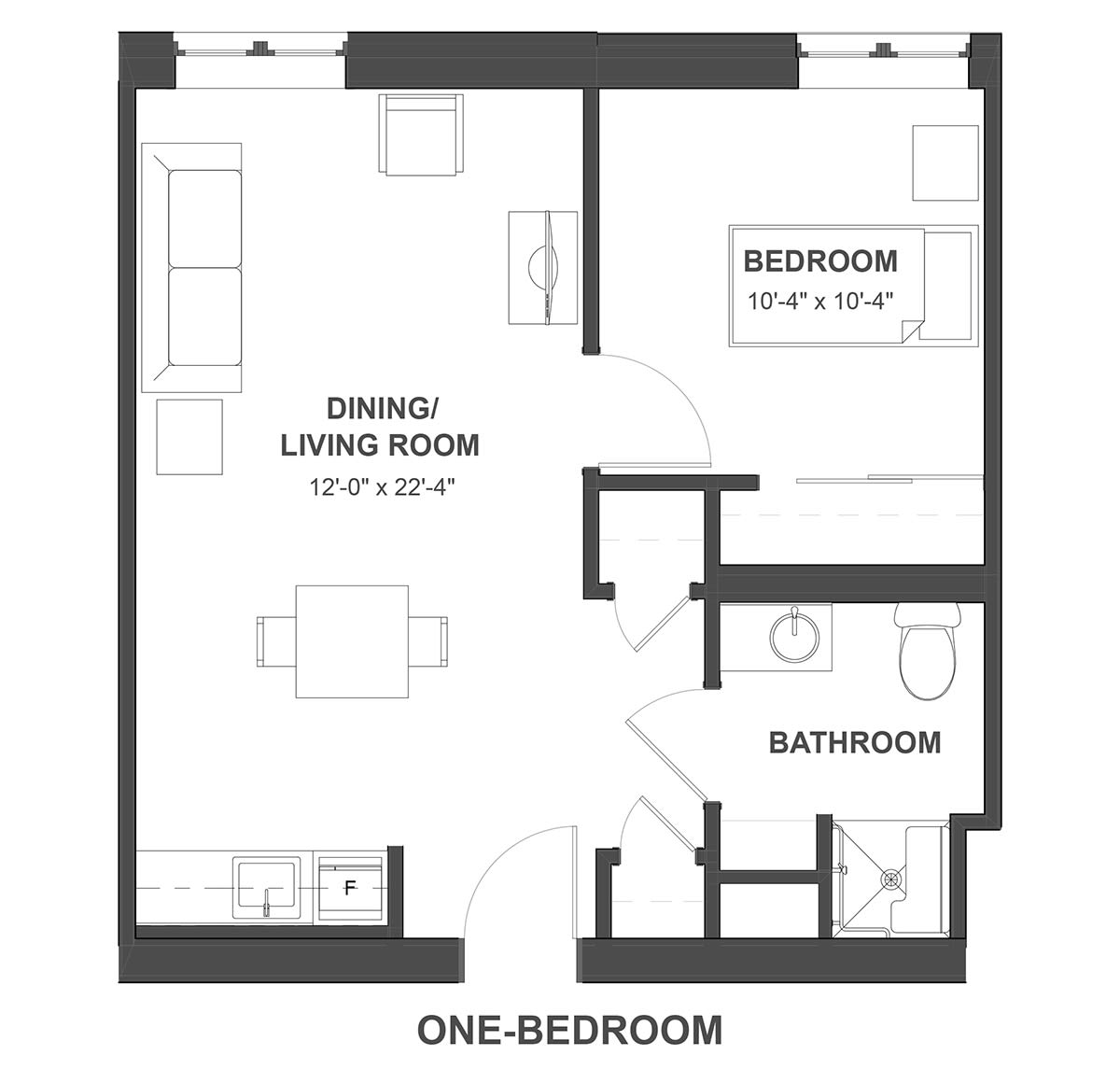
At Oasis at 30th, the cost for a one-bedroom unit is set at $4,325 per month. This pricing reflects not only the high standard of living and quality services offered by the community but also positions it significantly above the average monthly costs for similar accommodations in Marion County, which stands at approximately $2,917. When looking at the broader context of Indiana's market, the state average for a one-bedroom apartment is around $3,300. While Oasis at 30th may appear to command a premium, it likely encompasses unique amenities and lifestyle benefits that contribute to its value proposition for residents seeking a supportive and enriching environment.
| Floor plans | Oasis at 30th | Marion County | Indiana |
|---|
| 1 Bedroom | $4,325 | $2,917 | $3,300 |
Assisted Living communities with a similar price nearby
-
from -$184 / mo
Independence Village of Zionsville East
$4,141 to $6,517 / month
13.8 miles away
-
from -$636 / mo
Independence Village of Zionsville West
$3,689 to $4,141 / month
17.3 miles away
-
from -$630 / mo
Magnolia Springs Southpointe
$3,695 to $7,195 / month
11.6 miles away
-
from -$400 / mo
Independence Village of Fishers South
$3,925 to $4,305 / month
9.5 miles away
-
from -$330 / mo

Wellbrooke Of Westfield
$3,995 / month
17.3 miles away
Overall Review of Oasis at 30th
common
34 reviews mention this
Care team attention is a big factor
Residents and families repeatedly describe attentive, caring staff.
Across many reviews, people mention staff being compassionate, respectful, and quick to help, including nurses and CNA support. Several residents and family members specifically highlight medication management and day-to-day assistance, describing it as reliable. A few reviews take the opposite view, calling out unprofessional or unresponsive interactions and poor medical follow-through, including concerns about medication timing.
common
22 reviews mention this
Food is a frequent discussion
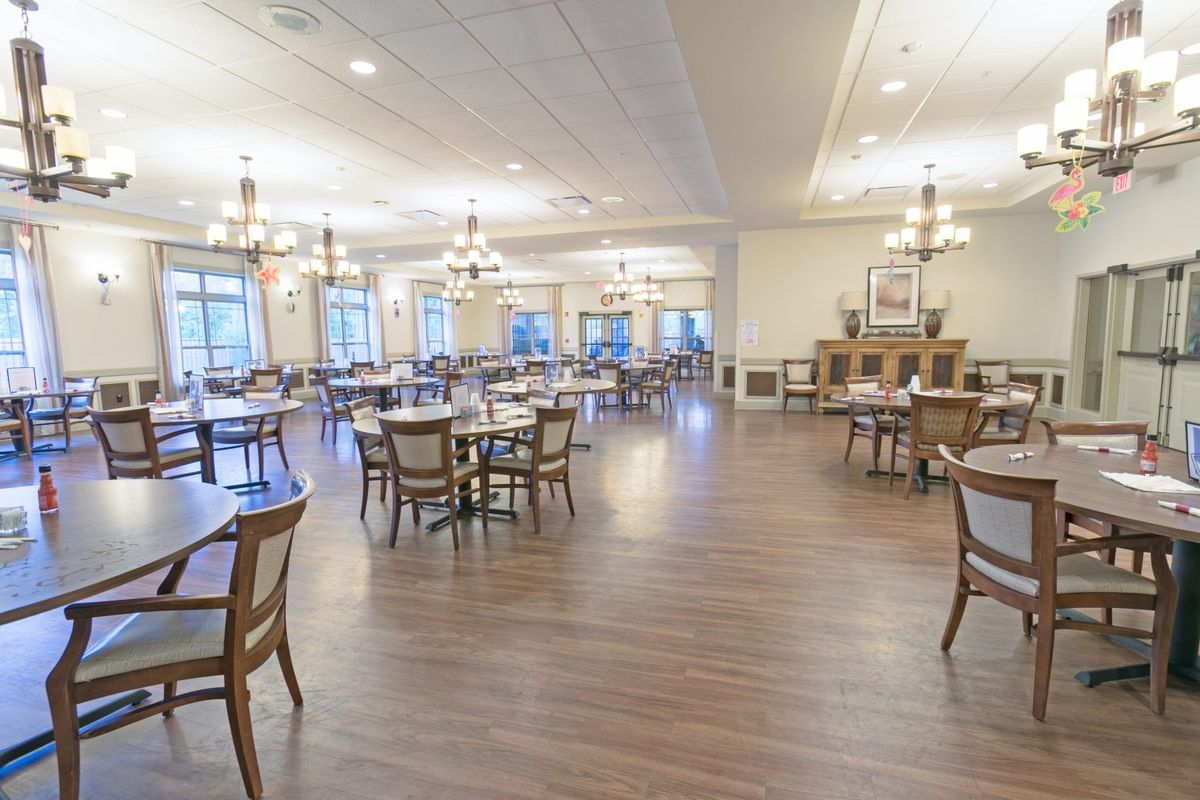
Dining stands out, with many reviews calling the meals good.
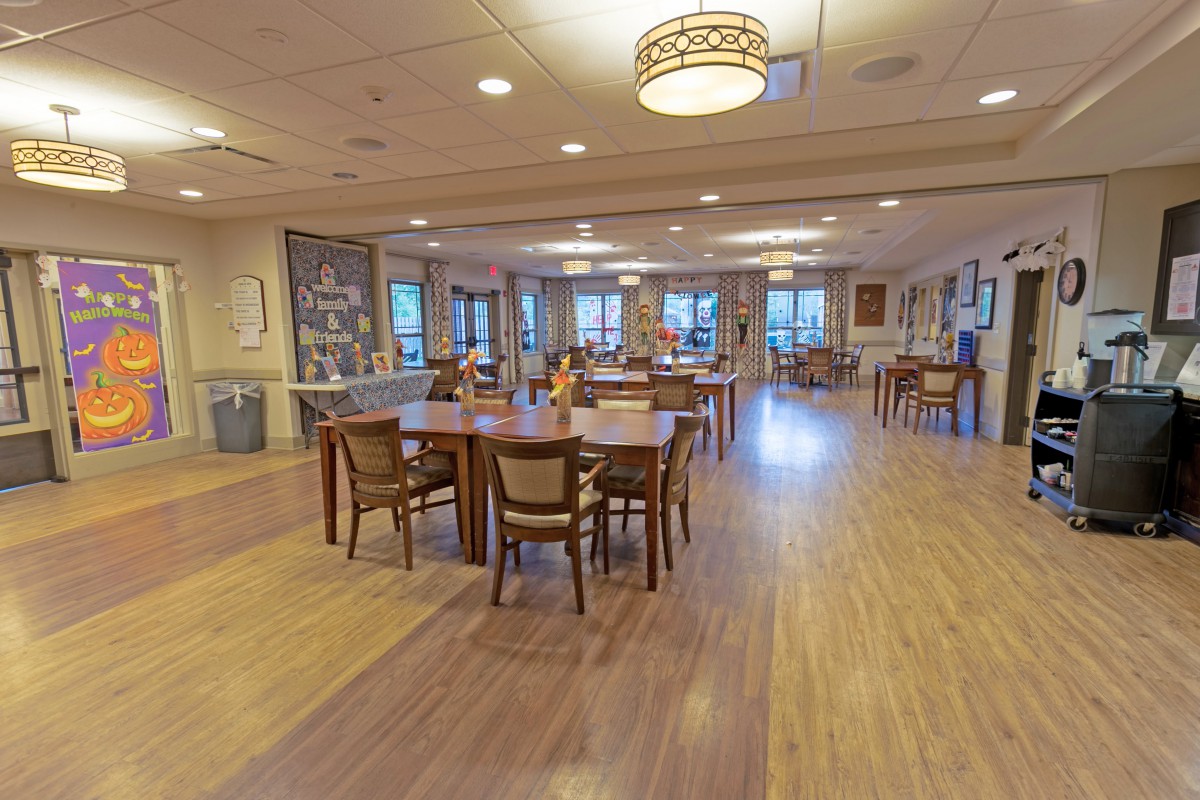
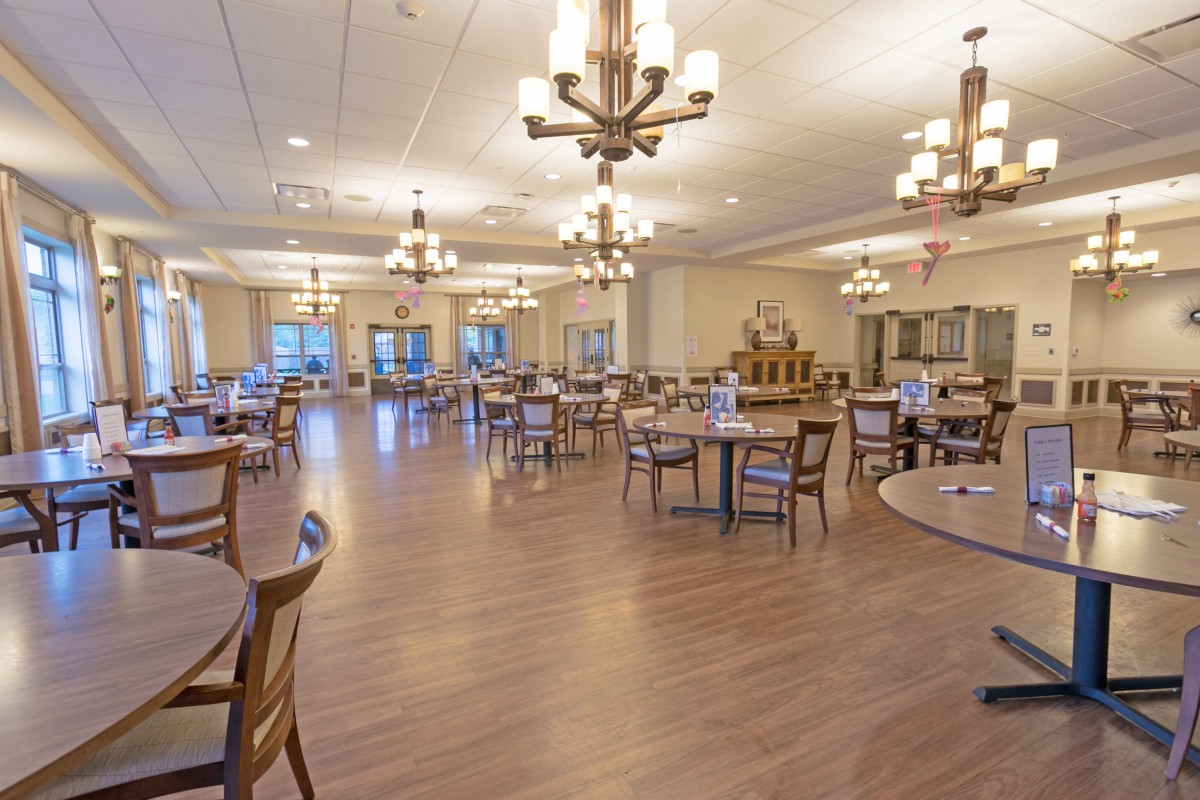
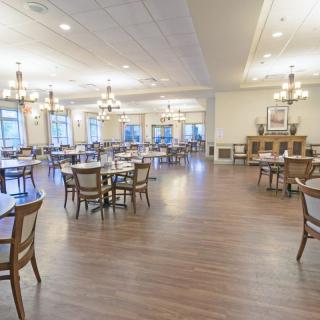
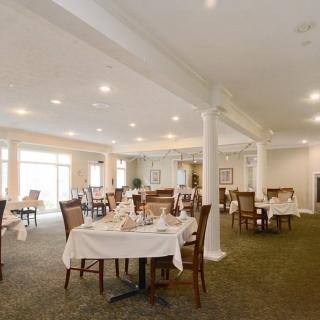
Many reviewers comment on meals and the dining experience, describing the food as tasty and the dining room as well kept. Several also reference dietary support in terms of meal preparation and special dietary needs. A smaller set of reviews is negative, including complaints about food quality and restrictions around where people eat, even when ill.
common
19 reviews mention this
Activities help residents stay engaged
Residents describe a steady flow of activities and outings.
A recurring theme in the reviews is that residents have plenty to do, with planned daily activities and scheduled events that bring people together. Families also describe activities being catered to residents and mention outings and community programs. While the overall tone is often positive, there are also reviews that say care is not consistent and that there may not be enough support to ensure everyone’s needs are met.
common
14 reviews mention this
Cleanliness improvements show up
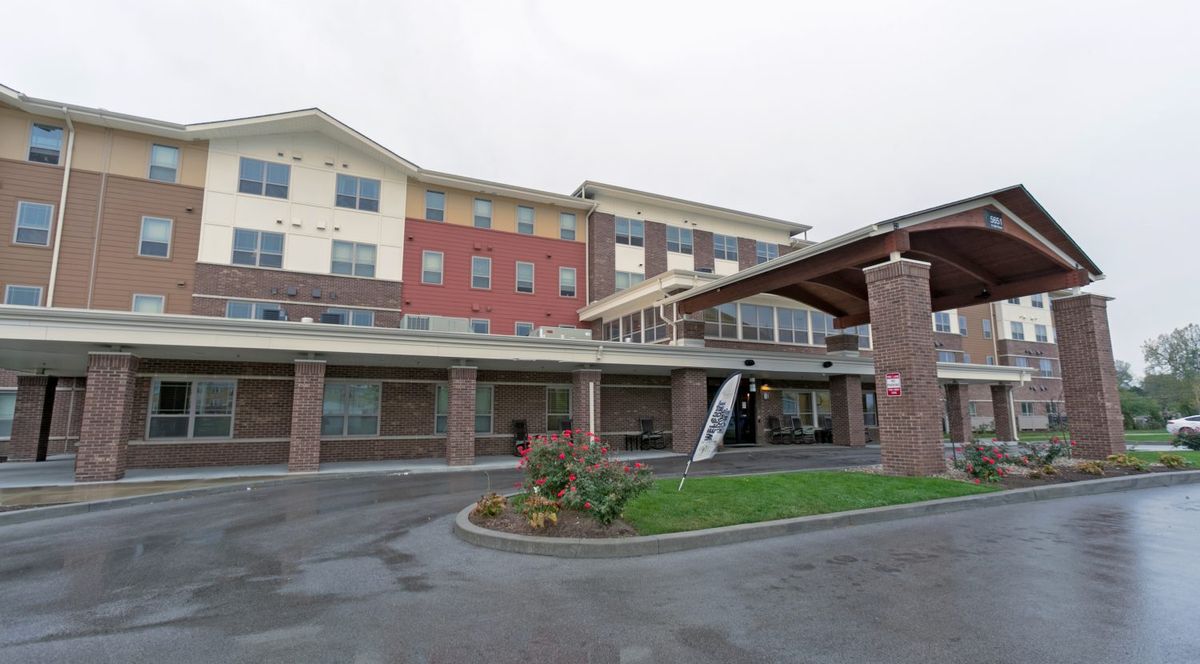
Multiple reviews point to a cleaner, more well-kept building.
Several recent reviews describe improved cleanliness, including better overall tidiness and a building that looks and smells better than before. Some family members also mention that apartments and common areas feel clean and comfortable. On the other hand, a handful of negative reviews raise serious concerns about pests and unsanitary conditions, including bedbugs, roaches, and rotting/unattended messes.
caveat
2 reviews mention this
Pricing feels high to some
Some reviewers say rent is too high for the value they experienced.
At least a couple of reviews criticize the cost, with one explicitly saying the rent is too high and another describing the community as overpriced. In contrast, most of the reviews focus on care, staff, dining, and activities rather than value for money. Pricing is listed at $4,325 for the one-bedroom unit type.
How we summarize
Counts show how many written reviews mention each theme; a review can touch several themes, and only frequently mentioned themes are displayed.

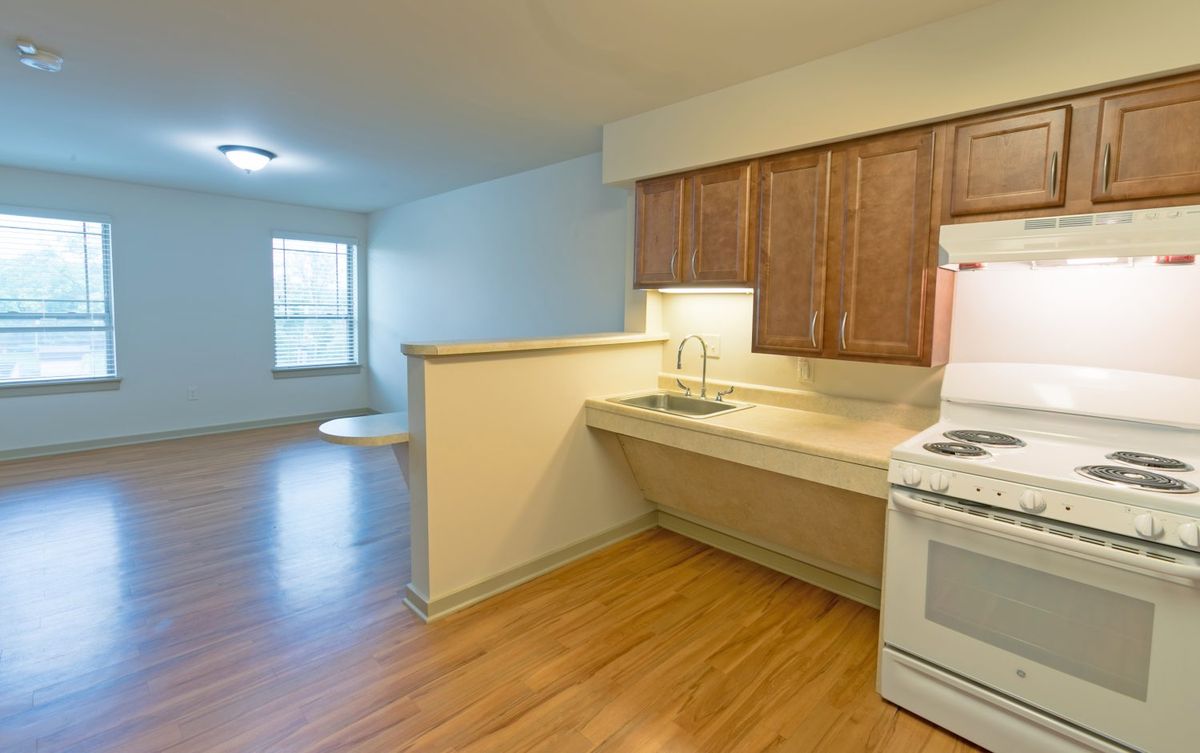
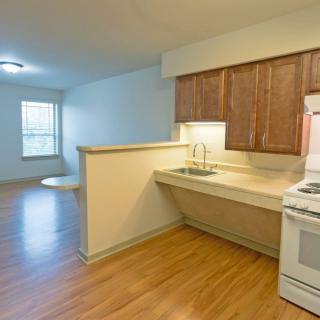
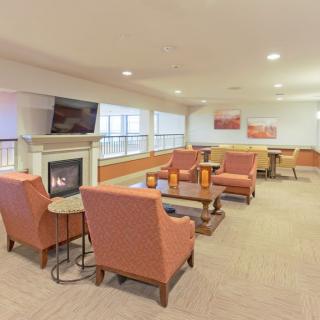
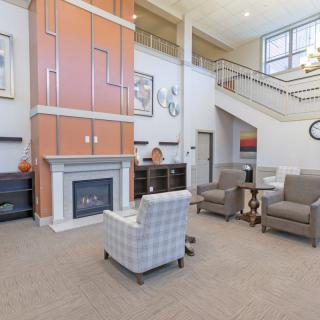
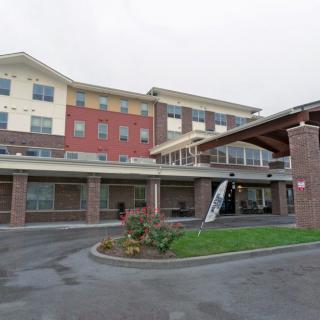
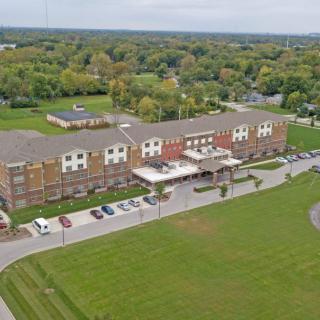
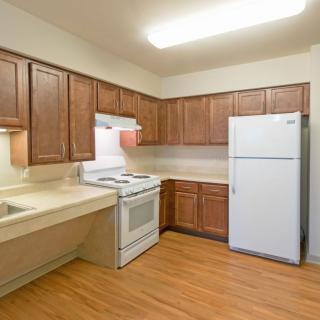
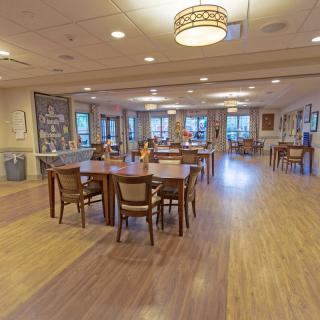
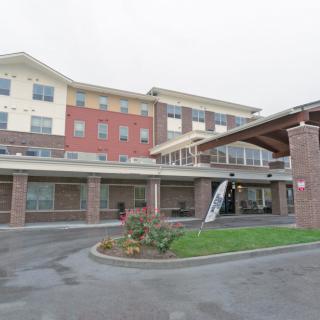
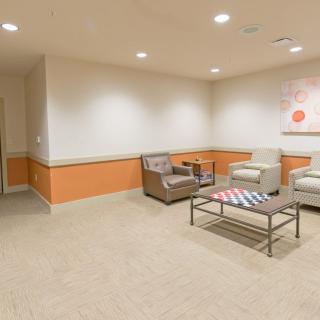

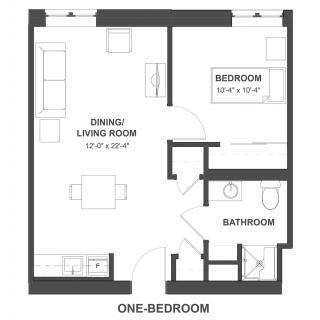
 140 resident community capacity
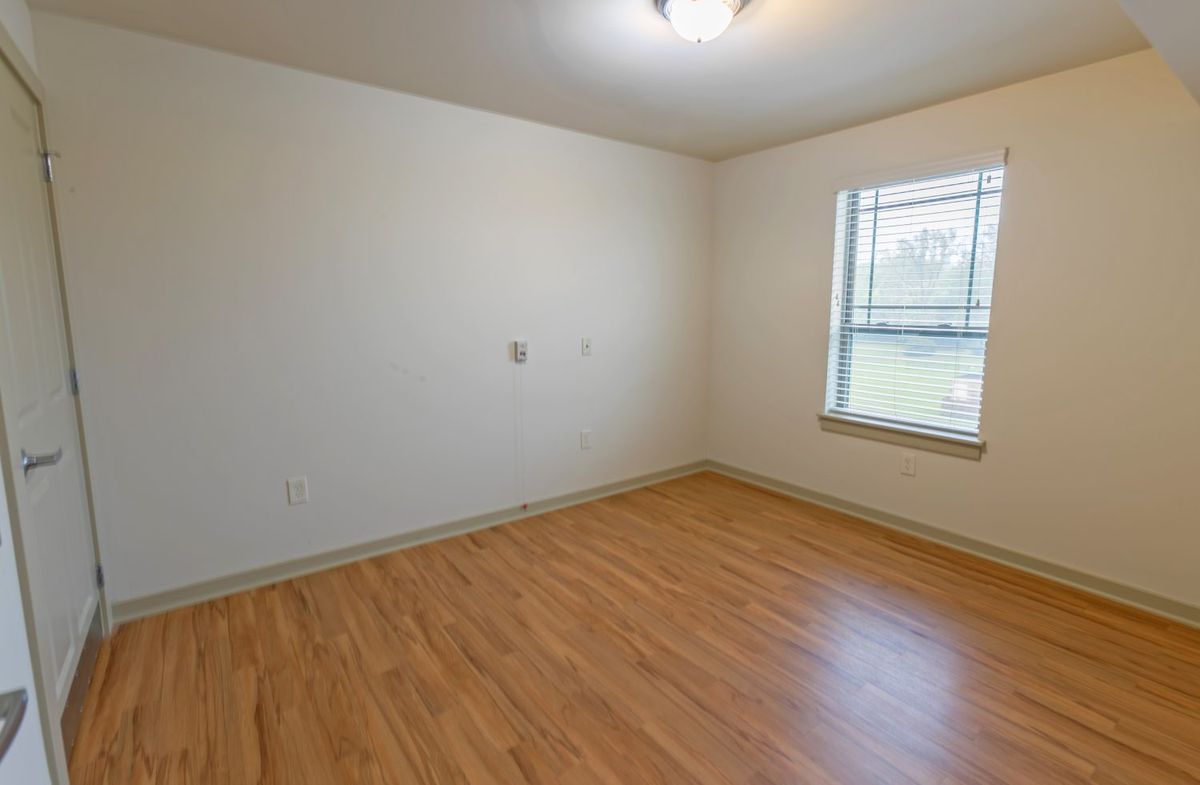
 1-bedroom apartments
 Assisted Living
 Activities off-site
 Air-conditioning
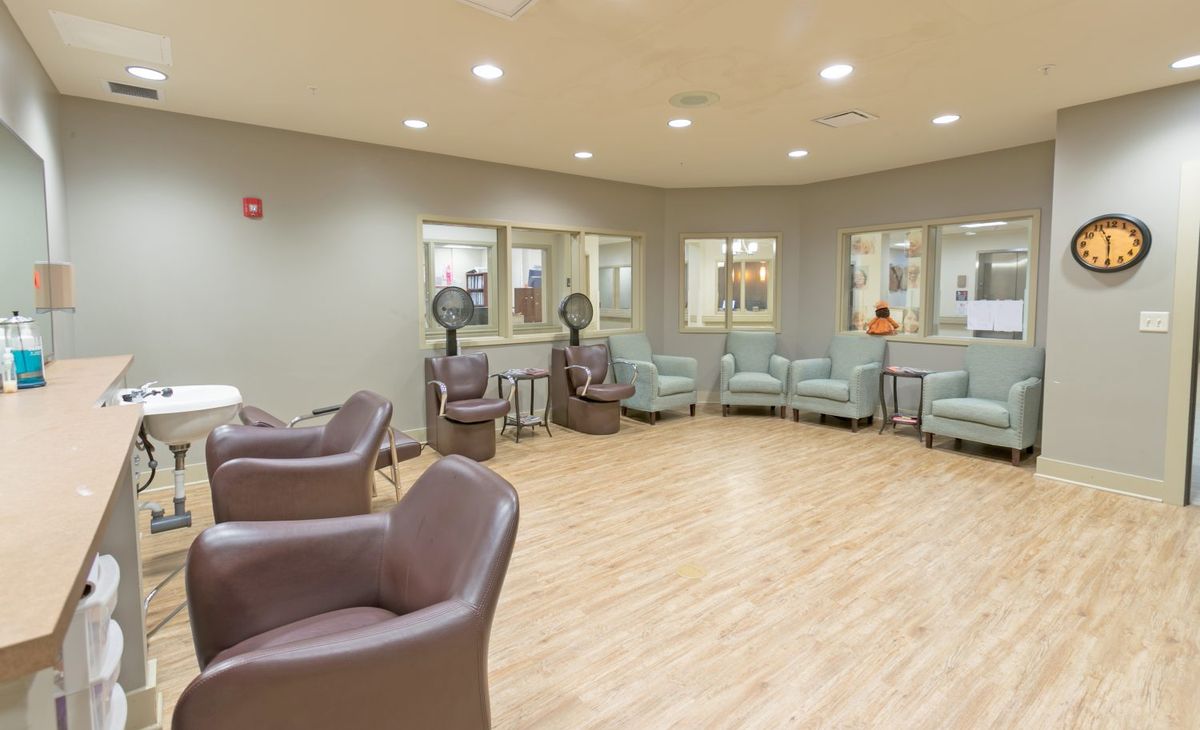
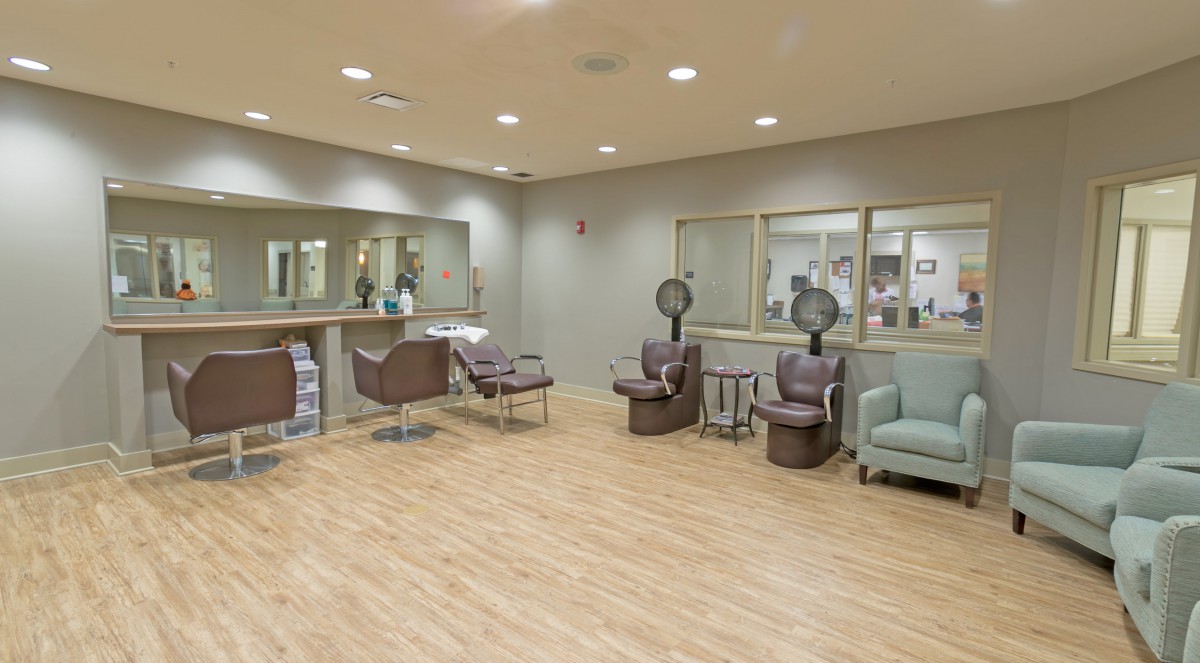
 Beautician on-site
 Cable or satellite TV
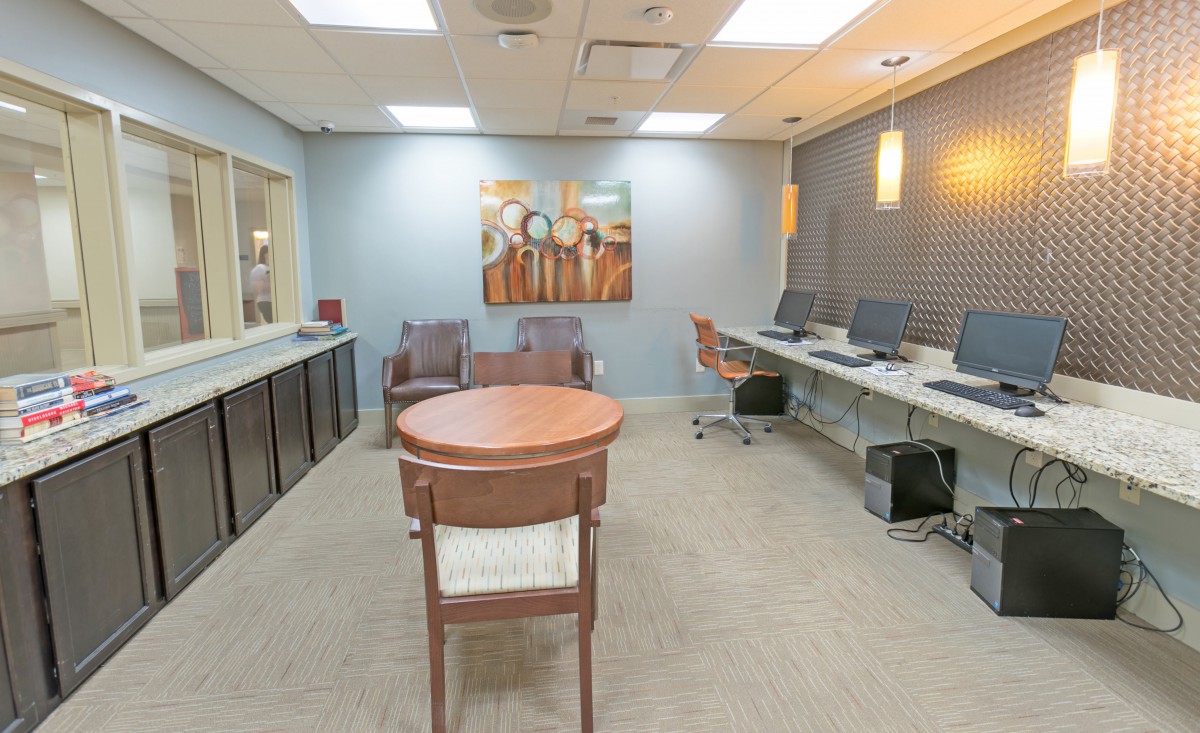
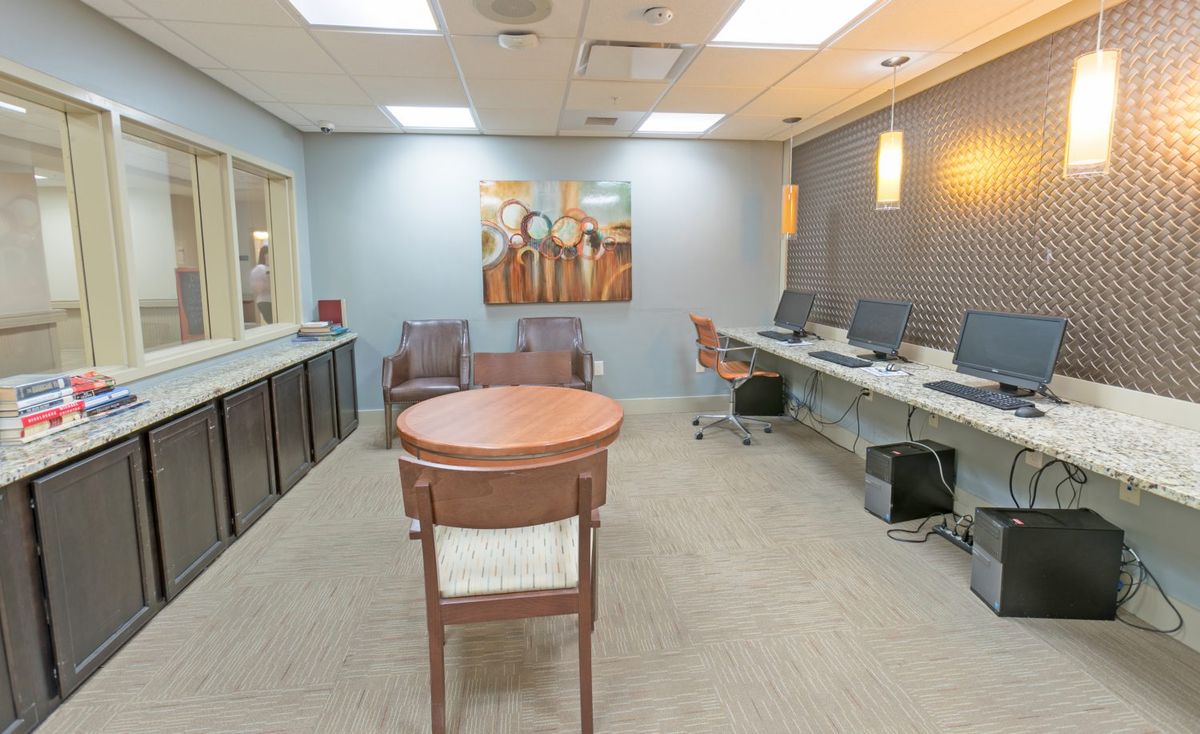
 Computer center
 Devotional services off-site
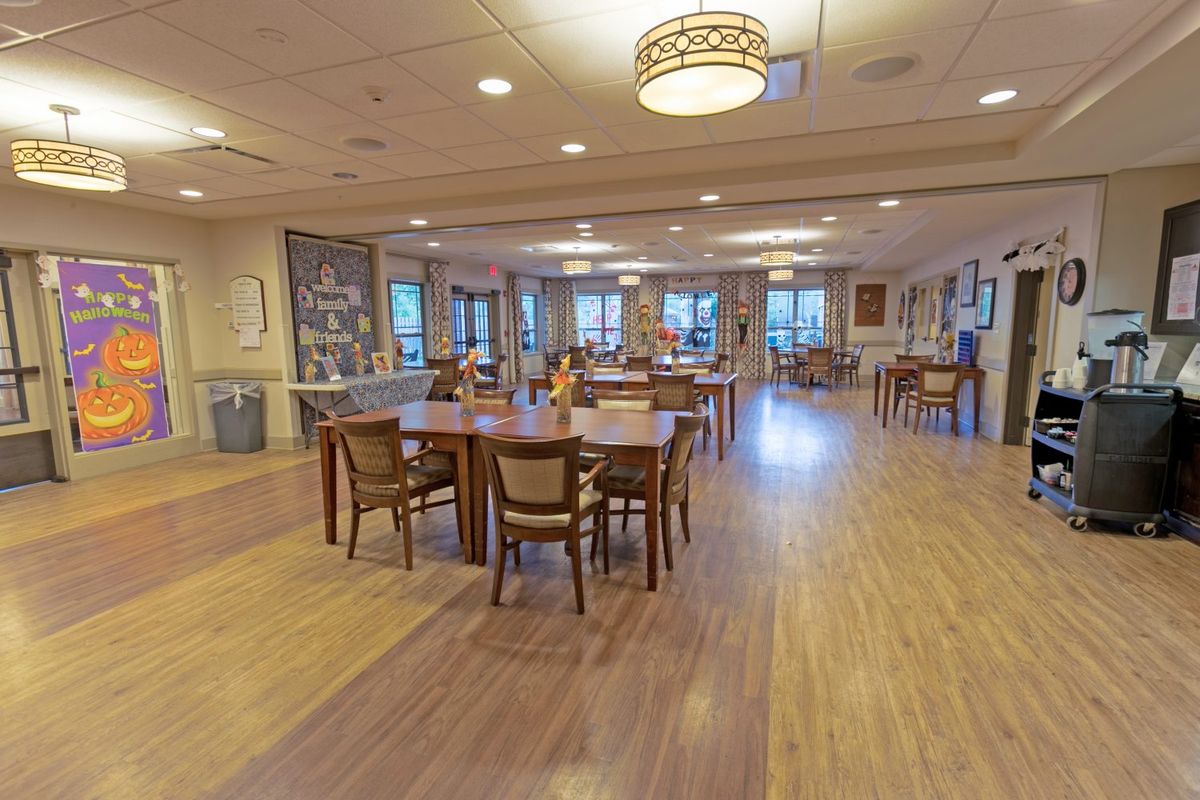
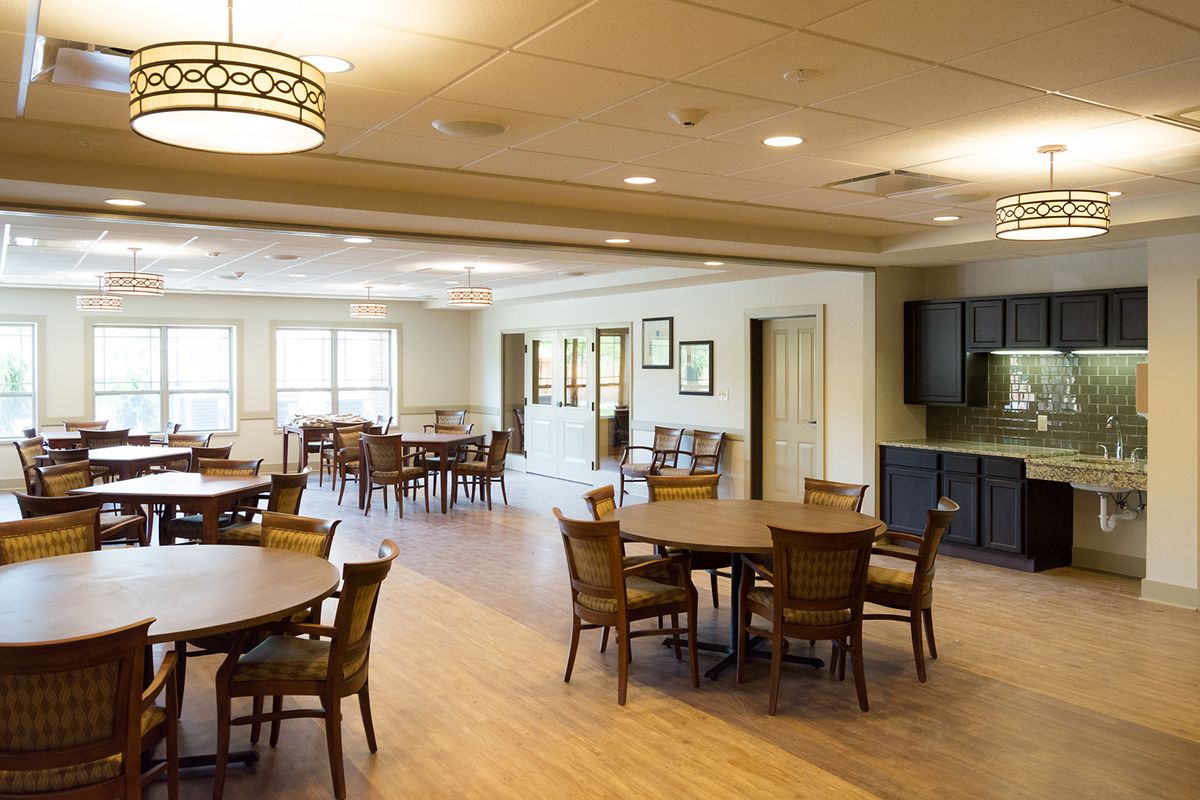
 Dining room
 Financial aid
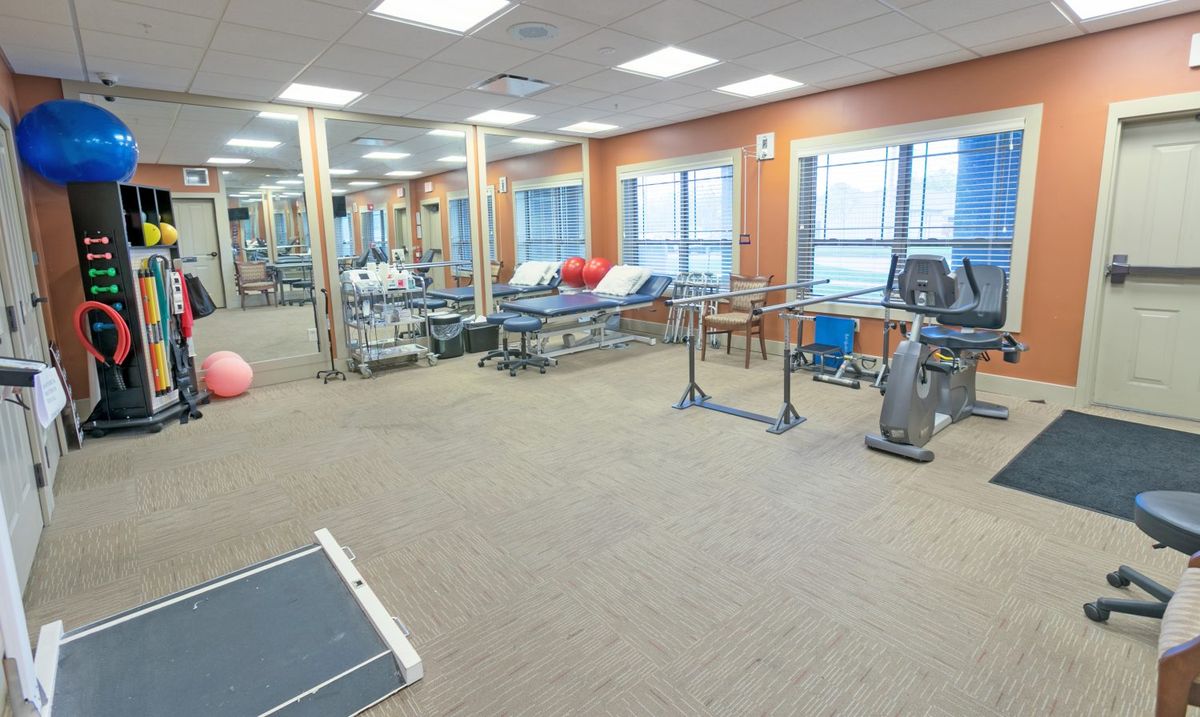
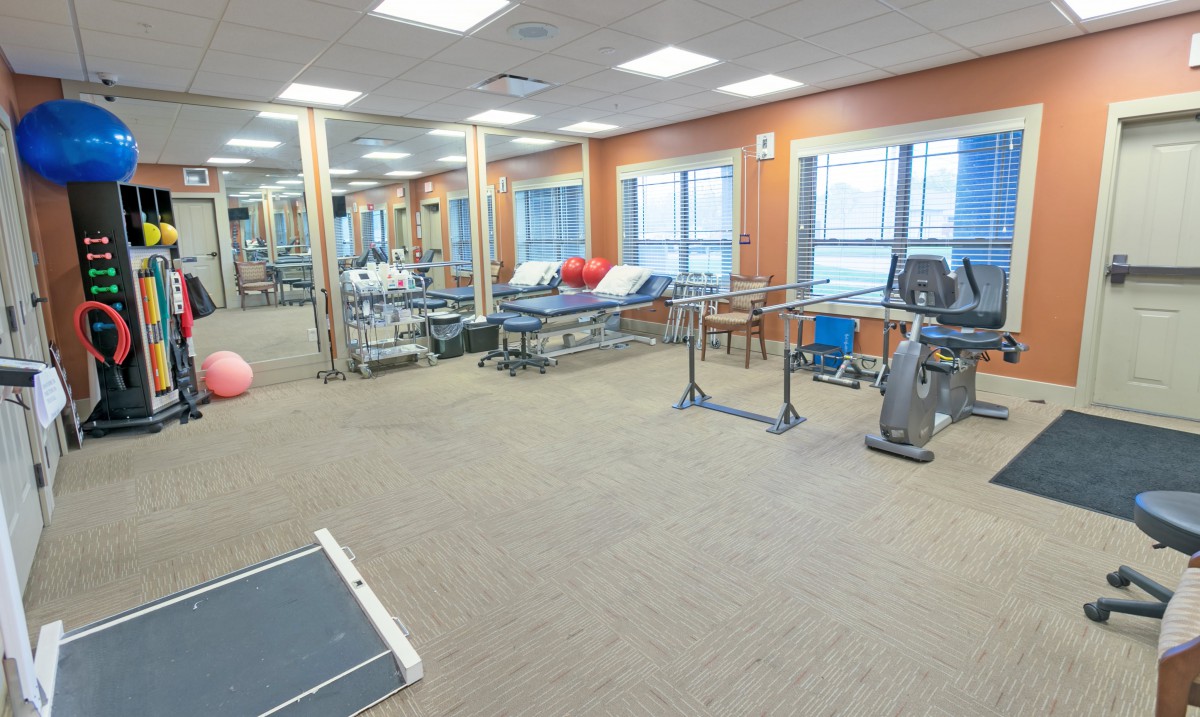
 Fitness room
 Fully furnished
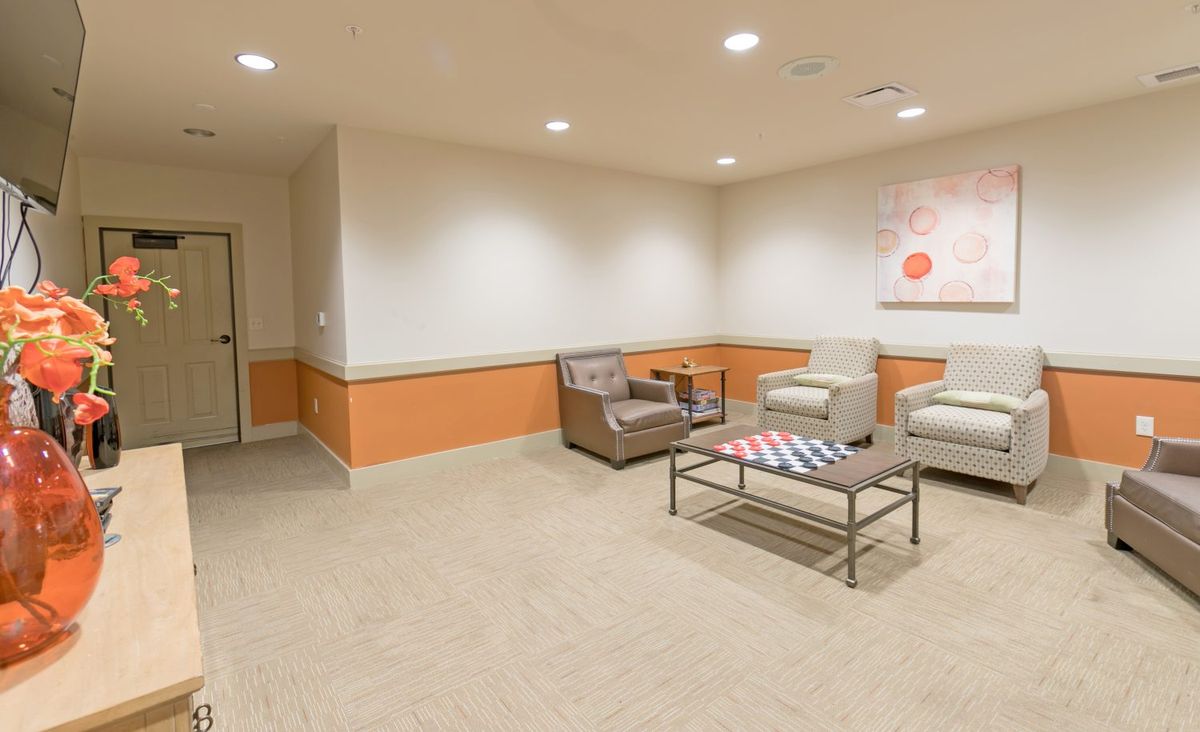
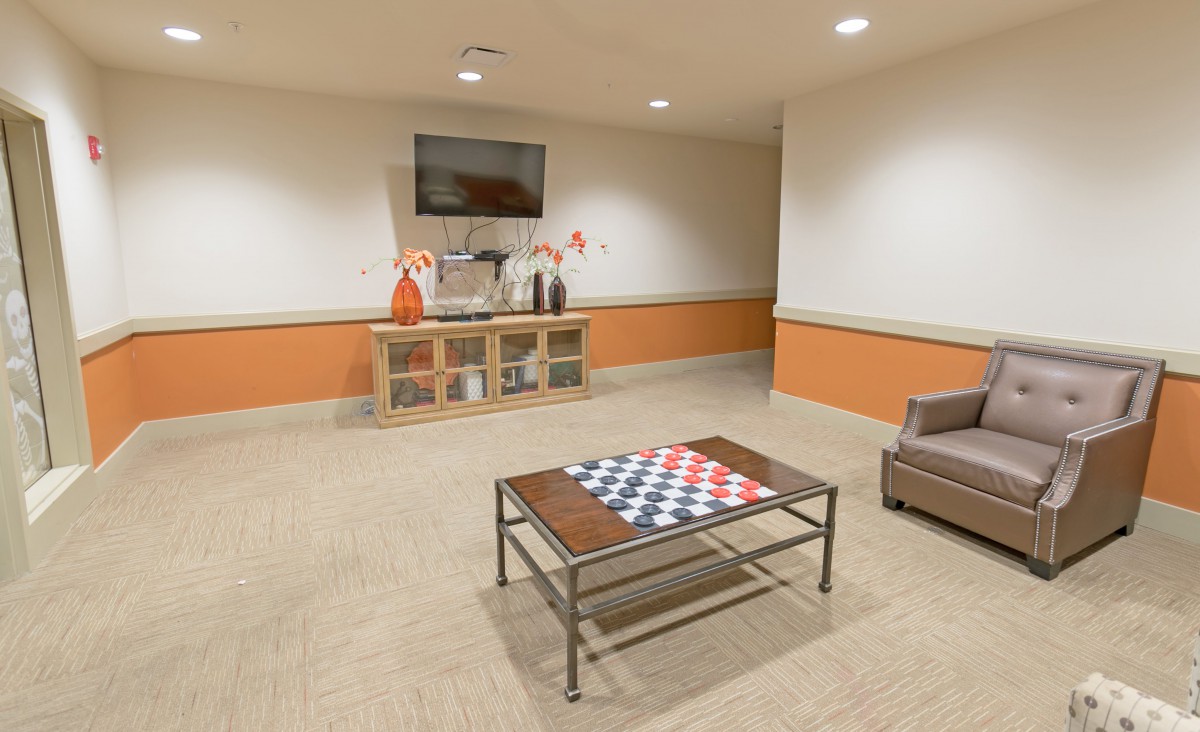
 Gaming room
 Garden
 General store
 Ground floor units
 Guest parking
 Handicap accessible
 Housekeeping services
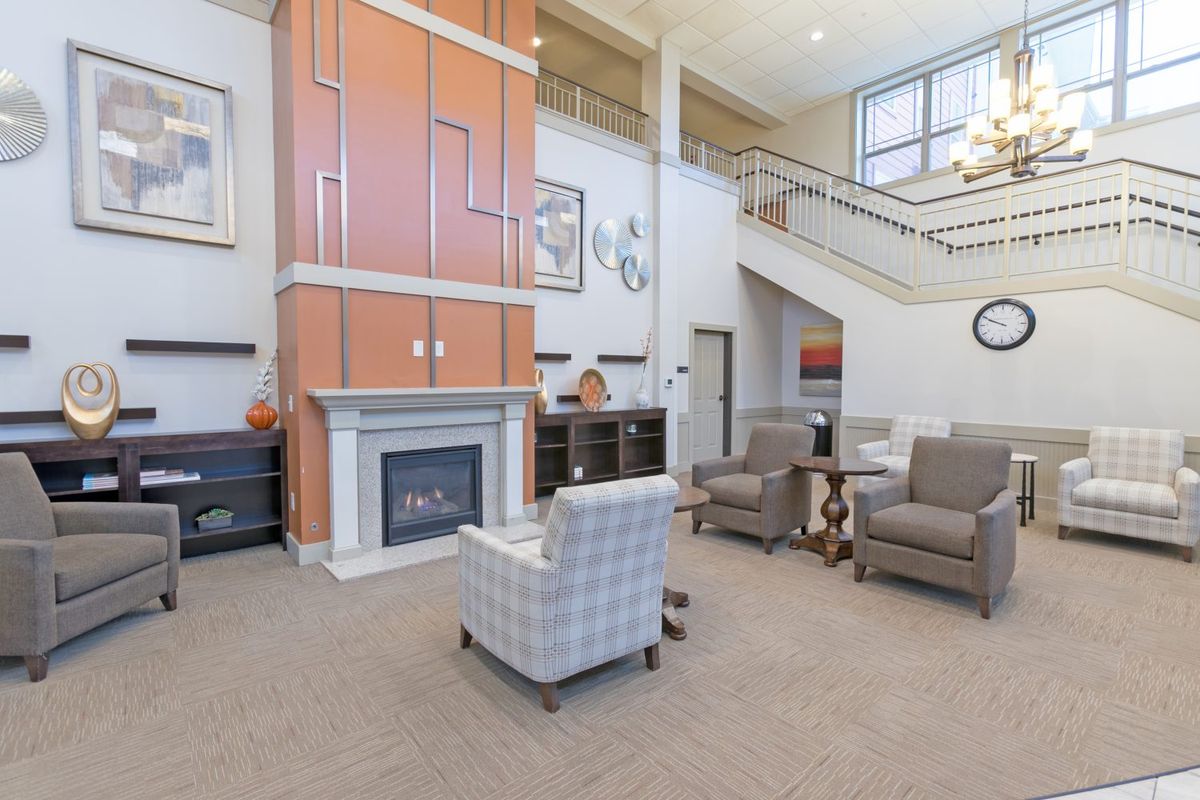
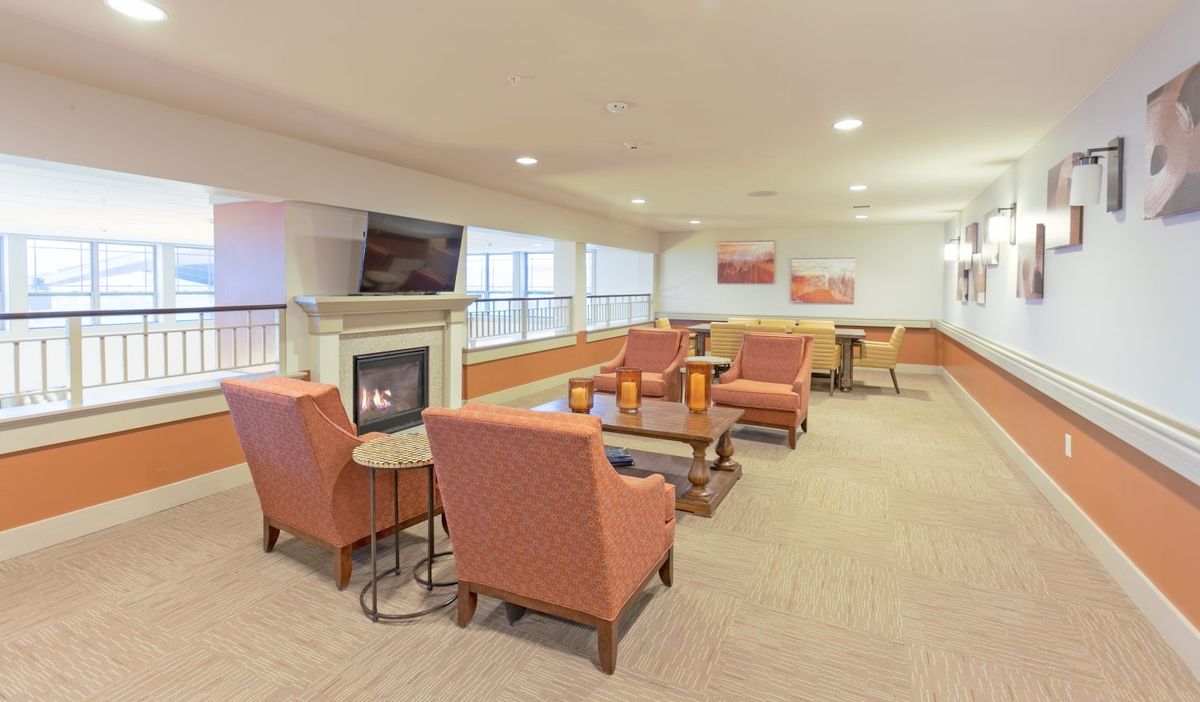
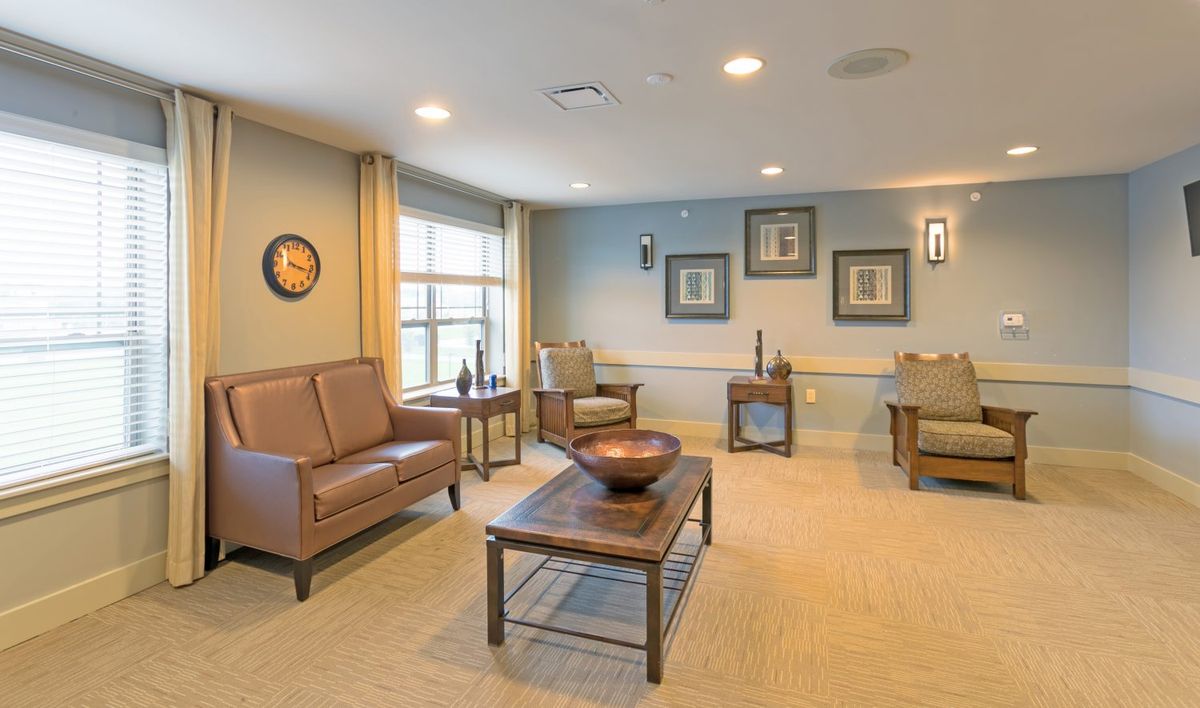
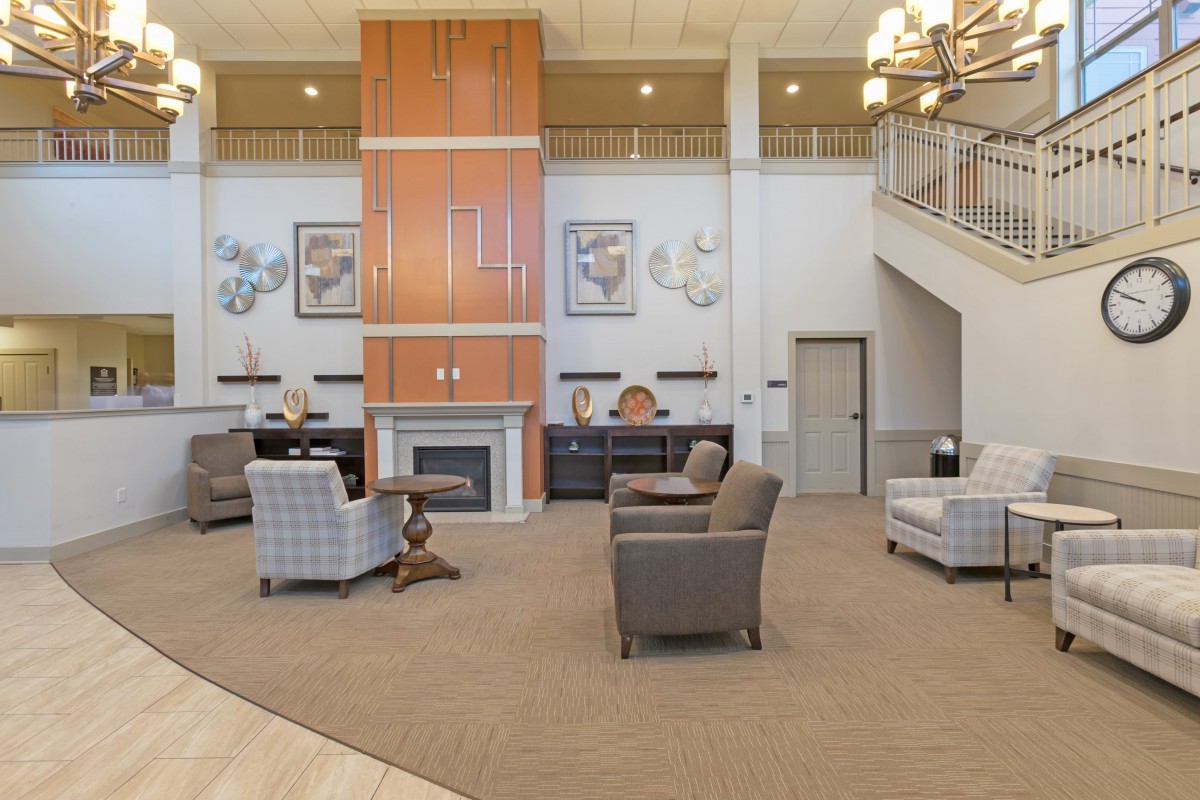
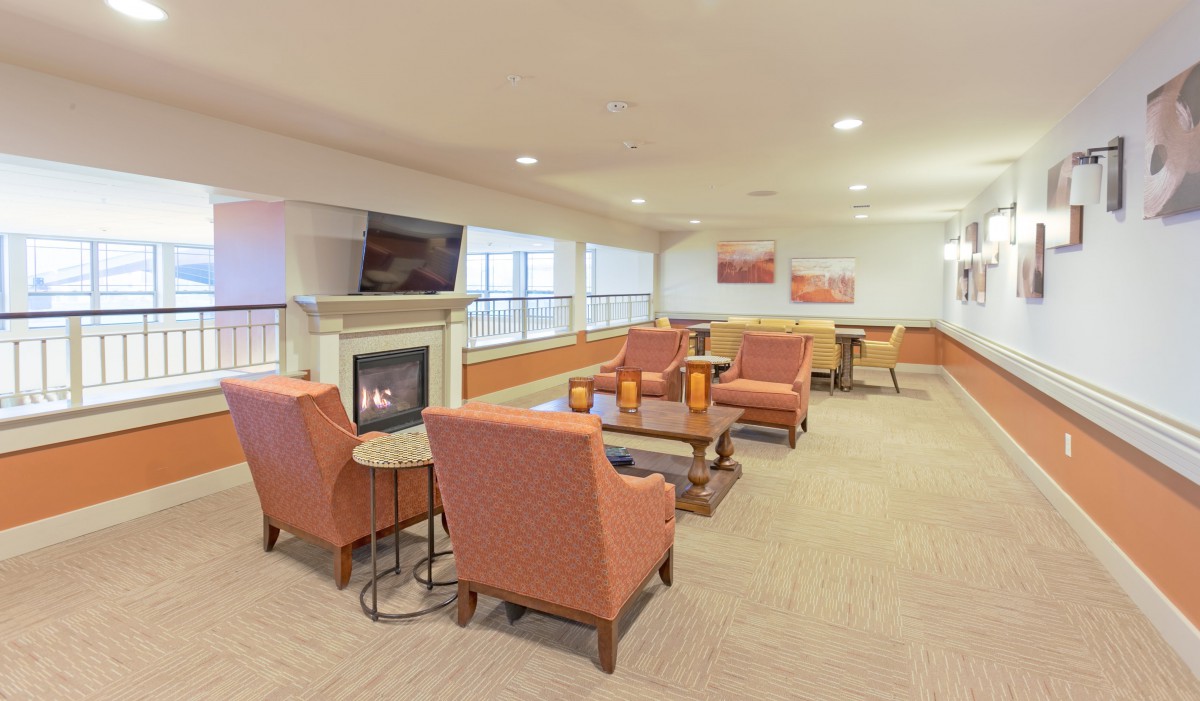
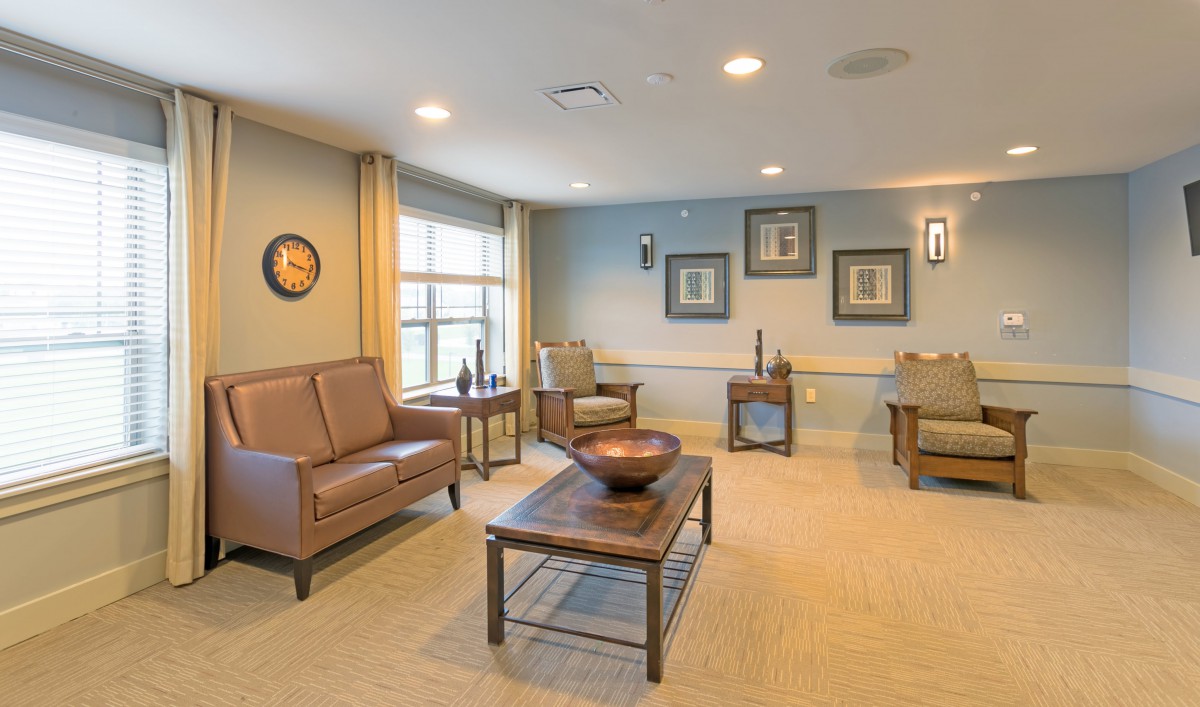
 Indoor common areas
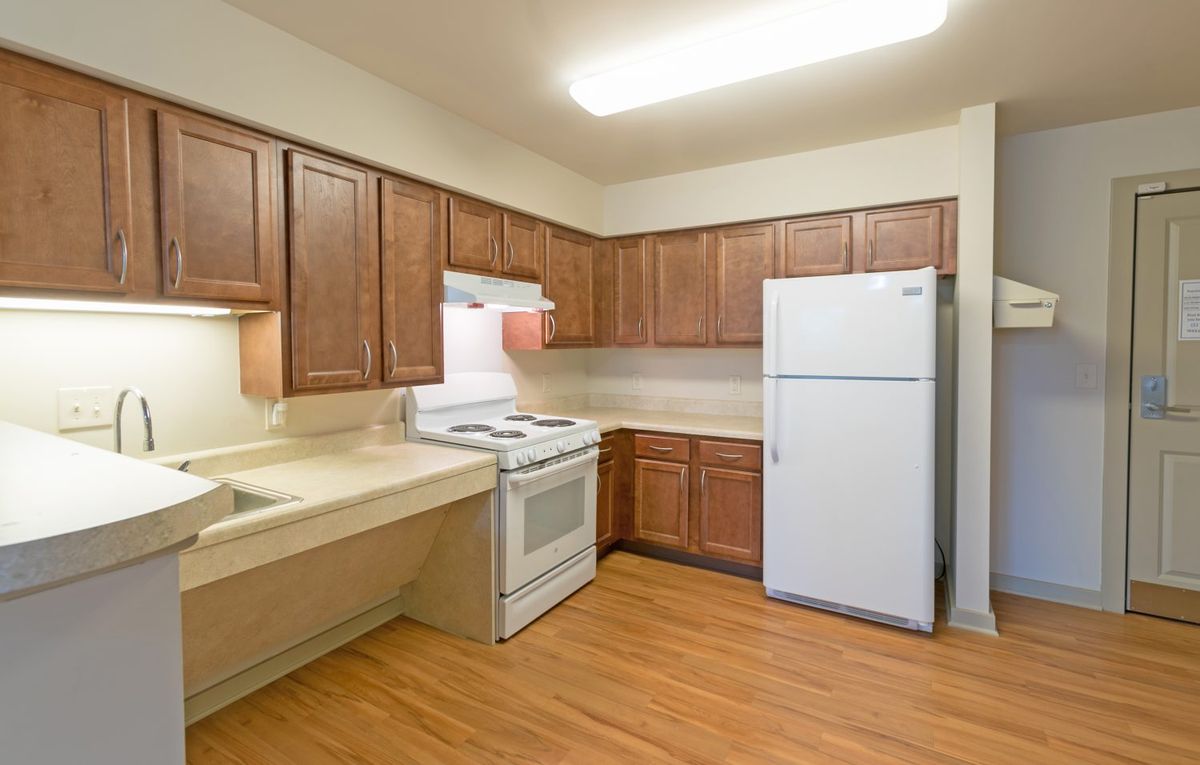
 Kitchenette
 Laundry
 Move-in coordination
 Outdoor common areas
 Outdoor patio
 Party space
 Private bathrooms
 Restaurant-style dining
 Small library
 Telephone
 Wellness center
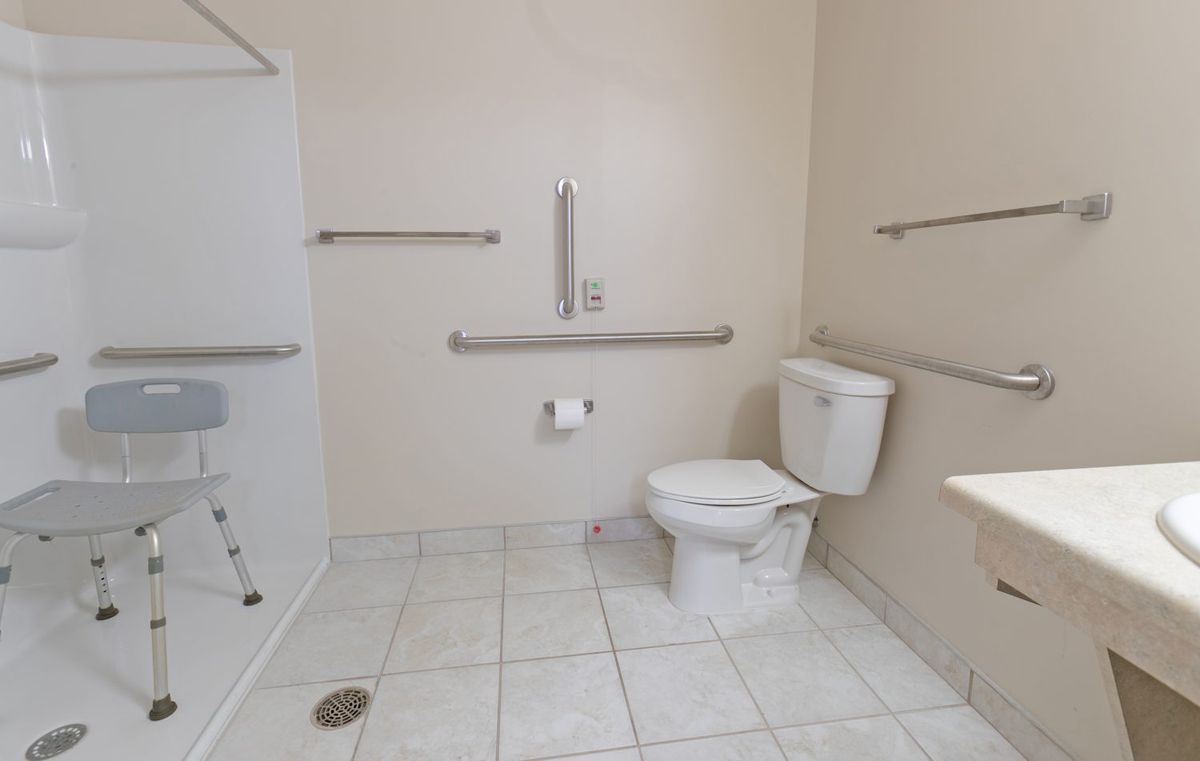
 Wheelchair accessible showers
 Wi-Fi/high-speed internet available
 Indianapolis International (13 miles away)
 Community operated transportation
 12-16 hour nursing
 24-hour call system
 Ambulatory care
 Assistance with bathing
 Assistance with dressing
 Assistance with transfers
 Diabetes diet
 Diabetic care
 Incontinence care
 Medication management
 Mental wellness program
 Personal care assistants
 Special dietary restrictions
 Transportation arrangement (medical)
 Art classes
 Concierge services
 Cooking classes
 Day trips and outings
 Educational speakers / life long learning
 Games
Games Karaoke
 Live dance or theater performances
 Live musical performances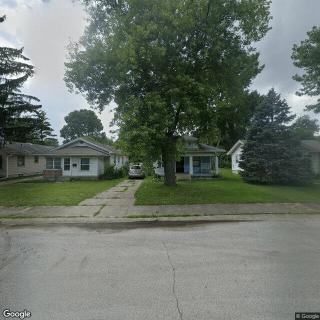
 Extensive nearby amenities and healthcare access.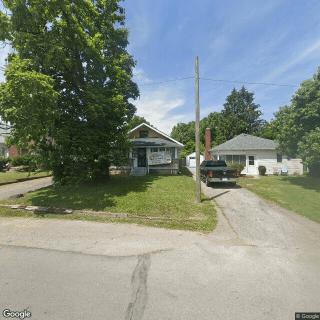

 Comprehensive Insights into Activities of Daily Living (ADLs) and Their Assessment
 Medicare Coverage for Assisted Living: An In-Depth Exploration
 Choosing the Right Senior Care: A Detailed Exploration of Assisted Living and Nursing Homes