Arlington Place Health Campus offers a competitive pricing structure for its studio rooms, with a monthly cost of $3,360. This rate is notably higher than the average cost in Marion County, which stands at $2,869, but falls slightly above the state average of $3,258 for similar accommodations throughout Indiana. This positioning reflects Arlington Place's commitment to providing a high-quality living experience that may include enhanced services or amenities tailored to meet the needs of residents. While the costs may be above local and state averages, many families find value in the personalized care and supportive environment offered at this health campus.
Floor plans
Arlington Place Health Campus
Marion County
Indiana
Studio
$3,360
$2,869
$3,258
Skilled Nursing Facilities with a similar price nearby
Residents and families frequently describe therapy as a high point during rehab stays.
Across the reviews, rehabilitation and therapy show up as the main reason people chose Arlington Place and the part they consistently mention first. Several reviewers call out physical therapy and occupational therapy as supportive, and some describe improvements in mobility or stamina during their stay. A few residents also note therapy worked well for their goals even when other parts of the experience were stressful.
common22 reviews mention this
Facility cleanliness and appearance
Many reviewers say the campus looks clean and well maintained.
Cleanliness is one of the most repeated positives in the reviews, with multiple people describing the building as spotless and well cared for. Some also mention that rooms and the overall environment feel neat and maintained. There are also a smaller number of negative comments about rooms being dirty or inadequately cleaned, but the cleanliness theme overall trends positive.
common15 reviews mention this
Activities keep people engaged
Reviews frequently mention activities, outings, and scheduled events.
Reviewers often describe Arlington Place as busy with events, including happy hour and live entertainment, and they say this helped family members feel more like themselves. Several people mention day-to-day activities and fitness or exercise programs that encouraged residents to get out of their rooms. A few reviews raise concerns about whether residents were getting taken to activities reliably, but the majority of mentions point to a strong activity calendar.
caveat12 reviews mention this
Food quality is mixed
Dining reviews range from excellent to complaints about delays and poor meals.
Some reviewers praise the food, calling it excellent or describing it as better than expected, and a few tie meals to positive experiences like family breakfasts or brunch. Other residents and visitors report problems such as meals arriving late, food being cold, or meals not meeting expectations. Because both praise and complaints appear in the reviews, dining seems inconsistent from one experience to another.
caveat20 reviews mention this
Staffing and responsiveness come up often
Multiple reviews describe understaffing or delays in getting help.
Alongside strong individual praise for caring staff, many reviews also describe staffing shortages and situations where help was slow or hard to reach. Families mention waiting to get assistance, concerns about residents not being ready in time for appointments, and problems finding someone at the front desk or by phone. A smaller set of reviews go further into more severe complaints about care follow-through, which reinforces that responsiveness may vary during stays.
How we summarize
Counts show how many written reviews mention each theme; a review can touch several themes, and only frequently mentioned themes are displayed.
Features
Housing
100 resident community capacity
Studio apartments
Types of Care
Assisted Living
Skilled Nursing Facility
Amenities
Activities off-site
Activities on-site
Air-conditioning
Beautician on-site
Beauty salon
Cable or satellite TV
Computer center
Devotional services off-site
Dining room
Fitness room
Fully furnished
Gaming room
Garden
Ground floor units
Guasts at mealtime
Handicap accessible
Housekeeping services
Indoor common areas
Kitchenette
Laundry
Move-in coordination
Outdoor space
Party space
Private bathrooms
Respite or short term stays offered
Restaurant-style dining
Small library
Telephone
Wellness center
Wi-Fi/high-speed internet available
Transportation
Indianapolis International (13 miles away)
Community operated transportation
Transportation & parking
Transportation arrangement
Transportation arrangement (non-medical)
Care Services
12-16 hour nursing
24-hour call system
24-hour supervision
Activities of daily living assistance
Ambulatory care
Assistance with bathing
Assistance with dressing
Assistance with transfers
Coordination with health care providers
Diabetes diet
Diabetic care
Incontinence care
Meal preparation and service
Medication management
Mental wellness program
Physical therapy
Special dietary restrictions
Transportation arrangement (medical)
Transportation to doctors appointments
Dining
Anytime dining
Diabetes diet
Gluten-free
Guest meals
International cuisine
Low / no sodium
Meals provided
No Sugar
Organic
Professional chef
Restaurant style dining
Room service
Special dietary restrictions
Special dining programs
Vegetarian
Activities
Activities off-site
Art classes
Community-sponsored activities
Concierge services
Cooking classes
Day trips and outings
Devotional activities offsite
Educational speakers / life long learning
Fitness programs
Happy hour
Karaoke
Live dance or theater performances
Live musical performances
Live well programs
Planned day trips
Religious services
Resident-run activities
Scheduled daily activities
Stretching classes
Wine tasting
Languages Spoken
English
Nearby Places of Interest
This part of Indianapolis, Indiana, offers convenient access to a variety of amenities and services that may be of interest to seniors looking for a vibrant community to call home. With several physicians' offices and hospitals nearby, residents can easily access healthcare services. There are also plenty of dining options ranging from fast food restaurants to cafes for socializing with friends or family. Additionally, the presence of pharmacies ensures easy access to medications. For leisure activities, there are theaters for entertainment and parks for outdoor recreation. Places of worship provide spiritual fulfillment, while the proximity to various churches offers opportunities for community engagement. Overall, this area provides a well-rounded environment that caters to the needs and interests of seniors looking for a convenient and engaging place to live.
Physicians
Community Health Pavilion (0.9 miles)
Blackburn Community Health Center (5.9 miles)
Dr Vickery's Office (6.1 miles)
Fall Creek Family Medicine (6.1 miles)
Riley Pediatric Neurology - IU Health Simon Cancer Center (6.2 miles)
Northeast Family Physicians (7.4 miles)
Dr Richard Stanley, DPM (7.5 miles)
Cafes
Starbucks (1 miles)
Panera Bread (5.4 miles)
Starbucks (5.7 miles)
Panera Bread (6.1 miles)
Starbucks (6.3 miles)
Starbucks (6.8 miles)
Restaurants
Weebles Bar & Grill (2.5 miles)
Cracker Barrel (2.8 miles)
Jack In The Box (2.8 miles)
Wendy's (2.9 miles)
Hardee's (2.9 miles)
McDonald's (3.2 miles)
Taco Bell (3.7 miles)
Pharmacies
CVS Pharmacy (2.9 miles)
Walgreens (2.9 miles)
Walgreens (3.3 miles)
CVS Pharmacy (3.4 miles)
Walgreens (3.6 miles)
CVS Pharmacy (4.6 miles)
CVS Pharmacy (4.7 miles)
Hospitals
Methodist Medical Plazas (3.8 miles)
Eskenazi Hospital (5.9 miles)
Indiana University Hospital (6.1 miles)
Simon Family Tower (6.3 miles)
Newborn Follow-Up Program, Riley Hospital for Children at IU Health (6.3 miles)
Arlington Place Health Campus offers a competitive pricing structure for its studio rooms, with a monthly cost of $3,360. This rate is notably higher than the average cost in Marion County, which stands at $2,869, but falls slightly above the state average of $3,258 for similar accommodations throughout Indiana. This positioning reflects Arlington Place's commitment to providing a high-quality living experience that may include enhanced services or amenities tailored to meet the needs of residents. While the costs may be above local and state averages, many families find value in the personalized care and supportive environment offered at this health campus.
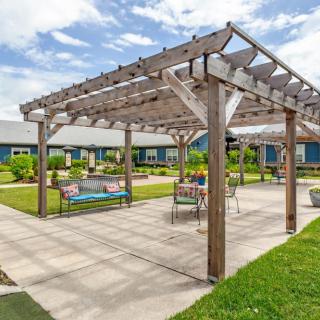
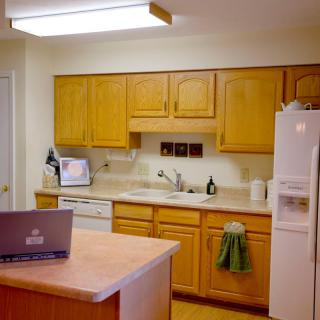
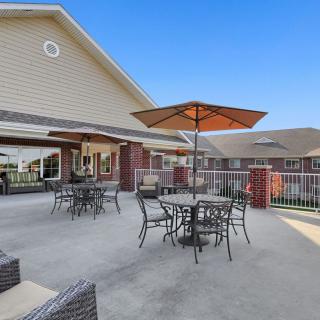
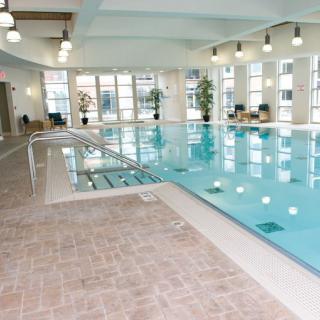
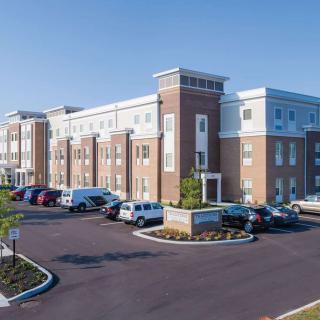
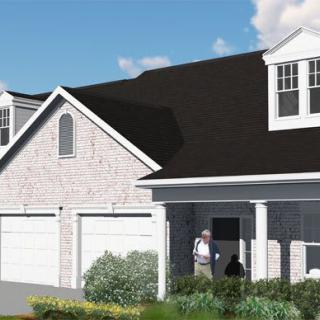
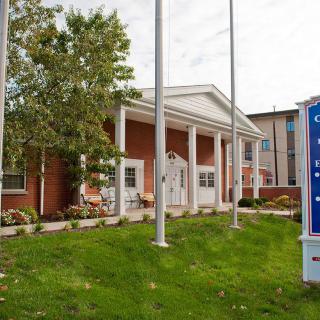
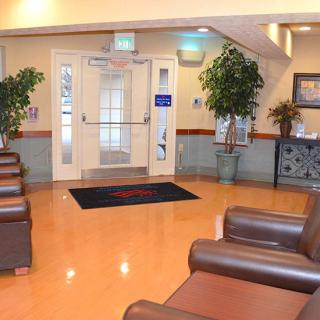
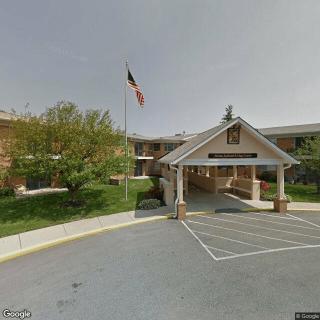
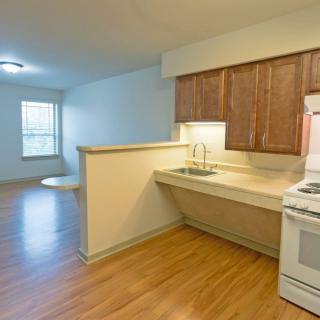
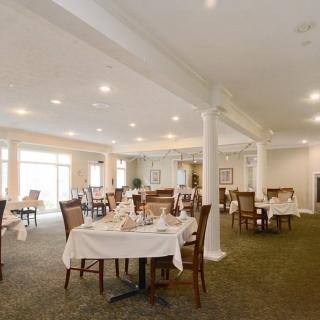
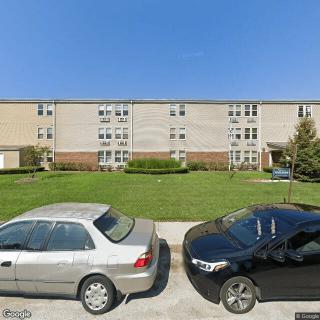
Arlington Place Health Campus on seniors.fyi includes 20 photos including images showing interior, landscaping, decor, dining, bedroom, architecture, fireplace, living room, and more.
Nearby Communities
Miller's Merry Manor
Indianapolis, IN
2.9 from 35 reviews
Strong amenities and 24/7 support with social activities and on-site conveniences.
Preston Pointe
Indianapolis, IN
2.6 from 24 reviews
$535 to $650 / month
Beautiful surroundings and a strong sense of community.
Community Nursing & Rehabilitation
Indianapolis, IN
4 from 87 reviews
Extensive amenities and 24/7 supervision
Rosewalk
Indianapolis, IN
3 from 73 reviews
Caring, attentive staff and a clean, modern facility with comprehensive memory care and skilled nursing options.
Rosewalk at Lutherwoods Assisted Living
Indianapolis, IN
4.2 from 86 reviews
$2,330 to $2,975 / month
Small, well-maintained community with friendly staff and engaging activities.
Crestwood Village East
Indianapolis, IN
3.5 from 54 reviews
$564 to $889 / month
Spacious, accessible apartments with walk-in tubs; friendly staff and active social spaces plus recent safety upgrades and on-site amenities.
Oasis at 30th
Indianapolis, IN
4.1 from 138 reviews
$4,325 / month
Caring staff, engaging activities, and clean facilities.
Greenbriar Village
Indianapolis, IN
4.3 from 133 reviews
$3,003 to $4,780 / month
Warm, attentive staff in a clean, newly renovated community with active social programs.
Transitioning from assisted living to memory care is driven by an individual's cognitive decline and specific needs, requiring careful evaluation of indicators like increased confusion and wandering. The process involves consulting medical professionals, researching suitable communities, considering financial and legal aspects, and ensuring effective communication for personalized care plans.
Assisted living provides moderate support for seniors seeking independence, while memory care offers specialized support for individuals with dementia or cognitive impairments through structured routines and trained staff. Key differences include care approaches, environment security measures, staff training levels, activity types, and cost considerations.
Assisted living communities offer diverse activities beyond traditional games to enhance seniors' physical health, cognitive well-being, emotional enrichment, and social connections, including fitness classes, creative expression, and intergenerational interactions. These enriching programs foster community bonds and support residents' independence and happiness.
Get PricingAsk A QuestionSchedule A TourContact Senior Advisor
By clicking submit, you agree to our Partner's Terms of Use. You
also consent to receive calls and texts, which may be autodialed, from our Partner. Your consent is not a condition to
using our Partner's service. Please visit our Partner's Privacy Policy for information about their privacy practices.





 100 resident community capacity
 Studio apartments
 Assisted Living
 Skilled Nursing Facility
 Activities off-site
 Air-conditioning
 Beautician on-site
 Cable or satellite TV
 Computer center
 Devotional services off-site
 Dining room
 Fitness room
 Fully furnished
 Gaming room
 Garden
 Ground floor units
 Handicap accessible
 Housekeeping services
 Indoor common areas
 Kitchenette
 Laundry
 Move-in coordination
 Outdoor space
 Party space
 Private bathrooms
 Respite or short term stays offered
 Restaurant-style dining
 Small library
 Telephone
 Wellness center
 Wi-Fi/high-speed internet available
 Indianapolis International (13 miles away)
 Community operated transportation
 12-16 hour nursing
 24-hour call system
 Ambulatory care
 Assistance with bathing
 Assistance with dressing
 Assistance with transfers
 Diabetes diet
 Diabetic care
 Incontinence care
 Medication management
 Mental wellness program
 Physical therapy
 Special dietary restrictions
 Transportation arrangement (medical)
 Art classes
 Concierge services
 Cooking classes
 Day trips and outings
 Educational speakers / life long learning
 Happy hour
 Karaoke
 Live dance or theater performances
 Live musical performances
 Wine tasting
 English
 Strong amenities and 24/7 support with social activities and on-site conveniences.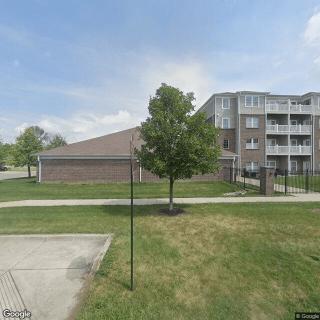

 When to Transition from Assisted Living to Memory Care: Key Indicators, Steps, and Finding the Right Community
 Assisted Living and Memory Care: Understanding Their Core Differences
 Beyond the Bingo Hall: 50+ Enriching Activities for Seniors in Assisted Living


