American Village presents a competitive pricing structure for its accommodations when compared to both Marion County and the broader state of Indiana. For instance, the monthly cost of a studio unit at American Village is $2,520, which is notably lower than the county average of $2,869 and significantly more affordable than the state average of $3,258. Similarly, residents seeking a one-bedroom apartment will find American Village's rate of $2,900 to be very attractive, especially compared to Marion County's $2,917 and Indiana's $3,300. The two-bedroom option also highlights this trend; priced at $3,249 at American Village, it remains competitive against Marion County's average of $2,997 and exceeds the state figure of $3,208 by a modest margin. Overall, these rates suggest that American Village provides an appealing alternative for individuals seeking quality living arrangements without straining their budgets relative to local and state options.
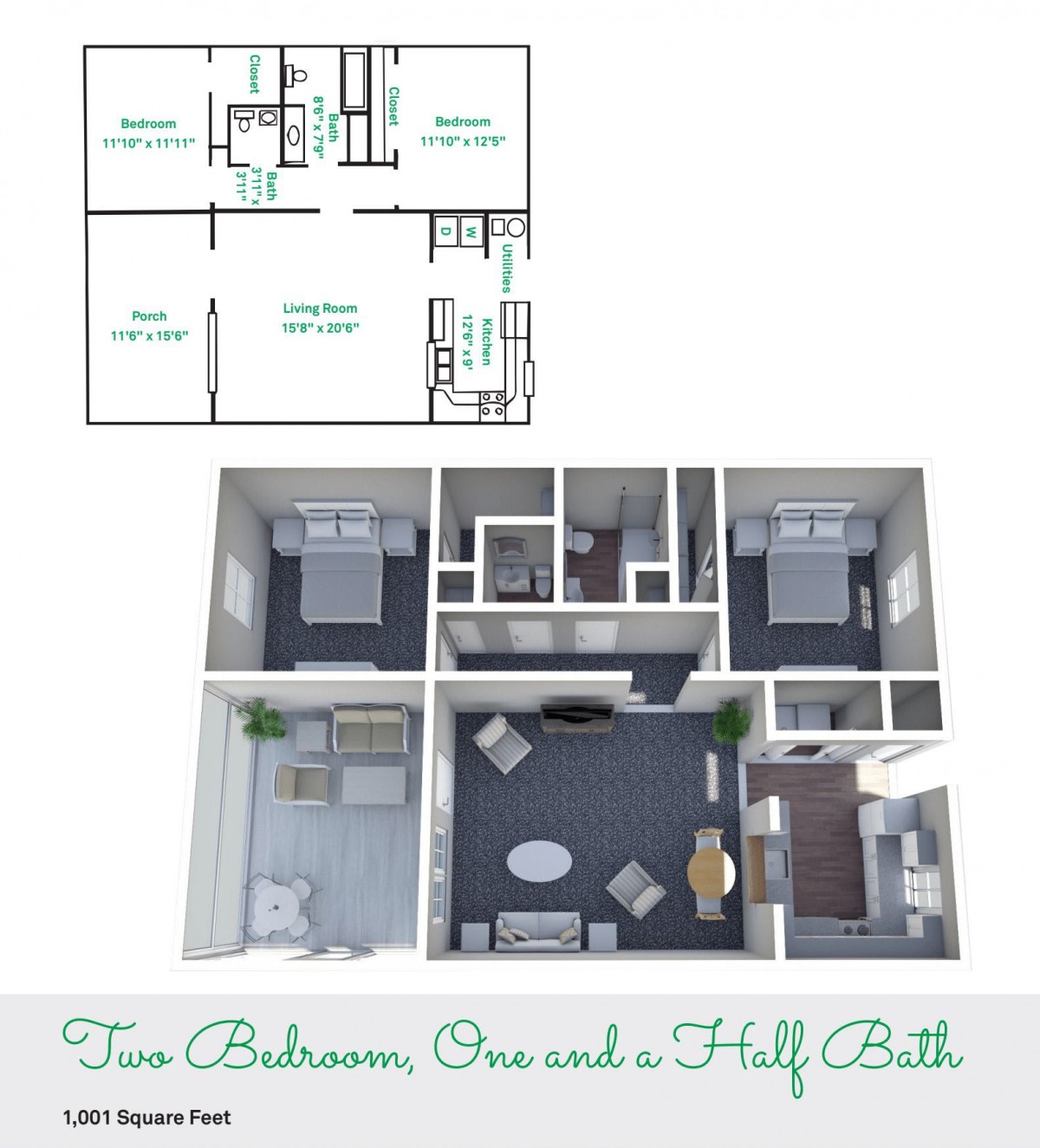
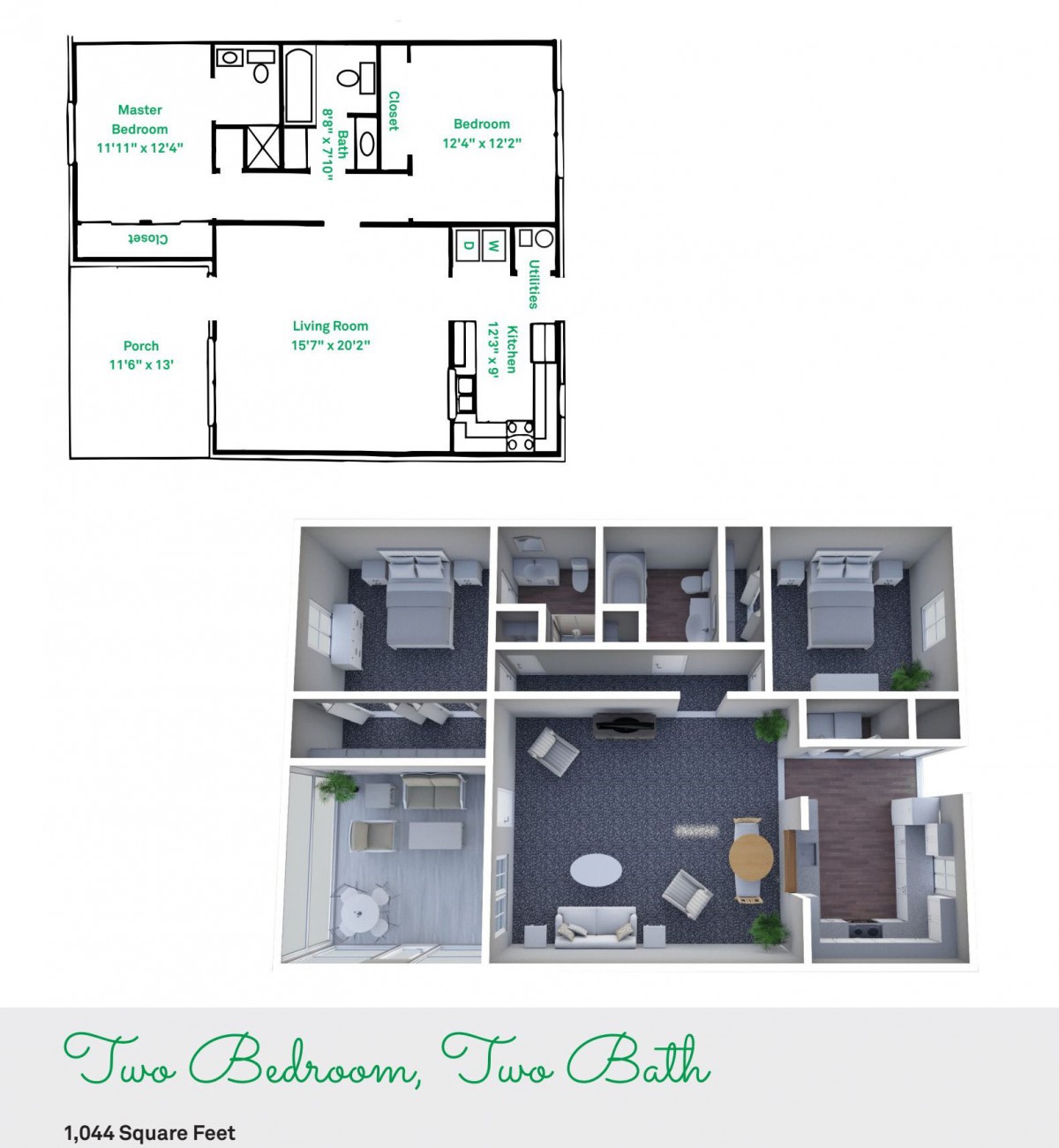
Floor plans
American Village
Marion County
Indiana
Studio
$2,520
$2,869
$3,258
1 Bedroom
$2,900
$2,917
$3,300
2 Bedrooms
$3,249
$2,997
$3,208
Assisted Living communities with a similar price nearby
Some residents and families report rude or unresponsive interactions from front-line staff.
A few reviews describe negative interactions with the front desk or receptionist, including a reported lack of courtesy when answering calls or greeting guests. Others also criticize staff responsiveness around leadership follow-through. At the same time, many reviews mention the caregivers themselves as kind and helpful, so the tone appears to vary by department and situation.
caveat2 reviews mention this
Weekend staffing concerns
Some reviews raise concerns about staffing coverage on weekends.
At least two reviewers specifically say weekend coverage felt thin, with one describing only a single CNA during a busy lunch period. Those reviews also mention cleanliness and dining-area conditions during the same visits. Other reviews describe staff as easy to find and attentive, which suggests experiences may differ depending on timing and unit needs.
common6 reviews mention this
Food quality is a mixed bag
Dining feedback ranges from very good to only average or disappointing.
Several reviews say the food is enjoyable—mentioning favorites and willingness to provide substitutions when residents don’t like what’s on the menu. Other reviews describe dining as average or merely okay, including comments that it could be better. A few reviews tie dining dissatisfaction to cost, while others focus more on the variety and options available.
common7 reviews mention this
Clean facility, but repairs vary
Residents and families most often describe the community as clean and well-kept.
Many reviews praise cleanliness in common areas and note that rooms are cleaned on a regular schedule. Some reviewers also point to a generally cared-for appearance of the grounds and facility. Others report problems like repairs needed, older unit conditions, or concerns about how rooms are maintained, which suggests upkeep can vary by building and timeframe.
caveat4 reviews mention this
Pricing is often described as high
Multiple reviewers say pricing can feel high for the value they experienced.
A handful of reviews explicitly call out cost as high or above what they expected, including comments that affordability was a deciding factor. One review mentions extra cost pressures tied to dining quality and repair frequency. Even with those concerns, other reviewers say the community is competitive for the money or that expenses feel more inclusive than expected, so value appears uneven by unit and needs.
How we summarize
Counts show how many written reviews mention each theme; a review can touch several themes, and only frequently mentioned themes are displayed.
Features
Housing
150 resident community capacity
1-bedroom apartments
2-bedroom apartments
Detached homes
Studio apartments
Types of Care
Assisted Living
Independent Living
Memory Care
Skilled Nursing Facility
Pets
Cats allowed
Dogs allowed
Amenities
Activities off-site
Activities on-site
Air-conditioning
Bath tubs
Beautician on-site
Beauty salon
Cable or satellite TV
Computer center
Devotional services off-site
Devotional services on-site
Dining room
Financing advice
Fitness room
Full kitchen
Fully furnished
Gaming room
Garden
Ground floor units
Guasts at mealtime
Guest parking
Handicap accessible
Hiking trails
Home sale assistance
Housekeeping services
Indoor common areas
Kitchenette
Laundry
Move-in coordination
Outdoor common areas
Outdoor space
Overnight guests
Party space
Private bathrooms
Private cleaning services
Resident parking
Respite or short term stays offered
Restaurant-style dining
Security gate
Small library
TV room
Telephone
VA Benefits Consultation
Wellness center
Wheelchair accessible showers
Wi-Fi/high-speed internet available
Transportation
Indianapolis International (13 miles away)
Community operated transportation
Transportation & parking
Transportation arrangement
Transportation arrangement (non-medical)
Transportation to doctors appointments
Care Services
12-16 hour nursing
24-hour call system
24-hour supervision
Activities of daily living assistance
Ambulatory care
Assistance with bathing
Assistance with dressing
Assistance with transfers
Coordination with health care providers
Dementia waiver
Diabetes diet
Diabetic care
High acuity care
Hospice care
Hospice waiver
Incontinence care
Meal preparation and service
Medication management
Mental wellness program
Mild cognitive impairment
Physical therapy
Special dietary restrictions
Specialized memory care programming
Transportation arrangement (medical)
Transportation to doctors appointments
Dining
Anytime dining
Diabetes diet
Guest meals
Low / no sodium
Meals provided
No Sugar
Restaurant style dining
Room service
Special dietary restrictions
Special dining programs
Vegan
Vegetarian
Activities
Activities off-site
Art classes
Arts and crafts
Book club
Catholic services
Community-sponsored activities
Concierge services
Cooking classes
Cooking club
Day trips and outings
Devotional activities offsite
Devotional activities on-site
Educational speakers / life long learning
Fitness programs
Games
Gardening club
Happy hour
Karaoke
Live musical performances
Live well programs
Other religious services
Planned day trips
Protestant services
Religious services
Resident-run activities
Scheduled daily activities
Stories
Wii bowling
Yoga / chair yoga
Videos
Nearby Places of Interest
This part of Indianapolis, Indiana offers a diverse range of amenities and services that cater to individuals of all ages, making it an attractive option for senior living. With a selection of restaurants, cafes, and pharmacies within close proximity, residents can enjoy convenient access to daily essentials. Additionally, the presence of various places of worship in the area provides opportunities for spiritual fulfillment and community engagement. Nearby parks offer opportunities for outdoor recreation and relaxation, while transportation options such as U-Haul Moving & Storage provide convenient means for travel. Access to reputable physicians, hospitals, and specialized medical centers ensures residents have access to quality healthcare services when needed. Overall, this neighborhood provides a well-rounded environment that caters to the needs and preferences of seniors looking for a comfortable and engaging place to call home.
Restaurants
Pawn Shop Pub (0.2 miles)
Black Circle Brewing Company (0.9 miles)
Upland Brewing Company (1.1 miles)
Root & Bone (1.2 miles)
Chick-Fil-A (1.3 miles)
Flatwater Restaurant (1.5 miles)
Big Lug Canteen (4.1 miles)
Pharmacies
Walgreens (0.5 miles)
CVS Pharmacy (0.9 miles)
Walgreens (1.2 miles)
CVS Pharmacy (1.6 miles)
CVS Pharmacy (1.7 miles)
CVS Pharmacy (1.7 miles)
Walgreens (2.3 miles)
Cafes
Panera Bread (1 miles)
Starbucks (4.3 miles)
Starbucks (5.3 miles)
Starbucks (5.4 miles)
Starbucks (5.9 miles)
Places of Worship
First Friends Church (1.1 miles)
Tabernacle Presbyterian Church (2.6 miles)
St Luke Catholic Church (3.3 miles)
Second Presbyterian Church (3.4 miles)
Castleton United Methodist School (5 miles)
Al-Fajr Masjid (5 miles)
Orchard Park Presbyterian Church (6.1 miles)
Parks
Holliday Park (2.2 miles)
Watkins Park (4.2 miles)
Military Park (6 miles)
Ft Harrison State Park (6.3 miles)
Transportation
U-Haul Moving & Storage at Michigan Rd (3.8 miles)
Physicians
Blackburn Community Health Center (3.9 miles)
Hematology Oncology of Indiana (5.1 miles)
Indiana Neuroscience Associates (5.2 miles)
Township Line Road Pediatrics (5.2 miles)
Indiana Hand to Shoulder Center (5.3 miles)
Northeast Family Physicians (5.3 miles)
Community Health Pavilion (5.9 miles)
Theaters
Living Room Theaters (5.1 miles)
Hospitals
St Vincent Hospital Trauma ICU (5.3 miles)
Trauma /Neuro ICU (5.3 miles)
Advanced Wound Center at Community Westview Hospital (5.4 miles)
Eskenazi Hospital (5.5 miles)
Community Heart And Vascular Surgery ICU Waiting Room (5.6 miles)
American Village presents a competitive pricing structure for its accommodations when compared to both Marion County and the broader state of Indiana. For instance, the monthly cost of a studio unit at American Village is $2,520, which is notably lower than the county average of $2,869 and significantly more affordable than the state average of $3,258. Similarly, residents seeking a one-bedroom apartment will find American Village's rate of $2,900 to be very attractive, especially compared to Marion County's $2,917 and Indiana's $3,300. The two-bedroom option also highlights this trend; priced at $3,249 at American Village, it remains competitive against Marion County's average of $2,997 and exceeds the state figure of $3,208 by a modest margin. Overall, these rates suggest that American Village provides an appealing alternative for individuals seeking quality living arrangements without straining their budgets relative to local and state options.
The comprehensive features offered by American Village significantly enhance the quality of memory care for residents experiencing various stages of dementia and Alzheimer's disease. Continuous 24-hour supervision ensures that individuals receive immediate support whenever needed, promoting safety and security. Assistance with activities of daily living, including bathing, dressing, and transfers, fosters independence while maintaining dignity. Coordination with healthcare providers guarantees tailored medical care and timely interventions, further supported by medication management to ensure adherence to prescribed regimens. The inclusion of meal preparation and service addresses nutritional needs essential for overall health. A dedicated mental wellness program, alongside specialized memory care programming, targets cognitive engagement, which can slow progression and improve mood. Additionally, transportation arrangements facilitate access to medical appointments and therapies such as physical therapy that can enhance mobility and well-being. The provision for incontinence care ensures comfort and respect for personal needs while addressing the unique challenges associated with mild cognitive impairment through a dementia waiver that allows customized support options.
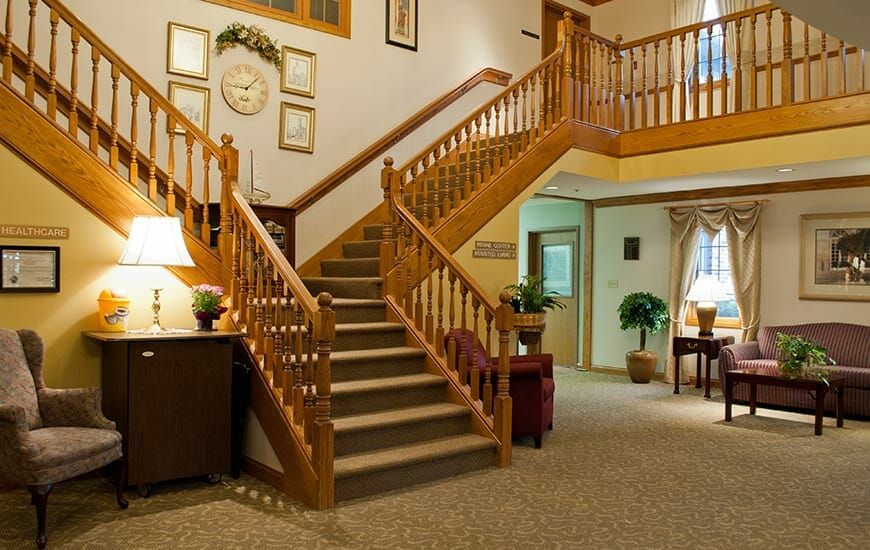
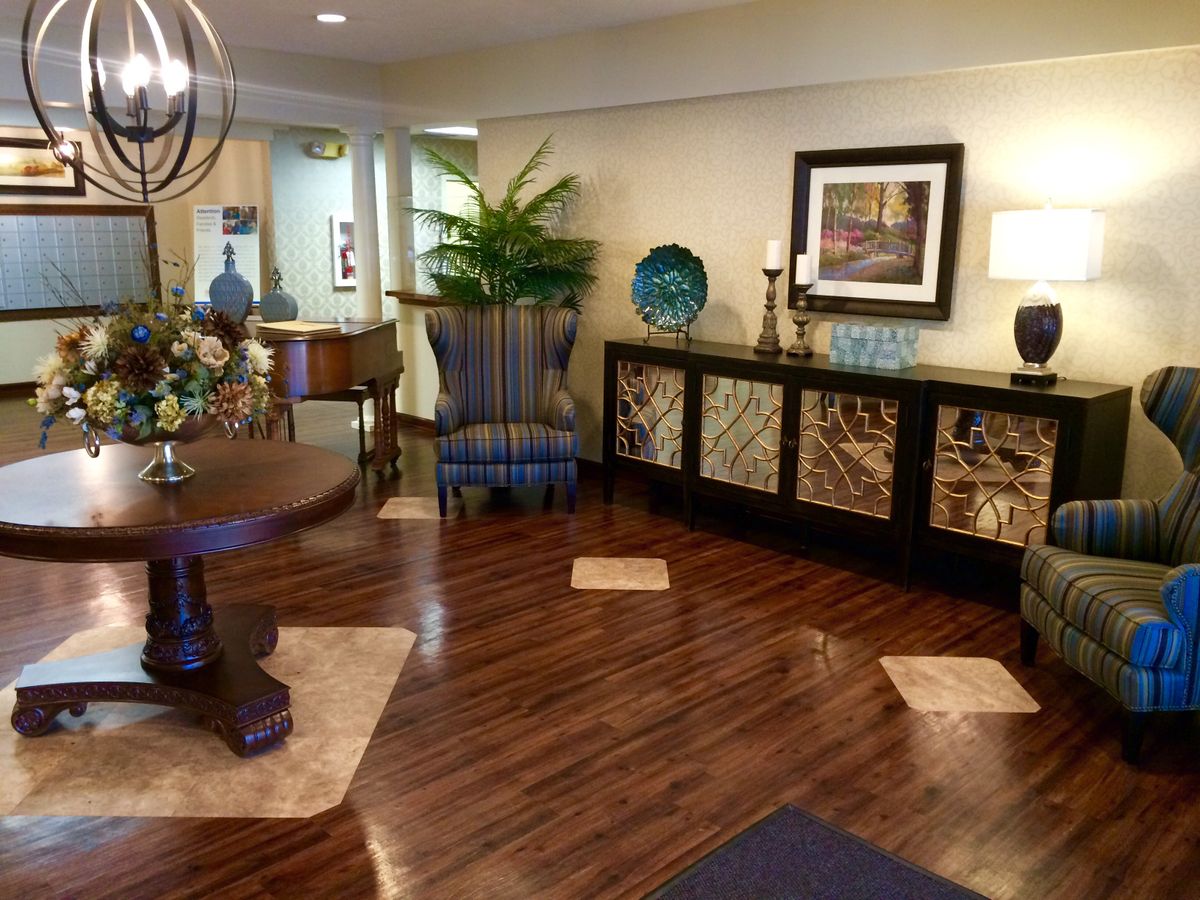
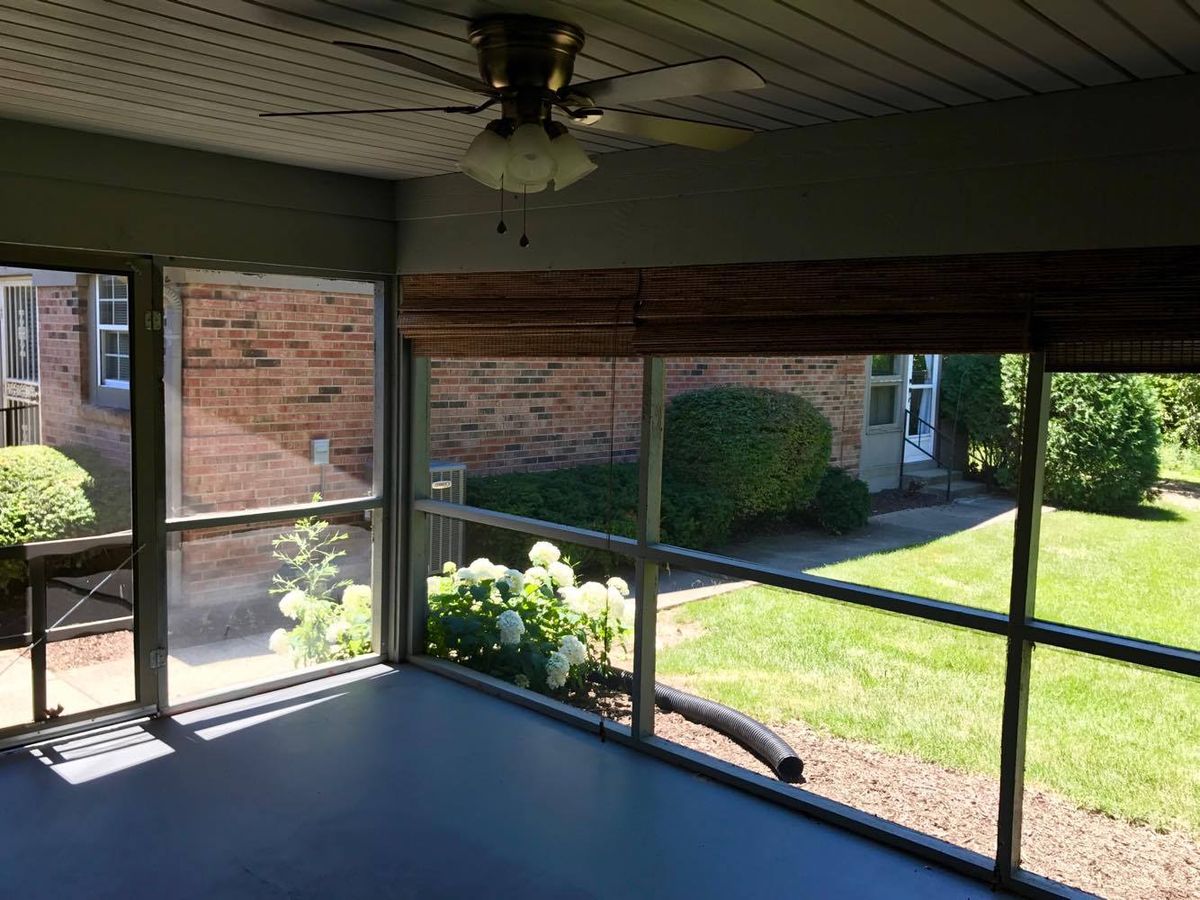
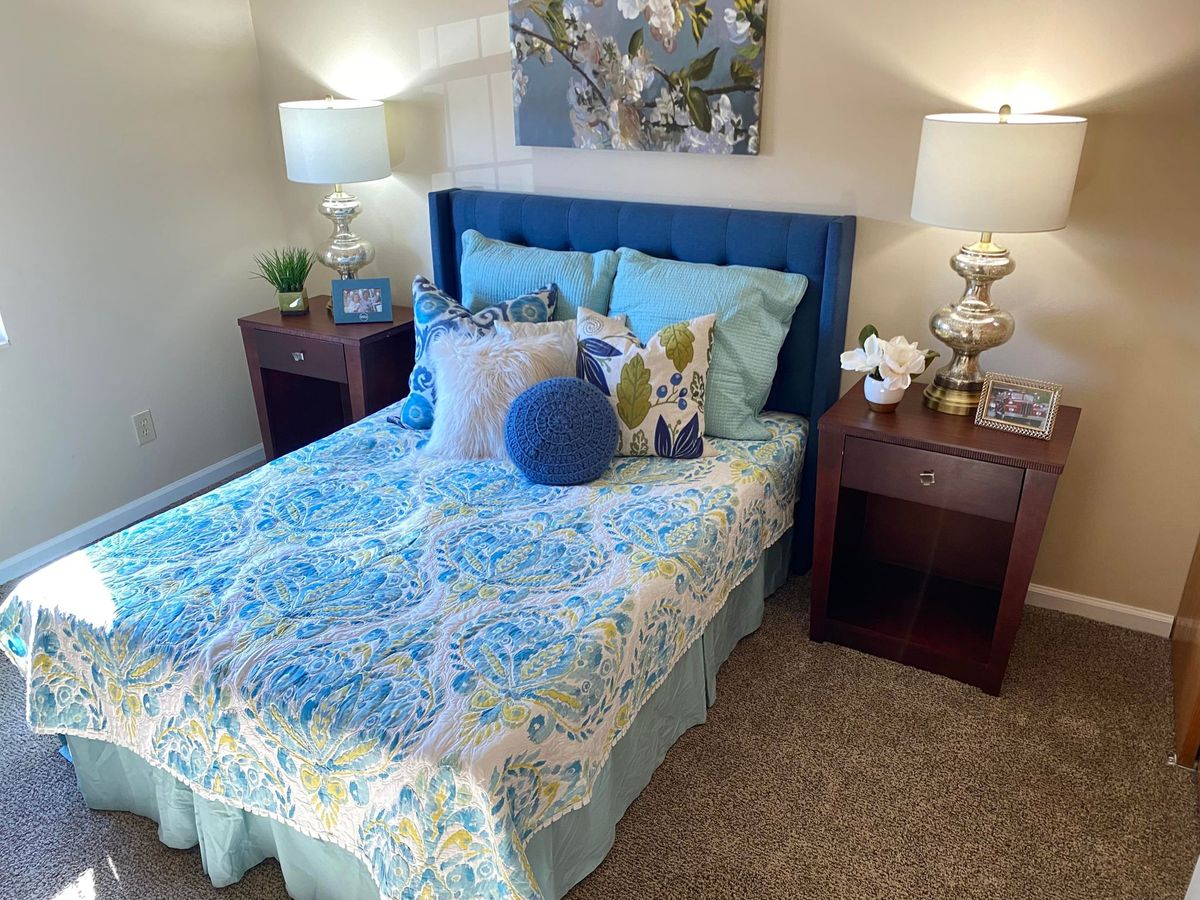
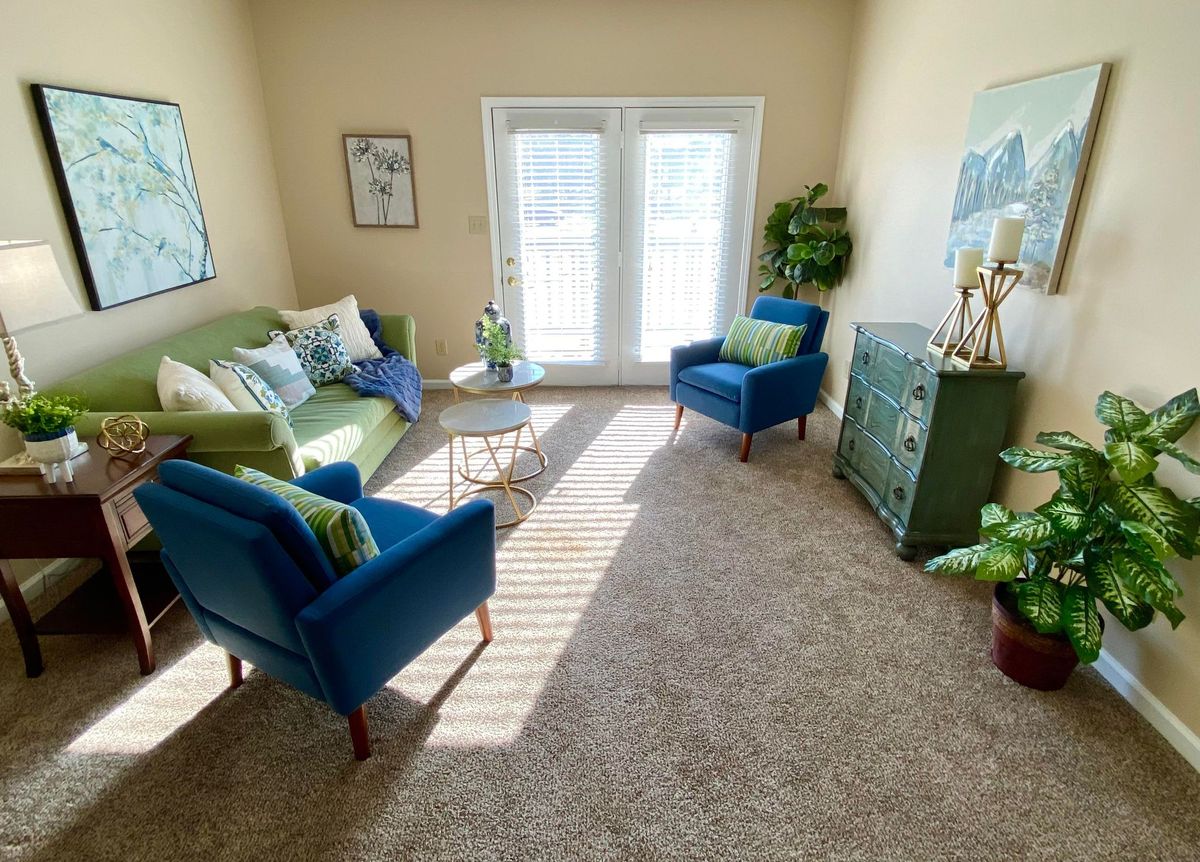
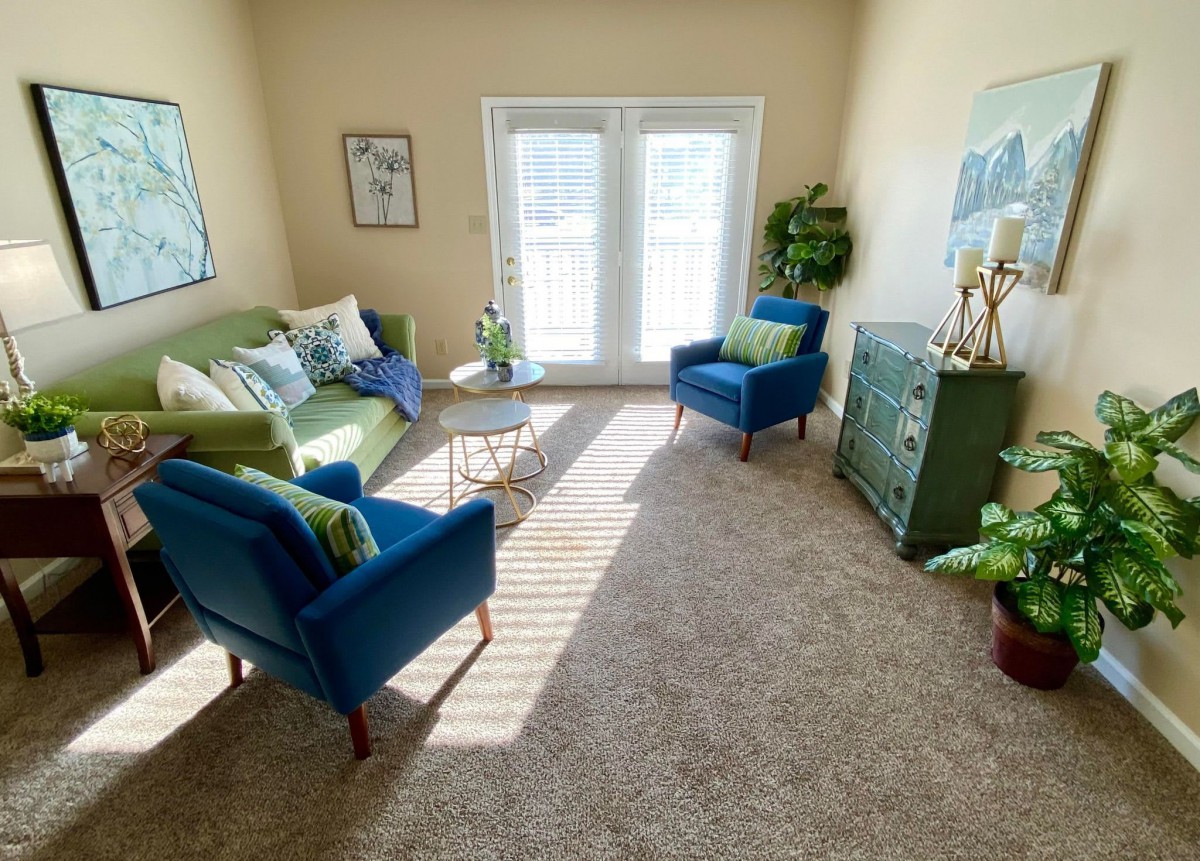
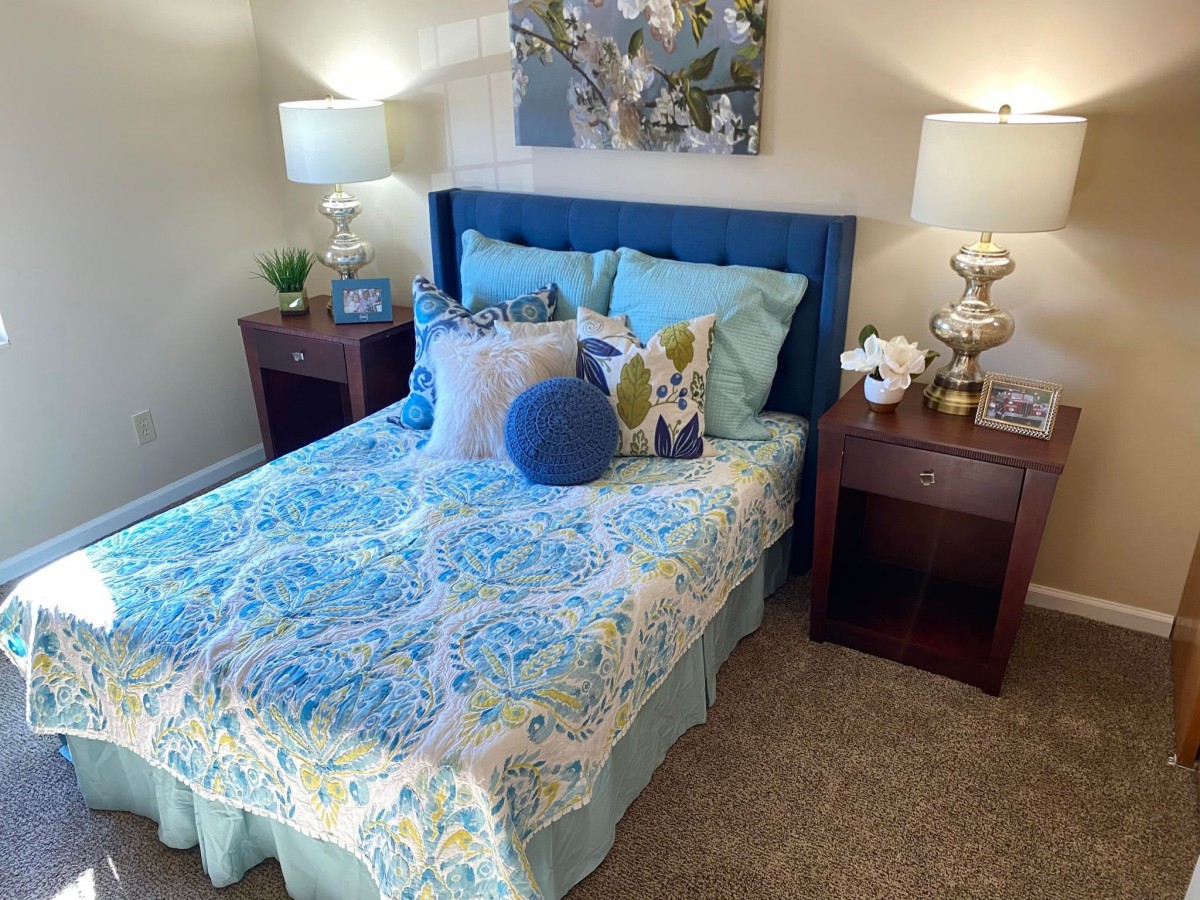
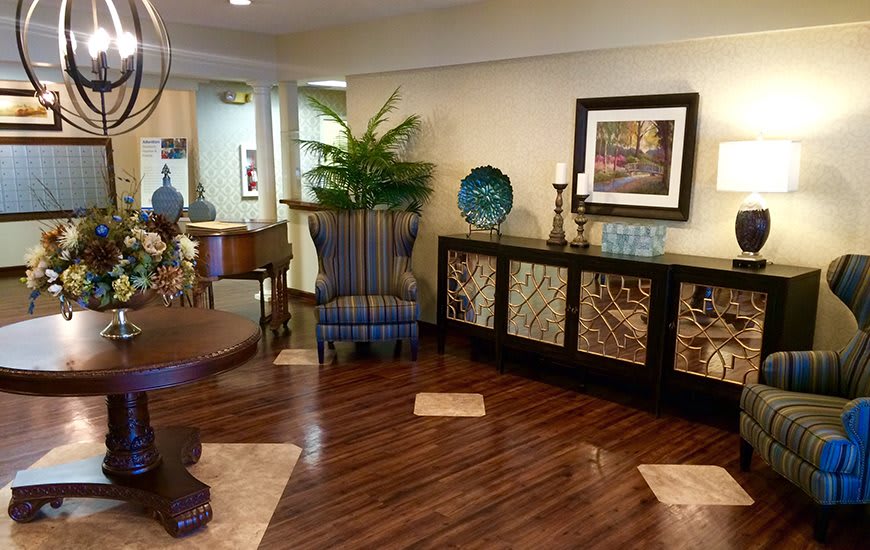
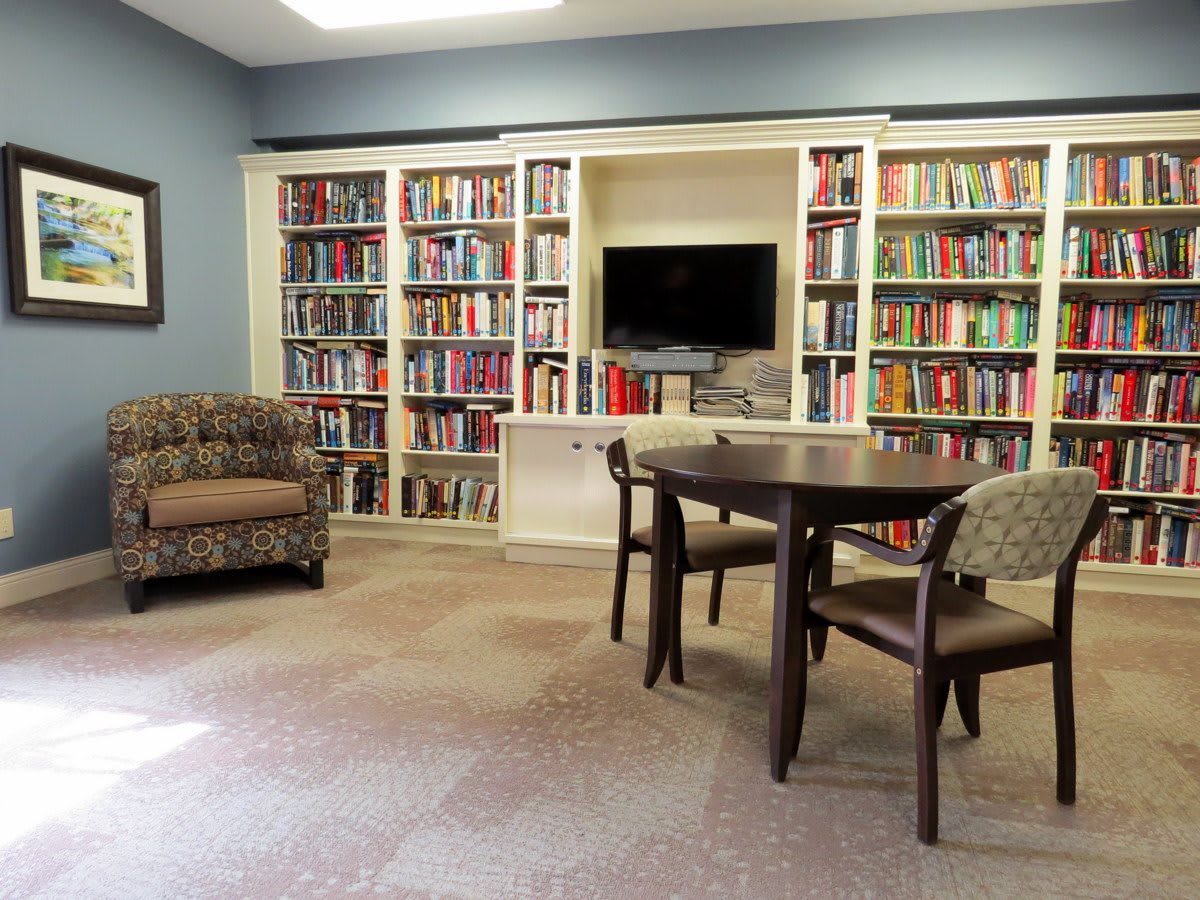
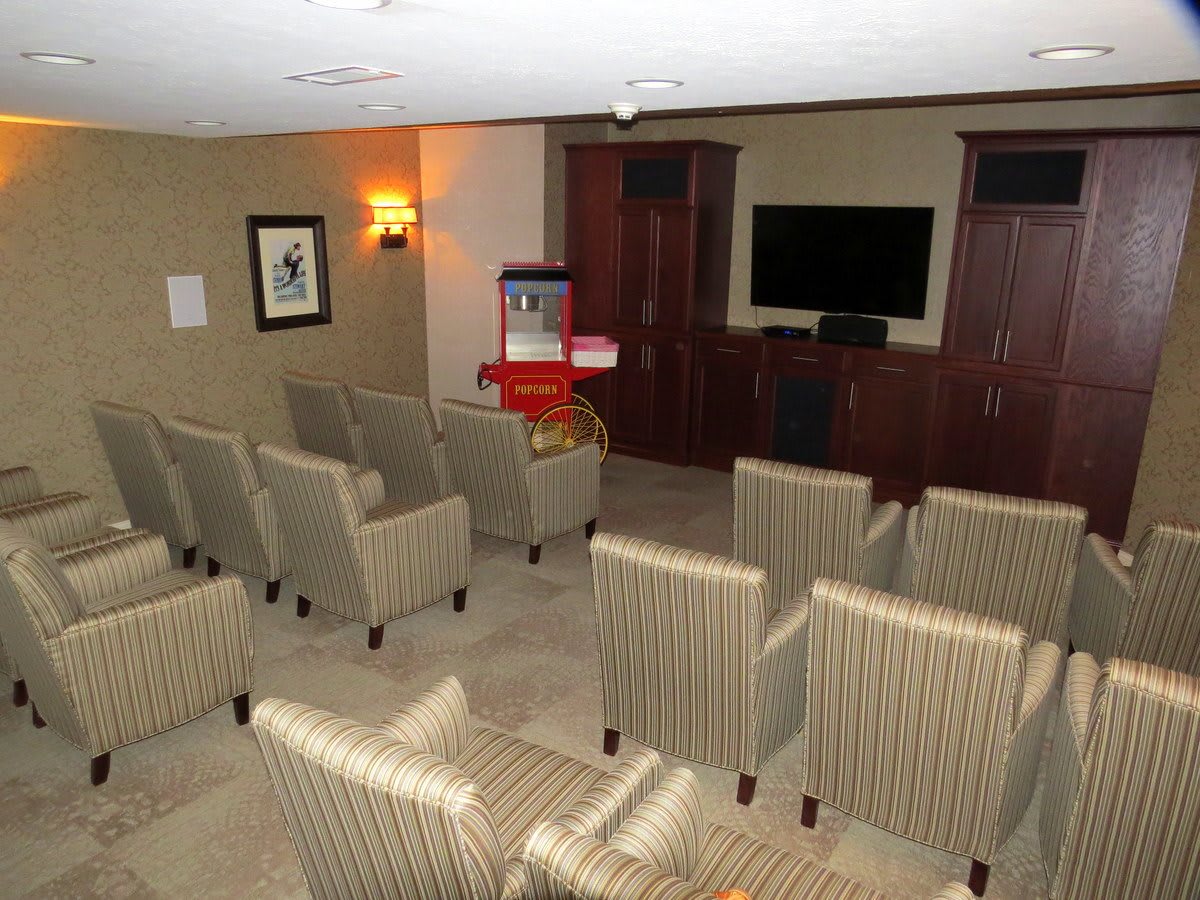
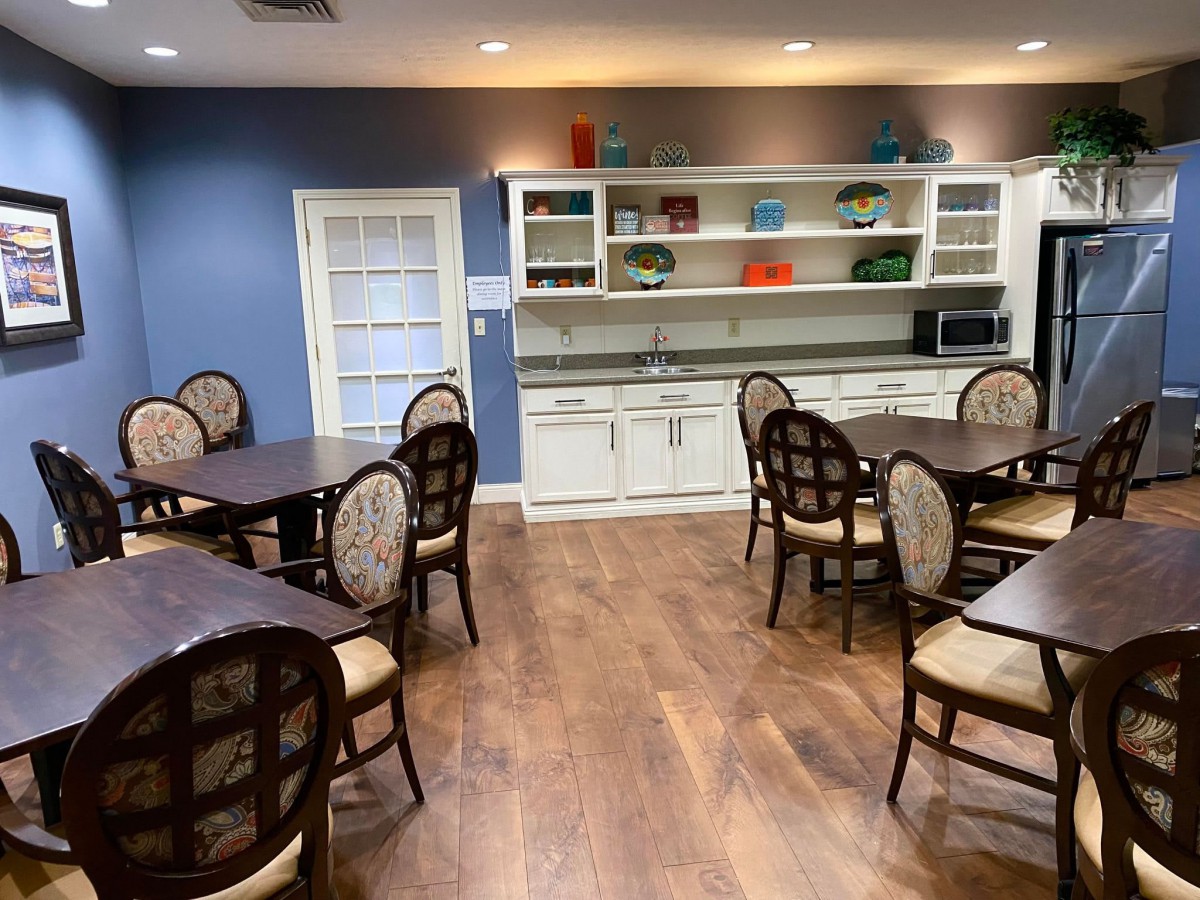
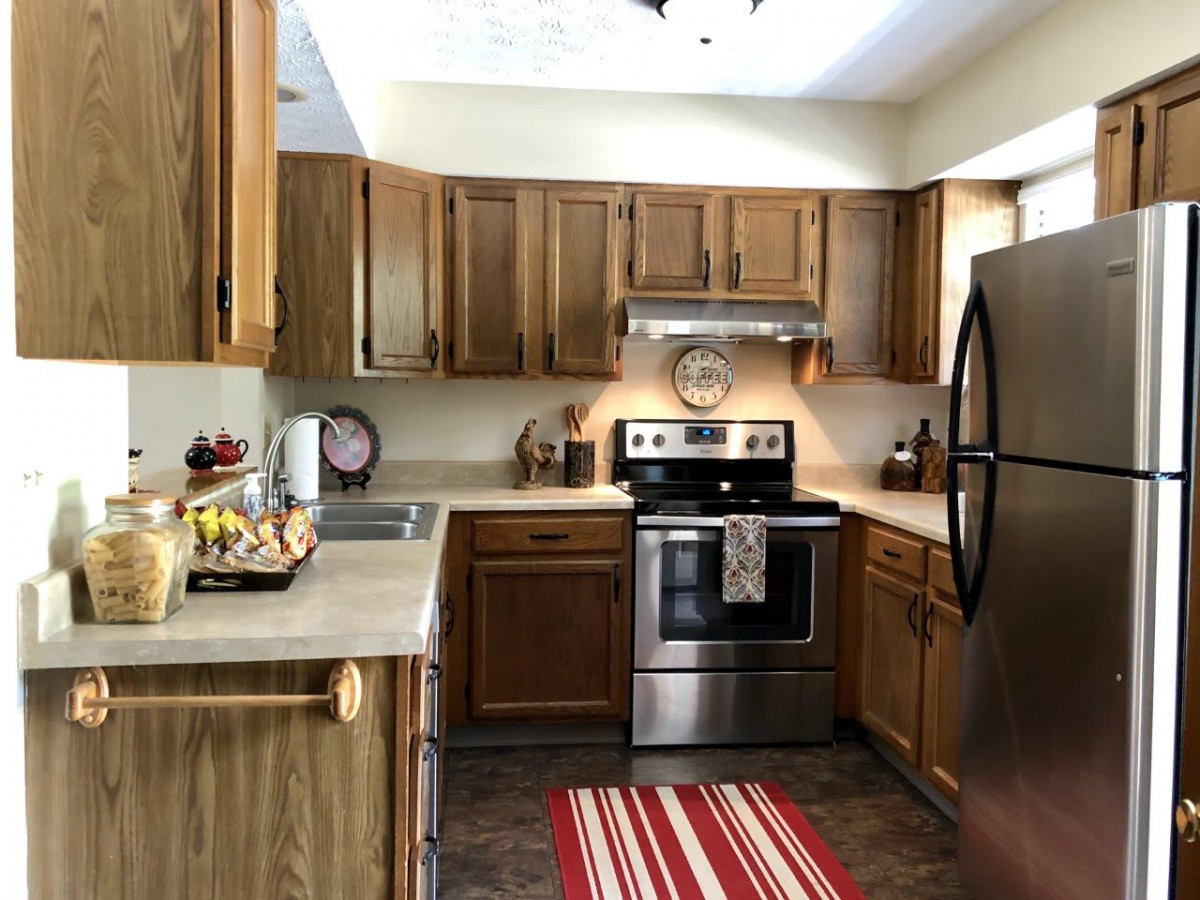
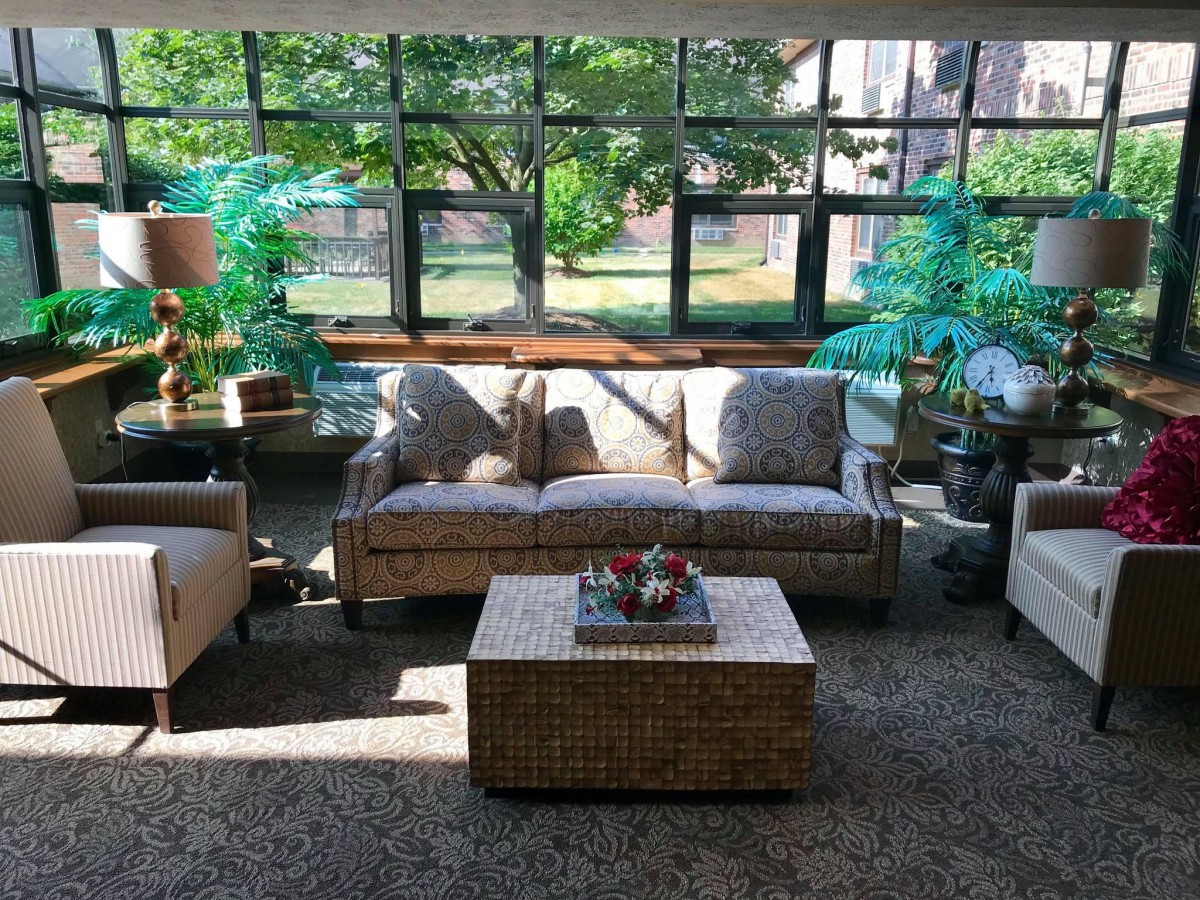
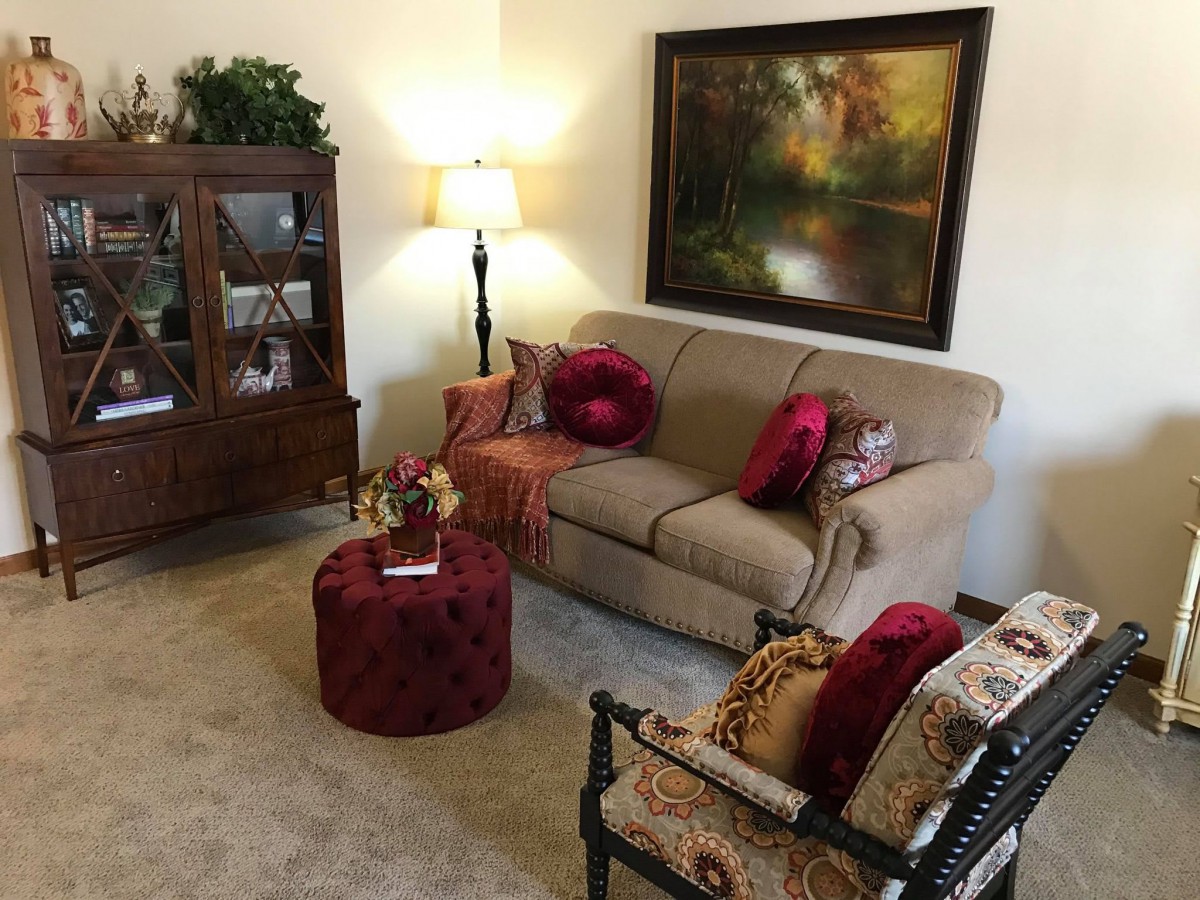
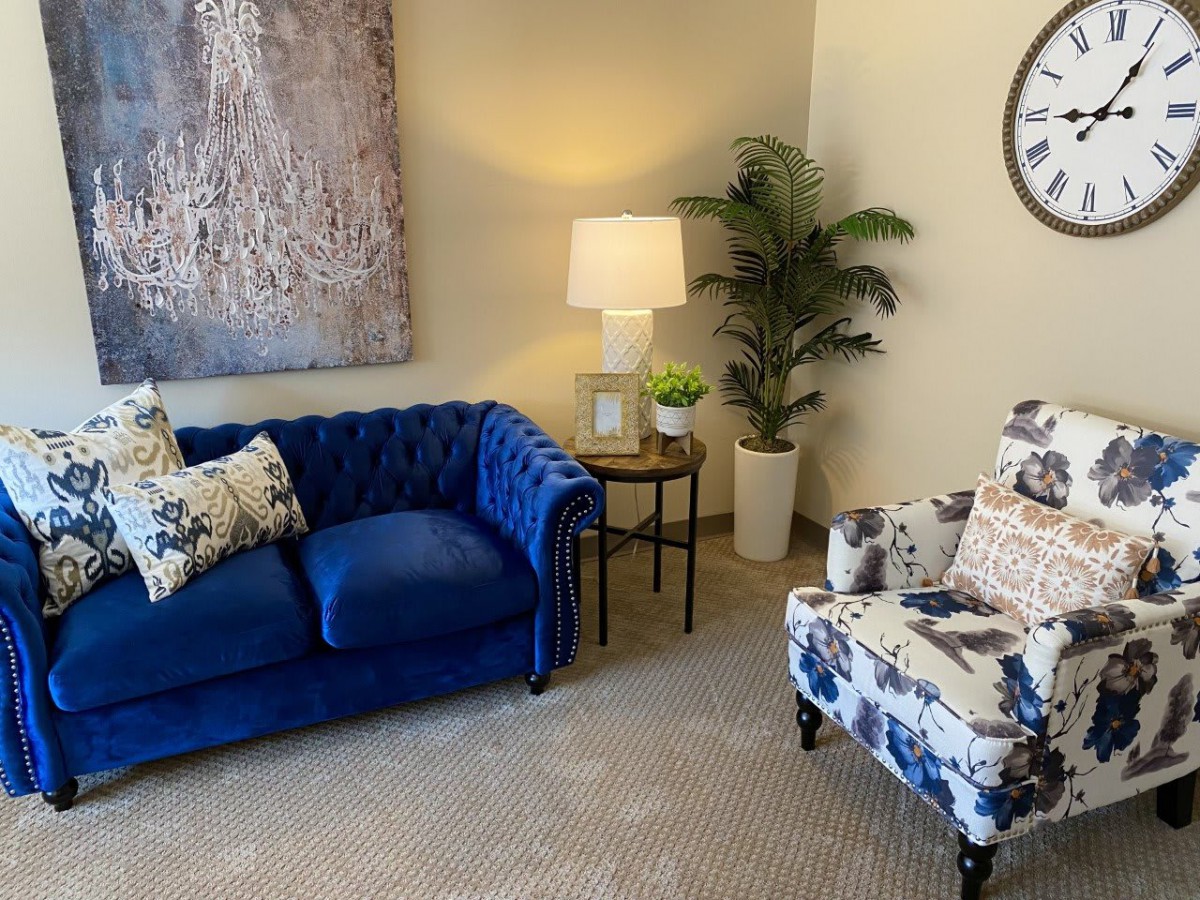
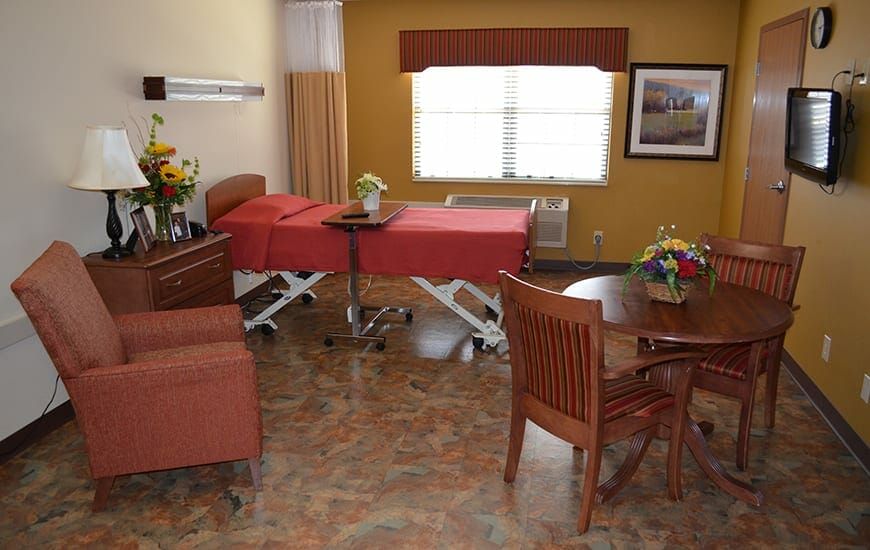
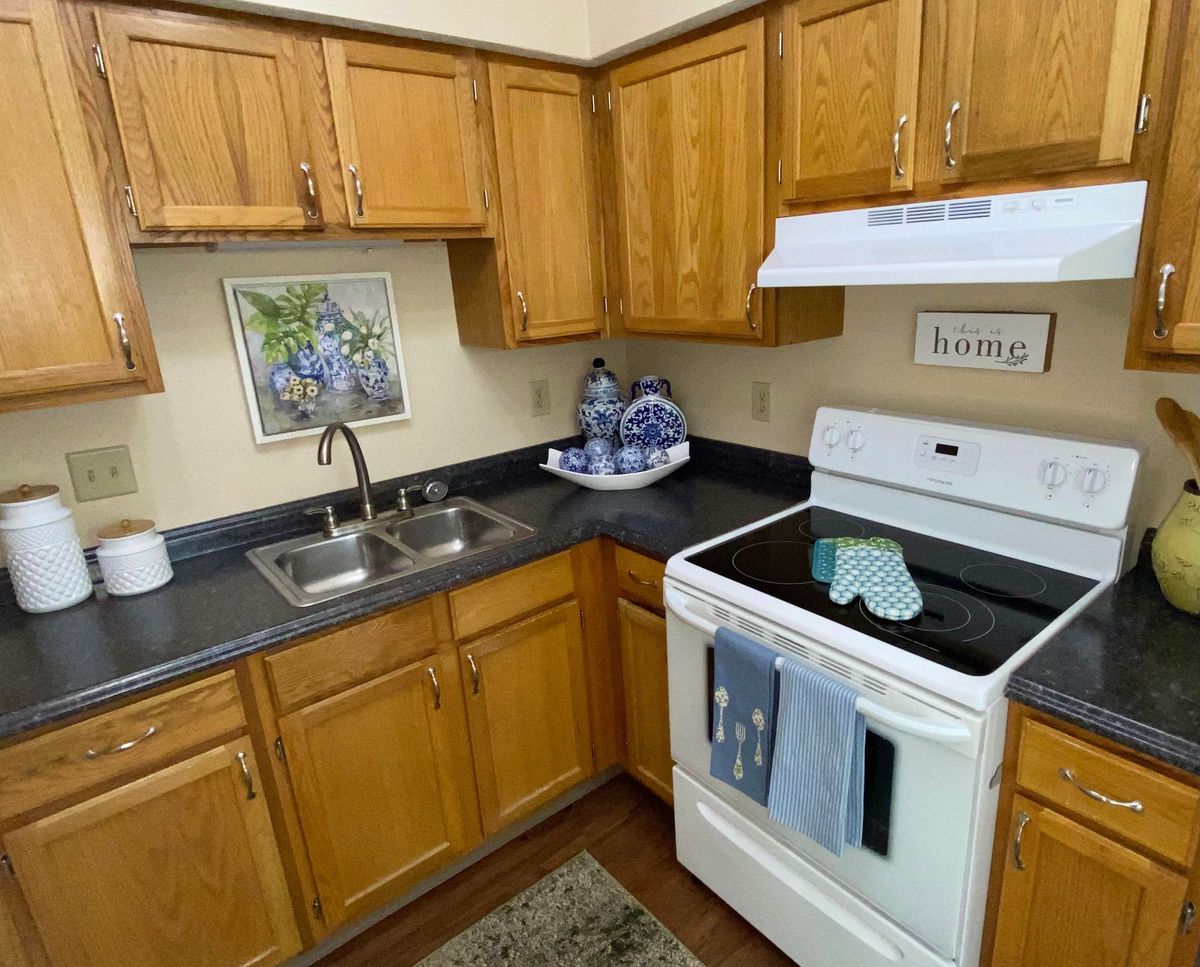
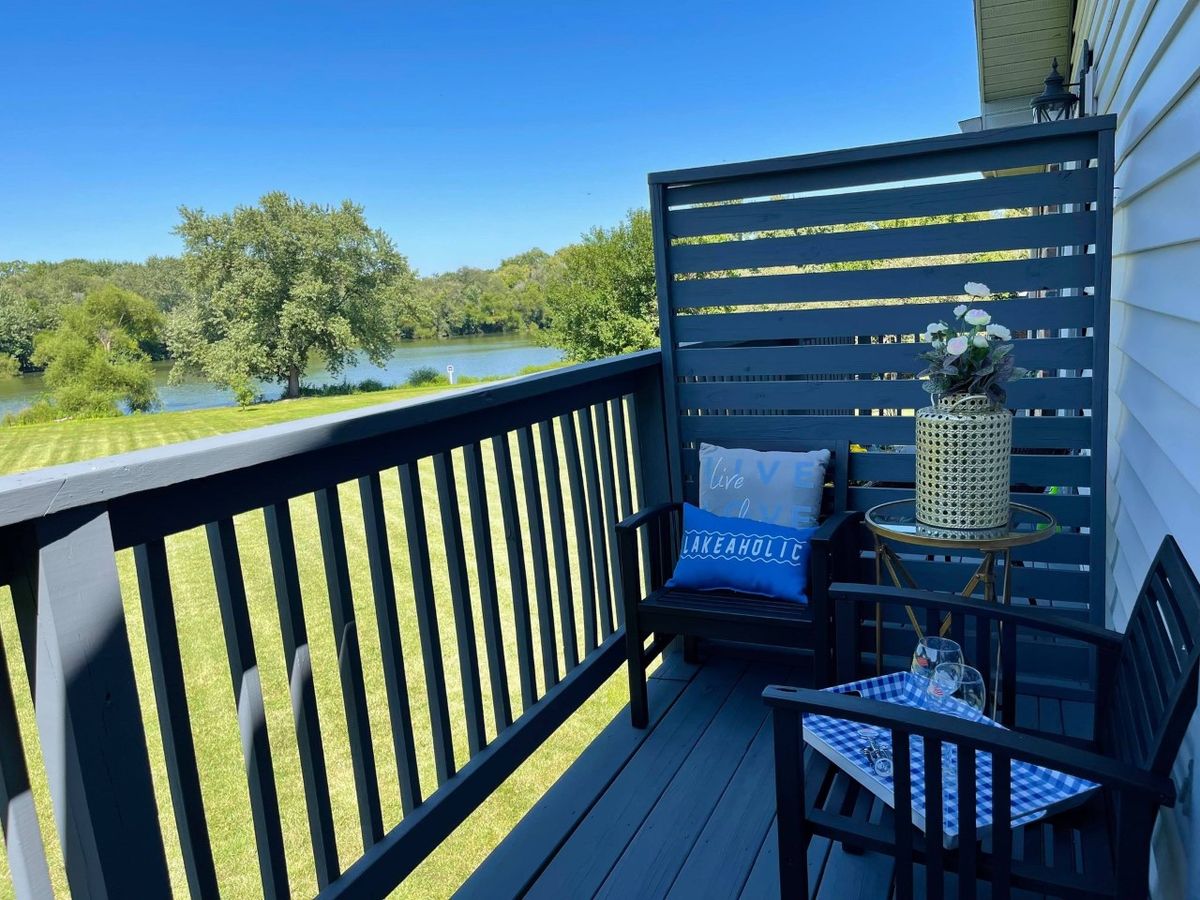
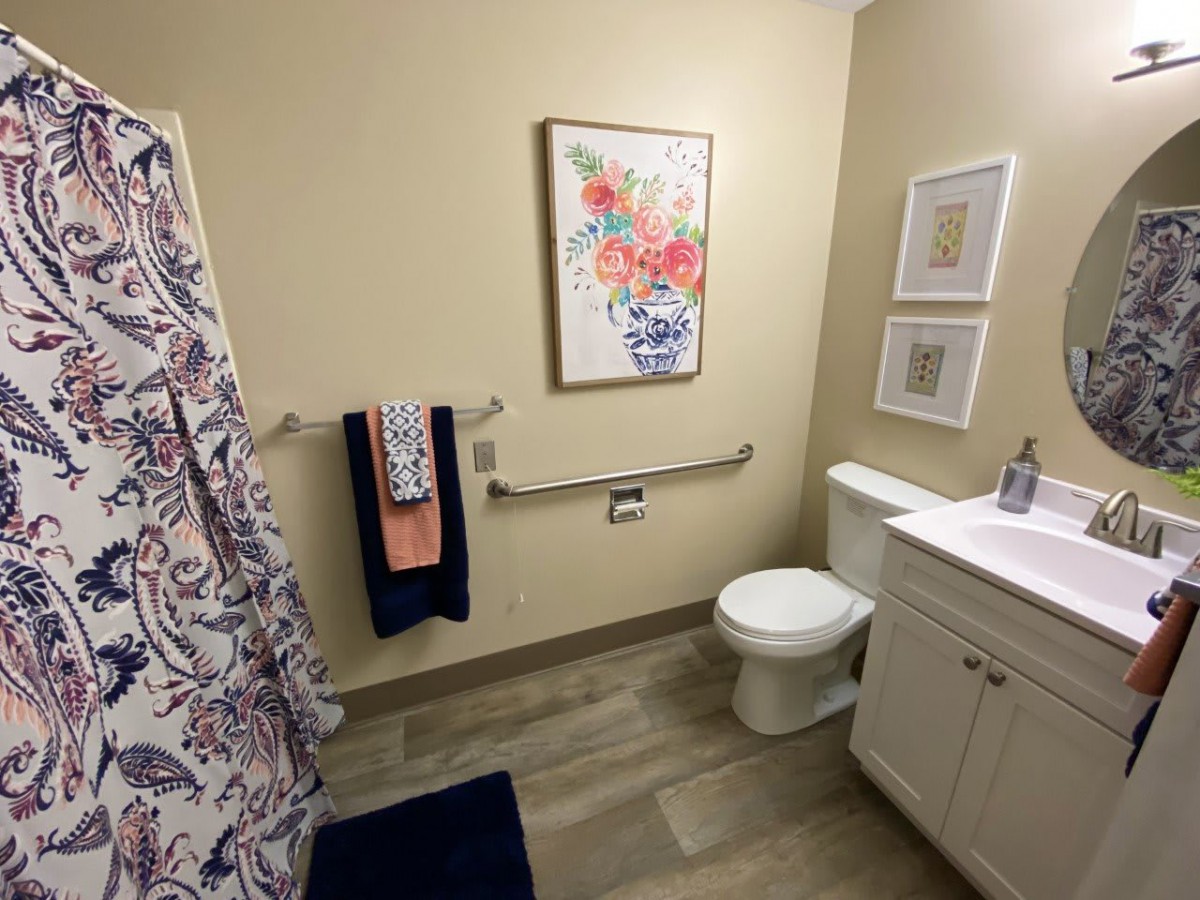
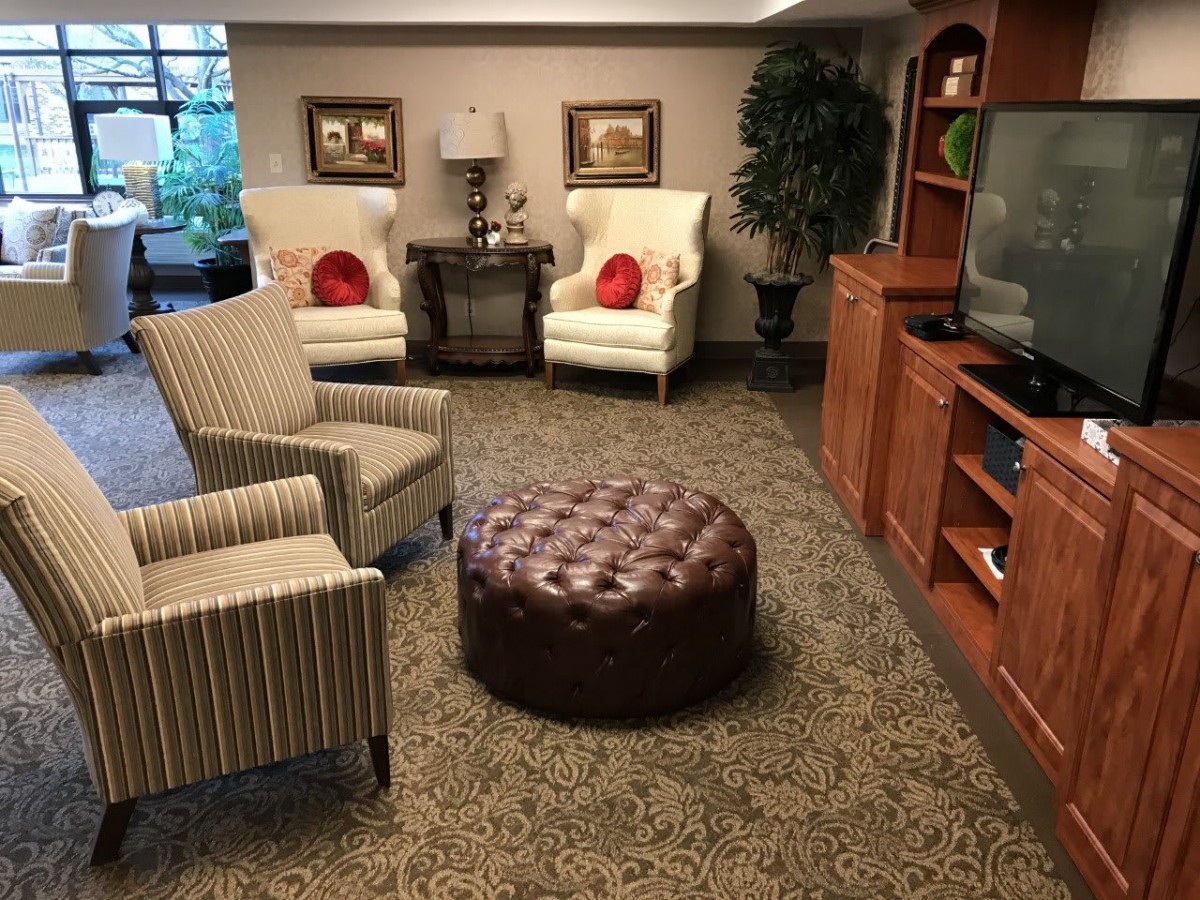
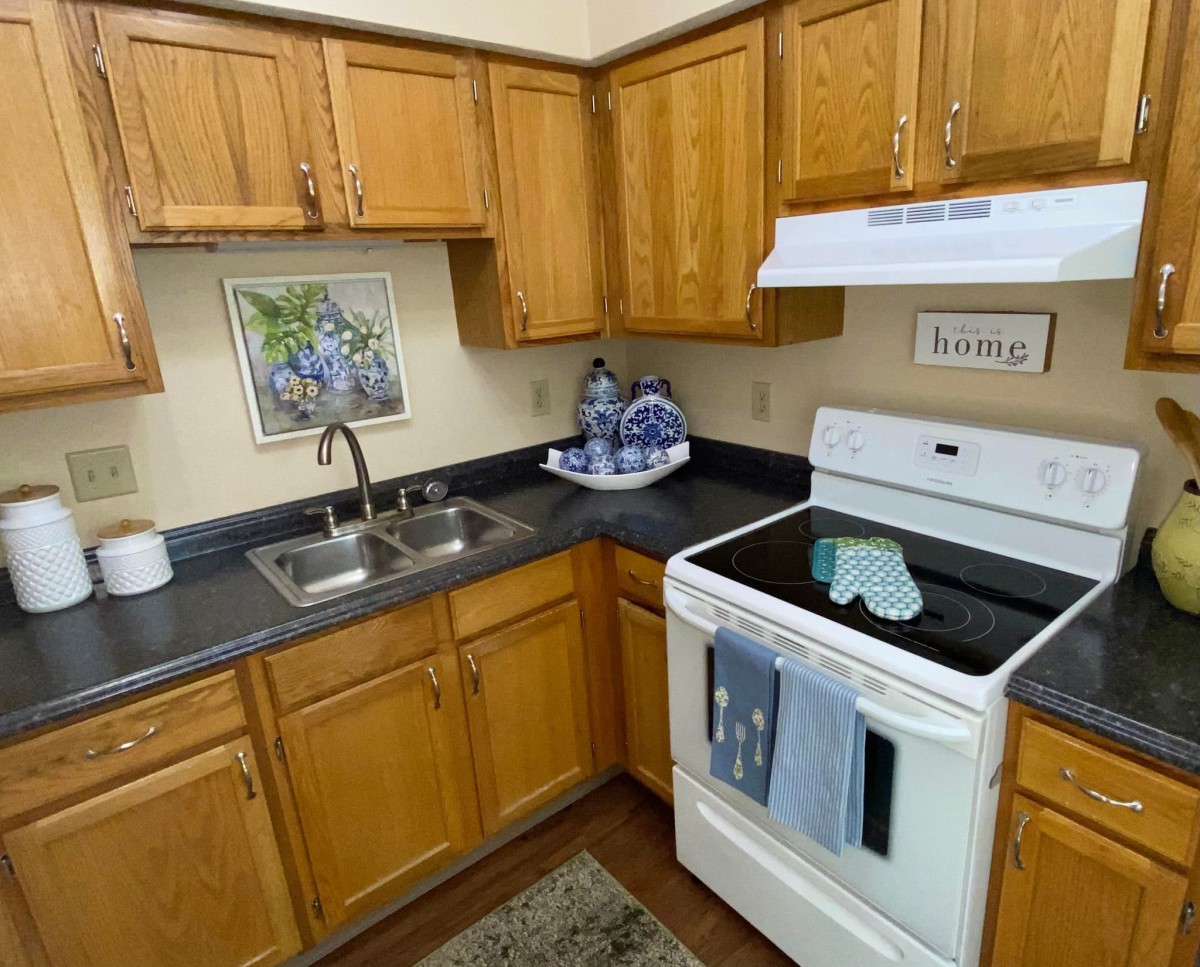
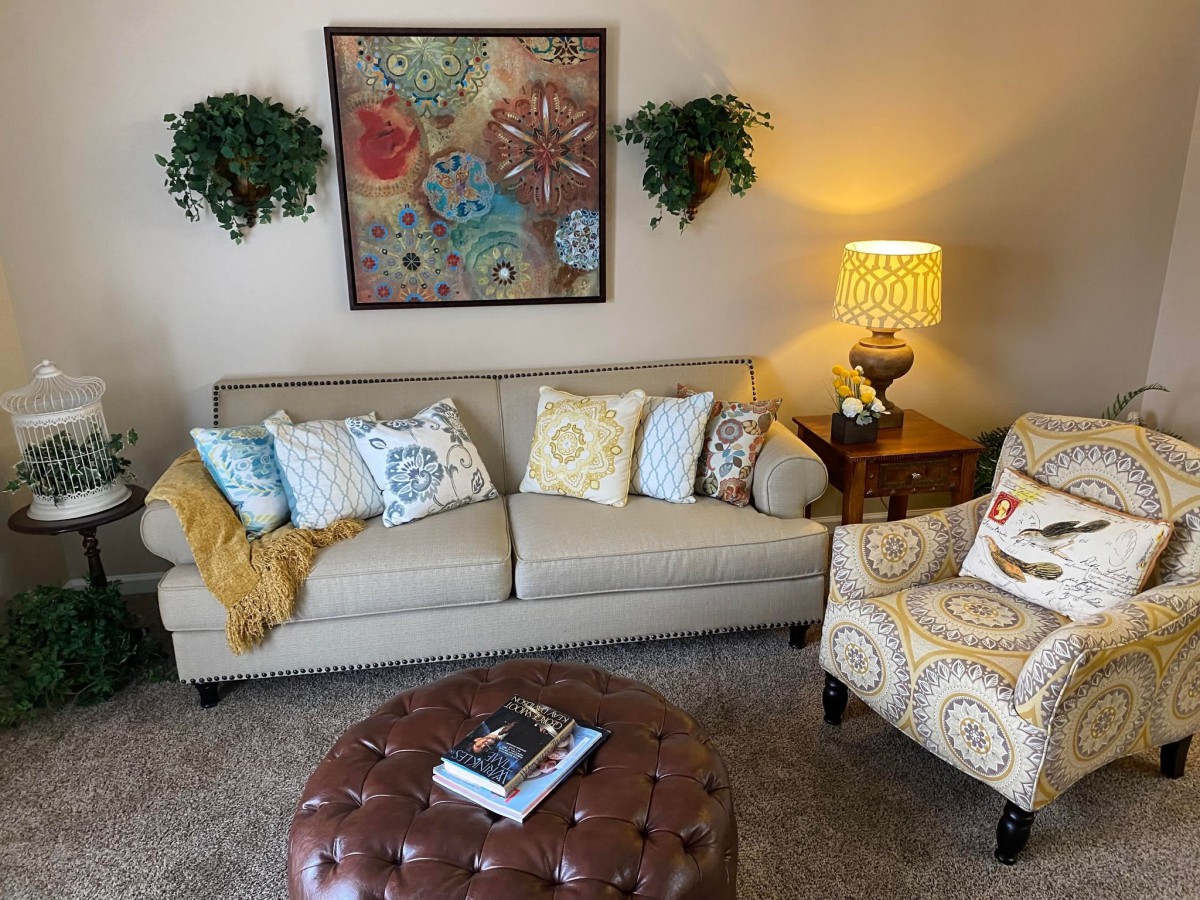
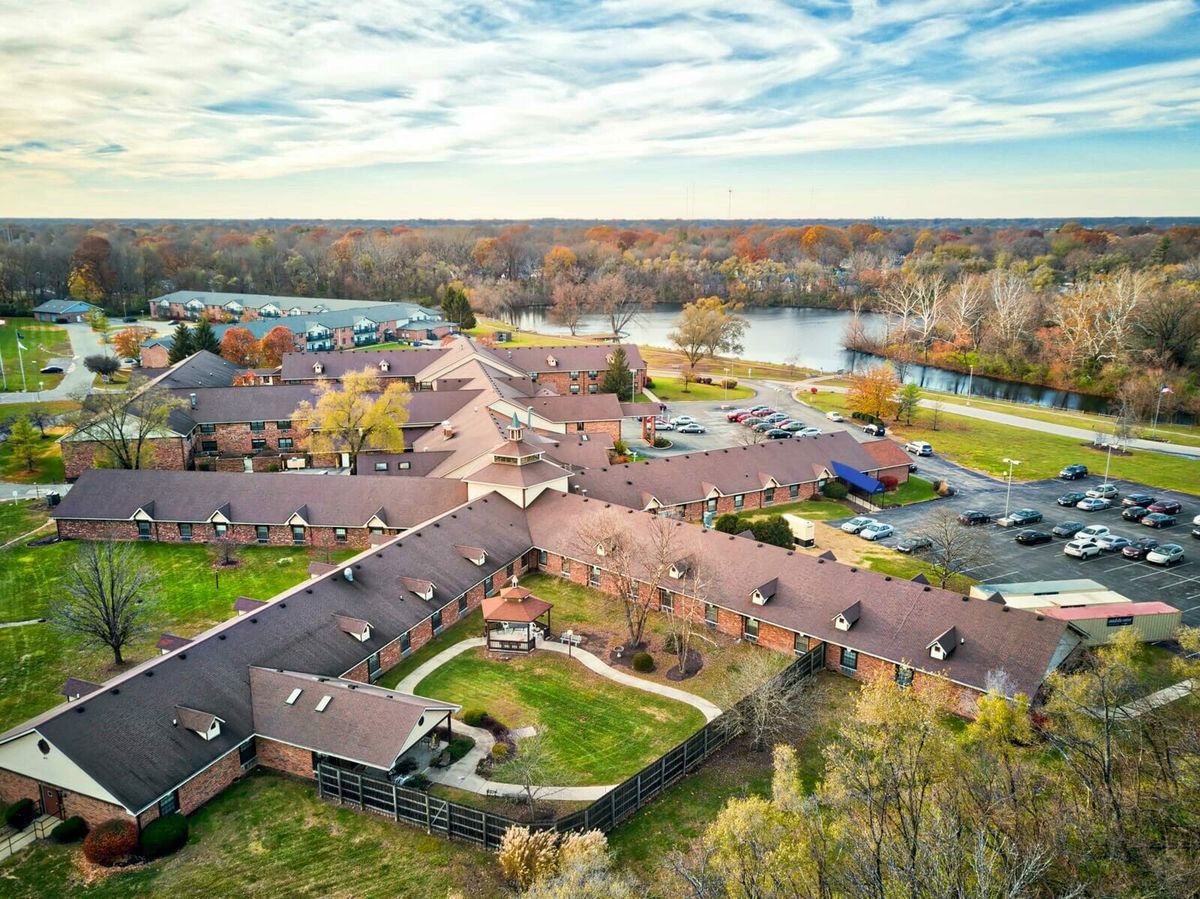
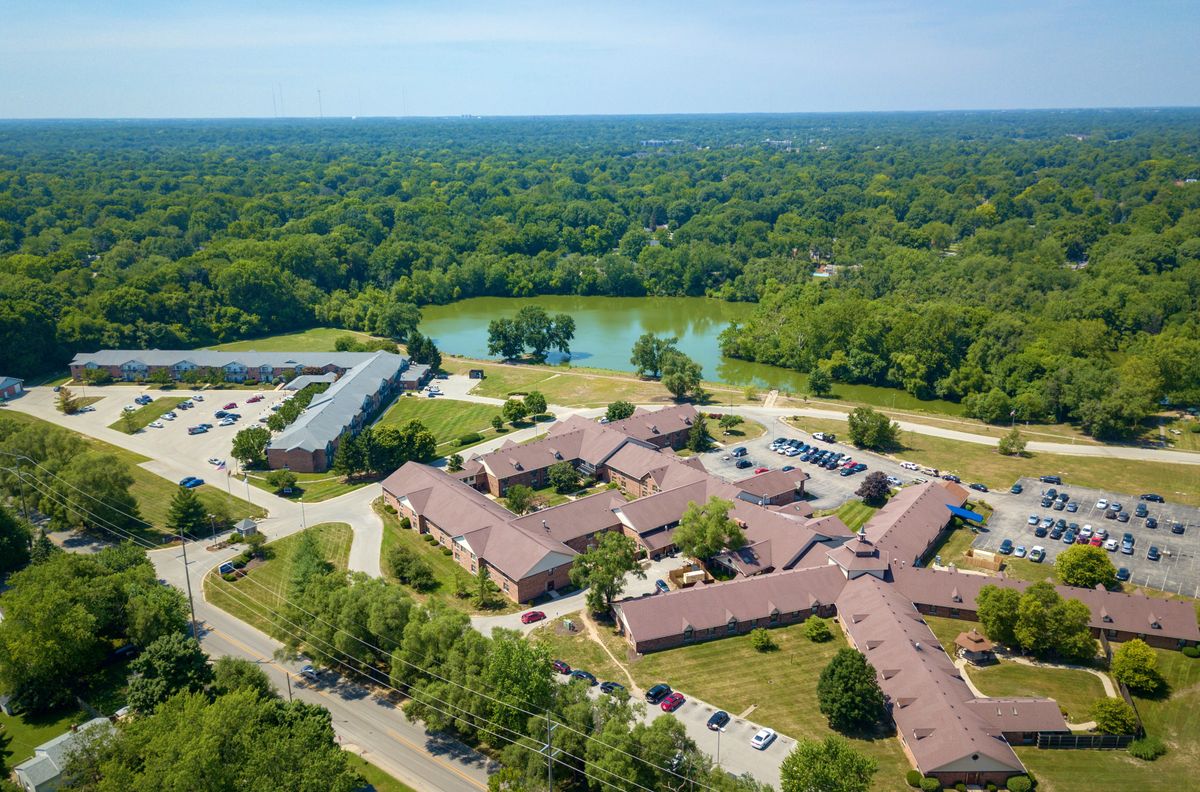
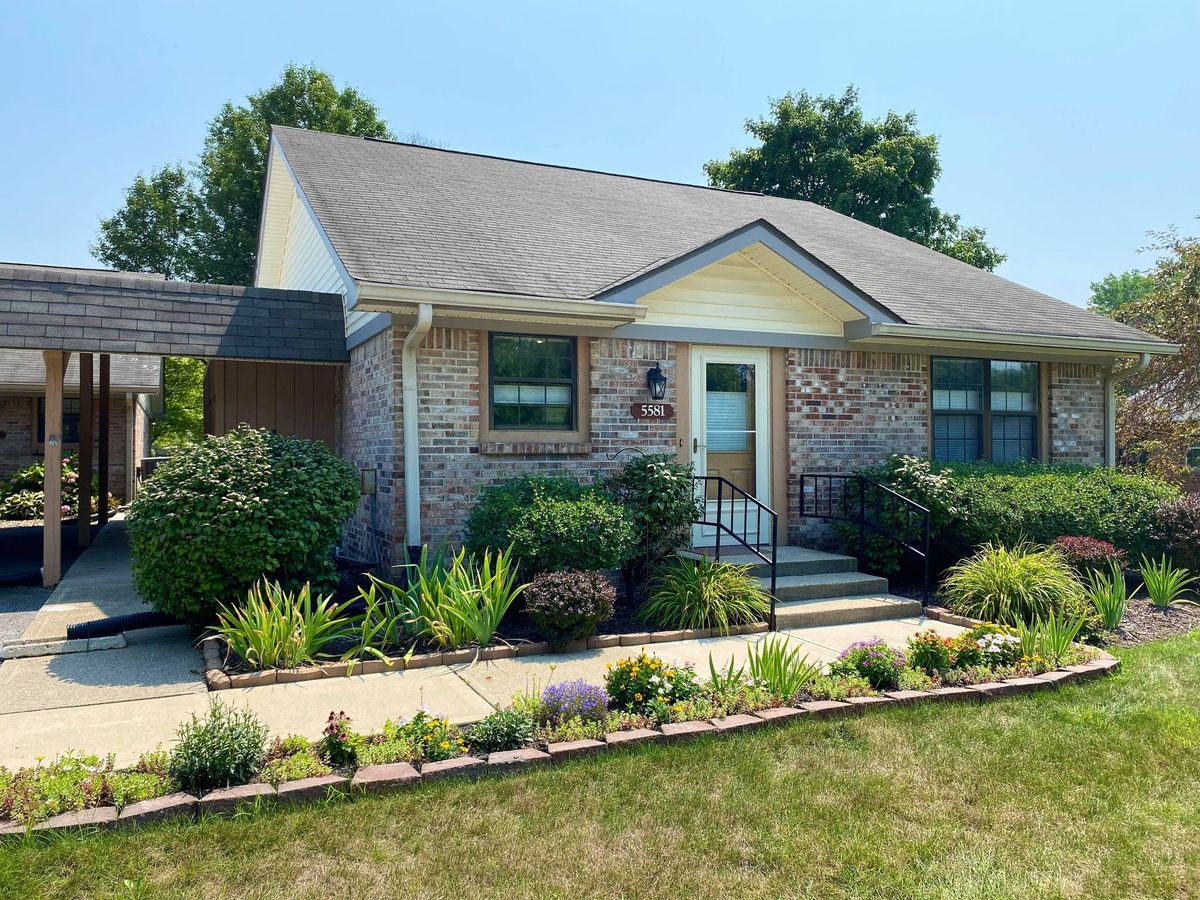
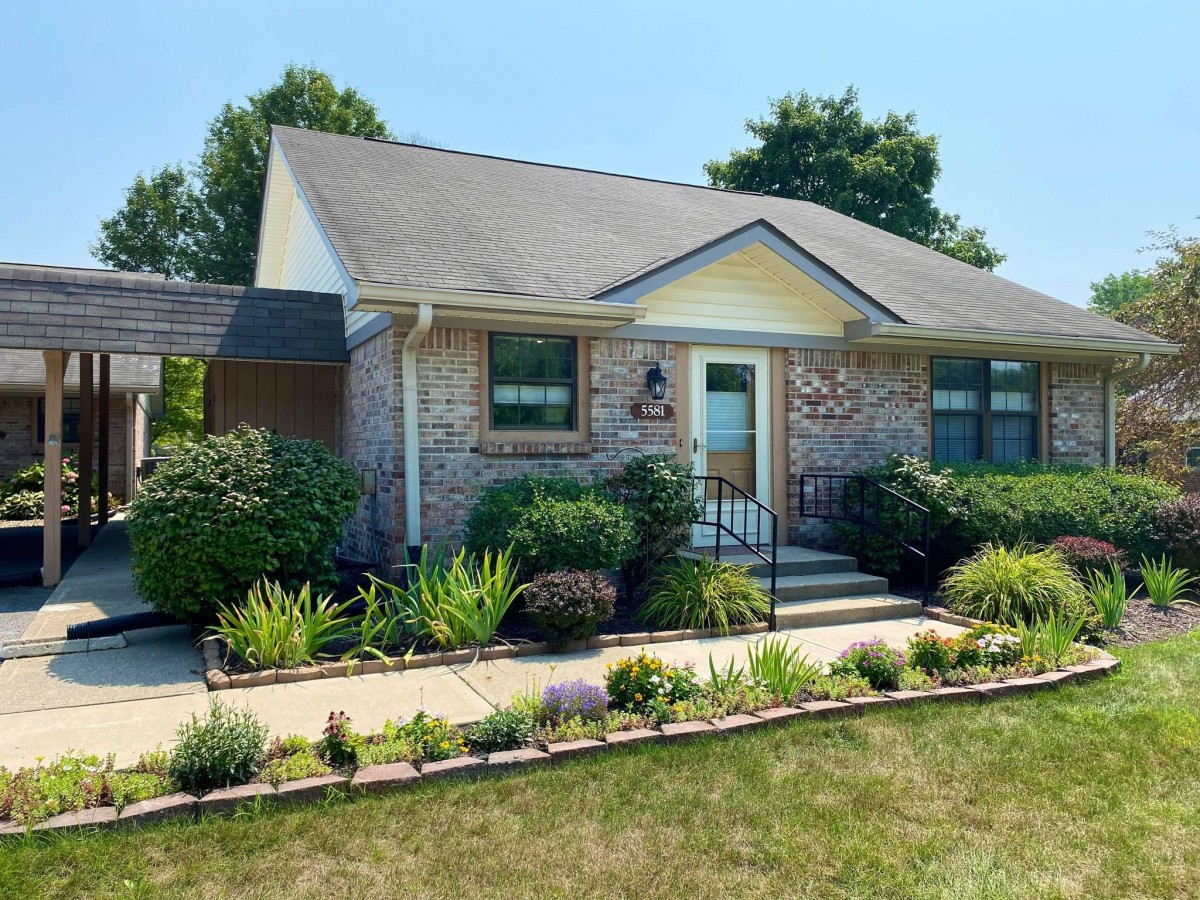
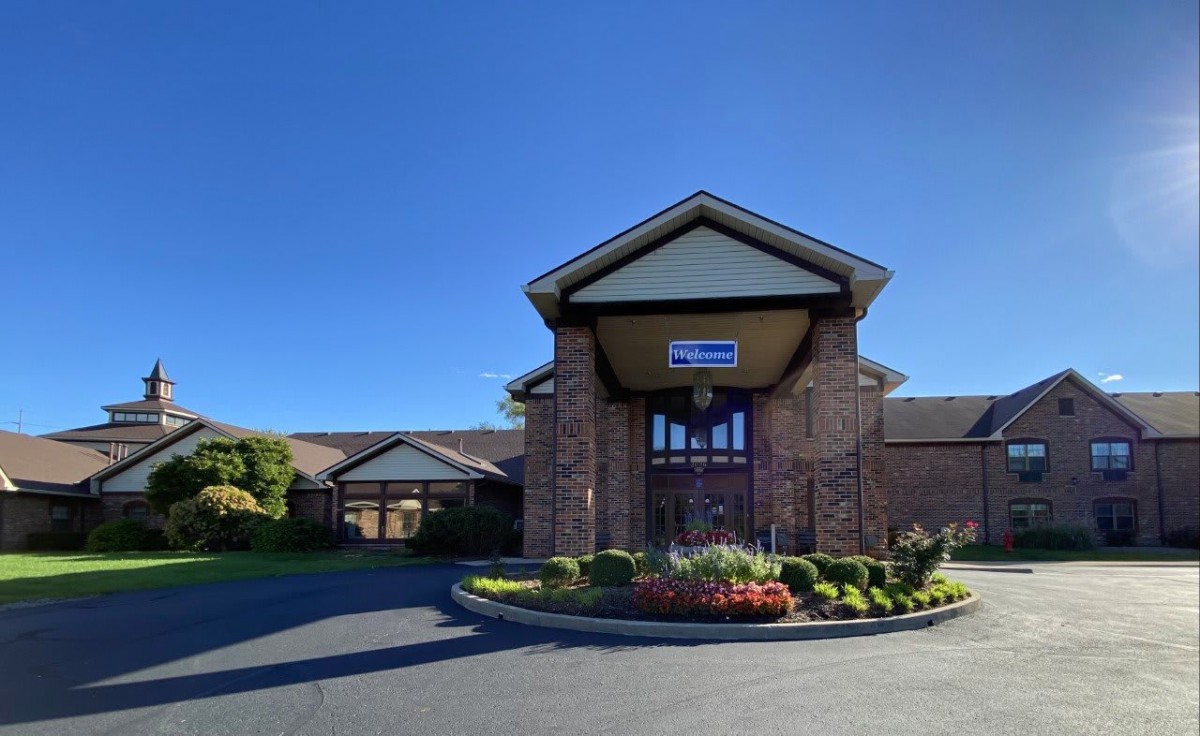
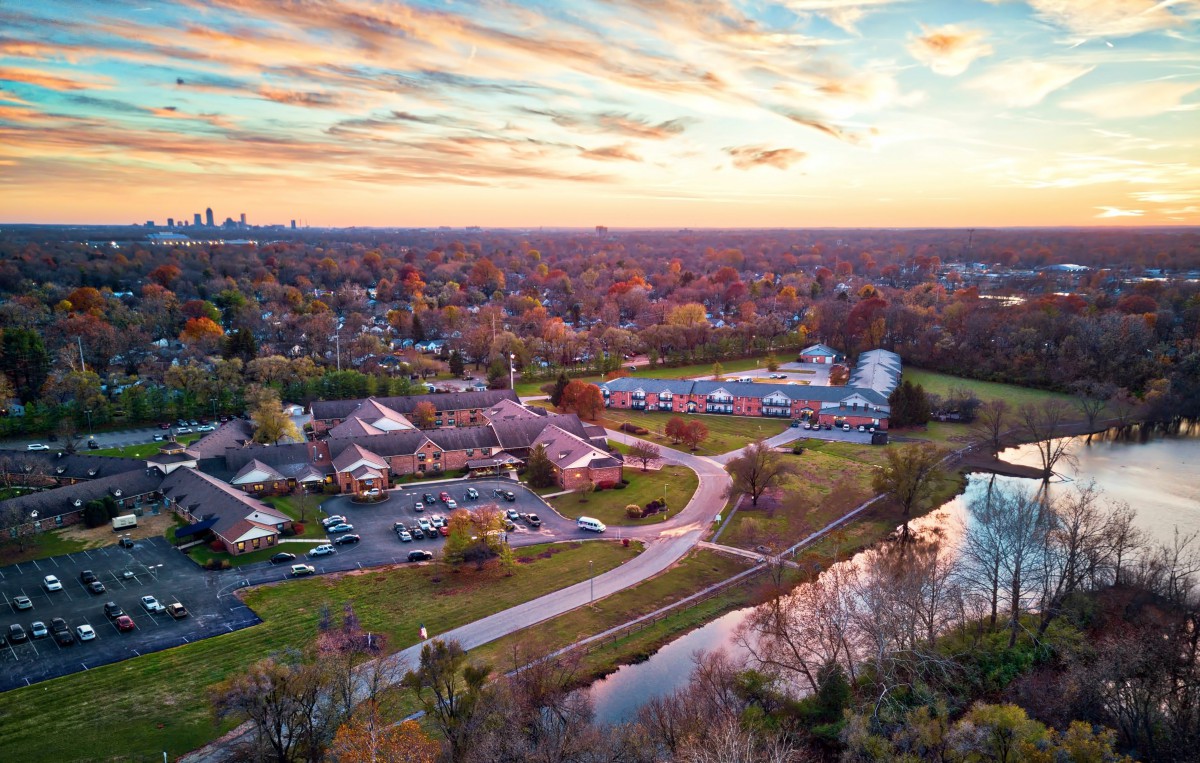
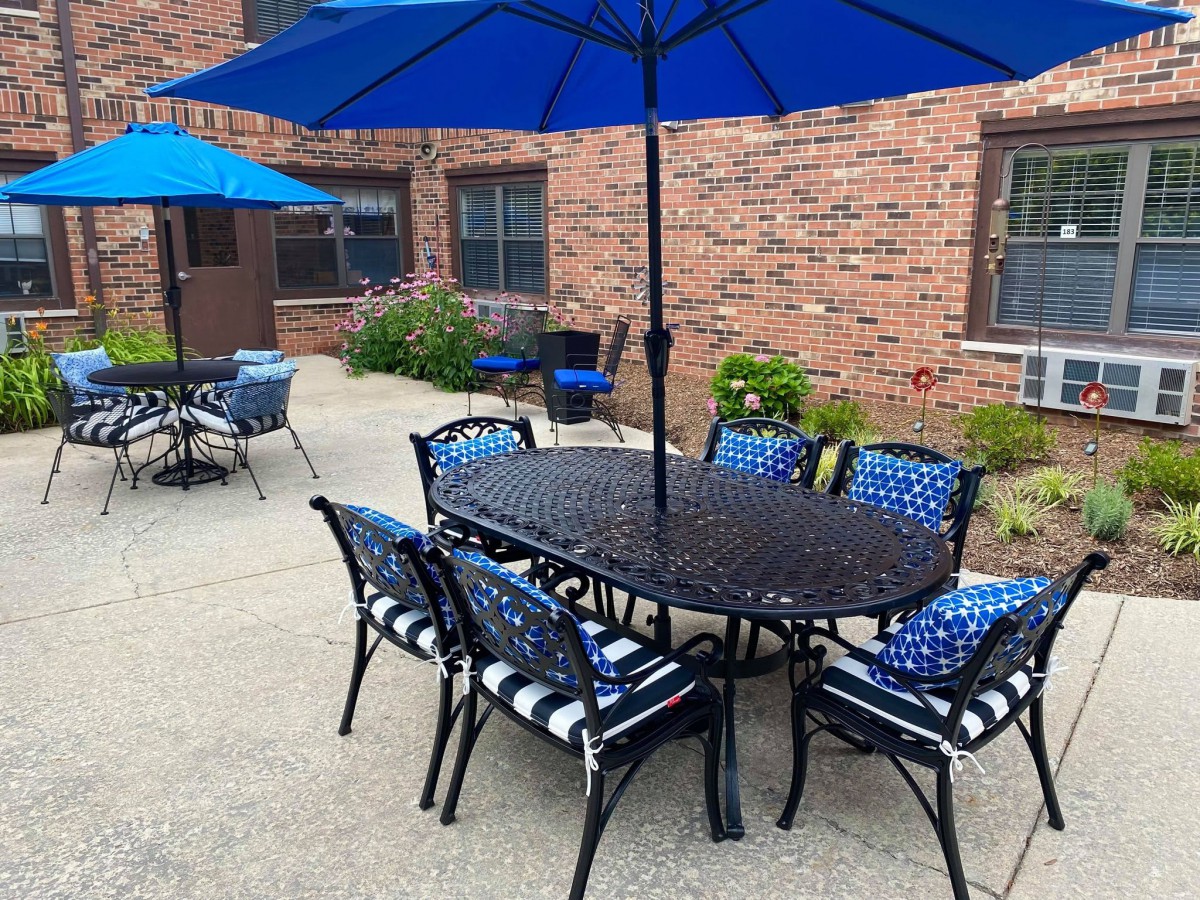
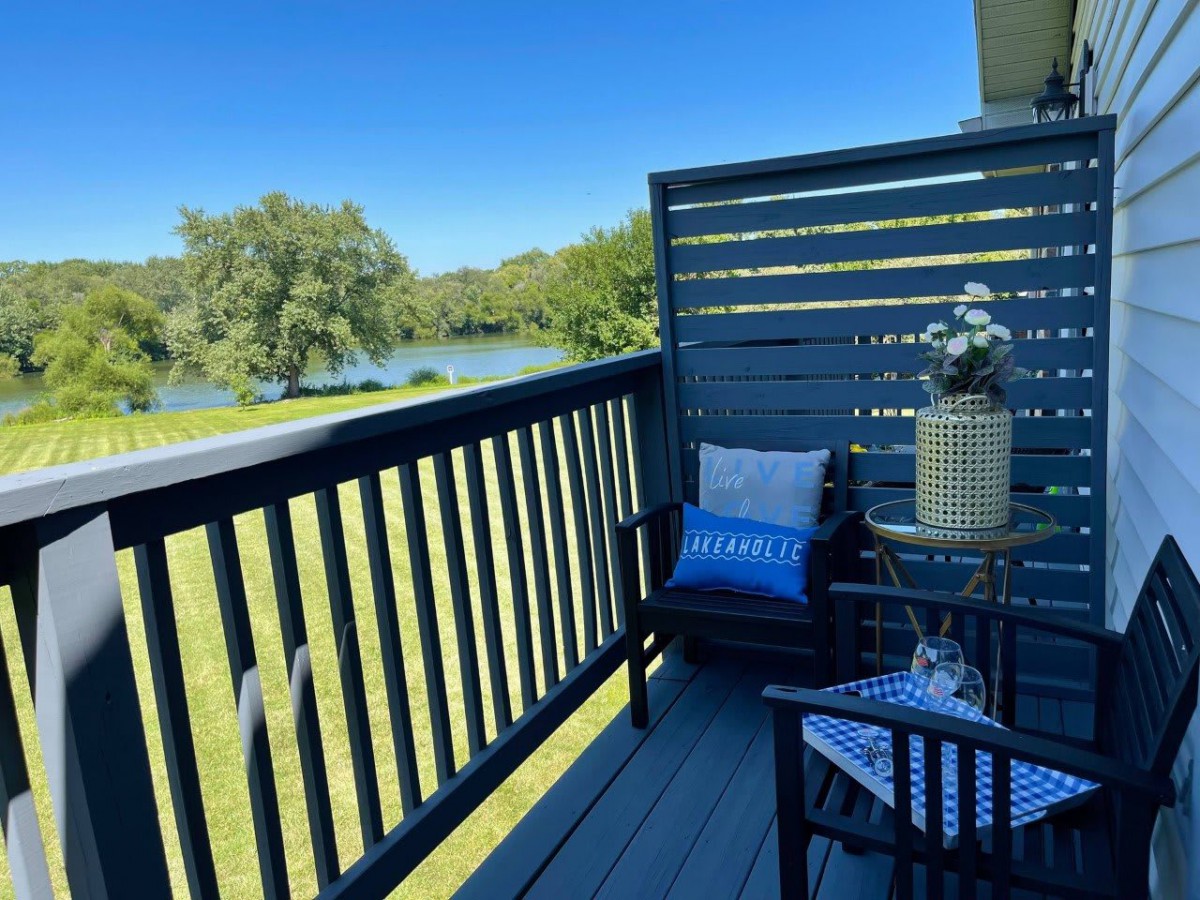
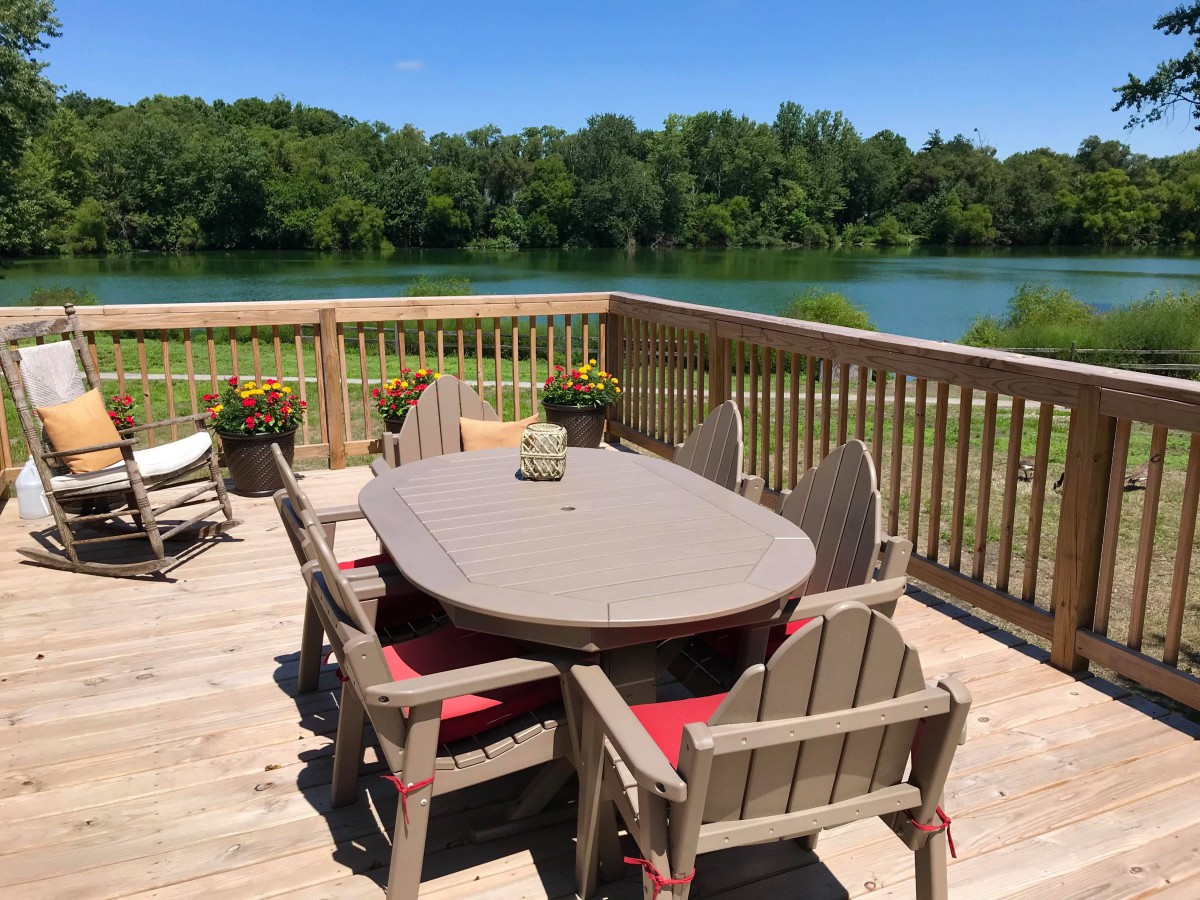
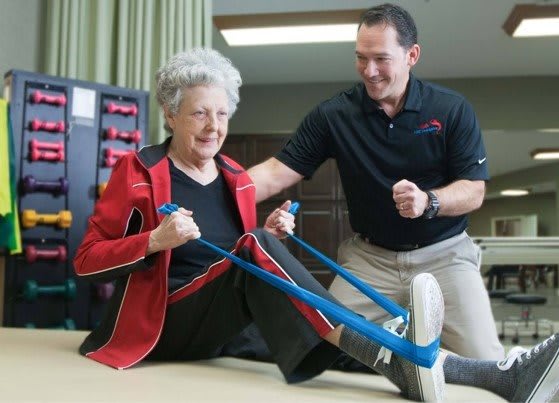
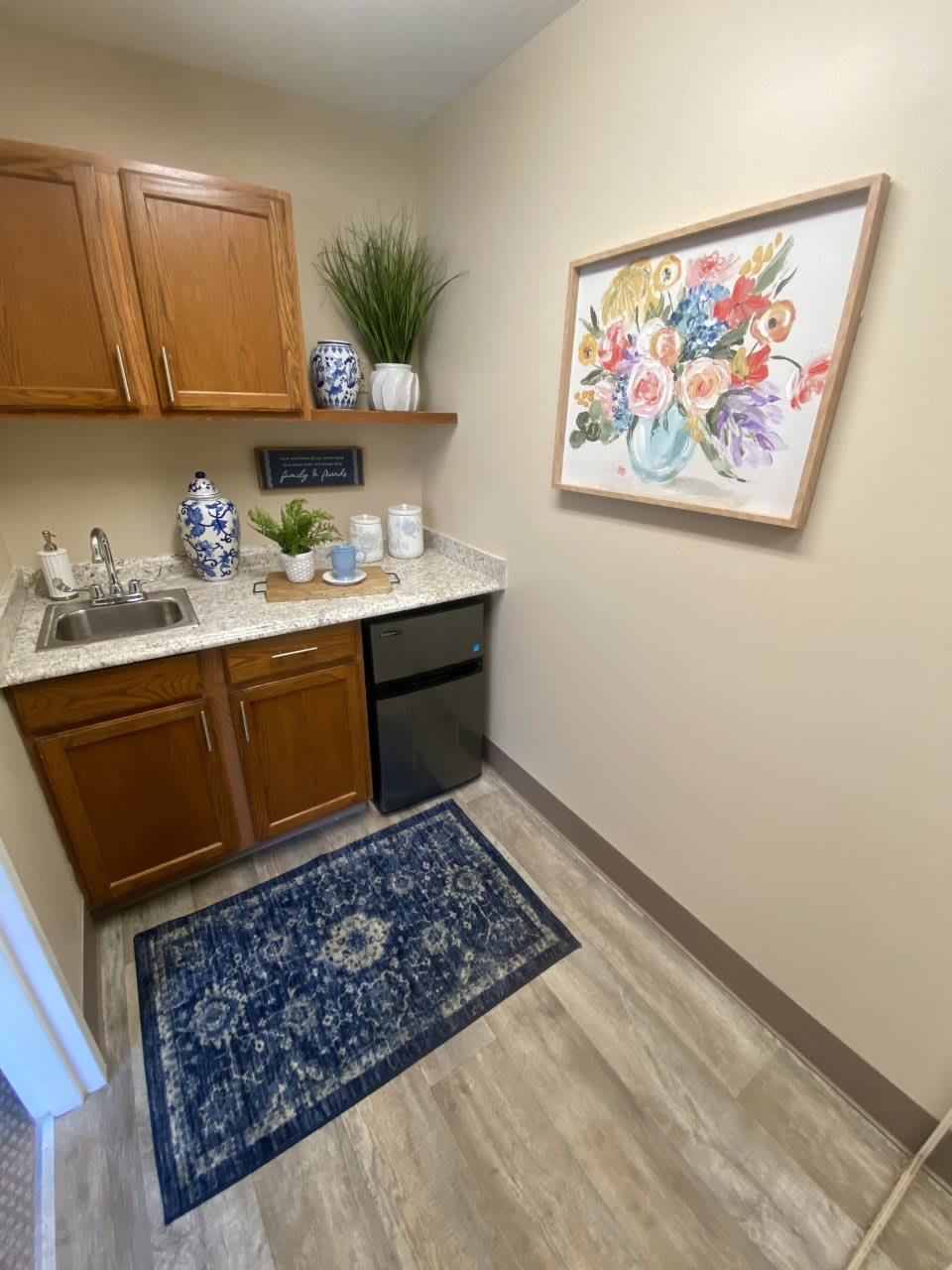
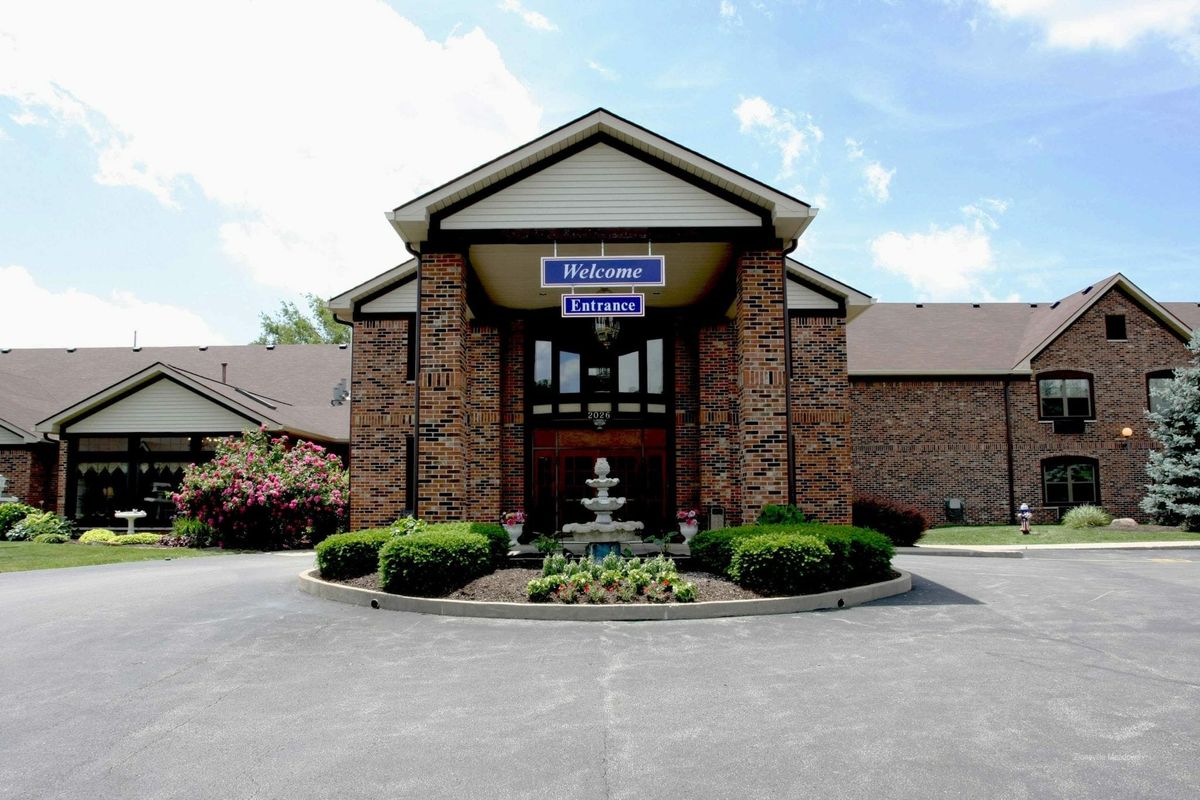
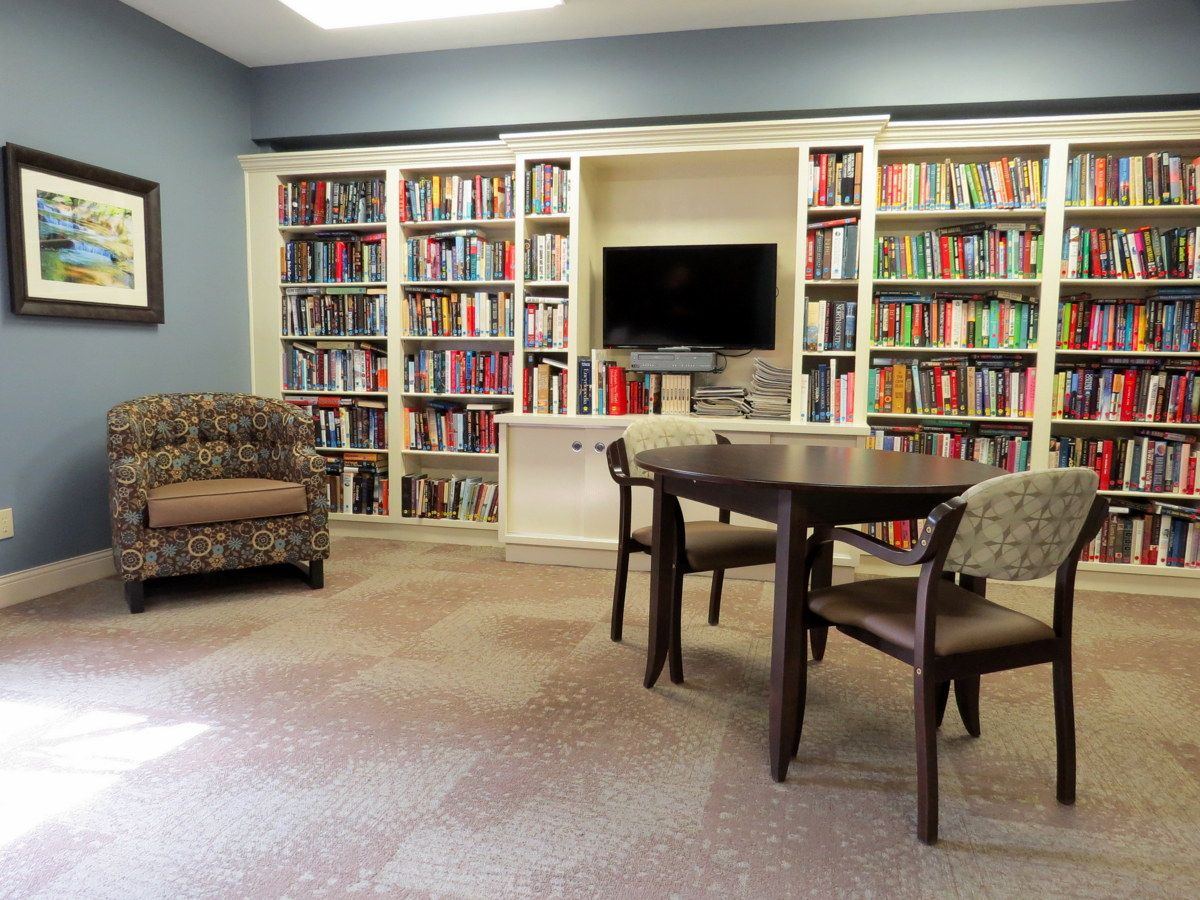
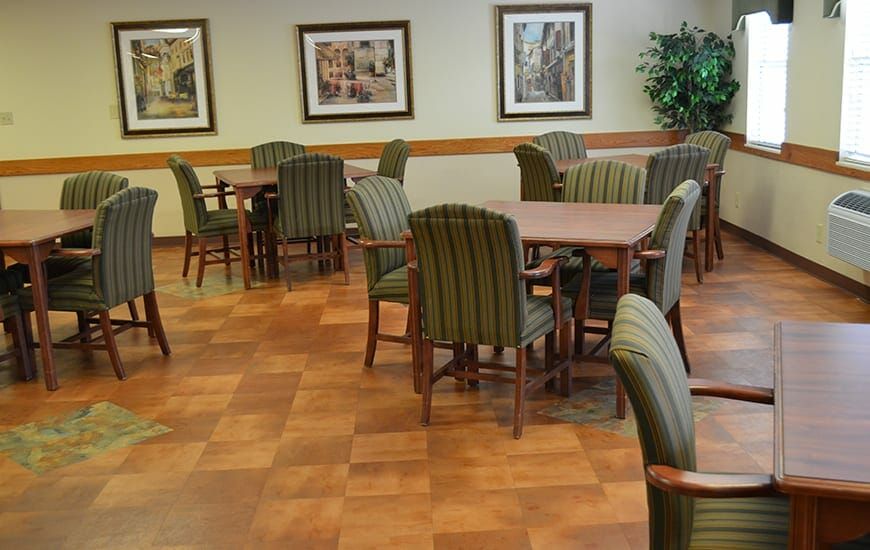
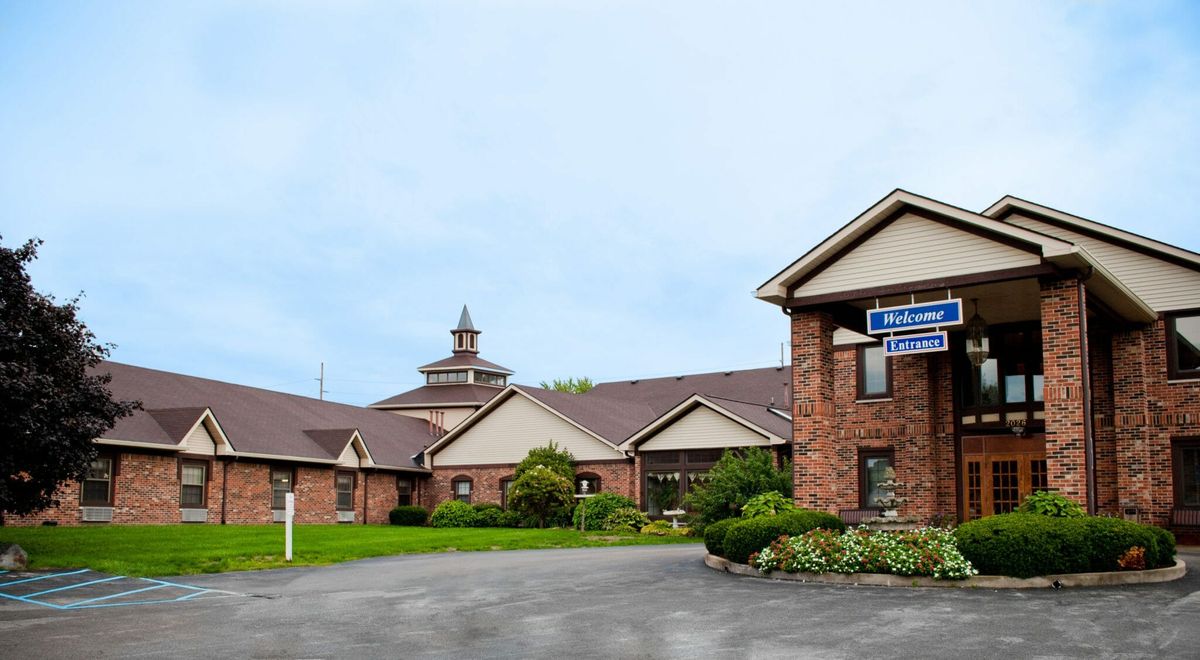
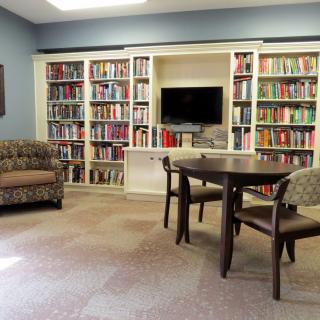
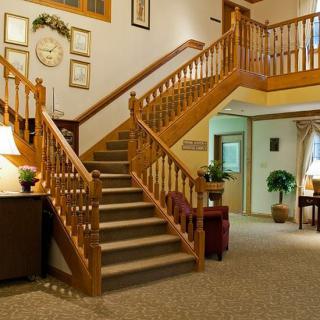
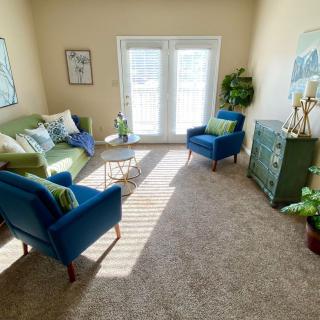
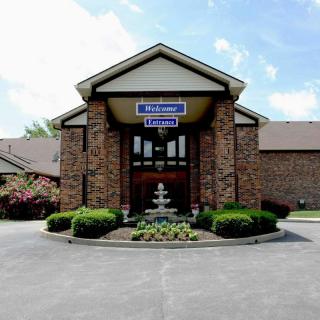
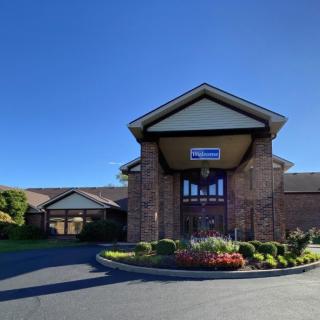
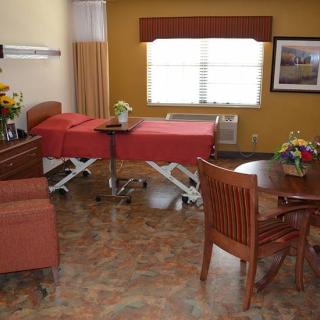
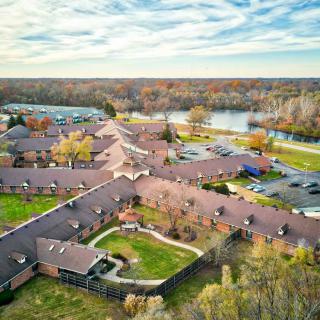
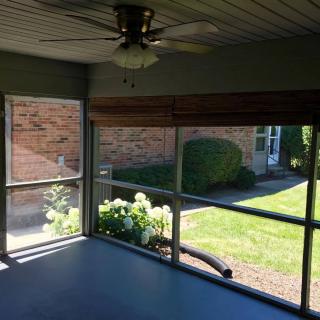
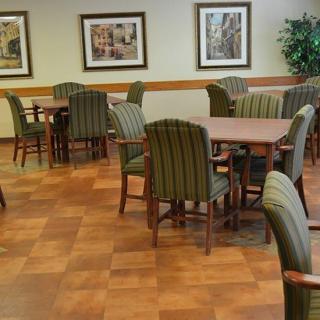
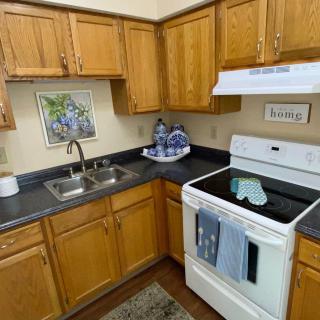
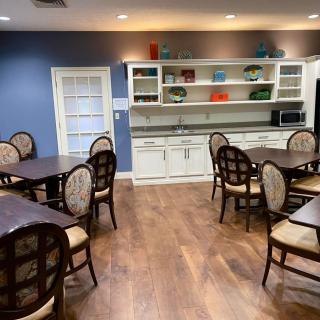
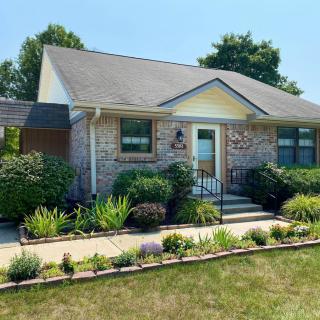
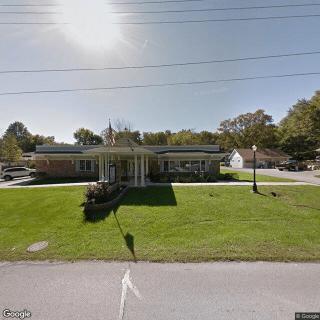
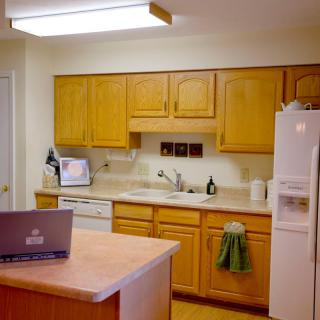
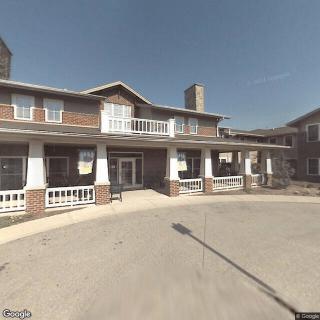
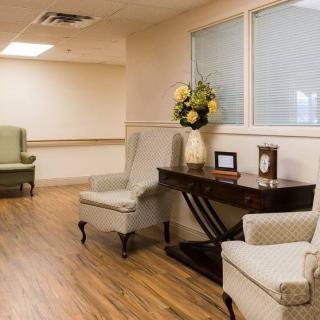
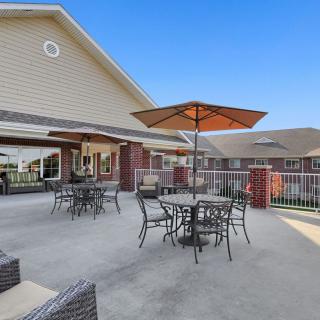
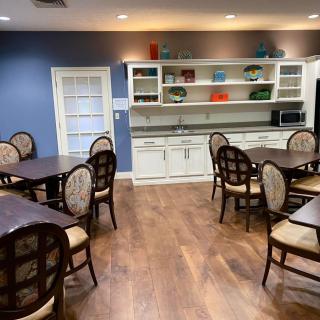
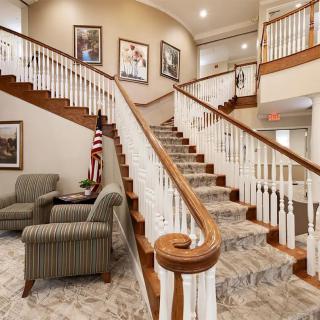
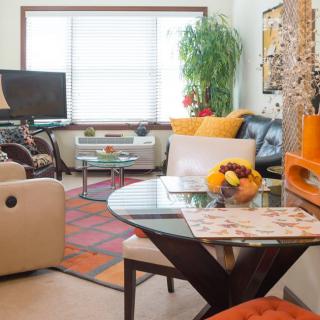
American Village on seniors.fyi includes 47 photos including images showing interior, decor, landscaping, bedroom, living room, nature, lake, kitchen, and more.
Nearby Communities
American Village Lincoln Lodge
Indianapolis, IN
Comprehensive care package (independent, assisted, and memory care) with 24/7 supervision, memory programming, mental wellness services, furnished units, and on-site dining.
Visiting Nurse Svc Inc
Indianapolis, IN
4.2 from 15 reviews
$4,300 / month
Competitive private-room price with a location featuring extensive nearby amenities (dining, parks, pharmacies, transport, worship, entertainment).
Creekside Health And Rehabilitation Center
Indianapolis, IN
4.2 from 113 reviews
Well-maintained facility with attentive staff and comprehensive care.
Royal Comfort Home Care, LLC
Indianapolis, IN
3 from 4 reviews
Convenient location with nearby amenities for residents.
Always and Forever Comfort Care LLC
Indianapolis, IN
4.6 from 9 reviews
Very convenient location with close access to parks, dining, healthcare, worship, theater, and transit.
Kesslerwood Place
Indianapolis, IN
4.3 from 92 reviews
$2,098 to $4,348 / month
Warm, welcoming atmosphere with attentive staff and engaging activities
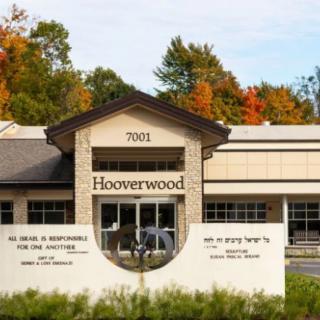
Hooverwood
Indianapolis, IN
3.8 from 39 reviews
Clean, well-maintained facility with friendly staff.
Traditions at Solana
Indianapolis, IN
4.3 from 105 reviews
$3,295 to $4,295 / month
Caring staff and a beautiful, engaging community.
Story Cottage at Meridian Hills
Indianapolis, IN
$9,200 / month
Memory care available in a cozy, upscale assisted living setting with nearby amenities.
Dementia, including Alzheimer’s disease, is often mischaracterized in terms of lethality as it leads to complications that can be fatal rather than being a direct cause of death; it causes a progressive decline in cognitive and physical health, making patients vulnerable to infections and other health crises. Effective management of nutrition, hydration, and communication is crucial in patient care, with palliative care becoming vital in advanced stages to enhance comfort and quality of life while caregivers play a key role amidst the challenges posed by the disease.
Reminiscence therapy helps individuals with dementia recall past memories through structured discussions and meaningful objects, enhancing mood, relationships, and sense of identity while celebrating their lives. It can be practiced in formal settings or at home, requiring sensitivity to personal histories and cultural backgrounds.
Reminiscence therapy is a structured method for older adults, especially those with dementia, to share life stories using prompts and sensory cues, fostering emotional well-being, social engagement, and self-identity. It aims to improve quality of life by enhancing interpersonal connections and cognitive stimulation while requiring careful facilitation to avoid distressing memories.
Get PricingAsk A QuestionSchedule A TourContact Senior Advisor
By clicking submit, you agree to our Partner's Terms of Use. You
also consent to receive calls and texts, which may be autodialed, from our Partner. Your consent is not a condition to
using our Partner's service. Please visit our Partner's Privacy Policy for information about their privacy practices.

 150 resident community capacity
 1-bedroom apartments
 Detached homes
 Assisted Living
 Independent Living
 Memory Care
 Skilled Nursing Facility
 Cats allowed
 Dogs allowed
 Activities off-site
 Air-conditioning
 Bath tubs
 Beautician on-site
 Cable or satellite TV
 Computer center
 Devotional services off-site
 Dining room
 Financing advice
 Fitness room
 Full kitchen
 Fully furnished
 Gaming room
 Garden
 Ground floor units
 Guest parking
 Handicap accessible
 Hiking trails
 Housekeeping services
 Indoor common areas
 Laundry
 Move-in coordination
 Outdoor common areas
 Overnight guests
 Party space
 Private bathrooms
 Respite or short term stays offered
 Restaurant-style dining
 Security gate
 Small library
 Telephone
 Wellness center
 Wheelchair accessible showers
 Wi-Fi/high-speed internet available
 Indianapolis International (13 miles away)
 Community operated transportation
 12-16 hour nursing
 24-hour call system
 Ambulatory care
 Assistance with bathing
 Assistance with dressing
 Assistance with transfers
 Diabetes diet
 Diabetic care
 High acuity care
 Hospice care
 Incontinence care
 Medication management
 Mental wellness program
 Physical therapy
 Special dietary restrictions
 Transportation arrangement (medical)
 Art classes
 Book club
 Catholic services
 Concierge services
 Cooking classes
 Day trips and outings
 Educational speakers / life long learning
 Games
Games Happy hour
 Karaoke
 Live musical performances
 Wii bowling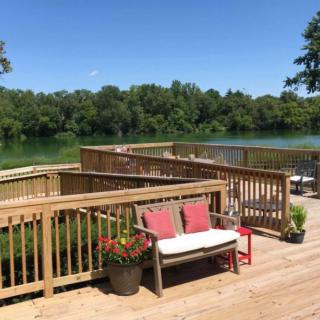
 Comprehensive care package (independent, assisted, and memory care) with 24/7 supervision, memory programming, mental wellness services, furnished units, and on-site dining.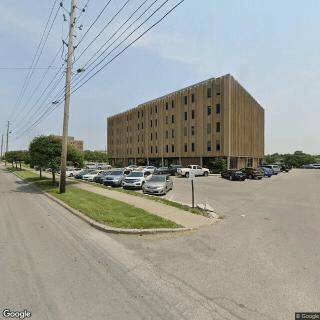
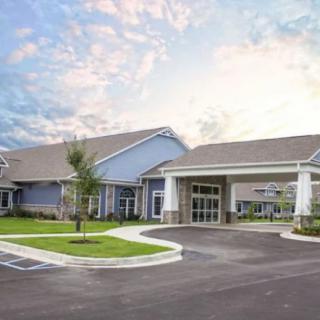
 Are Dementia and Alzheimer's Disease Lethal? A Comprehensive Exploration
 Exploring the Power of Reminiscence Therapy for Individuals With Dementia
 An In-Depth Look at Reminiscence Therapy in Dementia Care