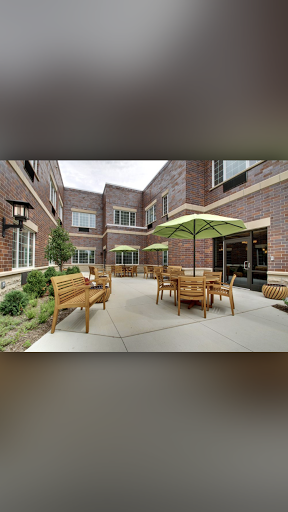


6501 South Cass, Westmont, IL 60559
For more information about senior living options: (866) 208-4318
Overall Review of Bria Of Westmont
Pros
 Some staff are nice.
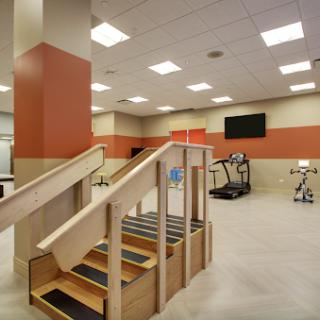
- The therapy is wonderful.
- The nursing care has been good.
- The nurses are very attentive and communicate changes to families.
- The facility is better here than other places.
- The staff care from the heart, and that care flows.
- Therapy helps residents progress, including toileting themselves and walking with a walker.
Cons
 The place is horrible and under-staffed.
- Residents can fall when no one answers the nurse button for help.
- Some staff sit at nursing stations playing with their cellphones.
- The food is bland and horrible.
- The administrator never returns phone calls about missing toiletries.
- The facility is unorganized, stinky, and dirty.
- The for-profit nature is cited as a reason for short-staffing and unreimbursed losses.
Review
Bria Of Westmont is best suited for seniors who need short- to mid-term rehabilitation with an emphasis on physical and occupational therapy, and for families who can stay actively involved to oversee care and push for timely responses. The strongest case for this community rests on the therapy teams and the positive reports from families who saw tangible progress, walking with assistance, regaining toileting independence, and clear communication from nurses about changes in health. It is less appropriate for those seeking a consistently seamless day-to-day experience, especially if strong staffing ratios, rapid response to call lights, and uniform quality of meals are non-negotiables.
Pros that recur in the reviews include a capable therapy program and several nurses who genuinely care. When therapy is dialed in, residents often make meaningful strides, and some families note better overall safety and a calmer environment as care plans take effect. In these cases, the facility feels more like a supportive bridge to greater independence, rather than a place of languishing decline. A few families also highlight moments of responsive communication from certain staff members that helped them feel informed and involved. In short, the therapeutic side can deliver meaningful, life-enhancing outcomes for motivated residents.
However, the cons repeatedly pull in the opposite direction and cannot be ignored. The most persistent concern is staffing: under-staffing translates into delays, missed call lights, and inconsistent coverage between day and night shifts. Several reviewers describe a sense that needs go unanswered for too long, which is especially troubling for fall risks or residents who signal distress. Food quality is another recurring pain point, with several accounts of bland or unappealing meals, undermining overall well-being and appetite. Administrative responsiveness also features prominently as a problem area, with multiple families reporting difficulty in getting timely returns on calls or follow-ups after issues arise.
These positives and negatives must be weighed in a focused, practical way. The strong therapy outcomes can offset some risk and dissatisfaction for residents who arrive with rehabilitative goals and a plan to monitor progress closely. Yet if daily safety, reliable staffing, and a consistently pleasant living environment are top priorities, the gaps in responsiveness and quality control become hard to overlook. The sensory reality of a facility that can feel disorganized, coupled with reports of unreported falls or health concerns, makes it essential to verify current leadership stability, care protocols, and observable staffing cadence during visits.
For families navigating a decision, ask pointed questions before committing: what are the current nurse-to-resident ratios on day and night shifts, and how quickly are call lights answered? what is the process for reporting and tracking falls or health changes, and who is the direct point of contact for families? how is therapy scheduled and how consistently is progress communicated to loved ones? what meals are available as alternatives to the standard menu, and can dietary needs be accommodated? and finally, who oversees quality control and how are complaints escalated? These specifics will reveal whether Bria Westmont’s strengths in rehab can be reliably leveraged while the operational weaknesses are mitigated.
Ultimately, Bria Of Westmont delivers a mixed promise. For residents whose primary need is effective rehabilitation and whose families are prepared to monitor care actively, it can be a viable option with real upside. For those whose criteria center on steady staffing, rapid responsiveness, and consistently superior dining and upkeep, alternatives deserve serious consideration. The facility is not uniformly failing, but the balance of strengths against the risks leans toward caution: therapy success must be matched by dependable daily care and transparent administration to translate into lasting peace of mind for families.
 215 resident community capacity
 Skilled Nursing Facility
 Air-conditioning
 Beauty salon
 Cable or satellite TV
 Computer center
 Dining room
 Fitness room
 Fully furnished
 Gaming room
 Garden
 Housekeeping services
 Kitchenette
 Move-in coordination
 Outdoor space
 Private bathrooms
 Restaurant-style dining
 Small library
 Telephone
 Wellness center
 Wi-Fi/high-speed internet available
 Chicago Midway (11 miles away)
 Community operated transportation
 12-16 hour nursing
 24-hour call system
 Activities of daily living assistance
 Assistance with bathing
 Assistance with dressing
 Assistance with transfers
 Diabetes diet
 Medication management
 Mental wellness program
 Special dietary restrictions
 Concierge services
 Planned day trips





 Understanding Home Health Care: A Comprehensive Guide
 Home Health Care Demystified: A Comprehensive Guide for Families and Caregivers
 Seniors and Modern Transportation: Exploring Uber, Lyft, and Other Ride-Hailing Options