For more information about senior living options: (866) 208-4318
4.4 from 53 reviews
5 stars
43
4 stars
2
3 stars
1
2 stars
0
1 stars
7
King Bruwaert House Costs & Pricing
King Bruwaert House offers a range of living options with pricing that reflects its quality and services in comparison to the regional averages. For instance, the monthly cost for a studio unit at King Bruwaert House is $4,106, which is competitively lower than DuPage County's average of $4,580 while being slightly higher than the state average of $4,028. The 1-bedroom and 2-bedroom units, priced at $5,718 and $5,901 respectively, exceed the county's and state's rates, but they gain value through exceptional amenities including skilled nursing facilities and specialized programs like memory care, cooking classes, karaoke sessions, and art classes. Semi-private rooms are offered at $8,130 and private rooms at $9,210; these rates are significantly above the county's and state's averages yet showcase a commitment to providing comprehensive care in an enriching environment. Overall, while some costs may be higher than local averages, King Bruwaert House positions itself as a standout option due to its valuable services tailored for residents' well-being and engagement.
Floor plans
King Bruwaert House
DuPage County
Illinois
Studio
$4,106
$4,580
$4,028
1 Bedroom
$5,718
$3,913
$3,527
2 Bedrooms
$5,901
$4,636
$4,208
Semi-Private
$8,130
$5,848
$5,146
Private
$9,210
$5,588
$5,049
Skilled Nursing Facilities with a similar price nearby
Residents consistently describe the food as restaurant-quality and enjoyable.
Dining is one of the most consistently positive topics in the reviews. Multiple residents and visitors describe restaurant-style meals, and several mention a particularly good dining experience like a notable breakfast item or a menu they enjoyed. Residents also mention how meals are served, including delivery to their homes in the independent living setting, and describe the dining room itself as attractive and well set up.
differentiator5 reviews mention this
Skilled nursing care feels personal
Several reviews describe skilled nursing as highly attentive and respectful.
Reviews that mention higher-acuity needs focus on care staff taking time for day-to-day support and treating residents as people. One family describes extraordinary help during a severe stroke, including basic care and small comforts like adjusting what the resident could watch. Other reviews describe long-term skilled nursing as superb, caregiving as caring and efficient, and compassion in the way staff supported a loved one.
common3 reviews mention this
Activities are part of daily life
Residents describe staying engaged through on-site activities and outings.
Several reviews connect life at the community with being able to participate in activities. People mention having many activities to choose from, including exercise opportunities, and families describe staff bringing residents to activities they could observe even when participation was limited. Overall, the reviews suggest activities are actively organized rather than left entirely to residents.
caveat2 reviews mention this
Memory care placement can feel restrictive
Some reviews raise concerns about memory care fit and communication.
A couple of reviews question whether memory care is the right placement when needs are changing. One family says they were pushed toward memory care earlier than they believed was necessary and describe the move decision as frustrating, while another warns to be careful if someone needs memory care or skilled nursing. Together, these accounts suggest the placement process and timing may not match every family’s expectations.
common5 reviews mention this
Grounds and cleanliness get praise
Reviews repeatedly mention clean, well-kept spaces and appealing surroundings.
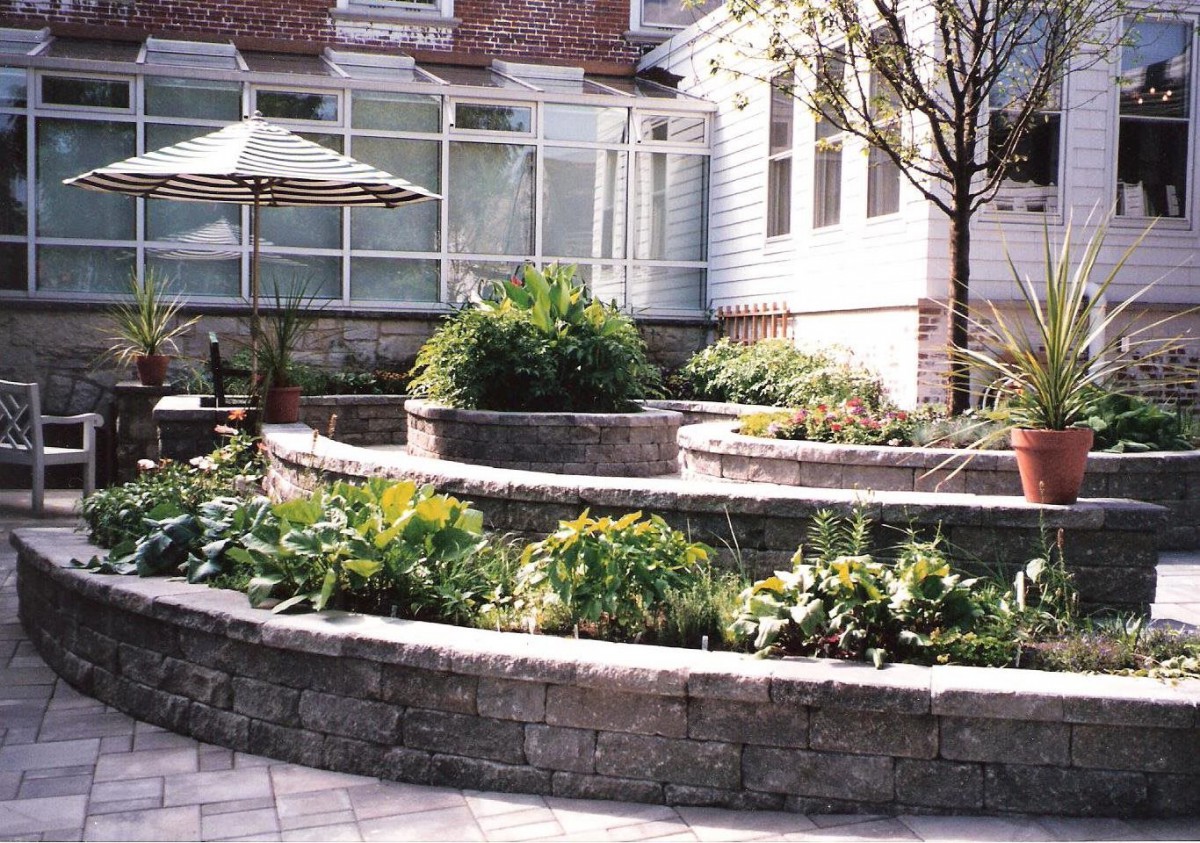
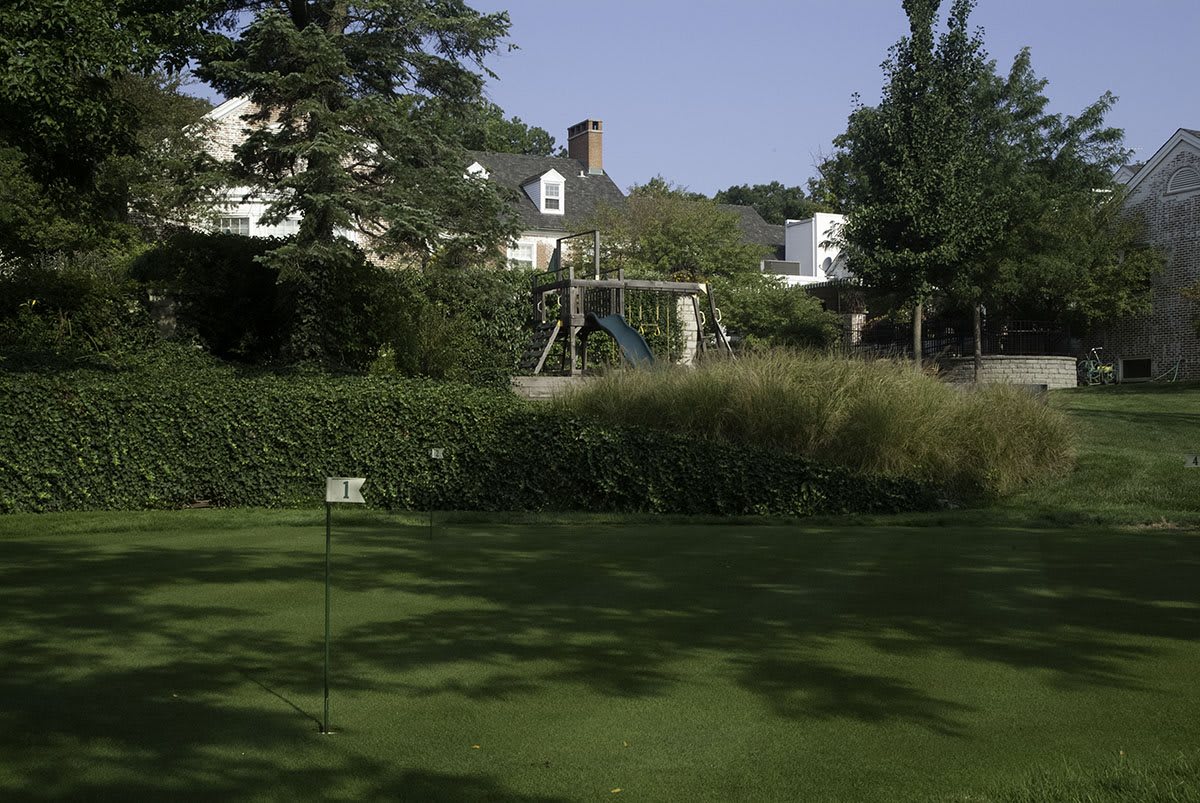
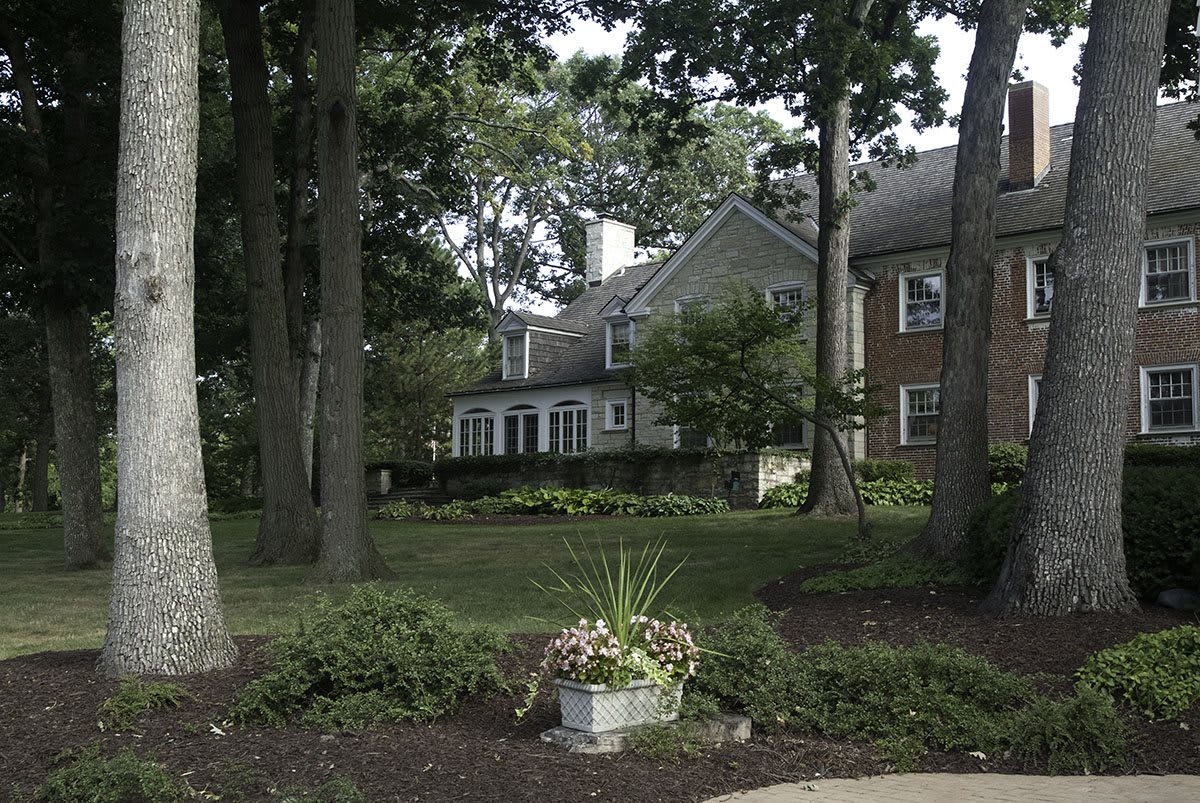
A recurring positive theme is how clean and well maintained the community feels. Multiple reviews highlight spotless conditions and describe the environment as beautifully kept, including grounds that are pleasant to be outside in. Several also point to specific shared spaces like a library, reinforcing that the community’s physical setting is a part of what visitors notice.
How we summarize
Counts show how many written reviews mention each theme; a review can touch several themes, and only frequently mentioned themes are displayed.
Features
Types of Care
Assisted Living
Memory Care
Skilled Nursing Facility
Amenities
Activities off-site
Activities on-site
Air-conditioning
Bath tubs
Beautician on-site
Cable or satellite TV
Devotional services off-site
Devotional services on-site
Ground floor units
Indoor common areas
Outdoor common areas
Private
Respite or short term stays offered
Wi-Fi/high-speed internet available
Transportation
Chicago Midway (8 miles away)
Chicago O'Hare International (14 miles away)
Care Services
Diabetic care
High acuity care
Incontinence care
Medication management
Dining
Guest meals
International cuisine
Low / no sodium
Meals provided
No Sugar
Professional chef
Restaurant style dining
Room service
Vegan
Vegetarian
Activities
Art classes
Catholic services
Cooking classes
Day trips and outings
Devotional activities offsite
Devotional activities on-site
Educational speakers / life long learning
Happy hour
Karaoke
Live musical performances
Live well programs
Protestant services
Wine tasting
Nearby Places of Interest
This part of Burr Ridge, Illinois offers a variety of amenities that may be appealing to seniors looking for a convenient and vibrant community. With several reputable physicians and pharmacies located within a few miles, access to healthcare is easily accessible. Additionally, there are nearby hospitals such as Edward-Elmhurst Health Center and Loyola University Medical Center for more specialized medical care. Seniors can also enjoy the proximity to parks like McCollum Park and Waterfall Glen Forest Preserve for outdoor recreation opportunities. For entertainment, there are theaters like AMC Oakbrook Center 12 and dining options ranging from fast food chains like Chick-Fil-A to local favorites like Dell Rhea's Chicken Basket. The presence of cafes like Starbucks and Panera Bread offer cozy spots to relax and socialize. Overall, this area provides a mix of healthcare facilities, recreational activities, dining options, and cultural attractions that make it an attractive location for senior living in Burr Ridge.
Physicians
Loyola Medicine Burr Ridge (1.4 miles)
All Star Pediatrics (1.8 miles)
Salt Creek Medical Imaging (3.5 miles)
Dupage Medical Group (6.9 miles)
Dupage Medical Group (7.2 miles)
Pharmacies
Walgreens (1.5 miles)
Walgreens (1.6 miles)
Mariano's Western Springs (2.2 miles)
Walgreens (2.2 miles)
Walgreens (3.6 miles)
Walgreens (3.7 miles)
Walgreens (4.1 miles)
Transportation
Metra (1.8 miles)
Metra - Downers Grove Main Street (5 miles)
Metra (6.3 miles)
Atlantic Aviation (8.5 miles)
Concourse B (8.9 miles)
Chicago Midway International Airport (MDW) (9 miles)
King Bruwaert House offers a range of living options with pricing that reflects its quality and services in comparison to the regional averages. For instance, the monthly cost for a studio unit at King Bruwaert House is $4,106, which is competitively lower than DuPage County's average of $4,580 while being slightly higher than the state average of $4,028. The 1-bedroom and 2-bedroom units, priced at $5,718 and $5,901 respectively, exceed the county's and state's rates, but they gain value through exceptional amenities including skilled nursing facilities and specialized programs like memory care, cooking classes, karaoke sessions, and art classes. Semi-private rooms are offered at $8,130 and private rooms at $9,210; these rates are significantly above the county's and state's averages yet showcase a commitment to providing comprehensive care in an enriching environment. Overall, while some costs may be higher than local averages, King Bruwaert House positions itself as a standout option due to its valuable services tailored for residents' well-being and engagement.
King Bruwaert House offers medication management to ensure that residents receive their prescribed medications accurately and on time, which is crucial in managing symptoms of dementia and Alzheimer's disease. This service minimizes the risk of missed doses or incorrect medications that could exacerbate cognitive decline or lead to other health complications. Incontinence care is equally vital, as it addresses a common issue among individuals with memory impairments, providing dignity and comfort while maintaining hygiene. By offering these specialized services, King Bruwaert House creates an environment that supports the physical well-being of residents, allowing them to focus on social interaction and mental engagement--key factors in enhancing their quality of life as they navigate the challenges of dementia.
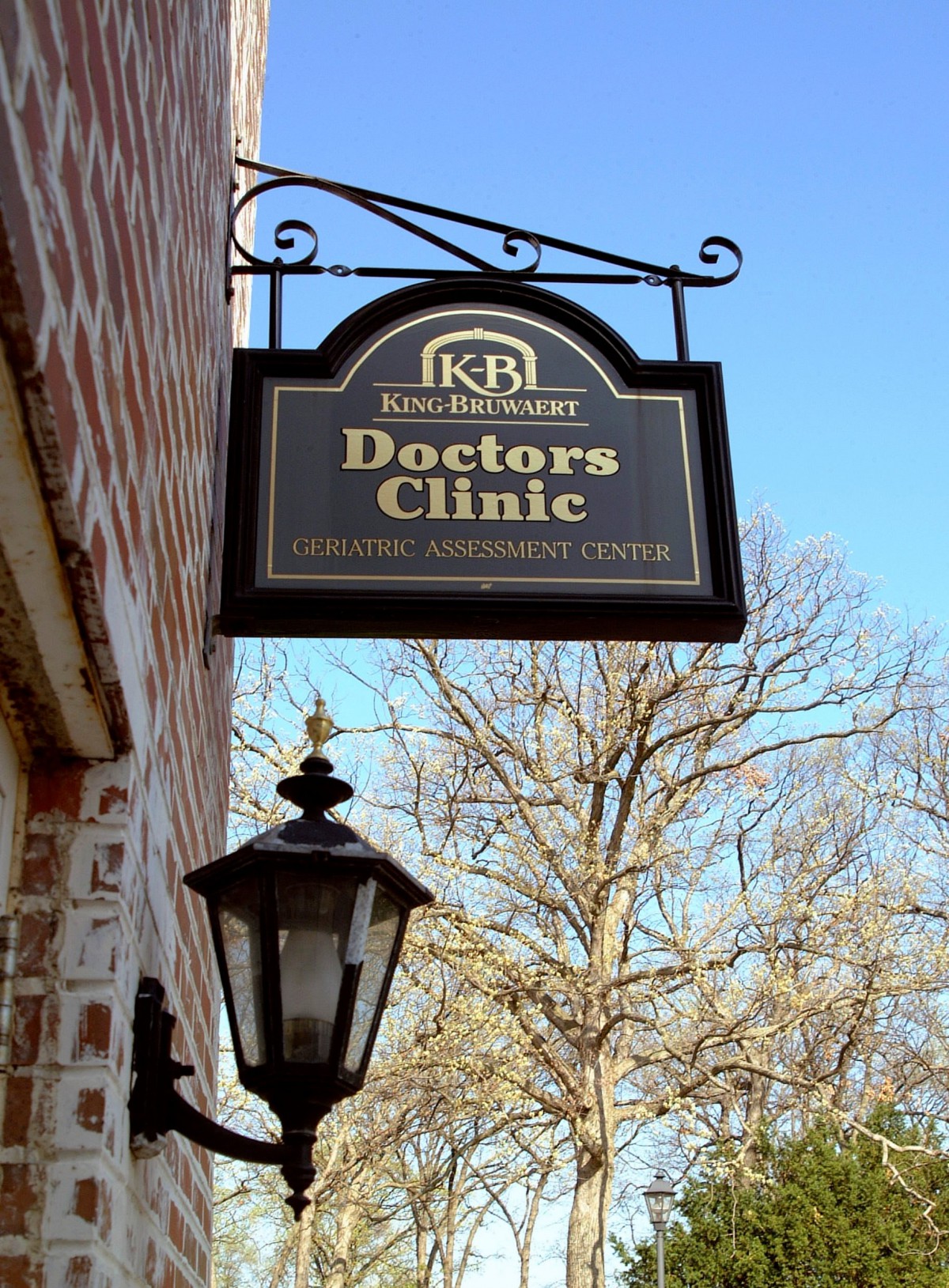
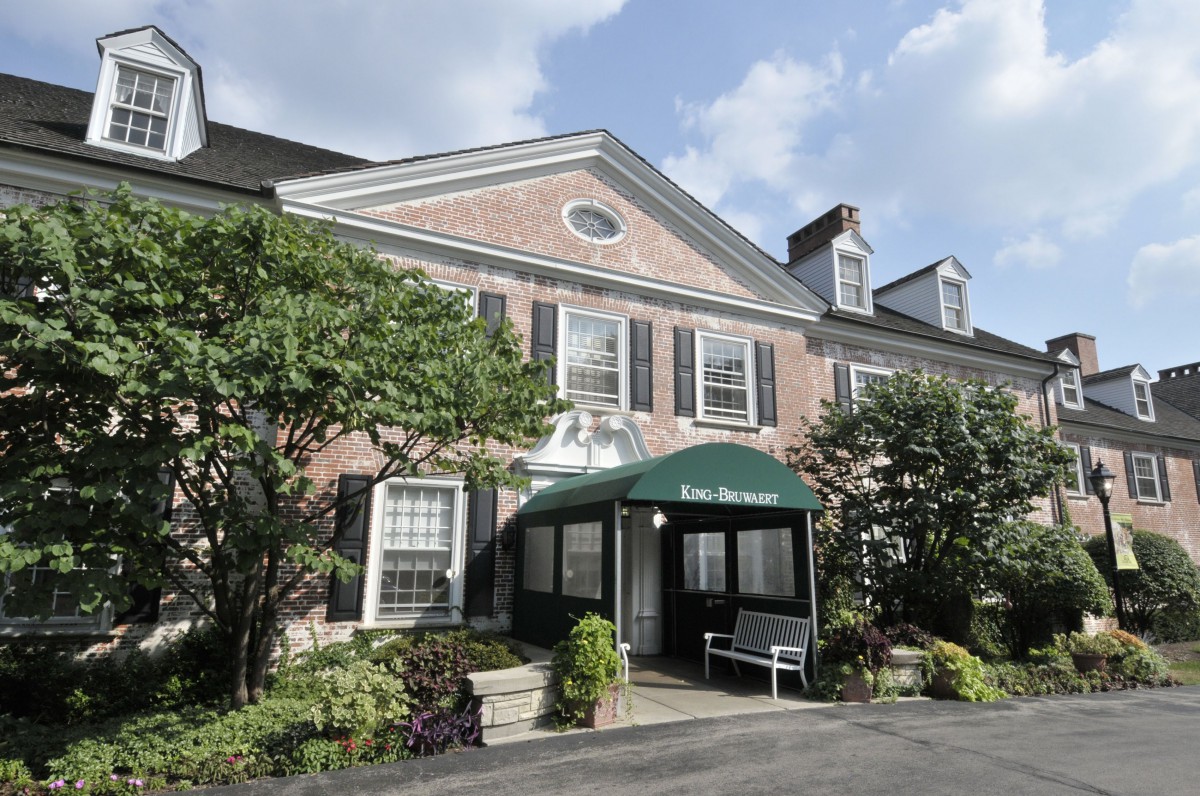
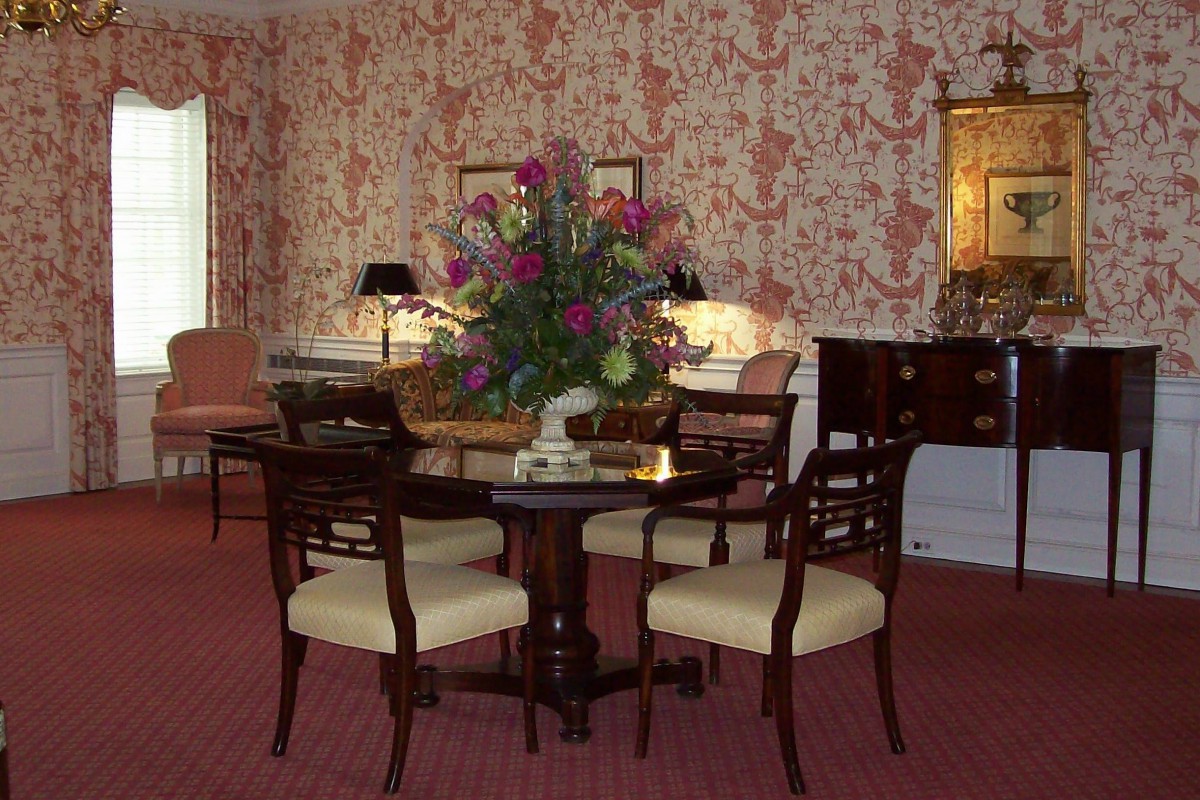
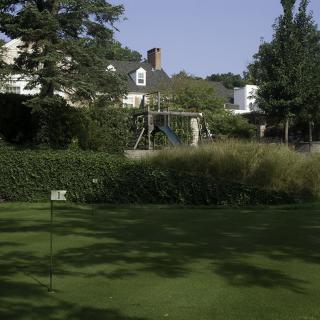
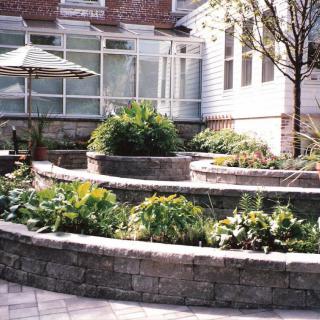
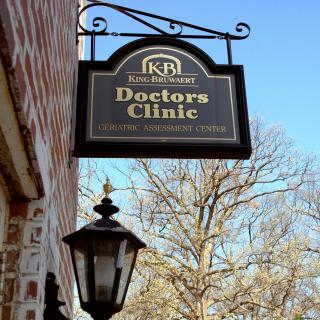
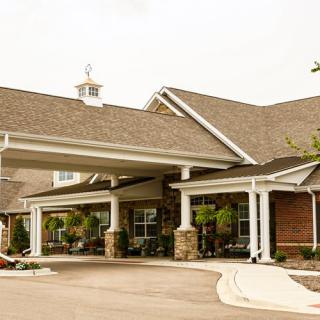
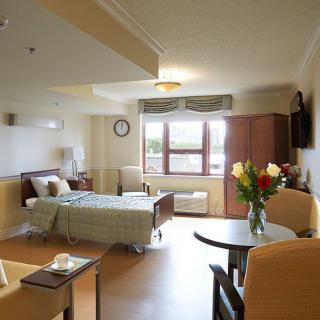
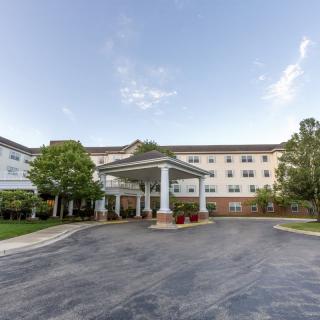
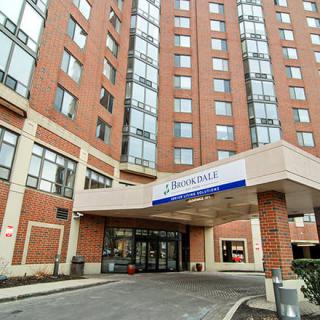
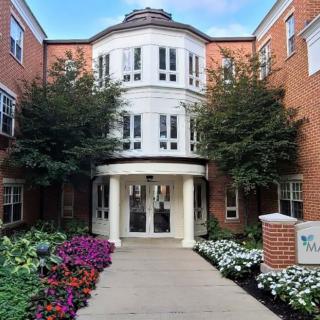
King Bruwaert House on seniors.fyi includes 8 photos including images showing garden, landscaping, building, trees, interior, dining, traditional decor, fountain, and more.
Nearby Communities
Dimensions Living Burr Ridge
Willowbrook, IL
4.1 from 106 reviews
$3,677 to $4,200 / month
Caring, high-touch staff; clean, welcoming atmosphere; engaging activities and a sense of home.
Horizon Assisted Living
Hinsdale, IL
5 from 1 review
Excellent access to parks, healthcare, dining, and transportation.
Golden Age Assisted Living
Hinsdale, IL
5 from 6 reviews
$6,000 / month
Established, compassionate management with organized operations and engaging activities.
Briar Place Nursing
Indian Head Park, IL
3 from 95 reviews
Extensive on-site amenities and 24/7 care.
Independence 4 Seniors
Hinsdale, IL
5 from 11 reviews
Nearby amenities and healthcare services for convenient living.
Chateau Nursing & Rehab Center
Willowbrook, IL
4.1 from 70 reviews
Extensive on-site amenities and activities.
Magnolia Senior Living
Hinsdale, IL
4.6 from 99 reviews
$4,395 to $6,595 / month
Cozy, home-like atmosphere with consistently praised food and attentive staff.
The Birches Assisted Living
Clarendon Hills, IL
4.3 from 41 reviews
$4,423 to $6,765 / month
Strong sense of community with engaging activities and personalized care.
Bria Of Westmont
Westmont, IL
3.1 from 17 reviews
Compassionate staff and effective rehabilitation services.
Dementia, including Alzheimer’s disease, is often mischaracterized in terms of lethality as it leads to complications that can be fatal rather than being a direct cause of death; it causes a progressive decline in cognitive and physical health, making patients vulnerable to infections and other health crises. Effective management of nutrition, hydration, and communication is crucial in patient care, with palliative care becoming vital in advanced stages to enhance comfort and quality of life while caregivers play a key role amidst the challenges posed by the disease.
Reminiscence therapy helps individuals with dementia recall past memories through structured discussions and meaningful objects, enhancing mood, relationships, and sense of identity while celebrating their lives. It can be practiced in formal settings or at home, requiring sensitivity to personal histories and cultural backgrounds.
Reminiscence therapy is a structured method for older adults, especially those with dementia, to share life stories using prompts and sensory cues, fostering emotional well-being, social engagement, and self-identity. It aims to improve quality of life by enhancing interpersonal connections and cognitive stimulation while requiring careful facilitation to avoid distressing memories.
Get PricingAsk A QuestionSchedule A TourContact Senior Advisor
By clicking submit, you agree to our Partner's Terms of Use. You
also consent to receive calls and texts, which may be autodialed, from our Partner. Your consent is not a condition to
using our Partner's service. Please visit our Partner's Privacy Policy for information about their privacy practices.




 Assisted Living
 Memory Care
 Skilled Nursing Facility
 Activities off-site
 Air-conditioning
 Bath tubs
 Beautician on-site
 Cable or satellite TV
 Devotional services off-site
 Ground floor units
 Indoor common areas
 Outdoor common areas
 Private
 Respite or short term stays offered
 Wi-Fi/high-speed internet available
 Chicago Midway (8 miles away)
 Diabetic care
 High acuity care
 Incontinence care
 Medication management
 Guest meals
 Art classes
 Catholic services
 Cooking classes
 Day trips and outings
 Educational speakers / life long learning
 Happy hour
 Karaoke
 Live musical performances
 Live well programs
 Wine tasting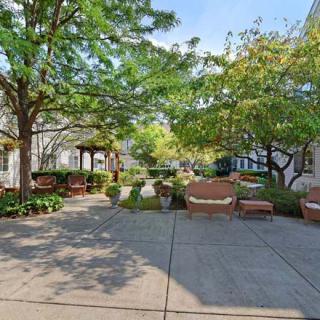
 Caring, high-touch staff; clean, welcoming atmosphere; engaging activities and a sense of home.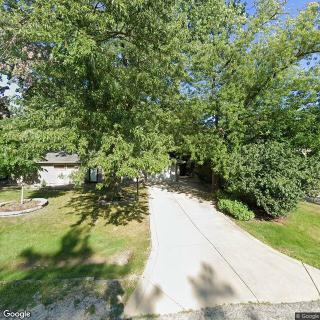


 Are Dementia and Alzheimer's Disease Lethal? A Comprehensive Exploration
 Exploring the Power of Reminiscence Therapy for Individuals With Dementia
 An In-Depth Look at Reminiscence Therapy in Dementia Care