
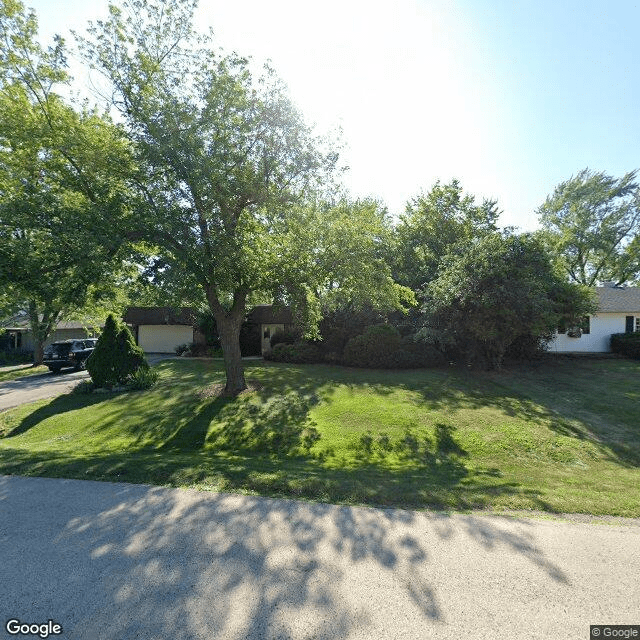
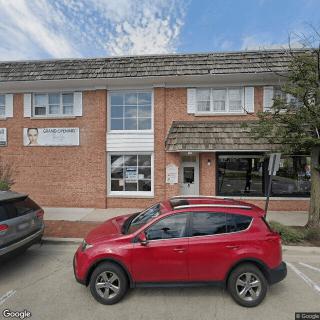
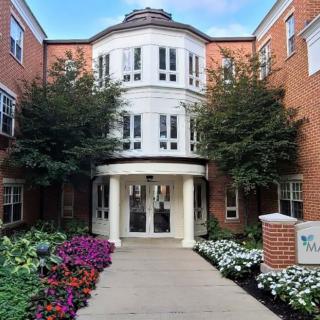
5734 South Thurlow Street, Hinsdale, IL 60521
For more information about senior living options: (866) 208-4318
Golden Age Assisted Living Costs & Pricing
Golden Age Assisted Living offers private room accommodations at a monthly rate of $6,000, which is slightly above the average costs observed in DuPage County ($5,588) and significantly higher than the state average for Illinois ($5,049). This positioning reflects Golden Age's commitment to providing enhanced services and amenities tailored to residents' needs. While the price may be higher than other options in the area, many families find that the quality of care and personalized attention justifies the investment in their loved ones' well-being. It's essential for prospective residents and their families to weigh these factors against their budget and care requirements when considering assisted living options.
| Floor plans | Golden Age Assisted Living | DuPage County | Illinois |
|---|---|---|---|
| Private | $6,000 | $5,588 | $5,049 |
Assisted Living communities with a similar price nearby
-
from +$500 / mo

Vines Senior Home
$6,500 to $9,000 / month23.9 miles away -
from -$210 / mo

Arbor Terrace Glenview
$5,790 to $8,990 / month21.2 miles away -
from -$670 / mo

Hartwell Place
$5,330 / month19.3 miles away -
from -$615 / mo
Arbor Terrace Naperville
$5,385 to $8,295 / month14.5 miles away -
from -$480 / mo

Sunrise Of Naperville
$5,520 to $7,600 / month10.2 miles away
Overall Review of Golden Age Assisted Living
Pros
 Golden Age Assisted Living provides high-quality, delicious meals prepared fresh daily, delivered with kindness and patience.
- Its caregivers support residents' mobility through regular exercise, helping movement progress from a wheelchair to a walker.
- The staff offer cognitive stimulation to help level off dementia.
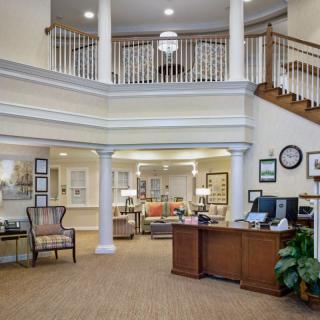
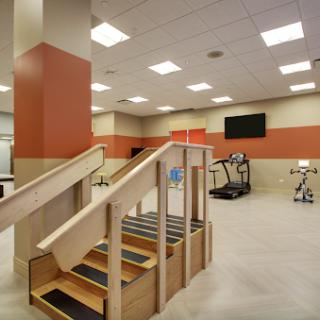
- The home is gorgeous, immaculate, and filled with natural light, creating a bright, welcoming environment.
- The staff are compassionate, gentle, and kind in their daily interactions.
- The management is caring and extremely well organized, leaving families totally satisfied with the services.
Review
Golden Age Assisted Living in Hinsdale is best suited for families seeking an intimate, high-touch setting where a loved one can receive individualized attention, daily freshly prepared meals, and steady cognitive and mobility support in a bright, home-like environment. The reviews consistently describe a small-scale, residential feel rather than a clinical campus, making it ideal for residents who thrive on steady, one-on-one interaction, gentle supervision, and a calm daily rhythm. This community shines for seniors who do not need intensive medical nursing but do benefit from hands-on assistance, regular exercise, and cognitive engagement within a comfortable home atmosphere.
The strongest selling points hinge on care quality and daily life experience. Families report high-quality, delicious meals made fresh each day, prepared with care, which matters for nutrition, appetite, and overall mood. Caregivers are repeatedly described as compassionate, patient, and diligent, qualities that translate into reliable daily support, meticulous attention to routines, and a reassuring presence. Mobility progress is a standout; with staff guidance, a former wheelchair user moved to walking with a walker. Dementia stimulation is woven into the day, not treated as an afterthought, helping to keep minds engaged and routines purposeful. The home itself earns praise for being spotless, well-lit, and welcoming, reinforcing the impression that the setting supports dignity and comfort as a core priority.
Experience and management emerge as crucial context for decision-making. With 35 years of operating knowledge, Golden Age is portrayed as a facility that truly knows how to care for residents, balancing warmth with competence. Reviews describe the community as well organized, with leadership that is caring and reliable, an important consideration for families seeking predictability and a smooth care continuum. This combination, seasoned know-how and well-run operations, helps to allay concerns about consistency of staff, adherence to schedules, and the ability to coordinate daily activities, meals, and mobility routines effectively. In short, the practical advantages of a seasoned, attentive team offset the desire for a larger, more impersonal setting.
Yet a candid assessment notes where alternatives may be preferable. For families prioritizing sophisticated, on-site medical oversight or a broad spectrum of specialized therapies, a larger community with more clinical resources might be a better match. Similarly, if the primary need centers on extensive social programming, off-site activities, or a robust calendar of group events, a different facility with a more expansive activity slate could deliver more variety. For residents who require advanced memory-care structures or post-acute rehab recoveries with intensive nursing support, the current profile of Golden Age may feel too limited in scope. The reviews do not reveal major drawbacks, but the absence of explicit clinical depth and large-scale programming is enough to guide families toward alternatives when those factors are non-negotiable.
The pros offered by Golden Age, personalized attention, fresh meals, mobility support, cognitive engagement, and a warm, orderly environment, collectively offset potential gaps by delivering a clearly superior one-on-one experience. The intimate setting means fewer residents per caregiver, more individualized routines, and a stronger chance of noticing subtle changes in health or mood early. The depth of experience translates into steady management of daily operations, which reduces the risk of slipping into disorganized care. Put plainly, the strongest value lies in the combination of hands-on care and a home-like atmosphere that supports consistent progress and dignity, especially for those who do not require hospital-level medical staffing.
For families weighing a decision, Golden Age stands out for those who prize a humane, high-touch approach and tangible daily improvements in mobility and cognition within a beautifully maintained home. If those priorities align, a visit should be scheduled promptly to observe caregiver-resident interactions, meal preparation, and how mobility goals are tracked in real time. Ask about caregiver-to-resident ratios during different shifts, the availability of a licensed nurse on-site, and how dementia-related activities are embedded into daily life. Also consider distance and visitation flexibility, ensuring family members can participate in routines and therapy progress. When the emphasis is on intimate, attentive care and a comfortable, light-filled residence, Golden Age Assisted Living emerges as the compelling, practical choice.
 4 resident community capacity
 Assisted Living
 Board and Care Home
 Activities off-site
 Cable or satellite TV
 Devotional services off-site
 Dining room
 Fully furnished
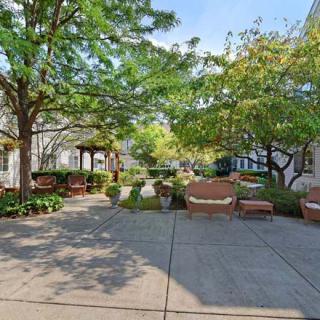
 Garden
 Housekeeping services
 Indoor common areas
 Move-in coordination
 Outdoor common areas
 Private
 Telephone
 Wi-Fi/high-speed internet available
 Chicago Midway (10 miles away)
 24-hour supervision
 Assistance with bathing
 Assistance with dressing
 Assistance with transfers
 Diabetes diet
 Diabetic care
 Incontinence care
 Meal preparation and service
 Medication management
 Special dietary restrictions
 Transportation arrangement (medical)
 Transportation to doctors appointments


 Social Security Benefits and Assisted Living: Navigating Options Across the U.S.
 An Extensive Exploration of the VA Aid and Attendance Benefit
 Senior Transition Services: Understanding Their Role, Cost, and Importance