In Fair Oaks, the monthly costs for room types present a unique picture when compared to both Winnebago County and the broader state of Illinois. For private rooms, Fair Oaks has a competitive rate of $4,950, which is notably lower than Winnebago County's average of $5,647 and slightly below Illinois' statewide average of $5,049. Conversely, the pricing for semi-private rooms at Fair Oaks reflects a different trend, with a significantly higher cost of $9,450 - substantially surpassing both Winnebago County's average of $5,070 and Illinois' state average of $5,146. This disparity suggests that while Fair Oaks may offer more economical options for private accommodations, its semi-private offerings are priced at a premium compared to surrounding areas.
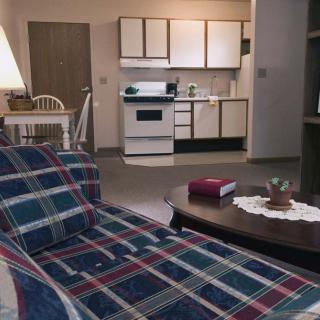
Floor plans
Fair Oaks
Winnebago County
Illinois
Private
$4,950
$5,647
$5,049
Semi-Private
$9,450
$5,070
$5,146
Skilled Nursing Facilities with a similar price nearby
Residents and families frequently describe therapy as a major reason for choosing Fair Oaks.
Multiple reviews say therapy made a noticeable difference, including recovery after a stroke and help that supported mobility and strength goals. Several residents specifically call out the therapy department as excellent or top notch. At least a few reviews contrast that by reporting gaps in therapy follow-through during shorter rehab stays.
common8 reviews mention this
Activities keep residents engaged
Residents describe a steady schedule of activities throughout the day.
Reviews mention regular group activities such as Bingo, movies, and cooking, along with other resident-involved events. Several people say they were pleased with having more to do than at prior facilities. Outdoor time also comes up, including the terrace area used by residents.
common5 reviews mention this
Food gets consistent mentions
Dining is a recurring bright spot in residents’ and families’ feedback.
Some reviews describe the food as good and say it looked appealing, while others say a loved one talked positively about meals. A few reviews also mention specific meal-time experiences during a stay. In contrast, a small number of comments say the food was not good or did not meet expectations.
common5 reviews mention this
Communication and call response
Families frequently mention responsive communication during their stay.
Several reviews praise timely response to concerns and say staff kept them updated when something changed. Call light response is mentioned by a family member who said requests were answered in a timely manner. Other reviews point to communication breakdowns, including worries about care updates and progress information not being shared consistently.
caveat6 reviews mention this
Some families cite staffing gaps
Some reviews report serious concerns about staffing and consistent care delivery.
A set of negative reviews describe being short-staffed and say care promises were not carried out as expected. Concerns also include missing follow-through on showering, delays in help during incidents, and problems with care-plan communication. These complaints are presented alongside other reviews that describe caregiving as attentive, so experiences appear mixed.
common12 reviews mention this
Cleanliness and a welcoming feel
Many reviewers mention the facility feels clean and welcoming.
Numerous reviews call out cleanliness and say the building felt well maintained. Visitors and families also describe staff as warm and welcoming when they arrive or during day-to-day interactions. A smaller set of reviews raises concerns about neglect and emotional abuse, creating a clear split in reported experiences.
How we summarize
Counts show how many written reviews mention each theme; a review can touch several themes, and only frequently mentioned themes are displayed.
Features
Types of Care
Skilled Nursing Facility
Amenities
Activities on-site
Beautician on-site
Devotional services on-site
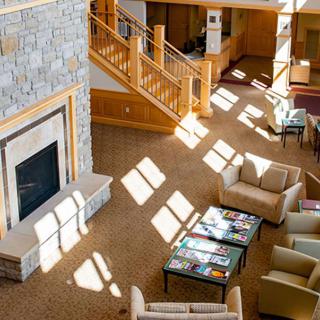
Indoor common areas
Outdoor common areas
Private
Wheelchair accessible showers
Transportation
Greater Rockford (20 miles away)
Care Services
High acuity care
Incontinence care
Medication management
Dining
Meals provided
Activities
Activities on-site
Devotional activities on-site
Nearby Places of Interest
Physicians
Beloit Memorial Hospital (0.2 miles)
University of Illinois Primary Care Clinic at Rockton (1 miles)
Rockford Orthopedic Associates (2.2 miles)
Beloit Clinic (2.7 miles)
Beloit Occopational Health (2.7 miles)
Nutrition Clinic Of Beloit (2.9 miles)
Rock County Health Clinic (2.9 miles)
Restaurants
Papa John's Pizza (1.1 miles)
McDonald's (1.3 miles)
Macktown Lounge (1.4 miles)
Domenico's Italian Restaurant (1.6 miles)
Taco Bell (1.8 miles)
McDonald's (1.8 miles)
Hamilton's (2 miles)
Pharmacies
Paperchine (1.1 miles)
Aurora Pharmacy (1.6 miles)
Walgreens (1.6 miles)
CVS Pharmacy (2.2 miles)
Walgreens (3 miles)
CVS Pharmacy (3.4 miles)
Schnucks (3.4 miles)
Cafes
Flying Pig (1.5 miles)
Marys Market - Roscoe (3.4 miles)
Starbucks (4.5 miles)
Panera Bread (7.9 miles)
The Baking Grounds North (8.8 miles)
Starbucks (11.1 miles)
Parks
Riverside Park (2.4 miles)
Kelly Meyers Park (2.5 miles)
Leeson Park (3.2 miles)
Townview Park (3.5 miles)
Preservation Park (6 miles)
Rock Cut State Park (10.1 miles)
Hospitals
Beloit Memorial Hospital (3.9 miles)
Surgery Center (5.1 miles)
Beloit Health System (5.1 miles)
Beloit Health System Beloit Memorial Hospital (5.2 miles)
In Fair Oaks, the monthly costs for room types present a unique picture when compared to both Winnebago County and the broader state of Illinois. For private rooms, Fair Oaks has a competitive rate of $4,950, which is notably lower than Winnebago County's average of $5,647 and slightly below Illinois' statewide average of $5,049. Conversely, the pricing for semi-private rooms at Fair Oaks reflects a different trend, with a significantly higher cost of $9,450 - substantially surpassing both Winnebago County's average of $5,070 and Illinois' state average of $5,146. This disparity suggests that while Fair Oaks may offer more economical options for private accommodations, its semi-private offerings are priced at a premium compared to surrounding areas.
Senior move management provides specialized support for older adults relocating by assisting with logistics, emotional challenges, and downsizing decisions to ensure a smooth transition to new living environments. These services address the unique needs of seniors and have become increasingly important as baby boomers retire and seek to downsize.
Weight training is vital for seniors to maintain muscle mass, bone density, and overall health, combating age-related declines through customized resistance exercises that enhance balance and well-being. Safe routines should start with realistic goals and proper form, while emphasizing gradual progress and consultations with healthcare providers to ensure safety and effectiveness.
The Sandwich Generation comprises adults managing the dual responsibilities of caring for aging parents and raising children, leading to significant emotional, logistical, and financial challenges. This situation is exacerbated by longer life expectancies and cultural expectations, necessitating effective coping strategies and support resources to alleviate caregiver stress and burnout.
Get PricingAsk A QuestionSchedule A TourContact Senior Advisor
By clicking submit, you agree to our Partner's Terms of Use. You
also consent to receive calls and texts, which may be autodialed, from our Partner. Your consent is not a condition to
using our Partner's service. Please visit our Partner's Privacy Policy for information about their privacy practices.


 Skilled Nursing Facility
 Activities on-site
 Beautician on-site
 Devotional services on-site
 Indoor common areas
 Outdoor common areas
 Private
 Wheelchair accessible showers
 Greater Rockford (20 miles away)
 High acuity care
 Incontinence care
 Medication management
 Meals provided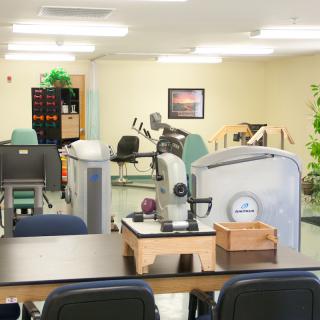
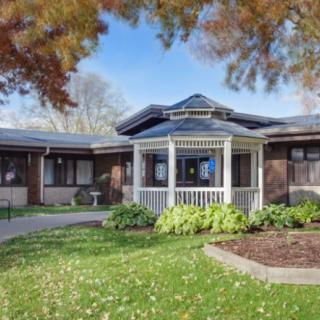
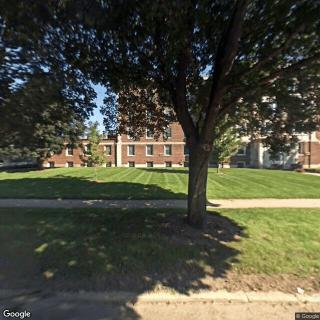
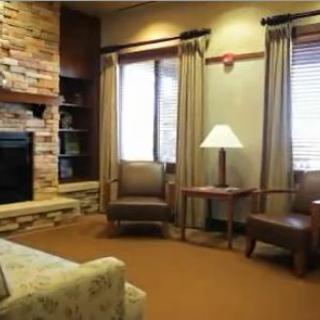
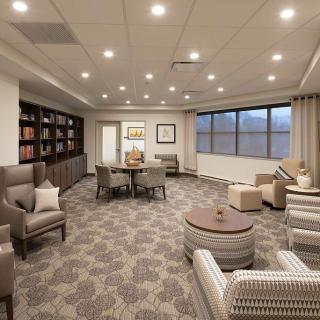
 Bright, clean environment with friendly, dedicated staff.

 Senior Move Management: Understanding the Role, Value, and Associated Costs
 Weight Training for Seniors: Building Strength and Vitality
 Understanding the Sandwich Generation: Stress and Responsibilities for Multigenerational Caregivers