Wesley Willows, a continuing care retirement community (CCRC), offers competitive pricing for its accommodations compared to both Winnebago County and the broader state of Illinois. For instance, residents can enjoy a one-bedroom unit at Wesley Willows for $1,085 per month, significantly more affordable than the median rates of $3,476 in Winnebago County and $3,527 statewide. Similarly, a two-bedroom unit is available at Wesley Willows for $1,350, again presenting a stark contrast to the county average of $3,762 and the state figure of $4,208. Even the studio apartments at Wesley Willows are priced at $2,220 monthly - lower than the county's average of $3,753 and Illinois' average of $4,028. These cost advantages underscore Wesley Willows as an appealing option for seniors seeking quality care without the financial strain typically associated with retirement living in this region.
Floor plans
Wesley Willows a CCRC
Winnebago County
Illinois
1 Bedroom
$1,085
$3,476
$3,527
2 Bedrooms
$1,350
$3,762
$4,208
Studio
$2,220
$3,753
$4,028
Memory care communities with a similar price nearby
Residents describe a steady flow of activities, social events, and fitness options.
A recurring theme is how busy life can be, with residents pointing to both on-site and community-offered opportunities. Several people mention structured activities, fitness schedules, and using amenities like the pool and walking areas. Others describe meeting new neighbors and staying active through classes, games, trips, and resident-led or community-sponsored events. Even families who toured or visited often highlight how many things appear available to residents day to day.
common8 reviews mention this
Dining at the Bistro is praised
Many residents mention the Bistro and dining as a frequent highlight.
Dining comes up often, with multiple reviews calling out meals as delicious or enjoyable, including at the Bistro and in the dining room. Some reviews connect good food with overall satisfaction, including comments about variety and people being happy at mealtime. A smaller group raises concerns about how meal times run, including complaints about meal experience and staff engagement during dining.
differentiator7 reviews mention this
Care is described as multi-level
Residents and families describe care that can move across different levels as needs change.
Several reviews frame Wesley Willows as a continuing-care community, describing the ability to receive different levels of care without needing to start over elsewhere. Families mention assisted living and memory care options, plus recovery or rehab support after hospitalization. A few reviews also highlight a practical concern tied to care transitions, including families feeling they lose some control once a medical issue arises. Others contrast that by saying staffing and adjustments can be supportive when needs change.
caveat7 reviews mention this
Price is repeatedly called out
Pricing is a common concern, with residents describing it as expensive.
Cost shows up as a consistent drawback in the reviews, with multiple people saying the community is expensive or that it may be out of reach. Some comments separate affordability from experience, while others connect price to what families feel they are able to control or choose. Despite the concerns, a number of residents still describe overall happiness and involvement once settled, suggesting value perceptions vary by budget and care needs.
common6 reviews mention this
Staff help is praised, but inconsistent
Residents frequently describe responsive, helpful staff, alongside a minority of serious complaints.
Many reviews say the staff is kind, friendly, and responsive, including comments about quick problem-solving, assistance with daily needs, and support during moving in. Others specifically mention helpful staff with questions, coordination, or care updates when needed. At the same time, a smaller set of reviews report negative experiences in nursing or rehab settings, including concerns about diapering routines, pain management, communication, and staffing levels. Taken together, residents describe both strong day-to-day support and occasional breakdowns during higher-acuity situations.
How we summarize
Counts show how many written reviews mention each theme; a review can touch several themes, and only frequently mentioned themes are displayed.
Features
Housing
42 resident community capacity
Types of Care
Assisted Living
Continuing Care Retirement Community (CCRC)
Independent Living
Memory Care
Pets
Cats allowed
Dogs allowed
Amenities
Activities off-site
Activities on-site
Bath tubs
Beautician on-site
Beauty salon
Cable or satellite TV
Devotional services off-site
Fully furnished
Garden
Housekeeping services
Indoor common areas
Kitchenette
Move-in coordination
Outdoor common areas
Outdoor space
Private bathrooms
Respite or short term stays offered
Swimming pool / hot tub
Wheelchair accessible showers
Wi-Fi/high-speed internet available
Transportation
Greater Rockford (9 miles away)
Community operated transportation
Transportation arrangement
Transportation arrangement (non-medical)
Care Services
24-hour call system
24-hour supervision
Activities of daily living assistance
Ambulatory care
Assistance with bathing
Assistance with dressing
Assistance with transfers
Diabetes diet
Diabetic care
Meal preparation and service
Medication management
Special dietary restrictions
Dining
Diabetes diet
Kosher
Meals provided
Special dietary restrictions
Vegetarian
Activities
Activities off-site
Activities on-site
Community-sponsored activities
Devotional activities offsite
Fitness programs
Resident-run activities
Scheduled daily activities
Nearby Places of Interest
This part of Rockford, Illinois offers convenient access to essential services such as pharmacies like Genoa Healthcare and Walmart Pharmacy, as well as healthcare providers like Rockford Health Systems and Surgical Associates of Northern Illinois. The area also boasts a variety of dining options including Arby's, Burger King, and Doughboys Donuts. Additionally, there are places of worship nearby for spiritual needs and beautiful parks like Anderson Japanese Gardens and Levings Park for leisurely strolls. For those who enjoy coffee or a light bite to eat, cafes like Starbucks and Panera Bread are also within a short driving distance. Overall, this neighborhood provides a mix of amenities that cater to the needs of senior residents looking for a comfortable and convenient place to live in Rockford.
Pharmacies
Genoa Healthcare (0.7 miles)
Walmart Pharmacy (1.1 miles)
Walgreens (1.2 miles)
Meridian Healthcare (1.5 miles)
Genoa A Qol Healthcare Company Pharmacy (1.6 miles)
Walgreens (1.9 miles)
Health Mart Pharmacy (2.5 miles)
Restaurants
Arby's (1 miles)
Burger King (1.1 miles)
McDonald's (1.1 miles)
Doughboys Donuts (1.2 miles)
Swedish Pancake House (1.2 miles)
Dari Fair (1.6 miles)
Latham Tap (1.8 miles)
Physicians
Roy H McNitt, DDS (1.1 miles)
Mehta, Vikas MD - Rockford Health Systems (1.6 miles)
Rockford Health Physicians (1.6 miles)
Surgical Associates of Northern Illinois (1.6 miles)
Ronald V. Washak (1.7 miles)
Deguide Susan J MD Innovamed Internal Medicine Specialists (1.7 miles)
Sung Ling Chou (2 miles)
Hospitals
Javon Bea Hospital-Rockford (1.6 miles)
The Bridge Clinic of Rockford (3.2 miles)
Fresenius Medical Care (3.9 miles)
Swedish American Employee (3.9 miles)
SwedishAmerican 9th St Center (4 miles)
Places of Worship
North Park Church of Christ (2.7 miles)
Harlem Road Church Of Christ (3.1 miles)
West Rockford Community Church (4.3 miles)
Parks
Anderson Japanese Gardens (2.9 miles)
Levings Park, lake, and Standfield Beach (4.6 miles)
Wesley Willows, a continuing care retirement community (CCRC), offers competitive pricing for its accommodations compared to both Winnebago County and the broader state of Illinois. For instance, residents can enjoy a one-bedroom unit at Wesley Willows for $1,085 per month, significantly more affordable than the median rates of $3,476 in Winnebago County and $3,527 statewide. Similarly, a two-bedroom unit is available at Wesley Willows for $1,350, again presenting a stark contrast to the county average of $3,762 and the state figure of $4,208. Even the studio apartments at Wesley Willows are priced at $2,220 monthly - lower than the county's average of $3,753 and Illinois' average of $4,028. These cost advantages underscore Wesley Willows as an appealing option for seniors seeking quality care without the financial strain typically associated with retirement living in this region.
The various features offered at Wesley Willows significantly enhance the quality of life for residents with dementia or Alzheimer's disease by ensuring their basic needs are met in a compassionate and supportive environment. Assistance with dressing helps maintain personal dignity while fostering independence, allowing residents to feel more comfortable and confident throughout their day. Medication management ensures that individuals receive the correct dosages at the right times, mitigating health risks associated with forgetfulness or confusion. Meal preparation and service cater to specific dietary needs, promoting nutritional health while creating an inviting dining experience that can evoke positive memories and socialization. Support with activities of daily living, such as bathing and transfers, not only ensures safety but also enhances personal hygiene and mobility. Furthermore, 24-hour supervision provides peace of mind for both residents and families, ensuring that assistance is always available when needed, which is crucial for minimizing anxiety often experienced by those facing cognitive challenges. Together, these services create a nurturing atmosphere conducive to maintaining dignity and enhancing overall well-being for individuals navigating the complexities of memory impairment.
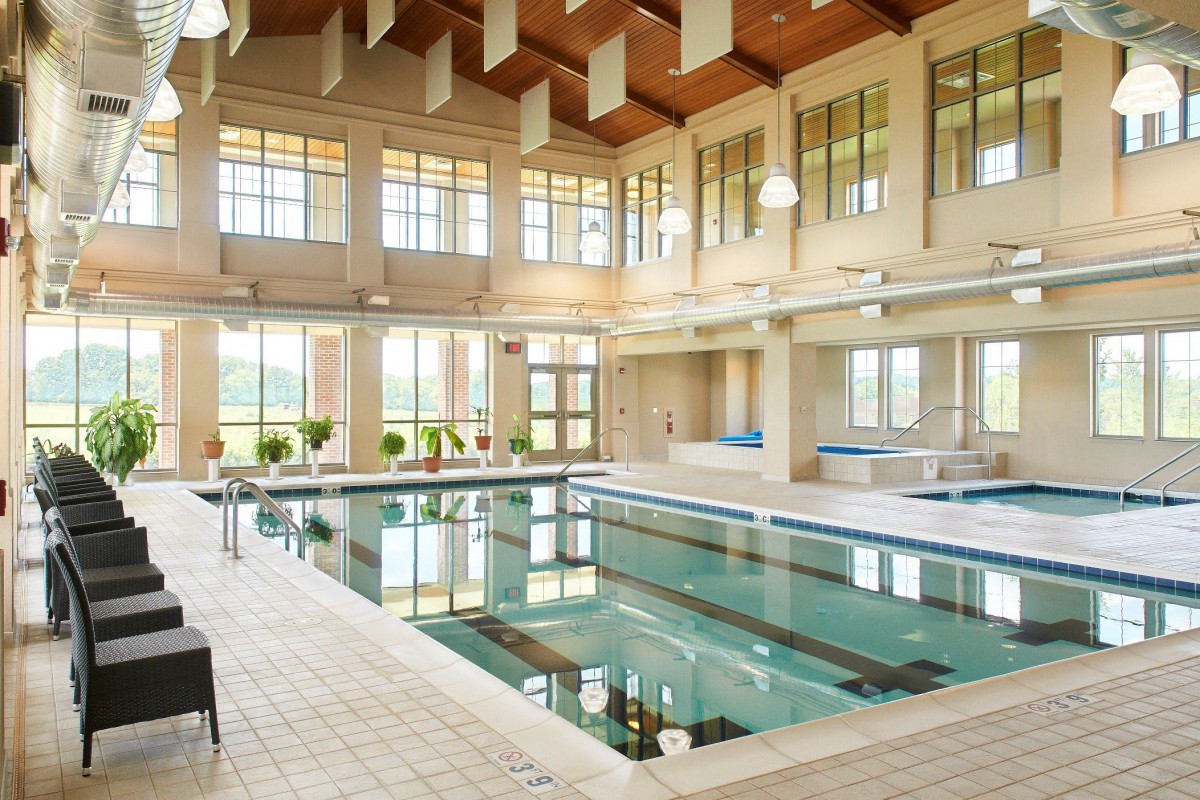
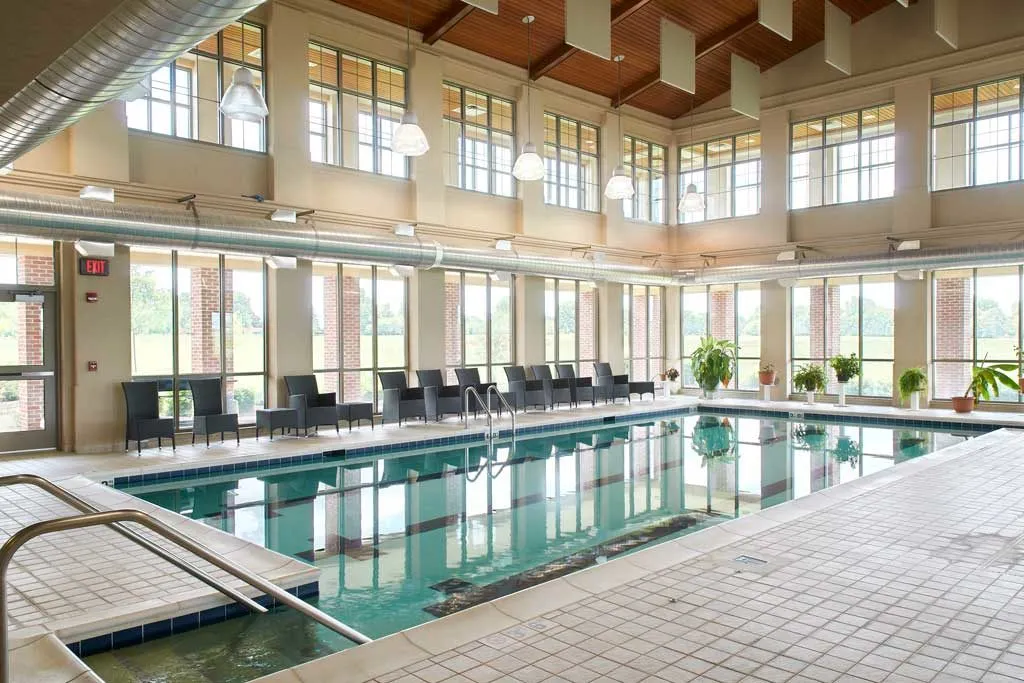
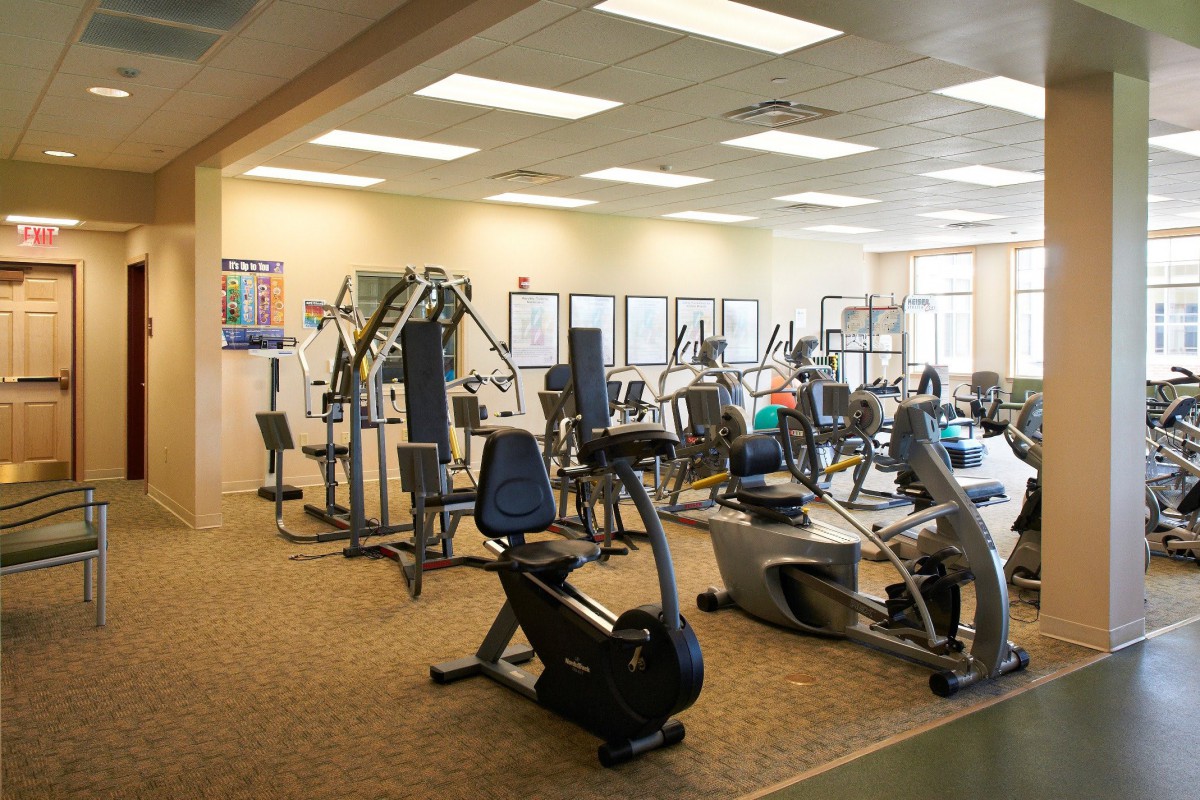
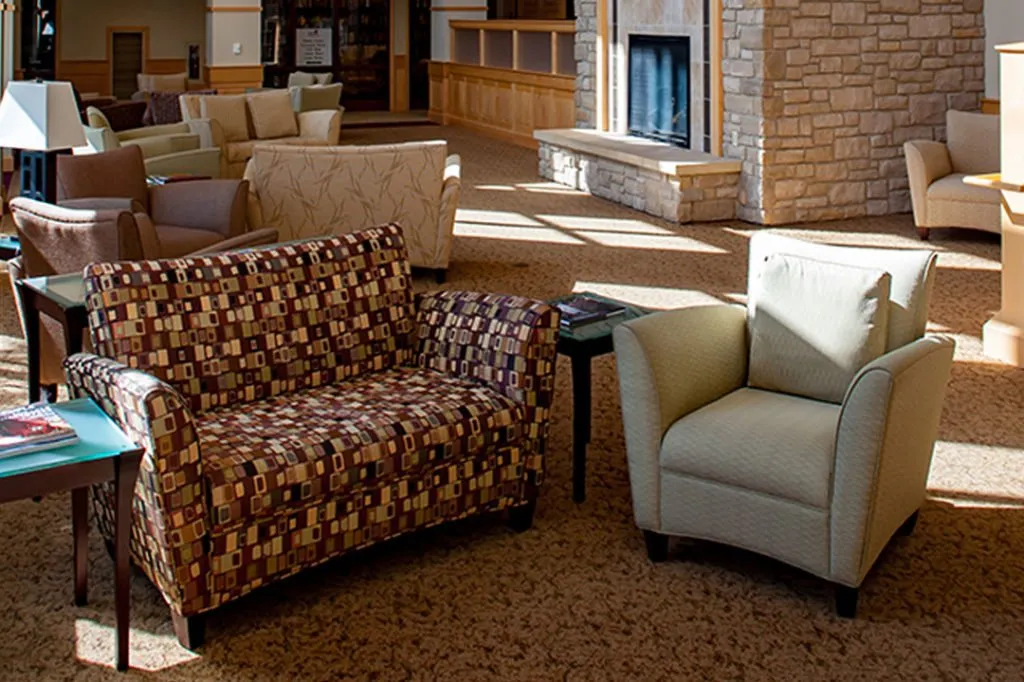
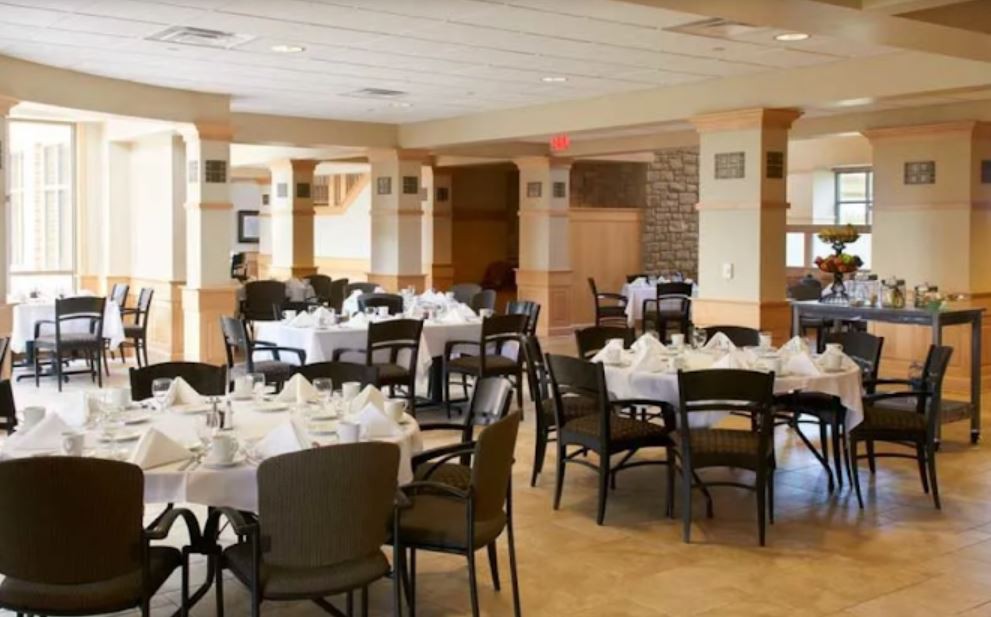
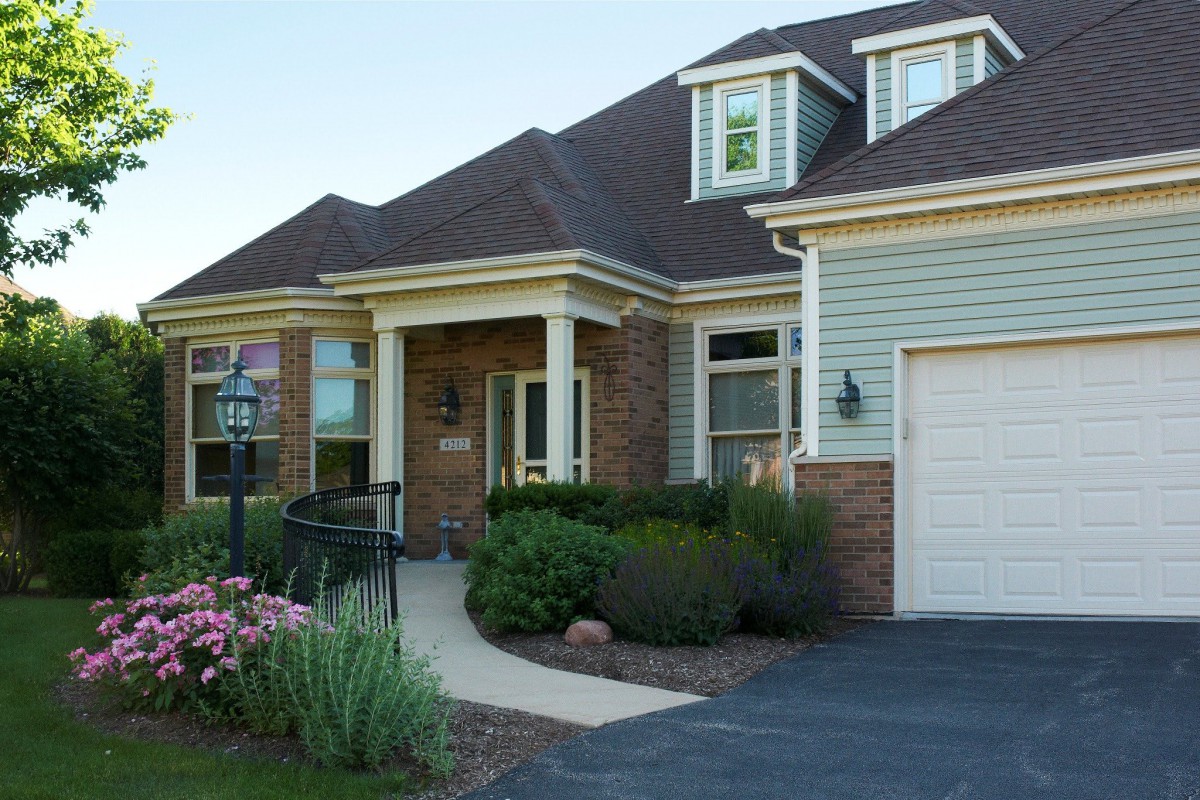
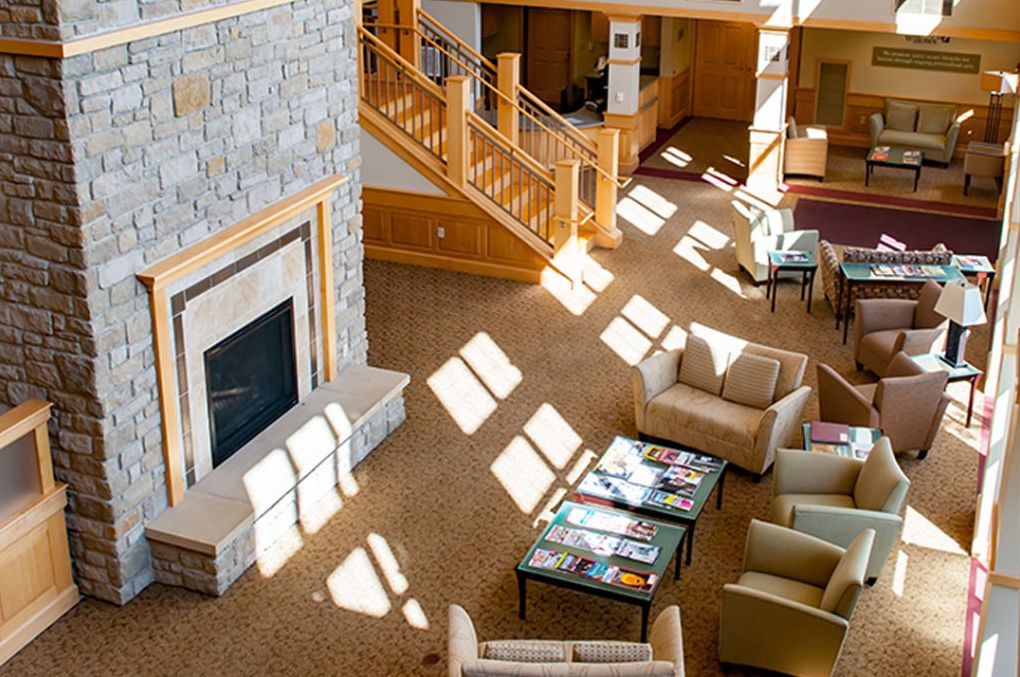
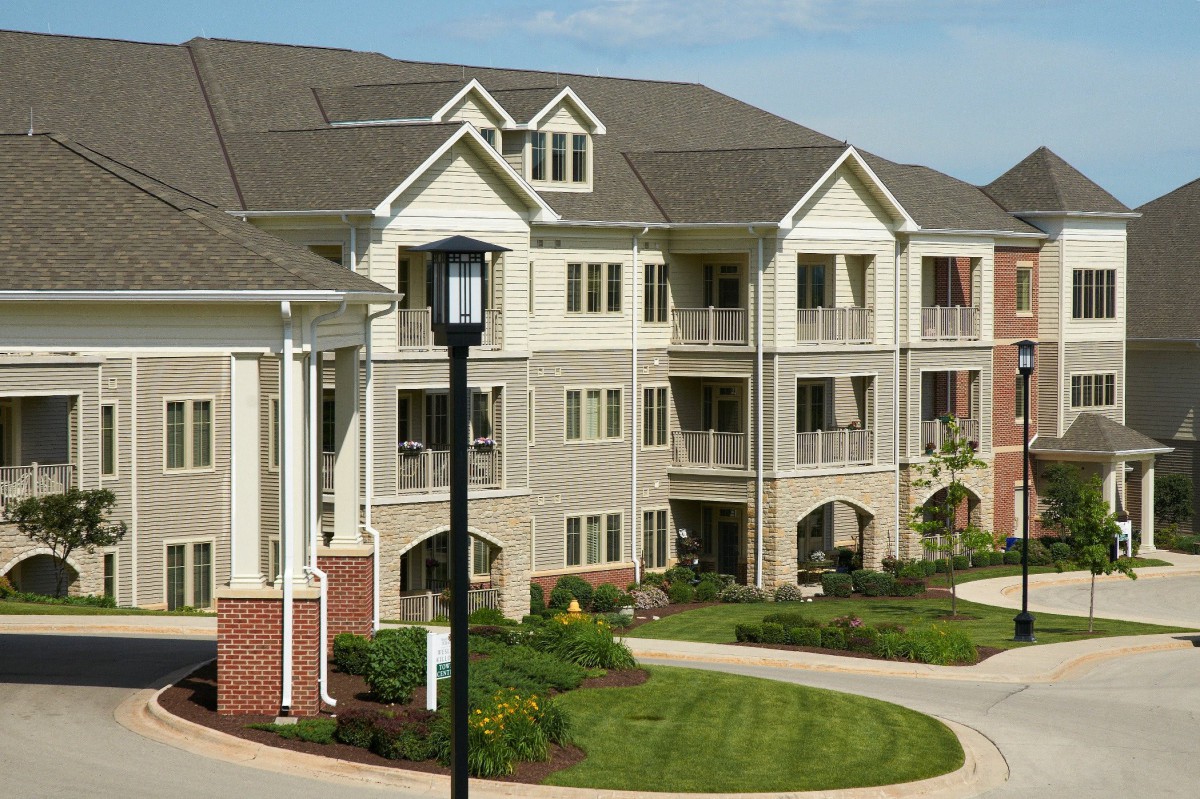
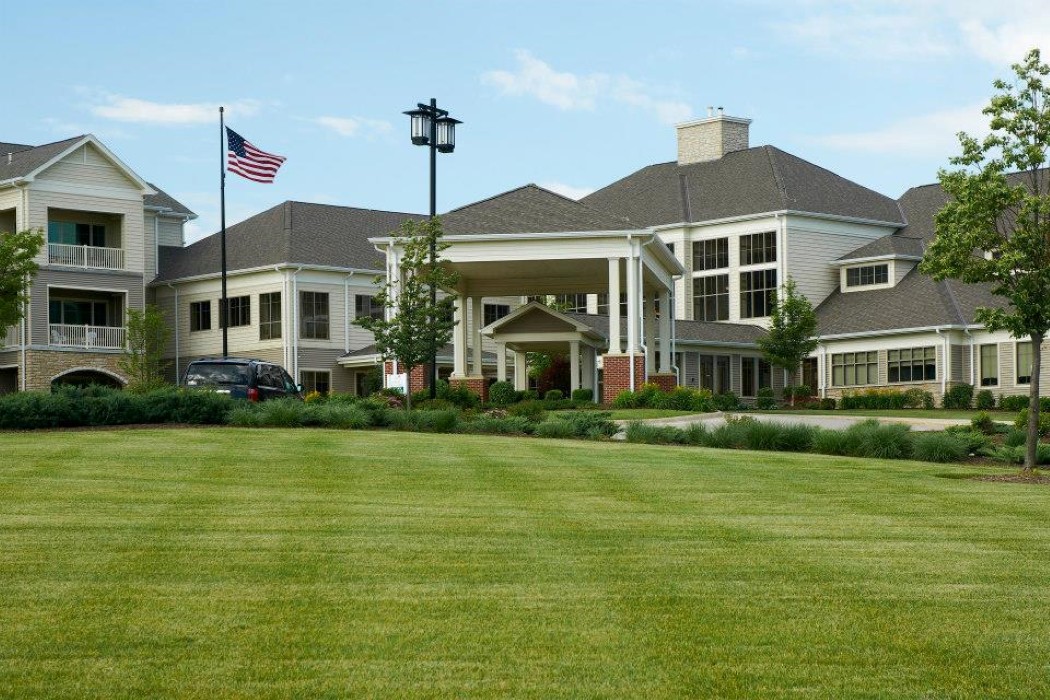
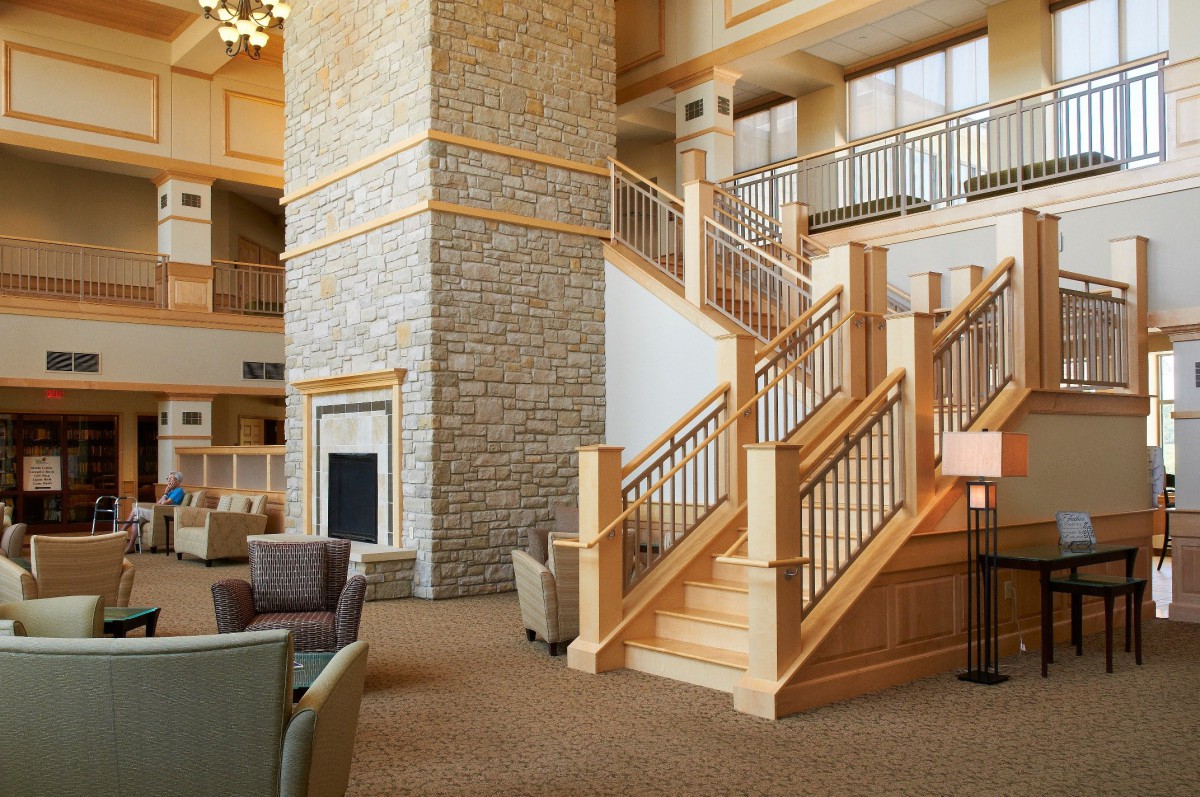
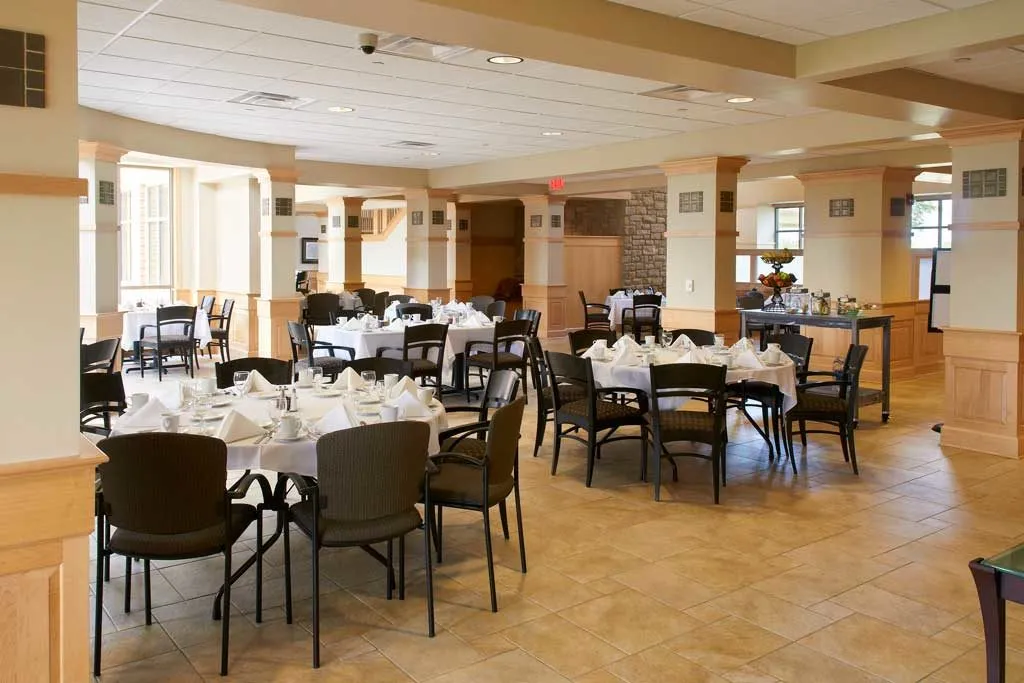
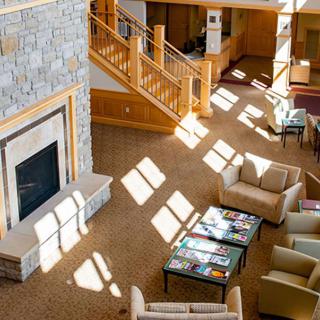
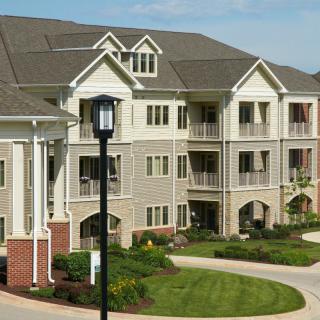
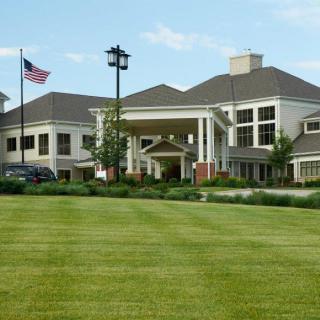
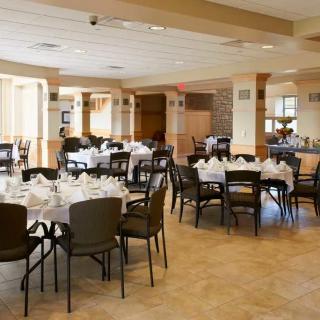
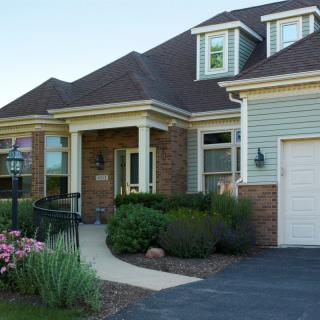
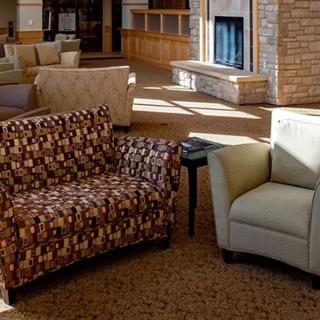
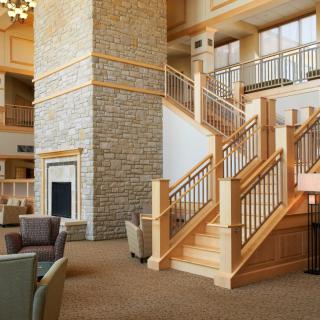
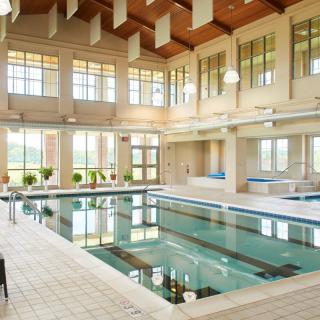
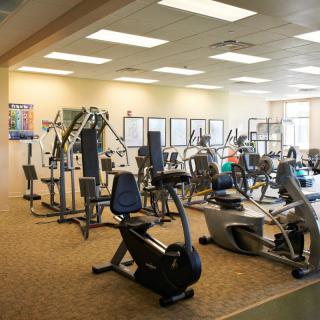
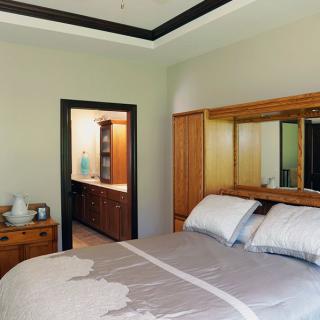
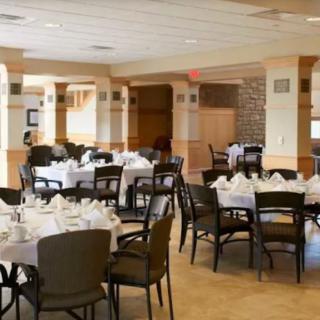
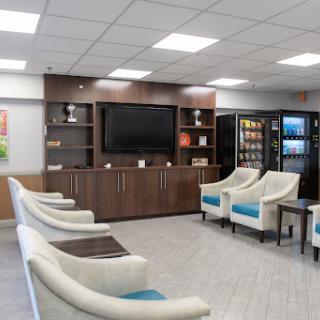
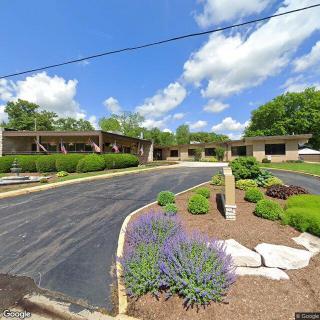
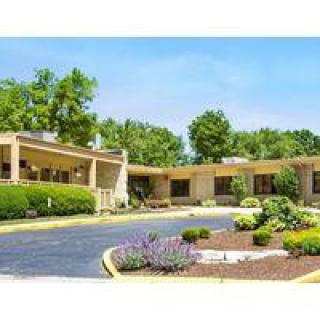
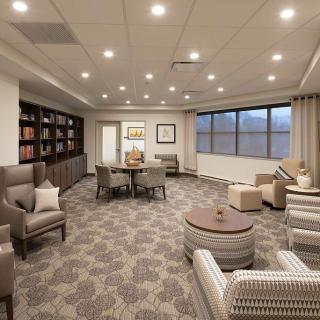
Wesley Willows a CCRC on seniors.fyi includes 14 photos including images showing interior, architecture, landscaping, dining, building, exterior, lobby, indoor pool, and more.
Nearby Communities
Willows Health Center
Rockford, IL
Fully furnished rooms with in-room kitchenette, 24/7 staff and medication management, restaurant-style dining, and active social/mental wellness programs.
Terrace Senior Apartments
Rockford, IL
4.6 from 25 reviews
Excellent access to a wide range of nearby amenities including cafes, parks, pharmacies, doctors, restaurants, places of worship, and hospitals.
River Bluff Nursing Home
Rockford, IL
3.5 from 93 reviews
Caring staff with good meals and engaging activities.
Rock River Health Care
Rockford, IL
2.9 from 31 reviews
Extensive amenities and comprehensive care services, including 24-hour supervision, daily living assistance, restaurant-style dining, transportation options, and wellness activities.
Park Ridge Terrace
Loves Park, IL
Tranquil setting with extensive nearby dining, pharmacies, medical care, and parks.
East Bank Center
Loves Park, IL
3.8 from 60 reviews
$3,472 to $5,377 / month
Some friendly staff and a broad set of amenities and activities.
TLC Living Community
Machesneyrk, IL
4.7 from 67 reviews
$3,500 to $4,100 / month
Friendly, attentive staff in a clean, modern facility with engaging activities and quality dining.
Pa Peterson At The Citadel
Rockford, IL
3.3 from 135 reviews
$1,776 to $4,790 / month
Clean, homey environment with knowledgeable staff and engaging activities.
Independence Village Rockford
Rockford, IL
4.1 from 34 reviews
$2,095 to $4,190 / month
Spacious rooms with extensive on-site amenities and a friendly, community-focused atmosphere.
The guide outlines the complexities of Medicaid coverage for assisted living, highlighting significant state-to-state variations, limited coverage often restricted to personal care services, and the existence of specialized waivers for certain needs like memory care. It advises families to consult local Medicaid offices for options while emphasizing the importance of understanding state-specific regulations and facility policies.
Medicaid coverage for assisted living varies by state and is primarily available to low-income individuals, with eligibility dependent on strict income and asset limits. Some states offer HCBS waivers for specific services in assisted living, but families must generally cover room and board costs, and should verify facility acceptance of Medicaid while considering potential waiting lists.
Medicaid waivers for assisted living services provide vital support for seniors and individuals with disabilities in need of long-term care, with varying state-specific eligibility criteria and benefits. These waivers cover personal care and case management but often do not fully cover room and board, leading to waiting lists for many applicants.
Exercise Equipment, Gym, Fitness Center, and Excercise Equipment
Natural Light, Recreation, and Water
Library and Reading Area
Swimming Pool and Indoor Pool
Garage
Stairs
Get PricingAsk A QuestionSchedule A TourContact Senior Advisor
By clicking submit, you agree to our Partner's Terms of Use. You
also consent to receive calls and texts, which may be autodialed, from our Partner. Your consent is not a condition to
using our Partner's service. Please visit our Partner's Privacy Policy for information about their privacy practices.





 42 resident community capacity
 Assisted Living
 Continuing Care Retirement Community (CCRC)
 Independent Living
 Memory Care
 Cats allowed
 Dogs allowed
 Activities off-site
 Bath tubs
 Beautician on-site
 Cable or satellite TV
 Devotional services off-site
 Fully furnished
 Garden
 Housekeeping services
 Indoor common areas
 Kitchenette
 Move-in coordination
 Outdoor common areas
 Private bathrooms
 Respite or short term stays offered
 Swimming pool / hot tub
 Wheelchair accessible showers
 Wi-Fi/high-speed internet available
 Greater Rockford (9 miles away)
 Community operated transportation
 24-hour call system
 Ambulatory care
 Assistance with bathing
 Assistance with dressing
 Assistance with transfers
 Diabetes diet
 Diabetic care
 Meal preparation and service
 Medication management
 Special dietary restrictions
 Fitness programs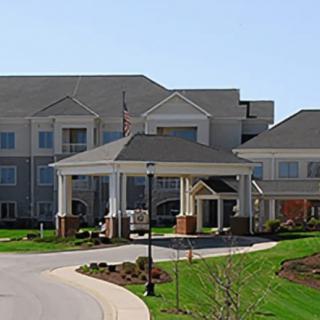
 Fully furnished rooms with in-room kitchenette, 24/7 staff and medication management, restaurant-style dining, and active social/mental wellness programs.



 Understanding Medicaid Coverage for Assisted Living: A Comprehensive Guide
 How and When Medicaid May Cover Assisted Living Costs
 A Detailed Exploration of Assisted Living Medicaid Waivers Across the United States