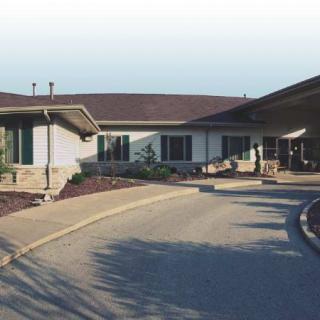
1000 Falcon Point Place, Rockton, IL 61072
For more information about senior living options: (866) 208-4318
Overall Review of Highview In The Woodlands
Pros
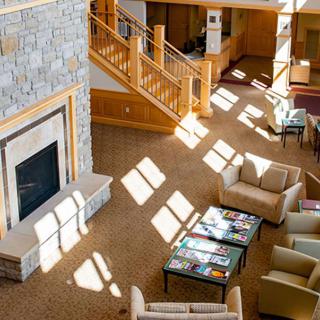
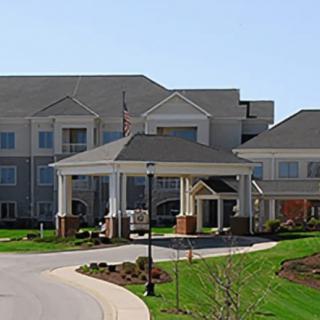
 The facility is recently updated and shows a lot of promise for the future.
- Kresimir delivered a wonderful tour, clearly conveying Highview's vision.
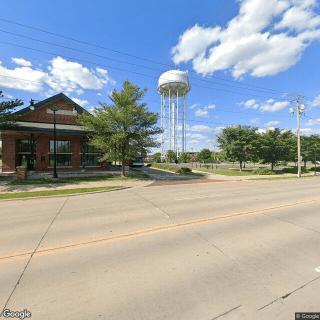
- The neighborhood is lovely and welcoming.
- The Highview team provides compassionate care and peace of mind during difficult times.
- The memory care facility comes highly recommended by families.
- Residents’ families report that their loved ones enjoy the community and receive attentive care.
- The Woodlands location is a clean, well-kept, well-run facility with caring staff.
- The community offers varied daily activities that residents look forward to, such as book clubs and local excursions.
Cons
 One of the worst spots ever; they take absolute no care to the people there and have no respect for the residents, being only out for money and doing nothing for the elderly.
- They lie; they say not to waste your money or send your family member to this place.
- The nurses were unhelpful and bickered amongst themselves, and seemed not to care for the residents; there was no caring involved.
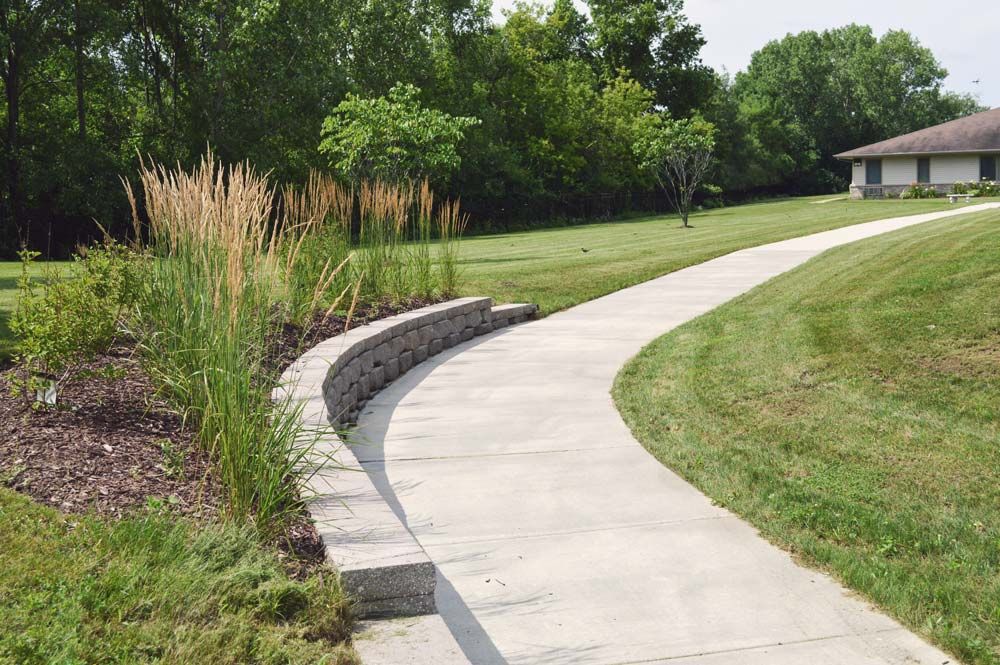
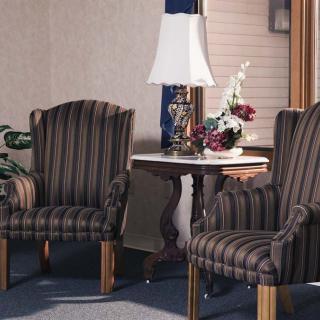
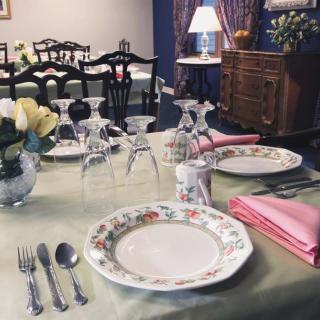
- No amount of decor or hydrangeas could make up for shabby service, especially to those who need it most.
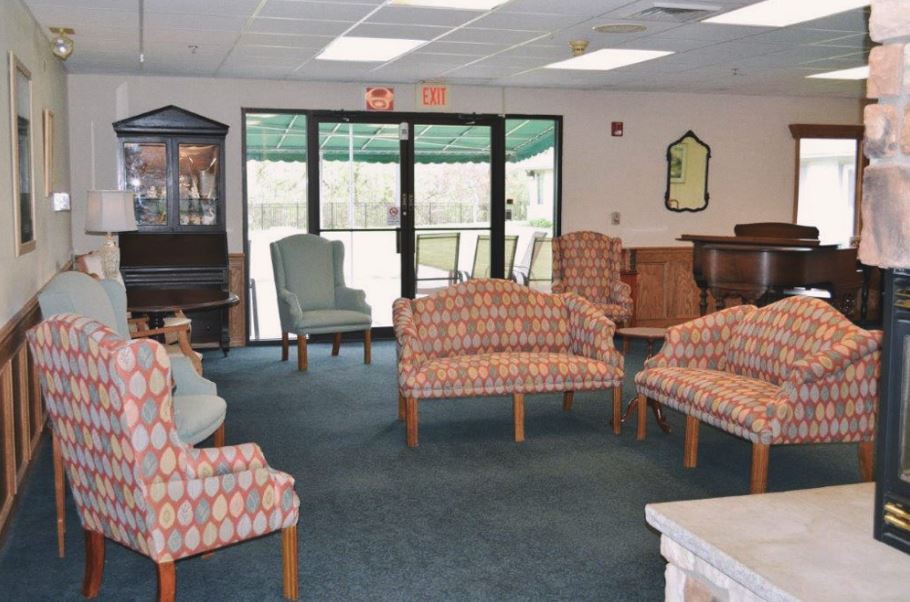
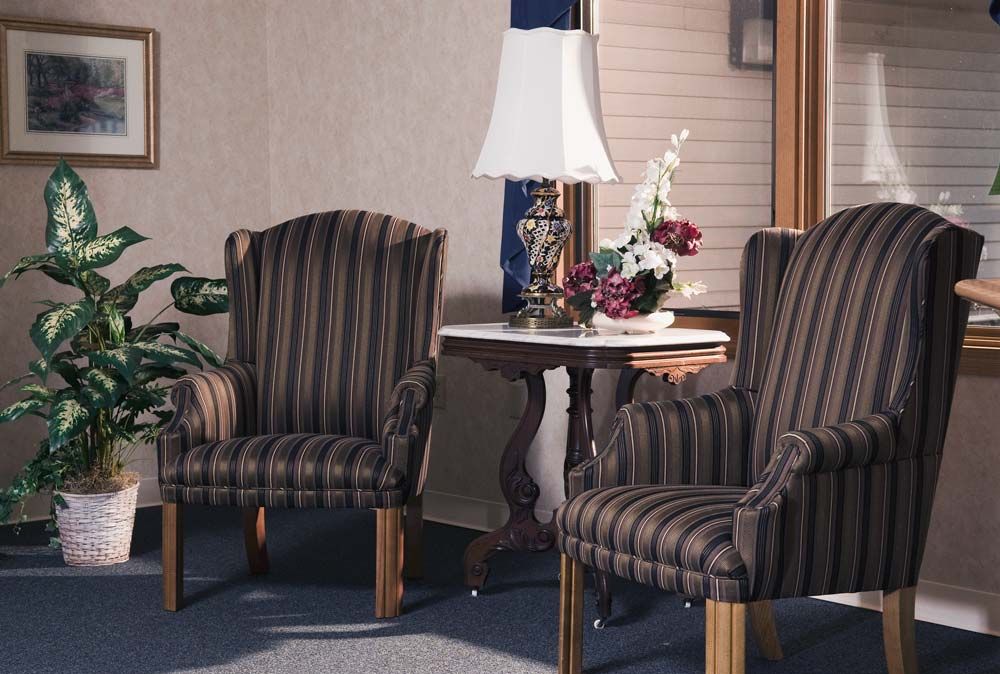
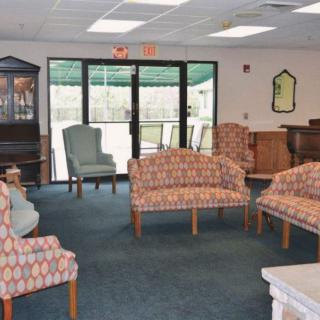
- There were so many residents that the sitting area was wall-to-wall, making it hard to get a seat.
- There were numerous nursing and behavior issues that were not being addressed to the reviewers' satisfaction.
Review
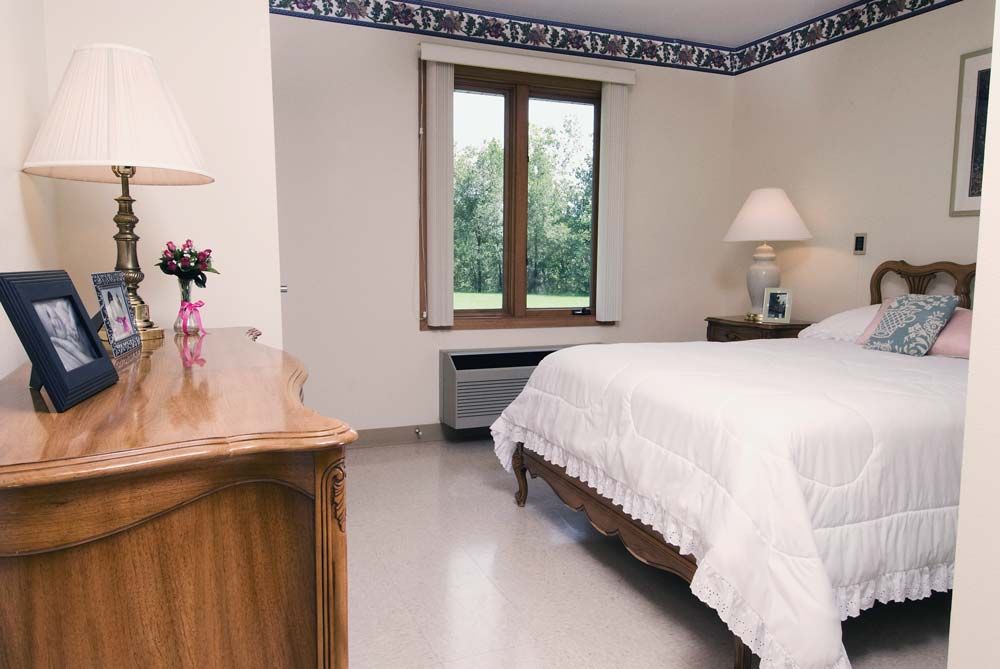
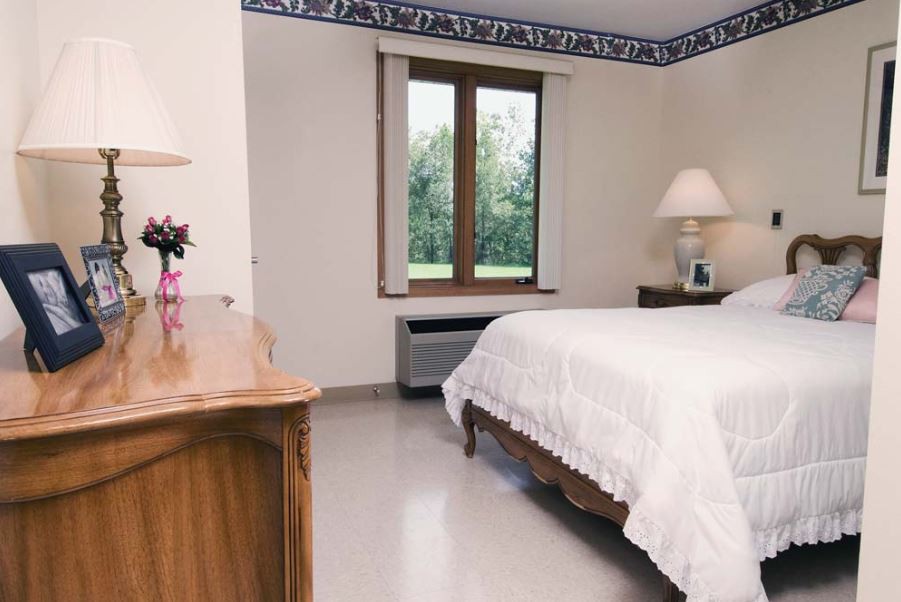
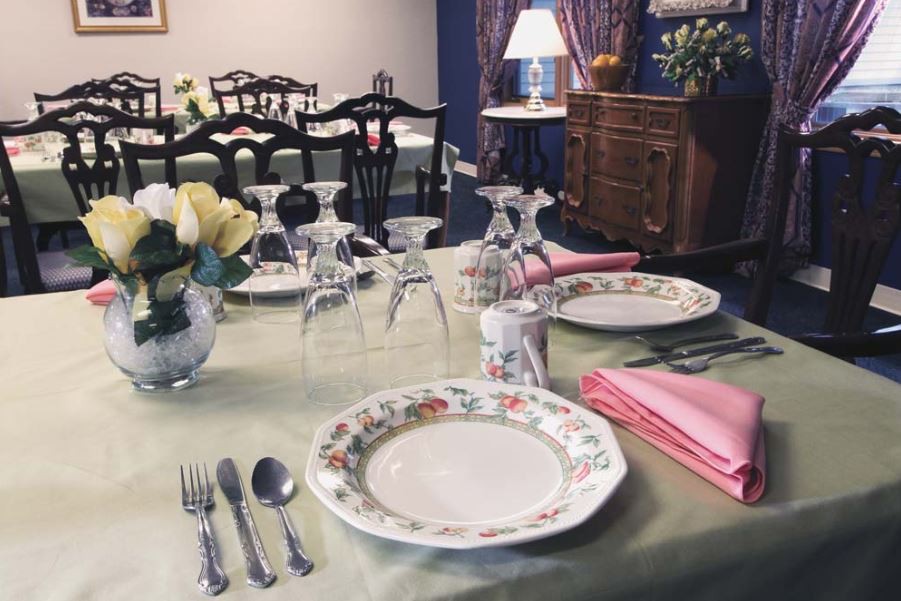
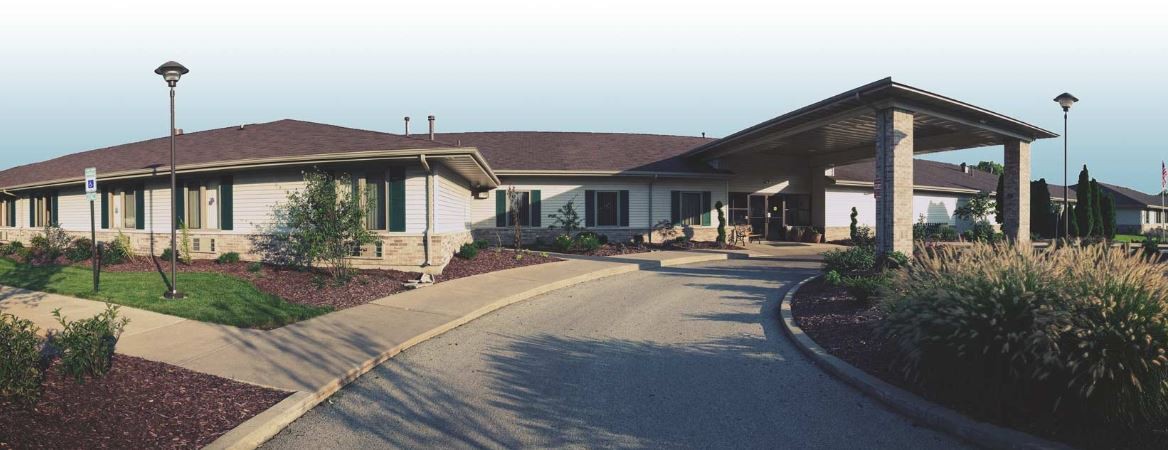
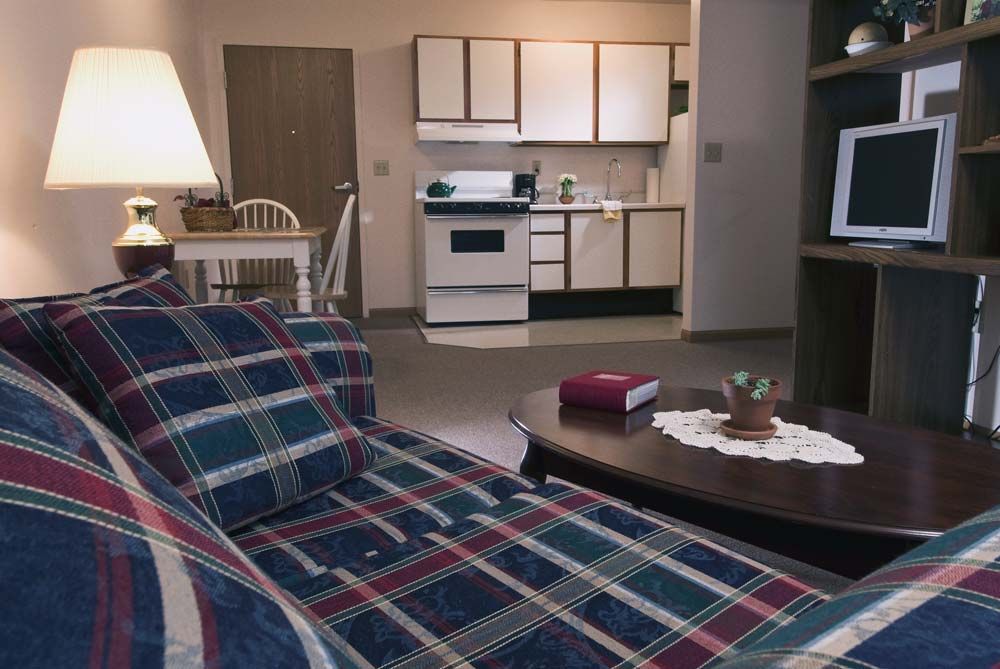
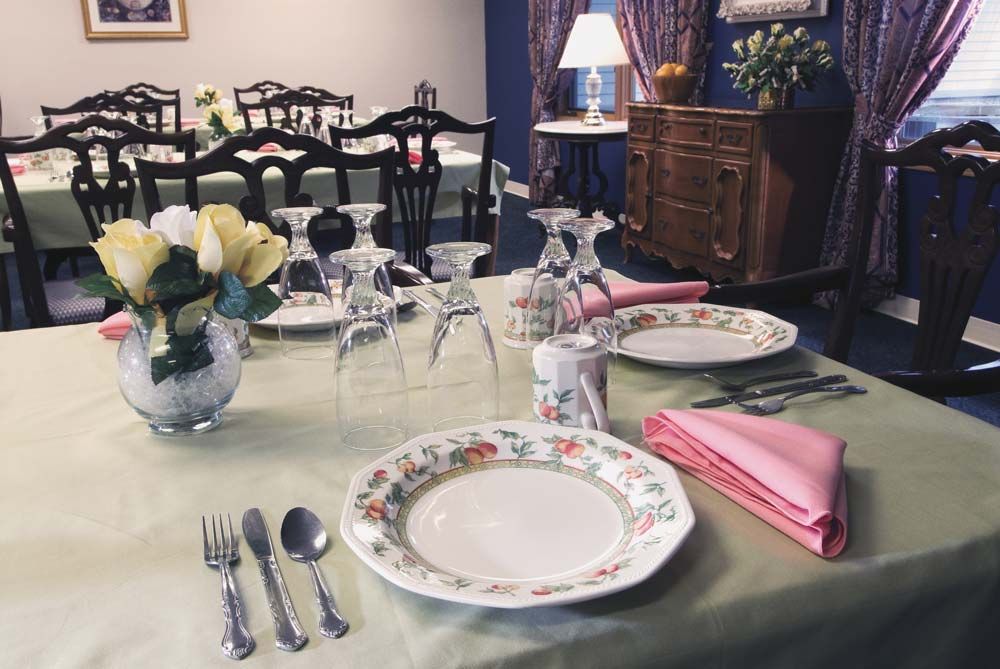
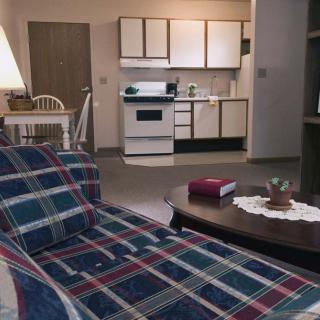
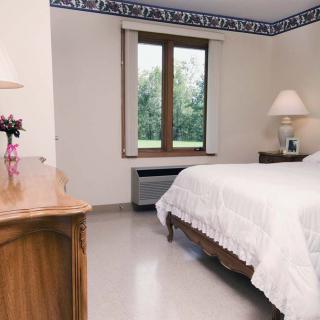
Highview In The Woodlands is best suited for seniors who need memory-care support within a small, intimate community. In Rockton, IL, the campus has been refreshed and presents itself with a calm, orderly vibe that emphasizes personalized attention. The living spaces are one-bedroom apartments with kitchens and baths, designed to offer a sense of independence while staying safely within a supervised setting. The social fabric is strong, with activities that appeal to memory-care residents, books, theater outings, local tours, and two dining environments that allow residents to choose between a self-serve style and a traditional served meal. For families prioritizing genuine connection and routine, this is a compelling option.
There are clear reasons to consider alternatives as well. Families operating on tighter budgets may want to compare with larger communities that promise similar memory-care offerings at lower cost, or facilities with broader rehab capabilities if temporary or transitional care is anticipated. Some reviews flag concerns about management responsiveness or inconsistent experiences, including harsh, even catastrophic, complaints from a minority of former visitors. In short, the best fit hinges on how much weight is placed on personal, hands-on care in a small setting versus the desire for a potentially broader medical or administrative backbone.
The strongest positives lie in the core care model and the intimate environment. The building’s upkeep and cleanliness are notable, and staff turnover appears low enough for residents to form relationships with CNAs who understand their routines. Dementia-focused programming is a throughline, with activities selected to sustain engagement and cognitive function. Families repeatedly highlight compassionate staff, meaningful end-of-life support, and a sense of peace during difficult transitions. The two dining formats offer flexibility and dignity around meals, reinforcing a resident-centered culture that is hard to sustain in larger campuses.
Nevertheless, the player behind the curtain is cost and consistency. A subset of reviewers describe experiences that fall far short of expectations, framing care as insufficient or management as unresponsive. This underlines the need for prospective residents to perform rigorous due diligence: demand current, detailed care plans; verify staff-to-resident ratios across shifts; request recent references and a transparent billing outline. The regimented, highly structured schedule, early wake times, fixed meals, predictable activities, works well for many, but can feel restrictive to those seeking more spontaneity or greater flexibility in daily routines.
Finances and staffing dynamics deserve particular scrutiny. The emphasis on a staffed, attentive environment correlates with higher price points, which some families consider justified by outcomes and reassurance, while others deem it prohibitive. The prudent approach is to obtain a written care plan that specifies daily diapers, personal care, medication management, and supervision, plus a granular fee schedule. If the priority is robust engagement for someone with dementia, the staffing level is a real asset; if the priority is maximum medical acuity and rehab intensity, it may be prudent to survey additional options with broader clinical resources.
In the end, Highview In The Woodlands stands out as a memory-care–centric, small-community living option with genuine warmth and purpose. It serves residents who prize consistent, person-centered attention, purposeful daily activities, and a serene, well-managed environment. Families mindful of cost or seeking aggressive medical rehabilitation should navigate toward alternatives that foreground affordability or stronger in-house medical service. The recommended path is direct, practical engagement: tour with leadership, talk to current residents and families, review current care plans and fee structures, and verify that the facility’s day-to-day rhythm aligns with the resident’s needs and the family’s expectations.
 36 resident community capacity
 1-bedroom apartments
 Assisted Living
 Memory Care
 Activities on-site
 Beautician on-site
 Cable or satellite TV
 Devotional services off-site
 Dining room
 Full kitchen
 Fully furnished
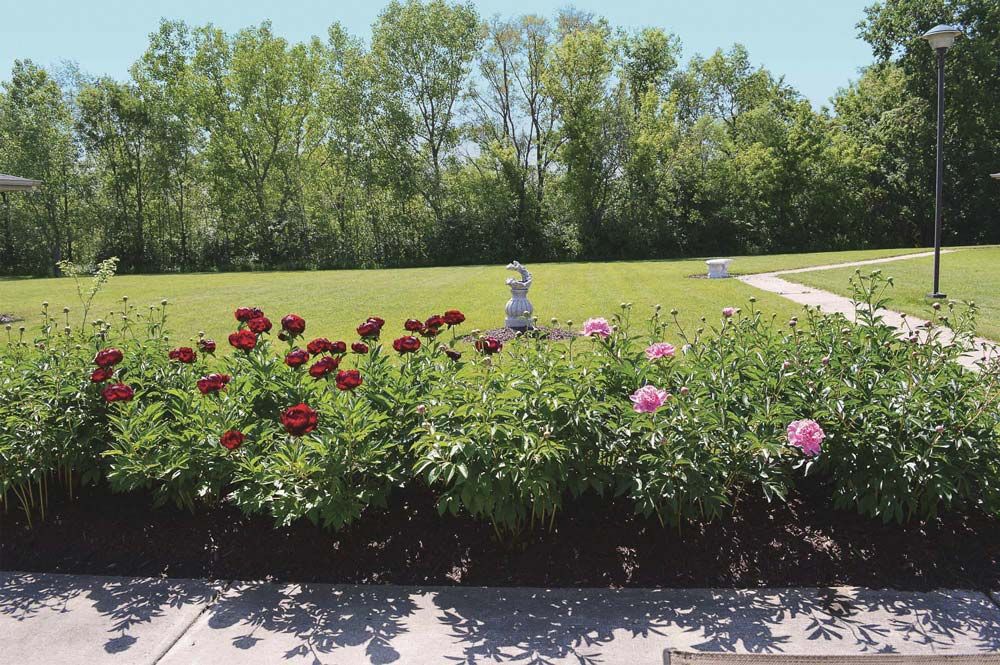
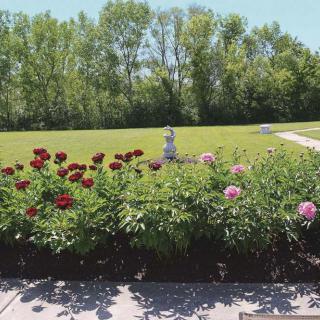
 Garden
 Housekeeping services
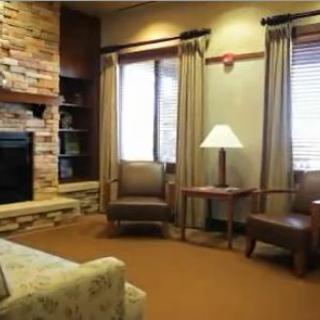
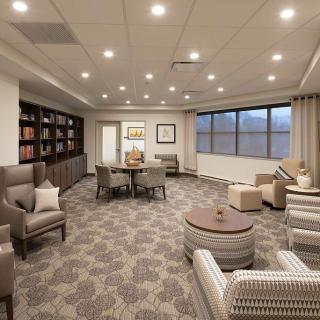
 Indoor common areas
 Laundry
 Move-in coordination
 Outdoor space
 Resident parking
 Respite or short term stays offered
 Restaurant-style dining
 Small library
 Telephone
 Wi-Fi/high-speed internet available
 Greater Rockford (17 miles away)
 Transportation & parking
 24-hour call system
 Ambulatory care
 Assistance with bathing
 Assistance with dressing
 Assistance with transfers
 Diabetes diet
 Diabetic care
 Hospice care
 Medication management
 Mental wellness program
 Special dietary restrictions
 Arts and crafts
 Educational speakers / life long learning
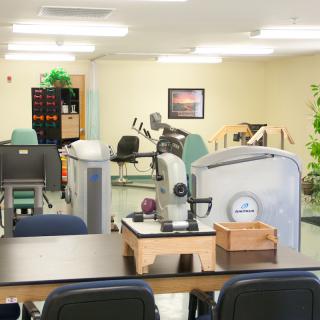
 Fitness programs
 Live musical performances
 English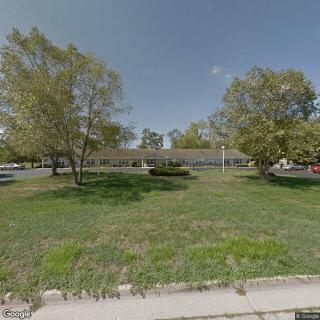

 Understanding Dementia Through Its Seven Stages: A Comprehensive Look at Progression and Expectations
 Safeguarding Your Memory Through the Golden Years: Eight Ways to Preserve Cognitive Health
 Comprehensive Insights into Activities of Daily Living (ADLs) and Their Assessment