

3901 County Farm Rd, Salem, IL 62881
To contact a resident: (618) 548-8105
For more information about senior living options: (866) 208-4318
White Oaks Costs & Pricing
At White Oaks, the pricing for both semi-private and private room options is notably competitive, aligning with the costs typical for Marion County. Specifically, residents can expect to pay $2,800 per month for a semi-private room and $3,800 for a private room - figures that match the local rates but significantly undercut the state average for Illinois. In comparison, the average monthly costs across Illinois soar to approximately $5,146 for a semi-private room and $5,049 for a private room. This positions White Oaks as an attractive choice for individuals seeking quality care at more accessible prices within their community.
| Floor plans | White Oaks | Marion County | Illinois |
|---|---|---|---|
| Semi-Private | $2,800 | $2,800 | $5,146 |
| Private | $3,800 | $3,800 | $5,049 |
Overall Review of White Oaks
Pros
 They were really impressed with White Oaks.
- They found White Oaks to be beautiful and clean.
- They considered the 8-to-1 setup excellent.
Cons
 They disliked how long the wait list was to get in.
- They felt the decision regarding care would be more for the reviewer and wouldn’t matter to mom where she goes.
Review
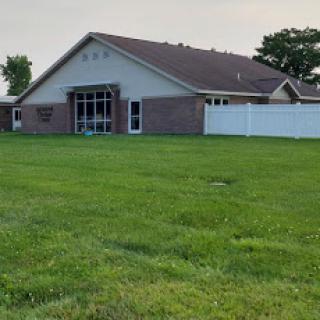
White Oaks in Salem, Illinois is best suited for families that want to plan ahead and secure a well-kept, aesthetically reassuring setting as a loved one transitions into assisted living. The reviews emphasize a beautiful, clean environment and a care framework that feels thoughtfully organized. A strong staffing posture is implied by a favorable caregiver-to-resident setup, translating into reliable daily routines and attentive assistance. This is not a bare-bones operation; it presents as a home-like, polished residence where residents can settle into predictable days. For families facing the prospect of escalating needs, White Oaks appears prepared to accommodate that trajectory with dignity and consistency, making it a compelling option once admission becomes possible.
However, the practical reality comes with a caveat: the admission wait list can be lengthy. That reality makes White Oaks less suitable for families needing an immediate move or for those in a crisis where time is of the essence. If higher-acuity care or a specialized memory-care program is required, alternatives with ready-to-place units may be preferable. Prospective residents who value candid, ongoing conversations during the inquiry process should test responsiveness early on, as limited engagement during initial visits can leave questions unanswered. In short, White Oaks rewards patience and planning more than urgency, and that should shape the decision for families weighing timing versus quality.
On balance, the strongest positives, the beauty and cleanliness, plus a clearly maintained care framework, offset the main drawbacks to the extent that a family can wait. A well-kept campus supports mood, odor control, and safety, and a robust staffing environment promises timely assistance with daily activities. Those aspects mitigate concerns about comfort and security, especially for relatives who want a dignified, low-stress transition. Yet the value proposition hinges on admission timing; if the wait stretches into months, the immediate peace of mind that comes from a quick placement diminishes, shifting the decision toward whether the anticipated future care needs align with what White Oaks can deliver.
That said, families should probe how well the facility will adapt as needs evolve. The reviews hint at a solid first impression in upkeep and staff presence, but they also suggest limited early contact with leadership or care staff during tours. This dynamic warrants careful follow-up: request direct opportunities to meet the nursing team, activity coordinators, and memory-care specialists if relevant. Understanding daily schedules, therapy options, transportation, and meal routines will illuminate whether the environment truly supports ongoing independence before care needs intensify. White Oaks appears to offer structure and calm, which can be a strong asset for seniors who prize routine and predictability.
Practical due-diligence steps should center on admission timing, available levels of care, and transparency about capacity. Verify whether there is a memory-care option on campus, confirm exact staffing patterns during peak hours, and ask for a clear, written timeline for when a space becomes available. Request sample itineraries, dining options, and opportunities to observe a live activity in progress. If possible, arrange multiple visits that include conversations with current residents and their families. Also discuss transition support for a parent who may require medical oversight as needs increase, and plan for interim arrangements if the wait extends. Clarity here reduces the risk of misaligned expectations when the move finally occurs.
In sum, White Oaks stands out for families willing to wait for admission and seeking a polished, low-stress environment with dependable staffing. It is less appropriate for those needing immediate placement, rapid escalation, or intensive memory-care programming that is not clearly delineated in initial materials. For alternatives, consider options with shorter waitlists or more explicit readiness for swift transitions, especially when memory care or higher acuity is anticipated. For those who can align timing with availability, White Oaks offers a practical, confident choice, combining an inviting setting with a solid care framework while making admission timing the decisive factor.
 Skilled Nursing Facility



 Comprehensive Exploration of Living Wills and Other Advance Directives
 A Detailed Exploration of Living Wills and Advance Directives
 Comprehensive Guide to Medicare Coverage for Hospice Care