
1600 North Broadway, Po Box 370, Salem, IL 62881
For more information about senior living options: (866) 208-4318
Overall Review of Twin Willows Nursing Center
Cons
 It was terrible.
- They attempted to mouth-feed solid food to a woman with throat and mouth cancer, and a feeding tube.
Review
Twin Willows Nursing Center in Salem, IL, is best suited for families seeking an affordable, no-frills option where daily care can be managed with steady oversight and active family involvement. The facility works for residents with relatively straightforward needs and a tolerance for variability in staffing and response times. It is not positioned as a premier choice for complex medical management or high-acuity conditions, but it can function as a budget-conscious option where routine tasks, bathing, meals, mobility assistance, are carried out when the system is operating at a basic, workable level.
Those evaluating alternatives should consider steering away if the resident requires consistent, high-quality skilled nursing, tight safety controls, or rapid, reliable response to changes in condition. Families with a patient who needs meticulous monitoring, specialized diets, or aggressive treatment plans should look toward facilities with stronger safety cultures and more robust staffing. Additionally, notes about transparency and capacity concerns suggest this community may not be the best fit where long-term stability and predictability are non-negotiable.
From a practical standpoint, small pockets of positive feedback exist, enough to indicate that when staff are available and engaged, residents can experience genuine kindness and decent day-to-day support. The upside in those moments is real: a familiar routine, help with chores, and a sense of being treated with respect. However, those bright spots are overwhelmed by the larger pattern of inconsistent care and safety lapses described by reviewers. The most serious red flag is risk to resident health when basic feeding and nutrition processes are mishandled, which directly challenges the facility's core mission.
One particularly troubling account describes an attempt to mouth-feed solid food to a resident who has throat and mouth cancer and a feeding tube, a clear breach of standard care and patient safety. When such fundamental procedures are mishandled, confidence in daily operations erodes rapidly. The incident is not merely a one-off; it signals potential gaps in staff training, supervision, and adherence to care plans. Combined with chatter about bed counts and capacity, it paints a picture of a facility where organizational controls may be stretched thin.
For families still considering Twin Willows, a disciplined, proactive approach is essential. Before moving in, request a thorough tour focused on meal service, feeding protocols, and how dietary changes are communicated. Ask for the most recent state inspection report and infection-control records, and verify staff-to-resident ratios across shifts. During stays, document response times to call bells, observe how meals are delivered, and seek regular updates from the nurse manager about any changes in resident condition. Clarify what contingency plans exist for staffing shortages and how the facility handles high-risk cases.
Ultimately, Twin Willows presents as a budget-conscious option with potential warmth in moments, but it carries meaningful safety and reliability risks that cannot be ignored. For seniors with minimal medical complexity and families prepared to supervise closely, it can serve as a practical, low-cost choice. Yet for residents who require consistent safety assurances, prompt medical oversight, or a predictable care environment, alternatives should be prioritized. This facility should be approached with a plan to monitor care continually and with an exit strategy if quality concerns escalate.
 72 resident community capacity
 Skilled Nursing Facility
 Air-conditioning
 Beauty salon
 Cable or satellite TV
 Computer center
 Dining room
 Fitness room
 Fully furnished
 Gaming room
 Garden
 Housekeeping services
 Kitchenette
 Move-in coordination
 Outdoor space
 Private bathrooms
 Restaurant-style dining
 Small library
 Telephone
 Wellness center
 Wi-Fi/high-speed internet available
 Community operated transportation
 12-16 hour nursing
 24-hour call system
 Activities of daily living assistance
 Assistance with bathing
 Assistance with dressing
 Assistance with transfers
 Diabetes diet
 Medication management
 Mental wellness program
 Special dietary restrictions
 Concierge services
 Planned day trips
 Excellent access to nearby healthcare and amenities (cafes, restaurants, pharmacies, physicians, places of worship, and a hospital).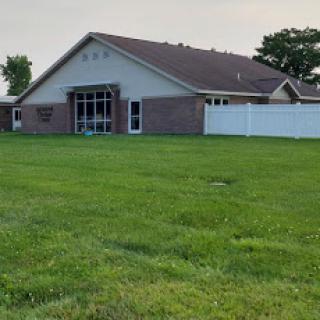

 In-Home Care Costs in 2025: A Detailed State-by-State Exploration
 Understanding Home Health Care: A Comprehensive Guide
 Home Health Care Demystified: A Comprehensive Guide for Families and Caregivers