
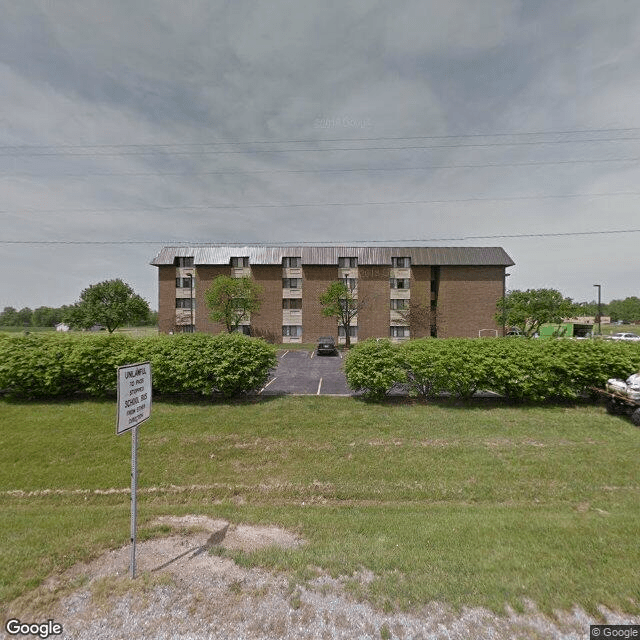
99 Rome Meadows, Dix, IL 62830
To contact a resident: (618) 266-7324
For more information about senior living options: (866) 208-4318
Rome Meadows Costs & Pricing
At Rome Meadows, the cost for a one-bedroom unit is competitively priced at $600 per month, aligning perfectly with the local standard set by Marion County. This represents a remarkable value when compared to the broader state average in Illinois, where similar accommodations can reach as high as $3,527 monthly. Such a significant discrepancy highlights Rome Meadows as an attractive option for individuals seeking quality housing without compromising their financial well-being. Overall, residents can enjoy an ideal balance of affordability and comfort in this community-focused environment.
| Floor plans | Rome Meadows | Marion County | Illinois |
|---|---|---|---|
| 1 Bedroom | $600 | $600 | $3,527 |
Overall Review of Rome Meadows
Pros
 The apartments are wonderful.
- For the most part, Rome Meadows is a good place to live and residents are comfortable.
- The location and landscaping are fantastic for younger residents.
- Some residents feel the place is home.
- The property allows roommates, including those who are not disabled or elderly.
Cons
 It has deteriorated significantly since the change in management.
- The property is poorly maintained and visibly dirty inside and out.
- The common areas and elevators are saturated with overpowering marijuana and cigarette smoke, making the building unpleasant and unhealthy.
- The environment feels unsafe and unmanaged.
- Management is unprofessional and discourteous, and resident privacy is not respected.
- There have been repeated reports of staff entering apartments without proper notice or knocking.
- Drugs and alcohol are present in the common areas, and management ignores these issues.
- The building has declined from its once good reputation, and residents deserve better conditions and professionalism.
Review
Rome Meadows in Dix, Illinois, is best suited for younger adults on disability who want affordable apartments with decent grounds and a flexible roommate policy. It is not a true senior-living community, and families seeking a care-forward environment should look elsewhere. For residents who prize independence, low rent, and the option to share space with non-disabled roommates, this property can work, provided expectations remain firmly in check about safety, privacy, and ongoing upkeep. Prospective tenants should understand that this is not a high-care setting and that professional oversight can vary greatly with management. The appeal rests in location, price, and the potential for a livable home if the occupant can tolerate the live-in dynamics that come with a less regulated building. This is a decision that hinges on accepting a more imperfect, budget-conscious living arrangement rather than a supportive senior-living experience.
On the upside, some residents describe the apartments as well-sized and comfortable, with grounds and landscaping that are preferable to many nearby options. The flexible roommates policy offers a practical path for younger tenants who want to split rent or avoid property-specific constraints. The overall package can feel workable for those who are not seeking structured programming, on-site care, or formal oversight. In addition, the price point is a meaningful factor for renters with limited budgets, which means the property can deliver real value if the environment is tolerable and stable.
Yet the most important story here is the deterioration under the current leadership. The property is repeatedly described as poorly maintained and dirty both inside and out, with common areas and elevators saturated by overpowering marijuana and cigarette smoke. That level of neglect creates a sense of health risk and invites a perception of unmanaged operations. When maintenance and cleaning slip, the rest of the building follows, making residents feel unsafe and disappointed in a space that should offer stability. The overall atmosphere shifts from workable to worrisome as these conditions persist, undermining any lingering confidence in basic facility management.
Privacy and professionalism are central concerns. Reports abound of staff entering apartments without proper notice or knocking, eroding trust and undermining residentsā€™ sense of security. Descriptions of unprofessional behavior from management amplify these concerns, and many families would be alarmed by the idea that management tolerates or ignores disruptive, drug-using residents in common spaces. When issues are raised, the response appears inconsistent at best, leaving elderly tenants exposed to ongoing disturbances. The gap between promised service and actual practice here is wide, and that gap is rarely bridged by assurances alone.
Safety risks intensify with unreliable elevators and repeated disturbances from intoxicated or potentially dangerous individuals. A pattern of violence or aggressive incidents underlines fears that the building is not secure and that the right controls are not in place to protect vulnerable residents. The combination of weak security, frequent management turnover, and what amounts to a permissive environment for problematic behavior creates a volatile, unpredictable living situation that is hard to recommend to seniors or families prioritizing safety. In this context, the most dependable value proposition, affordability, loses traction when safety and daily livability become unpredictable.
Bottom line: this community may serve a niche, budget-conscious younger adults on disability who value location and apartment space over a cared-for living environment, but the significant downsides largely offset any advantages for seniors or households seeking reliable safety and professional management. Alternatives should be seriously considered, especially those offering stable leadership, transparent privacy protections, proactive maintenance, and clear enforcement against disruptive behavior in shared spaces. Prospective residents and families should verify the latest management team, tour current units, speak directly with residents about ongoing issues, and assess whether elevators, security, and housekeeping are consistently addressed. If senior needs or protective oversight are non-negotiable, look beyond Rome Meadows to communities with a proven track record of safety, well-maintained facilities, and staff who respect private living spaces. In Dix or nearby areas, that due diligence often reveals options that align with dignity and care rather than with budget-first, risk-prone arrangements.
 Active Adult Communities (55+)
 Cats allowed
 Dogs allowed
 Activities on-site
 Bath tubs
 Beautician on-site
 Indoor common areas
 Outdoor common areas

 Home Health Care Aides: Understanding Their Role and Supporting Your Family
 Urinary Tract Infections in Older Adults: Comprehensive Insights on Symptoms, Treatment, and Prevention
 California's Form 602A: An In-Depth Examination of Senior Care Assessment