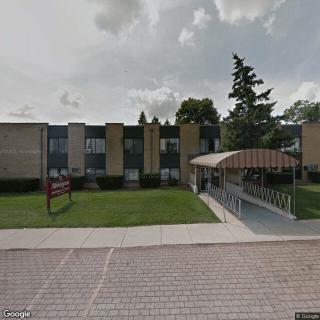
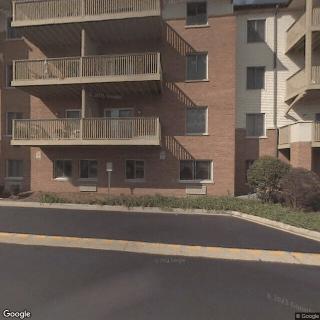
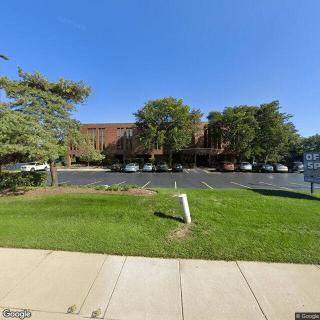
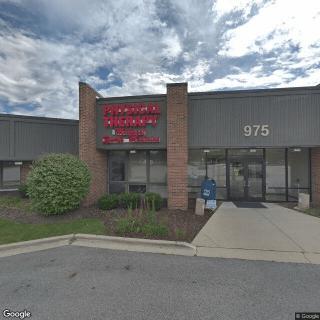
Abbington Rehab & Nursing Center

Save
Abbington Rehab & Nursing Center Abbington Rehab & Nursing Center Abbington Rehab & Nursing Center Abbington Rehab & Nursing Center

Abbington Rehab & Nursing Center

31 West Central, Roselle, IL 60172

For more information about senior living options: (844) 490-3973

2.7 from 28 reviews
5 stars
10
4 stars
0
3 stars
2
2 stars
3
1 stars
13

Skilled Nursing Facility

What level of care are you interested in?

Assisted Living

Memory Care

Independent Living

Skilled Nursing Facility

Continuing Care Retirement Community (CCRC)CCRC

Other


Request a tour at Abbington Rehab & Nursing Center

    Overall Review of Abbington Rehab & Nursing Center

    Pros

    • pro The employees are friendly.
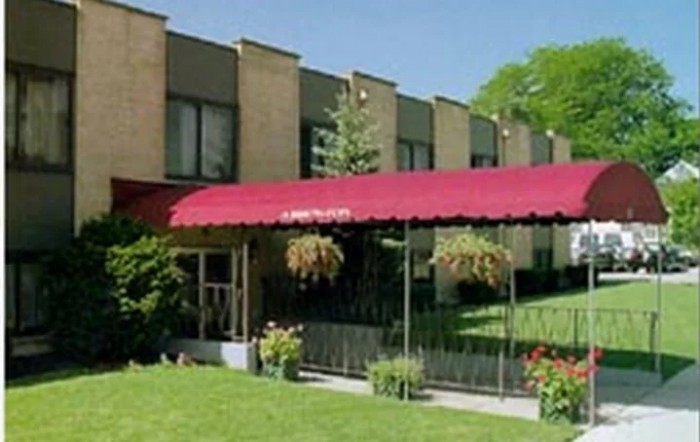
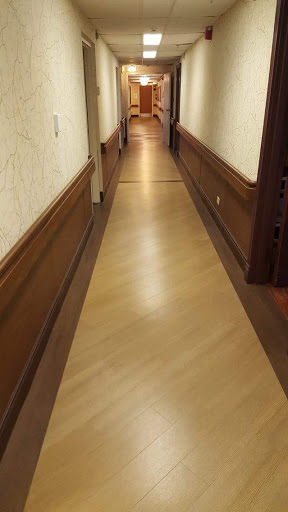
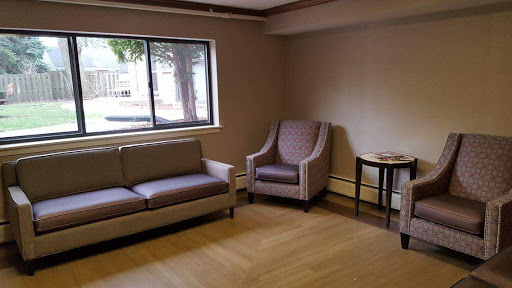
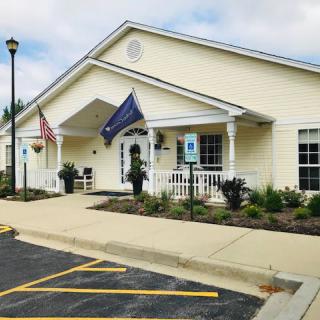
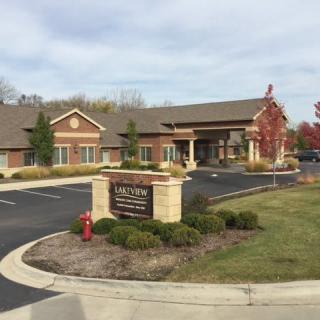
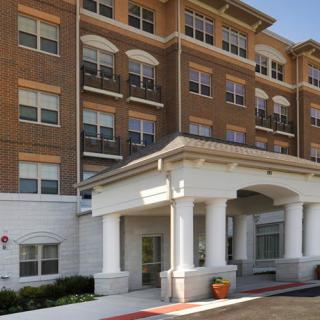
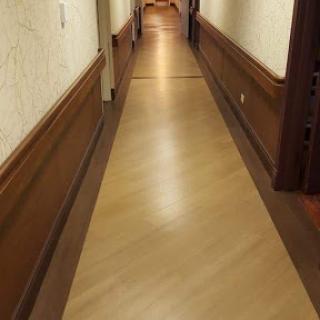
    • pro The building is very clean and nice.
    • pro A reviewer would be happy with Abbington if they are seeking a great staff to care for their loved ones.

    Cons

    • pro The staff are described as lacking knowledge about patients' diagnoses, symptoms, and medications.
    • pro Family communication is reportedly poor; the staff do not answer calls and sometimes hang up.
    • pro Administrators and social workers are characterized as incompetent.
    • pro A new patient reportedly did not see a doctor for two weeks and developed serious medical issues.
    • pro Patients are allegedly sent to hospitals without family notification, and hospital referrals are inaccurate.
    • pro The facility allegedly says one thing and does another, with inconsistent follow-through.
    • pro They accuse the facility of lying about patients' behavior to justify actions.
    • pro The place is described as a for-profit facility that prioritizes avoiding discharge.
    • pro Food quality is described as atrocious, with high carbohydrates and low nutrition.
    • pro Staff are said to not speak English, be unhygienic, and care more about state money than patients.
    • pro Moving patients with brain injury or delirium is said to worsen their condition due to constant transfers.
    • pro Negligence is alleged, including moving a grandmother without notice, losing a framed photo, and a patient dying after a move.
    • pro Basic care lapses are described, such as showers being skipped and phones not being returned; some staff are rude and unprofessional.
    • pro The facility is characterized as rundown and untrustworthy, with pervasive dishonesty.

    Review

    A chorus of troubling experiences paints a troubling portrait of this facility. Across multiple reviews, families describe a pattern of neglect, mismanagement, and a for-profit mindset that seems to overshadow the needs of residents. Several writers insist that the core issue is not isolated incidents but a systemic failure: staff who appear overwhelmed, administrators who seem unable to ensure consistent care, and a culture that places paperwork and referrals ahead of actually meeting patients' medical and emotional needs. The recurring theme is a sense that promises are not kept, and promises to protect and advocate for patients fall by the wayside in the daily grind of turnover, transfers, and bureaucracy.

    Communication, or the lack thereof, emerges as one of the most persistent problems. Families report that staff do not keep relatives informed about diagnoses, symptoms, or changes in treatment plans. Phone calls are described as something that are answered reluctantly, if at all, with accounts of staff hanging up or avoiding calls. Referrals and medical handoffs appear to be mishandled - instructions sent with patients are not followed, and questions about what a patient needs frequently go unanswered with the reply "I don't know." This breakdown in communication extends to discharge planning, where families say their loved ones are moved or sent to hospitals without clear notification of the destination, leaving relatives scrabbling to locate their loved one in a city-wide maze.

    Medical oversight and patient safety are central concerns for many reviewers. New patients are said to wait weeks for a doctor's evaluation, even when delirium, wandering, or brain injury complicate the residents' conditions. There are repeated accounts of patients being transferred to hospitals without adequate coordination, or with conflicting information about why the transfer occurred and which hospital is responsible. In several cases, hospitals indicated there was no open bed or no proper referral, suggesting that transfers may be mishandled rather than appropriately coordinated. The consequences described range from worsening confusion to potentially dangerous delays in treatment, underscoring fears that medical care is not being reliably prioritized.

    Discharge practices and the handling of resident transitions are described as particularly troubling. Some reviewers recount being told a patient would be returned or readmitted, only to be told later that the facility could not take the patient back. Others describe being left without a place to go after being discharged or moved, with the facility passing the responsibility onto hospitals or other providers. This pattern of passing the buck creates real anxiety for families who must navigate an already stressful process, often while the resident's health and safety hang in the balance.

    Individual incidents illustrate a broader sense of neglect and mismanagement. There are reports of a facility moving a frail, elderly grandmother during renovations with little notice, losing a cherished photograph in the process, and showing a lack of accountability when mistakes occur. Some reviewers allege the facility has written negative reports about a patient to justify actions taken elsewhere, while the patient's actual behavior at hospitals did not match those reports. There are also stories of belongings going missing, a chair malfunctioning, and communication gaps that leave families feeling unheard and powerless. Such anecdotes reinforce a perception that residents are not treated with respect or as centers of care but rather as items on a managed list.

    Language barriers, professionalism, and even the overall culture of the facility surface in several accounts. While some staff are described as friendly, others point to a profit-driven environment where the primary aim is to maximize funding rather than patient welfare. There are references to unprofessional conduct by management, including a hiring process that appeared chaotic and lacking in closed-door professionalism. The repeated juxtaposition of "nice on the surface" with "doing the opposite when challenged" creates a complex picture: moments of kindness exist, but they do not seem to translate into reliable, high-quality care.

    Physical conditions and daily life at the facility receive mixed reviews, too. A portion of the feedback condemns cleanliness levels as well as food quality - describing meals as high in carbohydrates and low in nutrition. Others insist the building is well maintained and clean. The contrast suggests a facility with a volatile mix of conditions that can shift from one patient to the next and from one shift to another, leaving families uncertain about what to expect from day to day.

    A few reviews offer a counterpoint, highlighting positive experiences and advocating for the staff who genuinely care. Some quote friendly employees or describe moments when caregivers were responsive or errors were addressed after a complaint. Yet these instances seem to stand in stark relief against a much louder chorus of dissatisfaction. For prospective families, the overall message is clear: there is a strong perception that the facility's motives, processes, and day-to-day execution are not reliably aligned with the best interests of residents.

    Taken together, the reviews present a troubling narrative about a facility that many families believe errs on the side of profit rather than compassionate care. The overarching warnings - from failed communications and unsafe transfers to persistent questions about discharge planning and accountability - create a strong call for caution. While there are occasional positives in the stories, the prevailing sentiment is that potential residents and their families should proceed with extreme diligence, seek second opinions, and advocate relentlessly for direct, clear communication and robust medical oversight if they consider this facility.

    Features

    Housing

    • 82 resident community capacity 82 resident community capacity

    Types of Care

    • Skilled Nursing Facility Skilled Nursing FacilitySkilled Nursing Facilities are crucial for seniors as they provide round-the-clock medical care, rehabilitation services, and assistance with daily activities. These facilities ensure that seniors receive the specialized care they need to maintain their health and well-being as they age.

    Amenities

    • Air-conditioning Air-conditioningAir conditioning is important for seniors as they are more vulnerable to heat-related illnesses and may have underlying health conditions that make it difficult for them to regulate their body temperature. It helps to keep them comfortable, safe, and healthy in hot weather.
    • Beauty salon Beauty salonBeauty salons are important for seniors because they provide a space for them to feel pampered, socialize, and maintain their personal grooming and hygiene. Regular visits to a beauty salon can help boost seniors' self-esteem and overall well-being.
    • Cable or satellite TV Cable or satellite TVCable or satellite TV is important for seniors because it provides entertainment, news, and companionship, helping to combat loneliness and boredom. It also offers a wide range of programming options tailored to different interests and preferences.
    • Computer center Computer centerA computer center is essential for seniors as it provides access to technology, communication tools, and resources that can enhance their daily lives. It allows them to stay connected with loved ones, engage in online activities, and learn new skills, ultimately promoting socialization and mental stimulation.
    • Dining room Dining roomDining rooms are important for seniors as they provide a space for socialization, connection, and nutritious meals. They offer opportunities for residents to bond over shared meals, foster a sense of community, and promote healthy eating habits. Dining rooms also ensure that seniors have access to well-balanced meals tailored to their dietary needs and preferences.
    • Fitness room Fitness roomHaving a fitness room in a senior living community is essential for seniors to stay active, maintain their physical health, and improve their overall well-being. Regular exercise can help prevent falls, reduce the risk of chronic diseases, and promote mental sharpness. It also provides social opportunities for residents to connect with others and enjoy a sense of community.
    • Fully furnished Fully furnishedFully furnished senior living communities are important for seniors because they provide convenience, comfort, and a hassle-free moving experience. Seniors can easily settle into their new living space without the stress of having to buy and move furniture. This allows them to focus on enjoying their new home and community.
    • Gaming room Gaming roomGaming rooms are important for seniors as they provide a fun and engaging environment for socializing, cognitive stimulation, and physical activity. Games can improve memory, problem-solving skills, and overall mental well-being while fostering friendships and reducing feelings of isolation.
    • Garden GardenGardens are important for seniors as they provide a peaceful and therapeutic environment for relaxation, physical activity, and socialization. Being in nature has been shown to reduce stress, improve mood, and promote overall well-being. Gardens also offer opportunities for seniors to engage in gardening activities, which can improve mobility, flexibility, and cognitive function. Additionally, gardens create a sense of community and connection with others who share a passion for plants and outdoor spaces.
    • Housekeeping services Housekeeping servicesHousekeeping services are important for seniors because they help maintain a clean and safe living environment, promote independence, and reduce the risk of accidents or illnesses. Additionally, having assistance with household chores can alleviate physical strain and allow seniors to focus on other aspects of their well-being.
    • Kitchenette KitchenetteKitchenettes are important for seniors living in senior living communities because they provide the convenience and independence of being able to prepare simple meals and snacks in the comfort of their own living space. This can help promote a sense of autonomy and well-being for seniors, allowing them to maintain some level of control over their dietary choices and daily routines.
    • Move-in coordination Move-in coordinationMove-in coordination is important for seniors because it helps ease the transition into their new living environment. It ensures that all logistics, such as packing, organizing movers, and setting up utilities are taken care of, allowing seniors to focus on settling in and adjusting to their new home. Having a smooth move-in process can alleviate stress and anxiety, making the transition smoother and more enjoyable for seniors.
    • Outdoor space Outdoor spaceOutdoor spaces are important for seniors as they provide opportunities for physical activity, social interaction, exposure to natural light and fresh air, and a sense of connection to nature. Having access to outdoor spaces can improve overall well-being and quality of life for older adults living in senior communities.
    • Private bathrooms Private bathroomsPrivate bathrooms are important for seniors in senior living communities because they provide independence, dignity, and comfort. Having a private bathroom allows seniors to maintain their personal hygiene routines without the need for assistance, promoting a sense of autonomy and privacy. Additionally, private bathrooms help prevent the spread of infections and provide a safe and clean environment for seniors to navigate safely.
    • Restaurant-style dining Restaurant-style diningRestaurant-style dining is important for seniors because it allows them to enjoy delicious, nutritious meals in a social and upscale setting. This enhances their dining experience, promotes healthy eating habits, and fosters socialization with fellow residents, ultimately contributing to their overall well-being and quality of life.
    • Small library Small librarySmall libraries are important for seniors as they provide access to a variety of reading materials, including books, newspapers, and magazines. This can help stimulate their minds, keep them engaged, and provide a sense of community through book clubs and other social activities. Additionally, reading has been shown to improve cognitive function and overall mental well-being in older adults.
    • Telephone TelephoneTelephones are important for seniors as they provide a lifeline for communication with loved ones, emergency services, and healthcare providers. They offer a sense of security and independence, enabling seniors to stay connected and access assistance when needed.
    • Wellness center Wellness centerWellness centers are important for seniors because they offer a variety of programs and services that promote physical, mental, and emotional well-being. These centers provide opportunities for exercise, socialization, education, and relaxation, helping seniors maintain their overall health and quality of life.
    • Wi-Fi/high-speed internet available Wi-Fi/high-speed internet availableWi-Fi/high-speed internet is important for seniors to stay connected with loved ones, access online resources, and participate in virtual activities to combat feelings of loneliness and isolation. It also allows them to easily manage healthcare needs, access entertainment, and engage in lifelong learning opportunities.

    Transportation

    • Chicago O'Hare International (9 miles away) Chicago O'Hare International (9 miles away)
    • Chicago Midway (22 miles away) Chicago Midway (22 miles away)
    • Community operated transportation Community operated transportationCommunity operated transportation is crucial for seniors as it provides them with the means to access essential services, social activities, and medical appointments. It allows seniors to maintain their independence and quality of life by ensuring they can participate in activities outside of their homes. Additionally, community-operated transportation services offer a safe and reliable way for seniors to travel without having to rely on family or friends for assistance.
    • Transportation arrangement Transportation arrangementTransportation arrangements are crucial for seniors as they may face challenges with driving, mobility, or access to public transportation. Having reliable transportation services ensures that seniors can easily attend appointments, social activities, and maintain their independence and quality of life.
    • Transportation arrangement (non-medical) Transportation arrangement (non-medical)Transportation arrangements are essential for seniors as they provide access to essential services, activities, and social interactions outside the home. This service helps maintain independence, mobility, and overall well-being for seniors who may have limited transportation options.
    • Transportation to doctors appointments Transportation to doctors appointmentsTransportation to doctors appointments is crucial for seniors as it ensures they have access to necessary medical care and support, promoting their health and well-being. It allows them to receive timely treatment, monitor existing conditions, and address any new health concerns efficiently. Additionally, transportation services can help seniors maintain their independence and quality of life by enabling them to stay connected with their healthcare providers.

    Care Services

    • 12-16 hour nursing 12-16 hour nursing12-16 hour nursing care is crucial for seniors in order to ensure around-the-clock monitoring, timely medication administration, and prompt response to any health concerns or emergencies. This level of care helps to promote the overall well-being and safety of seniors living in senior living communities.
    • 24-hour call system 24-hour call system24-hour call systems are important for seniors because they provide peace of mind and immediate assistance in case of emergencies. This technology ensures that help is always available, promoting safety and security for elderly individuals living alone or in assisted living facilities.
    • 24-hour supervision 24-hour supervision24-hour supervision is important for seniors to ensure their safety, well-being, and access to immediate assistance in case of emergencies or health issues. This constant support provides peace of mind for both seniors and their loved ones, allowing them to age in place with dignity and security.
    • Activities of daily living assistance Activities of daily living assistanceActivities of daily living assistance are important for seniors because they provide essential support with tasks such as eating, bathing, dressing, and mobility. This assistance helps seniors maintain their independence, dignity, and overall quality of life as they age.
    • Assistance with bathing Assistance with bathingAssistance with bathing is crucial for seniors as it helps maintain personal hygiene, prevents infections, and ensures their overall well-being and comfort. It also provides a sense of dignity and independence for seniors who may struggle with this task on their own.
    • Assistance with dressing Assistance with dressingAssistance with dressing is important for seniors because it helps maintain their independence, promotes personal hygiene, prevents accidents and injuries, and improves overall quality of life. This service ensures that seniors can continue to dress comfortably and confidently, despite any physical limitations they may have.
    • Assistance with transfers Assistance with transfersAssistance with transfers is crucial for seniors as it helps prevent falls and injuries, maintains their independence, and ensures they can safely navigate their living environment. It also provides peace of mind for both seniors and their loved ones.
    • Diabetes diet Diabetes dietA diabetes diet is crucial for seniors as it helps manage blood sugar levels, reduce risks of complications, and improve overall health and well-being. By following a balanced and nutritious diet tailored to their specific needs, seniors can better control their diabetes and enhance their quality of life.
    • Meal preparation and service Meal preparation and serviceMeal preparation and service are crucial for seniors as they may have limited mobility or energy to cook nutritious meals. Having access to healthy and convenient food options can ensure they are getting the proper nutrition needed to maintain their overall health and well-being.
    • Medication management Medication managementMedication management is crucial for seniors to ensure they are taking the right medications at the correct dosages and times. This helps prevent adverse drug interactions, reduces the risk of medication errors, and promotes overall health and well-being. Proactive management also allows for adjustments as needed based on changing health conditions or new prescriptions.
    • Mental wellness program Mental wellness programMental wellness programs are essential for seniors as they promote cognitive stimulation, emotional support, and social engagement. These programs help prevent isolation, depression, and cognitive decline, ultimately enhancing the overall quality of life for older adults.
    • Special dietary restrictions Special dietary restrictionsSpecial dietary restrictions are important for seniors because age-related changes in metabolism and health conditions can make it difficult for their bodies to process certain foods. By following a diet tailored to their specific needs, seniors can maintain their overall health and well-being, manage chronic conditions, and reduce the risk of complications such as malnutrition or food interactions with medications.

    Dining

    • Diabetes diet Diabetes dietA diabetes diet is crucial for seniors as it helps manage blood sugar levels, reduce risks of complications, and improve overall health and well-being. By following a balanced and nutritious diet tailored to their specific needs, seniors can better control their diabetes and enhance their quality of life.
    • Special dietary restrictions Special dietary restrictionsSpecial dietary restrictions are important for seniors because age-related changes in metabolism and health conditions can make it difficult for their bodies to process certain foods. By following a diet tailored to their specific needs, seniors can maintain their overall health and well-being, manage chronic conditions, and reduce the risk of complications such as malnutrition or food interactions with medications.

    Activities

    • Community-sponsored activities Community-sponsored activitiesCommunity-sponsored activities are important for seniors as they provide opportunities for social interaction, mental stimulation, and physical activity. These activities can help improve overall well-being, combat loneliness and isolation, and promote a sense of belonging and purpose among older adults.
    • Concierge services Concierge servicesConcierge services are essential for seniors as they provide assistance with daily tasks and errands, enhance their quality of life by offering convenience and personalized care, and promote a sense of safety and security.
    • Fitness programs Fitness programsFitness programs are crucial for seniors as they help improve strength, flexibility, balance, and overall well-being. Staying active can reduce the risk of chronic diseases, improve mental health, and enhance quality of life in older adults.
    • Planned day trips Planned day tripsPlanned day trips are important for seniors because they offer opportunities for socialization, mental stimulation, and physical activity. They provide a change of scenery and help seniors stay engaged and connected to their community, promoting overall well-being and quality of life.
    • Resident-run activities Resident-run activitiesResident-run activities are important for seniors as they encourage social interaction, creativity, and a sense of autonomy. These activities empower seniors to stay engaged and active in their community while fostering meaningful connections with their peers.
    • Scheduled daily activities Scheduled daily activitiesScheduled daily activities are important for seniors because they provide structure, socialization, mental stimulation, and physical activity. Engaging in regular activities can improve overall well-being and quality of life for seniors living in a community setting.

    Description

    Abbington Rehab & Nursing Center is a premier assisted living community located in the peaceful town of Roselle, IL. Our community offers a wide range of amenities and care services to ensure our residents receive the utmost comfort and support.

    For our residents' convenience and well-being, we provide a variety of amenities such as a beauty salon for pampering, cable or satellite TV for entertainment, and a fully furnished living space for comfort. We also offer a computer center for digital enjoyment, a gaming room for recreational activities, and a small library for leisurely reading. Our residents can stay connected with their loved ones through telephone and Wi-Fi/high-speed internet services.

    At Abbington Rehab & Nursing Center, we take pride in providing top-notch care services. We have a 24-hour call system in place as well as round-the-clock supervision to ensure our residents' safety and security. Our dedicated staff is trained to provide assistance with activities of daily living, including bathing, dressing, and transfers. We also offer specialized diabetes diets and cater to other special dietary restrictions. Medication management is available to ensure our residents' health needs are met.

    To keep our residents socially engaged and mentally stimulated, we offer various activities such as fitness programs to promote physical wellness and planned day trips for exploration outside the community. Resident-run activities allow individuals to showcase their talents and interests, while scheduled daily activities create opportunities for socializing with fellow residents.

    Our location is also advantageous with several amenities nearby. Two cafes provide options for dining out or meeting friends for coffee. Six parks offer tranquil spaces for outdoor recreation and nature walks. There are also twelve pharmacies within reach to fulfill medication needs promptly. For dining options beyond our restaurant-style dining room, sixteen restaurants nearby cater to different tastes. Two transportation options make it convenient to travel around town or visit loved ones at ease. Additionally, there are two places of worship nearby for spiritual fulfillment and two theaters providing entertainment options.

    Abbington Rehab & Nursing Center promises a comfortable, supportive, and engaging assisted living community for individuals seeking an enriching lifestyle.

    Nearby Places of Interest

    Parks

    • Goose Lake Park (1.5 miles)
    • Westlake Park (2.7 miles)
    • Mallard Lake County Forest Preserve (2.8 miles)
    • Abrahamsen Park (2.8 miles)
    • Olympic Park (3.6 miles)
    • Sheffield Park (4.8 miles)
    • Bartlett Park (5.4 miles)

    Pharmacies

    • CVS Pharmacy (1.7 miles)
    • Walgreens (2.5 miles)
    • CVS Pharmacy (2.7 miles)
    • Walgreens (3.3 miles)
    • Walgreens (3.4 miles)
    • Walgreens (3.6 miles)
    • Walgreens (3.6 miles)

    Transportation

    • Metra (1.9 miles)
    • Metra (3.5 miles)
    • Metra (7.4 miles)
    • Metra Train Station (7.4 miles)
    • Concourse C (8.8 miles)
    • Delta Air Lines (8.9 miles)

    Places of Worship

    • Calvary Community Church (2.6 miles)
    • St Hubert Church (3.9 miles)
    • Willow Creek Community Church (8 miles)
    • College Church (8.1 miles)

    Restaurants

    • Popeyes Louisiana Kitchen (3.3 miles)
    • Chick-Fil-A (3.4 miles)
    • Popeyes Louisiana Kitchen (3.5 miles)
    • McDonald's (3.6 miles)
    • Portillo's Hot Dogs (3.8 miles)
    • Sonic Drive-In (4.2 miles)
    • McDonald's (4.3 miles)

    Cafes

    • Starbucks (3.8 miles)
    • Starbucks (4 miles)
    • Starbucks (5.7 miles)
    • Starbucks (6.7 miles)
    • Starbucks (7 miles)

    Theaters

    • Addison Cinema Addison, Il (3.8 miles)
    • AMC Streets of Woodfield 20 (4.6 miles)
    • AMC South Barrington 24 (6.9 miles)

    Hospitals

    • Ascension Alexian Brothers - Behavioral Health Hospital (5.7 miles)
    • Alexian Brothers Women and Children's Hospital (5.7 miles)
    • St Alexius Medical Center (5.8 miles)
    • NCH Northwest Community Hospital (7.4 miles)
    • Central Dupage Hospital - Mother & Baby Pavilion (8.4 miles)
    • Northwestern Medicine Central DuPage Hospital Sleep Health Center (8.5 miles)
    • Central Dupage Hospital (8.5 miles)

    Physicians

    • Alexian Doctors Building 2 (5.8 miles)
    • Barrington Orthopedics (6 miles)
    • Wheaton Eye Clinic (6.9 miles)
    • Arlington Eye Physicians (7.2 miles)
    • Dupage Medical Group (7.4 miles)

    Frequently Asked Questions

    Where is Abbington Rehab & Nursing Center?
    What photos are available for Abbington Rehab & Nursing Center in Roselle, Illinois?

    Nearby Communities

    Related Resources

    • elderly blood pressure chartComprehensive Look at Senior Blood Pressure Charts: Normal and Elevated Levels by Age

      The overview of blood pressure management for seniors emphasizes the importance of monitoring and interpreting blood pressure readings, noting that normal ranges can vary due to age-related factors and individual health conditions. It highlights tailored guidelines for systolic and diastolic levels, the necessity of early detection and consistent management to prevent serious health complications, and advocates for personalized care strategies that incorporate lifestyle changes and medication adherence.

    • best dog for seniorsTop Canine Companions for Older Adults

      Dogs can greatly improve the lives of older adults by offering emotional support and encouraging physical activity, with factors such as size, temperament, and grooming needs being crucial in selecting a suitable breed. Senior dogs often make ideal companions for this demographic, promoting social connections and requiring care routines that align with seniors' capabilities.

    • elderly blood pressure chartComprehensive Guide to Blood Pressure Charts for Older Adults: Understanding Normal and High Readings by Age
      The guide on blood pressure charts for older adults stresses the importance of understanding normal and high blood pressure readings influenced by age, genetics, and lifestyle, while emphasizing regular monitoring and lifestyle modifications to prevent serious health issues. It provides insights into blood pressure categories, dietary recommendations, medication considerations, and the role of caregivers in supporting healthy habits.


    Get Pricing Ask A Question Schedule A Tour Contact Senior Advisor