








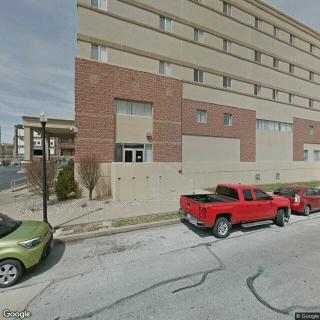
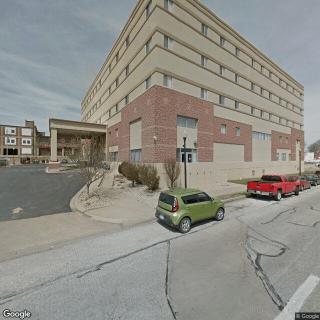
418 Washington Street, Quincy, IL 62301
For more information about senior living options: (866) 208-4318
Overall Review of Sunset Home
Pros
 Sunset Home was very pleasant.
- The woman who gave the tour was very nice.
- She was very helpful, polite, and very pleasant.
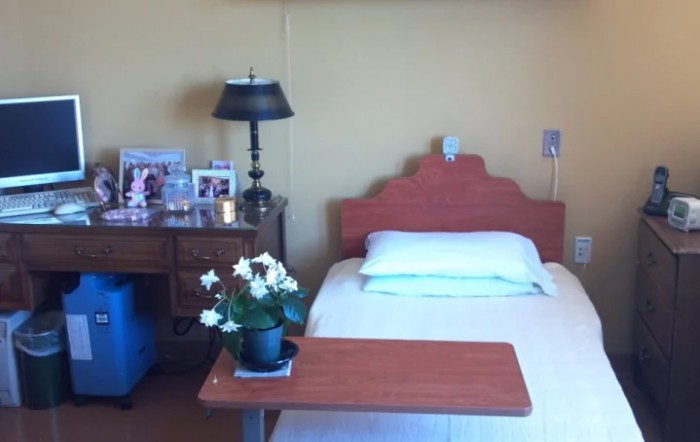
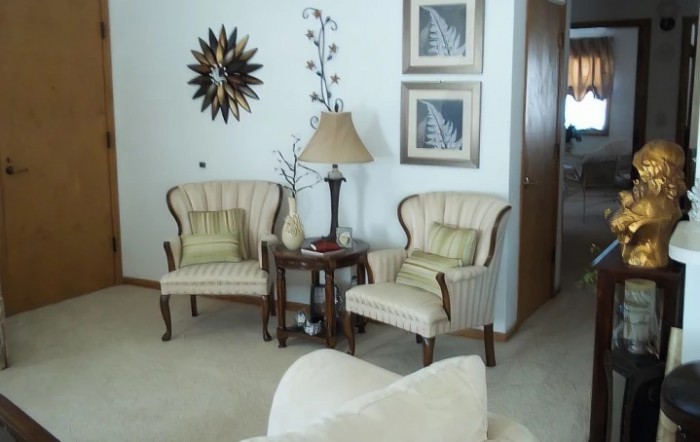
- The apartments were a nice size with big windows, making them bright.
- The dining area was very nice.
- There was a big table for everybody.
- Sunset did a wonderful job in her rehab and care.
- The Medicare floor was excellent and well staffed; the nurses and aides were very concerned and answered questions.
Cons
 The reviewer claims the facility is all about the dollar and shows no respect for residents.
 - Residents are treated as dollar signs with little empathy for their families.
- Immobile residents are parked in recliners or at a dining table and left for most of the day.
- The recliners are often urine-soaked and residents hang slumped over the chair for hours.
- Staff are constantly changing, with admissions and social services lacking compassion or professional passion.
- Clothes are lost, incident reports aren’t completed, and families aren’t notified of care plan meetings.
- Superiors have no interest in getting involved to correct issues.
- The reviewer would not recommend this place and advises avoiding it.
Review
Sunset Home in Quincy is best suited for families seeking a bright, approachable environment with a proven rehab trajectory and an easy first impression, especially on the Medicare floor. The community can deliver strong outcomes after hospitalization, patients often leave rehab not only medically improved but emotionally buoyed by attentive staff and a welcoming campus feel. This is not a place to dodge tough choices; rather, it rewards those who can navigate mixed experiences across units and who want a facility that feels orderly during tours and initial visits. For long-term, highly supervised living with unwavering consistency, however, it may not be the safest or most reliable fit.
Pros are tangible and meaningful for families focused on recovery and everyday comfort. The campus presents well: apartments are spacious with big windows and good natural light, and the dining area fosters a shared, social experience with a large table that encourages interaction. The staff member who conducts tours can set a constructive tone, and front-desk personnel, Rachel in particular, are highlighted as caring and responsive. The Medicare-concentrated floor is repeatedly praised for its staffing and attentiveness, with nurses and aides who answer questions directly and with clear focus. When a resident moves through rehab successfully, the facility earns credibility through real, observable progress.
Yet the most troubling themes run parallel: care quality and consistency can deteriorate sharply, especially on The Haven and in other non-Medicare areas. Reports describe immobile residents left in recliners or at dining tables for extended periods, with stories of urine-soaked chairs and little daily engagement beyond routine tasks. Staff turnover is frequent, and incident reporting is inconsistently handled, with families left uninformed about care plan updates. Belongings allegedly disappear or are mishandled after a loved one’s death, events that erode trust and raise questions about accountability and empathy. Taken together, these patterns paint a picture of a facility that can deliver excellent rehab care in one wing while failing to provide steady, compassionate oversight in another.
Those dynamics matter because the strong rehab outcomes and courteous front-line service can offset, but not fully neutralize, the core concerns. For families prioritizing a solid, outcome-driven rehabilitation experience, Sunset Home can deliver a reliable bridge back to independent living, especially when a resident’s medical needs align with the strengths of the Medicare floor. The positive mentions of a clean environment, proactive communication about problems, and a few dedicated caregivers offer concrete reassurance that meaningful improvements are possible. However, the contrast between the well-regarded units and the care gaps cited elsewhere creates a risk profile: progress in rehab does not guarantee day-to-day safety or sustained comfort for immobile residents who require constant supervision and consistent empathy.
This reality suggests a clear caution for families evaluating long-term placement, especially for loved ones who require steady, day-to-day oversight. Alternatives may be worth considering for those who cannot tolerate reports of understaffing, frequent staff changes, or sporadic communication with families. Facilities with a more uniform approach to resident interaction, stricter supervision of immobile residents, and fewer reports of lost belongings or inconsistent care plans may provide greater peace of mind. In short, Sunset Home can be a strong short-term or rehab-forward choice, but it demands careful vetting for long-term residency, particularly for those who value steady staffing and transparent, compassionate care across all units.
Practical next steps for families are clear. Schedule a comprehensive tour that probes staffing ratios by shift, incident-reporting procedures, and how care plans are communicated to families. Request current staffing data and ask to meet the unit coordinator overseeing The Haven as well as the Medicare floor leaders. Review recent survey results and speak with current residents or families about day-to-day experiences beyond the tour, focusing on safety, cleanliness, and responsiveness. If a seamless, empathic, consistently supervised environment is non-negotiable, Sunset Home should be weighed against other options with a proven track record in persistent, quality long-term care.
 182 resident community capacity
 Skilled Nursing Facility
 Air-conditioning
 Beauty salon
 Cable or satellite TV
 Computer center
 Dining room
 Fitness room
 Fully furnished
 Gaming room
 Garden
 Housekeeping services
 Kitchenette
 Move-in coordination
 Outdoor space
 Private bathrooms
 Restaurant-style dining
 Small library
 Telephone
 Wellness center
 Wi-Fi/high-speed internet available
 Community operated transportation
 12-16 hour nursing
 24-hour call system
 Activities of daily living assistance
 Assistance with bathing
 Assistance with dressing
 Assistance with transfers
 Diabetes diet
 Medication management
 Mental wellness program
 Special dietary restrictions
 Concierge services
 Planned day trips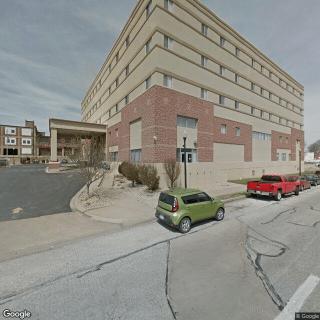



 8 Essential Assistive Devices for Older Adults
 Navigating the Financial Road to Nursing Home Care: In-Depth Guidance and Resources
 Supportive Employee Benefits That Help Caregivers Attain Better Work-Life Harmony