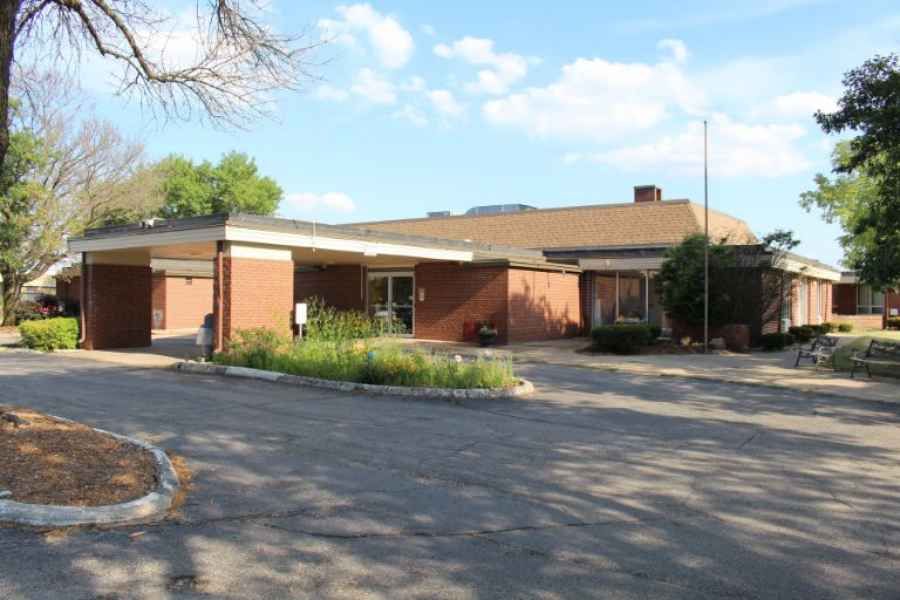




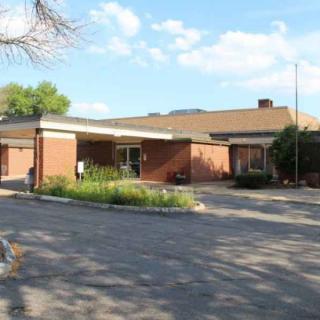
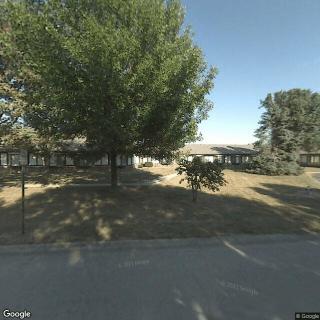
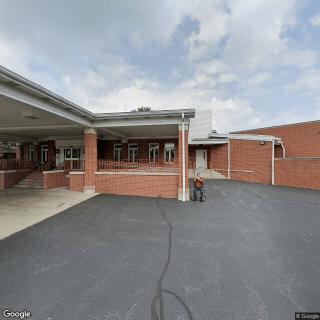
19130 Sunny Acres Road, Petersburg, IL 62675
For more information about senior living options: (866) 208-4318
Overall Review of Sunny Acres Nursing Home
Pros
 The care at Sunny Acres is excellent.
- The skilled nursing team consistently goes above and beyond for residents and families.
- The staff communicates well and listens to families to get to know their loved ones.
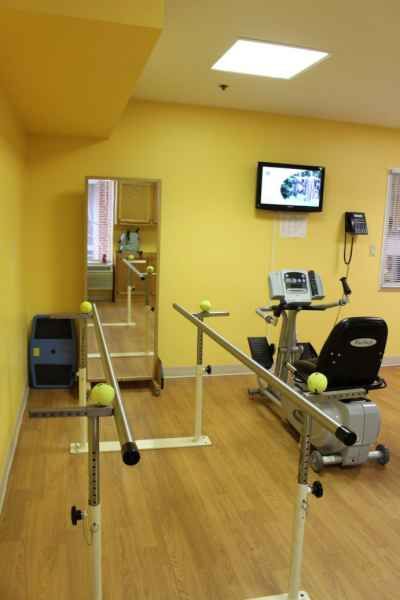
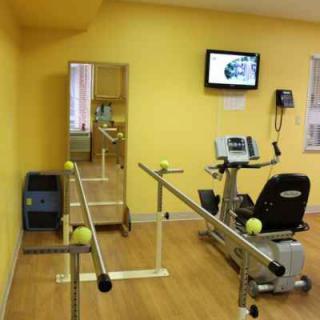
- It offers rehab services, including physical and occupational therapy.
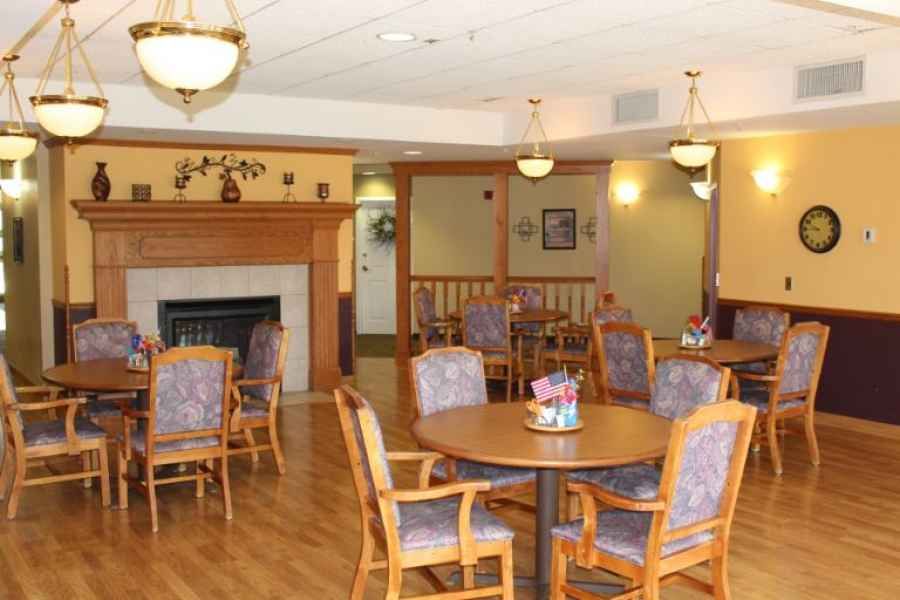
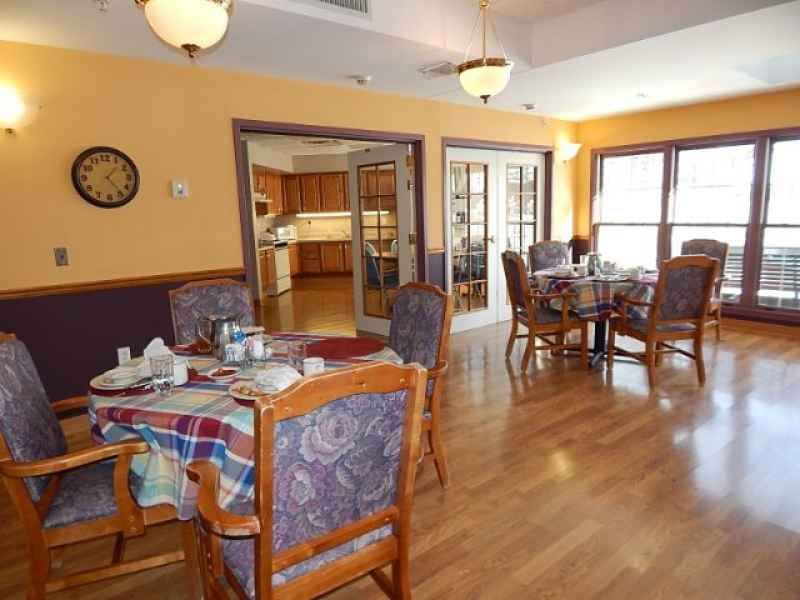
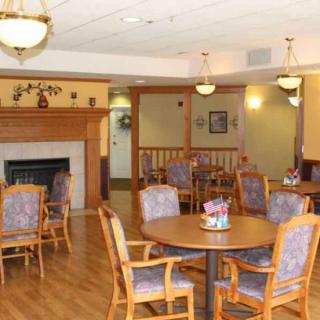
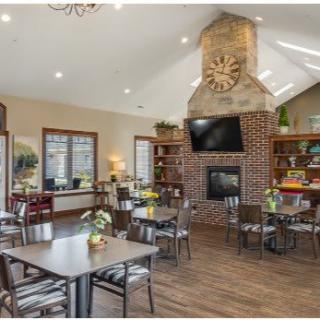
- The dining hall is nice, and the food is healthy with good portions.
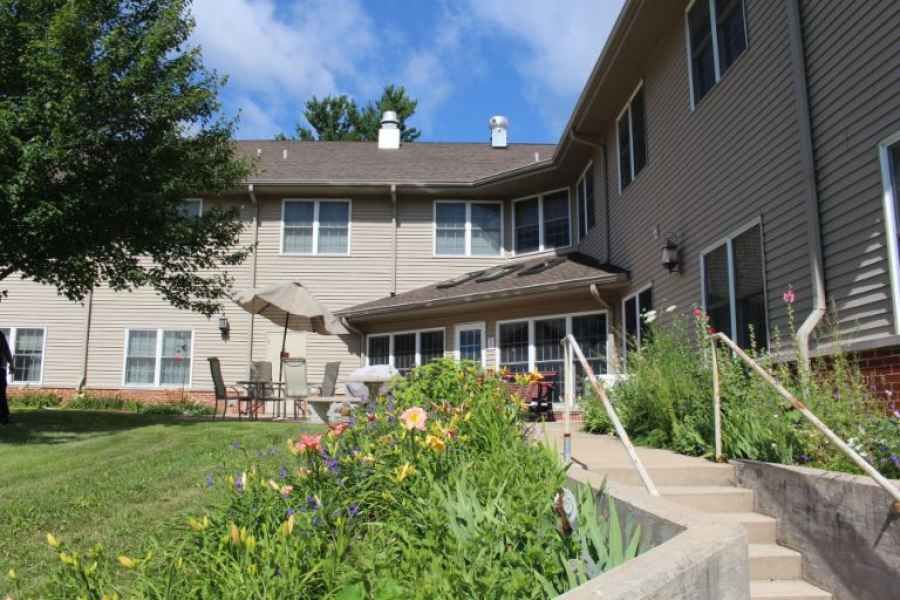
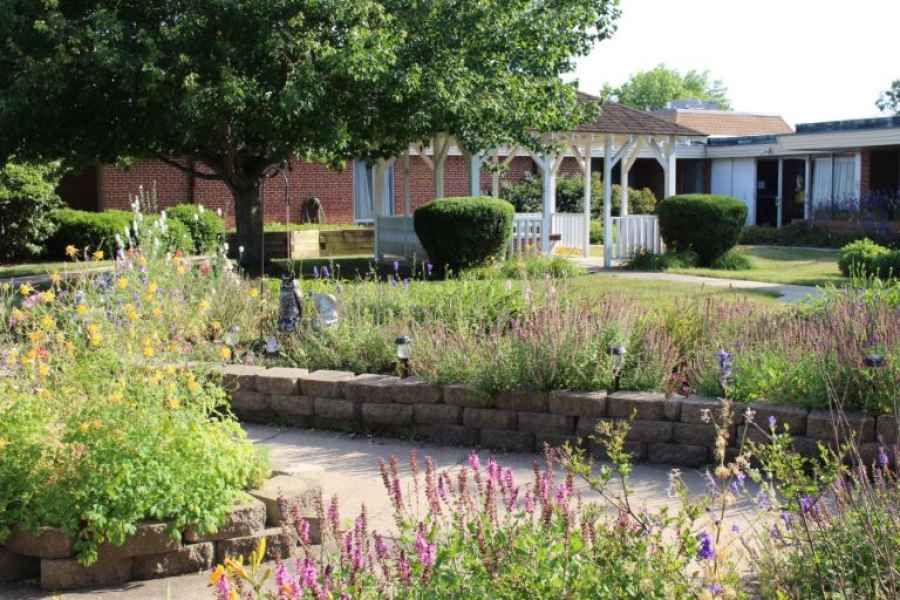
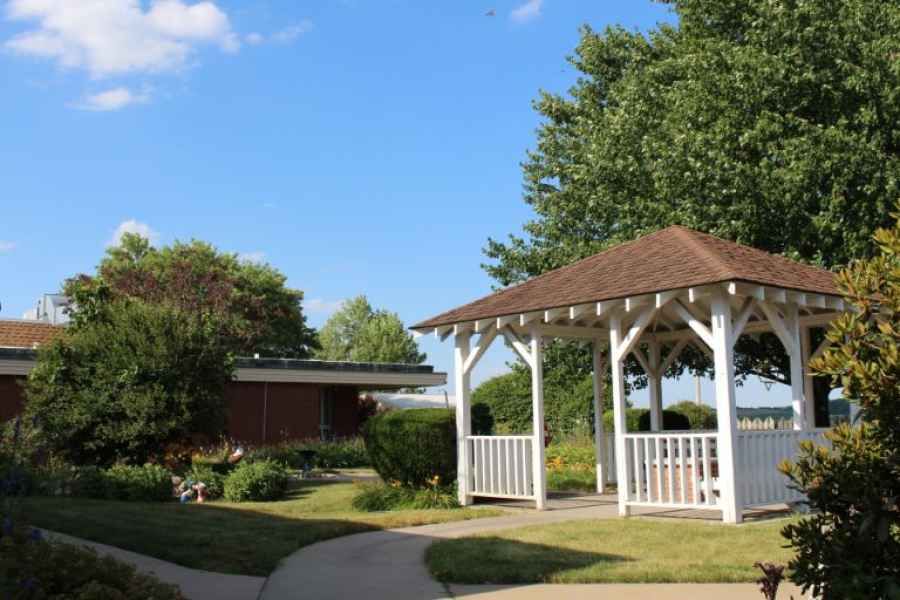
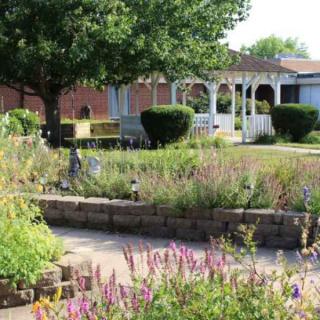
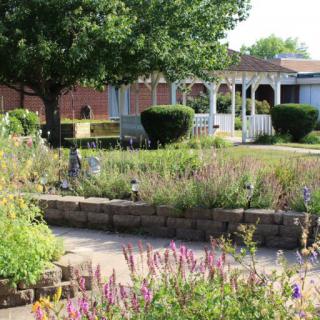
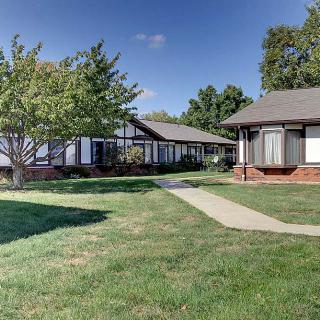
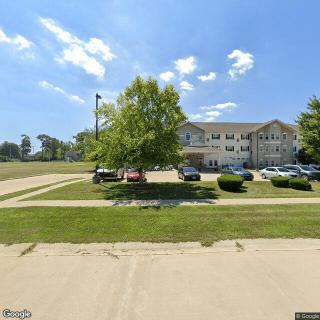
- The accommodations are peaceful in a rural setting, and the staff is wonderful.
Cons
 The nursing home is described as absolutely the worst.
- The staffing and higher-ups are said to be worse.
- The facility cannot adequately staff the building.
- The DON has no regard for staff safety or health.
- The reviewer would give 0 stars if possible.
- Families are warned not to send loved ones there, citing neglect, unhealthy conditions, and verbal abuse.
Review
Sunny Acres Nursing Home in Petersburg, IL is best suited for families prioritizing strong rehabilitation services and clear, ongoing communication about a loved one’s progress, within a peaceful rural setting. The program is oriented toward skilled nursing and therapy, with reported strengths in physical and occupational therapy, nutrition, and a calendar of activities designed to engage residents. It is not the right choice for those who must see flawless staffing consistency or unimpeachable day-to-day supervision every shift. For families with a primary need for aggressive rehab and steady family updates, Sunny Acres can deliver, provided expectations are grounded in what the facility consistently offers and what remains variable.
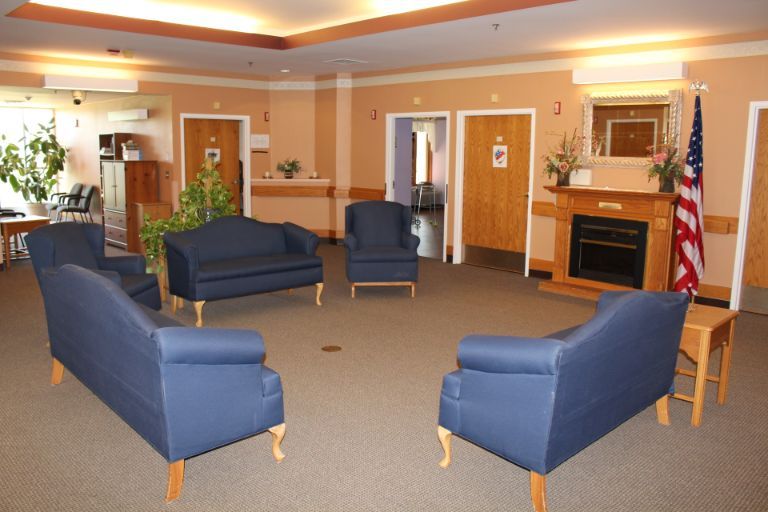
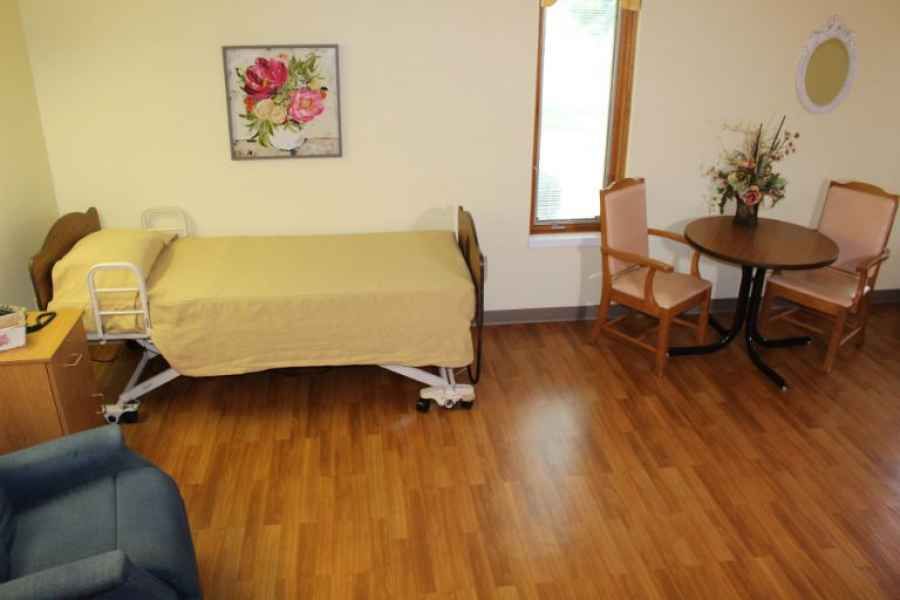
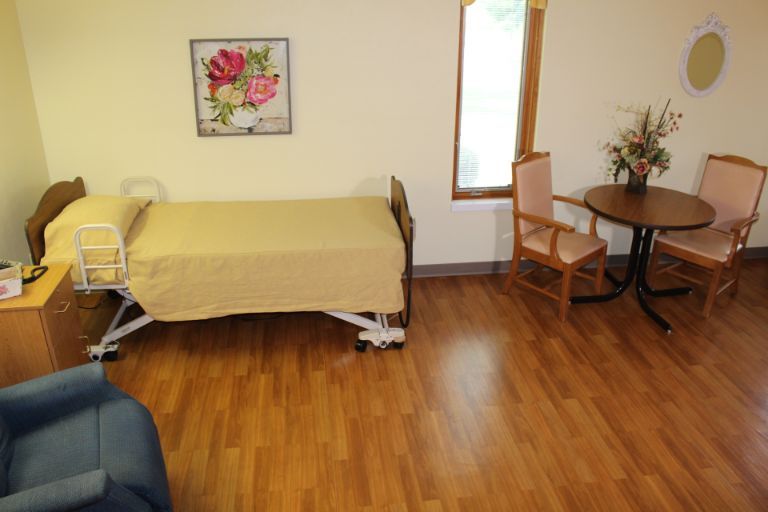
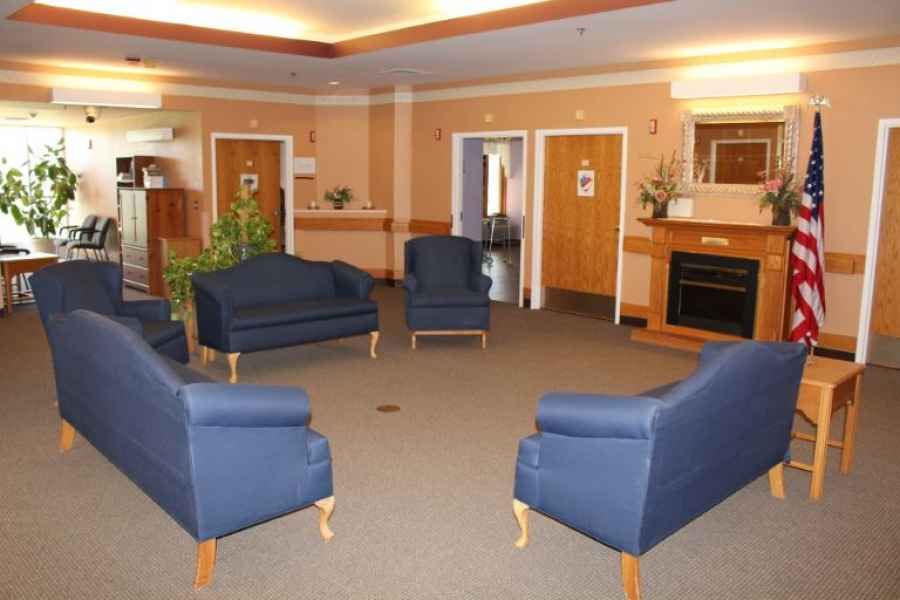
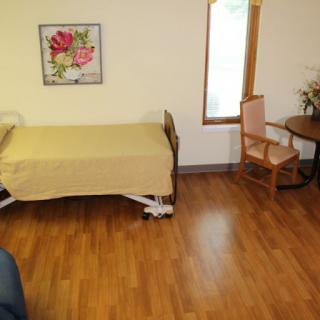
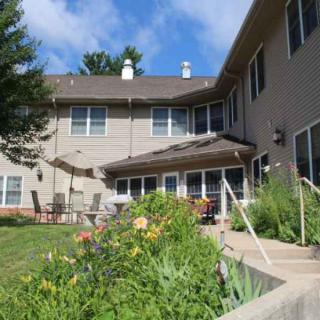
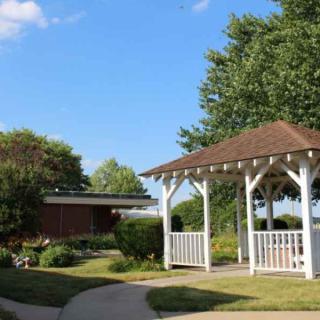
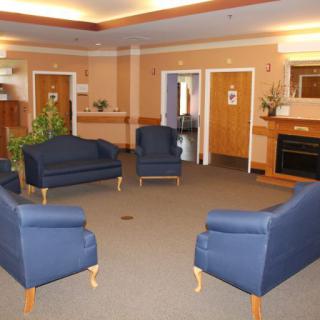
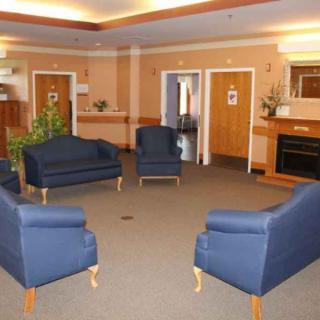
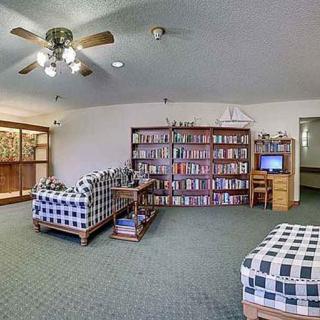
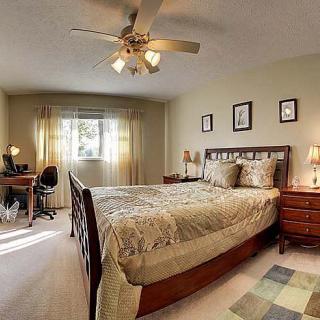
On the positive side, multiple reviews highlight a skilled nursing team that can be responsive and genuinely involved in resident progress. Physical therapy and occupational therapy are repeatedly referenced as active, with residents regaining mobility and independence through regular sessions. Family members praise open lines of communication and staff who listen, which matters deeply when coordinating care plans and transition goals. The dining experience is described as healthy and satisfying, with ample portions and a predictable rhythm to meals, supported by a well-appointed dining hall and accessible activity spaces. The overall environment, room cleanliness, space, and outdoor visiting areas, contributes to a sense of daily livability that families often crave during recovery phases.
However, a substantial counterpoint appears in the reviews: concerns about staffing sufficiency and leadership. Several commentators flag understaffing and question the responsiveness of higher-ups, including the administrator or director of nursing, to staff safety and resident needs. Descriptions of neglect, verbal abuse, and a troubling attitude toward residents appear in some accounts, creating a perception of risk for families who cannot tolerate inconsistent care or a lack of immediate escalation when problems arise. Compounding the unease, one account points to an older, more compact facility layout, with Alzheimer’s residents mixed into general populations in a way that may limit the stimulation and targeted oversight some families expect. These are real red flags that cannot be dismissed.
The core question for decision-making is whether the rehab strengths can outweigh the staffing and leadership concerns. For residents where rehabilitation gains and steady progress are the top priority, Sunny Acres can be a good match if the family actively verifies staffing levels, monitors therapy availability, and maintains rigorous communication with the care team. The documented improvements in mobility and the emphasis on activity engagement suggest real value when the care plan hinges on recovery milestones. Yet the risk of inconsistent staffing and reports of neglect or mistreatment, whether isolated or systemic, must be weighed heavily, especially for those with long-term custodial needs or higher susceptibility to care gaps.
Families should weigh alternatives with equal gravity. Facilities with a demonstrably stronger track record of consistent staffing, transparent leadership, and fewer reports of mistreatment may be preferable for seniors who require around-the-clock supervision or who have heightened sensitivities to caregiver turnover. Those seeking highly specialized memory care or a more modern, streamlined facility footprint might also look elsewhere, particularly if the perception of safety and reliable staffing tops the list of non-negotiables. Sunny Acres remains a viable option for rehab-forward care, but it calls for due diligence and a readiness to confront difficult questions about staffing stability and day-to-day oversight.
The final course is practical and concrete. Prospective families should arrange an in-person, multi-visit assessment to observe therapy sessions, meal-time service, and interactions between staff and residents at different times of day. Request a meeting with the administrator and the director of nursing, and solicit candid references from current families and residents. Review state inspection reports and any recent survey results for objective context on staffing and safety standards. If possible, arrange to observe a therapy session and a representative meal period to gauge consistency, attentiveness, and overall atmosphere. With disciplined due diligence, Sunny Acres can be a solid rehabilitative home run for the right resident; for those who cannot accept variability in staffing or concerns about leadership responsiveness, alternatives deserve serious consideration.
 106 resident community capacity
 Skilled Nursing Facility
 Air-conditioning
 Beauty salon
 Cable or satellite TV
 Computer center
 Dining room
 Fitness room
 Fully furnished
 Gaming room
 Garden
 Housekeeping services
 Kitchenette
 Move-in coordination
 Outdoor space
 Private bathrooms
 Restaurant-style dining
 Small library
 Telephone
 Wellness center
 Wi-Fi/high-speed internet available
 Capital (13 miles away)
 Community operated transportation
 12-16 hour nursing
 24-hour call system
 Activities of daily living assistance
 Assistance with bathing
 Assistance with dressing
 Assistance with transfers
 Diabetes diet
 Medication management
 Mental wellness program
 Special dietary restrictions
 Concierge services
 Planned day trips

 Top Cars for Senior Drivers and Essential Safety Innovations
 A Closer Look at Private Pay Home Care
 Comprehensive Approaches for Arthritis: A Detailed Guide to Symptoms, Causes, and Care