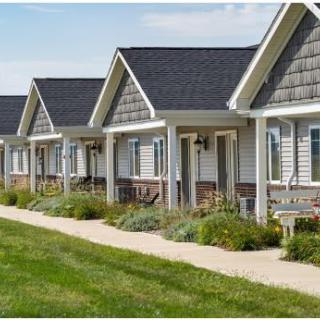
Villas of Holly Brook & Reflections Springfield Costs & Pricing
Villas of Holly Brook & Reflections Springfield offers a range of living options that are generally positioned above the median costs found within Sangamon County and the broader Illinois market. For instance, their one-bedroom units are priced at $3,475, slightly higher than the county average of $3,186 but notably lower than the state average of $3,527. In contrast, their two-bedroom accommodations at $4,750 significantly exceed both local and state averages - $3,203 in Sangamon County and $4,208 in Illinois. The semi-private rooms reflect a similar trend, costing $4,750 while surpassing both the county's average of $4,385 and the state's average of $5,146. Finally, studio apartments are offered at $5,000 per month - this amount is considerably higher than the county's average of $3,403 and exceeds Illinois' statewide average as well ($4,028). Overall, while certain room types may present compelling value against regional benchmarks, others indicate a premium pricing strategy reflecting the amenities and services offered by this community.
| Floor plans | Villas of Holly Brook & Reflections Springfield | Sangamon County | Illinois |
|---|
| 1 Bedroom | $3,475 | $3,186 | $3,527 |
| 2 Bedrooms | $4,750 | $3,203 | $4,208 |
| Semi-Private | $4,750 | $4,385 | $5,146 |
| Studio | $5,000 | $3,403 | $4,028 |
Memory care communities with a similar price nearby
-
from -$475 / mo
Centennial Pointe Senior Living
$3,000 to $4,950 / month
0.3 miles away
-
from +$175 / mo
Trustwell Living of Springfield
$3,650 to $6,235 / month
1.0 miles away
Overall Review of Villas of Holly Brook & Reflections Springfield
differentiator
2 reviews mention this
Medication handling needs consistency
Medication management and call-button response appear inconsistent across residents' experiences.
Residents mention medication distribution concerns, including how medications are handled day to day. Others also describe delays when using the call button, even while calling the community generally accommodating. The community provides medication management and diabetic, incontinence, and related supportive care services, but reviews suggest follow-through can vary.
common
18 reviews mention this
Staff care and responsiveness stand out
Staff support and kindness are a clear theme throughout recent reviews.
Many families describe staff as supportive, kind, and attentive during move-in and throughout day-to-day life. Several reviewers highlight staff responsiveness to requests and getting residents to appointments or activities. A small number of reviews are sharply negative about staffing and communication in memory care, but most comments focus on care, compassion, and helpfulness.
common
7 reviews mention this
Clean facility and well kept units
Residents and families frequently mention a clean, well-kept environment.
Multiple reviews say the community looks clean and the facility feels well maintained. Families also comment on units feeling fresh and on cleanliness being an ongoing focus. Even when other issues come up, at least some reviewers still describe the overall environment as clean.
common
4 reviews mention this
Dining gets mixed feedback
Dining quality earns both compliments and specific complaints in reviews.
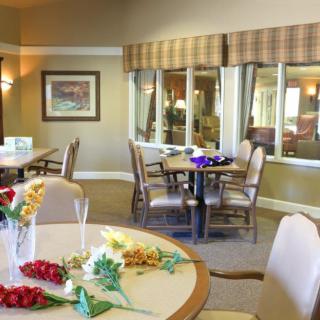
Some residents and families say meals are healthy and pretty good, and one reviewer notes breakfast meals are good. Others describe dinner as needing improvement or say a loved one did not particularly care for the food. The community offers meals provided, room service, guest meals, and special dining programs, with low/no sodium, no-sugar options mentioned in the offerings.
caveat
2 reviews mention this
Activities are a recurring concern
Activity programming is uneven based on what residents’ families report.
One review calls out a lack of encouragement and says there is “almost nothing going on,” especially in the context of memory care expectations. Another reviewer describes their dad staying active and having fun with the staff. With activities like happy hour, karaoke, trivia, and live performances included in what the community offers, the reviews suggest participation and consistency may vary by resident and care setting.
caveat
2 reviews mention this
Memory care experience varies
Reviews about memory care quality do not match, with one strongly negative account and one positive experience.
One reviewer reports very poor memory care, including low staff numbers, uncaring staff, and weak communication after a medical decline. Another reviewer says they shifted to Reflections memory care after a sudden change and describes staff support through the transition as caring and flexible. This gap suggests the memory care experience may be especially dependent on timing and staffing.
How we summarize
Counts show how many written reviews mention each theme; a review can touch several themes, and only frequently mentioned themes are displayed.

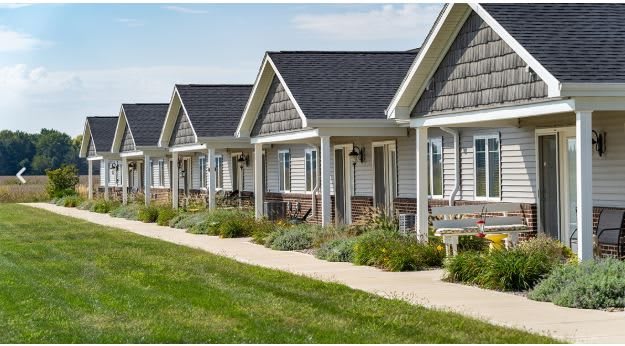
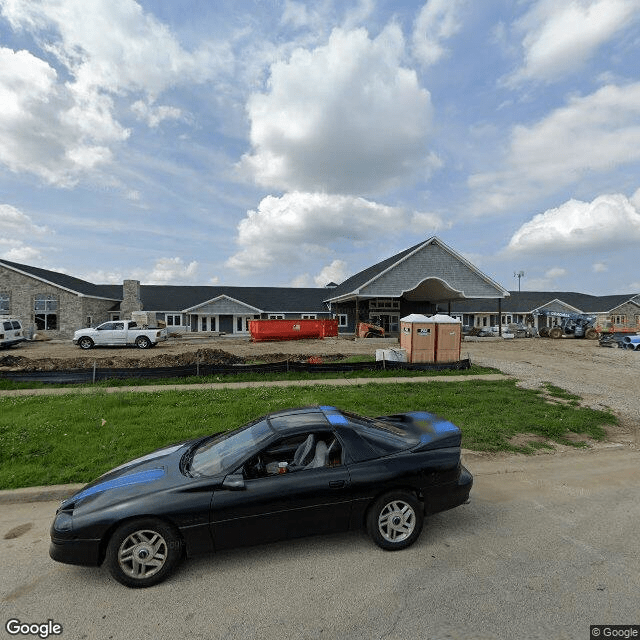
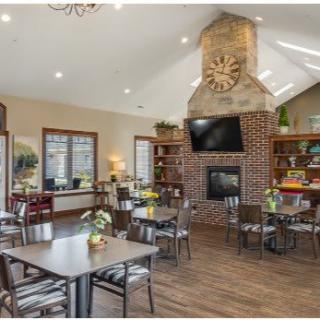
 Assisted Living
 Independent Living
 Memory Care
 Activities off-site
 Air-conditioning
 Beautician on-site
 Cable or satellite TV
 Devotional services off-site
 Full kitchen
 Ground floor units
 Handicap accessible
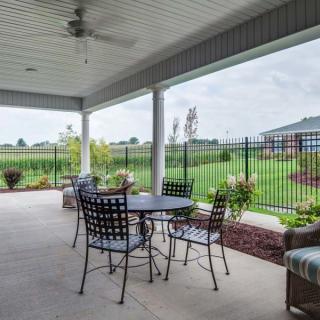
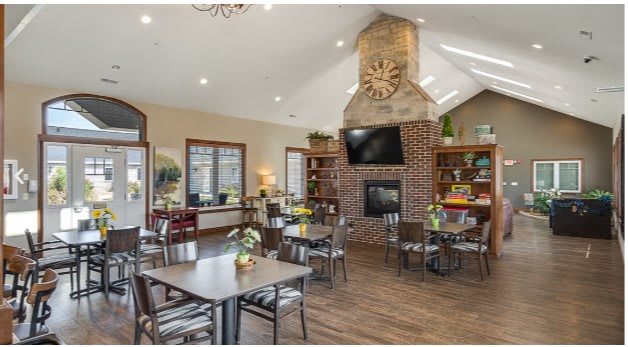
 Indoor common areas
 Outdoor common areas
 Respite or short term stays offered
 Wheelchair accessible showers
 Wi-Fi/high-speed internet available
 Capital (6 miles away)
 Ambulatory care
 Diabetic care
 Incontinence care
 Medication management
 Guest meals
 Art classes
 Cooking classes
 Day trips and outings
 Educational speakers / life long learning
 Gardening club
 Happy hour
 Karaoke
 Live dance or theater performances
 Live musical performances
 Stretching classes
 Trivia games
 Wine tasting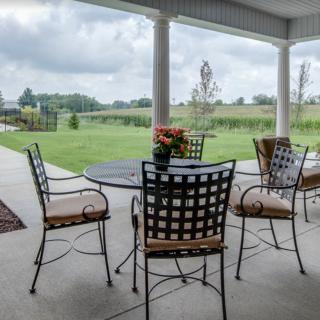
 Specialized memory care with 24-hour supervision and comprehensive ADL support.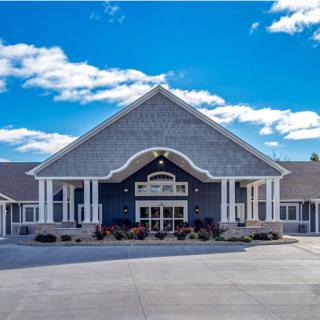
 Nourishing the Mind: Essential Dietary Approaches for Dementia
 Understanding Dementia Behaviors: Practical Insights and Strategies for Caregivers
 When Dementia Sparks Anger and Aggression: Understanding the Connection and Ways to Cope