

Centennial Pointe Senior Living in Springfield, IL

Save

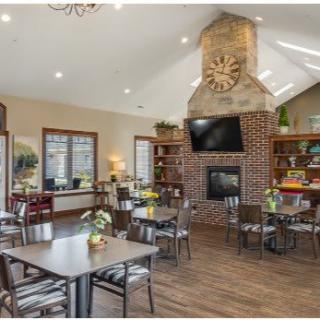
  • Interior

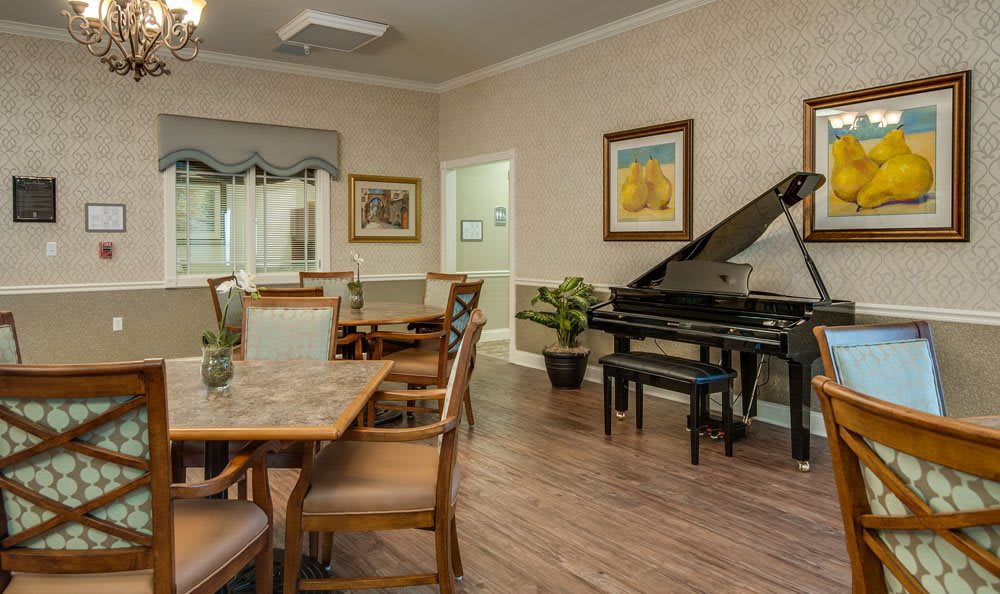
    A cozy room featuring a grand piano, dining tables, and wall art.
  • Decor

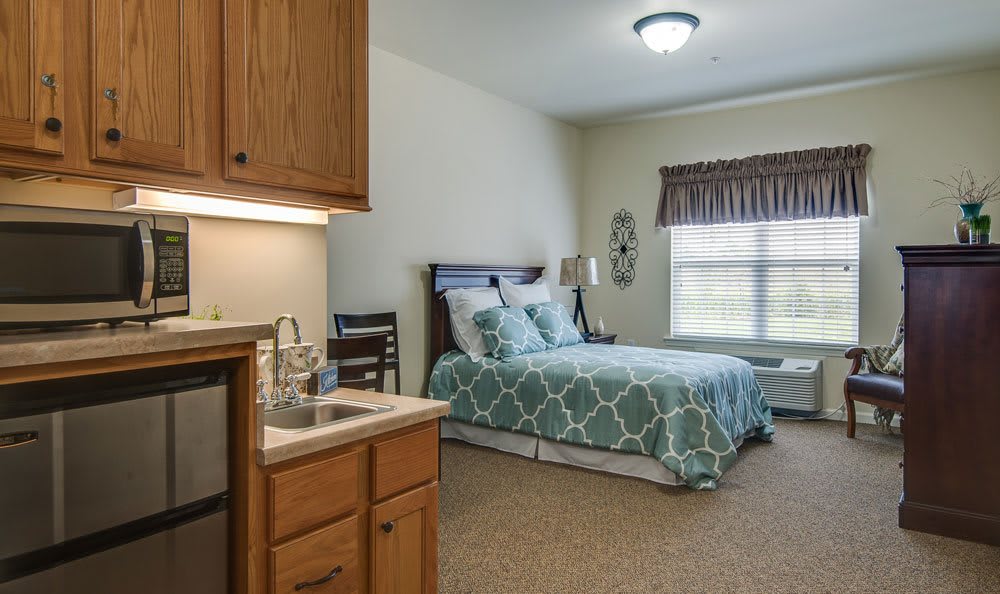
    A cozy bedroom with a neatly made bed, wooden cabinets, and a window letting in natural light.
  • Living Room

    A cozy living room featuring elegant furnishings and a chandelier.
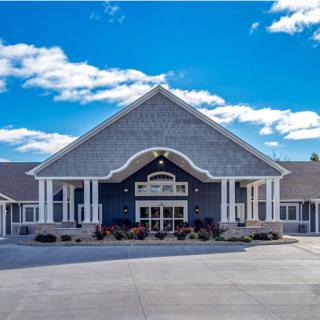
  • Architecture

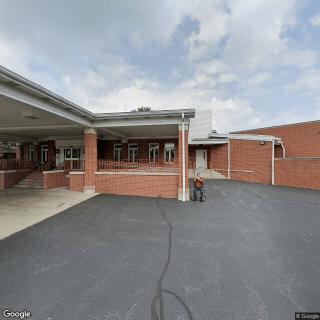
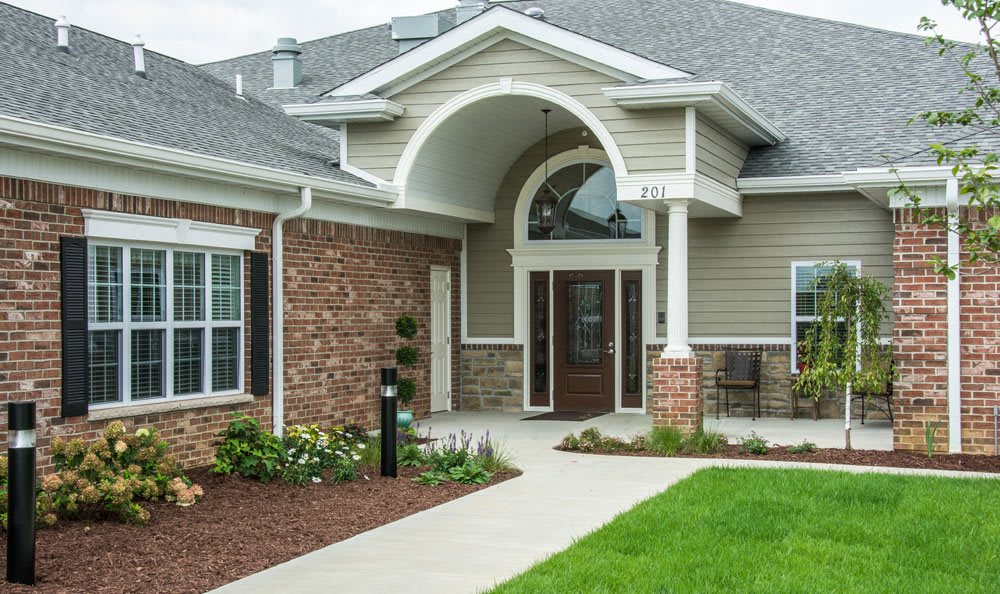
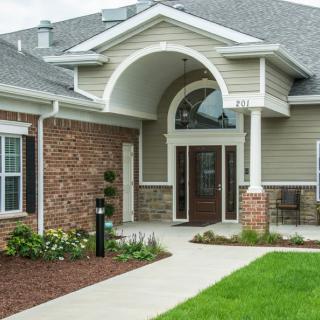
    A modern house with brick and siding exterior, featuring a well-maintained entrance and landscaping.
  • Landscaping

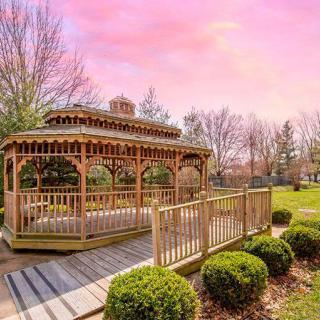
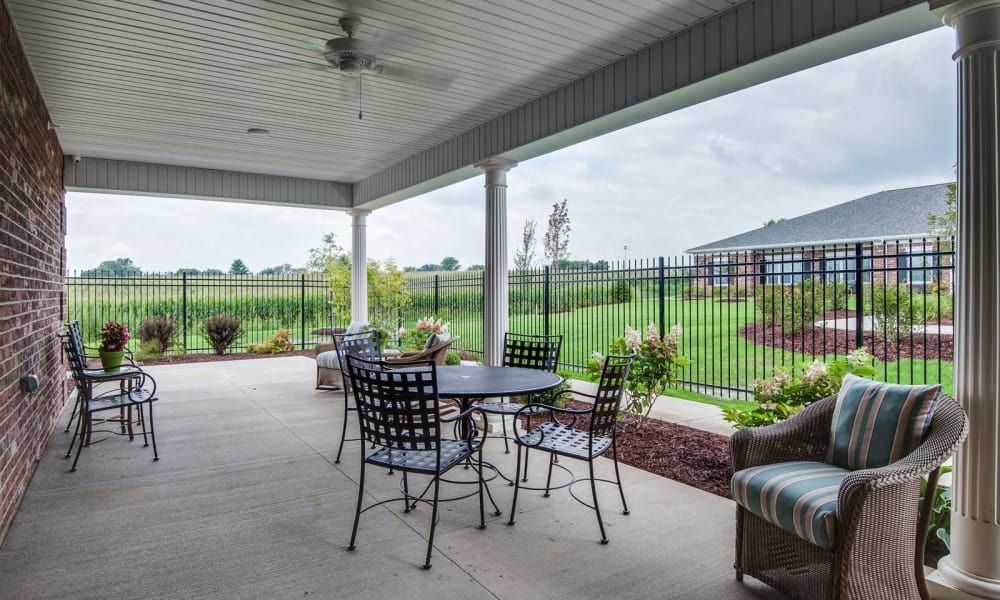
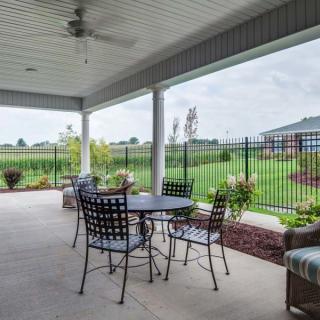
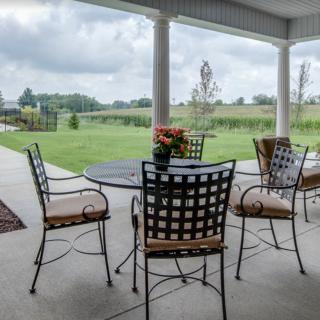
    A covered patio with a table and chairs overlooks a landscaped garden.
  • Kitchen

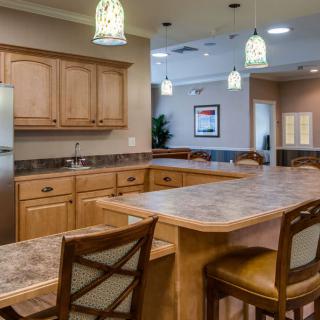
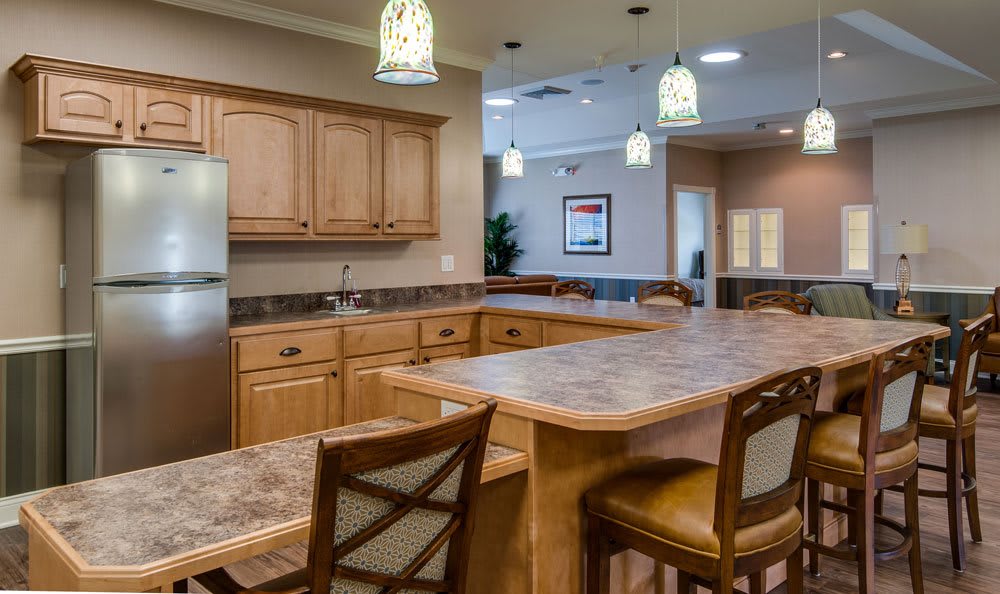
    A modern kitchen interior featuring a large island countertop with bar stools and overhead lighting.
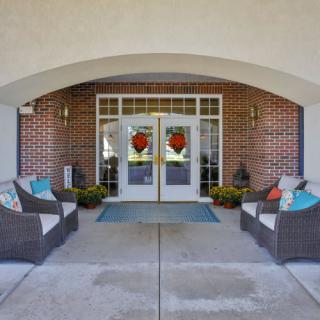
  • Garden

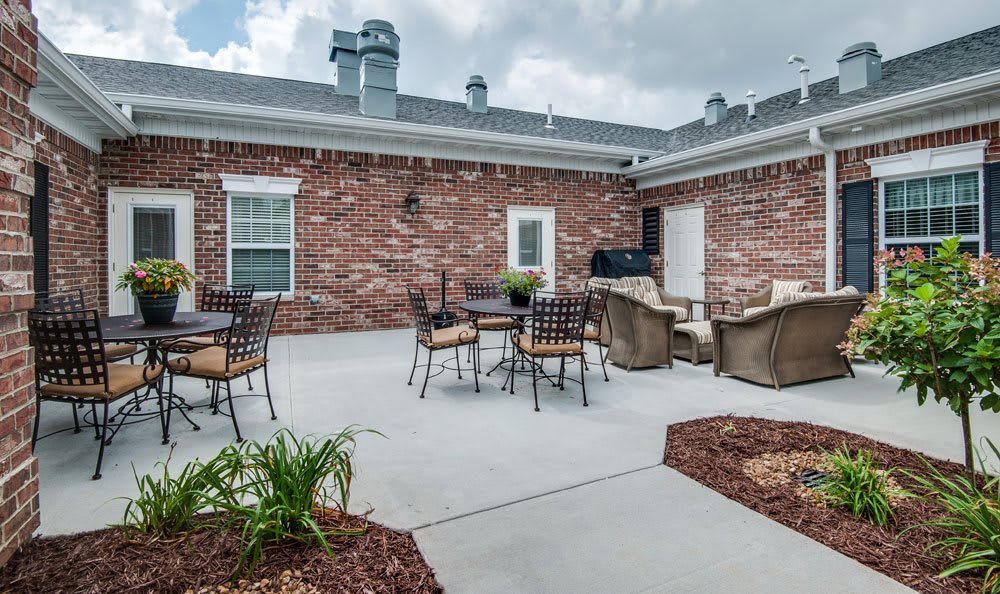
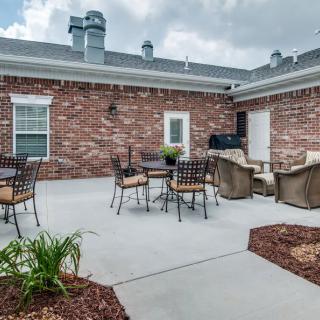
    A cozy outdoor patio area with seating and a brick wall backdrop.
  • Artwork

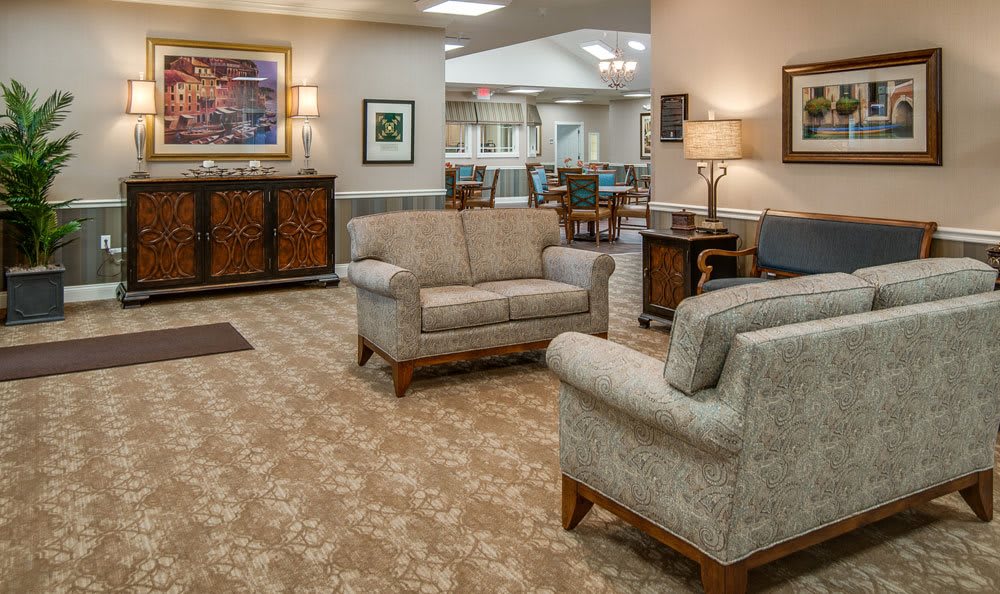
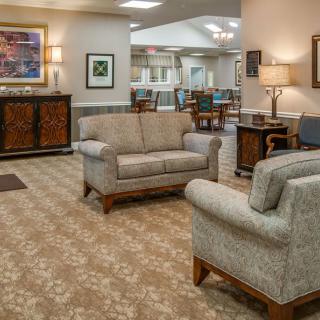
    A cozy lobby area with sofas and elegant decor.
  • Piano

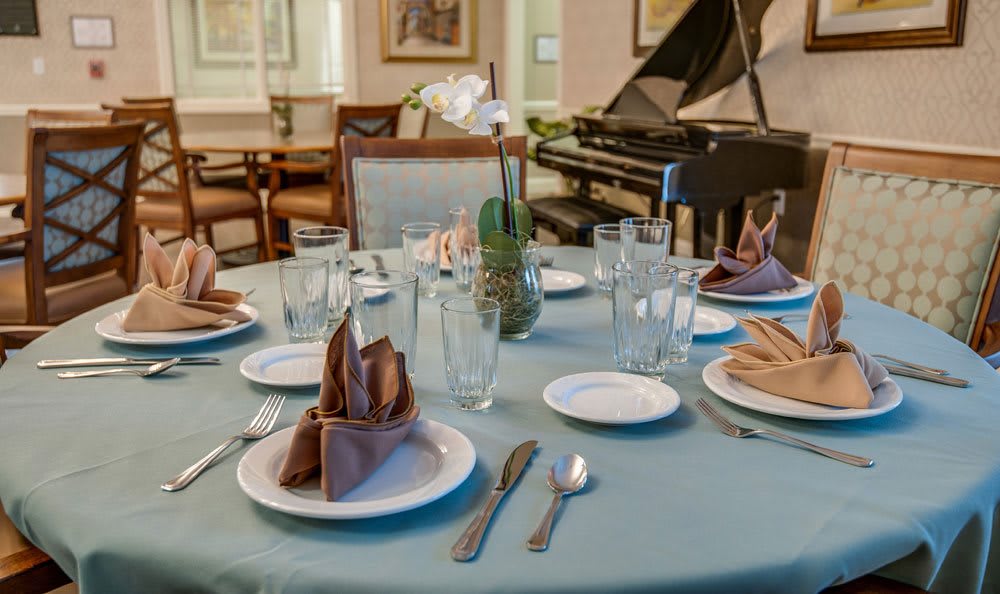
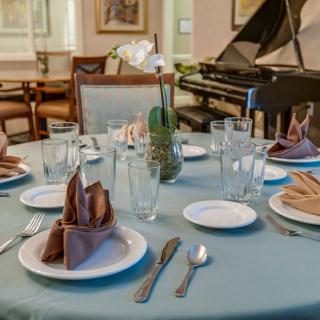
    A dining table elegantly set with glasses, plates, silverware, and folded napkins in a room featuring a grand piano.
  • Dining Table

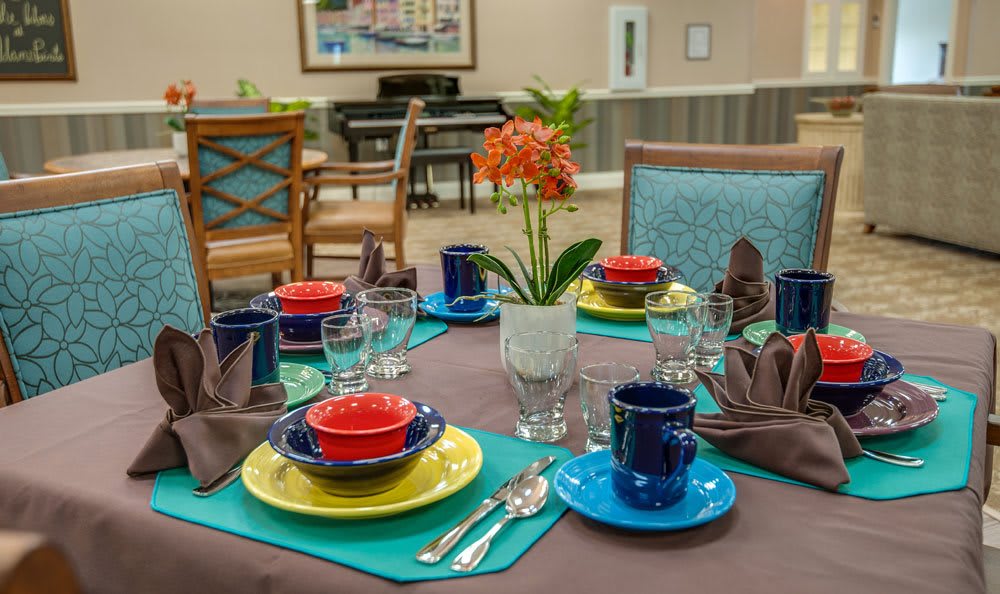
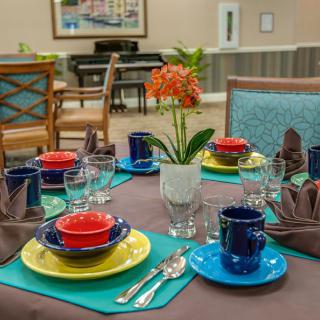
    A beautifully set dining table with colorful dishware and a floral centerpiece.

Centennial Pointe Senior Living in Springfield, IL

3440 Hedley Road, Springfield, IL 62712

For more information about senior living options: (844) 490-3973

4.5 from 21 reviews
5 stars
17
4 stars
2
3 stars
0
2 stars
0
1 stars
2

Assisted Living Memory Care

Centennial Pointe Senior Living Costs & Pricing

Centennial Pointe Senior Living offers a competitive pricing structure for its residents, particularly when compared to the broader market in Sangamon County and the state of Illinois. For semi-private rooms, Centennial Pointe's rate of $3,000 significantly undercuts both the county average of $4,385 and the state average of $5,146, making it an attractive option for those seeking affordable care. Studio apartments are also priced favorably at $3,750, which is slightly above the county's average but still offers savings when juxtaposed with the higher state figure of $4,028. Interestingly, the one-bedroom units at Centennial Pointe are priced at $4,950; although this is higher than both local and state averages of $3,186 and $3,527 respectively, it reflects a premium option that may come with enhanced amenities or services. Overall, Centennial Pointe stands out as a viable choice for senior living by balancing quality care with affordability in comparison to surrounding regions.

Floor plansCentennial Pointe Senior LivingSangamon CountyIllinois
Semi-Private$3,000$4,385$5,146
Studio$3,750$3,403$4,028
1 Bedroom$4,950$3,186$3,527

Overall Review of Centennial Pointe Senior Living

Pros

  • pro The facility has a warm, homelike atmosphere.
  • pro The staff are attentive to residents' needs.
  • pro The activity director is exceptional.
  • pro Residents can enjoy outings, such as fishing at the local park.
  • pro The menu offers a variety of meals and dessert options.
  • pro The care provided to residents is exceptional.
  • pro The staff, especially the nurses, are patient and accommodating even under trying circumstances.
  • pro The community feels like family, with friendly staff and happy residents.
  • pro The leadership is conscientious and caring and addresses problems promptly.
  • pro The facility is clean, well maintained, and well organized, with on-site nursing and good communication.

Cons

  • pro One reviewer said it was "a place so bad" and that residents are left in bed for hours, not fed, and not washed.
  • pro They claimed the management sucks, promises are not kept, and the staff is lazy.
  • pro The pay was low and the turnover was crazy.
  • pro The food did not have a good taste and did not look appealing.
  • pro It seemed understaffed, and mom wasn't getting checked on as often as she should have.
  • pro It was like a studio apartment with a small bathroom and no kitchen.

Review

Centennial Pointe Senior Living in Springfield, IL is best suited for families seeking a small, homelike assisted living experience where staff accessibility and a warm, neighborly atmosphere drive daily life. The community shines for residents who value personal attention, genuine connections, and a lively social calendar spearheaded by an exceptional activities director who even organizes outings like fishing at the park. The setting tends to feel like a family environment, with clean, well-kept surroundings and roomy apartments that emphasize comfort over formality. For many families, the blend of attentive care and a welcoming vibe translates into lasting peace of mind about daily needs being met in a familiar, less institutional setting.

That said, there are clear cases where alternatives deserve consideration. Families facing complex medical needs that require highly specialized, around-the-clock expertise may want to compare larger campuses with deeper medical staffing and dedicated memory-care units. Those who rely heavily on transportation to appointments will want to verify whether Centennial Pointe can reliably provide or coordinate that service, as some reviewers noted the lack of transit options. Residents who prize in-unit kitchens or larger, apartment-style layouts may prefer other communities with more extensive culinary facilities and floor plans. And anyone whose priority is consistently flawless restaurant-quality meals every day should probe for patterns in dining service, given occasional reports of meals arriving cold or not appealing to taste.

The community's main strengths - personalized care, staff compassion, and responsive leadership - do a strong job of offsetting its common challenges. Families repeatedly praise nurses for patience and adaptability, even under dementia-related strains, and note that the staff treats residents like family from the moment of admission. Small size enables closer oversight by management; a conscientious director and open lines of communication help address problems as they arise. The on-site nurse presence and willingness to engage with hospice care add practical reassurance for families navigating complex care trajectories. When the care staff are at their best, Centennial Pointe offers a dependable, attentive environment that many families come to rely on.

However, the most persistent caveat revolves around staffing realities and consistency. Reviews range from high commendations to stark warnings about understaffing and uneven attention, with some families reporting longer gaps between checks or delayed personal care. The turnover hinted at by some comments can color day-to-day experiences, and a few residents have encountered less-than-ideal meal execution - recipes that fall flat or meals delivered cold. These mixed experiences underscore a critical question for prospective families: can the shifts consistently maintain the same level of hands-on engagement, and will the staff who know your loved one be the same ones you meet during tours? The reality is that in a smaller operation, fluctuation can have a more pronounced impact.

Dining and social life remain a strong draw, though, and they often lift overall satisfaction above what would be expected in a smaller campus. The food, when prepared and served with care, is frequently described as good, with a menu that offers variety and dessert options that brighten meals. Residents repeatedly find companionship through activities and planned events, contributing to improved mood, better mobility, and increased engagement. This is a community where nourishment extends beyond calories, encompassing emotional sustenance and practical support - especially for families seeking honest, direct conversations about care plans and daily routines. The result is a practical, hands-on environment that works exceptionally well for those who prioritize connection and attentiveness in a smaller setting.

Bottom line: Centennial Pointe is a strong match for families who want a warm, intimate assisted living experience with genuine staff investment, easy family communication, and meaningful daily activities. It works best when expectations align with a smaller footprint, allowing caregivers to personalize routines and respond quickly. Pros are credible and tangible - homey ambiance, attentive caregivers, strong staff-resident bonds, and proactive leadership - while cons revolve around staffing consistency and occasional dining or transport limitations. For couples or individuals who treasure a supportive, neighborhood-like atmosphere and can live with the possibility of occasional variability, Centennial Pointe can be an excellent choice; for those needing robust transport services, large-scale medical oversight, or in-unit kitchens, exploring larger or more specialized communities is a prudent move.

Features

Types of Care

  • Assisted Living Assisted LivingAssisted living facilities provide crucial support and care for seniors who may need help with daily tasks such as medication management, bathing, and meal preparation. These communities offer a safe and comfortable environment where seniors can maintain their independence while receiving the assistance they need to thrive in their golden years.
  • Memory Care Memory CareMemory care is crucial for seniors as it provides specialized support and services for individuals with dementia or Alzheimer's disease. These programs offer a safe and secure environment where residents receive personalized care, cognitive stimulation, and help with daily activities. Memory care helps seniors maintain their independence, quality of life, and dignity while also providing peace of mind for their families.

Amenities

  • Activities off-site Activities off-siteEngaging in off-site activities is crucial for seniors to maintain social connections, stay active, and stimulate their minds. It promotes overall well-being and helps combat feelings of isolation and loneliness.
  • Activities on-site Activities on-siteActivities on-site are important for seniors because they provide opportunities for socialization, mental stimulation, physical activity, and overall well-being. Engaging in activities can help seniors stay active, maintain their independence, and improve their quality of life.
  • Air-conditioning Air-conditioningAir conditioning is important for seniors as they are more vulnerable to heat-related illnesses and may have underlying health conditions that make it difficult for them to regulate their body temperature. It helps to keep them comfortable, safe, and healthy in hot weather.
  • Beautician on-site Beautician on-siteHaving a beautician on-site at a senior living community is important for seniors as it allows them to easily access grooming and personal care services, boosting their self-esteem and overall well-being. It also provides convenience and helps seniors maintain their sense of independence and personal style.
  • Beauty salon Beauty salonBeauty salons are important for seniors because they provide a space for them to feel pampered, socialize, and maintain their personal grooming and hygiene. Regular visits to a beauty salon can help boost seniors' self-esteem and overall well-being.
  • Cable or satellite TV Cable or satellite TVCable or satellite TV is important for seniors because it provides entertainment, news, and companionship, helping to combat loneliness and boredom. It also offers a wide range of programming options tailored to different interests and preferences.
  • Computer center Computer centerA computer center is essential for seniors as it provides access to technology, communication tools, and resources that can enhance their daily lives. It allows them to stay connected with loved ones, engage in online activities, and learn new skills, ultimately promoting socialization and mental stimulation.
  • Devotional services off-site Devotional services off-siteDevotional services off-site are important for seniors as they provide spiritual nourishment, social engagement, and a sense of community outside of the senior living facility. This can enhance overall well-being and help combat feelings of isolation and loneliness often experienced by older adults.
  • Devotional services on-site Devotional services on-siteDevotional services on-site provide seniors with spiritual support and a sense of community, as well as an opportunity for reflection and guidance during their senior living experience. This can promote emotional well-being and connection to others, leading to a more fulfilling and enriching lifestyle in their later years.
  • Dining room Dining roomDining rooms are important for seniors as they provide a space for socialization, connection, and nutritious meals. They offer opportunities for residents to bond over shared meals, foster a sense of community, and promote healthy eating habits. Dining rooms also ensure that seniors have access to well-balanced meals tailored to their dietary needs and preferences.
  • Fitness room Fitness roomHaving a fitness room in a senior living community is essential for seniors to stay active, maintain their physical health, and improve their overall well-being. Regular exercise can help prevent falls, reduce the risk of chronic diseases, and promote mental sharpness. It also provides social opportunities for residents to connect with others and enjoy a sense of community.
  • Fully furnished Fully furnishedFully furnished senior living communities are important for seniors because they provide convenience, comfort, and a hassle-free moving experience. Seniors can easily settle into their new living space without the stress of having to buy and move furniture. This allows them to focus on enjoying their new home and community.
  • Gaming room Gaming roomGaming rooms are important for seniors as they provide a fun and engaging environment for socializing, cognitive stimulation, and physical activity. Games can improve memory, problem-solving skills, and overall mental well-being while fostering friendships and reducing feelings of isolation.
  • Garden GardenGardens are important for seniors as they provide a peaceful and therapeutic environment for relaxation, physical activity, and socialization. Being in nature has been shown to reduce stress, improve mood, and promote overall well-being. Gardens also offer opportunities for seniors to engage in gardening activities, which can improve mobility, flexibility, and cognitive function. Additionally, gardens create a sense of community and connection with others who share a passion for plants and outdoor spaces.
  • Ground floor units Ground floor unitsGround floor units are important for seniors because they provide easy accessibility, reduced risk of falls and injuries, and convenience for those with mobility issues. Seniors can avoid climbing stairs or using elevators, making daily tasks and activities more manageable and enjoyable.
  • Handicap accessible Handicap accessible"Handicap accessible" amenities are crucial for seniors to ensure they can easily navigate and access facilities, services, and activities without barriers or limitations due to physical impairments. This promotes independence, safety, and inclusivity for seniors in senior living communities.
  • Housekeeping services Housekeeping servicesHousekeeping services are important for seniors because they help maintain a clean and safe living environment, promote independence, and reduce the risk of accidents or illnesses. Additionally, having assistance with household chores can alleviate physical strain and allow seniors to focus on other aspects of their well-being.
  • Indoor common areas Indoor common areasIndoor common areas are crucial for seniors as they provide a space for socialization, recreation, and community engagement, promoting overall well-being and reducing feelings of isolation and loneliness.
  • Kitchenette KitchenetteKitchenettes are important for seniors living in senior living communities because they provide the convenience and independence of being able to prepare simple meals and snacks in the comfort of their own living space. This can help promote a sense of autonomy and well-being for seniors, allowing them to maintain some level of control over their dietary choices and daily routines.
  • Move-in coordination Move-in coordinationMove-in coordination is important for seniors because it helps ease the transition into their new living environment. It ensures that all logistics, such as packing, organizing movers, and setting up utilities are taken care of, allowing seniors to focus on settling in and adjusting to their new home. Having a smooth move-in process can alleviate stress and anxiety, making the transition smoother and more enjoyable for seniors.
  • Outdoor common areas Outdoor common areasOutdoor common areas are important for seniors as they provide a space for socialization, physical activity, and relaxation. Being outside in nature can improve mood and overall well-being, while also encouraging movement and engagement with others. These spaces can help combat feelings of isolation and promote a sense of community among residents.
  • Outdoor space Outdoor spaceOutdoor spaces are important for seniors as they provide opportunities for physical activity, social interaction, exposure to natural light and fresh air, and a sense of connection to nature. Having access to outdoor spaces can improve overall well-being and quality of life for older adults living in senior communities.
  • Private bathrooms Private bathroomsPrivate bathrooms are important for seniors in senior living communities because they provide independence, dignity, and comfort. Having a private bathroom allows seniors to maintain their personal hygiene routines without the need for assistance, promoting a sense of autonomy and privacy. Additionally, private bathrooms help prevent the spread of infections and provide a safe and clean environment for seniors to navigate safely.
  • Respite or short term stays offered Respite or short term stays offeredRespite or short term stays provide seniors with a temporary solution when their regular caregiver is unavailable, offering them the opportunity to receive additional care and support during times of need, while also giving caregivers a chance to rest and recharge.
  • Restaurant-style dining Restaurant-style diningRestaurant-style dining is important for seniors because it allows them to enjoy delicious, nutritious meals in a social and upscale setting. This enhances their dining experience, promotes healthy eating habits, and fosters socialization with fellow residents, ultimately contributing to their overall well-being and quality of life.
  • Small library Small librarySmall libraries are important for seniors as they provide access to a variety of reading materials, including books, newspapers, and magazines. This can help stimulate their minds, keep them engaged, and provide a sense of community through book clubs and other social activities. Additionally, reading has been shown to improve cognitive function and overall mental well-being in older adults.
  • Telephone TelephoneTelephones are important for seniors as they provide a lifeline for communication with loved ones, emergency services, and healthcare providers. They offer a sense of security and independence, enabling seniors to stay connected and access assistance when needed.
  • Wellness center Wellness centerWellness centers are important for seniors because they offer a variety of programs and services that promote physical, mental, and emotional well-being. These centers provide opportunities for exercise, socialization, education, and relaxation, helping seniors maintain their overall health and quality of life.
  • Wi-Fi/high-speed internet available Wi-Fi/high-speed internet availableWi-Fi/high-speed internet is important for seniors to stay connected with loved ones, access online resources, and participate in virtual activities to combat feelings of loneliness and isolation. It also allows them to easily manage healthcare needs, access entertainment, and engage in lifelong learning opportunities.

Transportation

  • Capital (6 miles away) Capital (6 miles away)
  • Community operated transportation Community operated transportationCommunity operated transportation is crucial for seniors as it provides them with the means to access essential services, social activities, and medical appointments. It allows seniors to maintain their independence and quality of life by ensuring they can participate in activities outside of their homes. Additionally, community-operated transportation services offer a safe and reliable way for seniors to travel without having to rely on family or friends for assistance.
  • Transportation arrangement Transportation arrangementTransportation arrangements are crucial for seniors as they may face challenges with driving, mobility, or access to public transportation. Having reliable transportation services ensures that seniors can easily attend appointments, social activities, and maintain their independence and quality of life.

Care Services

  • 24-hour call system 24-hour call system24-hour call systems are important for seniors because they provide peace of mind and immediate assistance in case of emergencies. This technology ensures that help is always available, promoting safety and security for elderly individuals living alone or in assisted living facilities.
  • 24-hour supervision 24-hour supervision24-hour supervision is important for seniors to ensure their safety, well-being, and access to immediate assistance in case of emergencies or health issues. This constant support provides peace of mind for both seniors and their loved ones, allowing them to age in place with dignity and security.
  • Activities of daily living assistance Activities of daily living assistanceActivities of daily living assistance are important for seniors because they provide essential support with tasks such as eating, bathing, dressing, and mobility. This assistance helps seniors maintain their independence, dignity, and overall quality of life as they age.
  • Ambulatory care Ambulatory care"Ambulatory care services provide essential medical support and treatment to seniors without requiring hospitalization, allowing them to maintain their independence and quality of life while managing chronic conditions or receiving routine medical care."
  • Assistance with bathing Assistance with bathingAssistance with bathing is crucial for seniors as it helps maintain personal hygiene, prevents infections, and ensures their overall well-being and comfort. It also provides a sense of dignity and independence for seniors who may struggle with this task on their own.
  • Assistance with dressing Assistance with dressingAssistance with dressing is important for seniors because it helps maintain their independence, promotes personal hygiene, prevents accidents and injuries, and improves overall quality of life. This service ensures that seniors can continue to dress comfortably and confidently, despite any physical limitations they may have.
  • Assistance with transfers Assistance with transfersAssistance with transfers is crucial for seniors as it helps prevent falls and injuries, maintains their independence, and ensures they can safely navigate their living environment. It also provides peace of mind for both seniors and their loved ones.
  • Diabetes diet Diabetes dietA diabetes diet is crucial for seniors as it helps manage blood sugar levels, reduce risks of complications, and improve overall health and well-being. By following a balanced and nutritious diet tailored to their specific needs, seniors can better control their diabetes and enhance their quality of life.
  • Diabetic care Diabetic careDiabetic care is crucial for seniors as they are more susceptible to developing diabetes due to aging and other health conditions. Proper management of diabetes can help prevent complications such as heart disease, vision loss, and nerve damage, improving the overall quality of life for seniors in senior living communities.
  • Incontinence care Incontinence careIncontinence care is essential for seniors to maintain their dignity, hygiene, and overall quality of life. By addressing incontinence issues promptly and effectively, seniors can enjoy a sense of independence and comfort in their daily activities.
  • Meal preparation and service Meal preparation and serviceMeal preparation and service are crucial for seniors as they may have limited mobility or energy to cook nutritious meals. Having access to healthy and convenient food options can ensure they are getting the proper nutrition needed to maintain their overall health and well-being.
  • Medication management Medication managementMedication management is crucial for seniors to ensure they are taking the right medications at the correct dosages and times. This helps prevent adverse drug interactions, reduces the risk of medication errors, and promotes overall health and well-being. Proactive management also allows for adjustments as needed based on changing health conditions or new prescriptions.
  • Mental wellness program Mental wellness programMental wellness programs are essential for seniors as they promote cognitive stimulation, emotional support, and social engagement. These programs help prevent isolation, depression, and cognitive decline, ultimately enhancing the overall quality of life for older adults.
  • Mild cognitive impairment Mild cognitive impairment"Mild cognitive impairment" is important for seniors because it is an early stage of cognitive decline that can potentially progress to more severe conditions such as dementia. Recognizing and addressing mild cognitive impairment can help seniors receive appropriate care and support to maintain their quality of life and independence for as long as possible.
  • Special dietary restrictions Special dietary restrictionsSpecial dietary restrictions are important for seniors because age-related changes in metabolism and health conditions can make it difficult for their bodies to process certain foods. By following a diet tailored to their specific needs, seniors can maintain their overall health and well-being, manage chronic conditions, and reduce the risk of complications such as malnutrition or food interactions with medications.
  • Specialized memory care programming Specialized memory care programmingSpecialized memory care programming is crucial for seniors with cognitive impairments such as dementia or Alzheimer's disease. These programs provide a safe and supportive environment tailored to the unique needs of individuals with memory loss, helping them maintain their independence, dignity, and quality of life.

Dining

  • Diabetes diet Diabetes dietA diabetes diet is crucial for seniors as it helps manage blood sugar levels, reduce risks of complications, and improve overall health and well-being. By following a balanced and nutritious diet tailored to their specific needs, seniors can better control their diabetes and enhance their quality of life.
  • Gluten-free Gluten-freeGluten-free options are important for seniors as they are more prone to digestive issues and dietary sensitivities. Offering gluten-free meal choices in senior living communities can help improve their overall health and well-being.
  • Guest meals Guest mealsGuest meals are important for seniors living in senior living communities because they provide an opportunity for socialization and companionship. Sharing a meal with friends, family, or new acquaintances can help combat feelings of loneliness and isolation, promote a sense of community, and enhance overall well-being. Additionally, guest meals allow seniors to enjoy delicious food in a comfortable setting without the hassle of cooking or cleaning up, making dining a pleasurable and stress-free experience.
  • Low / no sodium Low / no sodiumLow/no sodium options are important for seniors because excessive sodium intake can lead to high blood pressure, heart disease, and other health issues commonly experienced by older adults. By choosing low/no sodium foods, seniors can better manage their health and reduce their risk of developing these conditions.
  • Meals provided Meals provided"Meals provided" are crucial for seniors in assisted living communities as it ensures they have access to nutritious, balanced meals without the stress of meal planning and preparation. This can help promote overall health and well-being for seniors who may have limited mobility or cognitive abilities.
  • No Sugar No SugarNo sugar diets are important for seniors because they can help prevent or manage chronic conditions such as diabetes, heart disease, and obesity. Sugar can also contribute to cognitive decline and inflammation in the body, so reducing sugar intake can lead to overall improved health and well-being in older adults.
  • Restaurant style dining Restaurant style diningRestaurant style dining is important for seniors as it offers them a social and enjoyable dining experience, promotes healthy eating habits, and provides personalized menu options to cater to their dietary needs and preferences. This type of dining setting can enhance their overall quality of life and create a sense of community within the senior living facility.
  • Special dietary restrictions Special dietary restrictionsSpecial dietary restrictions are important for seniors because age-related changes in metabolism and health conditions can make it difficult for their bodies to process certain foods. By following a diet tailored to their specific needs, seniors can maintain their overall health and well-being, manage chronic conditions, and reduce the risk of complications such as malnutrition or food interactions with medications.
  • Special dining programs Special dining programsSpecial dining programs are important for seniors because they provide nutritious meals tailored to their dietary needs and preferences. These programs also offer socialization opportunities, promote overall health and well-being, and can help prevent malnutrition.

Activities

  • Activities off-site Activities off-siteEngaging in off-site activities is crucial for seniors to maintain social connections, stay active, and stimulate their minds. It promotes overall well-being and helps combat feelings of isolation and loneliness.
  • Activities on-site Activities on-siteActivities on-site are important for seniors because they provide opportunities for socialization, mental stimulation, physical activity, and overall well-being. Engaging in activities can help seniors stay active, maintain their independence, and improve their quality of life.
  • BBQs or picnics BBQs or picnicsBBQs or picnics provide seniors with social interaction, enjoyment of the outdoors, and a sense of community, contributing to their overall well-being and quality of life.
  • Community-sponsored activities Community-sponsored activitiesCommunity-sponsored activities are important for seniors as they provide opportunities for social interaction, mental stimulation, and physical activity. These activities can help improve overall well-being, combat loneliness and isolation, and promote a sense of belonging and purpose among older adults.
  • Concierge services Concierge servicesConcierge services are essential for seniors as they provide assistance with daily tasks and errands, enhance their quality of life by offering convenience and personalized care, and promote a sense of safety and security.
  • Devotional activities offsite Devotional activities offsiteDevotional activities offsite are important for seniors because they provide social engagement, spiritual growth, and a sense of community outside of their living environment. This can improve overall well-being, mental health, and combat feelings of isolation or loneliness.
  • Devotional activities on-site Devotional activities on-siteDevotional activities on-site provide seniors with a sense of community, spiritual fulfillment, and emotional support, promoting overall well-being and a positive sense of purpose in their lives.
  • Fitness programs Fitness programsFitness programs are crucial for seniors as they help improve strength, flexibility, balance, and overall well-being. Staying active can reduce the risk of chronic diseases, improve mental health, and enhance quality of life in older adults.
  • Happy hour Happy hourHappy hour is important for seniors as it provides a social activity that promotes camaraderie and reduces feelings of loneliness or isolation. It also offers an opportunity for older adults to relax, unwind, and enjoy some drinks or snacks in a fun and welcoming atmosphere.
  • Light therapy programs Light therapy programsLight therapy programs are important for seniors because they can help improve mood, regulate sleep patterns, and reduce symptoms of depression and anxiety. Exposure to natural light can also have positive effects on cognitive function and overall well-being in older adults.
  • Live dance or theater performances Live dance or theater performancesLive dance or theater performances are important for seniors because they provide opportunities for socialization, mental stimulation, and emotional engagement. These performances can help combat feelings of isolation and loneliness, while also offering a sense of connection to the arts and culture. Additionally, watching live performances can bring joy and create lasting memories for seniors in their later years.
  • Live musical performances Live musical performancesLive musical performances can provide seniors with a sense of joy, nostalgia, and connection. Music has the power to evoke emotions and memories, improve mood and cognitive function, and foster social interaction among seniors. It can also serve as a form of therapy and stress relief for older adults, making it an important activity to include in senior living communities.
  • Planned day trips Planned day tripsPlanned day trips are important for seniors because they offer opportunities for socialization, mental stimulation, and physical activity. They provide a change of scenery and help seniors stay engaged and connected to their community, promoting overall well-being and quality of life.
  • Reminiscence programs Reminiscence programsReminiscence programs are vital for seniors as they provide opportunities for them to reflect on their life experiences, share memories with others, and maintain cognitive function. These programs can improve mood, stimulate social interaction, and enhance overall well-being for older adults.
  • Resident-run activities Resident-run activitiesResident-run activities are important for seniors as they encourage social interaction, creativity, and a sense of autonomy. These activities empower seniors to stay engaged and active in their community while fostering meaningful connections with their peers.
  • Scheduled daily activities Scheduled daily activitiesScheduled daily activities are important for seniors because they provide structure, socialization, mental stimulation, and physical activity. Engaging in regular activities can improve overall well-being and quality of life for seniors living in a community setting.
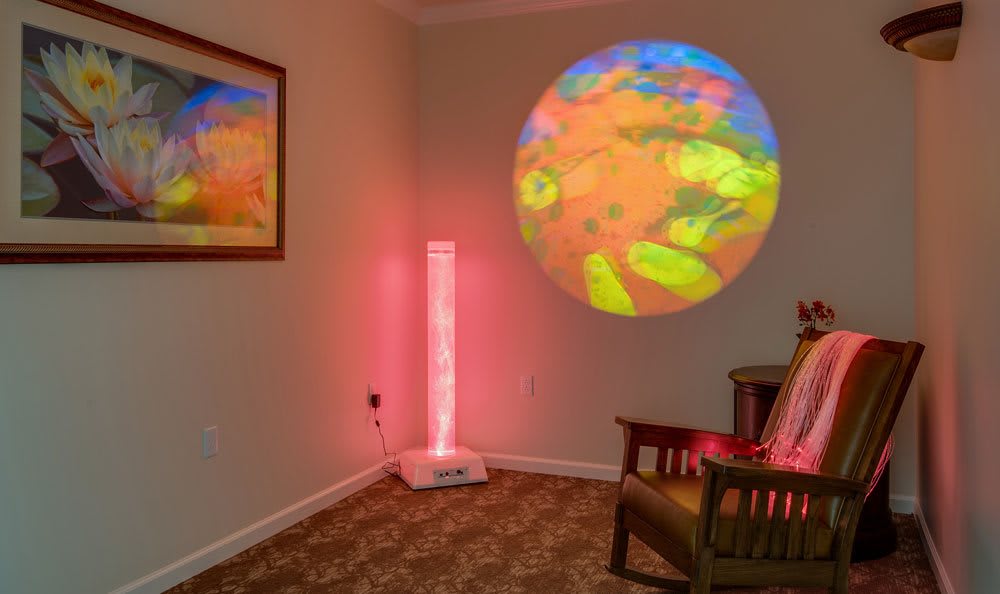
  • Sensory-based programs Sensory-based programsSensory-based programs are important for seniors as they can help stimulate their senses, improve cognitive function, reduce feelings of isolation, and enhance overall quality of life. These programs engage residents in a variety of sensory activities such as music therapy, aromatherapy, tactile stimulation, and reminiscence therapy, providing mental and emotional benefits for older adults in senior living communities.
Description

Centennial Pointe Senior Living in Springfield, IL is a vibrant and comfortable assisted living community that specializes in providing top-quality memory care. Our dedicated team of professionals is committed to giving our residents a safe and supportive environment where they can thrive.

Our community offers a wide range of amenities designed to enhance the lives of our residents. We have a variety of on-site activities to keep residents engaged and active, such as gaming rooms, fitness rooms, and small libraries. We also provide housekeeping services to ensure a clean and comfortable living space for everyone. For those who enjoy the outdoors, we have beautiful gardens and outdoor common areas where residents can relax or socialize.

At Centennial Pointe, we understand the importance of personalized care. Our staff is available 24/7 to provide assistance with daily living activities like bathing, dressing, and transfers. We also offer specialized memory care programming for those experiencing mild cognitive impairment or dementia.

Dining at Centennial Pointe is an enjoyable experience for our residents. We provide restaurant-style dining with delicious meals prepared by our skilled culinary team. Our menu accommodates various dietary restrictions, including gluten-free options, low/no sodium meals, diabetic care, and special dietary needs.

Keeping our residents engaged is essential to their overall well-being. That's why we offer a diverse array of activities both on-site and off-site. From barbeques and picnics to live dance or theater performances, there's always something exciting happening at Centennial Pointe. We also organize day trips to nearby attractions and encourage resident-run activities that foster a sense of community.

Our location in Springfield offers easy access to various amenities within close proximity. With numerous cafes, parks, pharmacies, physicians' offices, restaurants, transportation options, places of worship, theaters, and hospitals nearby – everything you need is just a short distance away.

If you're seeking an assisted living community that prioritizes memory care while offering an enriching and enjoyable lifestyle, Centennial Pointe Senior Living in Springfield, IL is the perfect choice.

Nearby Places of Interest

This part of Springfield, Illinois offers a convenient and bustling scene with a variety of amenities within close proximity. There are several cafes and restaurants nearby for dining options, as well as pharmacies and healthcare facilities for easy access to medical services. The area also features a hospital, theaters, parks, places of worship, and transportation services for convenience and entertainment. With its range of services and amenities, this neighborhood provides a vibrant and active lifestyle suitable for seniors looking to live in a well-equipped community.

Cafes

  • Grab-A-Java (0.4 miles)
  • Panera Bread (0.6 miles)
  • Pease's at Bunn Gourmet (1 miles)
  • Starbucks (1 miles)
  • Brunchfield Cafe (2.2 miles)
  • Oh-Icee (2.3 miles)
  • Caribou Coffee (2.8 miles)

Restaurants

  • Finley's Tap House (0.4 miles)
  • Freddy's Frozen Custard & Steakburgers (0.5 miles)
  • Brickhouse Grill & Pub (0.6 miles)
  • Olive Garden (0.7 miles)
  • Chili's Grill & Bar (0.7 miles)
  • Sonic Drive-In (0.8 miles)
  • Mimosa (0.8 miles)

Physicians

  • Goldman Group (0.5 miles)
  • Pure Skin (0.5 miles)
  • All About Eyes - Springfield (0.8 miles)
  • Body Perfect (0.9 miles)
  • Eric Kent Woolbright (1 miles)
  • Springfield Associates in Oral and Maxillofacial Surgery (1 miles)
  • Midwest Allergy, Sinus, Asthma, SC (1 miles)

Hospitals

  • Fresenius Kidney Care (0.6 miles)
  • Health Care Service Corporation (0.8 miles)
  • Land (3.5 miles)

Pharmacies

  • Walgreens (0.6 miles)
  • Walmart Pharmacy (0.9 miles)
  • Walgreens (1.6 miles)
  • Schnucks (1.7 miles)
  • CVS Pharmacy (1.7 miles)
  • Pill Box Pharmacy (2.1 miles)
  • Walgreens (2.7 miles)

Theaters

  • AMC CLASSIC Springfield 12 (0.7 miles)

Parks

  • Vredenburg Park (0.9 miles)
  • Centennial Park (2 miles)
  • Southern View Community Park (3.8 miles)
  • Southwind Park (4.1 miles)

Places of Worship

  • Hope Evangelical Free Church (1.7 miles)
  • West Side Christian Church (3.1 miles)

Transportation

  • Enterprise Rent-A-Car (3.1 miles)
  • U-Haul Moving & Storage (3.5 miles)

Frequently Asked Questions

How much does it cost to live at Centennial Pointe Senior Living in Springfield, IL?
Where is Centennial Pointe Senior Living?
Does Centennial Pointe Senior Living provide care for residents with dementia or Alzheimer's disease?
What photos are available for Centennial Pointe Senior Living in Springfield, Illinois?

Nearby Communities

  • The Arbors At Centennial Pointe

    The Arbors At Centennial Pointe

    Springfield, IL


    pro Specialized memory care with 24-hour supervision and comprehensive ADL support.

  • Villas of Holly Brook Springfield

    Villas of Holly Brook Springfield

    Springfield, IL


    pro Specialized memory care with 24/7 supervision and comprehensive programming.

  • Villas of Holly Brook & Reflections Springfield

    Villas of Holly Brook & Reflections Springfield

    Springfield, IL

    4.4 from 22 reviews
    $3,475 to $5,000 / month

    pro Friendly staff, clean facilities, and generally good care with healthy meals.

  • Mill Creek Alzheimer’s Special Care Center

    Mill Creek Alzheimer’s Special Care Center

    Springfield, IL

    4.6 from 37 reviews
    $5,995 to $6,885 / month

    pro Caring, responsive staff in a safe, engaging memory-care environment.

  • Trustwell Living of Springfield

    Trustwell Living of Springfield

    Springfield, IL

    4.1 from 67 reviews
    $3,650 to $6,235 / month

    pro Spacious, renovated apartments in a clean, welcoming environment with diverse on-site activities.

  • Concordia Village

    Concordia Village

    Springfield, IL

    4.5 from 59 reviews
     

    pro Luxurious amenities with a strong sense of community and attentive staff.

  • Illinois Presbyterian Home

    Illinois Presbyterian Home

    Springfield, IL

    5 from 3 reviews
     

    pro Compassionate staff with strong medical care and engaging activities.

  • Brenden Gardens

    Brenden Gardens

    Springfield, IL

    4.6 from 108 reviews
    $2,435 to $2,965 / month

    pro Strong community with friendly staff and 24/7 security.

  • Mary Bryant Home for the Blind and Visually Impaired

    Mary Bryant Home for the Blind and Visually Impaired

    Springfield, IL

    4.9 from 38 reviews
    $2,586 to $3,850 / month

    pro Friendly staff and a family-like community with engaging activities.

Assisted Living in Nearby Cities

Related Resources

  • does medicaid pay for assisted livingUnderstanding Medicaid Coverage for Assisted Living: A Comprehensive Guide

    The guide outlines the complexities of Medicaid coverage for assisted living, highlighting significant state-to-state variations, limited coverage often restricted to personal care services, and the existence of specialized waivers for certain needs like memory care. It advises families to consult local Medicaid offices for options while emphasizing the importance of understanding state-specific regulations and facility policies.

  • does medicaid pay for assisted livingHow and When Medicaid May Cover Assisted Living Costs

    Medicaid coverage for assisted living varies by state and is primarily available to low-income individuals, with eligibility dependent on strict income and asset limits. Some states offer HCBS waivers for specific services in assisted living, but families must generally cover room and board costs, and should verify facility acceptance of Medicaid while considering potential waiting lists.

  • assisted living waiver programA Detailed Exploration of Assisted Living Medicaid Waivers Across the United States
    Medicaid waivers for assisted living services provide vital support for seniors and individuals with disabilities in need of long-term care, with varying state-specific eligibility criteria and benefits. These waivers cover personal care and case management but often do not fully cover room and board, leading to waiting lists for many applicants.