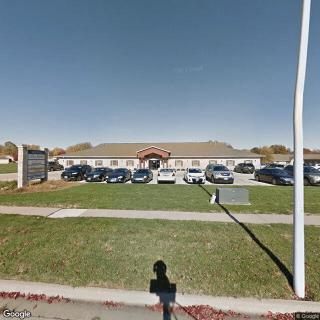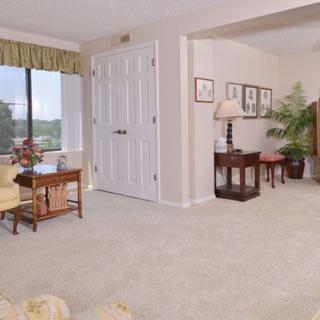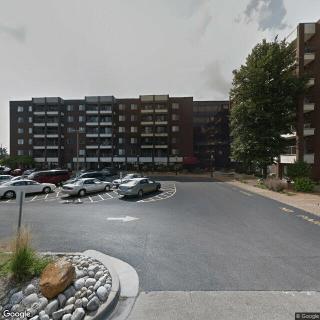

Illinois Presbyterian Home in Springfield, IL

Save
Illinois Presbyterian Home Illinois Presbyterian Home

Illinois Presbyterian Home in Springfield, IL

2005 W Lawrence, Springfield, IL 62704

For more information about senior living options: (844) 490-3973

5 from 3 reviews
5 stars
3
4 stars
0
3 stars
0
2 stars
0
1 stars
0

Assisted Living Independent Living

Overall Review of Illinois Presbyterian Home

Pros

  • pro Gracie pours her heart and soul into helping families discover the perfect place where Mom and Dad can feel loved, safe, and cherished.
  • pro The cafeteria ladies were amazing, food was very tasty.
  • pro Kudos to the cook!
  • pro There were daily activities...and other events to keep them busy if they chose to be.

Cons

  • pro A few of the residents were a bit more to handle.

Review

Illinois Presbyterian Home in Springfield is best suited for families seeking a warm, people-first senior living option where attentive, compassionate care and a steady rhythm of daily activities create a safe, engaging environment. The community shines for older adults who want to feel cherished and well cared for, with staff members who appear genuinely invested in each resident's well-being. For Mom and Dad, the priority is feeling loved and secure, with reliable medical oversight and meaningful opportunities to socialize rather than simply occupying space.

Those needing highly specialized memory care or aggressive clinical interventions may want to compare options. The reviews celebrate personal attention, consistent care, and approachable staff, but they do not detail programs for advanced dementia or intensive post-acute rehabilitation. Families should assess whether the community's strengths align with evolving care needs. If independence with minimal daily oversight, or a hospital-like clinical intensity, is required, alternatives that foreground memory-care specialization or higher-acuity medical services could fit better.

From a practical perspective, the strongest positives center on staff dedication, quality meals, and a robust calendar of activities. When care feels personal and warm, the fear of neglect diminishes, and residents experience a sense of belonging. Equity in treatment and genuine kindness across residents contribute to a cohesive, stigma-free atmosphere, and the cafeteria's praise reinforces that nutrition is a genuine priority. These advantages effectively offset the lack of explicit drawbacks in the reviews, painting a picture of consistent, resident-centered operation that prioritizes humanity alongside routine care.

The setting also appears well-suited to families managing long-distance caregiving. A reviewer traveling from Texas highlighted the comfort of knowing Mom has friends and a supportive staff nearby, underscoring a welcoming, stable social ecosystem. The combination of accessible staff, visible safety, and engaging events helps mitigate common concerns about loneliness and isolation. The campus culture seems oriented toward connection and inclusion, which is a decisive factor for families evaluating ongoing care rather than a temporary stay.

When evaluating this community, prospective movers should probe specific care levels and how transitions are handled if medical needs change. Questions about staff-to-resident ratios, on-site medical capabilities, and how often residents participate in planned activities matter. Verify the dining program's flexibility, mobility support safety, and transportation for appointments or social outings. Speak with current residents and families about consistency of care across shifts and any memory-care or rehabilitative services that may be relevant to future needs. A thorough tour should reveal whether the warmth described in the reviews translates into daily life across all shifts and seasons.

The bottom-line verdict favors warm, attentive, and socially rich living for seniors who prize personal attention and a sense of community. Illinois Presbyterian Home delivers a compelling value through compassionate care, dependable dining, and engaging routines that keep residents connected. The absence of clearly stated downsides in the available impressions should not be mistaken for flawless operation; rather, the consistent, family-centered approach stands out as a strong fit for seniors who want to feel loved, safe, and socially supported. For those with highly specialized medical or cognitive-care requirements, though, expanding the comparison to options explicitly advertising those capabilities is prudent before finalizing a decision.

Features

Types of Care

  • Assisted Living Assisted LivingAssisted living facilities provide crucial support and care for seniors who may need help with daily tasks such as medication management, bathing, and meal preparation. These communities offer a safe and comfortable environment where seniors can maintain their independence while receiving the assistance they need to thrive in their golden years.
  • Independent Living Independent LivingIndependent living communities are important for seniors because they offer a safe and supportive environment where older adults can live independently while still having access to amenities and services that enhance their quality of life. These communities provide social opportunities, recreational activities, and assistance with daily tasks, promoting overall well-being and allowing seniors to maintain their independence for as long as possible.

Amenities

  • Activities on-site Activities on-siteActivities on-site are important for seniors because they provide opportunities for socialization, mental stimulation, physical activity, and overall well-being. Engaging in activities can help seniors stay active, maintain their independence, and improve their quality of life.
  • Devotional services off-site Devotional services off-siteDevotional services off-site are important for seniors as they provide spiritual nourishment, social engagement, and a sense of community outside of the senior living facility. This can enhance overall well-being and help combat feelings of isolation and loneliness often experienced by older adults.
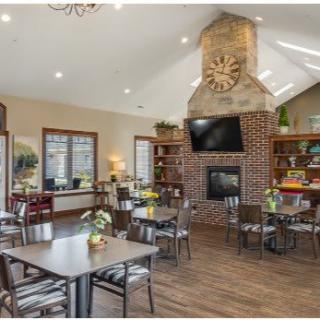
  • Indoor common areas Indoor common areasIndoor common areas are crucial for seniors as they provide a space for socialization, recreation, and community engagement, promoting overall well-being and reducing feelings of isolation and loneliness.

Transportation

  • Capital (3 miles away) Capital (3 miles away)

Care Services

  • Ambulatory care Ambulatory care"Ambulatory care services provide essential medical support and treatment to seniors without requiring hospitalization, allowing them to maintain their independence and quality of life while managing chronic conditions or receiving routine medical care."
  • Diabetic care Diabetic careDiabetic care is crucial for seniors as they are more susceptible to developing diabetes due to aging and other health conditions. Proper management of diabetes can help prevent complications such as heart disease, vision loss, and nerve damage, improving the overall quality of life for seniors in senior living communities.

Dining

  • Meals provided Meals provided"Meals provided" are crucial for seniors in assisted living communities as it ensures they have access to nutritious, balanced meals without the stress of meal planning and preparation. This can help promote overall health and well-being for seniors who may have limited mobility or cognitive abilities.

Activities

  • Activities on-site Activities on-siteActivities on-site are important for seniors because they provide opportunities for socialization, mental stimulation, physical activity, and overall well-being. Engaging in activities can help seniors stay active, maintain their independence, and improve their quality of life.
  • Devotional activities offsite Devotional activities offsiteDevotional activities offsite are important for seniors because they provide social engagement, spiritual growth, and a sense of community outside of their living environment. This can improve overall well-being, mental health, and combat feelings of isolation or loneliness.

Description

The Illinois Presbyterian Home in Springfield, IL is an assisted living community that provides a comfortable and caring environment for seniors. Our residents have access to a range of amenities and services that cater to their individual needs.

For those seeking spiritual guidance, we offer devotional services off-site to ensure our residents can practice their faith. Our indoor common areas provide a cozy space for residents to socialize and engage in activities together.

We understand the importance of specialized care for individuals with diabetes, which is why we offer diabetic care services. Our trained staff is equipped to assist residents in managing their condition and ensuring their overall well-being.

At the Illinois Presbyterian Home, we believe in nurturing the mind, body, and spirit. Residents can participate in various devotional activities off-site to further enrich their spiritual journey.

Our location boasts numerous nearby facilities and amenities to enhance the quality of life for our residents. With 9 cafes, 3 parks, 14 pharmacies, 38 physicians, 29 restaurants, 2 transportation options, 2 places of worship nearby, and 3 hospitals within close proximity, our residents have easy access to essential services and recreational opportunities.

At the Illinois Presbyterian Home in Springfield, IL, we strive to provide a supportive community that promotes independence while ensuring comfort and safety for our residents.

Nearby Places of Interest

This part of Springfield, Illinois offers a convenient and diverse range of amenities suitable for senior living. With several pharmacies and physicians located within close proximity, residents would have easy access to medical care and prescription services. There are also various dining options nearby, including fast food chains like McDonald's and local favorites such as Alexander's Steakhouse and Monty's Submarines. Additionally, the presence of cafes like Brunchfield Cafe and Caribou Coffee provide ideal spots for socializing or enjoying a leisurely cup of coffee. For recreational activities, residents can visit parks like Douglas Park or take a stroll through the Lincoln Home National Historic Site. Overall, this area provides a mix of essential services, dining choices, and recreational opportunities that cater to the needs and interests of seniors looking to settle in Springfield.

Restaurants

  • McDonald's (0.3 miles)
  • Taco Gringo (1 miles)
  • Alexander's Steakhouse (1 miles)
  • Monty's Submarines (1 miles)
  • Westwoods Lodge Pub & Grill (1.3 miles)
  • Hardee's (1.5 miles)
  • Boone's Saloon (1.6 miles)

Pharmacies

  • Walgreens (0.3 miles)
  • County Market (0.4 miles)
  • CVS Pharmacy (0.5 miles)
  • Pill Box Pharmacy (0.8 miles)
  • Walgreens (1 miles)
  • Walgreens (1.5 miles)
  • Walgreens (1.6 miles)

Physicians

  • Bergh-White Opticians (0.4 miles)
  • Kumar A MD Frcp Faad (0.5 miles)
  • Adarsh A Kumar (0.5 miles)
  • Jennifer Richards, MD (0.8 miles)
  • Springfield Clinic (0.8 miles)
  • Illinois Retina Center (0.9 miles)
  • Comprehensive Prosthetics & Orthotics (1.1 miles)

Transportation

  • U-Haul Moving & Storage (0.8 miles)
  • Enterprise Rent-A-Car (2.5 miles)

Cafes

  • Brunchfield Cafe (0.9 miles)
  • D&J Cafe (1.4 miles)
  • Caribou Coffee (1.7 miles)
  • Pease's at Bunn Gourmet (1.8 miles)
  • Oh-Icee (2.2 miles)
  • Springfield Carriage Company (2.3 miles)
  • Grab-A-Java (2.3 miles)

Hospitals

  • Land (1 miles)
  • The Regional Cancer Center (2 miles)
  • Fresenius Kidney Care (2.2 miles)

Places of Worship

  • West Side Christian Church (1.3 miles)
  • Union Baptist Church (2.8 miles)

Parks

  • Douglas Park (1.4 miles)
  • Lincoln Home National Historic Site (2.3 miles)
  • Vredenburg Park (2.7 miles)

Frequently Asked Questions

Where is Illinois Presbyterian Home?

Nearby Communities

  • Home Instead Senior Care of Springfield,  IL

    Home Instead Senior Care of Springfield, IL

    Springfield, IL

    4.8 from 86 reviews
     

    pro Some caregivers provide excellent care and build strong rapport with clients.

  • Regency Care

    Regency Care

    Springfield, IL


    pro Extensive on-site amenities and 24/7 supervision.

  • Hickory Glen

    Hickory Glen

    Springfield, IL

    3.6 from 28 reviews
    $1,800 to $3,200 / month

    pro Clean, friendly staff and active programs.

  • Oak Terrace Retirement Community

    Oak Terrace Retirement Community

    Springfield, IL

    4.9 from 42 reviews
    $1,218 to $2,466 / month

    pro Lower monthly costs for independent living compared with local county and state averages.

  • Washington Plaza

    Washington Plaza

    Springfield, IL

     
    $679 to $5,000 / month

    pro Very affordable 1-bedroom pricing relative to county/state averages.

  • Barringer Care Management

    Barringer Care Management

    Springfield, IL

    4 from 1 review
     

    pro Excellent access to healthcare and nearby amenities

  • Villas of Holly Brook & Reflections Springfield

    Villas of Holly Brook & Reflections Springfield

    Springfield, IL

    4.4 from 22 reviews
    $3,475 to $5,000 / month

    pro Friendly staff, clean facilities, and generally good care with healthy meals.

  • Timberlake Senior Living

    Timberlake Senior Living

    Springfield, IL

    4.8 from 21 reviews
    $3,200 to $3,774 / month

    pro Welcoming staff in a clean, well-maintained community with engaging activities.

  • Mary Bryant Home for the Blind and Visually Impaired

    Mary Bryant Home for the Blind and Visually Impaired

    Springfield, IL

    4.9 from 38 reviews
    $2,586 to $3,850 / month

    pro Friendly staff and a family-like community with engaging activities.

Assisted Living in Nearby Cities

Related Resources

  • when to move from assisted living to memory careWhen to Transition from Assisted Living to Memory Care: Key Indicators, Steps, and Finding the Right Community

    Transitioning from assisted living to memory care is driven by an individual's cognitive decline and specific needs, requiring careful evaluation of indicators like increased confusion and wandering. The process involves consulting medical professionals, researching suitable communities, considering financial and legal aspects, and ensuring effective communication for personalized care plans.

  • assisted living vs memory careAssisted Living and Memory Care: Understanding Their Core Differences

    Assisted living provides moderate support for seniors seeking independence, while memory care offers specialized support for individuals with dementia or cognitive impairments through structured routines and trained staff. Key differences include care approaches, environment security measures, staff training levels, activity types, and cost considerations.

  • assisted living activitiesBeyond the Bingo Hall: 50+ Enriching Activities for Seniors in Assisted Living

    Assisted living communities offer diverse activities beyond traditional games to enhance seniors' physical health, cognitive well-being, emotional enrichment, and social connections, including fitness classes, creative expression, and intergenerational interactions. These enriching programs foster community bonds and support residents' independence and happiness.