100 Stardust, Sherman, IL 62684
To contact a resident: (217) 744-9891
For more information about senior living options: (866) 208-4318
Villa Senior Care Community Costs & Pricing
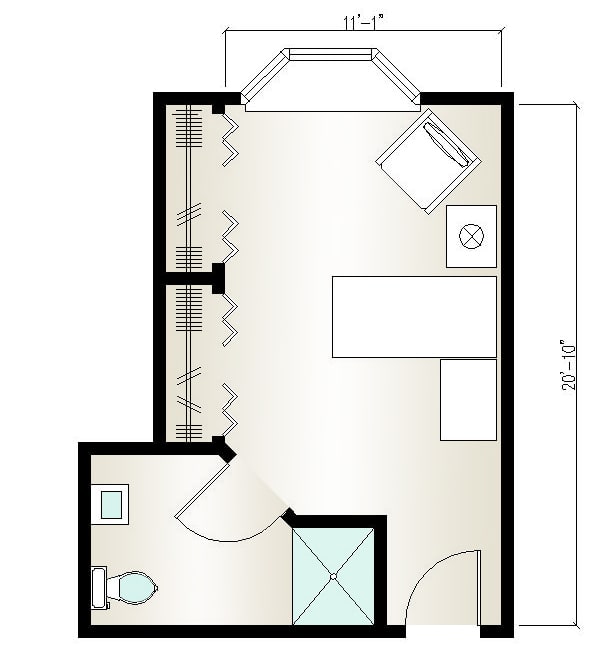
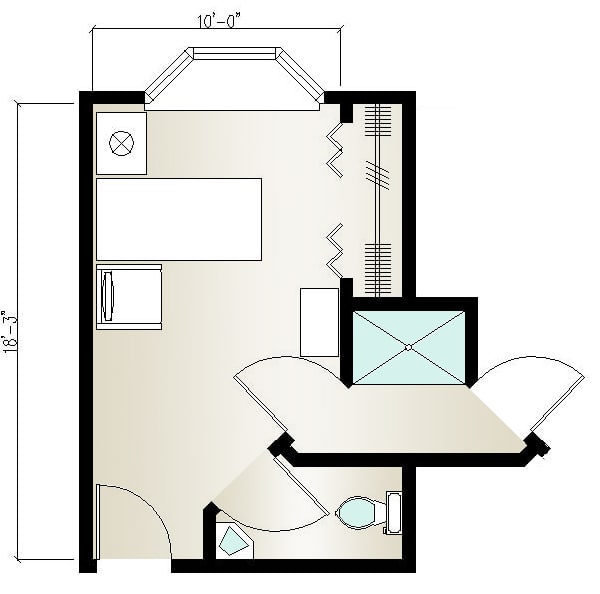
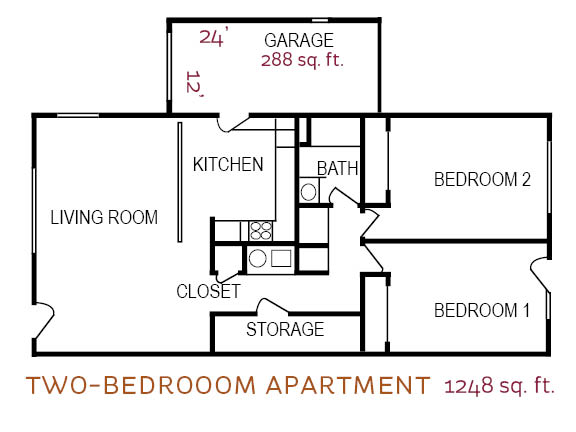
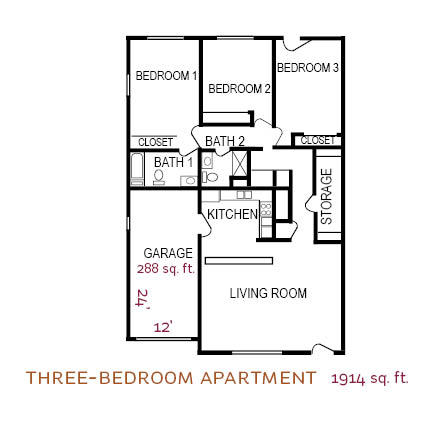
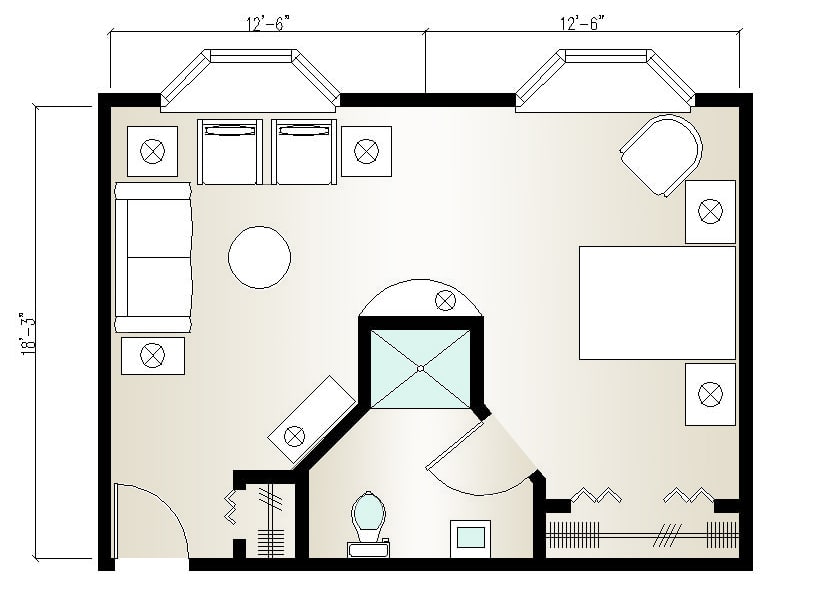
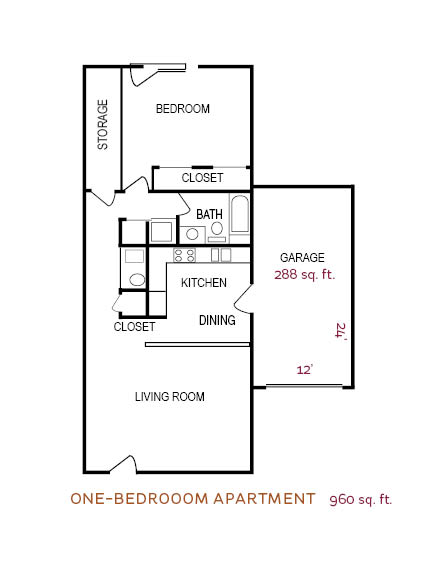
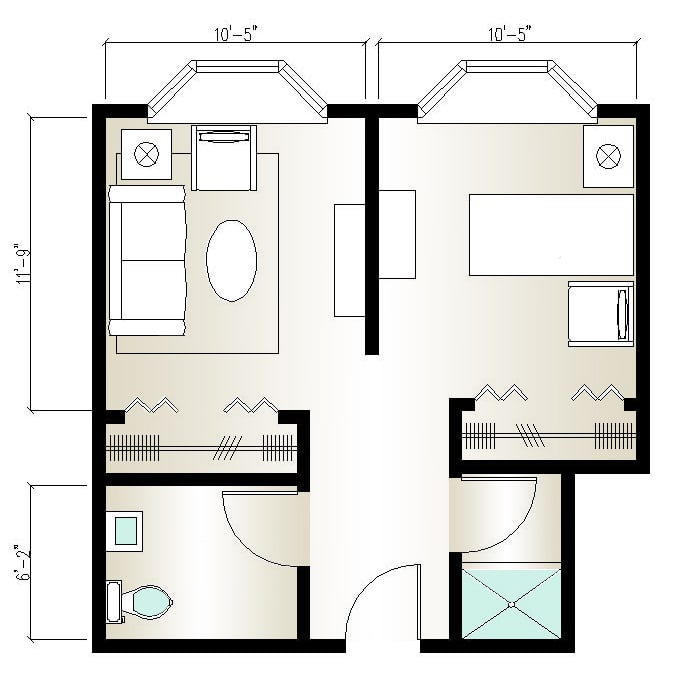
At Villa Senior Care Community, the monthly costs for accommodations stand in stark contrast to both Sangamon County and the broader Illinois state averages. For instance, a one-bedroom unit is priced at a remarkably affordable $740, significantly lower than the county's average of $3,186 and the state's average of $3,527. Similarly, two-bedroom units are available at $765, again undercutting the local ($3,203) and state ($4,208) costs substantially. Even for studio apartments, which are priced at $3,390 at Villa Senior Care Community, they remain competitive compared to Sangamon's average of $3,403 and Illinois' average of $4,028. These pricing advantages make Villa Senior Care Community an attractive option for those seeking quality senior living without the financial burden typically associated with such services in the region.
| Floor plans | Villa Senior Care Community | Sangamon County | Illinois |
|---|---|---|---|
| 1 Bedroom | $740 | $3,186 | $3,527 |
| 2 Bedrooms | $765 | $3,203 | $4,208 |
| Studio | $3,390 | $3,403 | $4,028 |
Overall Review of Villa Senior Care Community
Pros
 The Villas is described as a home away from home where staff go above and beyond for every resident.
- Management works hand in hand with the employees to ensure excellent care and a nurturing environment.
- The facility is clean and welcoming, with pleasant, helpful, and caring staff.
- The therapy team at the Villas is second to none; they are knowledgeable, genuinely care about patients, and consistently provide the needed therapy.
- Susie, the head of therapy, is described as the best there is.
- Lanika, the head of nursing, runs a well-oiled machine and demonstrates strong staff performance.
- The activities staff is the best the reviewer has ever seen.
- The kitchen staff are awesome.
Cons
 The administration shows no remorse or accountability and seems to cover their own tracks.
- The facility left a dementia patient unattended, leading to a fall and multiple injuries.
- A CNA left the patient on the toilet and told her to push the button, allowing harm to occur.
- The care given is careless, with no real consequences or responsibility taken by leadership.
- Nurses in hospice care were described as having zero compassion and allowed the patient to sit in bodily fluids for hours.
- The patient developed bedsores and was soaked with urine, with infected feet worsening due to poor care.
- Staffing shortages caused long delays for pain medication and safety concerns, and the food service was inadequate with limited options.
Review
Villa Senior Care Community in Sherman is best for families seeking a robust rehabilitation pathway and a culture of hands-on, attentive care. The therapy program is consistently praised as the strong backbone of the facility, with a team that is knowledgeable, persistent, and capable of driving meaningful recovery after strokes, falls, or post-hospital rehab. When rehabilitation priorities guide the decision, this community delivers: therapy is well-coordinated, and the broader care team supports movement, daily structure, and engagement. For residents with dementia or fall risks, success hinges on tight supervision and proactive care planning, but the environment and therapy-first approach provide a solid framework for meaningful progress.
Those considering alternatives should note that several red flags emerge in the most troubling accounts. Families have described serious lapses in safety and accountability, including incidents where a dementia patient was left unattended after a fall, resulting in injuries and inadequate follow-through from administration. Hospice experiences cited a lack of compassion in certain shifts, and ongoing staffing shortages mean delayed pain management and uneven attention. For families prioritizing consistent administrative transparency, reliable 24/7 nursing coverage, and proactive safety protocols, this facility may fall short and merit a closer look at other options.
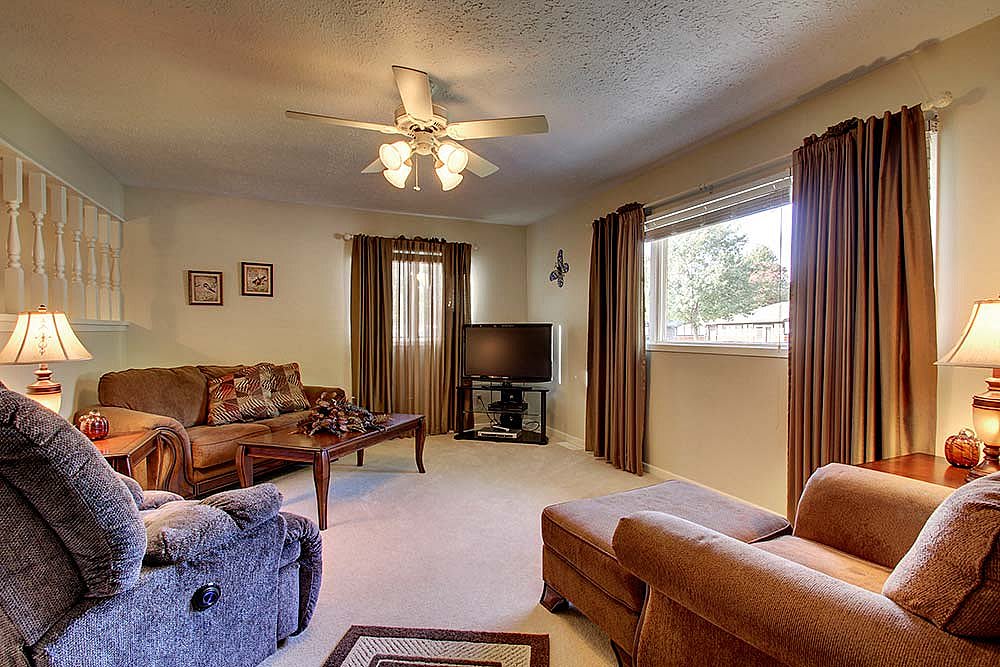
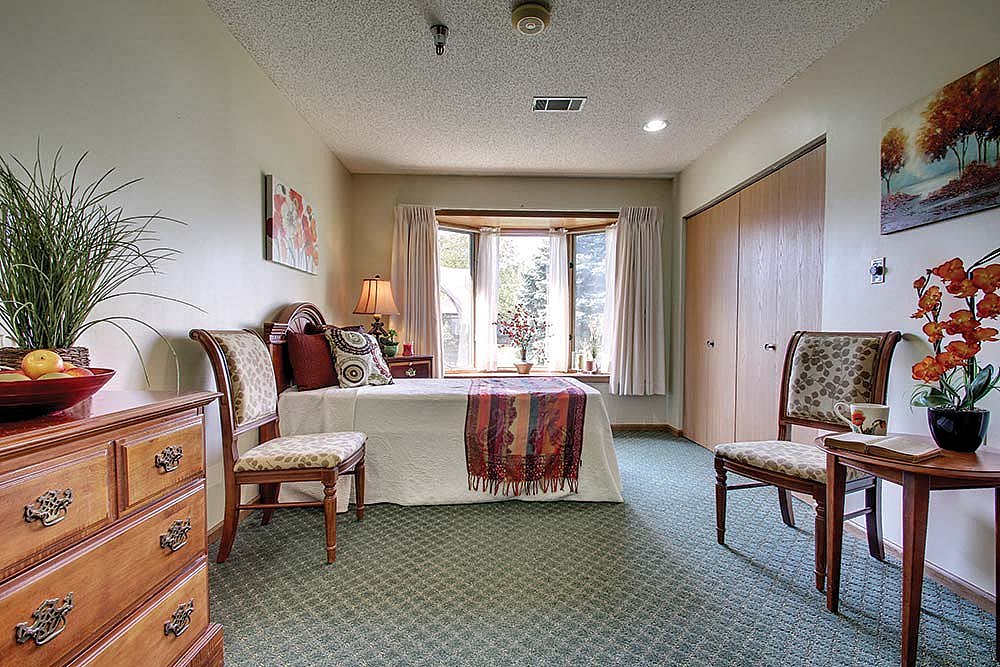
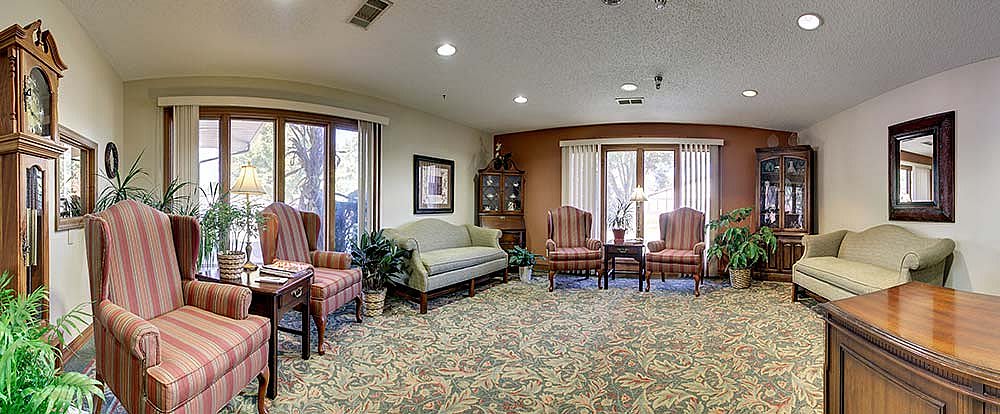
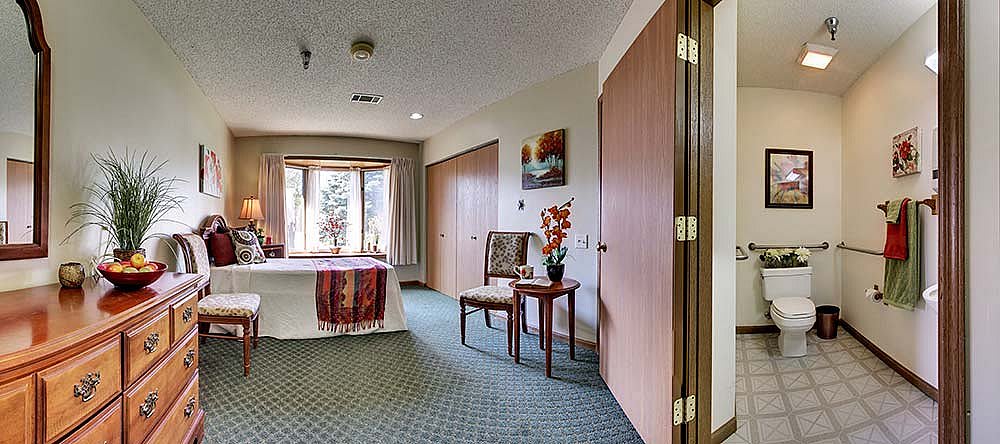
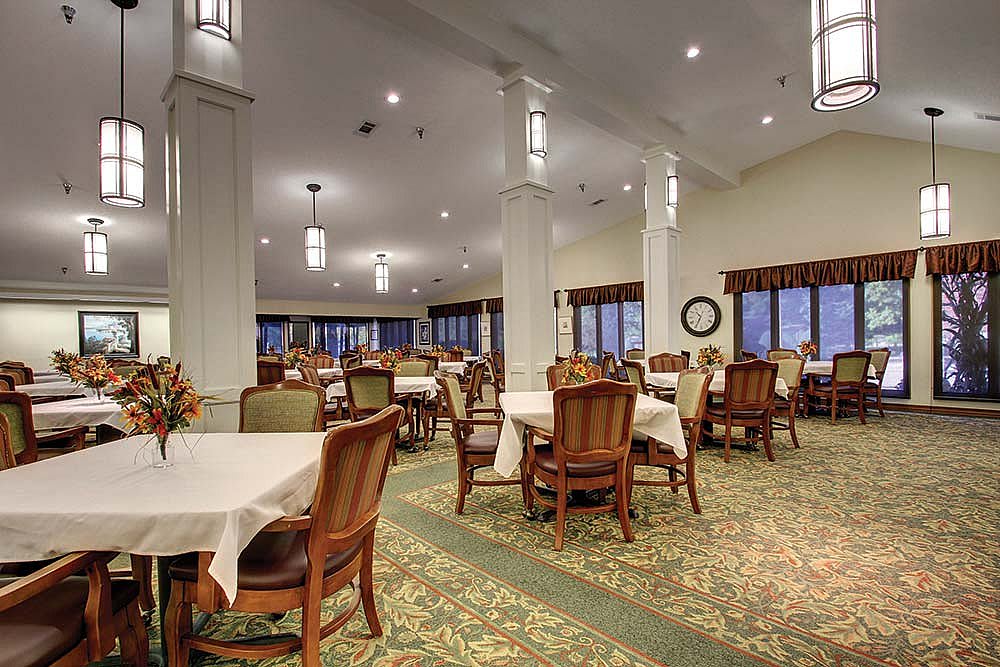
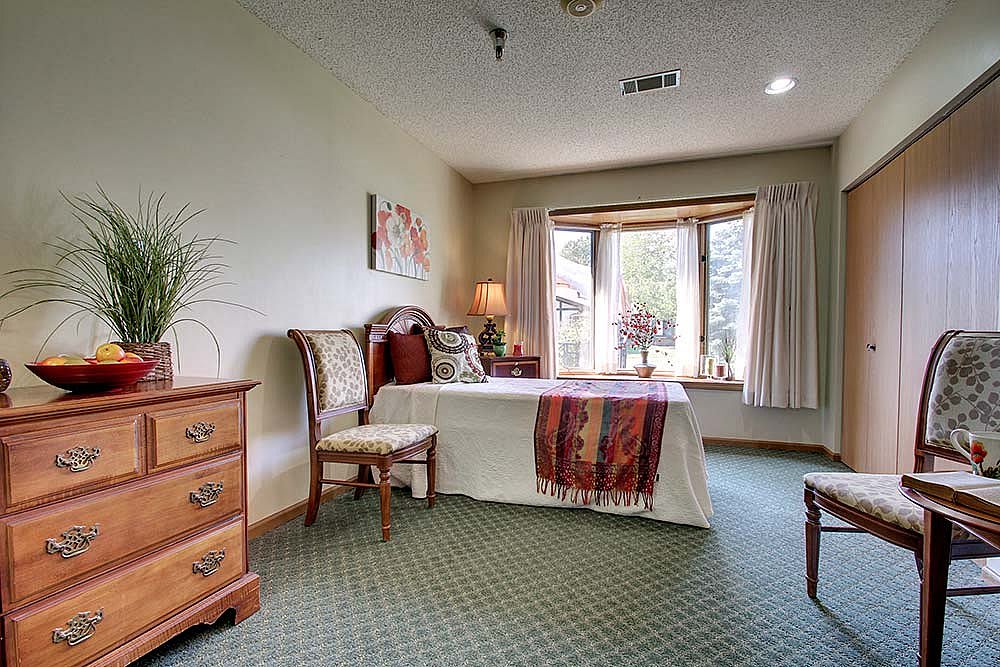
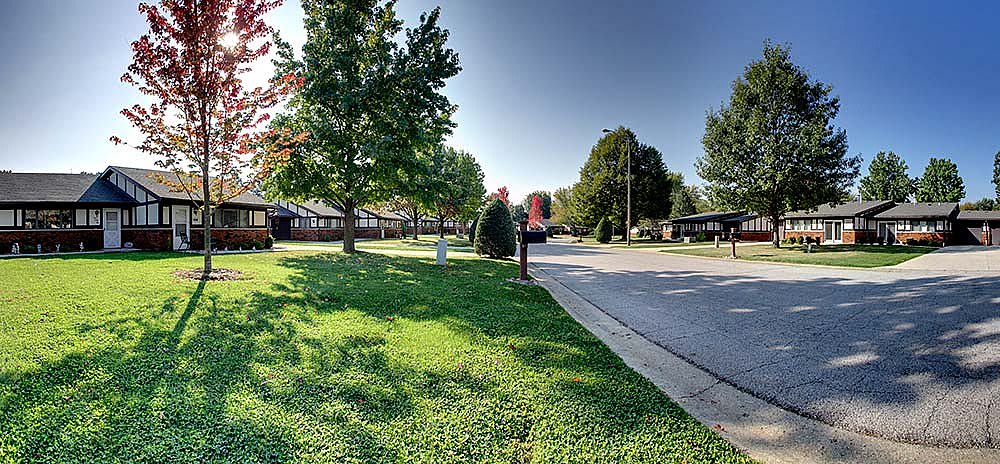
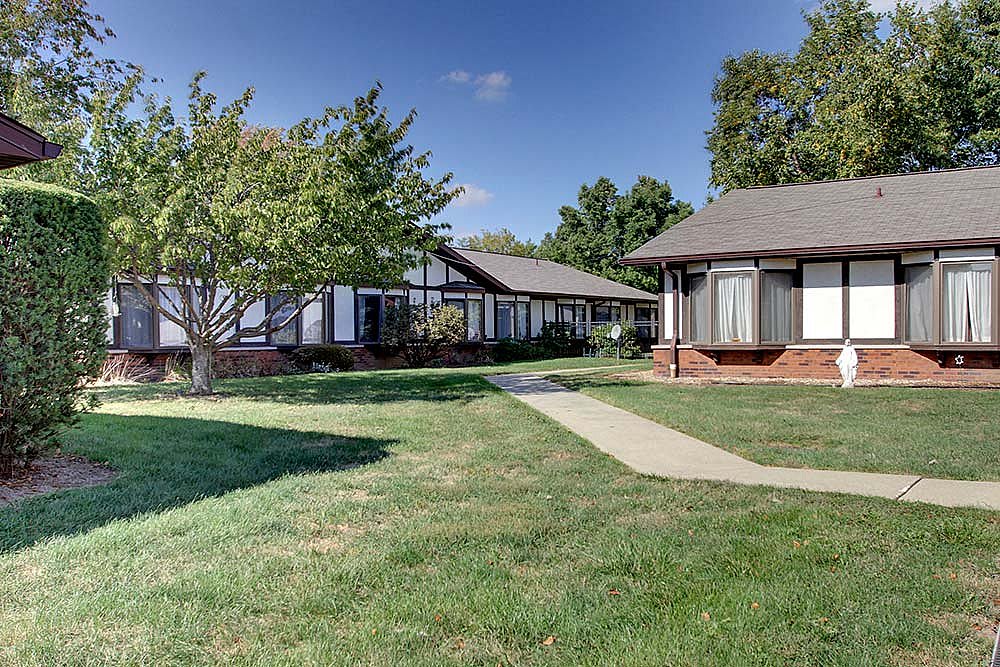
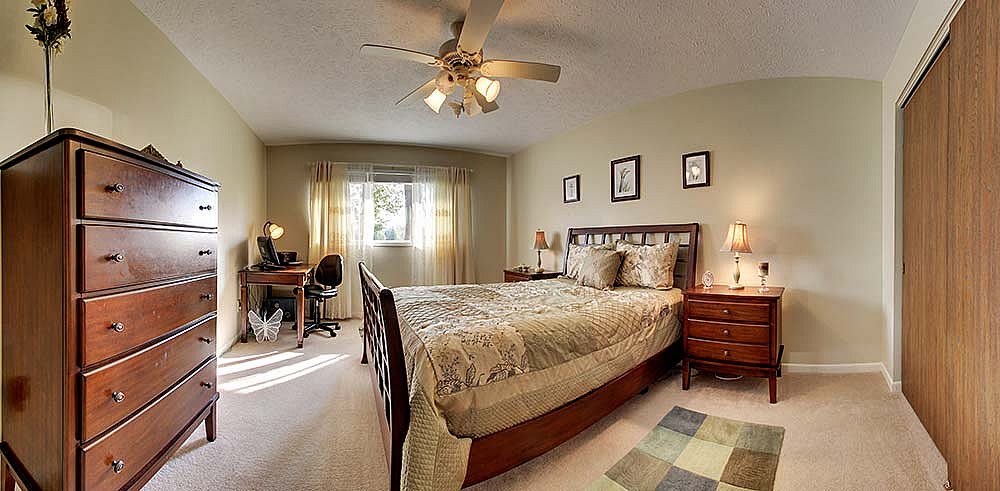
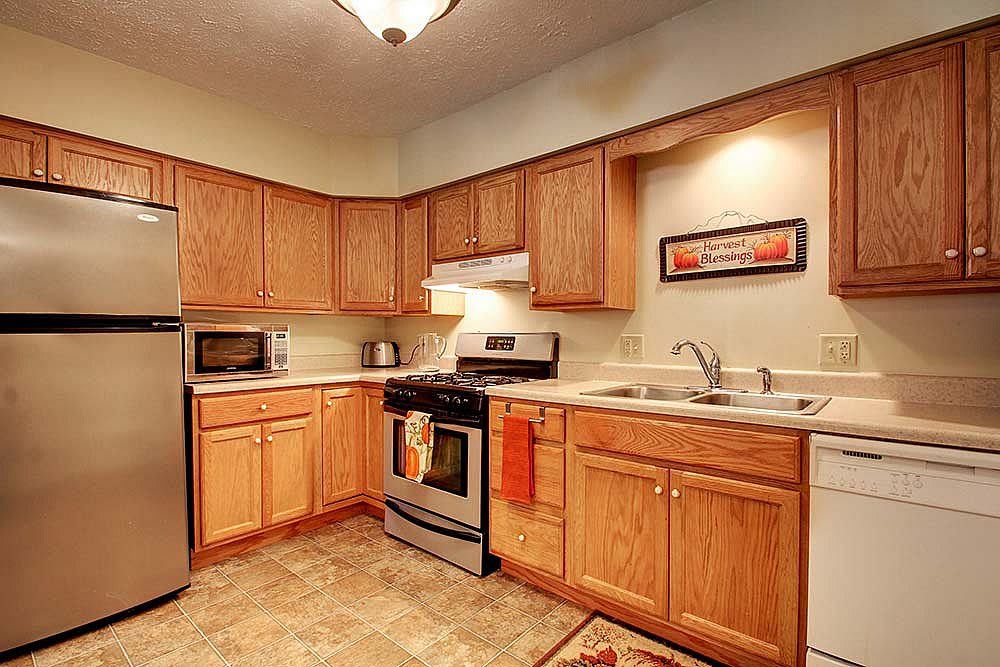
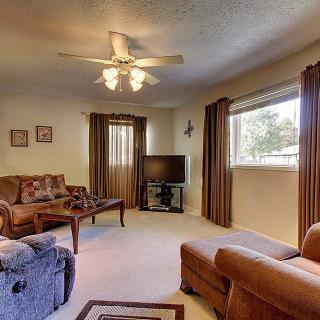
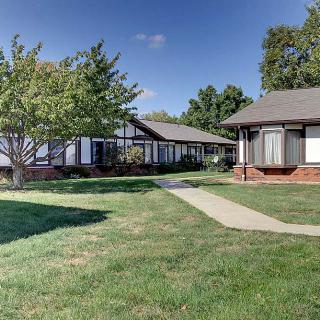
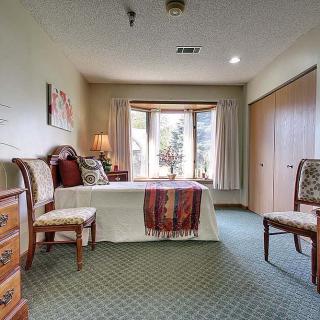
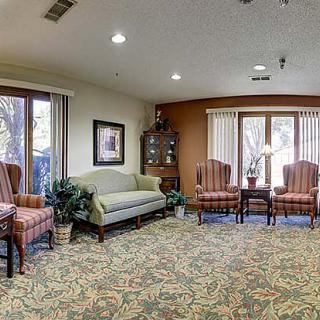
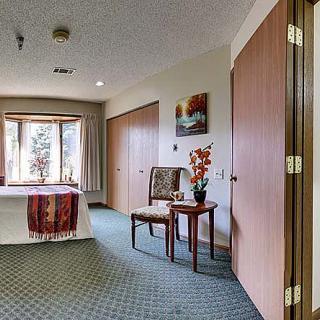
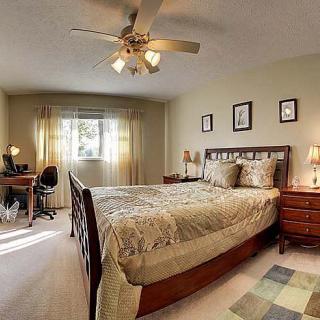
On balance, the Villa shines where recovery and engagement matter most. The therapy department’s depth and persistence, combined with a well-maintained facility and an actively involved activities program, create tangible value for rehab-focused residents. The environment is clean, welcoming, and conducive to optimism, with rooms that offer good views. Yet these strengths do not erase the most consequential downsides: inconsistencies in accountability from administration after adverse events and real safety gaps that can erode trust when vulnerable seniors are in care. The central tension is the gap between excellent therapy results and uneven day-to-day safety oversight.
Where the risks meet the positives, the strongest offset comes from the people who deliver care. Dedicated therapists and nurses who take ownership, along with a standout patient advocate and a responsive social services team, can steer a resident toward meaningful recovery and smoother insurance navigation. When leadership is aligned, issues are addressed quickly and with candor; when it isn’t, problems linger. The facility’s cleanliness, kitchen and housekeeping reliability, and the overall daily environment support steady living. In short, capable care teams can outperform the rough edges, but only with steady oversight and consistent governance.
For families evaluating this community, a practical approach is essential. Demand a clear rehab plan with defined milestones and a single point of contact, and verify fall-prevention and safety protocols with explicit daily routines. Inquire about nurse-to-patient ratios, response times for pain management, and the steps taken when concerns arise. Meet the therapy lead, the head of nursing, and the patient advocate to gauge whether responsiveness reflects everyday operations. Compare with nearby facilities that emphasize uniform staffing and documented quality metrics to ensure the chosen option delivers predictable oversight as well as strong rehab outcomes.
Villa Senior Care Community can be a strong fit for families prioritizing aggressive rehabilitation, an engaged activities calendar, and a compassionate therapy core. It is less ideal for those who cannot tolerate uneven administrative accountability or safety lapses in dementia care. Alternatives that demonstrate steadier leadership, more consistent nurse availability, and proven bedside safety practices may be better for residents whose primary need is reliable, steady oversight. With careful interviewing and clear expectations, this community can deliver genuine gains in recovery and quality of life, but the decision demands weighing serious safety and governance questions against the solid therapy and supportive culture.
 Assisted Living
 Independent Living
 Activities off-site
 Beautician on-site
 Devotional services on-site
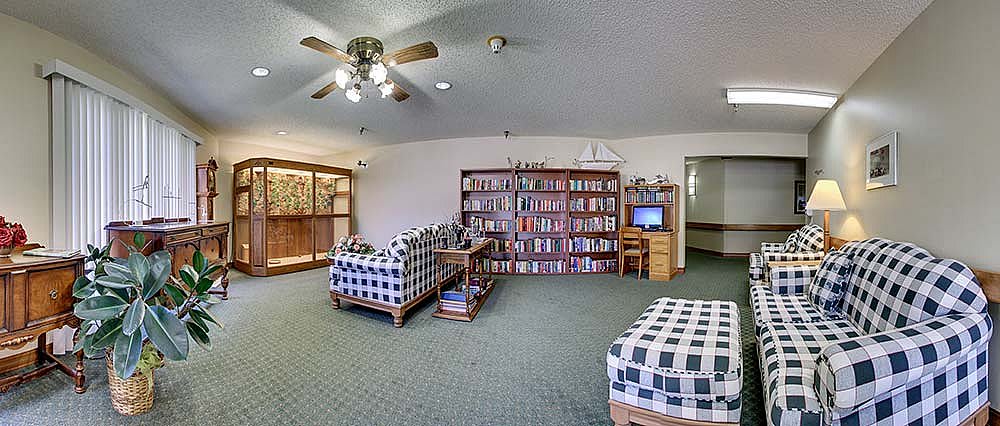
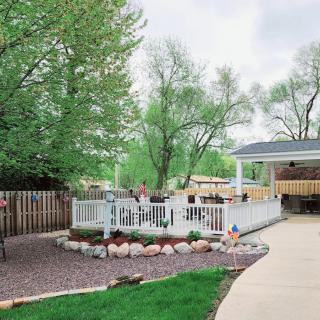
 Indoor common areas
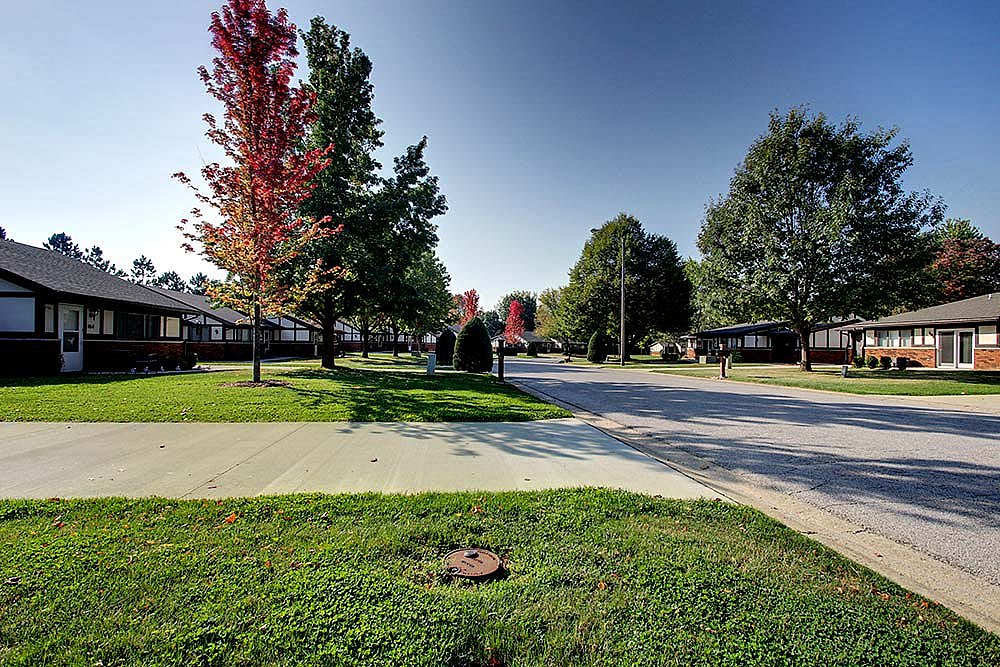
 Outdoor common areas
 Respite or short term stays offered
 Wheelchair accessible showers
 Capital (5 miles away)
 Ambulatory care
 Diabetic care
 Medication management
 Meals provided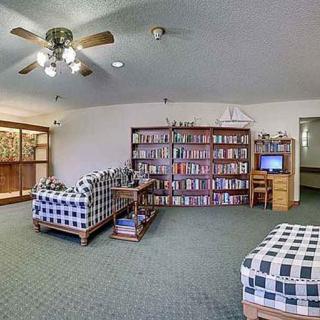


 An Extensive Exploration of the VA Aid and Attendance Benefit
 Senior Transition Services: Understanding Their Role, Cost, and Importance
 Exploring the Path to Senior Living: A Comprehensive Look at Independent Living and Assisted Living