For more information about senior living options: (866) 208-4318
2.8 from 40 reviews
5 stars
15
4 stars
3
3 stars
2
2 stars
0
1 stars
20
Overall Review of Kensington Place Nursing & Rehab
differentiator4 reviews mention this
Physical therapy drives progress
Residents and families describe meaningful physical therapy results during rehab stays.
Several reviews mention physical therapy and rehab support as a key reason families felt their loved one was making progress. People specifically talk about daily improvement while recovering after a hospital stay. Others describe physical therapy and PT/OT working through concerns and keeping families updated, including discussions about important decisions. One review also frames the wound-care nurse as an especially strong part of recovery support.
caveat14 reviews mention this
Care experience is inconsistent
Some residents describe abusive, neglectful care, while others praise the staff’s attention.
A noticeable group of reviews reports serious problems, including allegations of verbal abuse, neglect, and residents not receiving meals. Multiple reviews also describe the facility as dirty and poorly managed, with families saying they felt they could not trust the care. At the same time, other reviewers write that staff took good care of their loved ones, provided updates, and helped with needs during recovery and respite. That split shows the experience may vary widely from what different families expected at move-in.
caveat3 reviews mention this
Meals and nutrition raise concerns
Meal service and nutrition were recurring points of frustration for some families.
Some families say their loved ones did not consistently receive meals, including reports of missing meals or insufficient nutrition. Another reviewer mentions a kitchen problem related to an allergy, describing difficulty following dietary restrictions. Even with the community offering specialized diet categories, these reviews suggest meal delivery and diet accuracy did not always meet expectations.
caveat6 reviews mention this
Cleanliness and room condition
Several reviews describe poor cleanliness, odors, or rundown rooms.
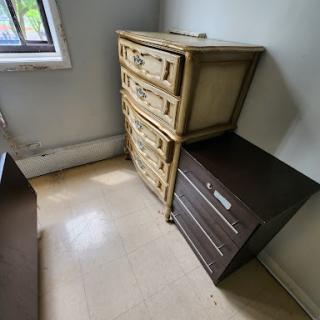
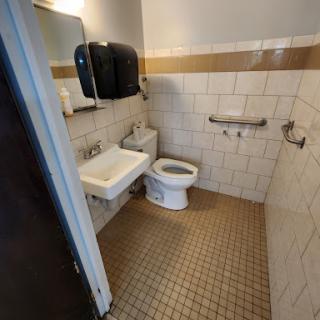
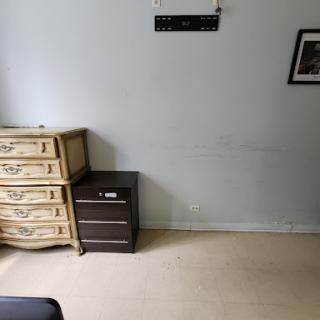
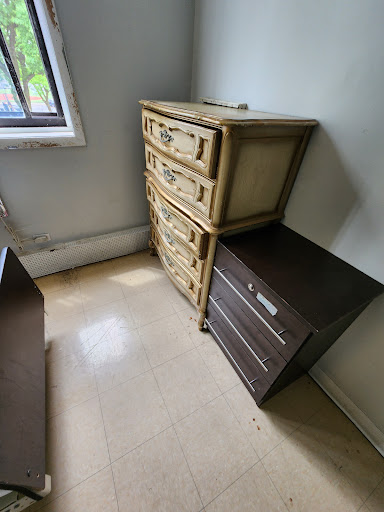
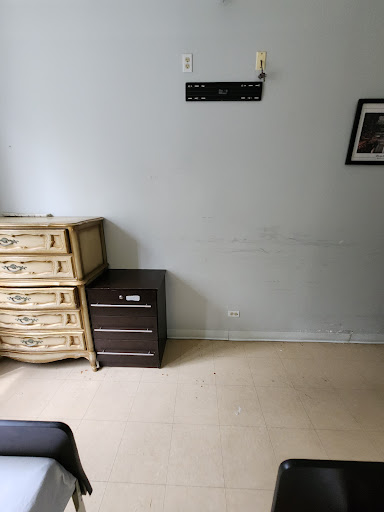
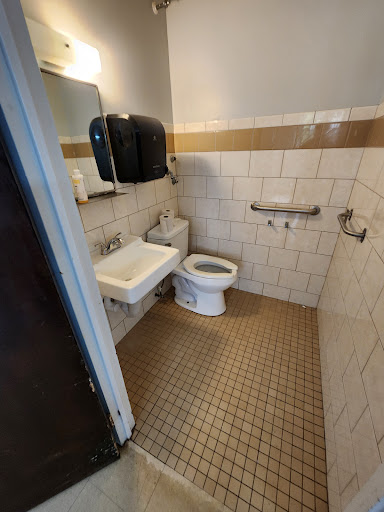
Multiple negative reviews describe dirty rooms, unpleasant odors, and general upkeep problems, including mentions of urine odor during a tour. Families also report issues with room furnishings and the condition of bathing and other areas. One review describes the grounds and common areas as better kept, and another rates the facility as fair in appearance, suggesting conditions may differ by area or over time. Overall, cleanliness appears to be one of the most polarizing themes in the feedback.
common4 reviews mention this
Tours and onboarding feel welcoming
Families often describe a welcoming first visit and helpful placement support.
Several reviews highlight a positive tone during tours, with families saying they felt welcomed and comfortable seeing the community. A few reviewers also describe staff being helpful with placement coordination, including finding a setting for a parent. One review says staff were warm and inviting when the visitor first entered, while another mentions that phone and in-person interactions felt nice. At the same time, other reviews raise concerns about care once a loved one is inside, so the welcoming first impression does not fully resolve the later experience.
How we summarize
Counts show how many written reviews mention each theme; a review can touch several themes, and only frequently mentioned themes are displayed.
Features
Housing
155 resident community capacity
Types of Care
Skilled Nursing Facility
Amenities
Air-conditioning
Beauty salon
Cable or satellite TV
Computer center
Dining room
Fitness room
Fully furnished
Gaming room
Garden
Housekeeping services
Kitchenette
Move-in coordination
Outdoor space
Private bathrooms
Restaurant-style dining
Small library
Telephone
Wellness center
Wi-Fi/high-speed internet available
Transportation
Chicago Midway (7 miles away)
Chicago O'Hare International (18 miles away)
Community operated transportation
Transportation arrangement
Transportation arrangement (non-medical)
Transportation to doctors appointments
Nearby Metro Stations
35th-Bronzeville-IIT
Indiana
Sox-35th
Care Services
12-16 hour nursing
24-hour call system
24-hour supervision
Activities of daily living assistance
Assistance with bathing
Assistance with dressing
Assistance with transfers
Diabetes diet
Meal preparation and service
Medication management
Mental wellness program
Special dietary restrictions
Dining
Diabetes diet
Special dietary restrictions
Activities
Community-sponsored activities
Concierge services
Fitness programs
Planned day trips
Resident-run activities
Scheduled daily activities
Nearby Places of Interest
Physicians
Illinois Eye Institute (0.2 miles)
University of Illinois Mile Square Health Center: Near West Side (4.5 miles)
Pharmacies
Walgreens (0.3 miles)
CVS Pharmacy (1.2 miles)
Walgreens (1.3 miles)
Walgreens (1.6 miles)
Walgreens (2.1 miles)
Walgreens (2.4 miles)
Walgreens (2.5 miles)
Transportation
CTA - Sox-35th Red (0.4 miles)
CTA - Cermak-Chinatown (1.5 miles)
Metra - LaSalle Street (2.9 miles)
Van Buren Street Metra & South Shore Trains (3.1 miles)
CTA - Clinton (3.2 miles)
59th st Junction (3.2 miles)
Metra - 55th / 56th / 57th St (3.3 miles)
Restaurants
Maria's Packaged Goods & Community Bar (1.5 miles)
Marz Community Brewery (1.9 miles)
Lou Malnati's Pizzeria (2.7 miles)
Portillo's (2.7 miles)
The Barrel (3.1 miles)
Miller's Pub (3.3 miles)
The Dearborn (3.6 miles)
Parks
Ping Tom Memorial Park (1.8 miles)
Burnham Park (1.9 miles)
Coliseum Park (2.1 miles)
Northerly Island (2.1 miles)
Chicago Lakefront (2.5 miles)
Washington Park (2.7 miles)
Grant Park (3 miles)
Hospitals
Comer Children's Hospital (3 miles)
University of Illinois Hospital & Health Sciences System (3.5 miles)
Rush University Medical Center (3.8 miles)
St Bernard Hospital (3.8 miles)
John H Stroger Jr Hospital (3.8 miles)
Shirley Ryan AbilityLab (4.3 miles)
Ann & Robert H. Lurie Children's Hospital of Chicago (4.4 miles)
The guide details ten essential responsibilities of senior caregivers, including personal care, mobility assistance, medication management, and emotional support, while emphasizing the importance of safety, nutrition, and maintaining a safe living environment to enhance seniors' quality of life and independence.
The article highlights nine memory-boosting activities for seniors that enhance cognitive health and social interaction, including puzzles, trivia quizzes, and storytelling, while emphasizing the importance of adapting these activities to individual preferences to maximize enjoyment and engagement. Consistent mental engagement is linked to improved cognitive function and emotional well-being in older adults.
Medicare provides limited coverage for skilled nursing home care, covering full benefits for the first 20 days and partial benefits up to 100 days under certain conditions, after which families must explore alternative funding options like Medicaid or long-term care insurance to manage potentially high costs. Proactive planning is essential to navigate the complexities of financing ongoing care once Medicare coverage ends.
Get PricingAsk A QuestionSchedule A TourContact Senior Advisor
By clicking submit, you agree to our Partner's Terms of Use. You
also consent to receive calls and texts, which may be autodialed, from our Partner. Your consent is not a condition to
using our Partner's service. Please visit our Partner's Privacy Policy for information about their privacy practices.

 155 resident community capacity
 Skilled Nursing Facility
 Air-conditioning
 Beauty salon
 Cable or satellite TV
 Computer center
 Dining room
 Fitness room
 Fully furnished
 Gaming room
 Garden
 Housekeeping services
 Kitchenette
 Move-in coordination
 Outdoor space
 Private bathrooms
 Restaurant-style dining
 Small library
 Telephone
 Wellness center
 Wi-Fi/high-speed internet available
 Chicago Midway (7 miles away)
 Community operated transportation
 35th-Bronzeville-IIT
  12-16 hour nursing
 24-hour call system
 Activities of daily living assistance
 Assistance with bathing
 Assistance with dressing
 Assistance with transfers
 Diabetes diet
 Medication management
 Mental wellness program
 Special dietary restrictions
 Concierge services
 Planned day trips
 Extensive amenities and comprehensive care services.



 Ten Vital Duties of a Senior Caregiver: A Comprehensive Guide
 9 Stimulating Memory Activities for Seniors: Puzzles, Cards, and Much More
 Managing Nursing Home Expenses After Medicare Coverage Ends