
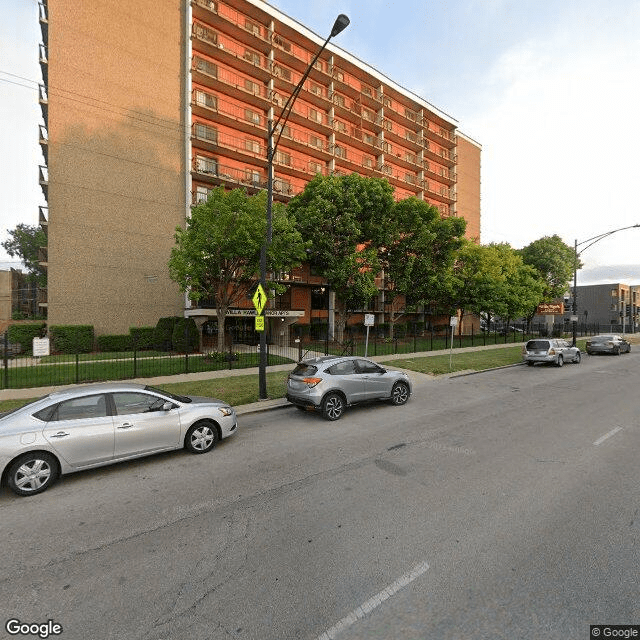
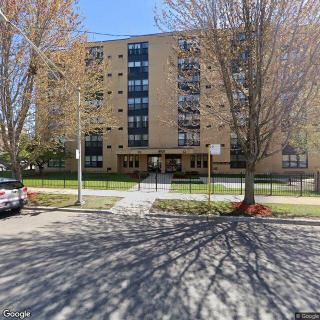
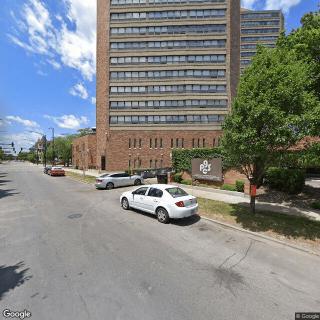
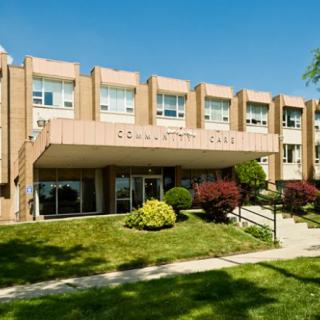
4120 S Indiana Ave, Chicago, IL 60653
To contact a resident: (773) 538-0500
For more information about senior living options: (866) 208-4318
Willa Rawls Manor Apartments Costs & Pricing
Willa Rawls Manor Apartments offers competitive rental rates in comparison to both Cook County and the broader state of Illinois. For a one-bedroom unit, residents can expect to pay $1,207 monthly, significantly lower than the county's average of $3,256 and the state average of $3,527. Similarly, two-bedroom apartments at Willa Rawls Manor are priced at $1,410, providing a substantial savings against Cook County's typical rate of $4,412 and Illinois' average of $4,208. This affordability makes Willa Rawls Manor an attractive option for those seeking quality living arrangements without the hefty price tag often associated with residential communities in this region.
| Floor plans | Willa Rawls Manor Apartments | Cook County | Illinois |
|---|---|---|---|
| 1 Bedroom | $1,207 | $3,256 | $3,527 |
| 2 Bedrooms | $1,410 | $4,412 | $4,208 |
Independent Living communities with a similar price nearby
-
from -$148 / mo
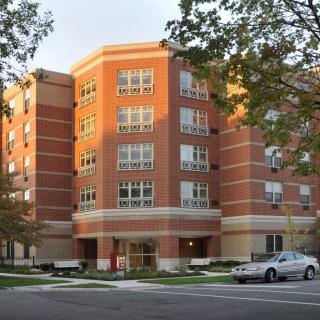
Senior Suites of Marquette Village
$1,059 to $1,161 / month5.4 miles away -
from +$123 / mo
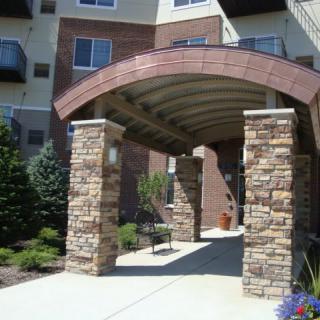
The Homestead at Morton Grove
$1,330 to $1,600 / month17.3 miles away -
from -$142 / mo
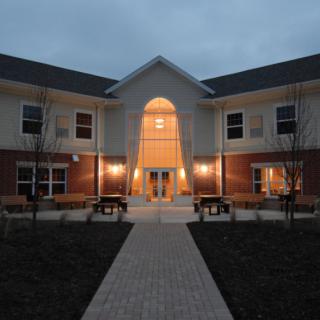
David Webb Jr. Senior Living
$1,065 to $1,215 / month15.2 miles away -
from -$46 / mo
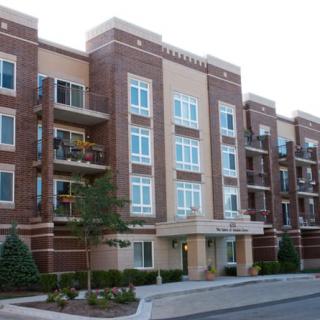
The Suites of Autumn Green at Wright Campus
$1,161 to $1,340 / month13.1 miles away -
from -$148 / mo
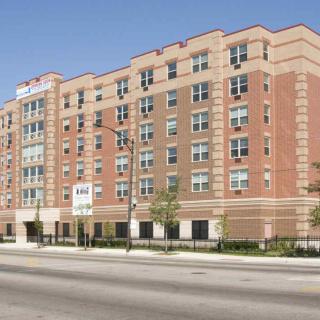
Senior Suites Of Kelvyn Park
$1,059 to $1,161 / month10.0 miles away
Overall Review of Willa Rawls Manor Apartments
Pros
 Residents loved living there and felt it was equipped with everything they needed.
- The event showcased amazing residents and a fun-filled evening.
- It was an awesome place for elderly residents.
- The staff were very professional, the building clean, and residents treated each other like family and looked out for one another.
- The residents and the onsite team are well-loved by the community.
- The building itself is nice.
Cons
 The manager is very unprofessional.
Review
Willa Rawls Manor Apartments in Chicago is best suited for independent seniors who want an affordable, apartment-style setting with a clearly active, friendly resident community and dependable on-site staff. The building earns consistent praise for cleanliness and a cozy, well-kept interior, and residents repeatedly describe a social, neighborly vibe that feels almost like family. Long-tenured residents illustrate stability and satisfaction, with accounts of years spent in the building and ongoing connections to other residents. For seniors who can manage most daily needs on their own but value easy access to companionship, safety, and a supportive on-site team, this community presents a practical, livable option in a city context.
That practicality, however, comes with caveats. Those who require regular hands-on care, medical oversight, or a highly structured management experience may want to consider alternatives. One reviewer called the on-site manager unprofessional, a concern that matters in any setting where administration touches safety, repairs, and day-to-day operations. While the overall rating stands at 4.4 from ten reviews, the mix of strong do-it-with-others camaraderie and at least one negative note signals a potential inconsistency in management style. Families evaluating options should weigh the appeal of a warm, low-friction living environment against the possibility of uneven administrative responsiveness.
On the plus side, the strongest selling points are the human connections and the sense of belonging. Residents describe a community where staff are professional and the building remains clean, with residents treating each other like family and looking out for one another. Interactions at social events and outreach activities highlight a lively, engaged schedule that reduces isolation and reinforces neighborly trust. The on-site team is repeatedly noted as an asset, contributing to smooth day-to-day life and offering reassurance to families seeking visible, attentive staff oversight in a smaller, apartment-based setting.
Yet the same strengths illuminate the trade-offs. A cozy, family-feel atmosphere can sometimes mask gaps in formal care infrastructure or inconsistent administrative processes. For families prioritizing robust medical support, transportation coordination for appointments, or clearly defined care plans, the absence of explicit, higher-level care offerings may feel like a mismatch. In short, the pros, cleanliness, warmth, resident connection, and a reliable on-site presence, do a commendable job of offsetting the lack of a large-care campus, but they do not fully substitute for structured care features that some seniors will require.
For families actively evaluating options, several practical steps emerge. Schedule a face-to-face tour and specifically request time with multiple residents to gauge consistency in management and responsiveness. Ask about what services are actually provided on-site (housekeeping, meal options, transportation, maintenance responsiveness) and clarify how much hands-on assistance, if any, is available. Inquire about how changes in leadership or staffing are communicated and handled, and request references from long-term residents who can speak to day-to-day reliability over months or years. Pair these conversations with a careful walk-through of safety features, accessibility, and common-area programming to assess fit.
Overall, this community offers a solid, affectionately described living option for seniors who prize community, cleanliness, and approachable staff in an apartment setting. It represents a strong choice for those who value social life and neighborly oversight over scale, formal care services, or institutional assurance. Alternatives should be considered by families needing consistent 24/7 medical oversight, formal care plans, or a larger campus with broader amenities. With diligent due diligence, Willa Rawls Manor can be a dependable home where residents thrive on companionship and familiar routines, while families remain informed and prepared to address management concerns if they arise.
 Independent Living
 Chicago Midway (7 miles away)
 35th-Bronzeville-IIT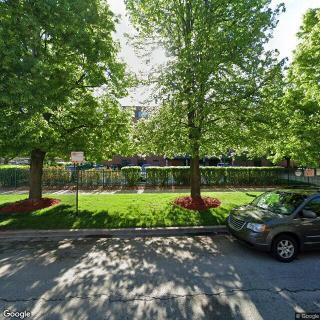



 Understanding Hospice Care at Home: Comprehensive Services, Key Benefits, and Eligibility
 Understanding the Full Cost of 24/7 In-Home Care: A Detailed Overview
 Exploring the World of Home Health Nurses: Qualifications, Roles, and Hiring Tips