Overall Review of Paul G. Stewart Center
caveat
9 reviews mention this
Elevators and repairs frustrate residents
Elevator reliability is a frequent problem residents mention, along with repair delays.
Multiple residents describe elevators that are repeatedly broken or not fully usable, including situations where they had to use stairs. Several also say repairs take too long or require multiple calls, which adds to everyday frustration. A resident who liked the building overall still calls out that one elevator remains out of service often for a large community. Overall, elevator and maintenance reliability comes through as a key day-to-day concern.
caveat
5 reviews mention this
Pest issues hurt the experience
Residents report pest problems that range from mice to bedbugs.
Several reviews mention mice in hallways or common areas, and others describe wider infestations including roaches and bedbugs. Some residents specifically point to pests being present in common spaces and even in apartments. One review also ties the pest situation to management process and response, while another frames it as an ongoing concern that made care harder for a loved one. Taken together, pest control and cleanliness issues are a clear negative theme.
common
10 reviews mention this
Staff support is often praised
Many residents describe staff as helpful, professional, and responsive to needs.
Across the reviews, residents and families repeatedly describe the staff as courteous, warm, and professional. A number of comments highlight timely help with moving and getting repairs handled when needed. Even in reviews that raise serious building concerns, at least some mention staff interactions during move-out or support during a move. Overall, staff conduct is one of the most consistently positive points.
caveat
5 reviews mention this
Security and access control are mixed
Reviews describe both secure access and concerns about who can enter.
Some residents say the building is secure and that visitors must be buzzed in, with comments also calling security excellent. Others, however, report that security feels too lax and that people can walk in. There are also reviews describing safety concerns such as theft from security personnel or cars, plus comments that access systems work unevenly. This makes security a theme with clear contrast between residents’ experiences.
differentiator
3 reviews mention this
On-site amenities and activities matter
Residents point to on-site resources like a doctor’s office and a grocery store.
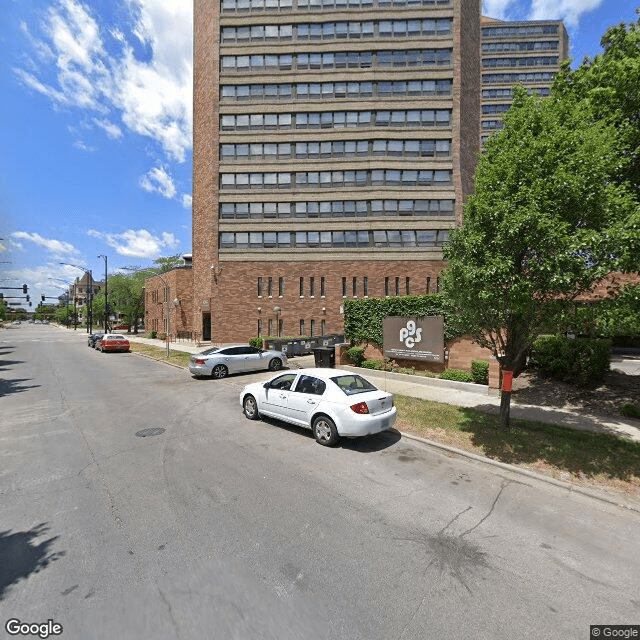
Several reviews describe a community setup with on-site conveniences and scheduled life-enrichment options. Residents mention a doctor’s office on-site and a grocery store within the building, along with activities such as cultural events, crafts, and outings. One reviewer also mentions dining options and a theater or media spaces as part of what keeps people engaged. For many, these built-in options are part of why they consider the location workable day to day.
common
3 reviews mention this
Public transit is convenient
Transit access stands out, with bus service described as close by.
Some reviews call out transportation as strong because the bus is very near, even described as being right at the building entrance. Another resident mentions how easy it is to reach destinations quickly using the bus stop location. A separate review also notes convenience in general terms. Overall, residents associate this community with practical access to getting around.
caveat
2 reviews mention this
Visitor parking is difficult
Visitors have trouble finding parking near the building.
Two reviews specifically mention parking as a pain point, with one saying there’s no place to park for visitors unless you walk around the building. Another describes parking as tough. While this doesn’t appear to dominate every review, it is a recurring logistical complaint for guests and visitors.
How we summarize
Counts show how many written reviews mention each theme; a review can touch several themes, and only frequently mentioned themes are displayed.

 Active Adult Communities (55+)
 Chicago Midway (7 miles away)
 35th-Bronzeville-IIT
 Strong access to nearby amenities and transit.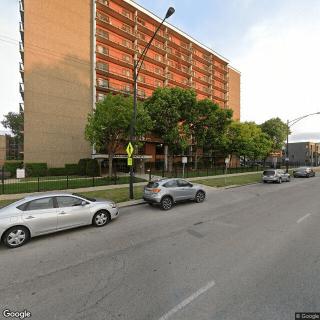



 Understanding the Nuances of Palliative Care and Hospice: A Comprehensive Exploration
 Fecal Incontinence in Older Adults: A Comprehensive Guide
 Recognizing the Journey: Understanding and Navigating Anticipatory Grief