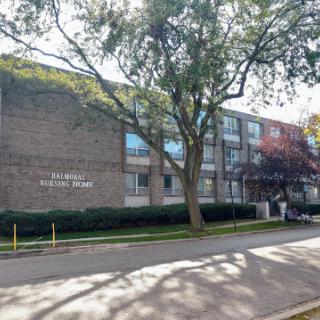
Balmoral Home

Save
Balmoral Home Balmoral Home

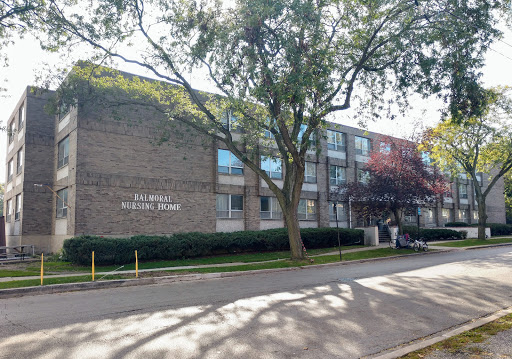
Balmoral Home

2055 West Balmoral Avenue, Chicago, IL 60625

For more information about senior living options: (844) 490-3973

2.8 from 31 reviews
5 stars
11
4 stars
3
3 stars
0
2 stars
4
1 stars
13

Skilled Nursing Facility

What level of care are you interested in?

Assisted Living

Memory Care

Independent Living

Skilled Nursing Facility

Continuing Care Retirement Community (CCRC)CCRC

Other


Request a tour at Balmoral Home

    Overall Review of Balmoral Home

    Pros

    • pro Balmoral's staff is amazing and the food is amazing, making it one of the best nursing homes.
    • pro The staff are outstanding from CNAs to RNs to maintenance, housekeeping, and dining.
    • pro The facility has the best staffing team working together to provide great quality care to all residents.
    • pro The nurses are professional and caring.
    • pro Balmoral Nursing Home has the best Social Service team; they care for the patients.
    • pro The COVID regulations are incredible, and Balmoral keeps patients safe.
    • pro The nursing staff, therapy, social service, and admin are always there to cater to residents' needs.
    • pro Balmoral is touted as the best nursing home in Chicago, with beautiful staff and great people.

    Cons

    • pro The facility smelled horrible, with a resident's urinal full and brown.
    • pro Six baby roaches were climbing on the tables that residents eat at.
    • pro The second floor smelled like urine.
    • pro Public areas were smoky, dirty, worn-out, and disgusting.
    • pro There were insect infestations in rooms and hallways and dirt in the corners.
    • pro Residents were allowed to smoke in their rooms in a facility with oxygen.
    • pro The admission and nursing staff were more focused on covering up issues than addressing them.
    • pro The leadership was poor, with the director of nursing described as dishonest.
    • pro The building was dirty and infested, and many reviewers felt it should be shut down.

    Review

    The collection of reviews about Balmoral Nursing Home paints a strikingly mixed picture. On one hand, there are strong, almost rapturous endorsements of the staff and the level of care in certain moments. Several commenters describe the facility as having an outstanding, compassionate team across roles - CNA, RN, maintenance, housekeeping, dining, and social services. They emphasize a sense of being cared for, with experiences ranging from feeling cradled and supported to receiving very hands-on attention when needed. Some reviewers single out how the staff "gives you a full bathing treatment" and provide quick responses, with one claim that the response time is "well under 5 minutes" compared with other nursing homes. There are even reflections that Balmoral has excelled during peak times, including the pandemic, where patrons felt the nursing staff, therapy, social service, and administration worked to meet needs and keep patients safe. A number of families express gratitude for personal interactions - from a parent who felt their mother was well cared for during a three-month stay after a fall, to cousins and friends praising the social service team for their dedication and support. There's also a recurring sentiment that some frontline staff are sincerely kind and patient, and that the facility can be a reassuring place for loved ones in need of rehabilitation or ongoing care.

    Against that backdrop of praise, however, sit a large chorus of alarming, specific complaints about sanitation, safety, and management. Several reviewers describe pervasive odors - smells of urine and general filth - that suggest conditions far from clean. Reports of dirty environments, dirt in corners, and a foul overall atmosphere on certain floors contribute to a perception that some areas of the building are not adequately maintained. Disturbingly, a number of reviewers mention insect infestations, including baby roaches crawling on the resident dining surfaces and along corridors, along with general infestations that raise concerns about health and infection control. The combination of these infestations with mentions of cigarette smoke in public areas - despite being in a care setting with oxygen - creates a sense of serious safety hazards and management challenges that some readers find hard to overlook.

    Other accounts focus on specific operational shortcomings. There are claims about inadequate facilities for residents and families: no personal phone or television in some rooms, with promises by social services that were not fulfilled, and a cousin who felt boxed in because she shared a room and could not use a phone to connect with loved ones. Communication lapses surface in multiple reviews: reports of being put on hold, hung up on by staff, or promised callbacks that never arrive; complaints about social services or administration not following through on commitments; and a perception that admission and nursing staff are more focused on covering up issues than addressing them openly. These anecdotes contribute to a broader impression of friction between family members and facility leadership, and in some cases, to distrust of how problems are being managed or communicated to residents and their families.

    There are also pointed criticisms about leadership and staffing culture. A number of reviews criticize the director of nursing and, in some instances, even accuse leadership of dishonesty or misrepresentation. One commentator describes the director as lying on behalf of a situation and expresses a lack of confidence in leadership, while others mention rude receptionists and a general sentiment that front-d desk interactions lack professionalism. Yet within the same collection, there are comments praising the Social Service team as "the best you will ever meet" and highlighting that certain managers and staff are capable, compassionate, and deeply committed. This juxtaposition reinforces that experiences at Balmoral are deeply uneven and may depend heavily on which staff members residents encounter and how management issues are navigated in real time.

    The pandemic era adds another layer to the narrative. Some reviewers acknowledge Balmoral's efforts to safeguard residents, describing COVID protocols as "incredible" and praising how the facility and its staff handled pandemic-era challenges, with specific commendations directed at nursing, therapy, social service, and administration for keeping patients safe. Others, however, frame the same period as a source of tension, noting the restrictions and the perception that the facility's environment became more closed-off or hospital-like, with concerns about outbreak management and the impact of these measures on residents' everyday experiences and families' ability to stay connected. The tension between maintaining safety and ensuring a humane, comfortable environment comes through clearly in these reflections.

    Overall, Balmoral Nursing Home emerges as a place of strong, genuine care in some hands and troubling neglect in others. For some families, the staff's warmth, responsiveness, and professionalism provide reassurance that their loved ones are getting compassionate, capable support. For others, the presence of strong odors, pests, dirty conditions, smoking hazards, and communication breakdowns paints a starkly different reality - one in which safety, cleanliness, and transparent leadership are called into question. The narratives also suggest a divide between staff who are dedicated and well-regarded and administrative or supervisory figures who are perceived as ineffective or unreliable, contributing to a complex, sometimes contradictory portrait of the facility.

    If you're considering Balmoral for a loved one or evaluating it as a potential workplace, the testimonials underscore the importance of visiting with a critical eye and asking targeted questions. In particular, it would be prudent to request recent inspection results, tour the facility with a focus on cleanliness and safety, speak with multiple staff members across shifts, and clarify responses to concerns about communication, pest control, room accommodations, and oxygen use in areas where residents live and eat. There appears to be real strength in the compassionate care some residents receive, but equally serious concerns about cleanliness, safety, and leadership that deserve thorough, direct investigation.

    Features

    Housing

    • 213 resident community capacity 213 resident community capacity

    Types of Care

    • Skilled Nursing Facility Skilled Nursing FacilitySkilled Nursing Facilities are crucial for seniors as they provide round-the-clock medical care, rehabilitation services, and assistance with daily activities. These facilities ensure that seniors receive the specialized care they need to maintain their health and well-being as they age.

    Amenities

    • Air-conditioning Air-conditioningAir conditioning is important for seniors as they are more vulnerable to heat-related illnesses and may have underlying health conditions that make it difficult for them to regulate their body temperature. It helps to keep them comfortable, safe, and healthy in hot weather.
    • Beauty salon Beauty salonBeauty salons are important for seniors because they provide a space for them to feel pampered, socialize, and maintain their personal grooming and hygiene. Regular visits to a beauty salon can help boost seniors' self-esteem and overall well-being.
    • Cable or satellite TV Cable or satellite TVCable or satellite TV is important for seniors because it provides entertainment, news, and companionship, helping to combat loneliness and boredom. It also offers a wide range of programming options tailored to different interests and preferences.
    • Computer center Computer centerA computer center is essential for seniors as it provides access to technology, communication tools, and resources that can enhance their daily lives. It allows them to stay connected with loved ones, engage in online activities, and learn new skills, ultimately promoting socialization and mental stimulation.
    • Dining room Dining roomDining rooms are important for seniors as they provide a space for socialization, connection, and nutritious meals. They offer opportunities for residents to bond over shared meals, foster a sense of community, and promote healthy eating habits. Dining rooms also ensure that seniors have access to well-balanced meals tailored to their dietary needs and preferences.
    • Fitness room Fitness roomHaving a fitness room in a senior living community is essential for seniors to stay active, maintain their physical health, and improve their overall well-being. Regular exercise can help prevent falls, reduce the risk of chronic diseases, and promote mental sharpness. It also provides social opportunities for residents to connect with others and enjoy a sense of community.
    • Fully furnished Fully furnishedFully furnished senior living communities are important for seniors because they provide convenience, comfort, and a hassle-free moving experience. Seniors can easily settle into their new living space without the stress of having to buy and move furniture. This allows them to focus on enjoying their new home and community.
    • Gaming room Gaming roomGaming rooms are important for seniors as they provide a fun and engaging environment for socializing, cognitive stimulation, and physical activity. Games can improve memory, problem-solving skills, and overall mental well-being while fostering friendships and reducing feelings of isolation.
    • Garden GardenGardens are important for seniors as they provide a peaceful and therapeutic environment for relaxation, physical activity, and socialization. Being in nature has been shown to reduce stress, improve mood, and promote overall well-being. Gardens also offer opportunities for seniors to engage in gardening activities, which can improve mobility, flexibility, and cognitive function. Additionally, gardens create a sense of community and connection with others who share a passion for plants and outdoor spaces.
    • Housekeeping services Housekeeping servicesHousekeeping services are important for seniors because they help maintain a clean and safe living environment, promote independence, and reduce the risk of accidents or illnesses. Additionally, having assistance with household chores can alleviate physical strain and allow seniors to focus on other aspects of their well-being.
    • Kitchenette KitchenetteKitchenettes are important for seniors living in senior living communities because they provide the convenience and independence of being able to prepare simple meals and snacks in the comfort of their own living space. This can help promote a sense of autonomy and well-being for seniors, allowing them to maintain some level of control over their dietary choices and daily routines.
    • Move-in coordination Move-in coordinationMove-in coordination is important for seniors because it helps ease the transition into their new living environment. It ensures that all logistics, such as packing, organizing movers, and setting up utilities are taken care of, allowing seniors to focus on settling in and adjusting to their new home. Having a smooth move-in process can alleviate stress and anxiety, making the transition smoother and more enjoyable for seniors.
    • Outdoor space Outdoor spaceOutdoor spaces are important for seniors as they provide opportunities for physical activity, social interaction, exposure to natural light and fresh air, and a sense of connection to nature. Having access to outdoor spaces can improve overall well-being and quality of life for older adults living in senior communities.
    • Private bathrooms Private bathroomsPrivate bathrooms are important for seniors in senior living communities because they provide independence, dignity, and comfort. Having a private bathroom allows seniors to maintain their personal hygiene routines without the need for assistance, promoting a sense of autonomy and privacy. Additionally, private bathrooms help prevent the spread of infections and provide a safe and clean environment for seniors to navigate safely.
    • Restaurant-style dining Restaurant-style diningRestaurant-style dining is important for seniors because it allows them to enjoy delicious, nutritious meals in a social and upscale setting. This enhances their dining experience, promotes healthy eating habits, and fosters socialization with fellow residents, ultimately contributing to their overall well-being and quality of life.
    • Small library Small librarySmall libraries are important for seniors as they provide access to a variety of reading materials, including books, newspapers, and magazines. This can help stimulate their minds, keep them engaged, and provide a sense of community through book clubs and other social activities. Additionally, reading has been shown to improve cognitive function and overall mental well-being in older adults.
    • Telephone TelephoneTelephones are important for seniors as they provide a lifeline for communication with loved ones, emergency services, and healthcare providers. They offer a sense of security and independence, enabling seniors to stay connected and access assistance when needed.
    • Wellness center Wellness centerWellness centers are important for seniors because they offer a variety of programs and services that promote physical, mental, and emotional well-being. These centers provide opportunities for exercise, socialization, education, and relaxation, helping seniors maintain their overall health and quality of life.
    • Wi-Fi/high-speed internet available Wi-Fi/high-speed internet availableWi-Fi/high-speed internet is important for seniors to stay connected with loved ones, access online resources, and participate in virtual activities to combat feelings of loneliness and isolation. It also allows them to easily manage healthcare needs, access entertainment, and engage in lifelong learning opportunities.

    Transportation

    • Chicago O'Hare International (11 miles away) Chicago O'Hare International (11 miles away)
    • Chicago Midway (14 miles away) Chicago Midway (14 miles away)
    • Community operated transportation Community operated transportationCommunity operated transportation is crucial for seniors as it provides them with the means to access essential services, social activities, and medical appointments. It allows seniors to maintain their independence and quality of life by ensuring they can participate in activities outside of their homes. Additionally, community-operated transportation services offer a safe and reliable way for seniors to travel without having to rely on family or friends for assistance.
    • Transportation arrangement Transportation arrangementTransportation arrangements are crucial for seniors as they may face challenges with driving, mobility, or access to public transportation. Having reliable transportation services ensures that seniors can easily attend appointments, social activities, and maintain their independence and quality of life.
    • Transportation arrangement (non-medical) Transportation arrangement (non-medical)Transportation arrangements are essential for seniors as they provide access to essential services, activities, and social interactions outside the home. This service helps maintain independence, mobility, and overall well-being for seniors who may have limited transportation options.
    • Transportation to doctors appointments Transportation to doctors appointmentsTransportation to doctors appointments is crucial for seniors as it ensures they have access to necessary medical care and support, promoting their health and well-being. It allows them to receive timely treatment, monitor existing conditions, and address any new health concerns efficiently. Additionally, transportation services can help seniors maintain their independence and quality of life by enabling them to stay connected with their healthcare providers.

    Care Services

    • 12-16 hour nursing 12-16 hour nursing12-16 hour nursing care is crucial for seniors in order to ensure around-the-clock monitoring, timely medication administration, and prompt response to any health concerns or emergencies. This level of care helps to promote the overall well-being and safety of seniors living in senior living communities.
    • 24-hour call system 24-hour call system24-hour call systems are important for seniors because they provide peace of mind and immediate assistance in case of emergencies. This technology ensures that help is always available, promoting safety and security for elderly individuals living alone or in assisted living facilities.
    • 24-hour supervision 24-hour supervision24-hour supervision is important for seniors to ensure their safety, well-being, and access to immediate assistance in case of emergencies or health issues. This constant support provides peace of mind for both seniors and their loved ones, allowing them to age in place with dignity and security.
    • Activities of daily living assistance Activities of daily living assistanceActivities of daily living assistance are important for seniors because they provide essential support with tasks such as eating, bathing, dressing, and mobility. This assistance helps seniors maintain their independence, dignity, and overall quality of life as they age.
    • Assistance with bathing Assistance with bathingAssistance with bathing is crucial for seniors as it helps maintain personal hygiene, prevents infections, and ensures their overall well-being and comfort. It also provides a sense of dignity and independence for seniors who may struggle with this task on their own.
    • Assistance with dressing Assistance with dressingAssistance with dressing is important for seniors because it helps maintain their independence, promotes personal hygiene, prevents accidents and injuries, and improves overall quality of life. This service ensures that seniors can continue to dress comfortably and confidently, despite any physical limitations they may have.
    • Assistance with transfers Assistance with transfersAssistance with transfers is crucial for seniors as it helps prevent falls and injuries, maintains their independence, and ensures they can safely navigate their living environment. It also provides peace of mind for both seniors and their loved ones.
    • Diabetes diet Diabetes dietA diabetes diet is crucial for seniors as it helps manage blood sugar levels, reduce risks of complications, and improve overall health and well-being. By following a balanced and nutritious diet tailored to their specific needs, seniors can better control their diabetes and enhance their quality of life.
    • Meal preparation and service Meal preparation and serviceMeal preparation and service are crucial for seniors as they may have limited mobility or energy to cook nutritious meals. Having access to healthy and convenient food options can ensure they are getting the proper nutrition needed to maintain their overall health and well-being.
    • Medication management Medication managementMedication management is crucial for seniors to ensure they are taking the right medications at the correct dosages and times. This helps prevent adverse drug interactions, reduces the risk of medication errors, and promotes overall health and well-being. Proactive management also allows for adjustments as needed based on changing health conditions or new prescriptions.
    • Mental wellness program Mental wellness programMental wellness programs are essential for seniors as they promote cognitive stimulation, emotional support, and social engagement. These programs help prevent isolation, depression, and cognitive decline, ultimately enhancing the overall quality of life for older adults.
    • Special dietary restrictions Special dietary restrictionsSpecial dietary restrictions are important for seniors because age-related changes in metabolism and health conditions can make it difficult for their bodies to process certain foods. By following a diet tailored to their specific needs, seniors can maintain their overall health and well-being, manage chronic conditions, and reduce the risk of complications such as malnutrition or food interactions with medications.

    Dining

    • Diabetes diet Diabetes dietA diabetes diet is crucial for seniors as it helps manage blood sugar levels, reduce risks of complications, and improve overall health and well-being. By following a balanced and nutritious diet tailored to their specific needs, seniors can better control their diabetes and enhance their quality of life.
    • Special dietary restrictions Special dietary restrictionsSpecial dietary restrictions are important for seniors because age-related changes in metabolism and health conditions can make it difficult for their bodies to process certain foods. By following a diet tailored to their specific needs, seniors can maintain their overall health and well-being, manage chronic conditions, and reduce the risk of complications such as malnutrition or food interactions with medications.

    Activities

    • Community-sponsored activities Community-sponsored activitiesCommunity-sponsored activities are important for seniors as they provide opportunities for social interaction, mental stimulation, and physical activity. These activities can help improve overall well-being, combat loneliness and isolation, and promote a sense of belonging and purpose among older adults.
    • Concierge services Concierge servicesConcierge services are essential for seniors as they provide assistance with daily tasks and errands, enhance their quality of life by offering convenience and personalized care, and promote a sense of safety and security.
    • Fitness programs Fitness programsFitness programs are crucial for seniors as they help improve strength, flexibility, balance, and overall well-being. Staying active can reduce the risk of chronic diseases, improve mental health, and enhance quality of life in older adults.
    • Planned day trips Planned day tripsPlanned day trips are important for seniors because they offer opportunities for socialization, mental stimulation, and physical activity. They provide a change of scenery and help seniors stay engaged and connected to their community, promoting overall well-being and quality of life.
    • Resident-run activities Resident-run activitiesResident-run activities are important for seniors as they encourage social interaction, creativity, and a sense of autonomy. These activities empower seniors to stay engaged and active in their community while fostering meaningful connections with their peers.
    • Scheduled daily activities Scheduled daily activitiesScheduled daily activities are important for seniors because they provide structure, socialization, mental stimulation, and physical activity. Engaging in regular activities can improve overall well-being and quality of life for seniors living in a community setting.

    Description

    The Balmoral Home in Chicago, IL is a premier assisted living community offering a wide range of amenities and care services to ensure the comfort and well-being of its residents. Located in a vibrant neighborhood, this community offers easy access to various cafes, parks, pharmacies, physicians, restaurants, transportation options, theaters, and hospitals.

    Residents at Balmoral Home can enjoy an array of amenities designed to enhance their daily living experience. There is a beauty salon on-site for pampering and grooming needs. Cable or satellite TV is available in each resident's room for entertainment. Community-operated transportation is provided for easy mobility around the area. A computer center is available for residents who want to stay connected and engaged. The dining room offers restaurant-style meals prepared by skilled chefs, catering to special dietary restrictions if required.

    Fitness enthusiasts can maintain their physical health in the fully equipped fitness room. The gaming room provides entertainment options for those who enjoy friendly competition. A beautiful garden and outdoor space are available for relaxation and enjoyment of nature. Residents can also spend their leisure time in the small library or socialize with fellow residents in the wellness center.

    Housekeeping services ensure that residents live in clean and tidy apartments with private bathrooms. Move-in coordination assistance is provided to make the transition smooth and hassle-free. Wi-Fi/high-speed internet access is available throughout the community for staying connected with loved ones.

    The dedicated staff at Balmoral Home provides top-notch care services around the clock. A 24-hour call system ensures that help is always within reach whenever needed. Trained professionals provide assistance with activities of daily living such as bathing, dressing, and transfers. Medication management ensures that residents take their prescribed medications timely and accurately. Special dietary restrictions are accommodated to cater to individual preferences and healthcare needs.

    The community offers various engaging activities such as fitness programs, day trips, resident-run activities, and scheduled daily activities organized by concierge services. This ensures that residents can stay physically active, socialize, and participate in meaningful experiences.

    With its excellent location and comprehensive amenities and care services, the Balmoral Home provides a welcoming and supportive environment for seniors looking for assisted living options in Chicago, IL.

    Nearby Places of Interest

    Pharmacies

    • Walgreens (0.6 miles)
    • Walgreens (0.7 miles)
    • CVS Pharmacy (0.7 miles)
    • Mariano's Pharmacy (0.8 miles)
    • Walgreens (0.8 miles)
    • Walgreens (1.1 miles)
    • Walgreens (1.1 miles)

    Restaurants

    • Little Bad Wolf (0.7 miles)
    • SoFo Tap (0.9 miles)
    • Murphy's Bleachers (2.5 miles)
    • R Public House (2.6 miles)
    • Cell Block (2.6 miles)
    • Las Mananitas Mexican Restaurant (2.8 miles)
    • Hydrate (2.9 miles)

    Hospitals

    • Swedish Covenant Hospital Cancer Care (1 miles)
    • Saint Francis Hospital (3.2 miles)
    • Advocate Illinois Masonic Medical Center (3.3 miles)

    Cafes

    • Starbucks (1.1 miles)
    • Starbucks (1.3 miles)
    • Starbucks (1.7 miles)
    • Starbucks (2.2 miles)
    • Little Beans Cafe (3.3 miles)
    • Starbucks (3.5 miles)
    • Starbucks (3.8 miles)

    Transportation

    • Cta (1.5 miles)
    • CTA Jarvis (2.6 miles)
    • Cta (2.6 miles)
    • Cta (2.8 miles)
    • CTA - Belmont (3.1 miles)
    • CTA - Fullerton (4 miles)
    • Cta (4.1 miles)

    Parks

    • Horner Park (1.5 miles)
    • Warren Park (1.6 miles)
    • Dubkin Park (2.7 miles)
    • Independence Park (2.9 miles)
    • Hamlin Park (3 miles)
    • Wrightwood Park (3.6 miles)
    • Unity Playlot Park (3.8 miles)

    Physicians

    • North Shore Physicians Group (4 miles)
    • Lincoln Park Dental Specialists (4.8 miles)

    Theaters

    • Regal Webster Place (4.1 miles)
    • AMC Village Crossing Theatre (4.8 miles)

    Frequently Asked Questions

    Where is Balmoral Home?

    Nearby Communities

    Related Resources

    • anticipatory griefRecognizing the Journey: Understanding and Navigating Anticipatory Grief

      Anticipatory grief is an emotional response to the impending loss of a loved one, characterized by complex emotions such as sadness and anger, and involves navigating stages similar to those identified by Kübler-Ross. Coping strategies are vital for managing this process, emphasizing compassionate communication, self-care, and support groups while recognizing the cultural influences on grieving.

    • adult day careEncouraging Participation in Adult Day Care: A Guide to Supporting a Hesitant Parent

      Adult day care programs offer essential support and activities for older adults, yet many hesitate to participate due to concerns about independence and stigma. To alleviate these apprehensions, families should facilitate open discussions, explore financial resources, suggest trial visits, and collaborate with healthcare providers to highlight the benefits of such services for both the participants and their caregivers.

    • living will definitionComprehensive Exploration of Living Wills and Other Advance Directives

      Living wills and advance directives are crucial legal documents that outline an individual's healthcare preferences when they cannot make decisions themselves, enhancing patient autonomy and alleviating family stress during medical crises. The article emphasizes the need for these documents to be personalized, legally valid, and regularly updated, while also encouraging communication about end-of-life wishes among family members and healthcare providers.


    Get Pricing Ask A Question Schedule A Tour Contact Senior Advisor