For more information about senior living options: (866) 208-4318
4.3 from 52 reviews
5 stars
38
4 stars
4
3 stars
3
2 stars
1
1 stars
6
Overall Review of The Admiral At The Lake
differentiator8 reviews mention this
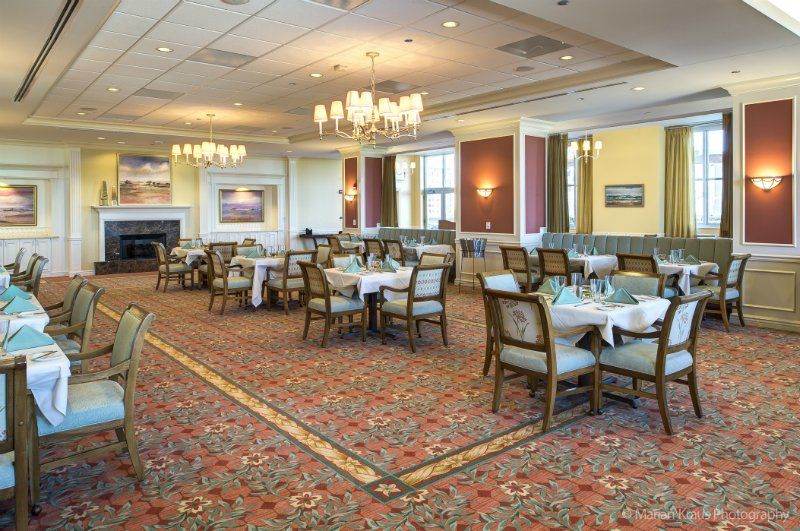
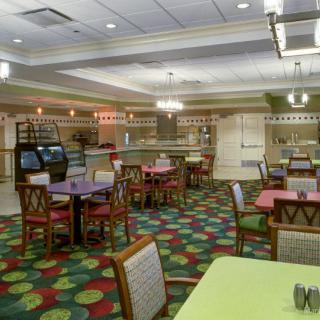
Dining food stands out
Food quality is a frequent highlight, with residents describing both standout meals and occasional service issues.
Several residents describe the dining as a major strength, using language like “excellent,” “outstanding,” and even comparing meals to a high-end restaurant. There are also mentions of accommodating preferences, including vegetarian options and support for special dietary needs. A smaller set of reviewers point to problems like cold meals, but at least one response within a review describes the issue being corrected with hotter meals on different days. Overall, dining comes up often enough that it feels central to day-to-day experience.
common9 reviews mention this
Activities and resident engagement
Residents repeatedly describe an active lifestyle with social and interest-based programming.
Reviews frequently mention scheduled activities plus resident-driven engagement, including group interests like outings and arts-related events. Families describe it as a place where residents can keep exploring new interests and staying connected with others. There are also mentions of plenty to do, with activities described as numerous enough to feel like an everyday routine. A few reviewers note that not every resident is drawn to the activity mix, but the broader theme is that the community aims to keep people involved.
common12 reviews mention this
Staff support is a mix
Staff warmth and attentiveness are praised, while some families report serious care breakdowns.
Many reviewers describe staff members as supportive, caring, professional, and attentive, including praise for caregivers in the Harbors. Some families specifically say staff helped them make difficult decisions and kept residents safe, including during challenging periods. Other reviews are much harsher, describing neglect, poor training, residents being left in ways families felt were unacceptable, and problems with communication when care needs changed. Taken together, staff responsiveness and caregiving quality come through as a key variable in residents’ experiences.
differentiator5 reviews mention this
Continuing care across levels
The community’s continuing-care approach and multiple care settings shape how families experience support over time.
Reviews describe the Admiral as a place built for future needs, with references to moving from independent living into assisted living and other levels of care. Families also mention transitions to the Harbors, including skilled nursing, and some say care for conditions like dementia was part of the original plan. At the same time, a couple of negative reviews focus on problems during those transitions, including concerns that the needed level of support wasn’t available when expected. The mix suggests that the care pathway can work well for some families, but it can also be a point of stress when needs change quickly.
How we summarize
Counts show how many written reviews mention each theme; a review can touch several themes, and only frequently mentioned themes are displayed.
Features
Housing
56 resident community capacity
Types of Care
Assisted Living
Continuing Care Retirement Community (CCRC)
Independent Living
Memory Care
Respite Care
Skilled Nursing Facility
Amenities
Air-conditioning
Beauty salon
Cable or satellite TV
Computer center
Fitness room
Fully furnished
Gaming room
Garden
Housekeeping services
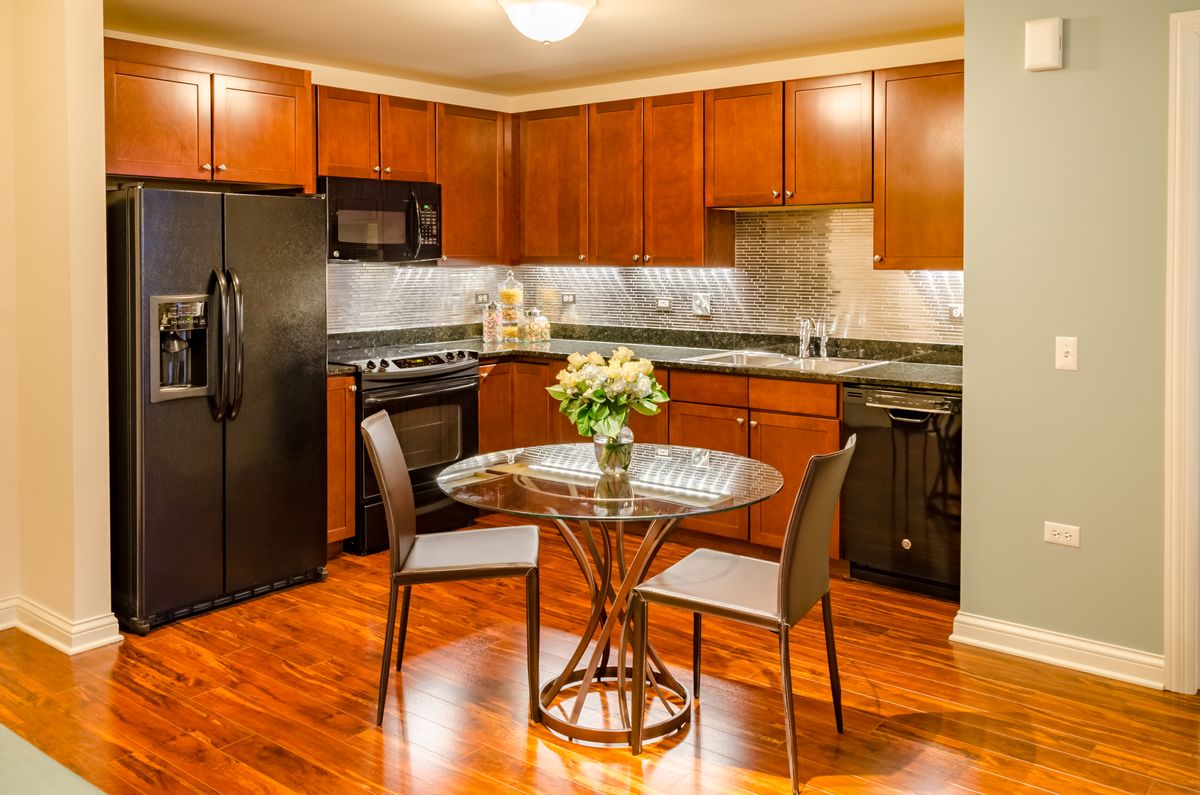
Kitchenette
Move-in coordination
Outdoor space
Private bathrooms
Restaurant-style dining
Small library
Telephone
Wellness center
Wi-Fi/high-speed internet available
Transportation
Chicago O'Hare International (13 miles away)
Chicago Midway (14 miles away)
Community operated transportation
Transportation arrangement
Transportation arrangement (non-medical)
Nearby Metro Stations
Argyle
Berwyn
Bryn Mawr
Lawrence
Wilson
Care Services
24-hour call system
24-hour supervision
Activities of daily living assistance
Assistance with bathing
Assistance with dressing
Assistance with transfers
Diabetes diet
Meal preparation and service
Medication management
Special dietary restrictions
Dining
Diabetes diet
Special dietary restrictions
Activities
Community-sponsored activities
Concierge services
Fitness programs
Planned day trips
Resident-run activities
Scheduled daily activities
Videos
Nearby Places of Interest
Pharmacies
CVS Pharmacy (0.3 miles)
Walgreens (0.6 miles)
Walgreens (0.7 miles)
Walgreens (0.9 miles)
Walgreens (1 miles)
Mariano's Pharmacy (1.2 miles)
Walgreens (1.2 miles)
Cafes
Starbucks (0.4 miles)
Starbucks (0.9 miles)
Starbucks (1.5 miles)
Starbucks (2.7 miles)
Starbucks (3.6 miles)
Starbucks (3.7 miles)
Little Beans Cafe (3.9 miles)
Transportation
Cta (0.7 miles)
Cta (2 miles)
CTA - Belmont (2.5 miles)
CTA Jarvis (2.9 miles)
Cta (3.1 miles)
CTA - Fullerton (3.5 miles)
Restaurants
SoFo Tap (0.8 miles)
Little Bad Wolf (1 miles)
Cell Block (1.9 miles)
Murphy's Bleachers (1.9 miles)
Las Mananitas Mexican Restaurant (2.1 miles)
Hydrate (2.1 miles)
Roscoe's (2.3 miles)
Hospitals
Swedish Covenant Hospital Cancer Care (2.4 miles)
Advocate Illinois Masonic Medical Center (2.7 miles)
The assortment of services offered by The Admiral At The Lake plays a crucial role in enhancing the quality of life for residents with dementia or Alzheimer's disease. Assistance with dressing and bathing helps maintain dignity and personal hygiene, which can be challenging for those experiencing cognitive decline. Medication management ensures that residents adhere to their prescribed schedules, minimizing health risks associated with missed doses or incorrect medications. Meal preparation and service cater to nutritional needs while providing a structured routine around meals, a vital aspect for individuals with memory-related challenges. Support with activities of daily living not only fosters independence but also encourages engagement in familiar tasks, promoting cognitive function. Furthermore, assistance with transfers ensures safety and mobility, reducing the risk of falls or injury. The 24-hour supervision reinforces a sense of security and reassurance for both residents and their families, knowing that trained staff are always available to respond to any needs that may arise throughout the day or night. Together, these features create an environment that addresses physical, emotional, and social well-being in a supportive manner tailored specifically for those facing memory impairments.
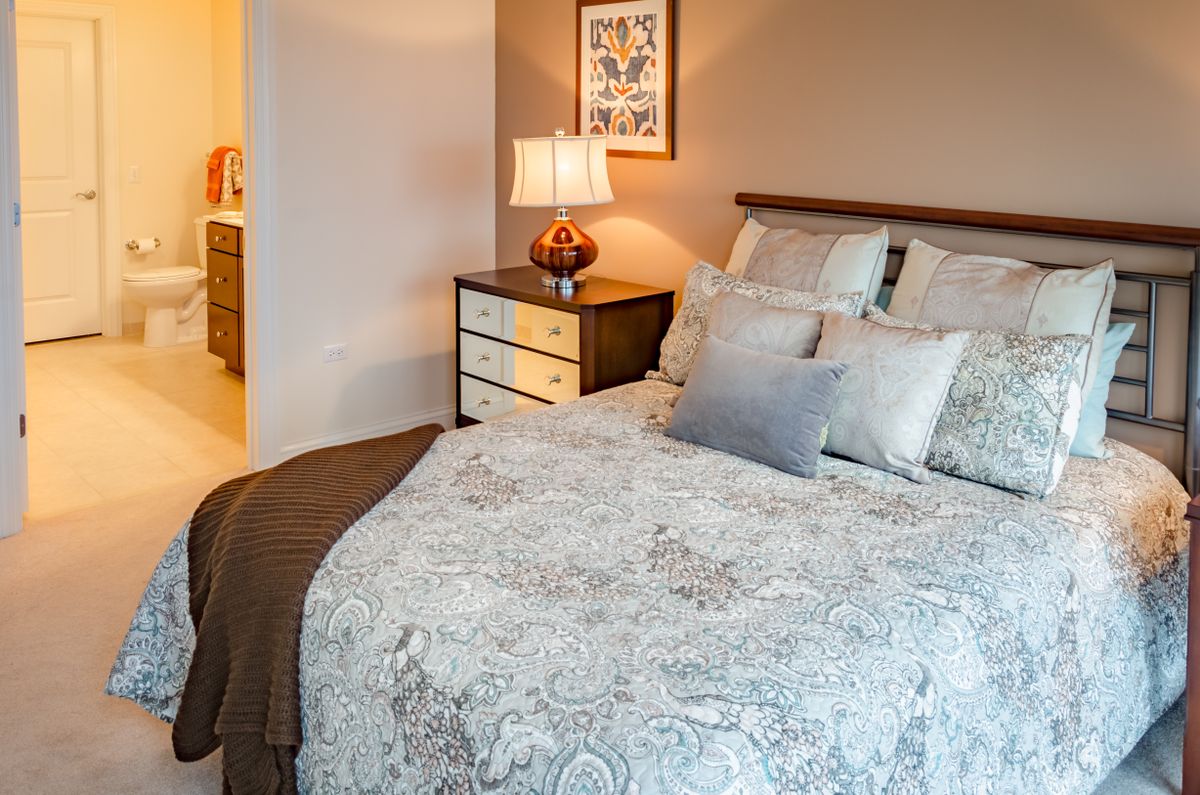
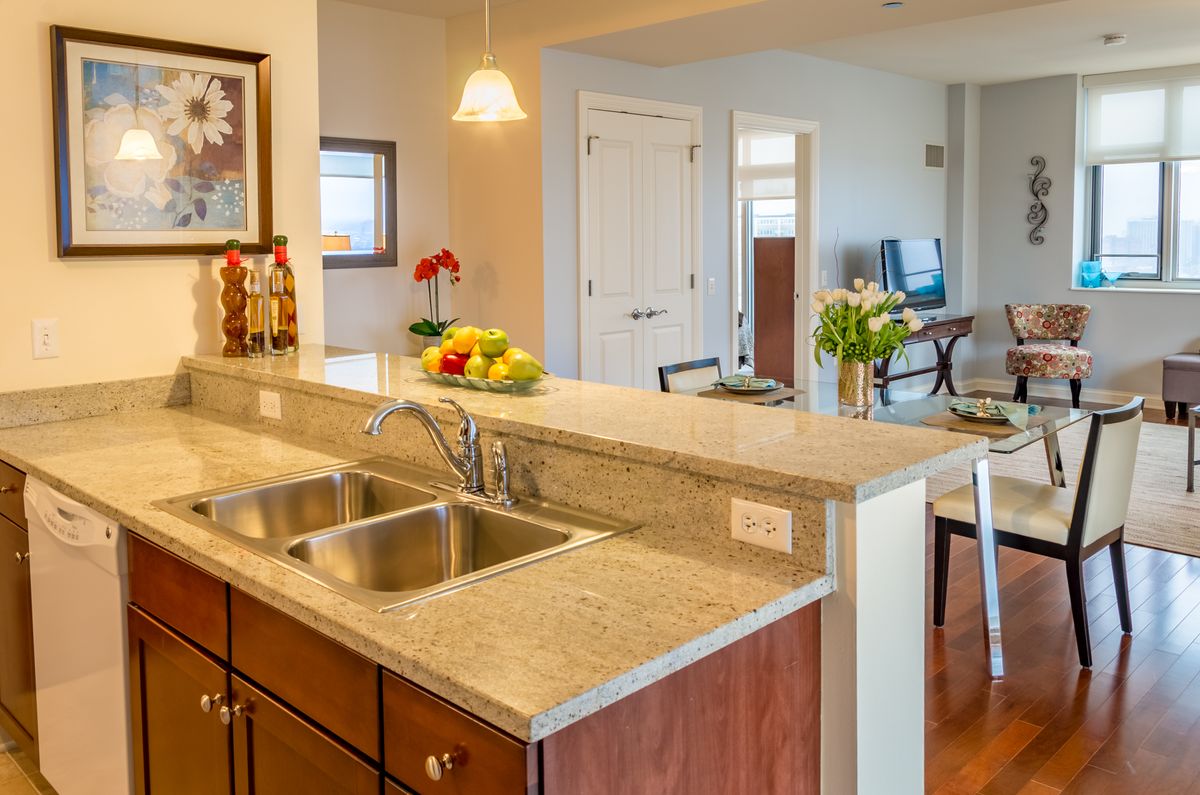
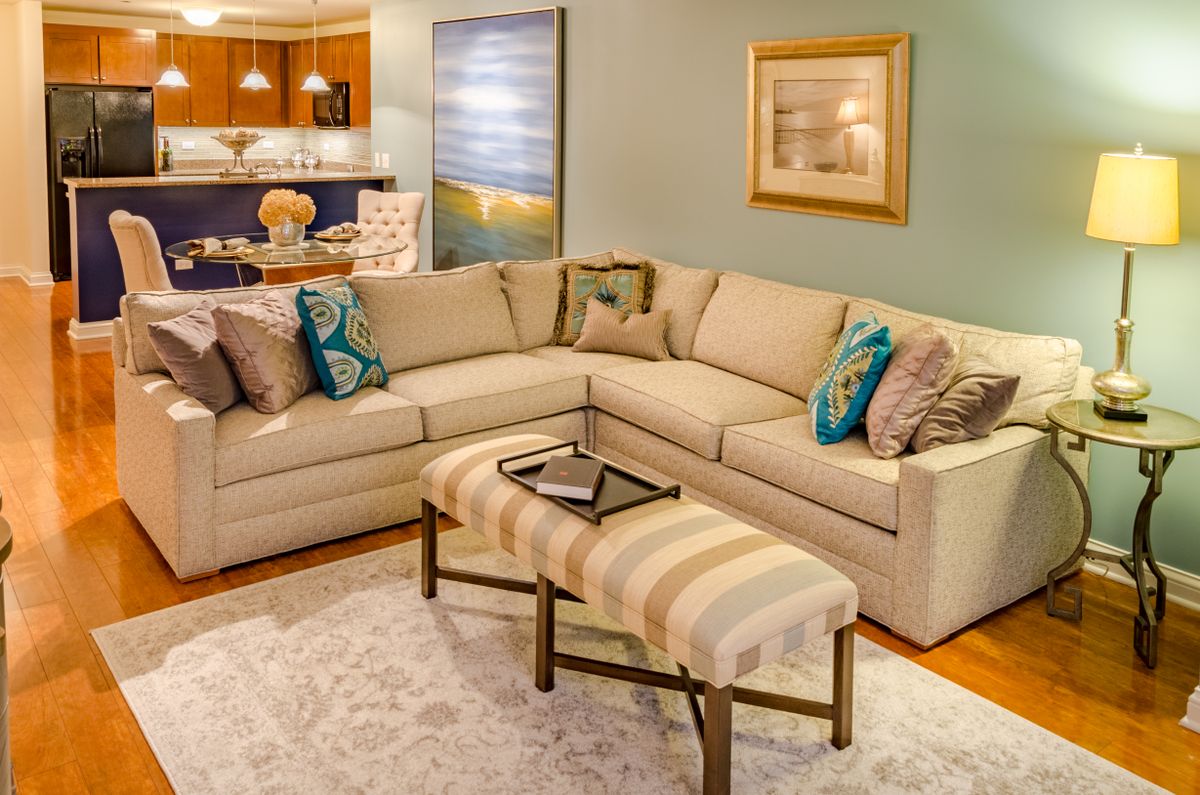
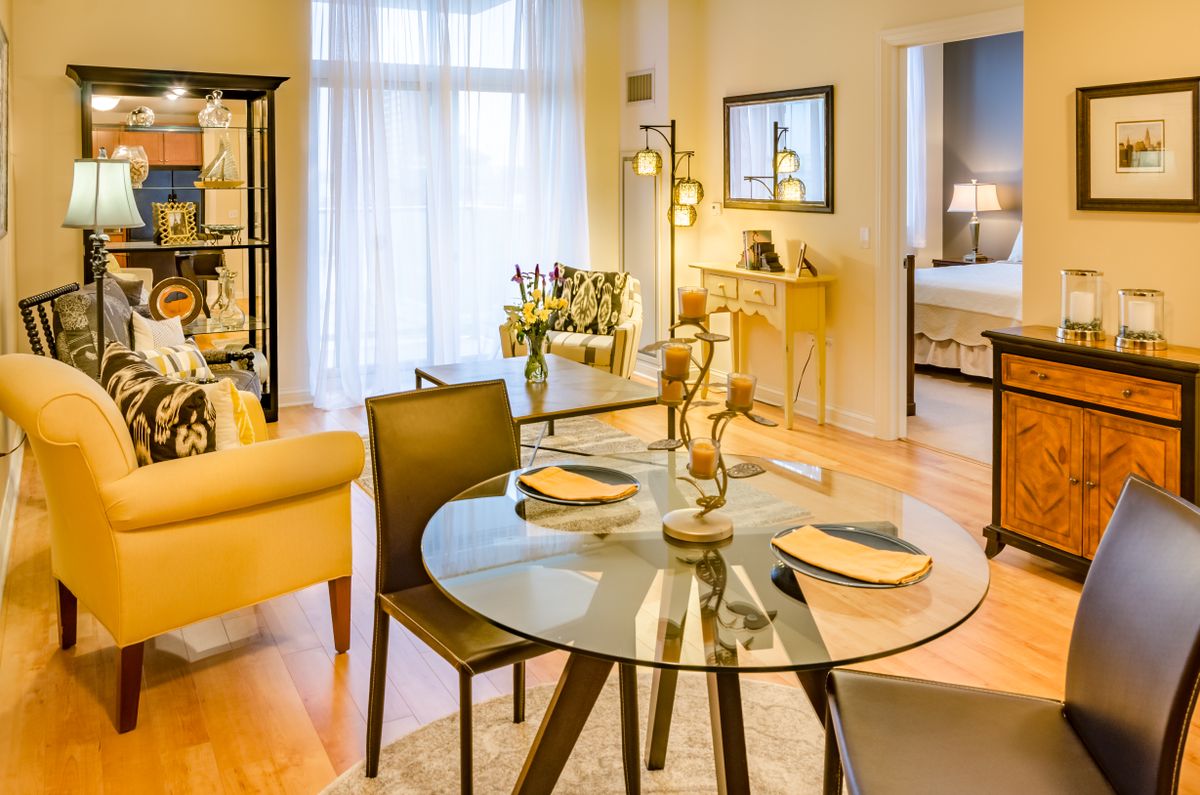
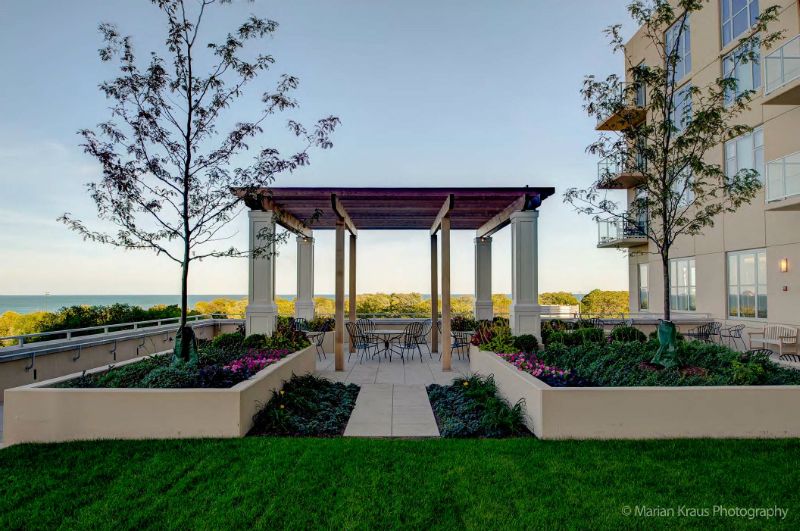
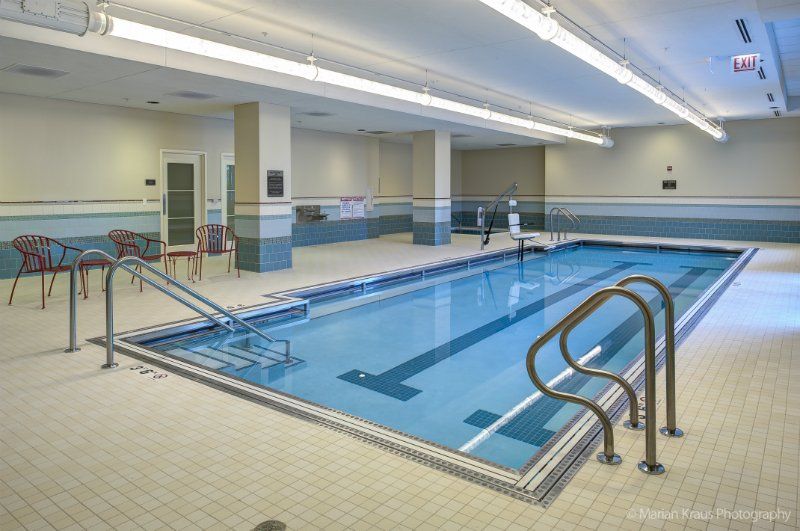
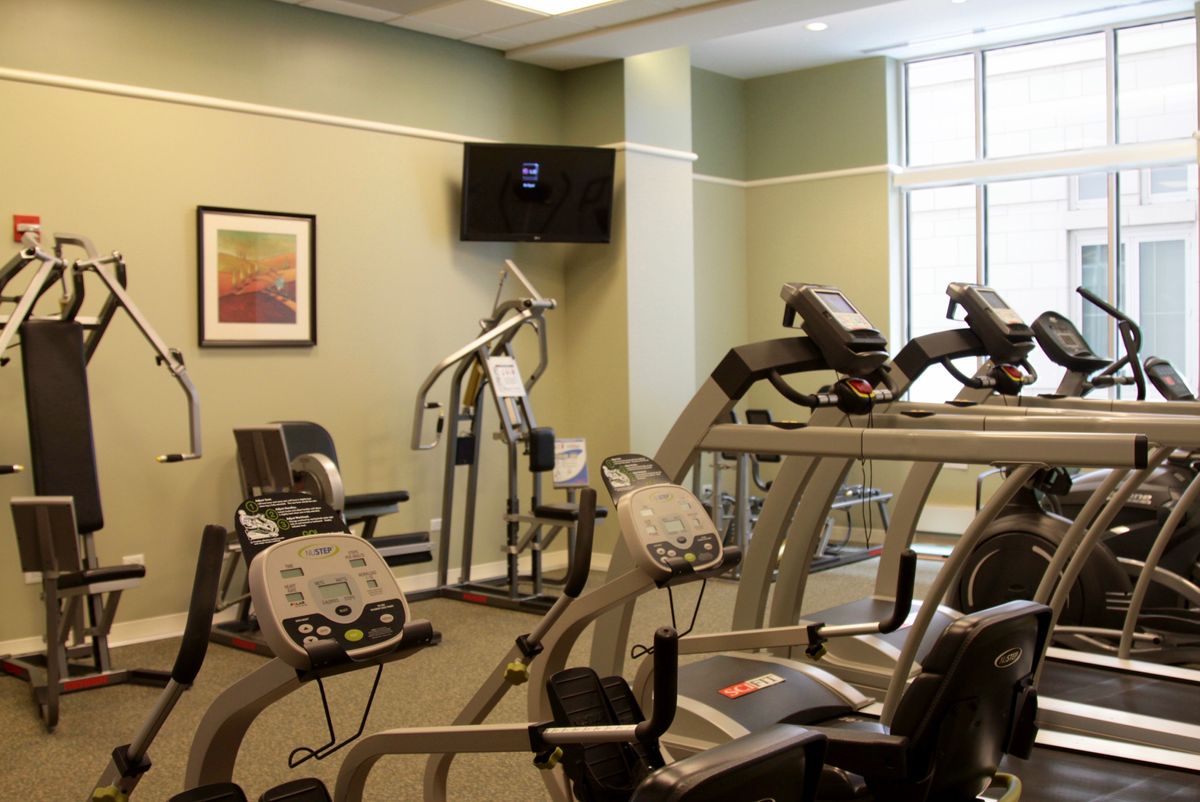
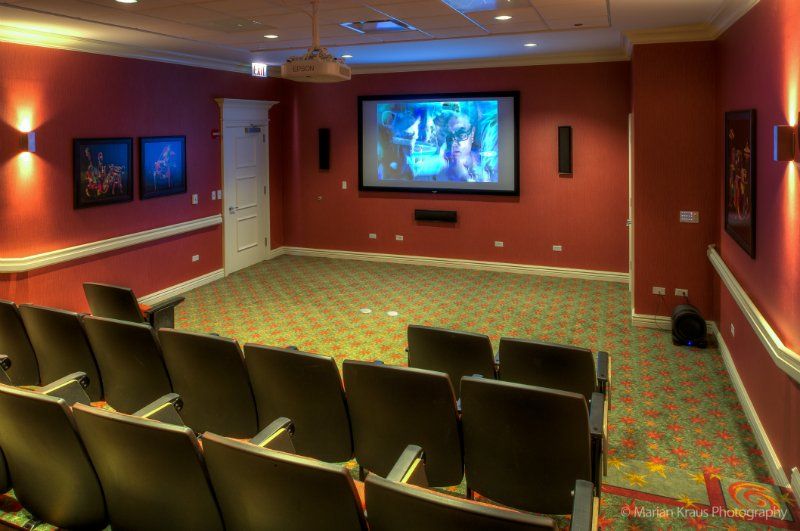
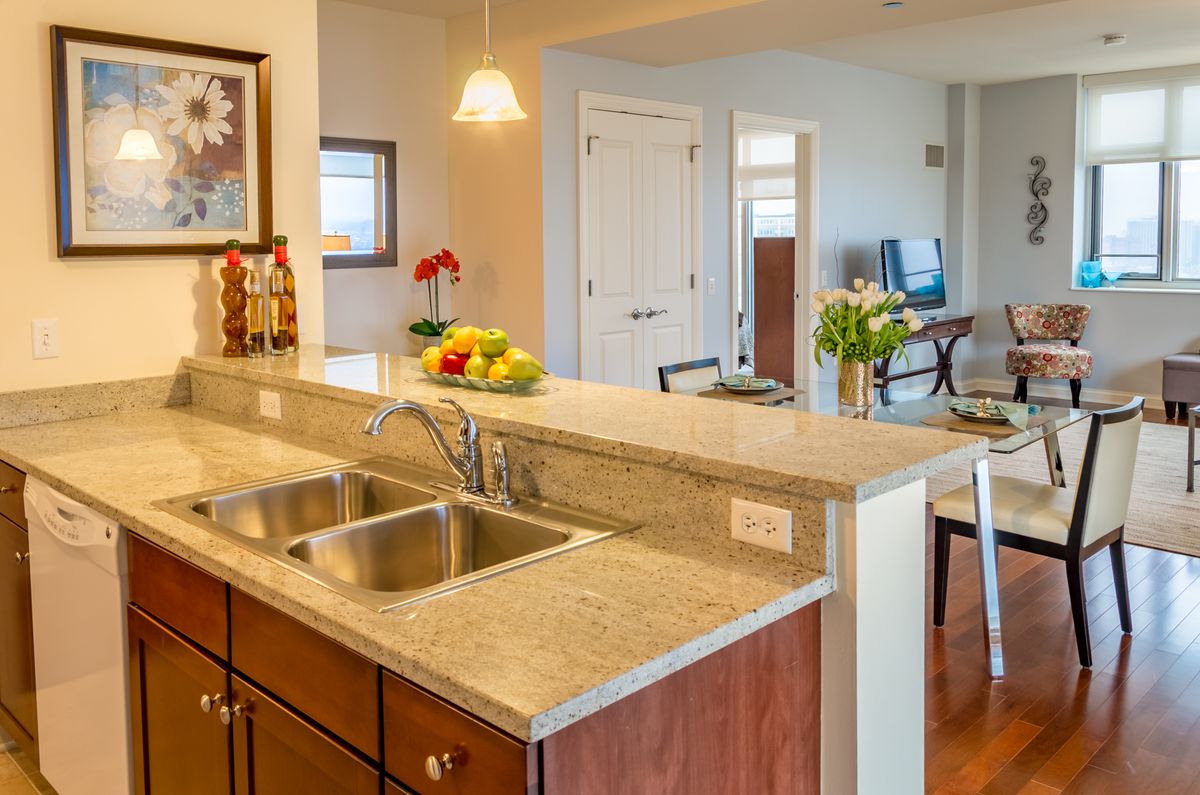
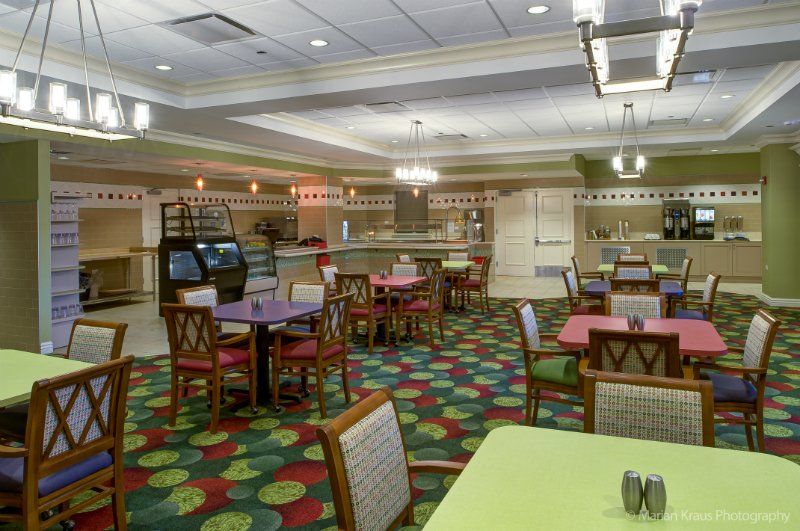
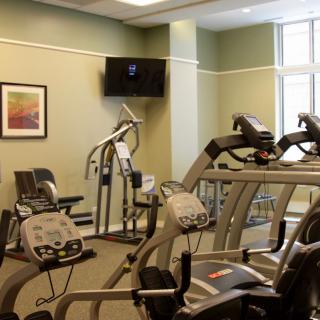
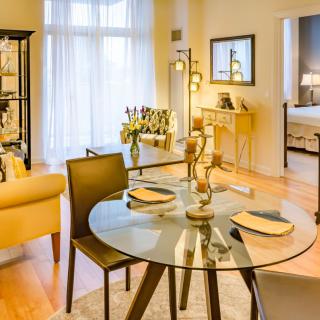
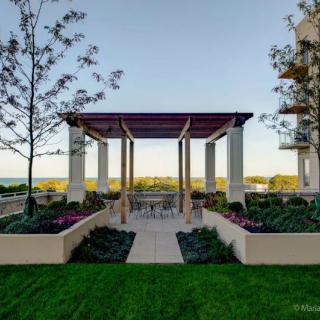
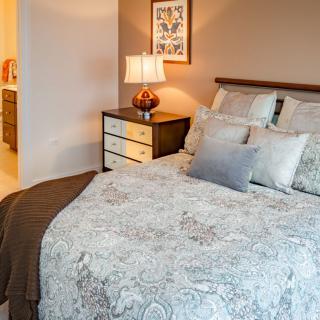
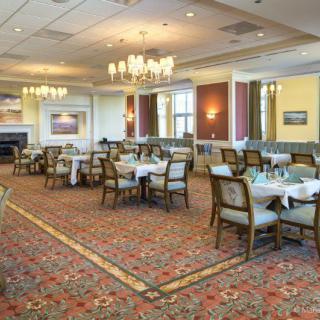
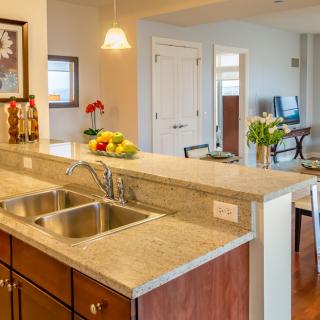
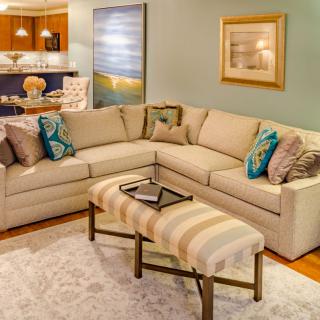
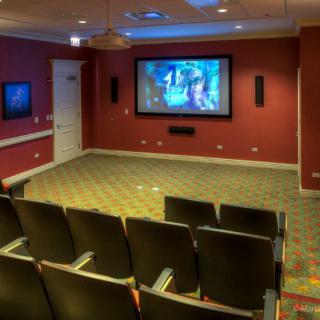
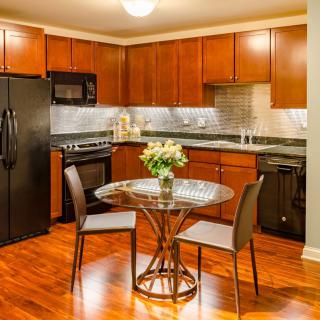
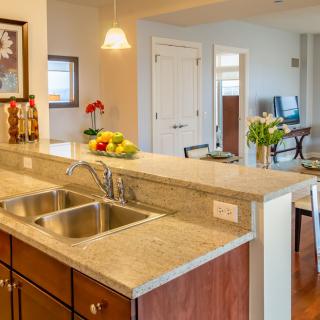
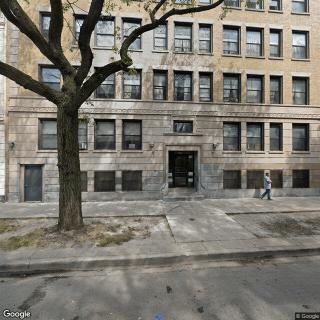
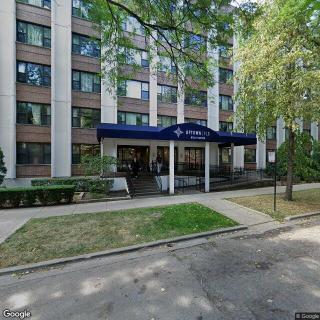
The Admiral At The Lake on seniors.fyi includes 12 photos including images showing interior, dining, decor, kitchen, theater, living room, bedroom, landscaping, and more.
Nearby Communities
The Admiral at the Lake, a CCRC
Chicago, IL
4.4 from 63 reviews
$4,000 to $9,000 / month
Excellent dinner service with nutritious menus, engaging activities, and friendly staff.
The Selfhelp Home
Chicago, IL
4.8 from 142 reviews
$3,430 to $4,630 / month
Warm, attentive staff with a family-like atmosphere and engaging activities.
The Breakers At Edgewater Beach
Chicago, IL
4.5 from 198 reviews
$1,825 to $3,295 / month
Friendly staff, lake views, and a vibrant activities calendar near shops.
RP Caregivers
Chicago, IL
Strong access to diverse nearby amenities and healthcare.
Northmere the Sro Hotel
Chicago, IL
2.6 from 42 reviews
Very convenient location with access to cafes, parks, pharmacies, hospitals, and transit.
Mid America Care Center
Chicago, IL
2.7 from 6 reviews
$4,500 to $5,250 / month
Clean, well-kept facility with friendly staff and engaging activities.
Friendly Towers
Chicago, IL
4 from 16 reviews
$650 / month
Warm, cozy 55+ community with clean facilities, helpful staff, on-site meals, and affordable pricing.
Ravenswood Supportive Living
Chicago, IL
4 from 46 reviews
$4,500 / month
Brand-new facility with modern amenities and an intimate size.
Hartwell Place
Chicago, IL
4.7 from 30 reviews
$5,330 / month
Intimate memory-care focused community with dedicated staff and engaging activities.
The guide on holistic dementia care outlines the complexity of dementia and stresses the need for individualized caregiver strategies that include medical treatment, psychological support, and environmental adaptations, while emphasizing early detection, various therapeutic options, and caregiver support to enhance quality of life and maintain dignity.
"Memory Care Pathways: A Holistic Guide to Dementia Support" outlines the complexities of dementia and its various types, emphasizing early detection, patient-centered care strategies, caregiver support, and long-term care options while addressing legal and financial considerations to enhance the quality of life for individuals with dementia and their families.
Sundown syndrome, or sundowning, is a phenomenon in dementia patients characterized by increased confusion and agitation during late afternoon and evening, influenced by factors like disrupted circadian rhythms and fatigue. Effective caregiver strategies include establishing routines and managing environmental light while addressing caregiver stress through support services.
Landscaping, Architecture, Garden, Outdoor Seating, and Pergola
Kitchen
Lighting
Artwork
Chandelier
Exercise Equipment, Gym, Fitness Center, and Treadmills
Appliances and Dining Table
Seating and Theater
Open Space
Open Floor Plan
Modern Interior and Cozy Atmosphere
Get PricingAsk A QuestionSchedule A TourContact Senior Advisor
By clicking submit, you agree to our Partner's Terms of Use. You
also consent to receive calls and texts, which may be autodialed, from our Partner. Your consent is not a condition to
using our Partner's service. Please visit our Partner's Privacy Policy for information about their privacy practices.

 56 resident community capacity
 Assisted Living
 Continuing Care Retirement Community (CCRC)
 Independent Living
 Memory Care
 Respite Care
 Skilled Nursing Facility
 Air-conditioning
 Beauty salon
 Cable or satellite TV
 Computer center
 Fitness room
 Fully furnished
 Gaming room
 Garden
 Housekeeping services
 Kitchenette
 Move-in coordination
 Outdoor space
 Private bathrooms
 Restaurant-style dining
 Small library
 Telephone
 Wellness center
 Wi-Fi/high-speed internet available
 Chicago O'Hare International (13 miles away)
 Community operated transportation
 Argyle
  24-hour call system
 Activities of daily living assistance
 Assistance with bathing
 Assistance with dressing
 Assistance with transfers
 Diabetes diet
 Medication management
 Special dietary restrictions
 Concierge services
 Planned day trips
 Excellent dinner service with nutritious menus, engaging activities, and friendly staff.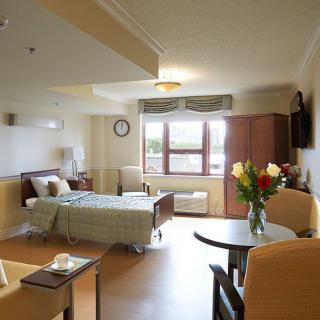




 A Holistic Dementia Care Guide: Effective Strategies for Memory Support
 Memory Care Pathways: A Holistic Guide to Dementia Support
 Comprehending Evening Confusion in Dementia: Causes, Manifestations, and Support