The Selfhelp Home offers competitive pricing for its residents, particularly when compared to broader regional costs. For a studio apartment, residents pay $3,430 per month, which is notably lower than the average of $3,762 in Cook County and significantly less than the state average of $4,028. In contrast, one-bedroom units at The Selfhelp Home are priced at $4,630, which exceeds the Cook County average of $3,256 and the Illinois state average of $3,527. This disparity highlights The Selfhelp Home's commitment to providing quality living arrangements within a supportive community environment while balancing affordability.
Floor plans
The Selfhelp Home
Cook County
Illinois
Studio
$3,430
$3,762
$4,028
1 Bedroom
$4,630
$3,256
$3,527
Skilled Nursing Facilities with a similar price nearby
Residents and families repeatedly describe staff who are caring and responsive.
Across reviews, families describe staff members as friendly, professional, and attentive to day-to-day needs. Multiple visitors also mention good communication and follow-through, including help coordinating care and updates after transitions. A few reviewers highlight different roles—nursing, therapists, reception, and housekeeping—as all contributing to a welcoming experience.
common30 reviews mention this
The facility stays very clean
Clean, well-kept spaces come up again and again in resident and visitor feedback.
Many reviews emphasize that the building is clean, with no unpleasant odors and regular upkeep. Several visitors connect cleanliness with overall comfort, describing clean rooms and a well-maintained look throughout. A number of rehab-focused comments also tie cleanliness to feeling confident that loved ones are cared for properly.
differentiator6 reviews mention this
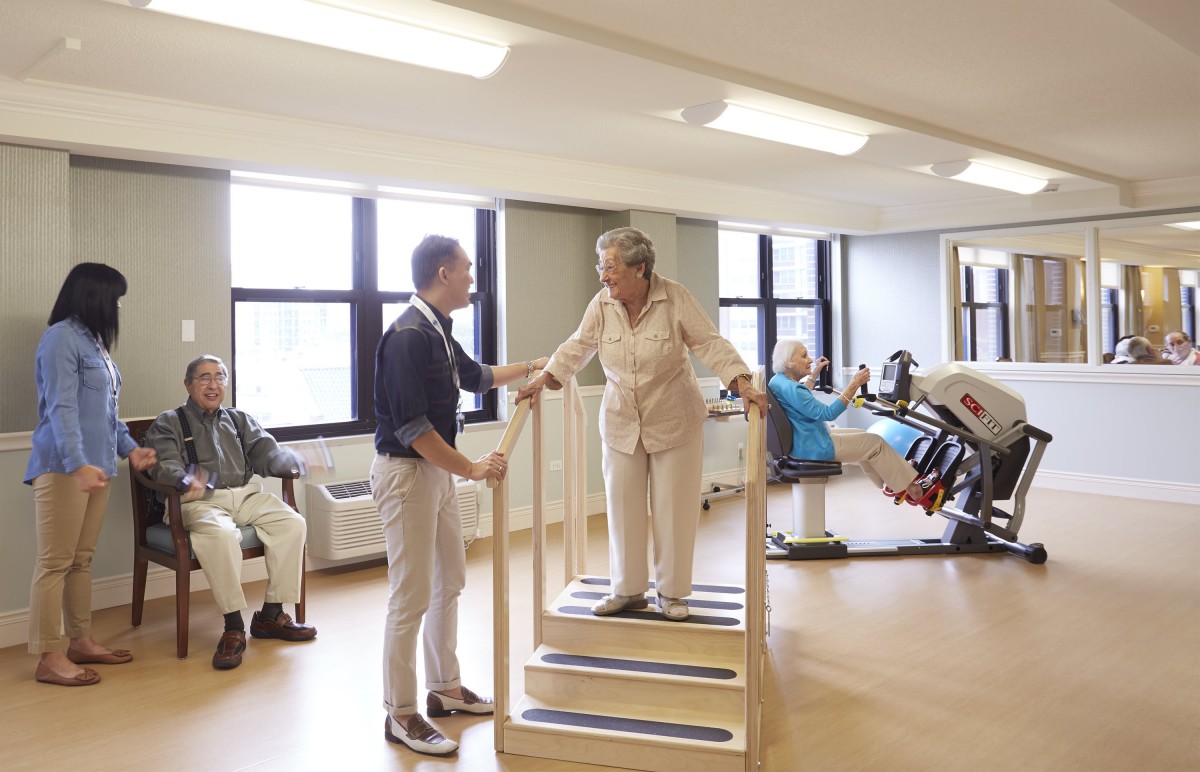
Rehab includes physical and OT support
Rehabilitation reviews highlight hands-on physical and occupational therapy support.
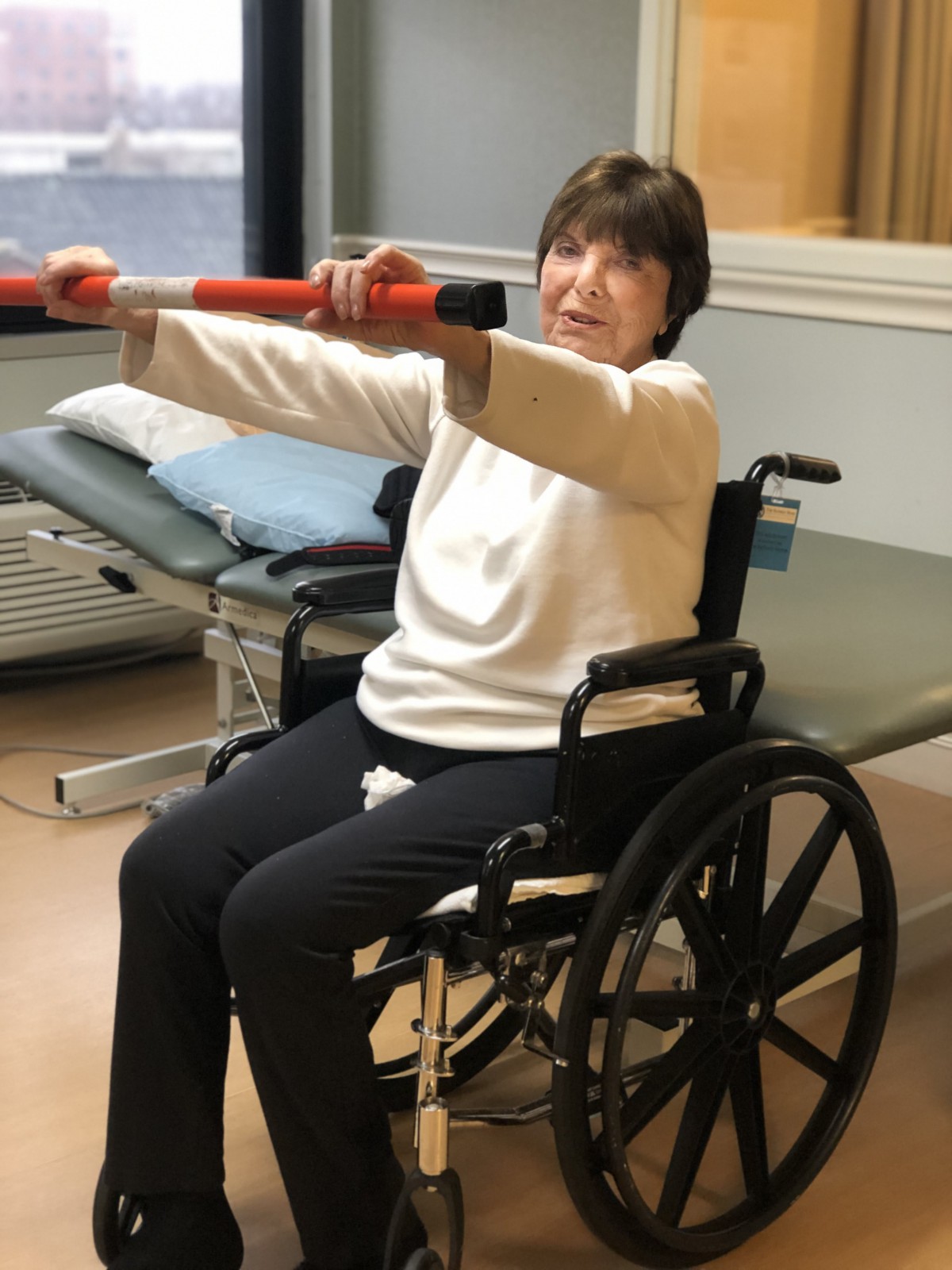
Several reviews are specifically about rehab stays and describe on-site physical and occupational therapy as a key part of recovery. Families mention regaining mobility and being helped to get up, out, and back home, attributing progress to the therapy team. Reviews also describe coordinated support that continued through discharge planning and follow-up.
differentiator10 reviews mention this
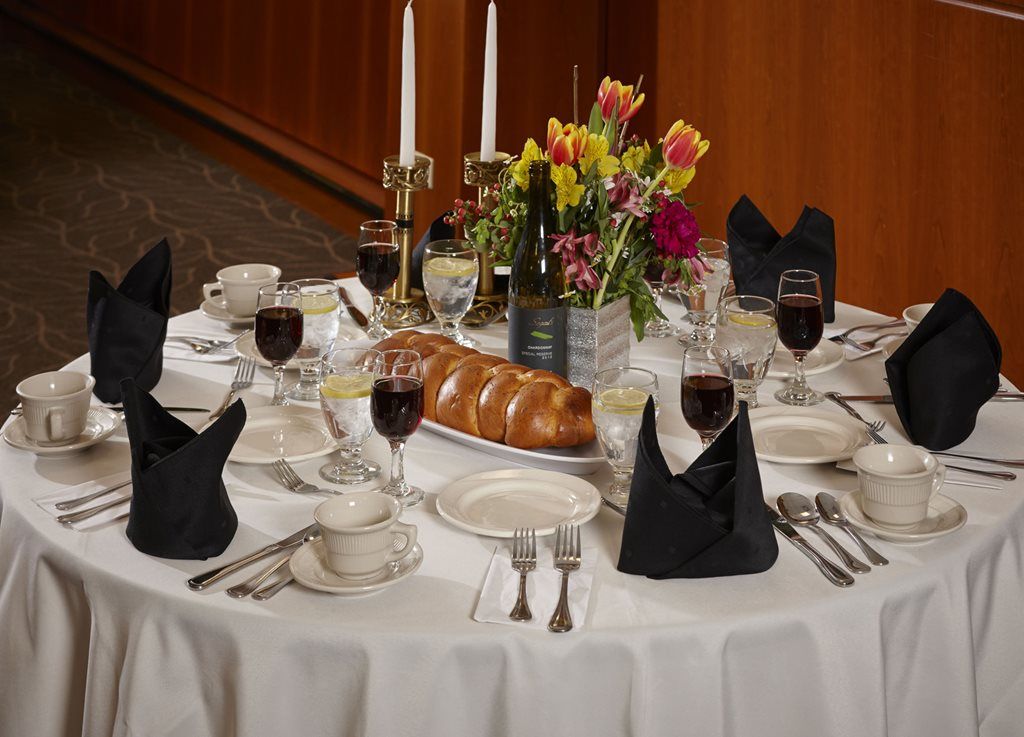
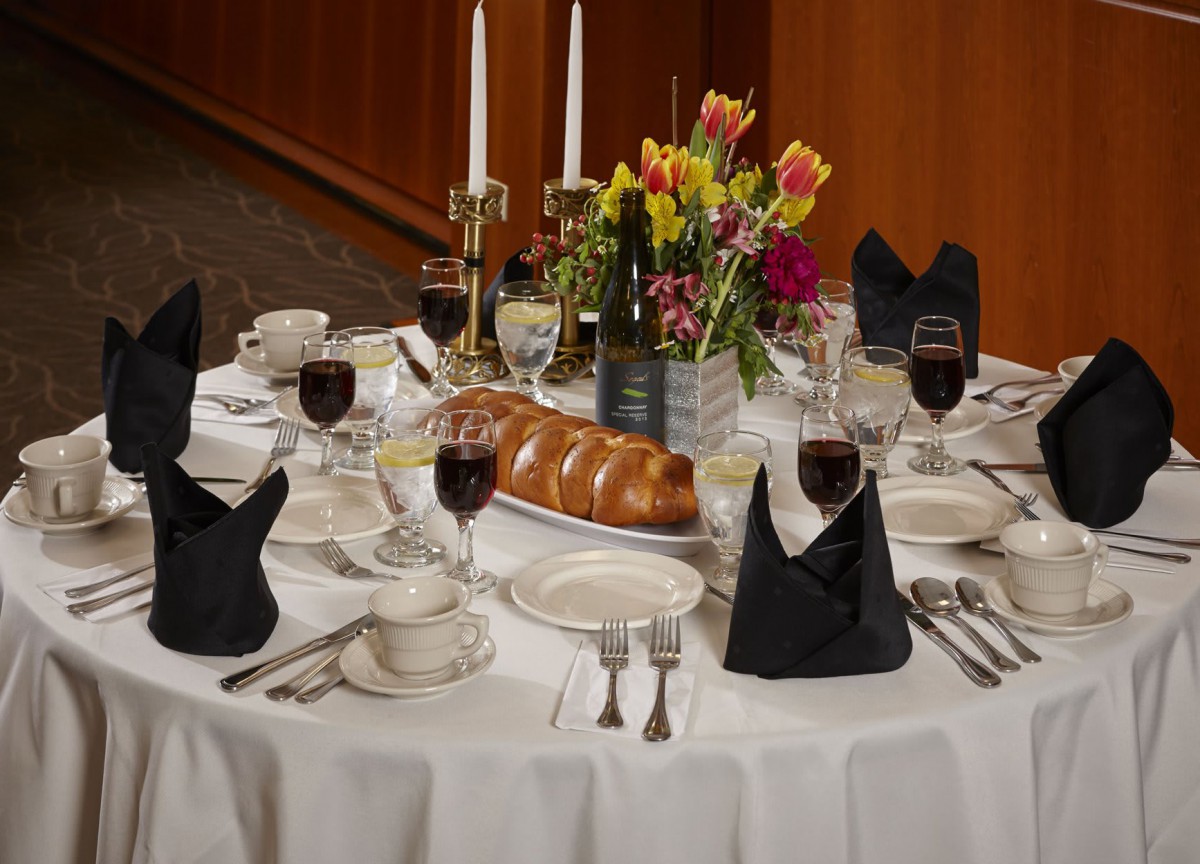
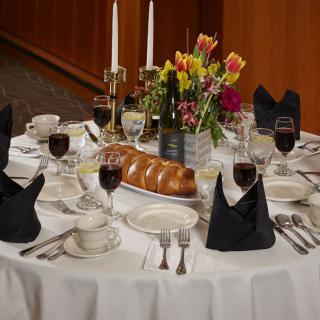
Dining reflects kosher-style options
Dining stands out in reviews, especially around kosher meals and religious mealtimes.
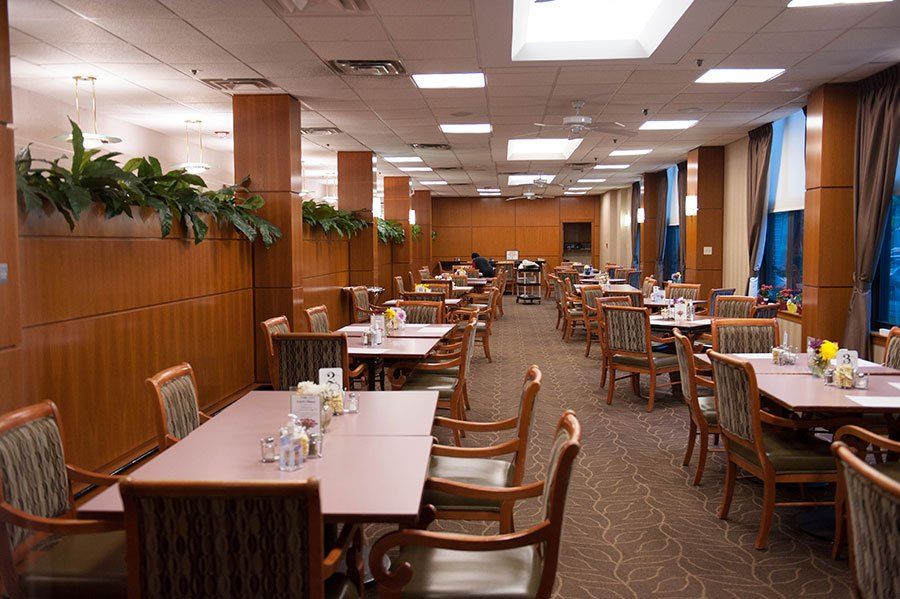
Dining is a frequent theme, with reviewers mentioning well-prepared meals and dining that feels more personal than institutional. Multiple comments also connect the kitchen to Jewish life, including Shabbat and kosher meal experiences. The community also lists restaurant-style dining, room service, and a range of dietary options, which aligns with the focus residents and families put on food.
common15 reviews mention this
Activities and Jewish programming are frequent
Residents benefit from regular activities and Jewish cultural programming.
Reviews commonly mention concerts, events, and organized activities that help residents stay engaged. Several also describe religious programming and holiday experiences, including Shabbat services and other Jewish observances. Beyond outings, reviewers describe on-site programs and events that create opportunities for social connection.
How we summarize
Counts show how many written reviews mention each theme; a review can touch several themes, and only frequently mentioned themes are displayed.
Features
Housing
60 resident community capacity
1-bedroom apartments
Studio apartments
Types of Care
Assisted Living
Continuing Care Retirement Community (CCRC)
Independent Living
Respite Care
Skilled Nursing Facility
Pets
Cats allowed
Dogs allowed
Amenities
Activities off-site
Activities on-site
Air-conditioning
Bath tubs
Beautician on-site
Beauty salon
Cable or satellite TV
Computer center
Devotional services on-site
Dining room
Fitness room
Full kitchen
Fully furnished
Gaming room
Garden
Guest parking
Handicap accessible
Housekeeping services
Indoor common areas
Kitchenette
Laundry
Move-in coordination
Outdoor common areas
Outdoor space
Overnight guests
Private bathrooms
Resident parking
Respite or short term stays offered
Restaurant-style dining
Small library
TV room
Telephone
Wellness center
Wheelchair accessible showers
Wi-Fi/high-speed internet available
Transportation
Chicago O'Hare International (13 miles away)
Chicago Midway (14 miles away)
Community operated transportation
Transportation & parking
Transportation arrangement
Transportation arrangement (non-medical)
Transportation to doctors appointments
Nearby Metro Stations
Argyle
Berwyn
Bryn Mawr
Lawrence
Wilson
Care Services
12-16 hour nursing
24-hour call system
24-hour supervision
Activities of daily living assistance
Ambulatory care
Assistance with bathing
Assistance with dressing
Assistance with transfers
Diabetes diet
Diabetic care
High acuity care
Incontinence care
Meal preparation and service
Medication management
Mental wellness program
Physical therapy
Special dietary restrictions
Dining
Diabetes diet
Gluten-free
Guest meals
International cuisine
Kosher
Low / no sodium
Meals provided
No Sugar
Restaurant style dining
Room service
Special dietary restrictions
Vegan
Vegetarian
Activities
Activities off-site
Art classes
Arts and crafts
Book club
Community-sponsored activities
Concierge services
Day trips and outings
Devotional activities on-site
Educational speakers / life long learning
Fitness programs
Games
Gardening club
Jewish services
Karaoke
Live dance or theater performances
Live musical performances
Live well programs
Planned day trips
Religious services
Resident-run activities
Scheduled daily activities
Stories
Tai Chi
Visiting Rabbi
Visiting chaplain or priest
Yoga / chair yoga
Languages Spoken
English
Nearby Places of Interest
This area of Chicago, Illinois offers a convenient and bustling urban environment with a variety of amenities within close proximity. With multiple pharmacies, cafes, restaurants, transportation options, hospitals, parks, theaters, and healthcare providers nearby, residents have easy access to essential services and recreational activities. The neighborhood is well-connected through public transportation and offers plenty of options for dining and entertainment. For seniors looking to live in an area with a vibrant community and access to healthcare facilities, this part of Chicago may be a suitable choice for senior living.
Pharmacies
CVS Pharmacy (0.4 miles)
Walgreens (0.4 miles)
Walgreens (0.8 miles)
Walgreens (0.9 miles)
Walgreens (1 miles)
Mariano's Pharmacy (1.2 miles)
Walgreens (1.3 miles)
Cafes
Starbucks (0.5 miles)
Starbucks (0.7 miles)
Starbucks (1.4 miles)
Starbucks (2.5 miles)
Starbucks (3.5 miles)
Starbucks (3.5 miles)
Little Beans Cafe (4.1 miles)
Transportation
Cta (0.6 miles)
Cta (1.8 miles)
CTA - Belmont (2.3 miles)
CTA Jarvis (3 miles)
Cta (3.3 miles)
CTA - Fullerton (3.3 miles)
Restaurants
SoFo Tap (0.7 miles)
Little Bad Wolf (1.1 miles)
Cell Block (1.7 miles)
Murphy's Bleachers (1.7 miles)
Las Mananitas Mexican Restaurant (1.9 miles)
Hydrate (2 miles)
Roscoe's (2.1 miles)
Hospitals
Swedish Covenant Hospital Cancer Care (2.4 miles)
Advocate Illinois Masonic Medical Center (2.5 miles)
The Selfhelp Home offers competitive pricing for its residents, particularly when compared to broader regional costs. For a studio apartment, residents pay $3,430 per month, which is notably lower than the average of $3,762 in Cook County and significantly less than the state average of $4,028. In contrast, one-bedroom units at The Selfhelp Home are priced at $4,630, which exceeds the Cook County average of $3,256 and the Illinois state average of $3,527. This disparity highlights The Selfhelp Home's commitment to providing quality living arrangements within a supportive community environment while balancing affordability.
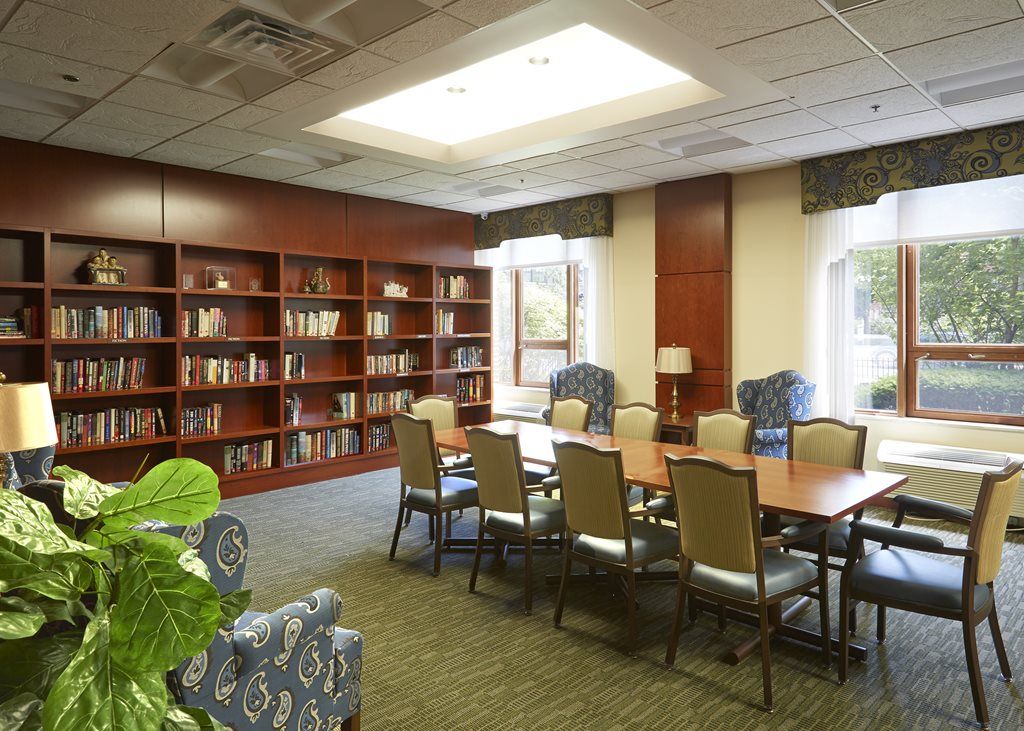
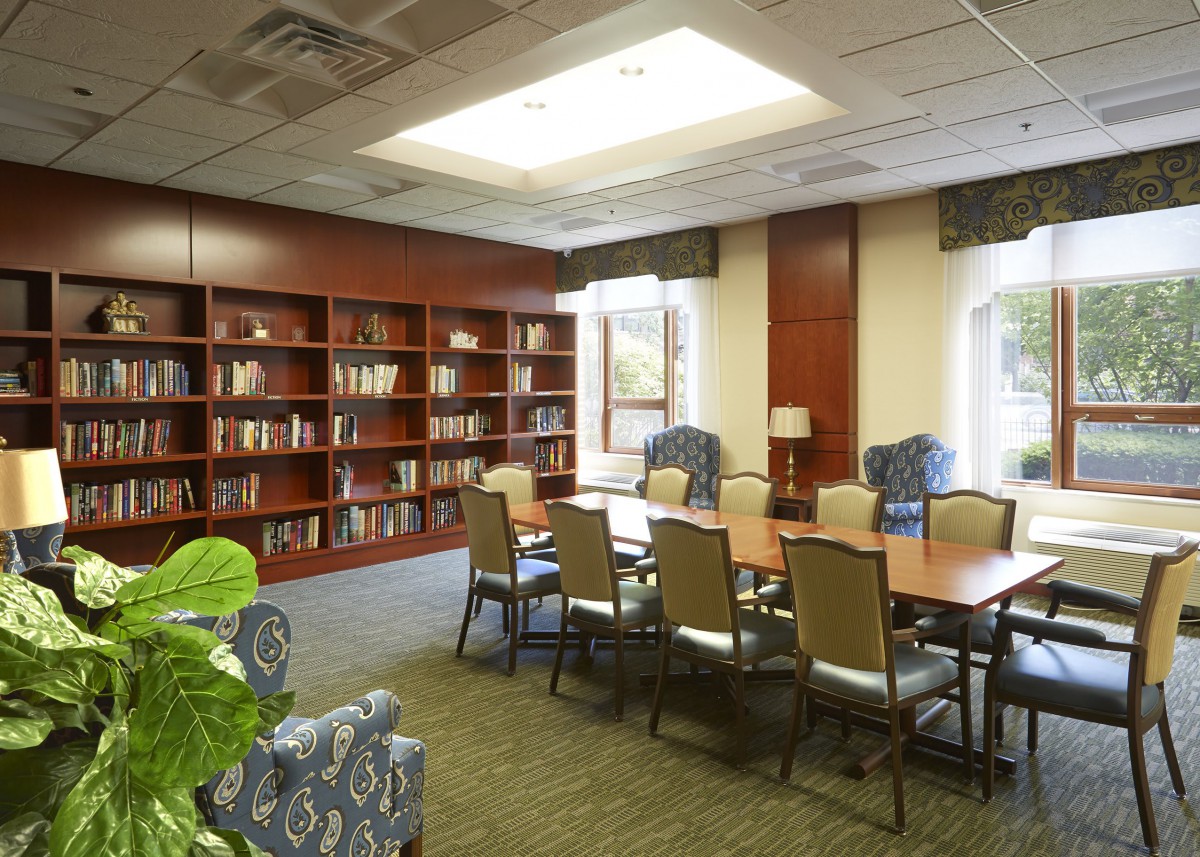
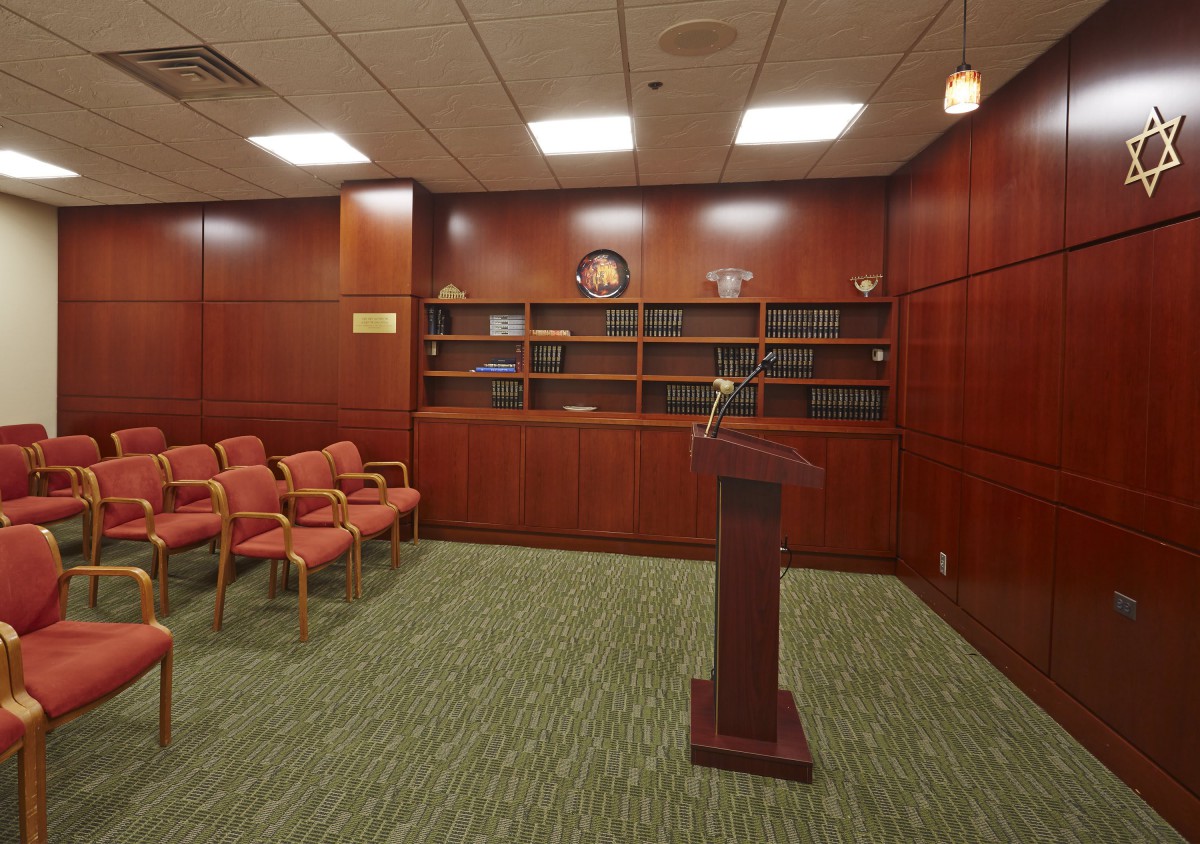
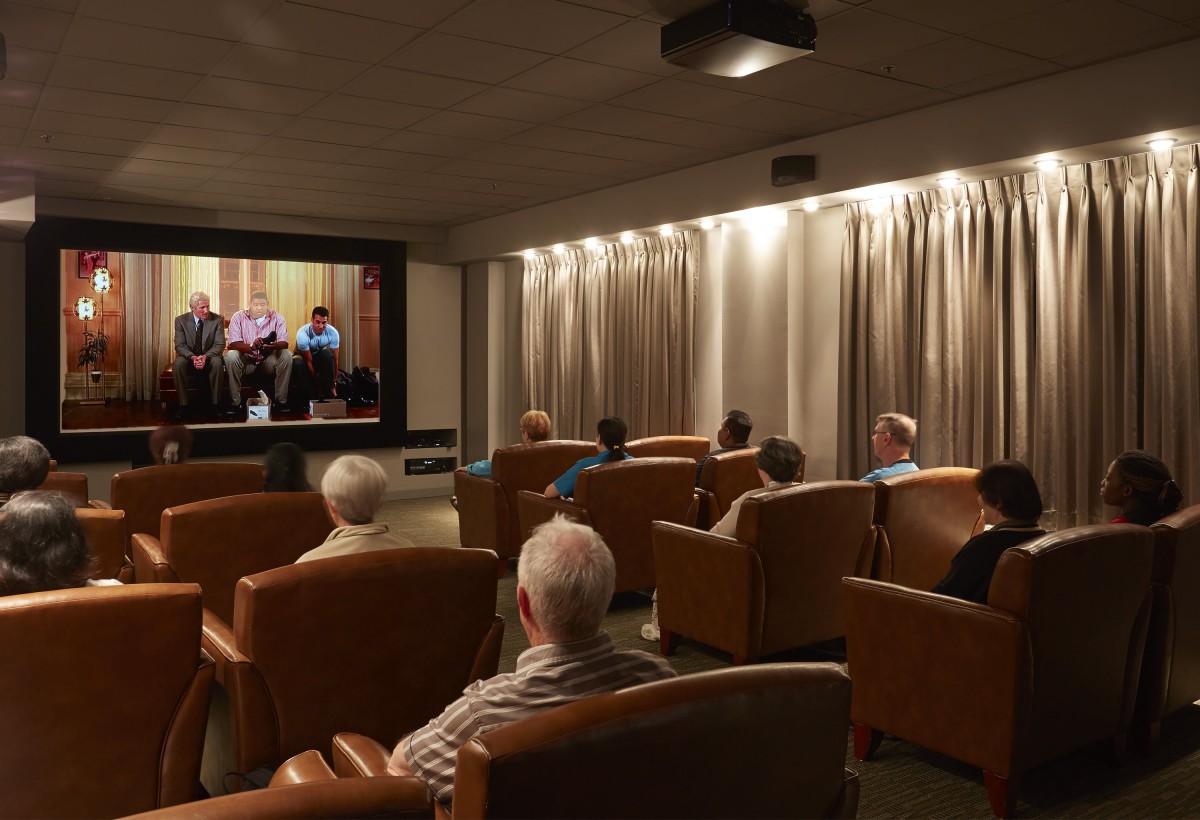
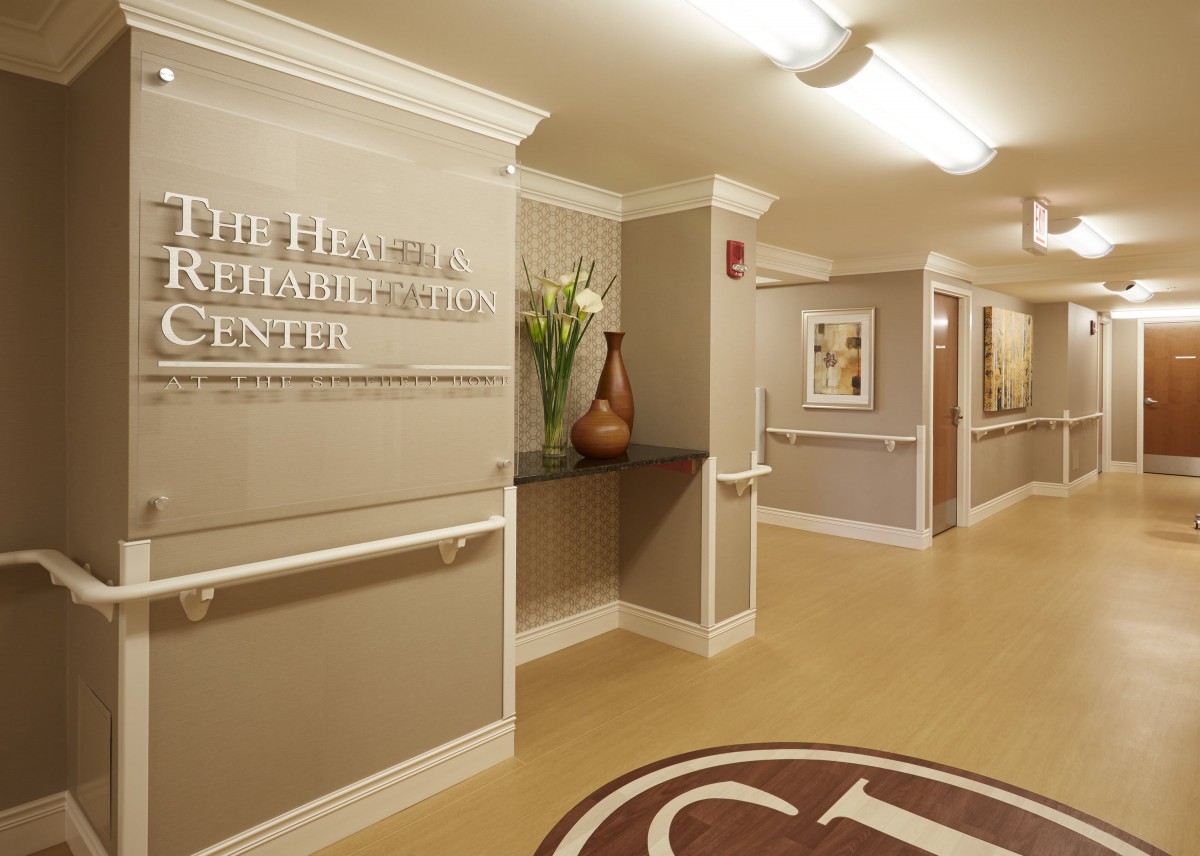
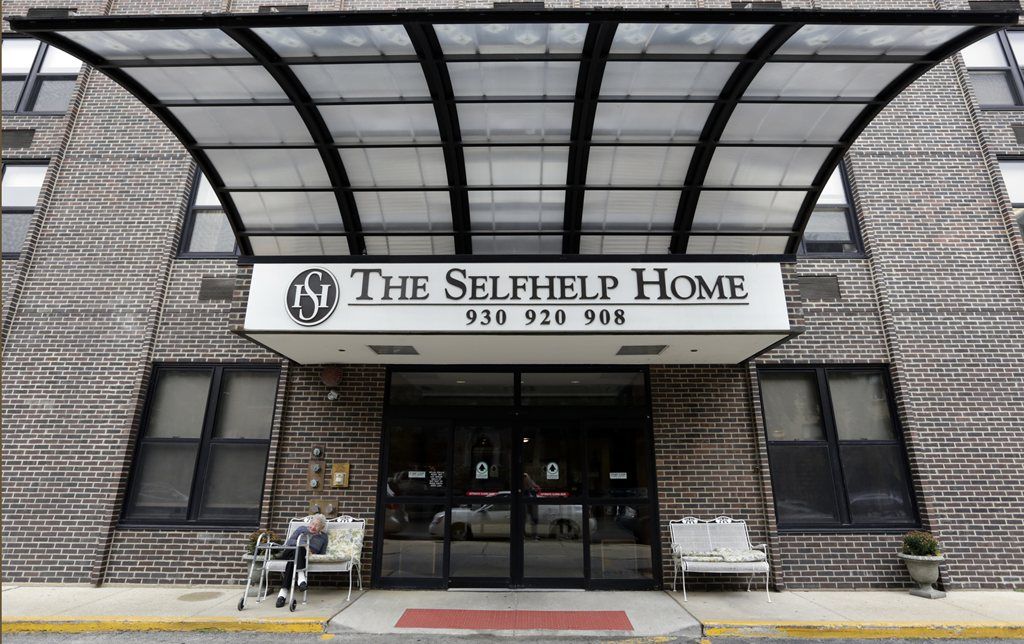
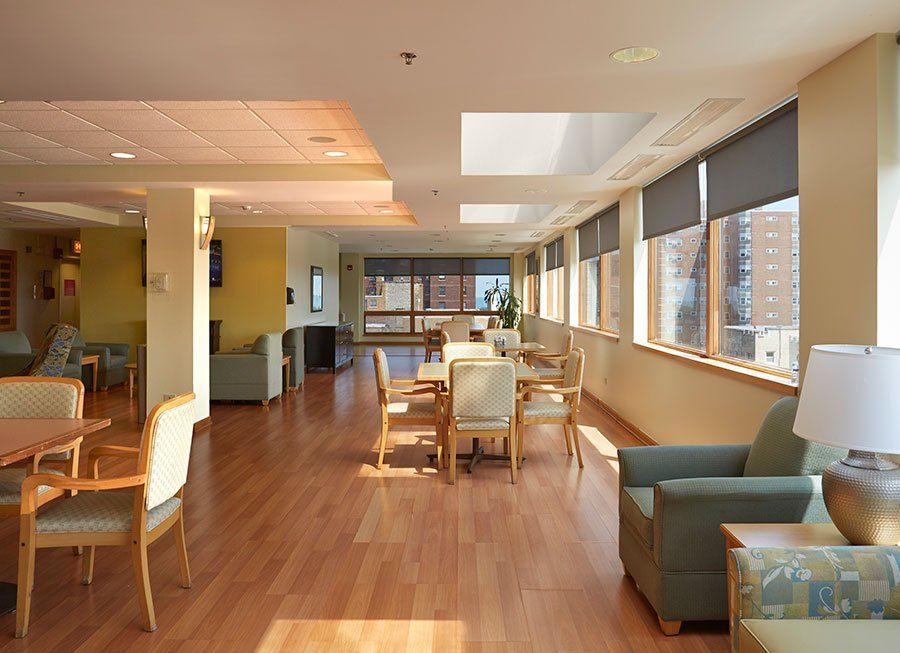
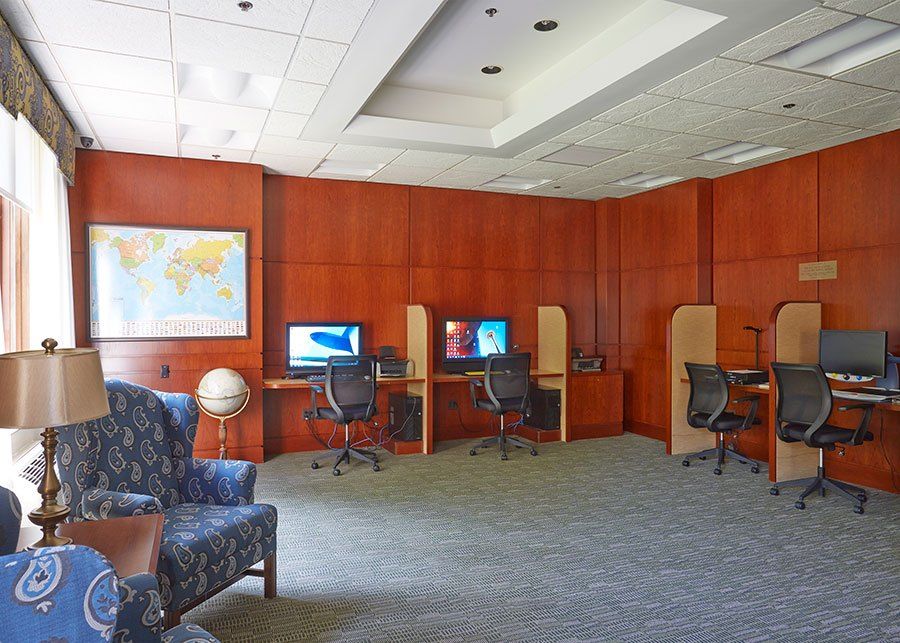
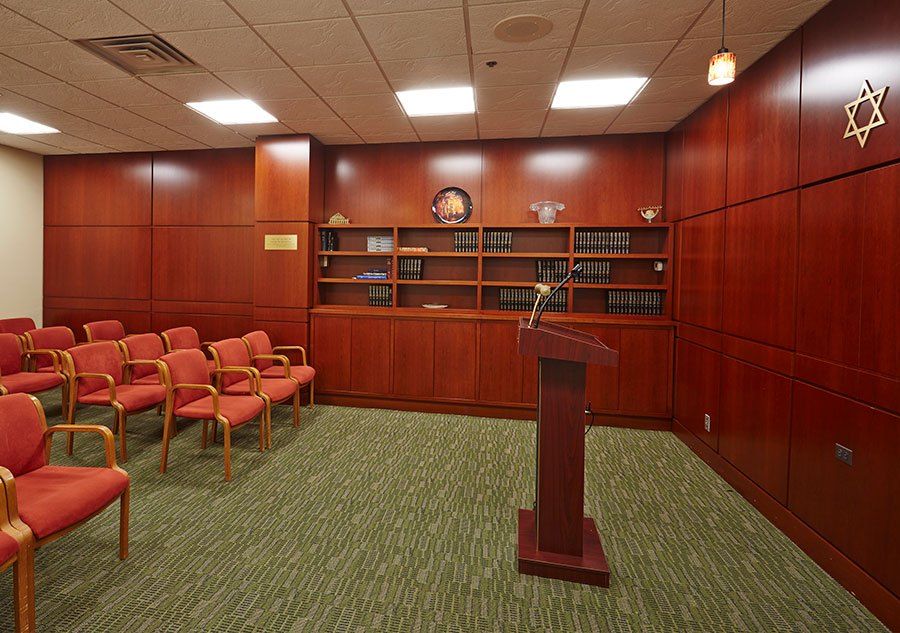
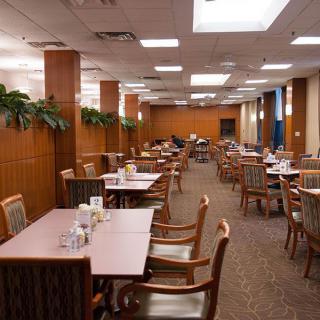
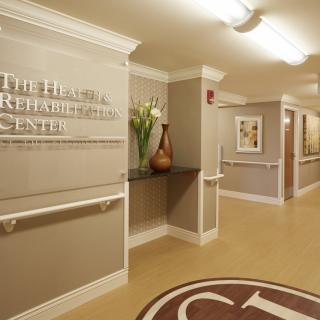
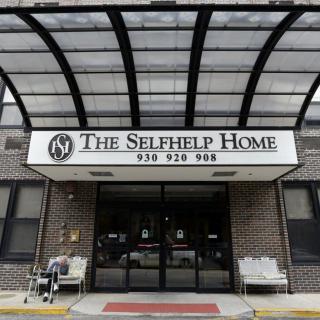
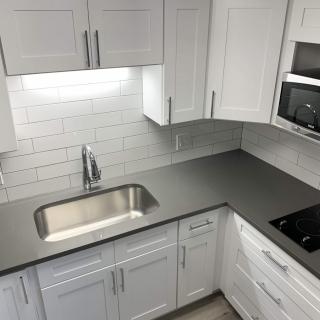
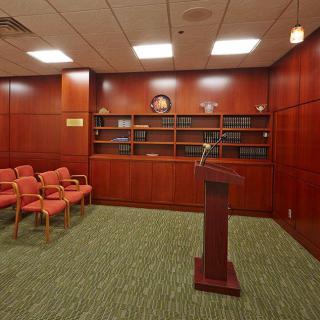
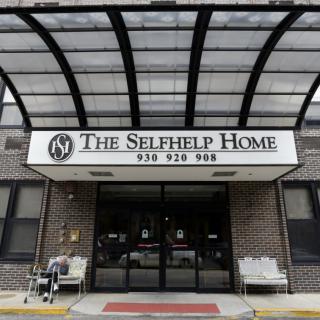
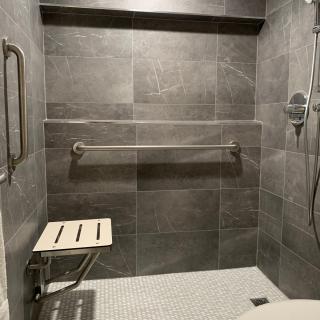
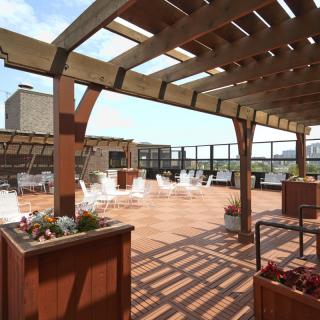
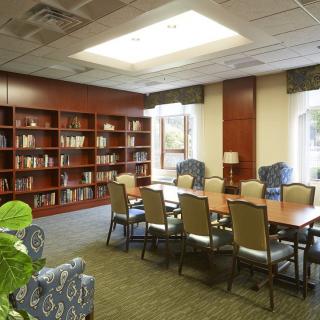
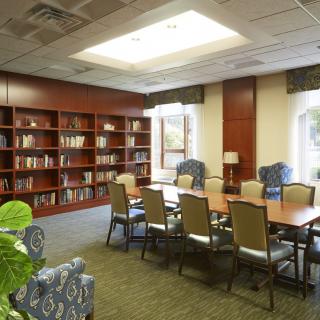
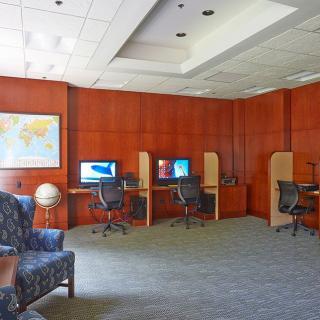
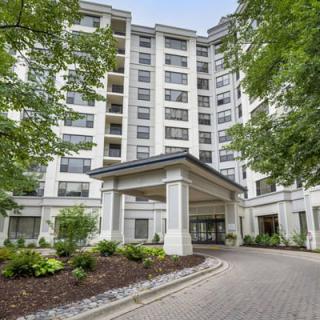
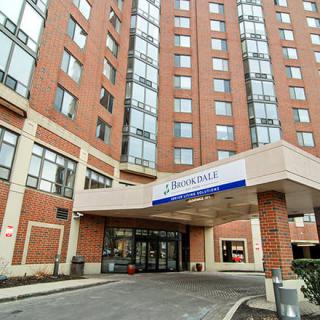
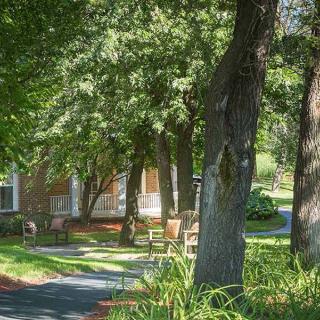
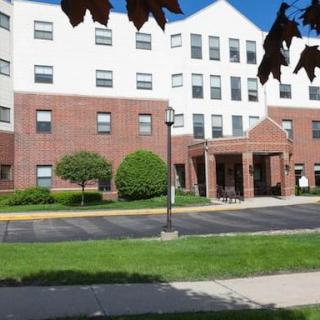
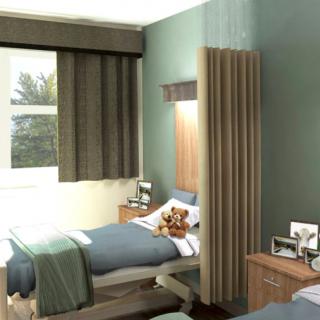
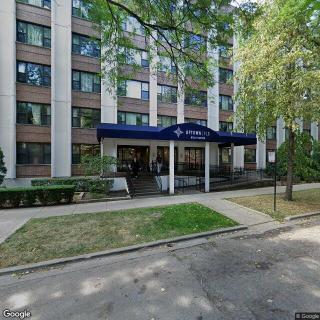
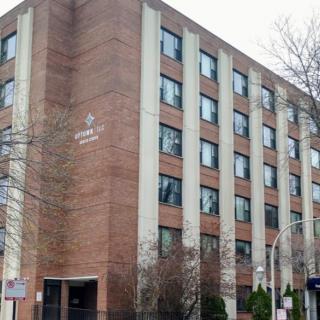
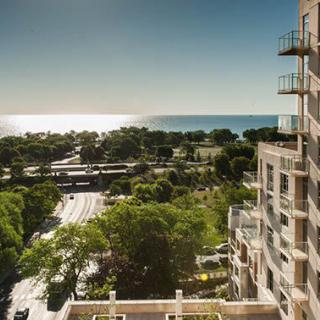
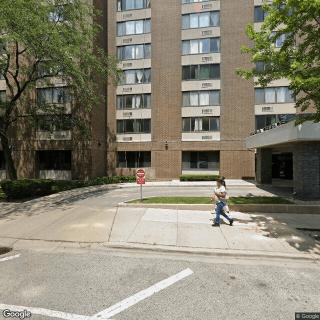
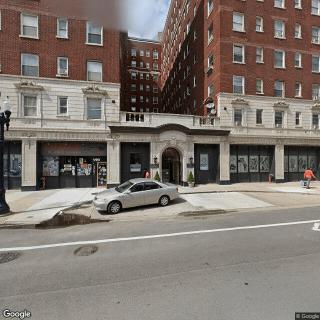
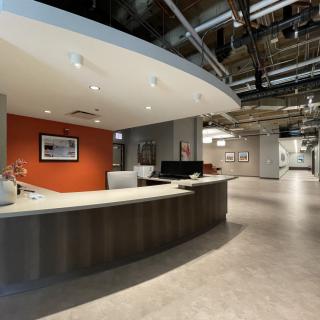
The Selfhelp Home on seniors.fyi includes 23 photos including images showing interior, bookshelves, entrance, architecture, healthcare, conference room, building, exercise, and more.
Nearby Communities
Northmere the Sro Hotel
Chicago, IL
2.6 from 42 reviews
Very convenient location with access to cafes, parks, pharmacies, hospitals, and transit.
The Admiral At The Lake
Chicago, IL
4.3 from 52 reviews
Upscale, activity-rich community with restaurant-style dining and lakefront views.
Mid America Care Center
Chicago, IL
2.7 from 6 reviews
$4,500 to $5,250 / month
Clean, well-kept facility with friendly staff and engaging activities.
Uptown Health Center
Chicago, IL
3.3 from 50 reviews
Extensive on-site amenities and 24/7 care (dining, wellness, transportation, activities)
The Admiral at the Lake, a CCRC
Chicago, IL
4.4 from 63 reviews
$4,000 to $9,000 / month
Excellent dinner service with nutritious menus, engaging activities, and friendly staff.
Heiwa Terrace
Chicago, IL
4.5 from 25 reviews
Excellent access to nearby cafes, parks, pharmacies, restaurants, transit, theater, and hospitals.
The Breakers At Edgewater Beach
Chicago, IL
4.5 from 198 reviews
$1,825 to $3,295 / month
Friendly staff, lake views, and a vibrant activities calendar near shops.
Friendly Towers
Chicago, IL
4 from 16 reviews
$650 / month
Warm, cozy 55+ community with clean facilities, helpful staff, on-site meals, and affordable pricing.
Ravenswood Supportive Living
Chicago, IL
4 from 46 reviews
$4,500 / month
Brand-new facility with modern amenities and an intimate size.
Medicaid coverage for assisted living varies by state and is primarily available to low-income individuals, with eligibility dependent on strict income and asset limits. Some states offer HCBS waivers for specific services in assisted living, but families must generally cover room and board costs, and should verify facility acceptance of Medicaid while considering potential waiting lists.
Medicaid waivers for assisted living services provide vital support for seniors and individuals with disabilities in need of long-term care, with varying state-specific eligibility criteria and benefits. These waivers cover personal care and case management but often do not fully cover room and board, leading to waiting lists for many applicants.
The article examines the complexities of assisted living for individuals with disabilities, emphasizing the need for tailored care solutions that enhance quality of life and social inclusion, while addressing financial challenges and advocating for community integration. It discusses various housing options, the importance of financial assistance through public benefits, and highlights trends towards integrated and technology-driven solutions in disability-focused housing.
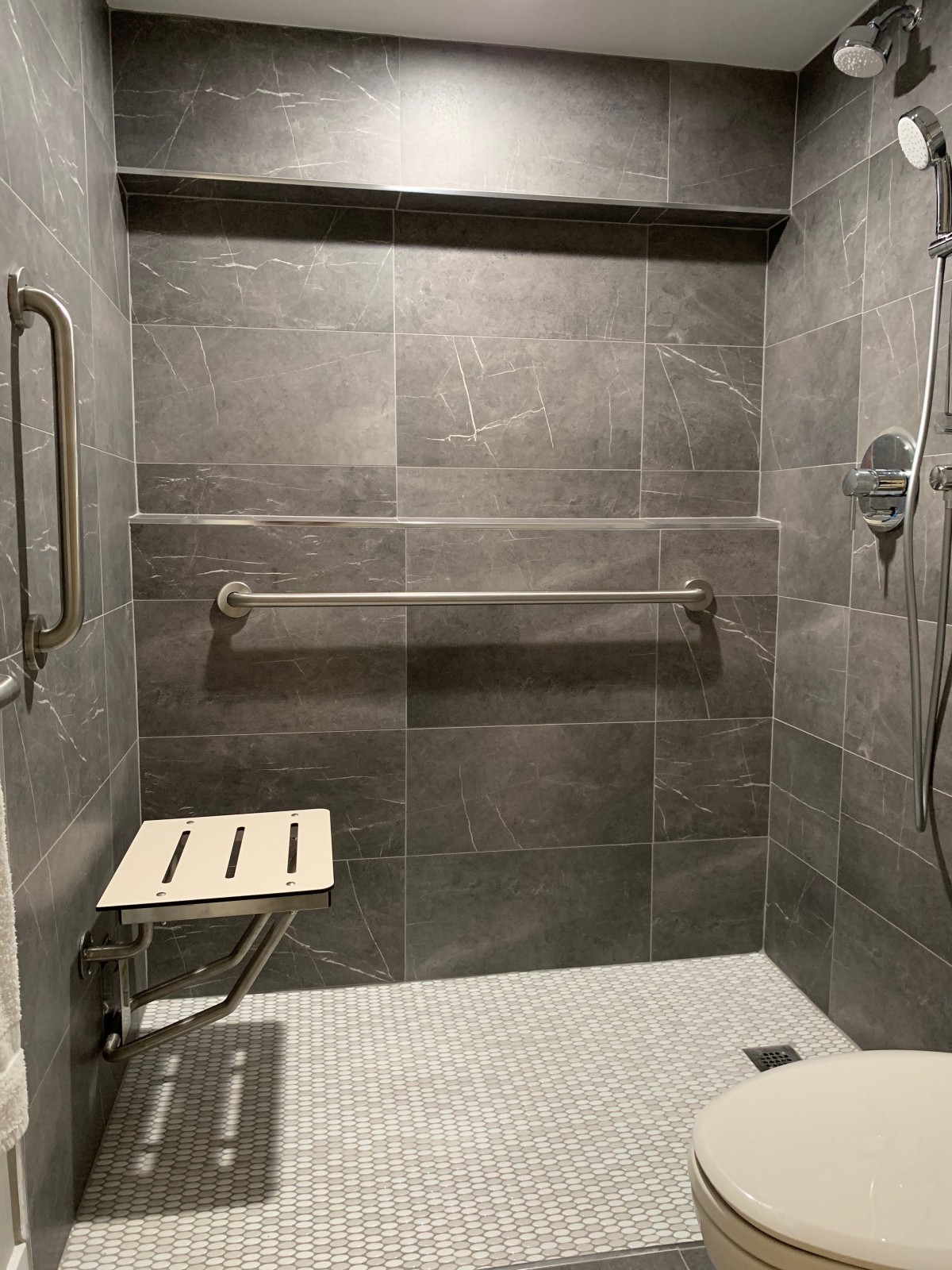
Bathroom, Shower, Grab Bars, Accessible, and Shower Chair
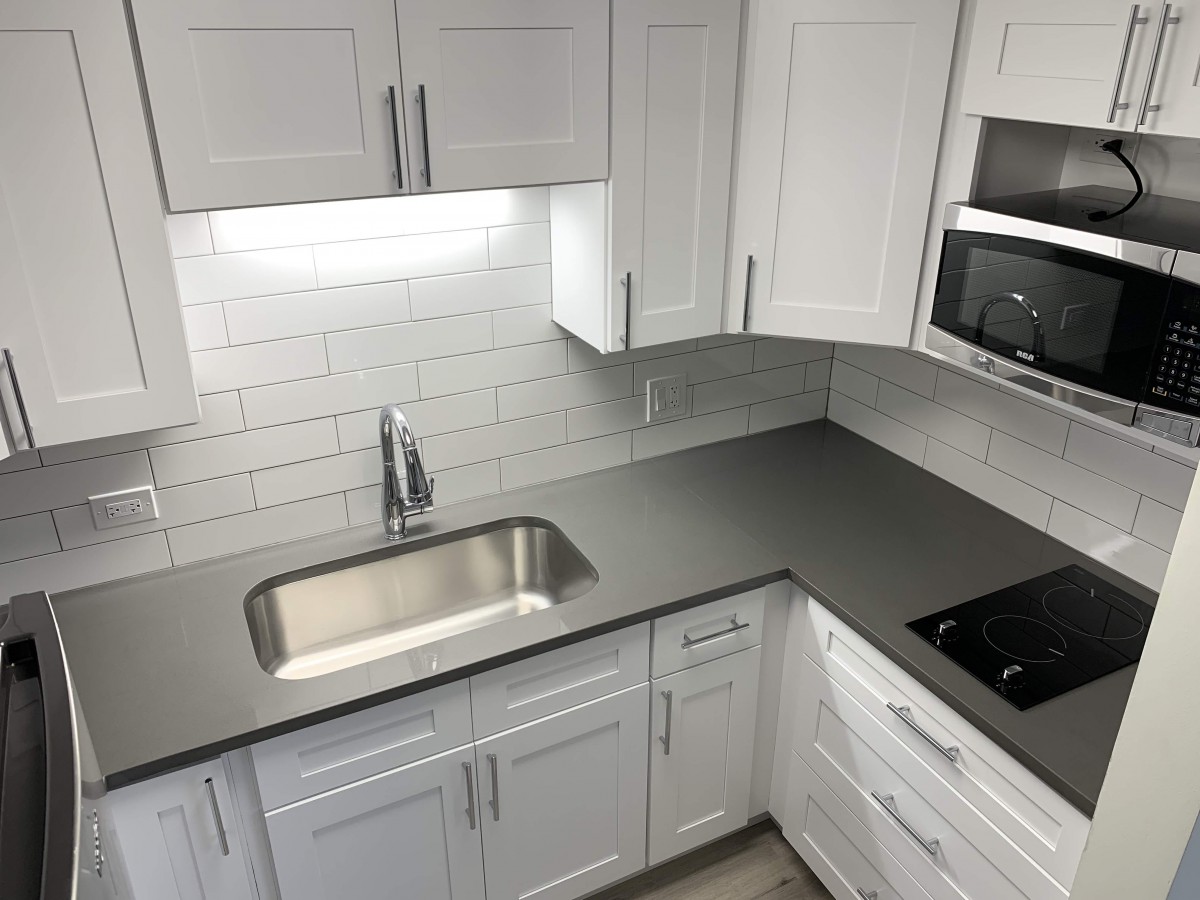
Kitchen and Stove
Lighting
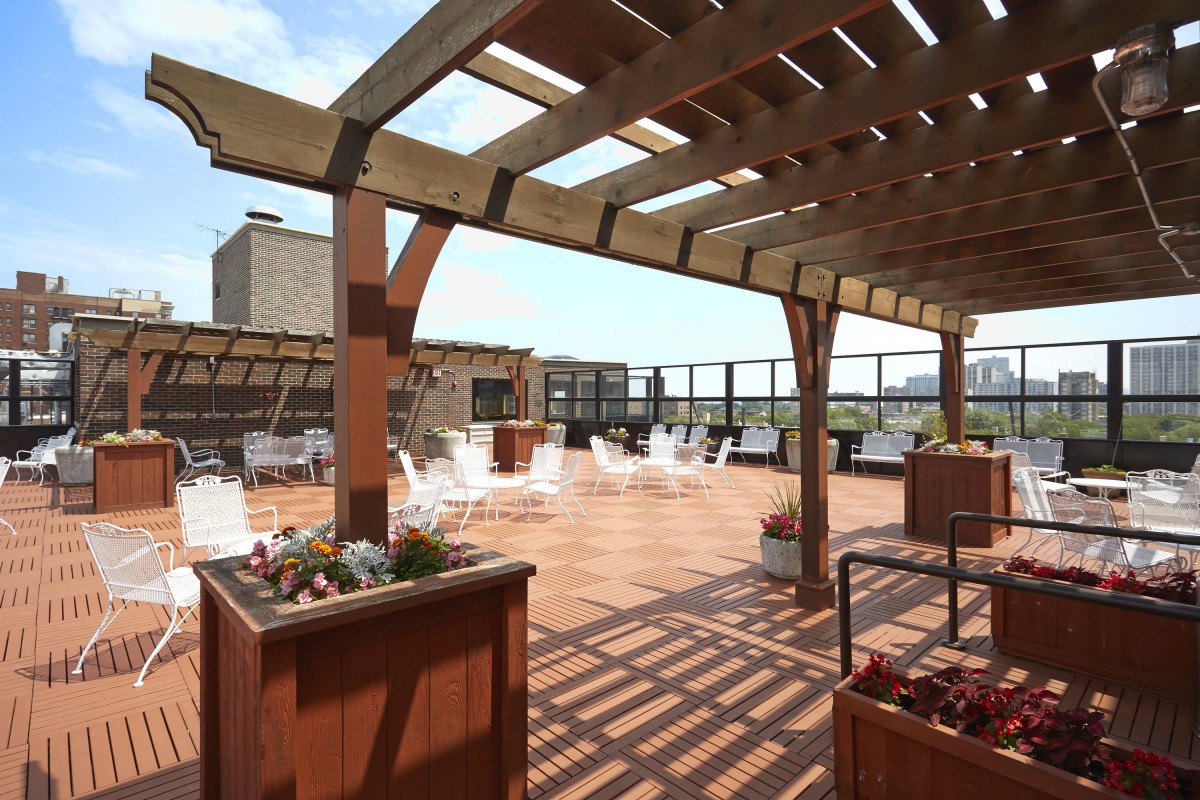
Outdoor Seating, Pergola, Urban, and Deck
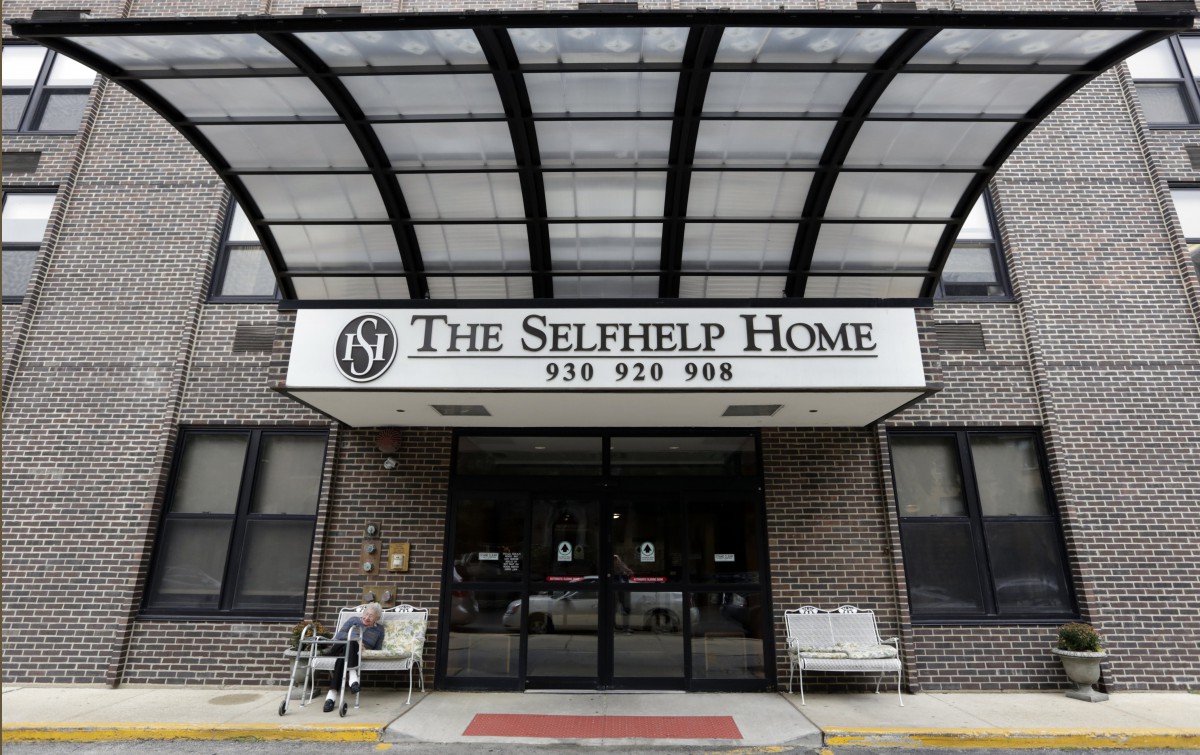
Exterior
Bookshelves
Healthcare
Library
Office and Computers
Rehabilitation and Exercise
Physical Therapy
Theater
Dining Table
Conference Room
Wheelchair
Meeting Room and Office Space
Meeting Space
Awning
Wood Paneling
Additional Photos
Get PricingAsk A QuestionSchedule A TourContact Senior Advisor
By clicking submit, you agree to our Partner's Terms of Use. You
also consent to receive calls and texts, which may be autodialed, from our Partner. Your consent is not a condition to
using our Partner's service. Please visit our Partner's Privacy Policy for information about their privacy practices.


 60 resident community capacity
 1-bedroom apartments
 Assisted Living
 Continuing Care Retirement Community (CCRC)
 Independent Living
 Respite Care
 Skilled Nursing Facility
 Cats allowed
 Dogs allowed
 Activities off-site
 Air-conditioning
 Bath tubs
 Beautician on-site
 Cable or satellite TV
 Computer center
 Devotional services on-site
 Dining room
 Fitness room
 Full kitchen
 Fully furnished
 Gaming room
 Garden
 Guest parking
 Handicap accessible
 Housekeeping services
 Indoor common areas
 Laundry
 Move-in coordination
 Outdoor common areas
 Overnight guests
 Private bathrooms
 Restaurant-style dining
 Small library
 Telephone
 Wellness center
 Wheelchair accessible showers
 Wi-Fi/high-speed internet available
 Chicago O'Hare International (13 miles away)
 Community operated transportation
 Argyle
  12-16 hour nursing
 24-hour call system
 Ambulatory care
 Assistance with bathing
 Assistance with dressing
 Assistance with transfers
 Diabetes diet
 Diabetic care
 High acuity care
 Incontinence care
 Medication management
 Mental wellness program
 Physical therapy
 Special dietary restrictions
 Art classes
 Book club
 Concierge services
 Day trips and outings
 Educational speakers / life long learning
 Games
Games Jewish services
 Karaoke
 Live dance or theater performances
 Live musical performances
 Visiting chaplain or priest
 English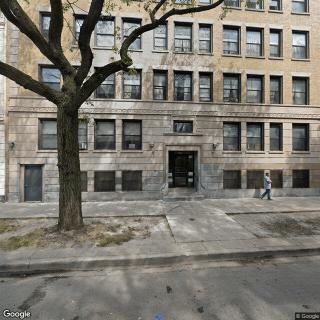
 Very convenient location with access to cafes, parks, pharmacies, hospitals, and transit.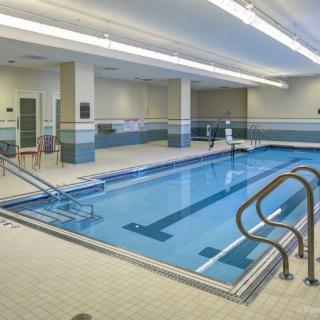

 How and When Medicaid May Cover Assisted Living Costs
 A Detailed Exploration of Assisted Living Medicaid Waivers Across the United States
 Comprehensive Residential Support and Assisted Living Solutions for Individuals with Disabilities