For more information about senior living options: (866) 208-4318
3.7 from 105 reviews
5 stars
66
4 stars
6
3 stars
0
2 stars
1
1 stars
32
Overall Review of Grove Of Berwyn
common23 reviews mention this
Cleanliness is a frequent point
Residents and families repeatedly mention how clean the facility feels.
Many reviewers describe the building as clean, well kept, and sometimes even odor-free. A smaller set of reviews take the opposite view, describing rooms or conditions as unsanitary and not meeting basic cleanliness expectations. Taken together, cleanliness comes up often enough that it seems to be a consistent factor in day-to-day experience.
common26 reviews mention this
Staff attitudes split reviews
Staff kindness and helpfulness are widely mentioned, for both good and bad experiences.
Positive reviews commonly praise staff as caring, friendly, welcoming, and attentive, including nurses and CNAs, with some families describing prompt help and respectful interactions. Other reviews strongly criticize staff professionalism and bedside manner, including reports of unprofessional behavior and difficulty getting assistance. The mix suggests a wide range of experiences, with residents and families focusing heavily on how staff treat them.
caveat12 reviews mention this
Communication problems come up often
Several reviewers say it can be hard to reach the front desk or staff by phone.
A recurring theme in negative reviews is trouble getting through on the phone, with some describing unanswered calls, hang-ups, or transfers that don’t lead to help. Several of these same reviewers also describe communication gaps when updates or assistance were needed. Positive reviews exist too, but the volume of complaints makes phone accessibility a notable concern.
caveat10 reviews mention this
Nursing and supervision quality varies
Reviewers describe very different experiences with care responsiveness and follow-through.
Some residents and families praise nursing care and supervision, describing caring staff, help with daily needs, and support during recovery. Other reviewers report being left unattended, calls for help not being answered, and concerns about hygiene or missed steps in care. Residents’ experiences of nursing responsiveness appear to be uneven in the reviews.
common6 reviews mention this
Rehab and therapy are a plus
Therapy and rehab experiences are described positively by multiple families.
Several reviewers talk about rehabilitation as a strength, including descriptions of therapy helping recovery, improved mobility, and nurses and therapy staff being informative. Some reviews frame it as a positive option for short-term care or after a hospital admission. While not every reviewer mentions rehab, those who do describe it favorably.
common2 reviews mention this
Dining matches special diets
The community offers dining support for special dietary restrictions.
The community is set up to accommodate diabetes-related and special dietary restrictions in dining. A couple of reviews also reference food being aligned to dietary needs, while others express dissatisfaction with meals. Overall, dining shows up in reviews, but with mixed impressions.
How we summarize
Counts show how many written reviews mention each theme; a review can touch several themes, and only frequently mentioned themes are displayed.
Features
Housing
145 resident community capacity
Types of Care
Skilled Nursing Facility
Amenities
Air-conditioning
Beauty salon
Cable or satellite TV
Computer center
Dining room
Fitness room
Fully furnished
Gaming room
Garden
Housekeeping services
Kitchenette
Move-in coordination
Outdoor space
Private bathrooms
Restaurant-style dining
Small library
Telephone
Wellness center
Wi-Fi/high-speed internet available
Transportation
Chicago Midway (4 miles away)
Chicago O'Hare International (12 miles away)
Community operated transportation
Transportation arrangement
Transportation arrangement (non-medical)
Transportation to doctors appointments
Care Services
12-16 hour nursing
24-hour call system
24-hour supervision
Activities of daily living assistance
Assistance with bathing
Assistance with dressing
Assistance with transfers
Diabetes diet
Meal preparation and service
Medication management
Mental wellness program
Special dietary restrictions
Dining
Diabetes diet
Special dietary restrictions
Activities
Community-sponsored activities
Concierge services
Fitness programs
Planned day trips
Resident-run activities
Scheduled daily activities
Nearby Places of Interest
Pharmacies
Walgreens (0.5 miles)
Walgreens (1.6 miles)
Walgreens (1.8 miles)
CVS Pharmacy (2.5 miles)
Walgreens (2.8 miles)
CVS Pharmacy (3.8 miles)
Walgreens (4.3 miles)
Hospitals
MacNeal Hospital (0.7 miles)
Loyola Outpatient Center (2.7 miles)
Building 217, Hines VA Hospital (2.8 miles)
Edward Hines, Jr Veterans Hospital (2.8 miles)
Loyola University Medical Center (2.9 miles)
Gottlieb Memorial Hospital (6.2 miles)
Loyola Medicine Transport (6.2 miles)
Restaurants
Raising Cane's Chicken Fingers (1.3 miles)
Chick-Fil-A (1.6 miles)
Portillo's Hot Dogs (2.8 miles)
Hooters (4.6 miles)
Al Bawadi Grill (6.4 miles)
The Barrel (6.8 miles)
The Patio (6.9 miles)
Parks
Wentworth Park (2.8 miles)
Norfolk Park (4.8 miles)
Douglas Park (5.8 miles)
Harr Park (6.6 miles)
The 606 — Western Terminus (7.4 miles)
Humboldt Park (7.5 miles)
Du Page Forest Preserve Dog Park (7.9 miles)
Transportation
Concourse B (4 miles)
Chicago Midway International Airport (MDW) (4.1 miles)
Atlantic Aviation (4.2 miles)
Cta (4.3 miles)
CTA - Kedzie-Homan (5.9 miles)
Metra (6.1 miles)
Cta (8.1 miles)
Physicians
All Star Pediatrics (5.6 miles)
Loyola Medicine Burr Ridge (7.4 miles)
University of Illinois Mile Square Health Center: Near West Side (7.5 miles)
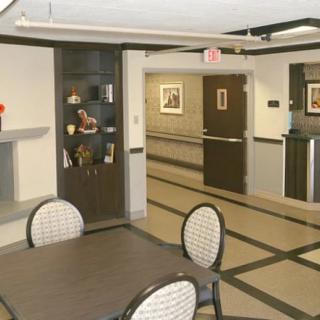
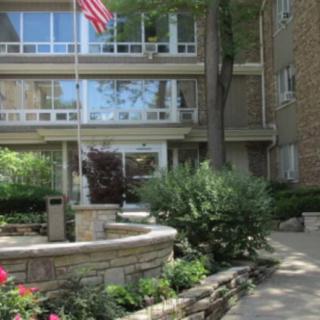
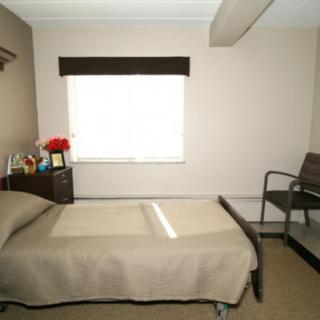
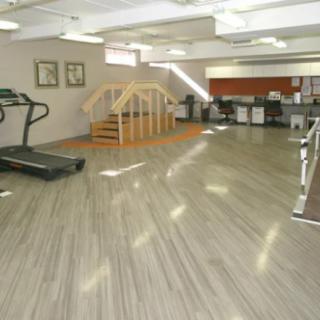
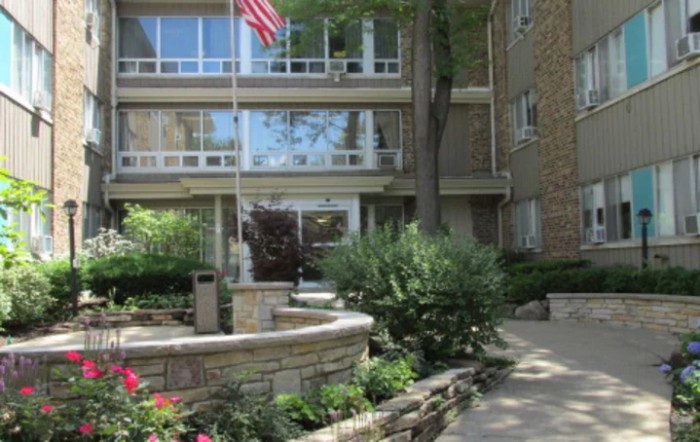
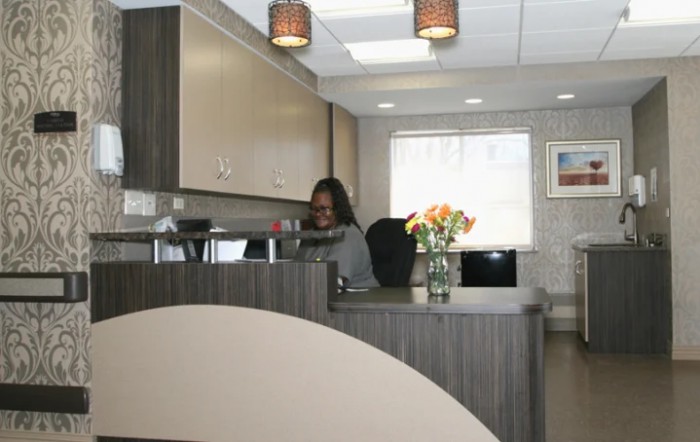
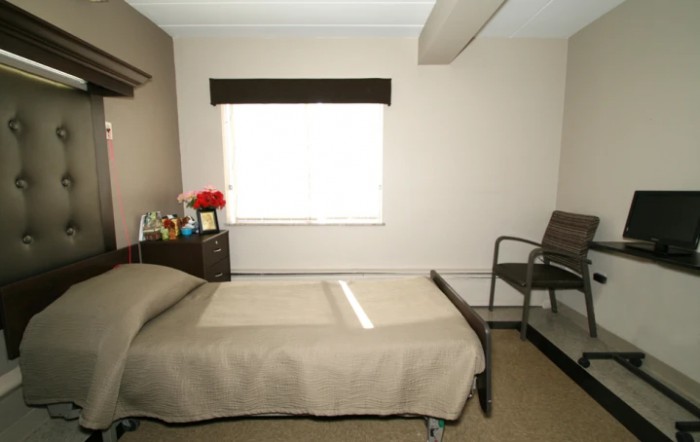
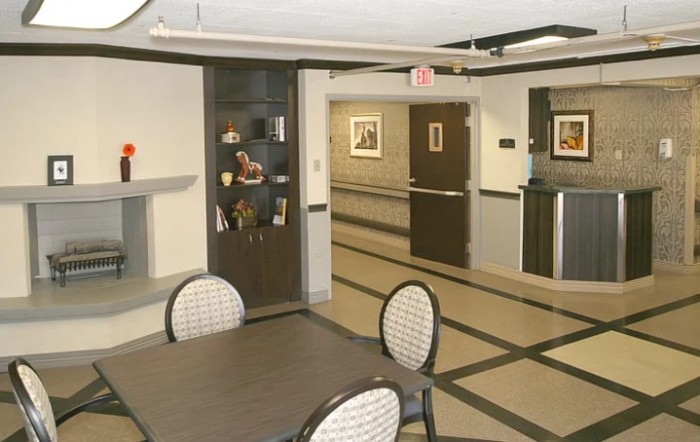
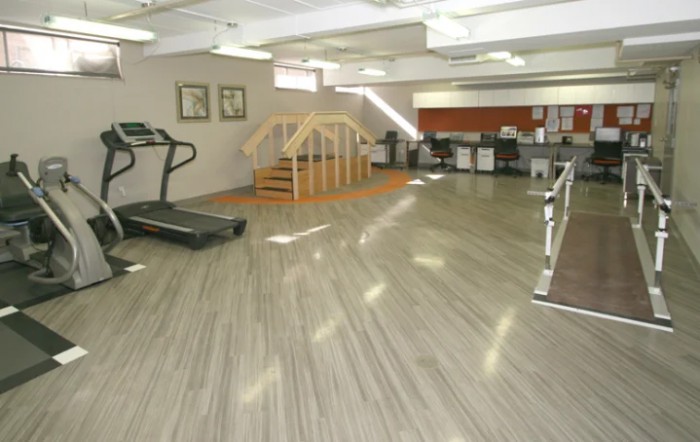
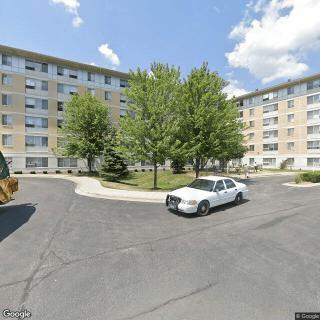
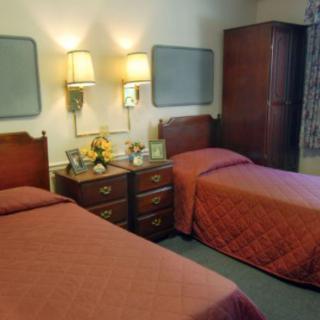
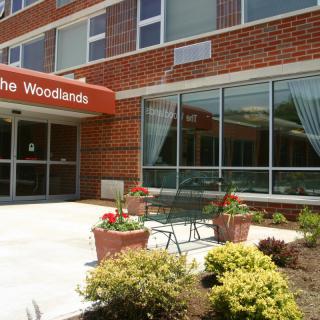
Grove Of Berwyn on seniors.fyi includes 5 photos including images showing interior, bedroom, pathway, spacious, office, reception desk, workspace, windows, and more.
Nearby Communities
Pershing Gardens Healthcare Center
Stickney, IL
3.6 from 38 reviews
Caring, attentive staff in a homelike, recovery-focused environment.
Homewatch Caregivers of Oak Park
Berwyn, IL
5 from 10 reviews
Proximity to parks, pharmacies, restaurants, transportation, and hospitals.
Macneal Hospital
Berwyn, IL
2.4 from 120 reviews
Small, personalized setting with 24-hour supervision, comprehensive dining options (diabetes/special diets) and move-in coordination, plus engaging activities.
Golden Years Retirement Home
Lyons, IL
3.5 from 12 reviews
$1,410 / month
Clean rooms with caring staff in a small, personable community.
Riverwalk Senior Residences
Lyons, IL
3 from 6 reviews
Excellent access to healthcare and local amenities (parks, pharmacies, physicians, hospitals) plus diabetic care.
Alden Town Manor Rehab & Health Care Center
Cicero, IL
2.9 from 78 reviews
24/7 supervision with extensive amenities
Caledonia Senior Living
North Riverside, IL
4.2 from 39 reviews
$3,820 / month
Caring staff in a home-like, intimate setting that supports personalized care.
Cantata Adult Life Services a CCRC
Brookfield, IL
4.3 from 164 reviews
$2,700 to $5,250 / month
Strong sense of community with attentive staff and robust rehab services.
Plymouth Place, a CCRC
La Grange Park, IL
3.7 from 63 reviews
$3,028 to $6,185 / month
Spacious, well-designed apartments and a vibrant, activity-rich community with multiple dining options.
Senior move management provides specialized support for older adults relocating by assisting with logistics, emotional challenges, and downsizing decisions to ensure a smooth transition to new living environments. These services address the unique needs of seniors and have become increasingly important as baby boomers retire and seek to downsize.
Weight training is vital for seniors to maintain muscle mass, bone density, and overall health, combating age-related declines through customized resistance exercises that enhance balance and well-being. Safe routines should start with realistic goals and proper form, while emphasizing gradual progress and consultations with healthcare providers to ensure safety and effectiveness.
The Sandwich Generation comprises adults managing the dual responsibilities of caring for aging parents and raising children, leading to significant emotional, logistical, and financial challenges. This situation is exacerbated by longer life expectancies and cultural expectations, necessitating effective coping strategies and support resources to alleviate caregiver stress and burnout.
Landscaping, Building, Trees, Entrance, Pathway, and Flag
Exercise Equipment, Gym, Spacious, Treadmill, and Fitness Center
Office, Reception Desk, and Workspace
Get PricingAsk A QuestionSchedule A TourContact Senior Advisor
By clicking submit, you agree to our Partner's Terms of Use. You
also consent to receive calls and texts, which may be autodialed, from our Partner. Your consent is not a condition to
using our Partner's service. Please visit our Partner's Privacy Policy for information about their privacy practices.

 145 resident community capacity
 Skilled Nursing Facility
 Air-conditioning
 Beauty salon
 Cable or satellite TV
 Computer center
 Dining room
 Fitness room
 Fully furnished
 Gaming room
 Garden
 Housekeeping services
 Kitchenette
 Move-in coordination
 Outdoor space
 Private bathrooms
 Restaurant-style dining
 Small library
 Telephone
 Wellness center
 Wi-Fi/high-speed internet available
 Chicago Midway (4 miles away)
 Community operated transportation
 12-16 hour nursing
 24-hour call system
 Activities of daily living assistance
 Assistance with bathing
 Assistance with dressing
 Assistance with transfers
 Diabetes diet
 Medication management
 Mental wellness program
 Special dietary restrictions
 Concierge services
 Planned day trips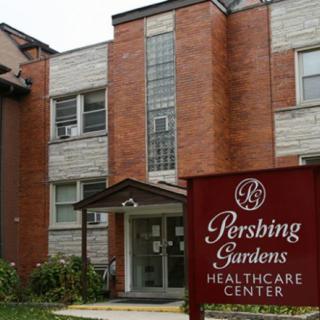
 Caring, attentive staff in a homelike, recovery-focused environment.



 Senior Move Management: Understanding the Role, Value, and Associated Costs
 Weight Training for Seniors: Building Strength and Vitality
 Understanding the Sandwich Generation: Stress and Responsibilities for Multigenerational Caregivers