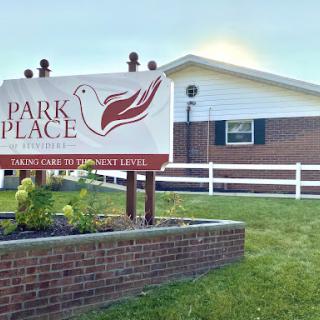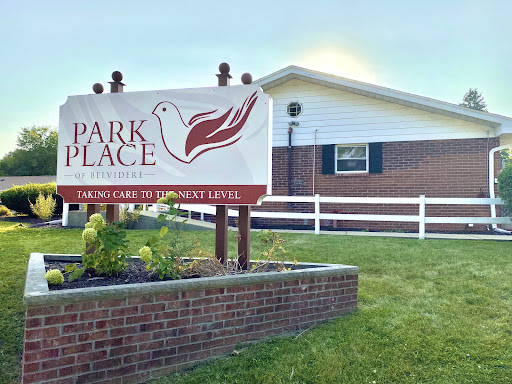
1701 5Th Avenue, Belvidere, IL 61008
For more information about senior living options: (866) 208-4318
Overall Review of Park Place Of Belvidere
Pros
 The staff are truly compassionate and dedicated.
- They go above and beyond to ensure residents feel safe, respected, and cared for.
- Compassion is practiced daily at the facility.
- The nursing and support staff are caring and kind.
- The staff are courteous, professional, and respectful.
- The facility has friendly staff who help residents feel at home.
- The staff take the time to know residents and their routines, making the stay wonderful.
Cons
 The mother experienced memory deficits and sundowning after antibiotics, and was terrified when a night staff member reportedly told her to "shut up."
- She was sent back to the hospital with breathing problems after the second night of rehab.
- A visitor felt disrespected by a staff member who was rude, sat outside during visits, and threatened to end the visit over a mask or beverage issue.
- The facility was accused of bedsores, isolation, cold food, negligence, and rough hallway transports that drew blood, along with a severe UTI and inadequate pain relief.
- A strong odor inside the facility was enough to make the visitor almost vomit after only five minutes.
Review
Park Place of Belvidere is best suited for families seeking a warm, relationship-driven environment where caregivers treat residents with steady kindness, respect, and personal attention. This community tends to appeal to seniors who respond positively to a caregiver culture that knows their routines, preferences, and histories, and to families that want open, ongoing communication about daily care. The strongest argument for Park Place centers on the human connection: staff members who strive to be compassionate professionals, and administrators who cultivate a respectful, resident-focused atmosphere. It works best when the priority is daily dignity, steady social engagement, and visible effort from front-line workers to make each resident feel safe and valued. Those who prize clinical intensity, aggressive rehabilitation programs, or highly structured medical oversight may find the landscape more uneven and should explore options with a clearer emphasis on rehabilitation metrics and safety protocols.
The clearest positives in Park Place’s profile come from staff who demonstrate genuine care and a willingness to go the extra mile. Reviews consistently praise compassionate nursing and supportive teammates, with one Social Worker explicitly highlighting daily practice of kindness and respect. Families describe caregivers as courteous and professional, and residents who stay long enough to form trusting relationships note that staff members remember their routines and preferences. When the environment feels personal and staff establish meaningful rapport, residents experience greater comfort, fewer behavioral frictions, and better satisfaction with daily life. For families who want a homey, people-first setting, these qualities are decisive and can make a real difference in a most challenging stage of life.
Yet the negatives embedded in several accounts cannot be ignored. Recalling a rehab stay, one family describes a sequence in which a loved one endured fear and distress at night, followed by discharge back to hospital after breathing difficulties, with fading memory and sundown-like symptoms. Other reviews recount encounters with disrespectful or coercive behavior during visits, heated exchanges about visiting rules, and constraints that left nearby family members feeling dismissed or marginalized. A scathing post alleges neglect, limited symptom relief, and a nightmarish trajectory of bedsores, isolation, cold meals, and severe UTIs. At least one reviewer notes a strong odor upon entering, signaling environmental cleanliness concerns. Taken together, these episodes reveal a vulnerability: when staffing under pressure or systems gaps appear, resident safety, dignity, and comfort can deteriorate quickly and leave lasting impressions on families.
Those pros and cons interact in meaningful ways when families weigh the decision. The heartfelt care and personal attention documented by multiple reviewers offer a powerful counterweight to the more troubling anecdotes, but they do not erase them. For families prioritizing daily warmth, consistent communication, and a culture that treats residents with visible respect, Park Place delivers significantly. For those whose top priorities include robust post-acute rehabilitation, aggressive medical oversight, or a consistently spotless environment, the negative episodes raise legitimate questions about reliability and risk. In practice, the strongest choice depends on which values drive the decision: if the emphasis is on the human touch and emotional security, Park Place can be a solid fit; if emphasis on rehab outcomes and faultless daily operations is non-negotiable, alternatives with clearer track records in those domains will merit serious consideration.
Practical steps can clarify suitability before making a commitment. Prospective families should request a candid tour during a typical shift to observe staff-resident interactions, meal service, and overall cleanliness. Speaking directly with the Director of Nursing or administrator about incident reports, staff turnover, and how concerns are escalated provides real insight into day-to-day reliability. It is wise to ask about rehabilitation capabilities, memory and sundowning care, and how care plans are coordinated across shifts. Also, observe the environment at different times of day to gauge warmth, noise levels, and odors, since first impressions matter and can reflect underlying operational standards. Finally, take the measure of the facility against a clear checklist: staff responsiveness, respectful treatment during visits, and a transparent approach to safety and medical needs.
In the end, Park Place of Belvidere offers a meaningful choice for families who value empathetic, relation-centered care delivered by staff who genuinely care about residents. The community’s standout strength lies in its people and their daily commitment to treating residents with dignity. However, a pattern of flagged safety and care concerns in several accounts means this option may not satisfy families seeking the most rigorous rehab outcomes, meticulous environmental standards, or consistently uniform experiences across shifts. If those elements are non-negotiable, consider alternatives that emphasize stronger clinical oversight, better infection control practices, and proven rehabilitation programs. For families willing to accept the possibility of variability in experience while prioritizing warmth, communication, and individualized attention, Park Place stands as a credible, compassionate choice worth pursuing, provided one pairs the visit with direct conversations about expectations, oversight, and ongoing quality assurance.
 80 resident community capacity
 Skilled Nursing Facility
 Air-conditioning
 Beauty salon
 Cable or satellite TV
 Computer center
 Dining room
 Fitness room
 Fully furnished
 Gaming room
 Garden
 Housekeeping services
 Kitchenette
 Move-in coordination
 Outdoor space
 Private bathrooms
 Restaurant-style dining
 Small library
 Telephone
 Wellness center
 Wi-Fi/high-speed internet available
 Greater Rockford (13 miles away)
 Community operated transportation
 12-16 hour nursing
 24-hour call system
 Activities of daily living assistance
 Assistance with bathing
 Assistance with dressing
 Assistance with transfers
 Diabetes diet
 Medication management
 Mental wellness program
 Special dietary restrictions
 Concierge services
 Planned day trips



 Understanding the Full Cost of 24/7 In-Home Care: A Detailed Overview
 Exploring the World of Home Health Nurses: Qualifications, Roles, and Hiring Tips
 Navigating Medicare Coverage for In-Home Care Services