
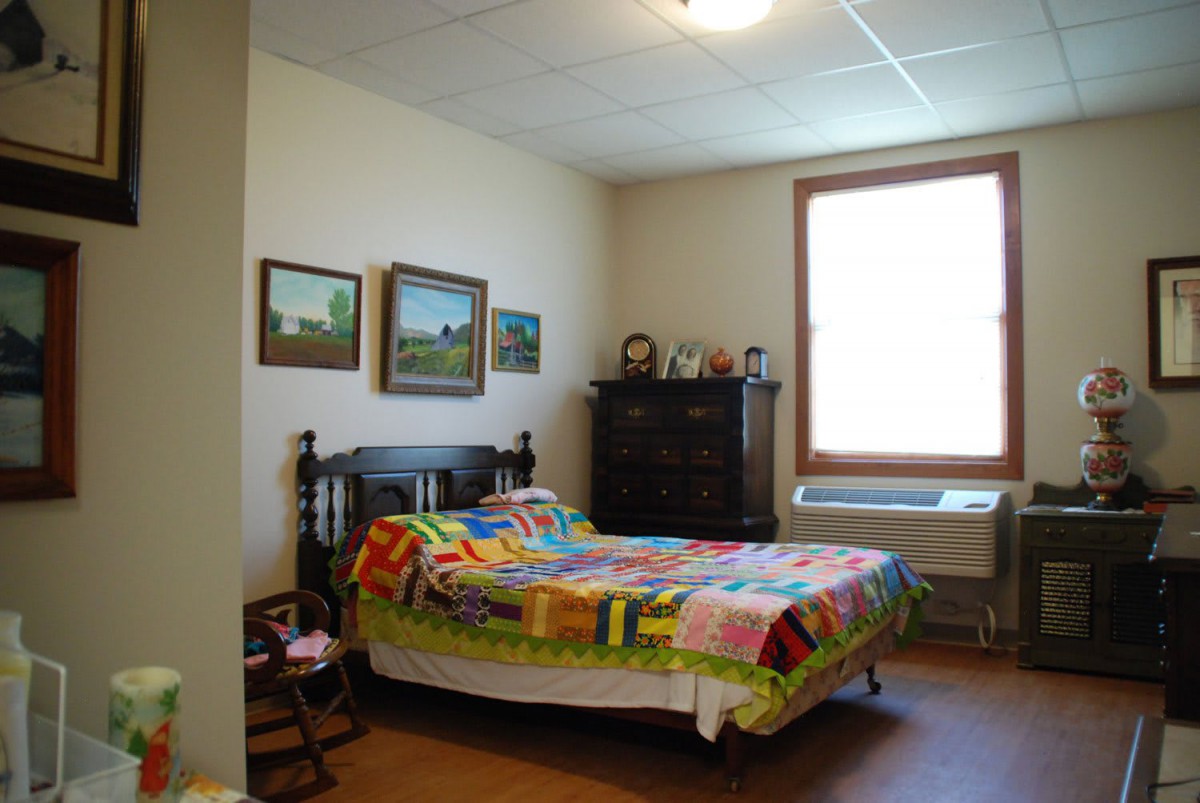

7978 Newburg Road, Rockford, IL 61108
For more information about senior living options: (866) 208-4318
Anam Glen Costs & Pricing
Anam Glen offers competitive pricing for its residents, particularly when comparing costs to both Winnebago County and the broader state of Illinois. For a semi-private room, Anam Glen charges $4,700 per month, which is notably lower than the county average of $5,070 and the state average of $5,146. This presents a compelling value for individuals seeking quality care in a semi-private setting. However, when it comes to studio accommodations, Anam Glen's price of $5,000 exceeds that of Winnebago County's average of $3,753 and Illinois' statewide average of $4,028. Overall, while Anam Glen provides an attractive option for semi-private living, prospective residents might find more economical choices within studio offerings elsewhere in the region.
| Floor plans | Anam Glen | Winnebago County | Illinois |
|---|---|---|---|
| Semi-Private | $4,700 | $5,070 | $5,146 |
| Studio | $5,000 | $3,753 | $4,028 |
Skilled Nursing Facilities with a similar price nearby
-
from +$250 / mo

Fair Oaks
$4,950 to $9,450 / month16.1 miles away -
from +$936 / mo
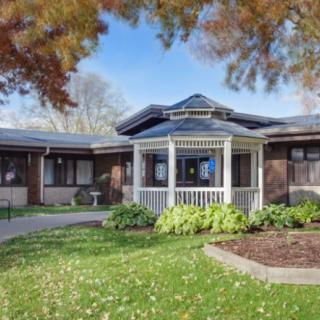
Maple Crest Care Centre
$5,636 / month6.1 miles away -
from -$440 / mo
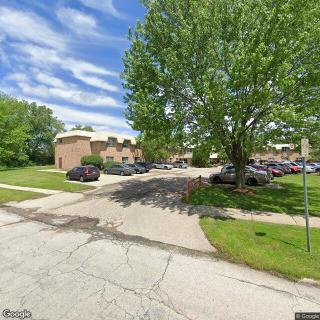
Forest City Rehab & Nursing Center
$4,260 / month2.5 miles away
Overall Review of Anam Glen
Pros
 The staff are sincere, caring, and respectful, upholding residents' dignity.
- The atmosphere feels homey and family-centered, not like a nursing home.
- Care is individualized, helping residents maintain a healthy quality of life and not feel isolated.
- Residents enjoy daily joy through holidays, birthdays, garden parties, and engaging activities.
- Meals are good, portions appropriate, and the facility is clean and well-kept.
- The setting is small, single-floor, secure, with easy access and controlled entry.
- Families report feeling relief, trust, and confidence in the care from the first visit.
- The staff are responsive and patient, addressing questions and concerns with kindness.
- The staff feel like family, are dedicated, and work hard to provide dignified care.
Cons
 Many activities are not appropriate for individuals with memory issues.
- Memory care is extremely expensive.
- Several staff members could benefit from continued training in communicating with memory care residents.
- The aides seem tired.
- The facility raised the rent by $500 per month.
- There is a lot of staff turnover.
- Visitation was restricted, with families sometimes unable to visit.
Review
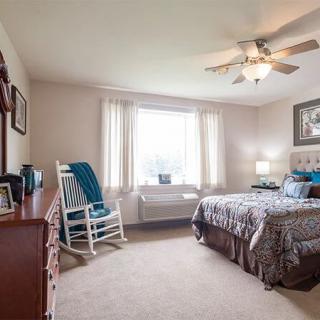
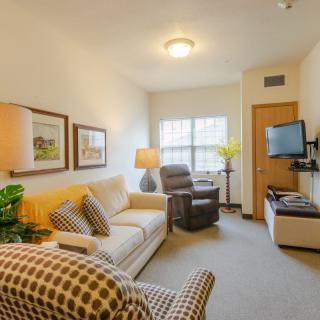
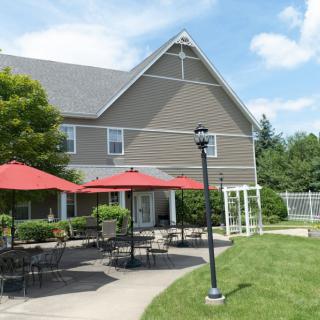
Anam Glen in Rockford is best suited for families seeking a dementia-focused, low-key environment that feels like a true home rather than a hospital. The community’s intimate footprint, one floor, around 16 residents, and a staffing model that tends to be two caregivers for every eight residents, supports a rhythm where aides can know residents by name, anticipate needs, and deliver daily routines with a personal touch. For families prioritizing dignity, privacy (private rooms when available), security, and a calm, small-scale setting, Anam Glen delivers a compelling, low-stress option that minimizes the bustle of larger campuses.
That said, alternatives are worth considering for several situations. When memory care needs are paired with high medical complexity or a demand for very structured, frequent clinical oversight, a larger facility with broader medical staffing may be preferable. The most consistent cautions across reviews point to cost and to communication gaps: memory care at Anam Glen can be expensive, and several families have flagged inconsistent updates on health status or day-to-day concerns. For visitors who require transparent, proactive reporting and less variability in staffing, other communities with more robust systems may feel more reliable.
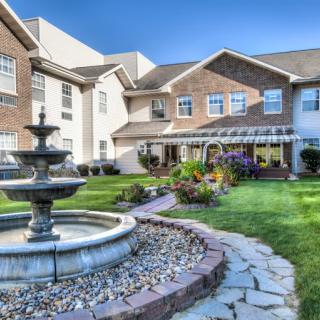
The strongest positives, home-like atmosphere, individualized care, and real moments of daily joy, often offset some drawbacks. Families repeatedly praise the culture of care, the sense that staff truly treats residents with dignity, and the way activities and meals support meaningful daily life. The small, dementia-focused model lends itself to meaningful engagement rather than generic programming, with routines that emphasize routine, companionship, and purpose. Security measures, buzzed entry/exit and a contained, walkable space, plus the absence of a sprawling, impersonal campus, reinforce a sense of safety and belonging that many families value deeply.
However, the cons cannot be ignored, and they shape the decision for many caregivers. Staff fatigue and turnover surface in several accounts and can strain communication or responsiveness. When health changes occur, families report uneven levels of observability and reporting, which is a critical blind spot in memory care. The cost barrier is real, with some residents facing substantial monthly increases, and there are occasional reports of restricted visiting experiences. Taken together, these factors mean Anam Glen rewards families who can tolerate some uncertainty in daily updates in exchange for a highly personalized, small-community experience.
For families evaluating a tour, there are clear checkpoints that align with the lived realities in reviews. Ask for current staff-to-resident ratios and how memory-trained staff are deployed across shifts. Inquire about the formal pathways for daily health updates and how often a nurse or clinician reviews changes in status. Request examples of individualized care plans, and observe how caregivers interact by name, with residents who have memory needs. Explore the dining program and activity calendar to see if the engagement feels genuine and scalable for a resident who thrives on routine and social connection. Confirm door security, private-room availability, and the financial terms, including any anticipated rate increases.
In the end, Anam Glen represents a solid, practical choice for a loved one whose dementia care benefits from a warm, intimate setting, frequent personal attention, and a community that feels like family. It shines for families prioritizing dignity, tailored daily life, and a home-like atmosphere over high-volume programming. It is less ideal for those who require rigorous, transparent health reporting and a budget-sensitive plan, or for families who fear the impact of staff turnover on constant communication. When these realities align, Anam Glen stands out as a well-founded option that can deliver meaningful quality of life within a carefully managed, small-scale memory-care environment.
 13 resident community capacity
 Assisted Living
 Board and Care Home
 Memory Care
 Skilled Nursing Facility
 Cats allowed
 Activities off-site
 Bath tubs
 Beautician on-site
 Cable or satellite TV
 Devotional services off-site
 Dining room
 Fully furnished
 Garden
 Housekeeping services
 Indoor common areas
 Laundry
 Move-in coordination
 Outdoor common areas
 Respite or short term stays offered
 Telephone
 Wheelchair accessible showers
 Wi-Fi/high-speed internet available
 Greater Rockford (8 miles away)
 24-hour supervision
 Ambulatory care
 Assistance with bathing
 Assistance with dressing
 Assistance with transfers
 Diabetes diet
 Diabetic care
 Hospice waiver
 Incontinence care
 Meal preparation and service
 Medication management
 Mental wellness program
 Special dietary restrictions
 Transportation arrangement (medical)
 Transportation to doctors appointments
 English



 Comprehending Evening Confusion in Dementia: Causes, Manifestations, and Support
 Delirium and Dementia: Unraveling the Key Differences
 Are Dementia and Alzheimer's Disease Lethal? A Comprehensive Exploration