Heritage Woods of Rockford offers competitive pricing for its accommodations, reflecting a balance between quality care and local market conditions. For a studio unit, residents can expect to pay $4,175 per month, which is slightly above the average cost in Winnebago County at $3,753 but remains higher than the state average of $4,028. One-bedroom units are priced at $4,475, again surpassing both the county's median of $3,476 and Illinois' statewide figure of $3,527. For those requiring more shared space, the semi-private option is available at $5,350 per month, positioning it just above both county and state averages of $5,070 and $5,146 respectively. Overall, these prices reflect Heritage Woods' commitment to providing a supportive living environment while remaining mindful of regional financial standards.
Floor plans
Heritage Woods of Rockford
Winnebago County
Illinois
Studio
$4,175
$3,753
$4,028
1 Bedroom
$4,475
$3,476
$3,527
Semi-Private
$5,350
$5,070
$5,146
Assisted Living communities with a similar price nearby
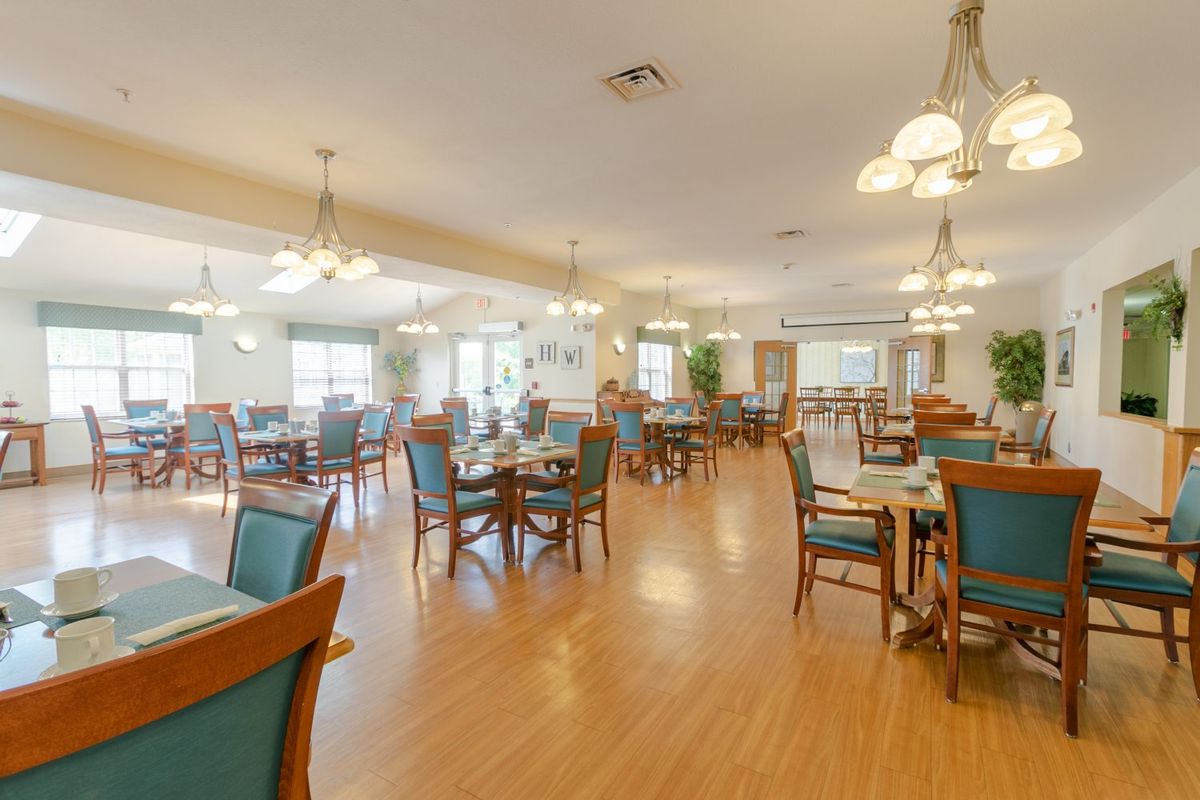
Residents and families frequently praise the quality of the meals served on-site.
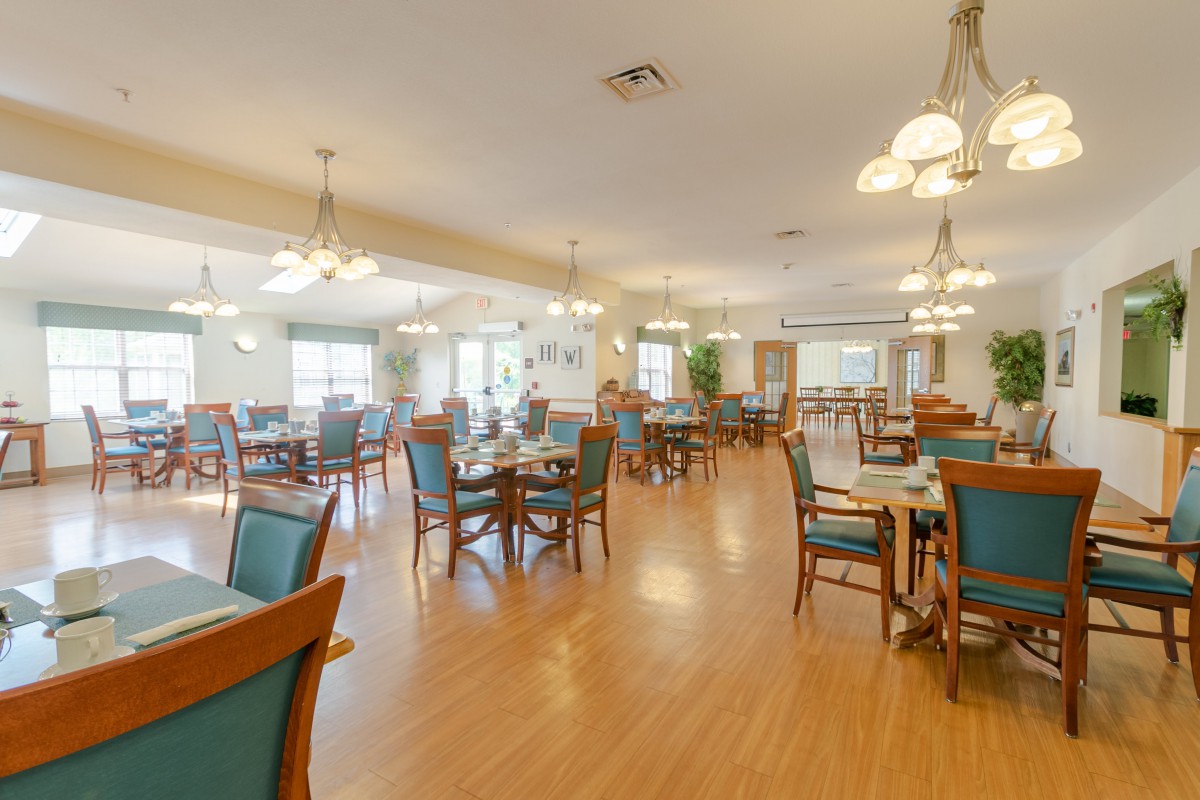
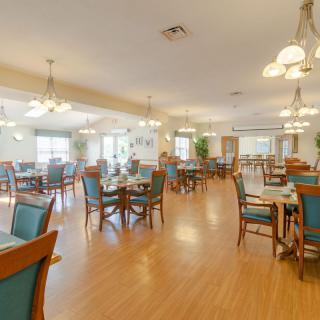
Several reviews describe the dining experience as a standout, with meals that are flavorful and served in a dining room that feels more like a restaurant than a cafeteria. Multiple people also mention specific staff members connected to the kitchen or dining room, and a large variety of food options. A smaller number of reviews note temporary food issues, including staffing-related problems, and one person says the food is not very good most of the time.
differentiator3 reviews mention this
24-hour support for residents
Residents describe 24-hour coverage and ongoing nursing support.
Some families explicitly mention that there is someone on staff 24 hours a day, along with nursing staff support. Another review describes daily caregiver check-ins from CNA visits in the morning to a nighttime bed check. At the same time, there are a few negative experiences involving response when residents need help, including situations where staff reportedly called 911 instead of lifting.
common6 reviews mention this
Activities keep life busy
Residents and families say there are lots of activities to participate in.
A consistent theme across reviews is that the community offers frequent activities, helping residents stay engaged. People mention bingo, exercise sessions, crafts and painting, religious services, and outings to local restaurants and attractions. One review also credits the activities director for being creative and keeping residents busy, including planned events on a regular schedule.
common12 reviews mention this
Staff care is often praised
Many reviews describe the staff as caring, helpful, and responsive to residents.
Many residents and families say the staff treats people with care and makes residents feel comfortable, including describing friendly, welcoming interactions. Multiple reviews also mention help during transitions, ongoing communication with families, and staff guidance around personal needs. A few reviews raise concerns about how management communicates and handles urgent situations, but the overall pattern of positive comments about staff remains strong.
caveat4 reviews mention this
Some families report communication delays
A few reviews describe problems with communication during urgent situations.
While many reviews are positive, some families report delays or breakdowns in communication when a loved one is hospitalized or needs urgent attention. One review says outreach about a serious update did not happen until days later and was linked to financial concerns. Other negative reviews describe residents being left without help for extended periods after meals and conflicts around access to communication with residents.
How we summarize
Counts show how many written reviews mention each theme; a review can touch several themes, and only frequently mentioned themes are displayed.
Features
Housing
21 resident community capacity
1-bedroom apartments
Studio apartments
Types of Care
Assisted Living
Amenities
Activities off-site
Activities on-site
Beautician on-site
Beauty salon
Cable or satellite TV
Devotional services on-site
Dining room
Fully furnished
Garden
Housekeeping services
Indoor common areas
Kitchenette
Move-in coordination
Outdoor common areas
Outdoor patio
Outdoor space
Party space
Telephone
Wheelchair accessible showers
Wi-Fi/high-speed internet available
Transportation
Greater Rockford (9 miles away)
Transportation & parking
Care Services
24-hour call system
24-hour supervision
Activities of daily living assistance
Ambulatory care
Assistance with bathing
Assistance with dressing
Assistance with transfers
Coordination with health care providers
Diabetes diet
Diabetic care
Incontinence care
Meal preparation and service
Medication management
Mental wellness program
Special dietary restrictions
Transportation arrangement (medical)
Transportation to doctors appointments
Dining
Diabetes diet
Meals provided
Special dietary restrictions
Vegetarian
Activities
Activities off-site
Activities on-site
Community-sponsored activities
Devotional activities on-site
Fitness programs
Religious services
Resident-run activities
Scheduled daily activities
Languages Spoken
English
Nearby Places of Interest
This part of Rockford, Illinois offers a convenient and varied selection of amenities for senior living. With multiple dining options such as Cracker Barrel, Tavern on Clark, and Thunder Bay Grille within close proximity, seniors can enjoy a range of cuisine choices. Additionally, there are several healthcare facilities nearby including Rosecrance Berry Campus and Osf Healthcare for medical needs. For leisurely activities, Midway Village Park provides a peaceful outdoor setting for walks and relaxation. The area also features easily accessible pharmacies like Walmart Pharmacy and Meijer Pharmacy for medication needs. Overall, this community offers a balance of convenience, healthcare services, dining options, and recreational opportunities for seniors looking to settle in Rockford.
Restaurants
Cracker Barrel (0.3 miles)
Tavern on Clark (0.7 miles)
Thunder Bay Grille (0.7 miles)
Steak 'n Shake (0.7 miles)
Burger King (0.8 miles)
Chick-Fil-A (1.3 miles)
McDonald's (1.3 miles)
Physicians
Rosecrance Berry Campus (0.5 miles)
Mehta Ben DDS - Ben Mehta, DDS - Affordable Dentures (1 miles)
Heritage Woods of Rockford offers competitive pricing for its accommodations, reflecting a balance between quality care and local market conditions. For a studio unit, residents can expect to pay $4,175 per month, which is slightly above the average cost in Winnebago County at $3,753 but remains higher than the state average of $4,028. One-bedroom units are priced at $4,475, again surpassing both the county's median of $3,476 and Illinois' statewide figure of $3,527. For those requiring more shared space, the semi-private option is available at $5,350 per month, positioning it just above both county and state averages of $5,070 and $5,146 respectively. Overall, these prices reflect Heritage Woods' commitment to providing a supportive living environment while remaining mindful of regional financial standards.
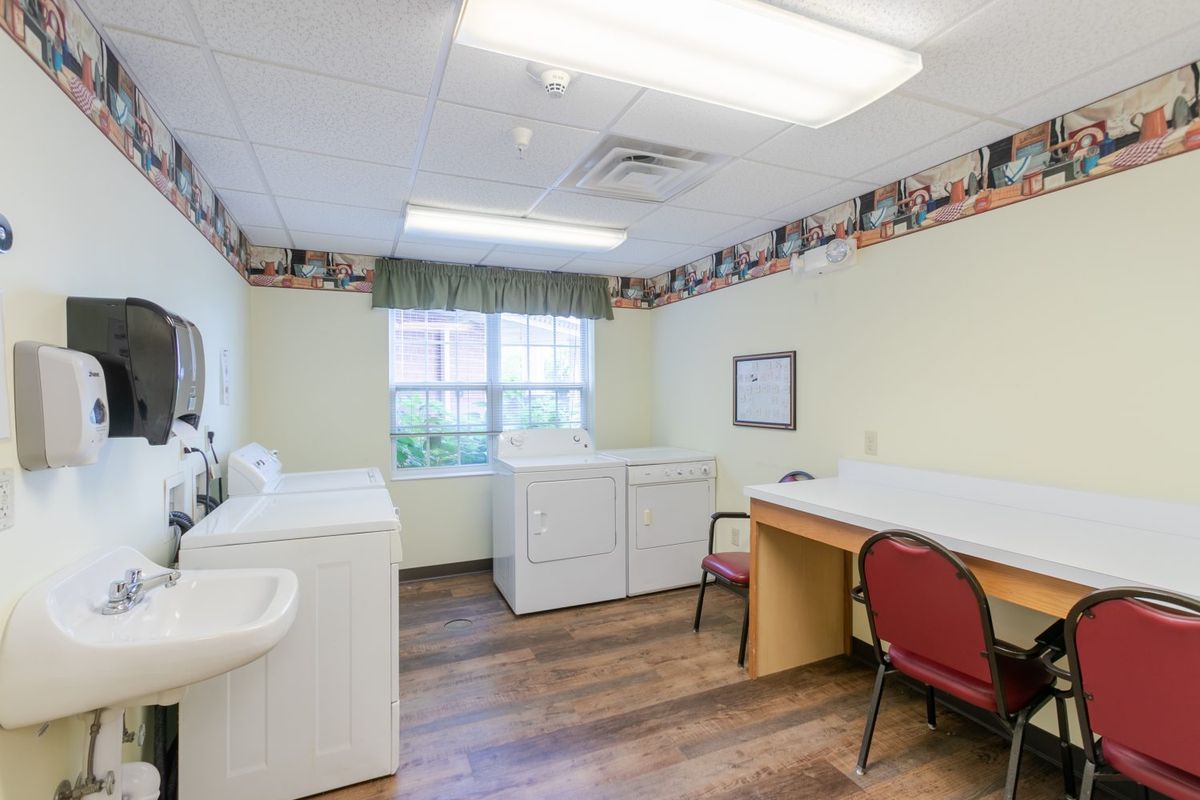
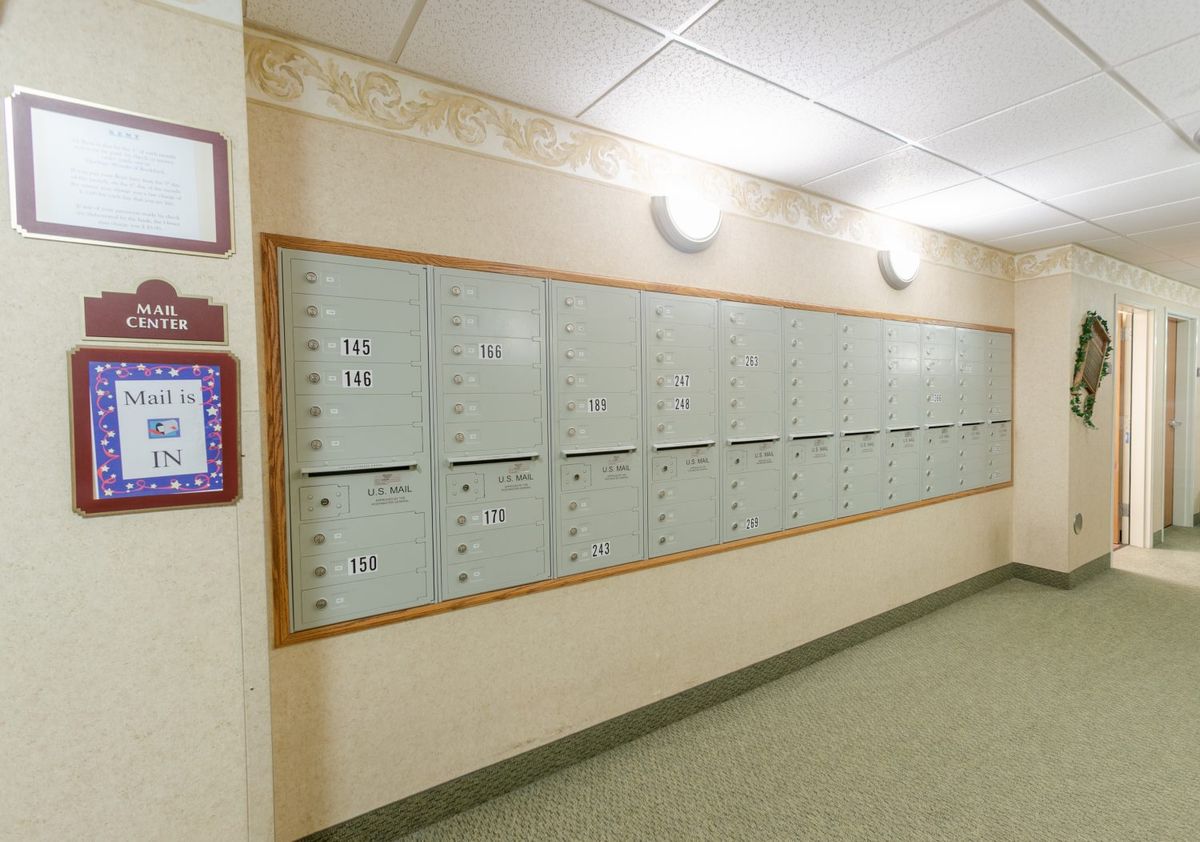
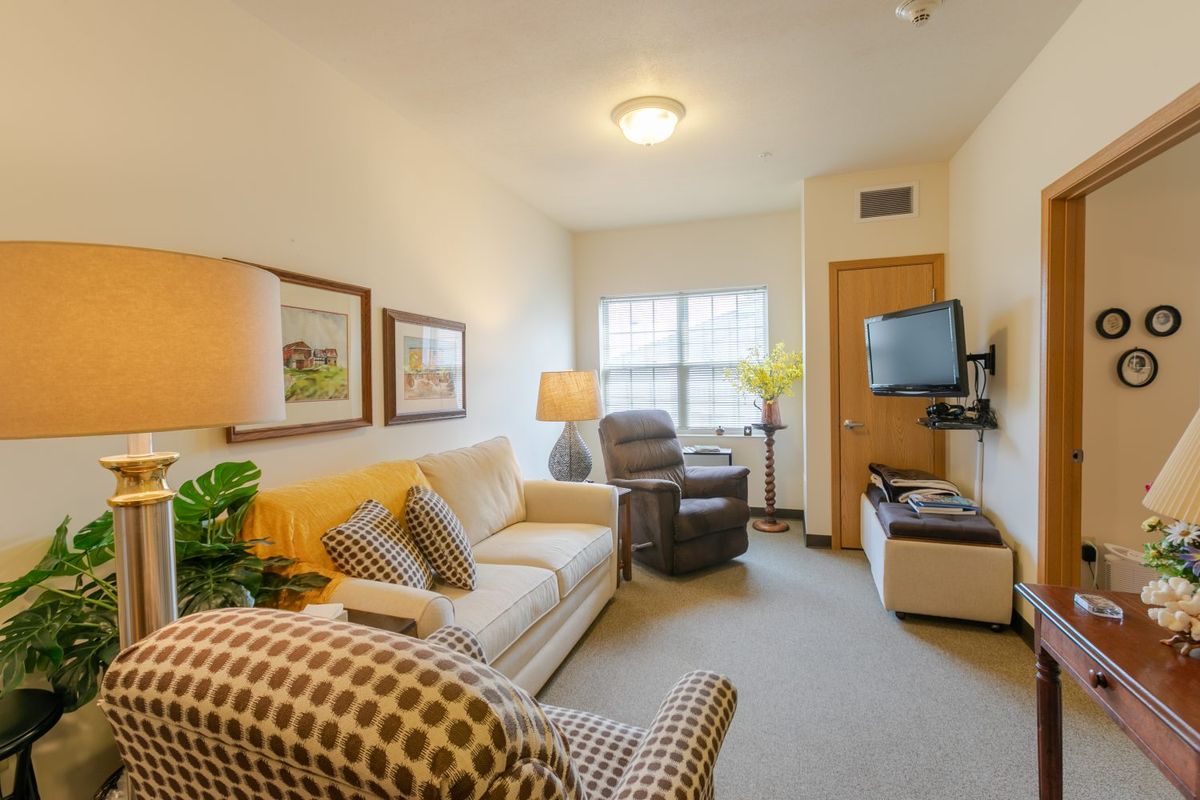
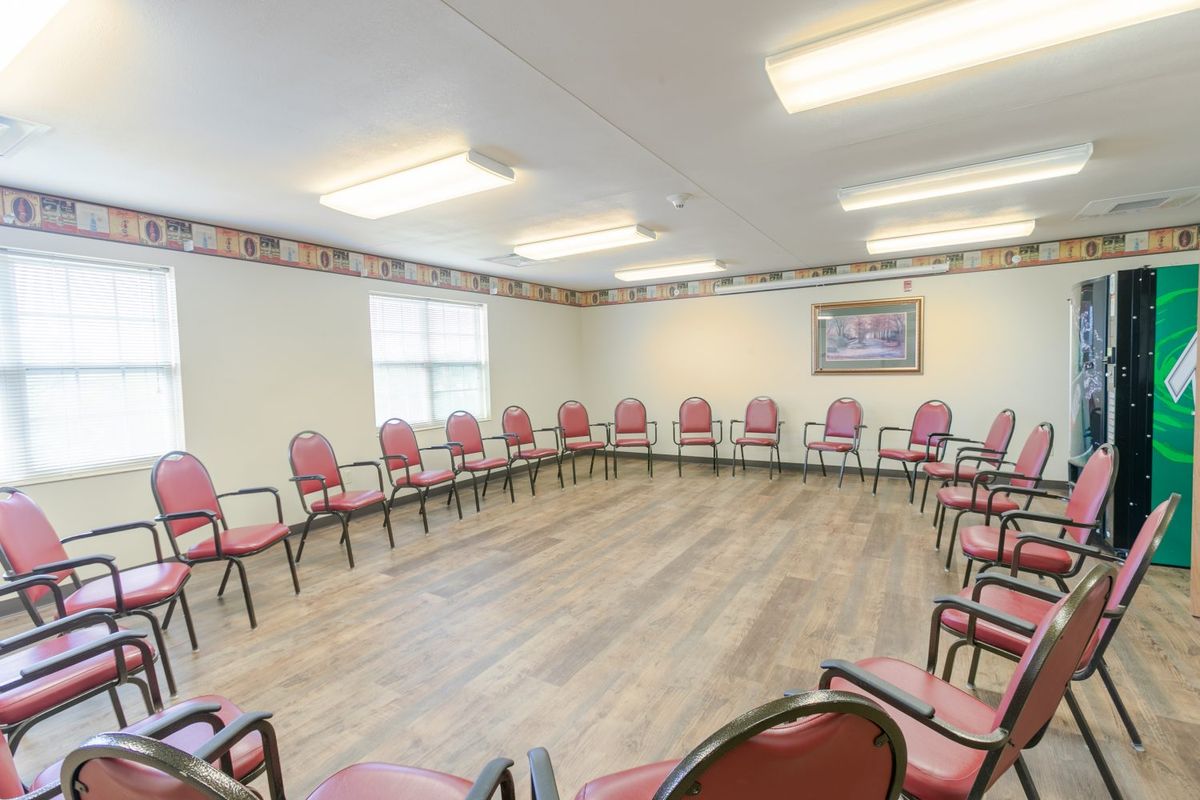
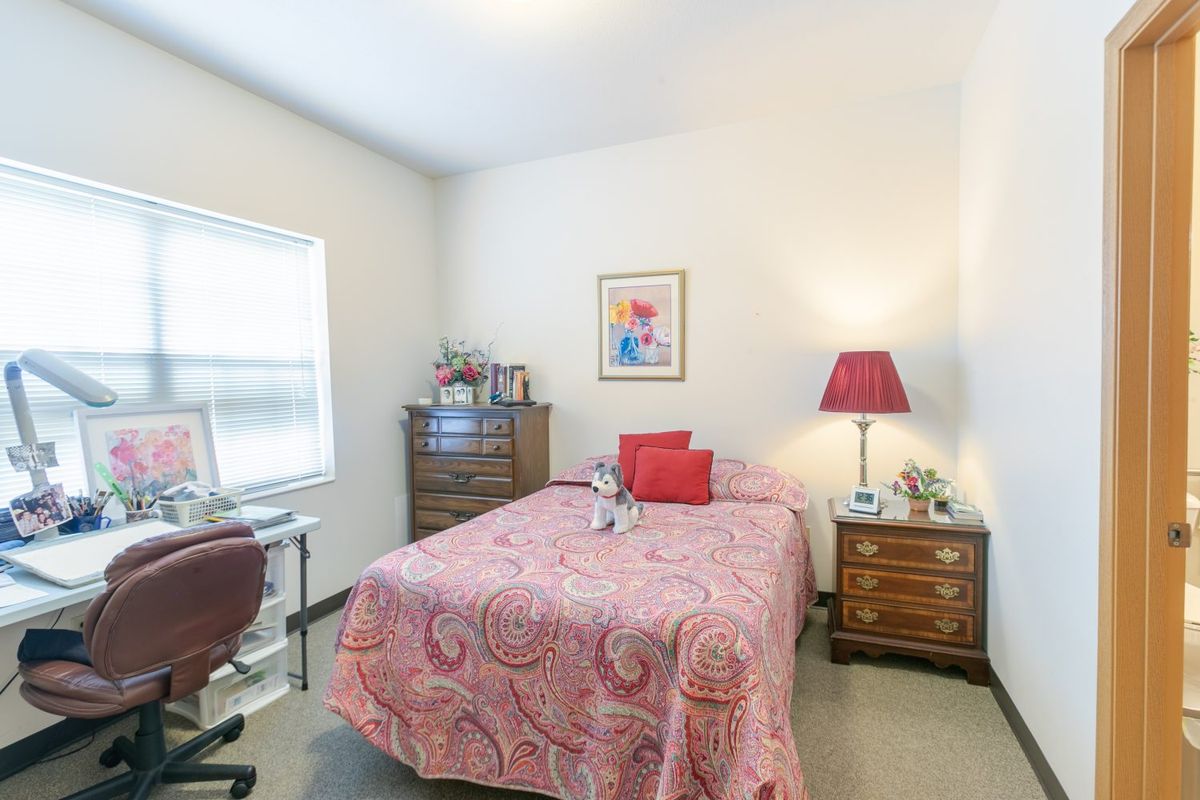
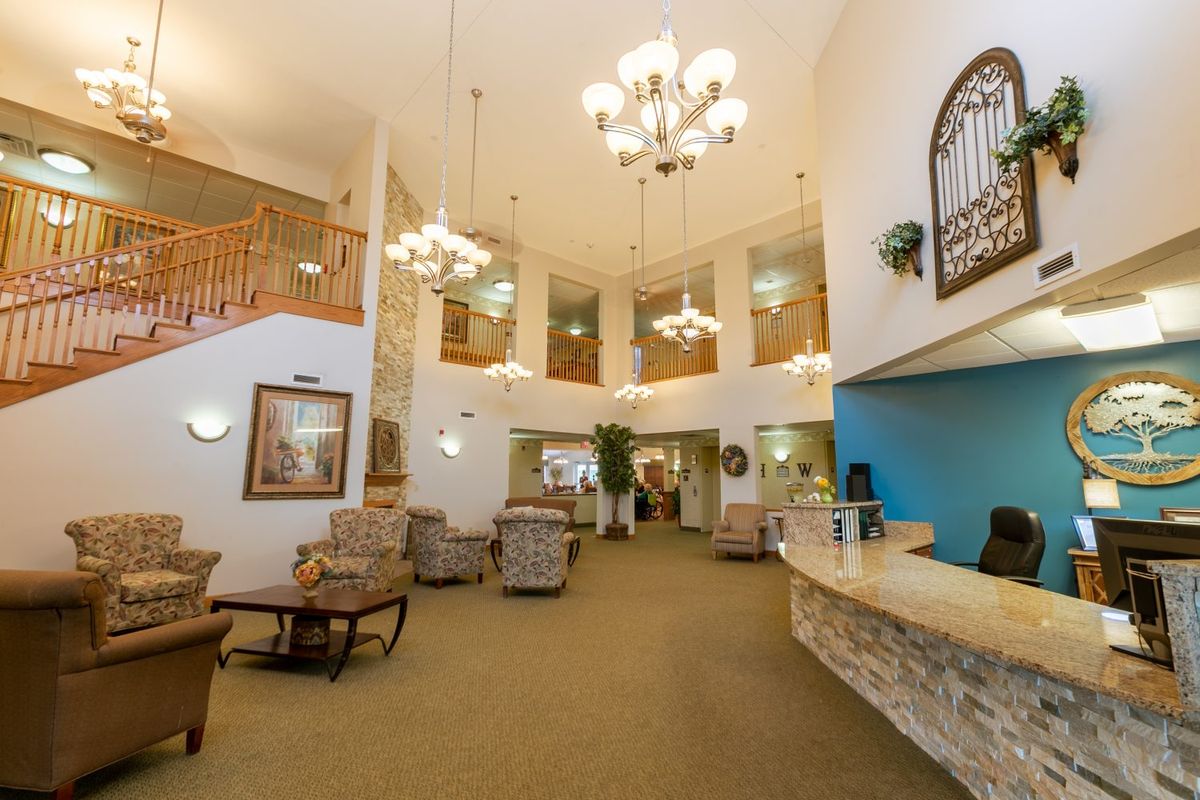
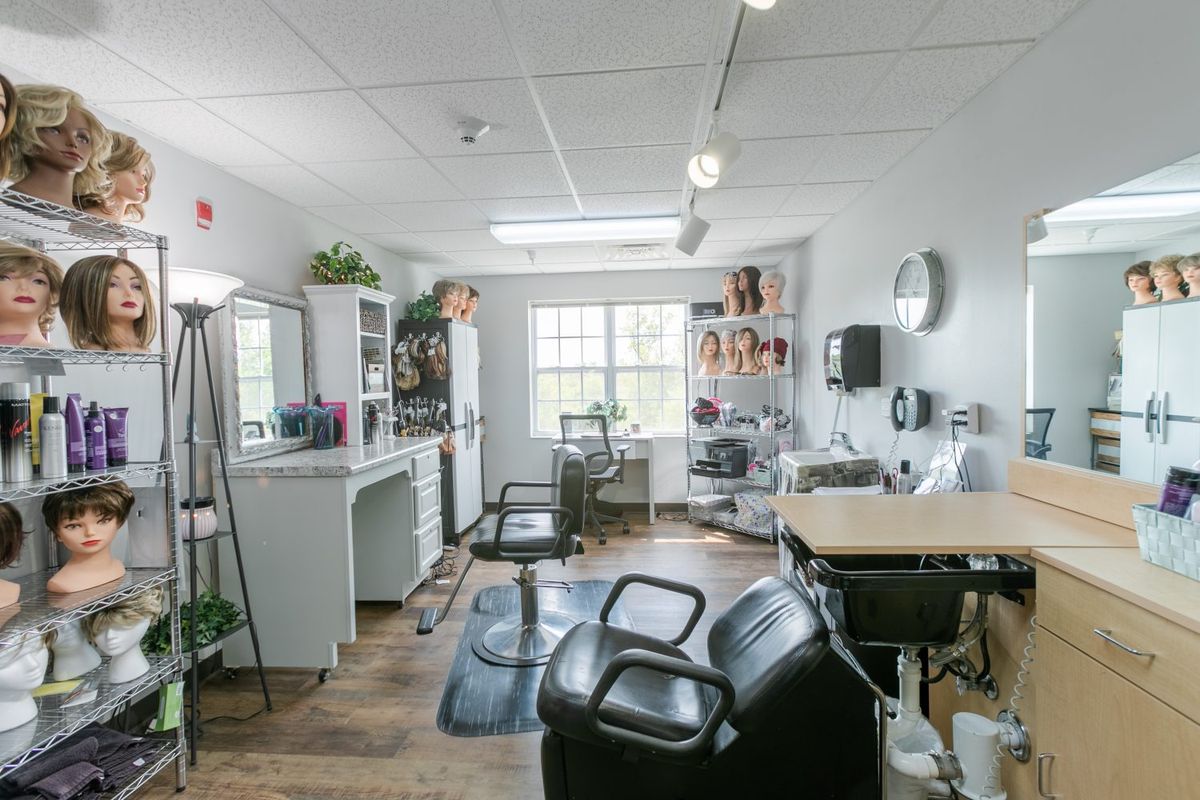
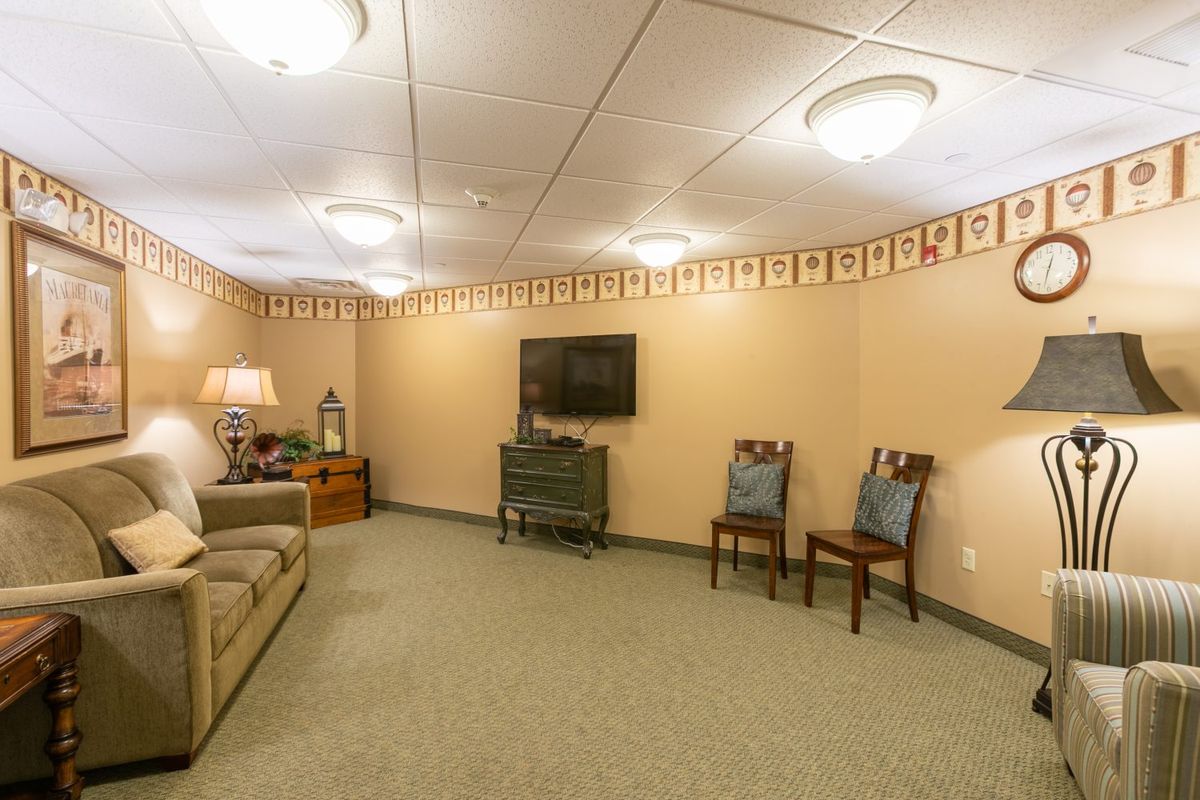
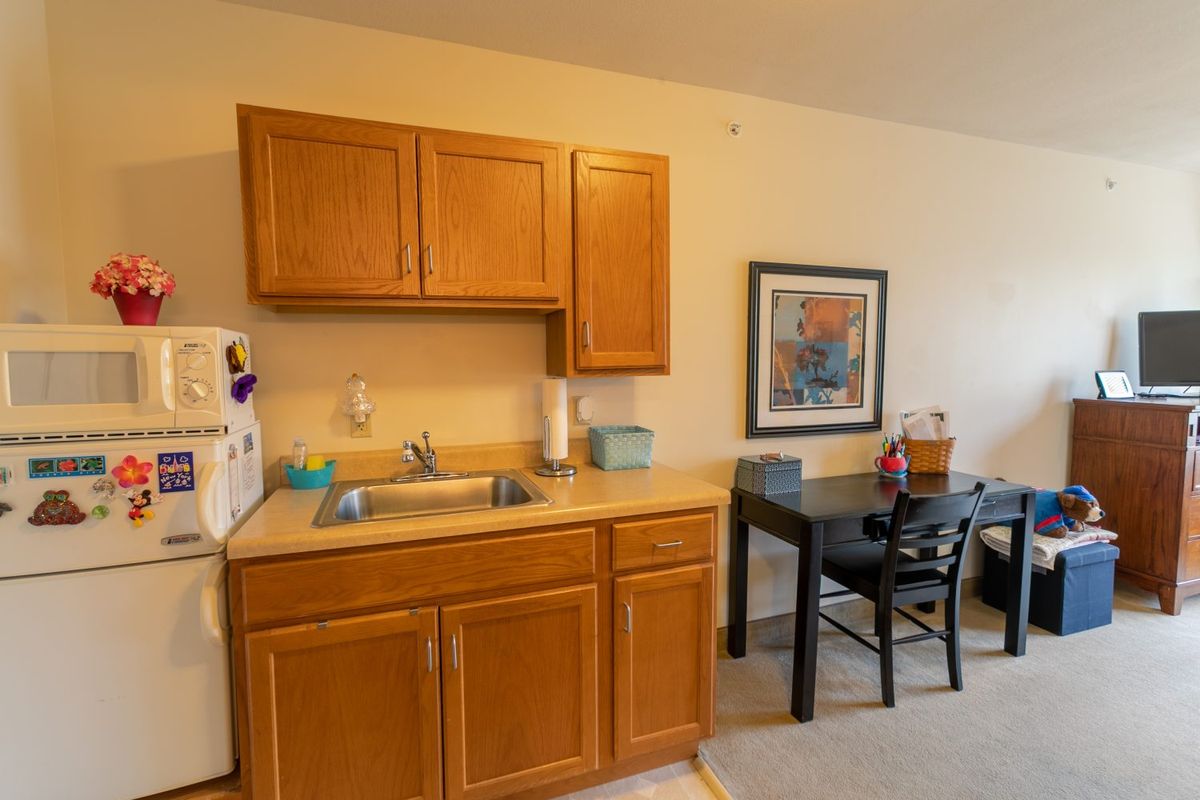
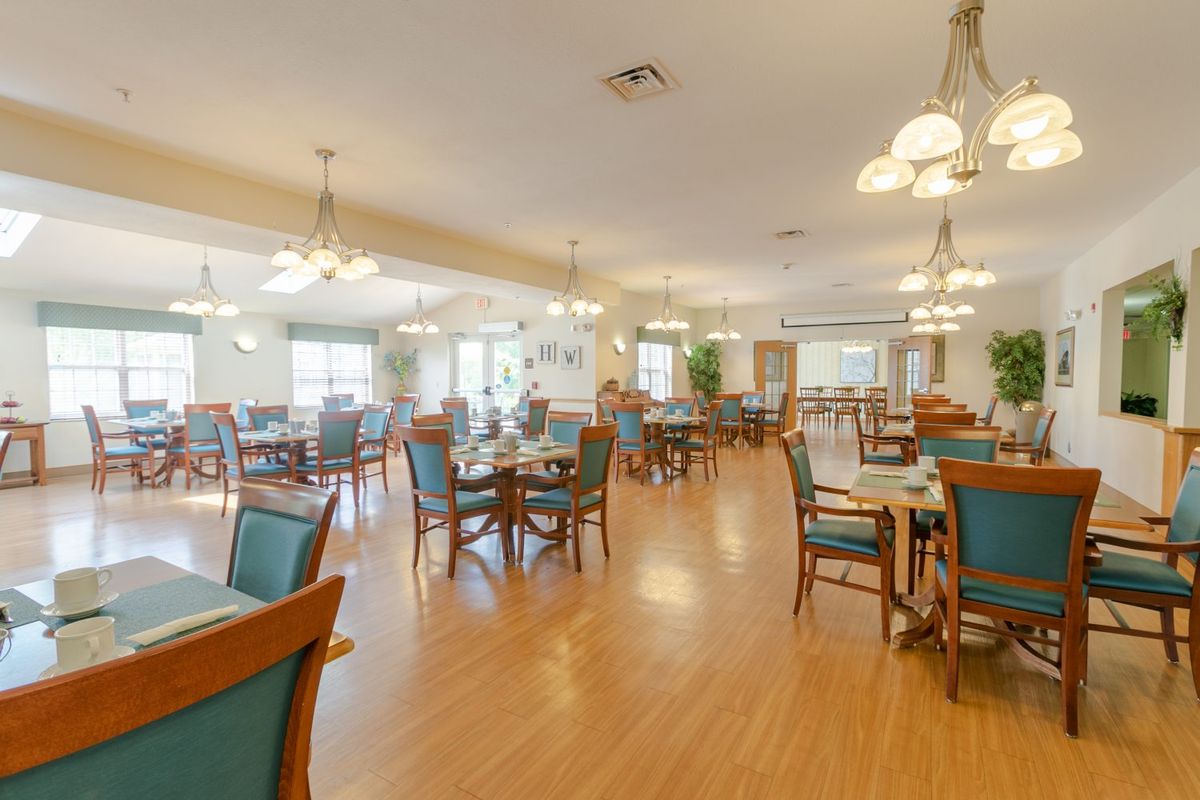
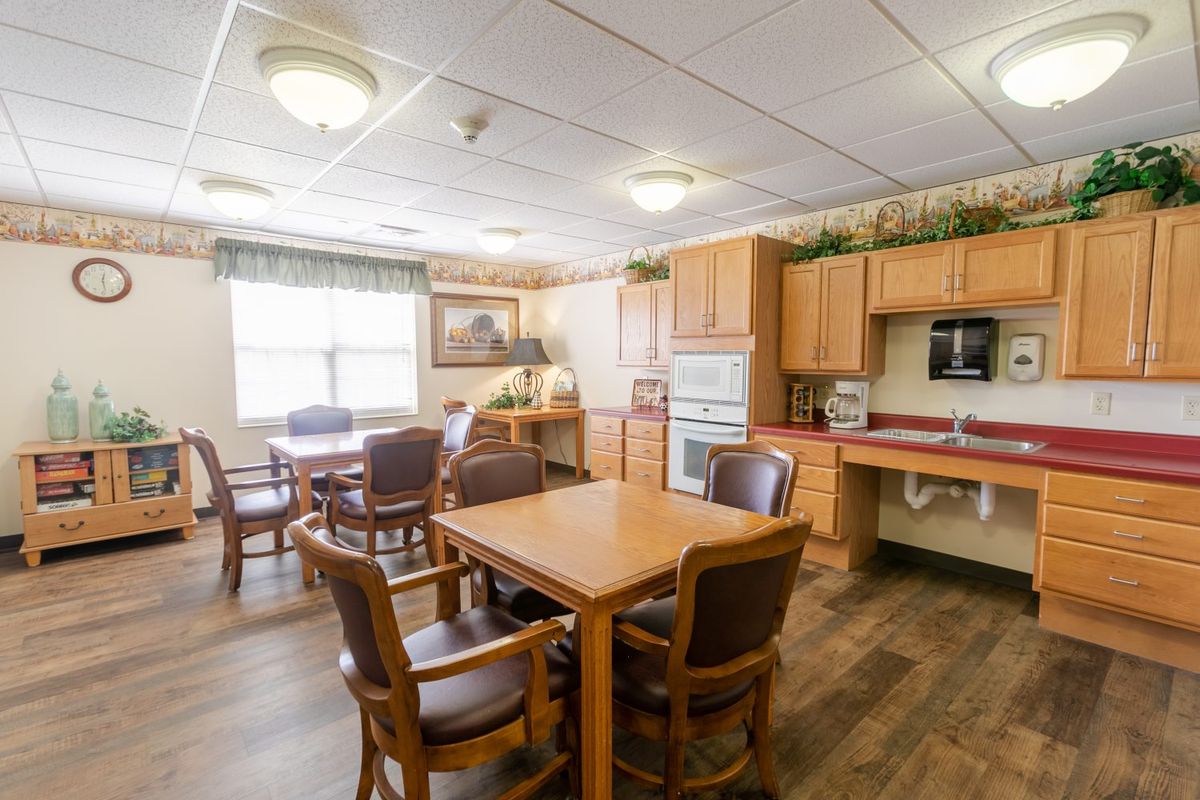
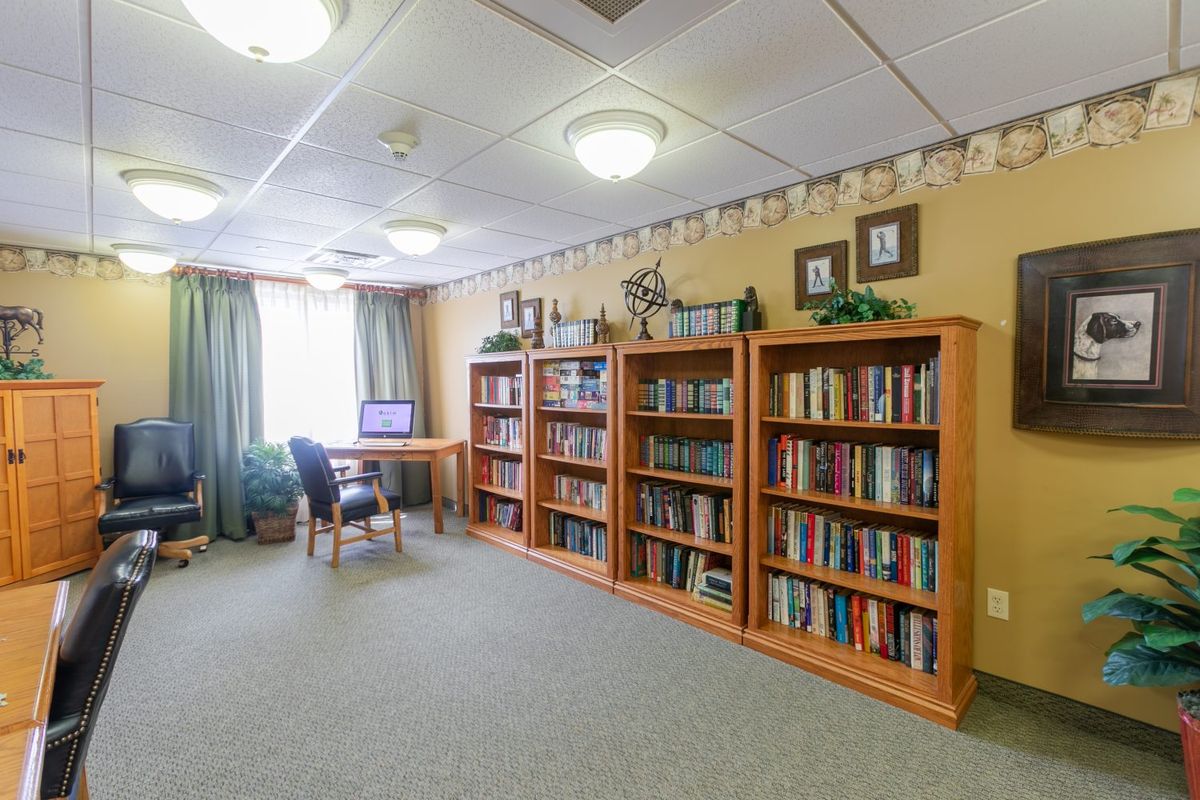
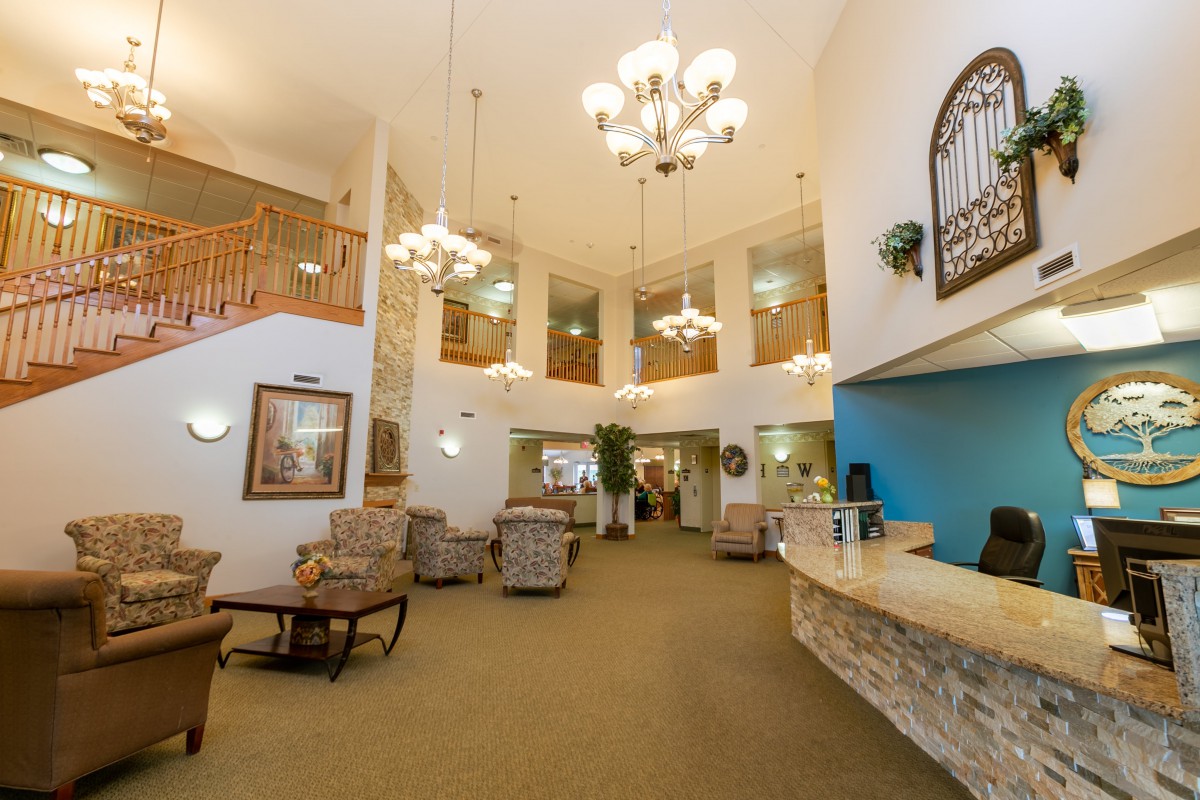
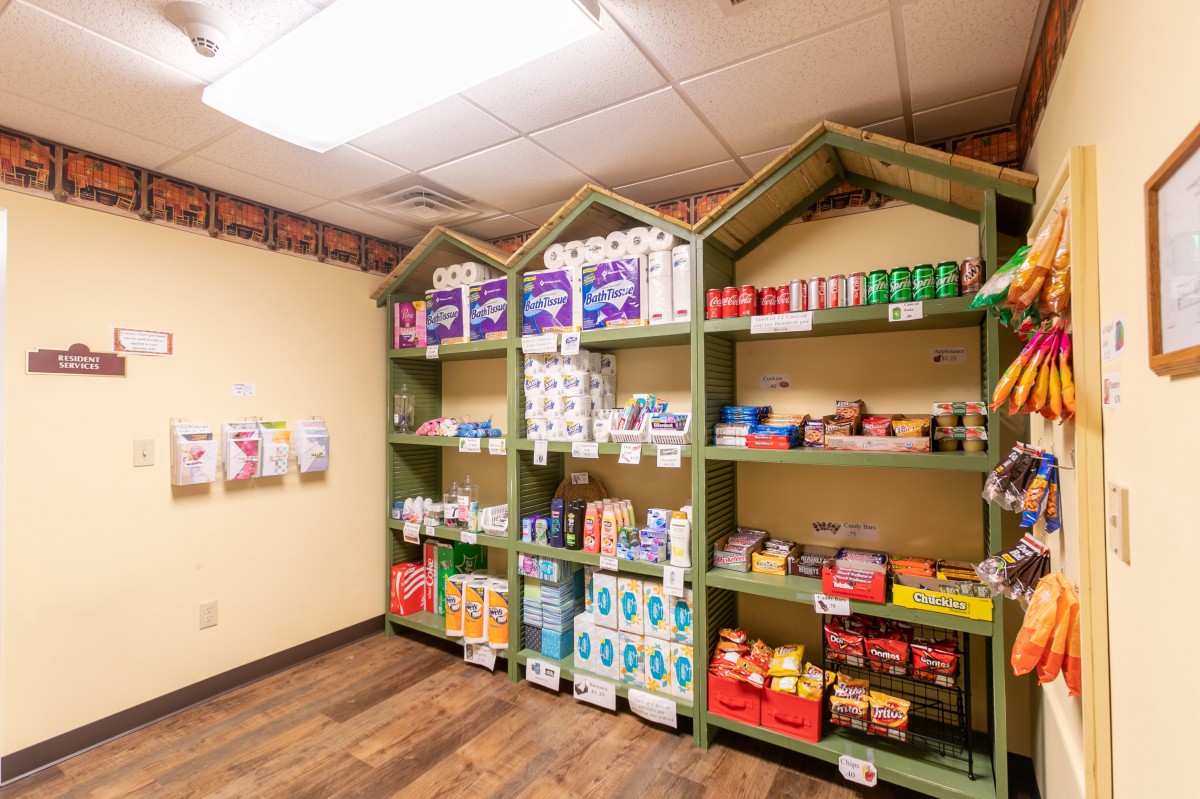
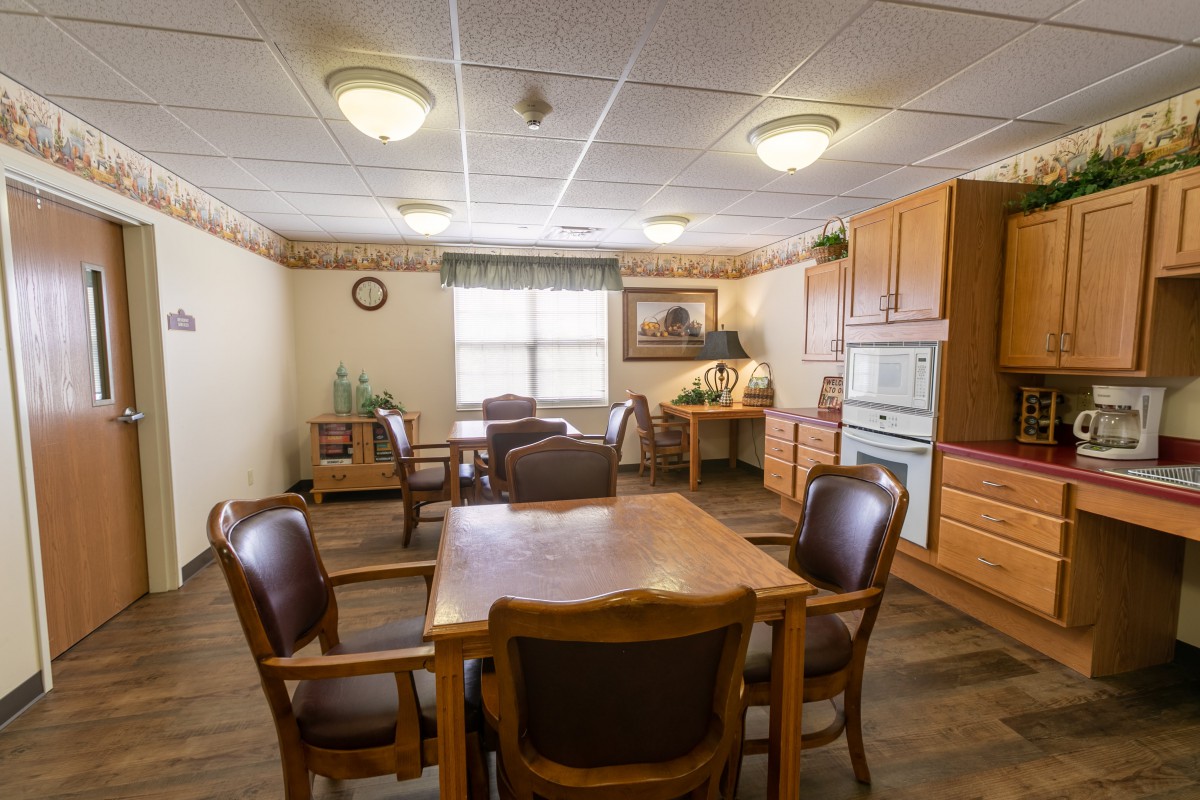
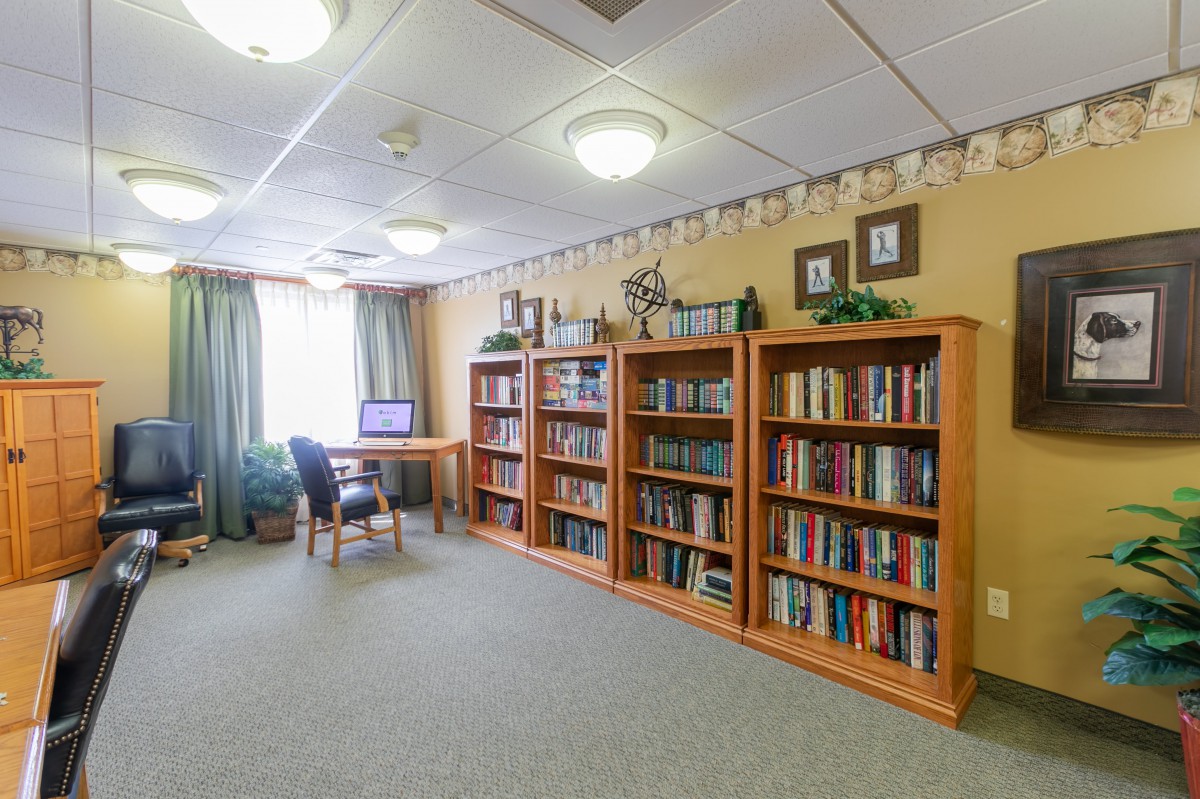
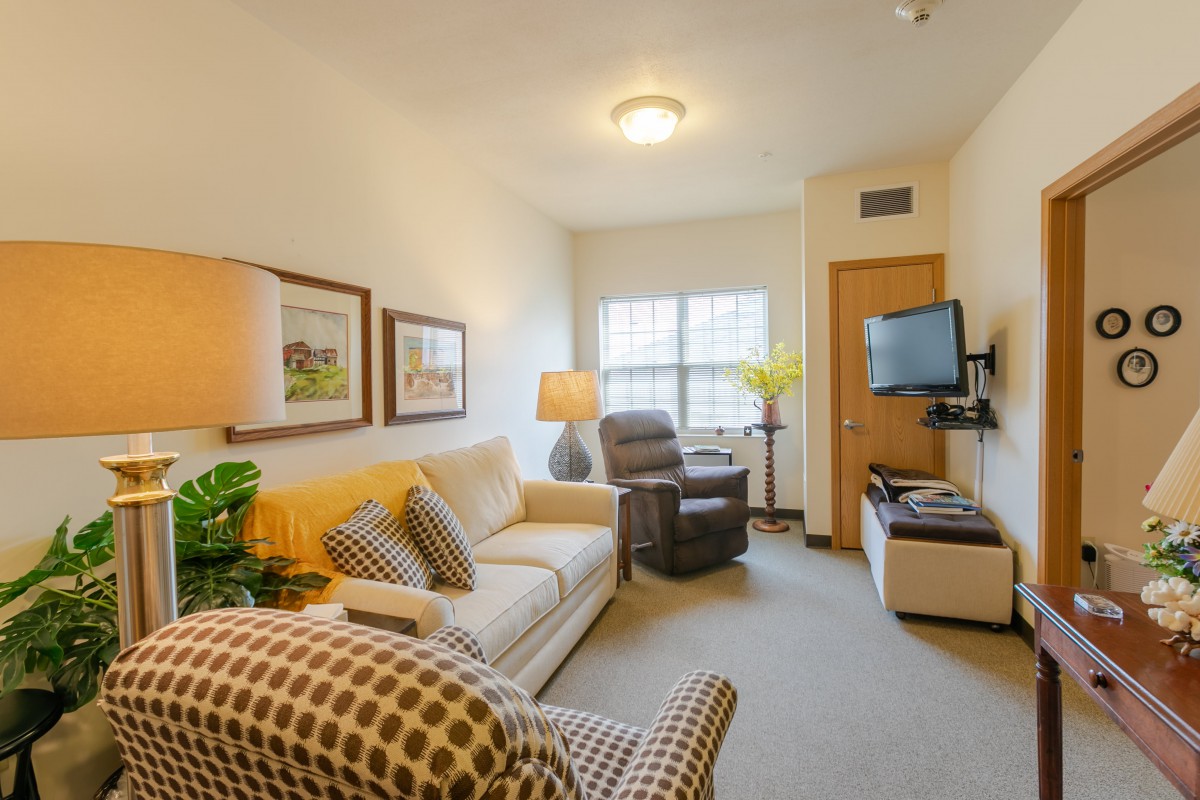
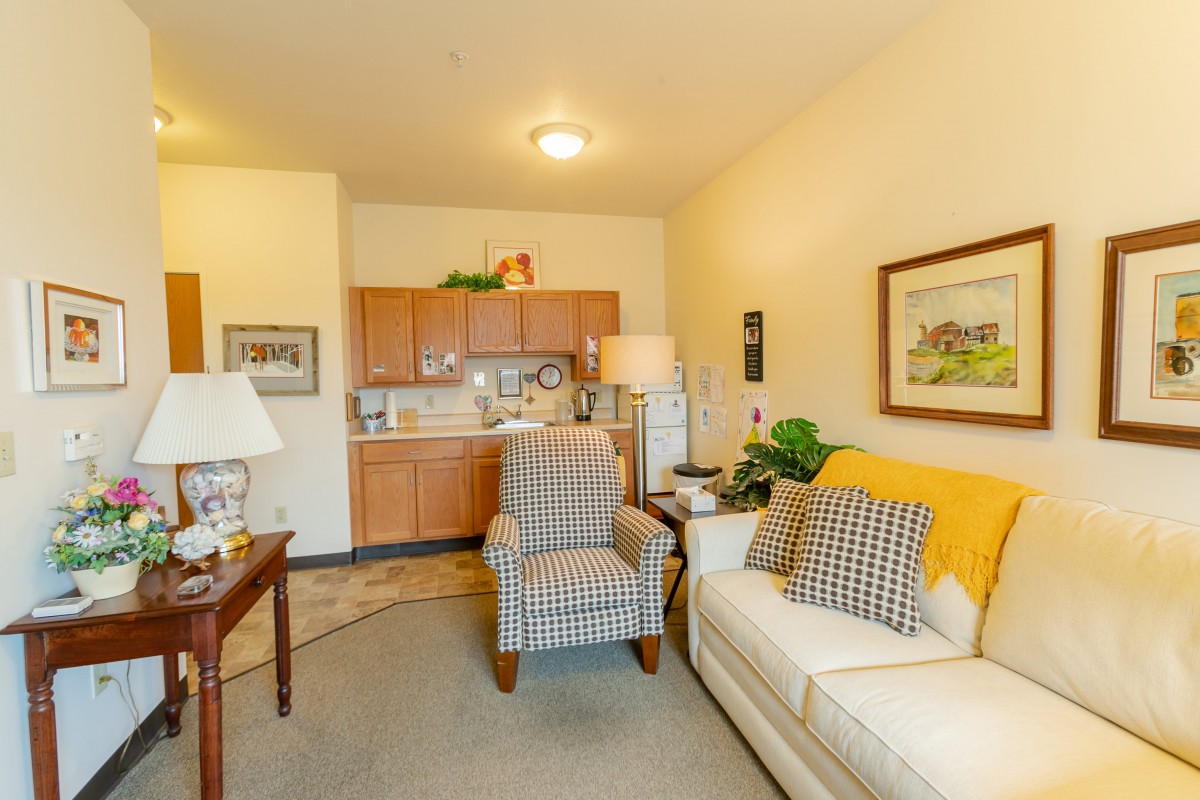
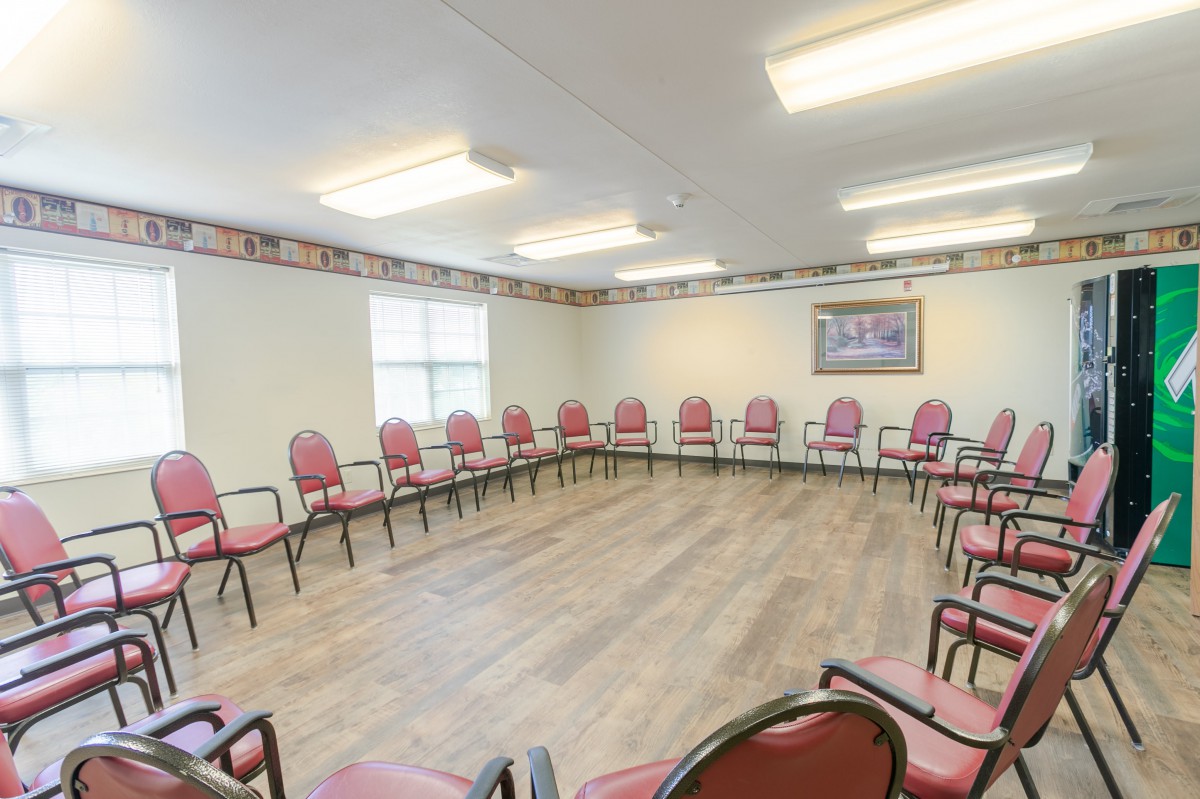
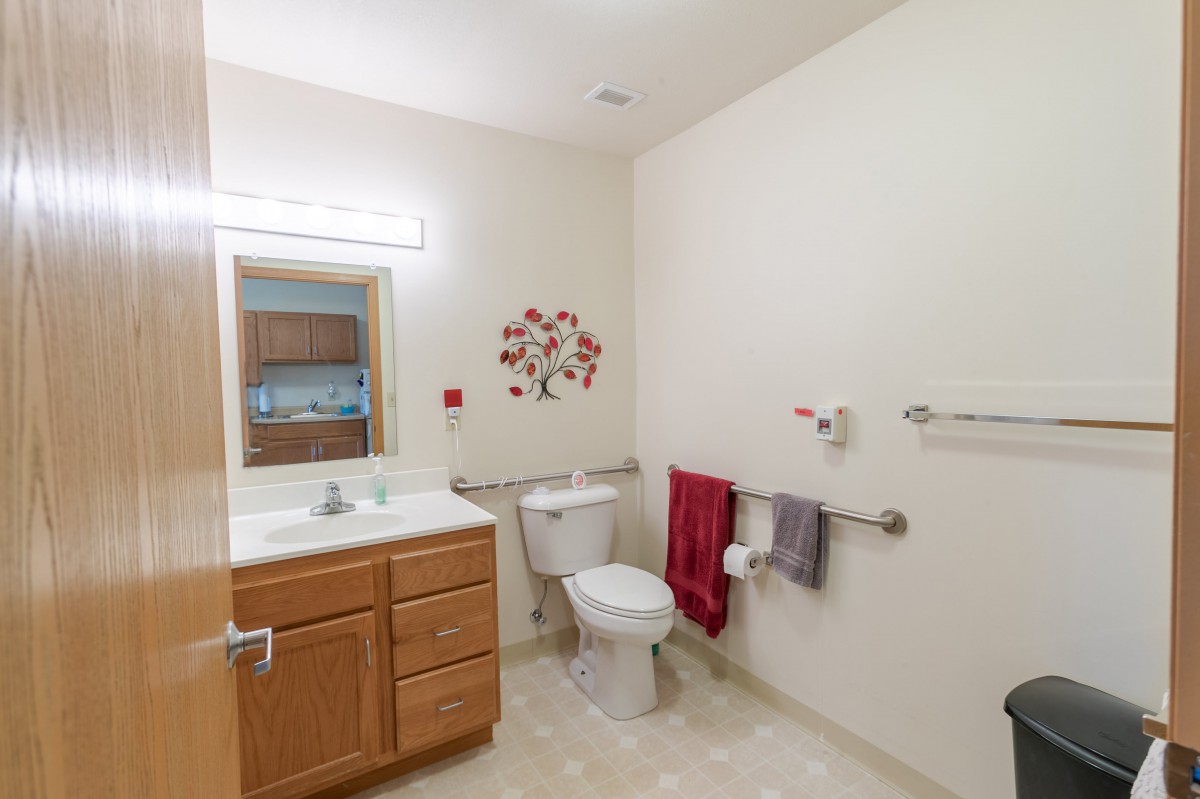
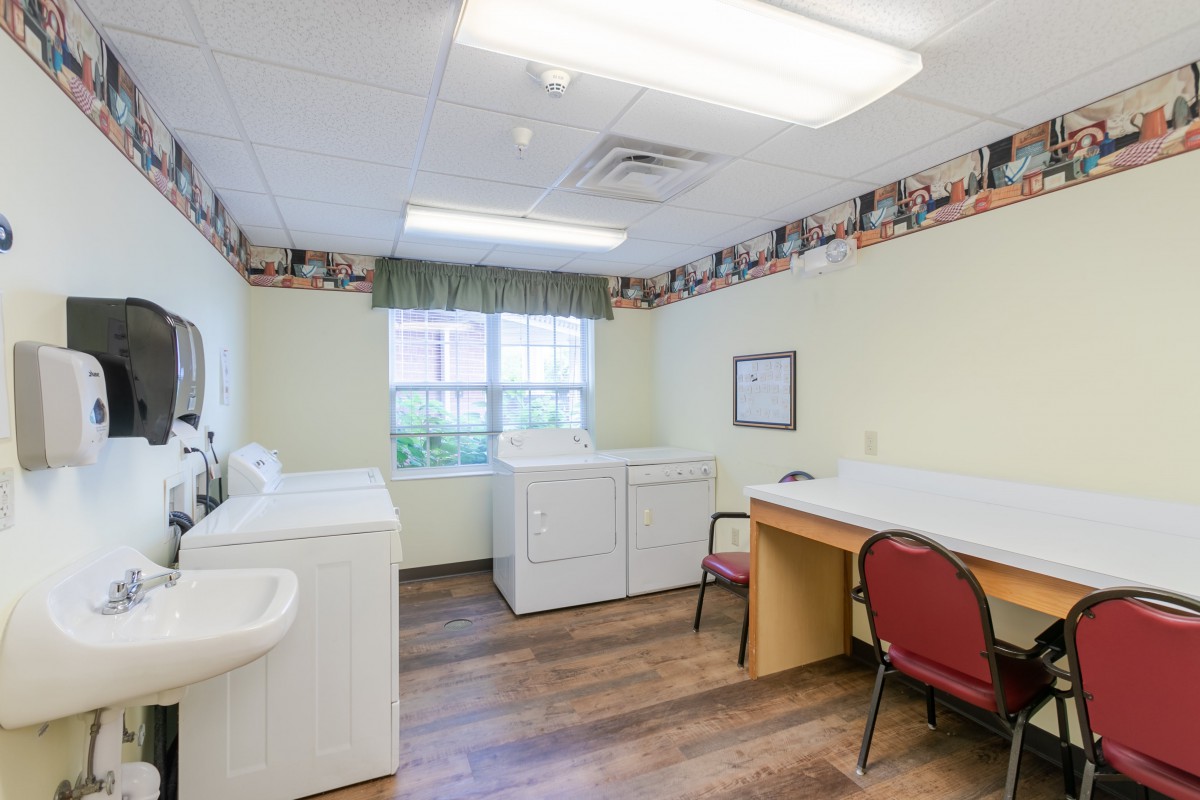
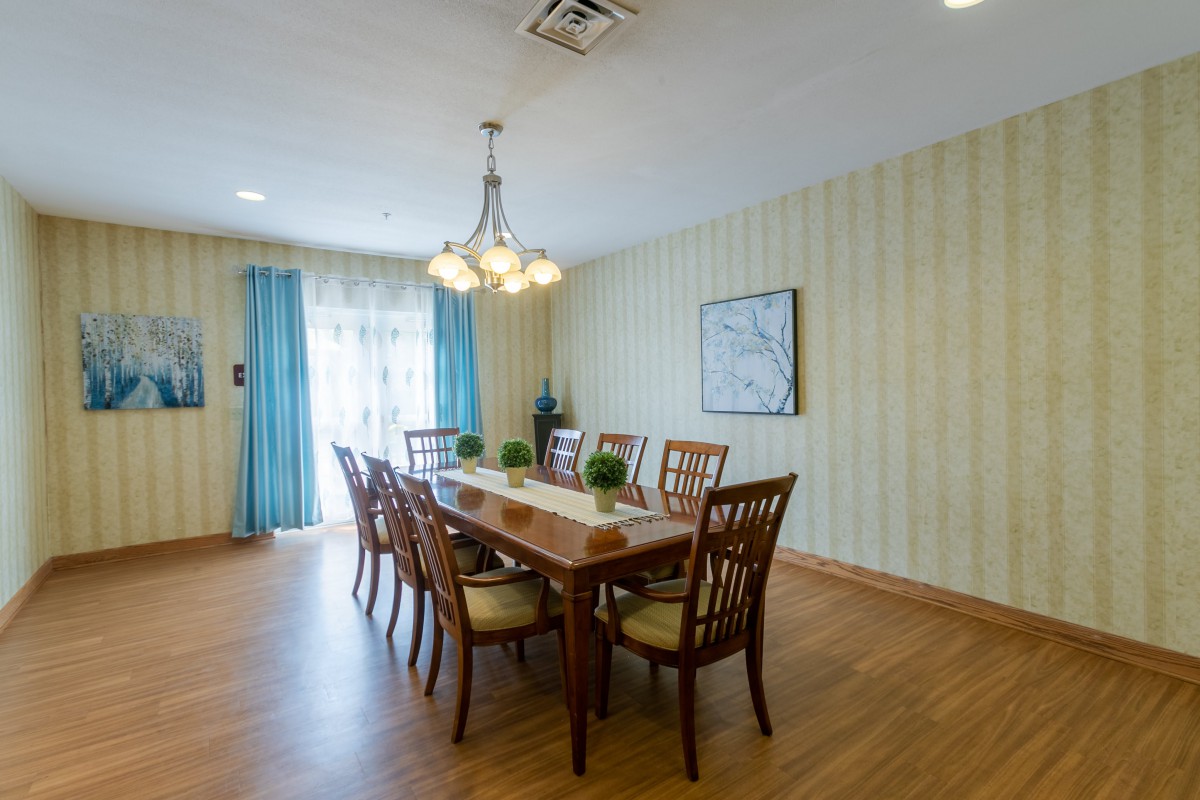
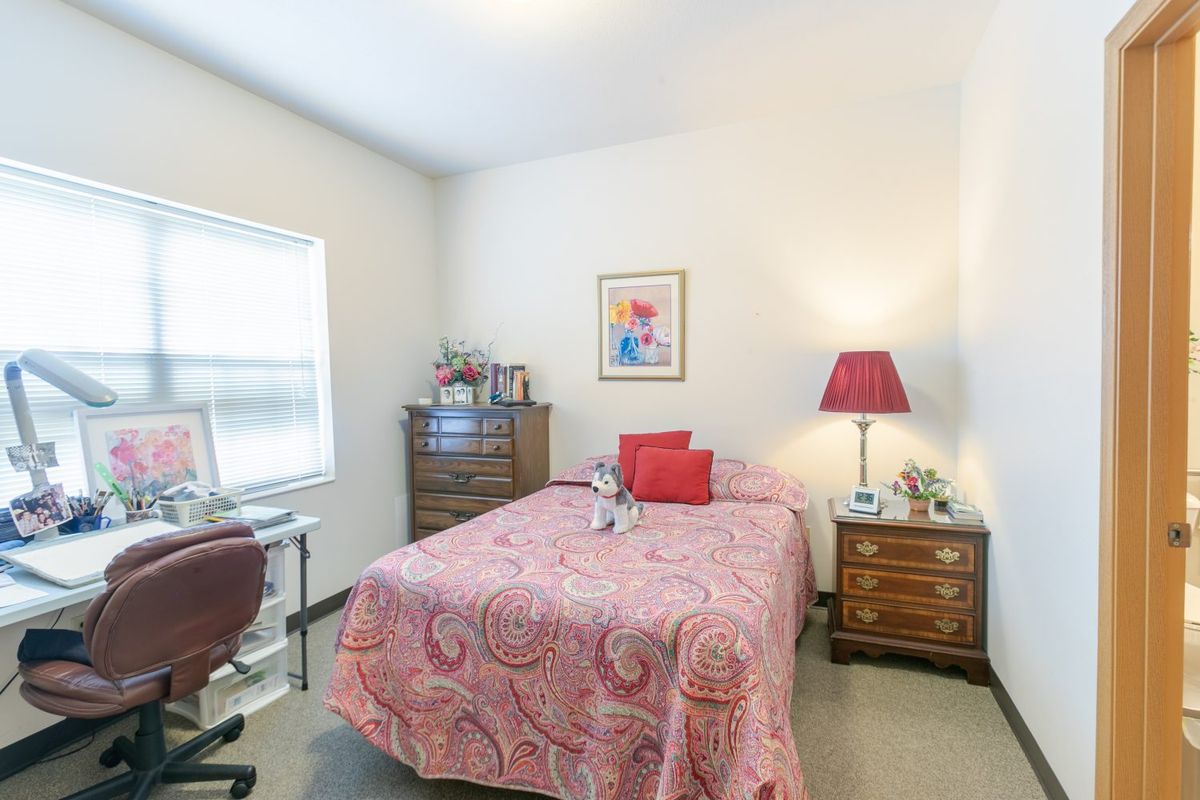
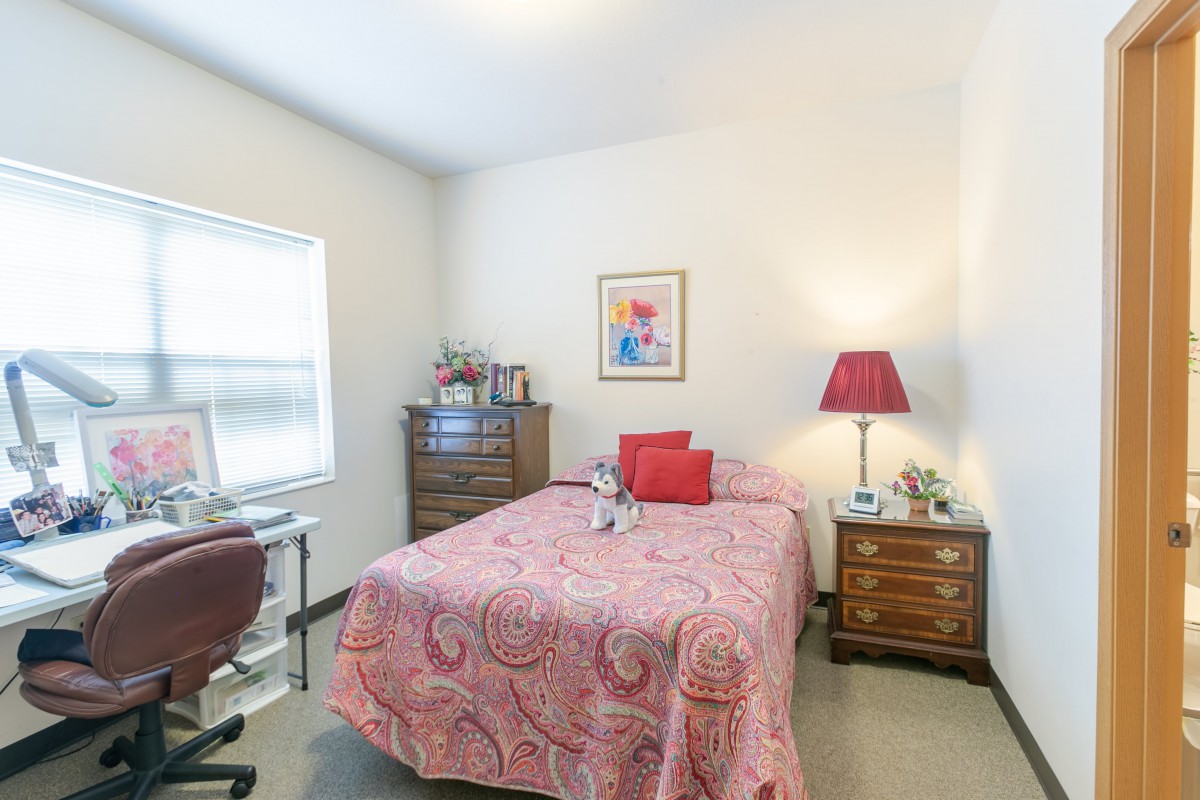
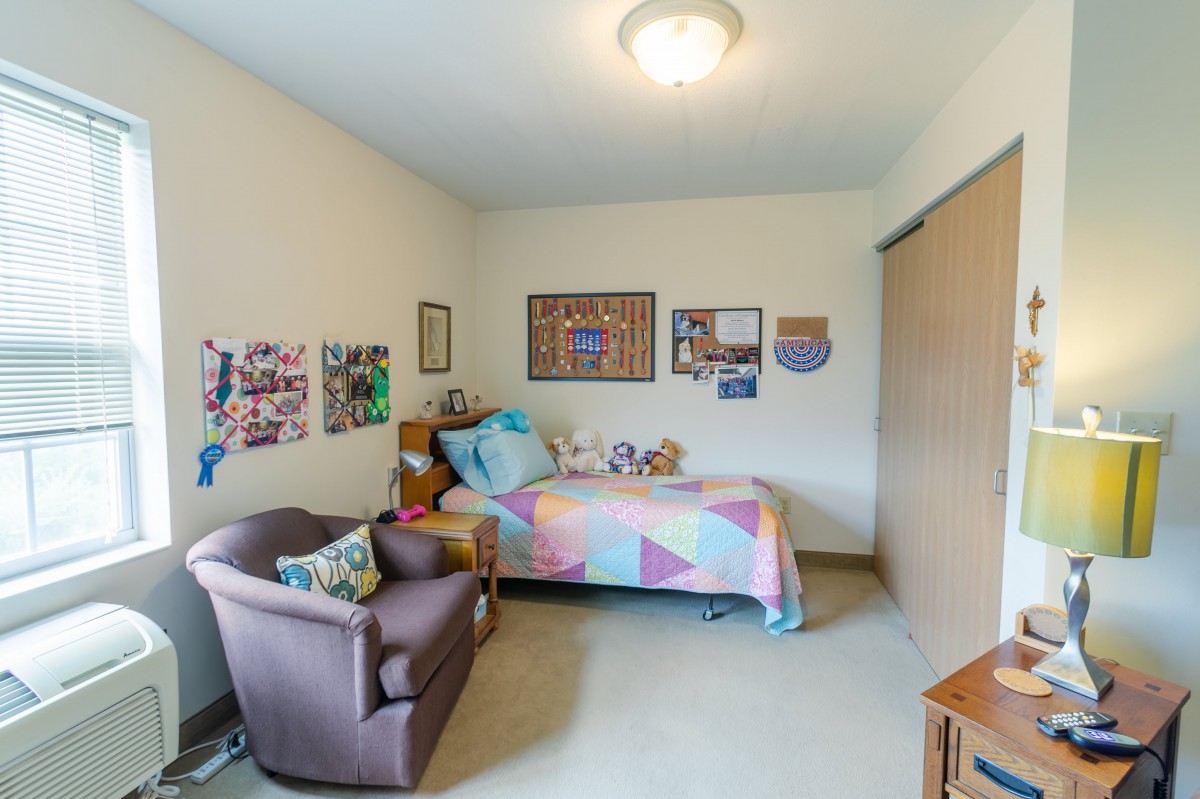
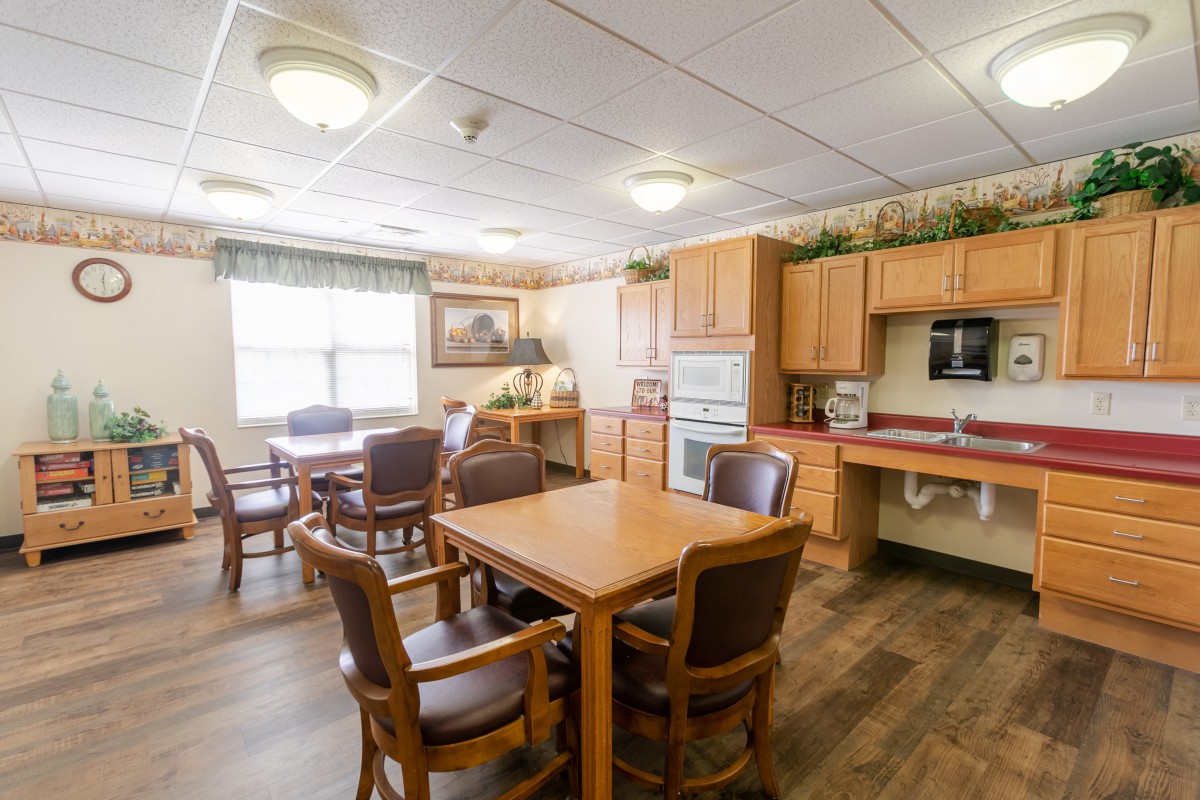
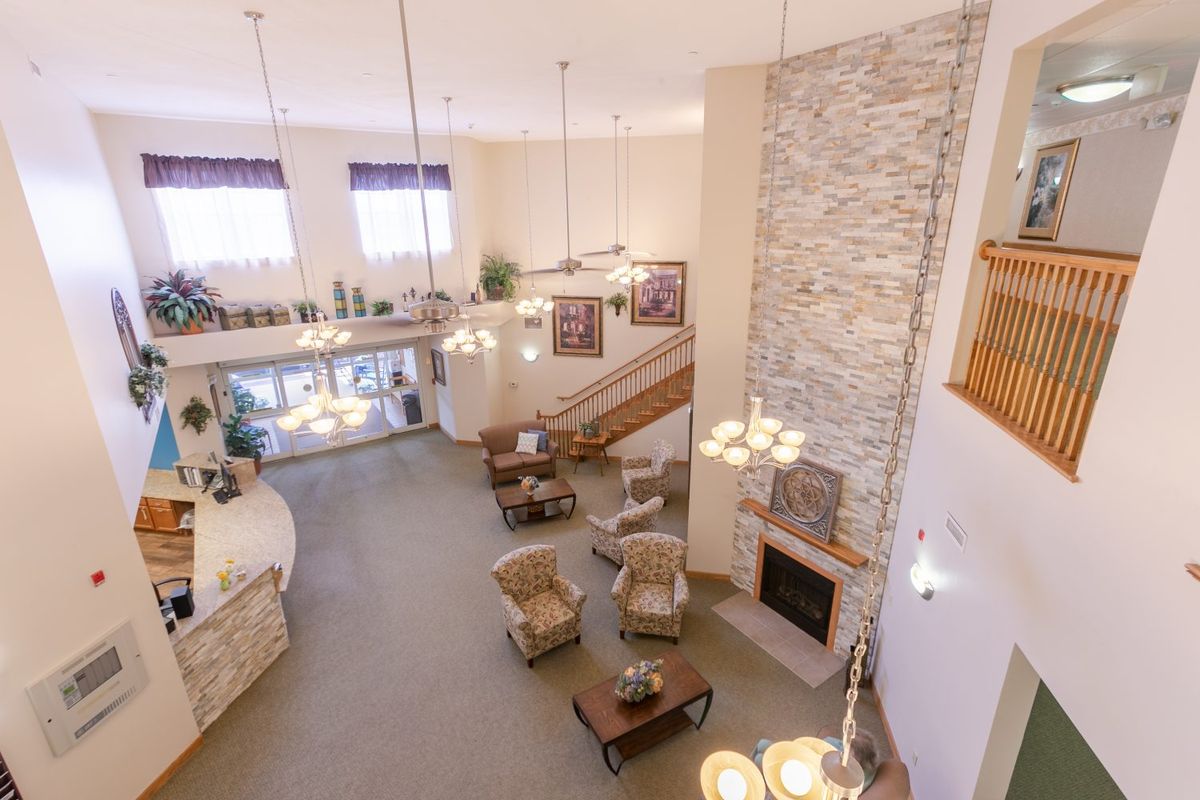
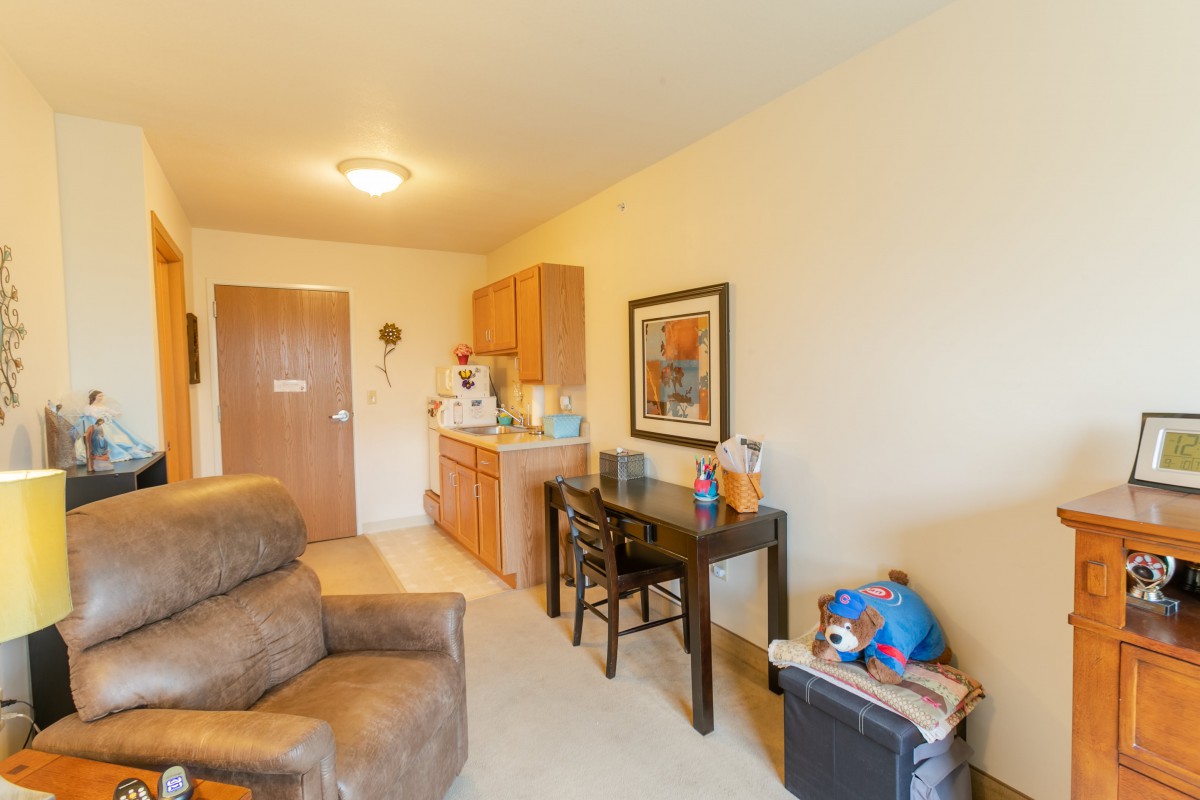
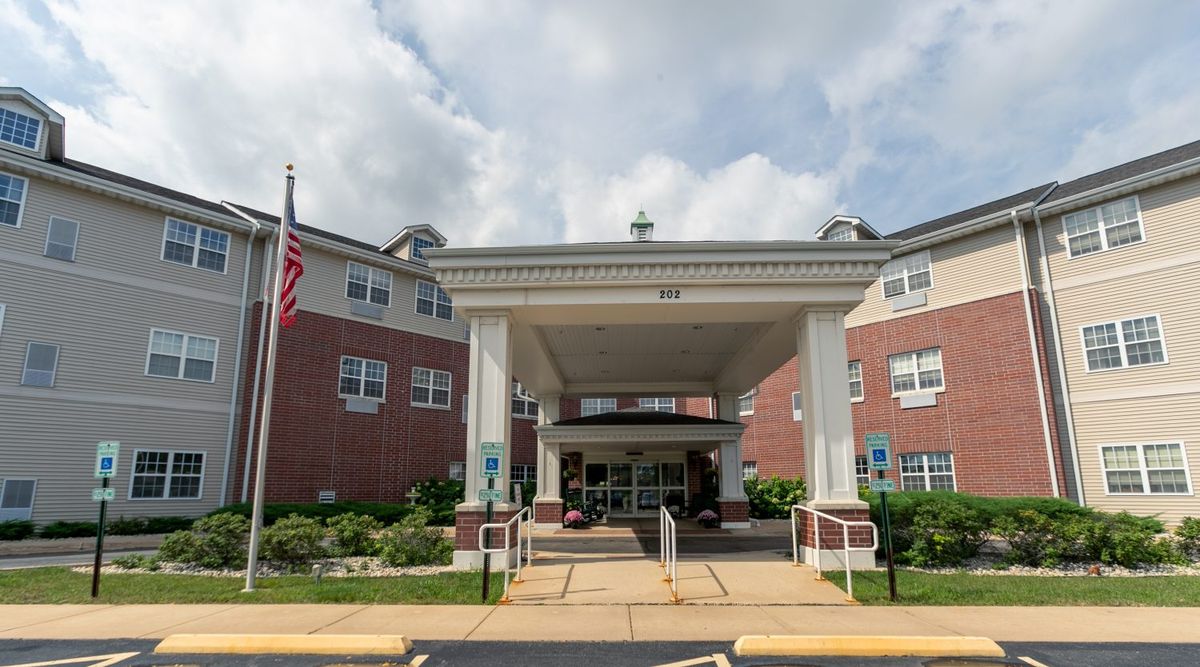
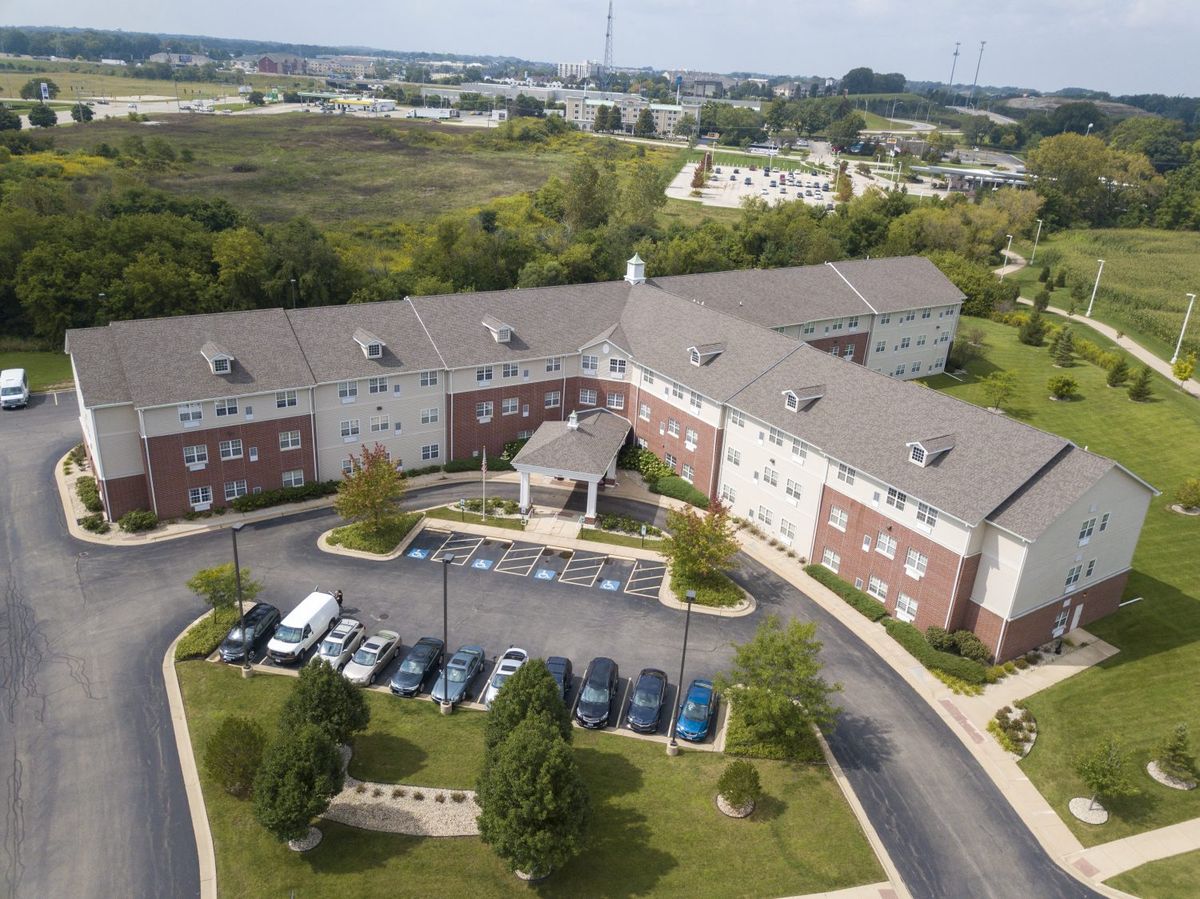
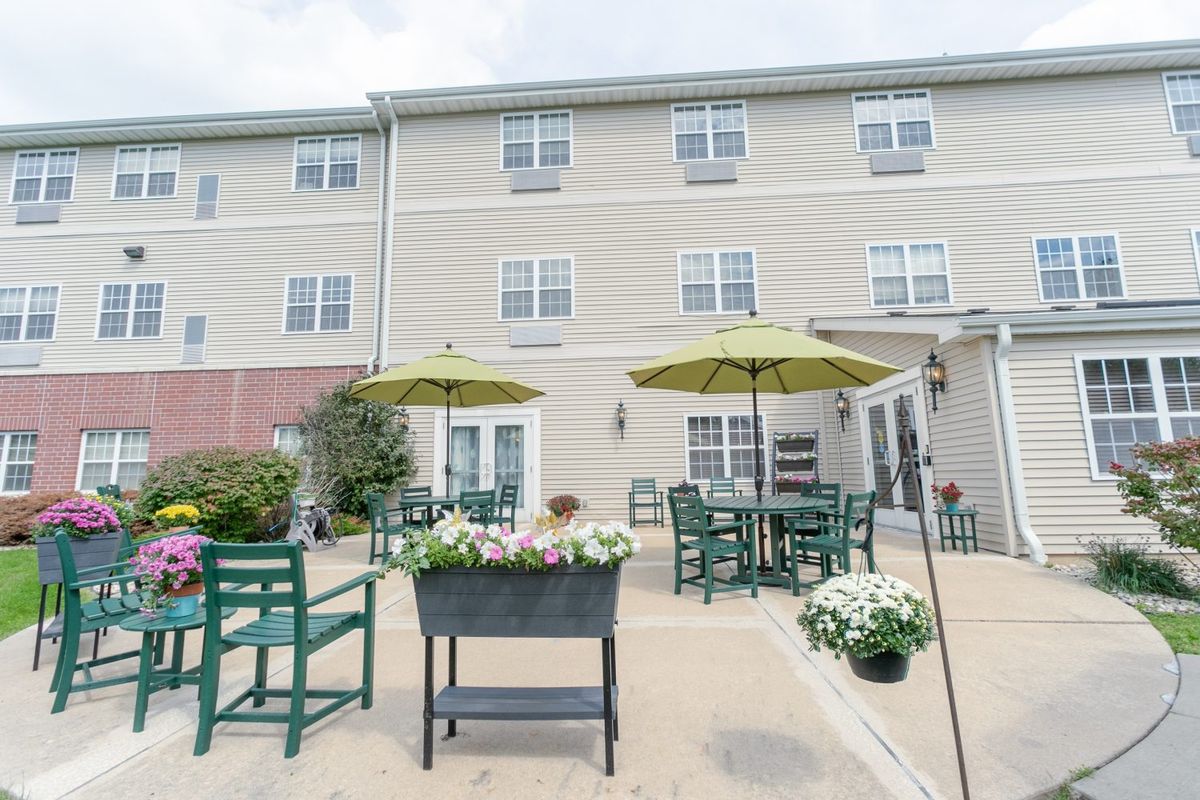
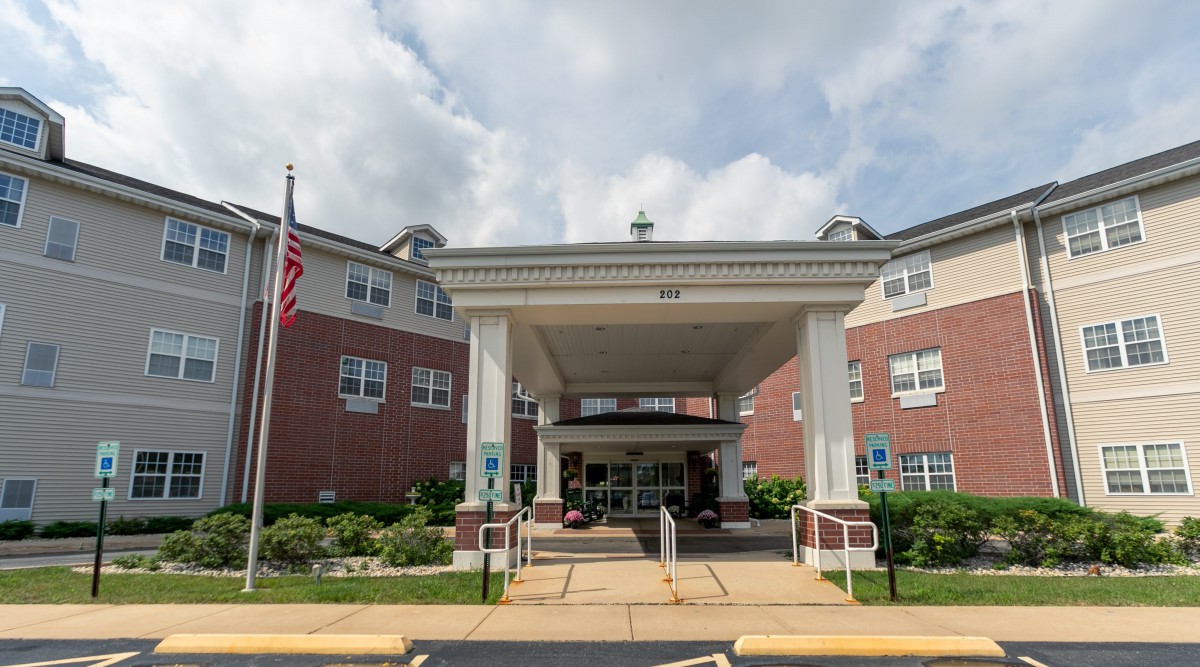
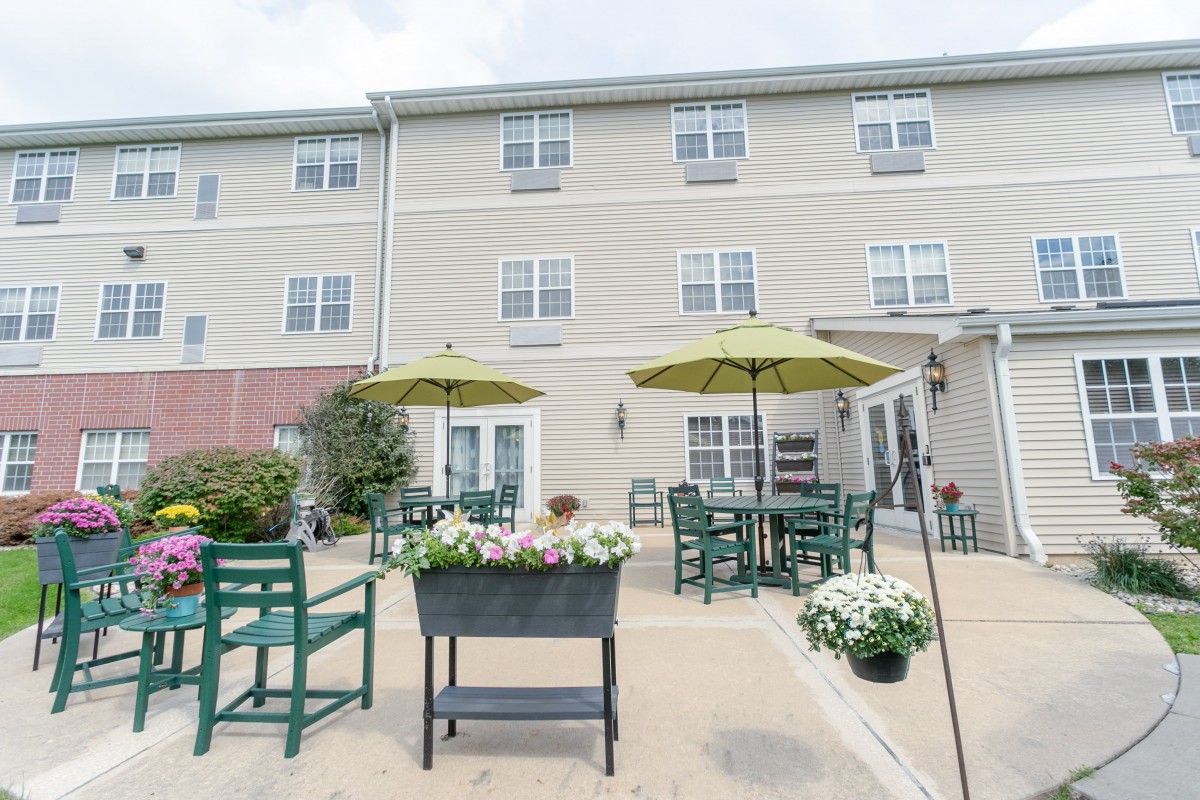
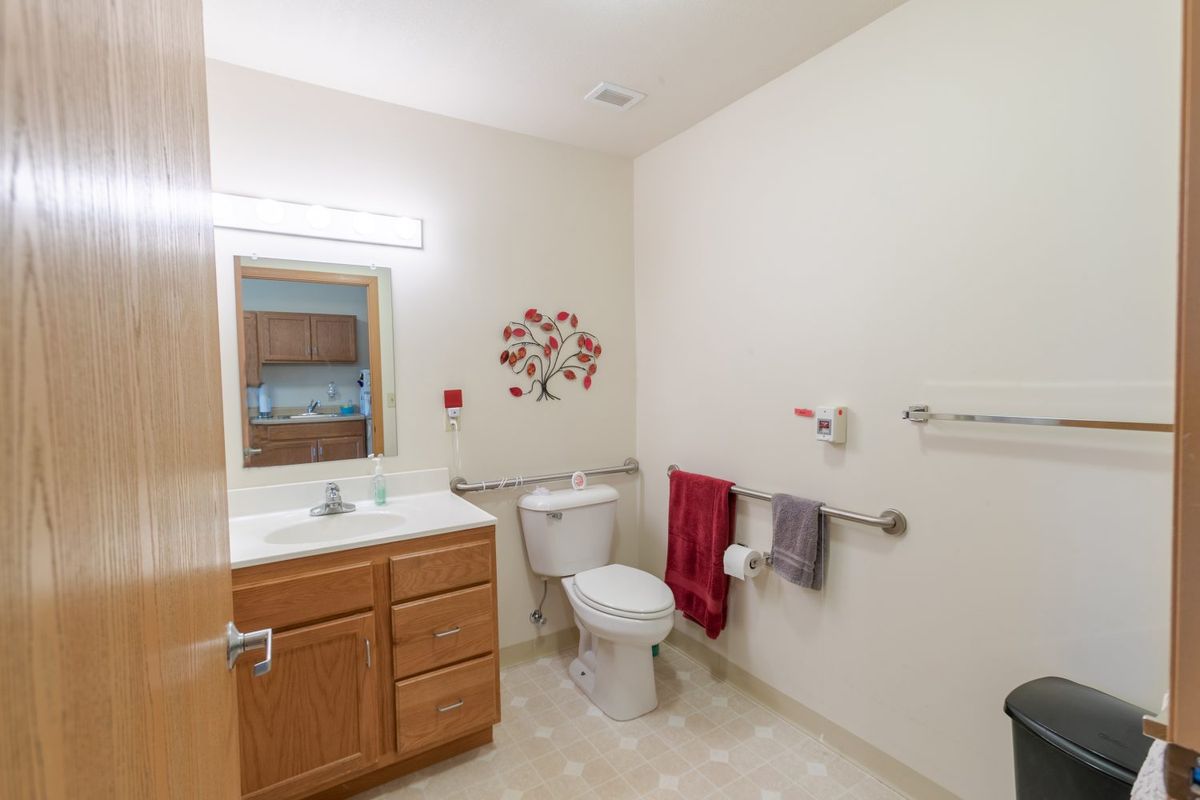
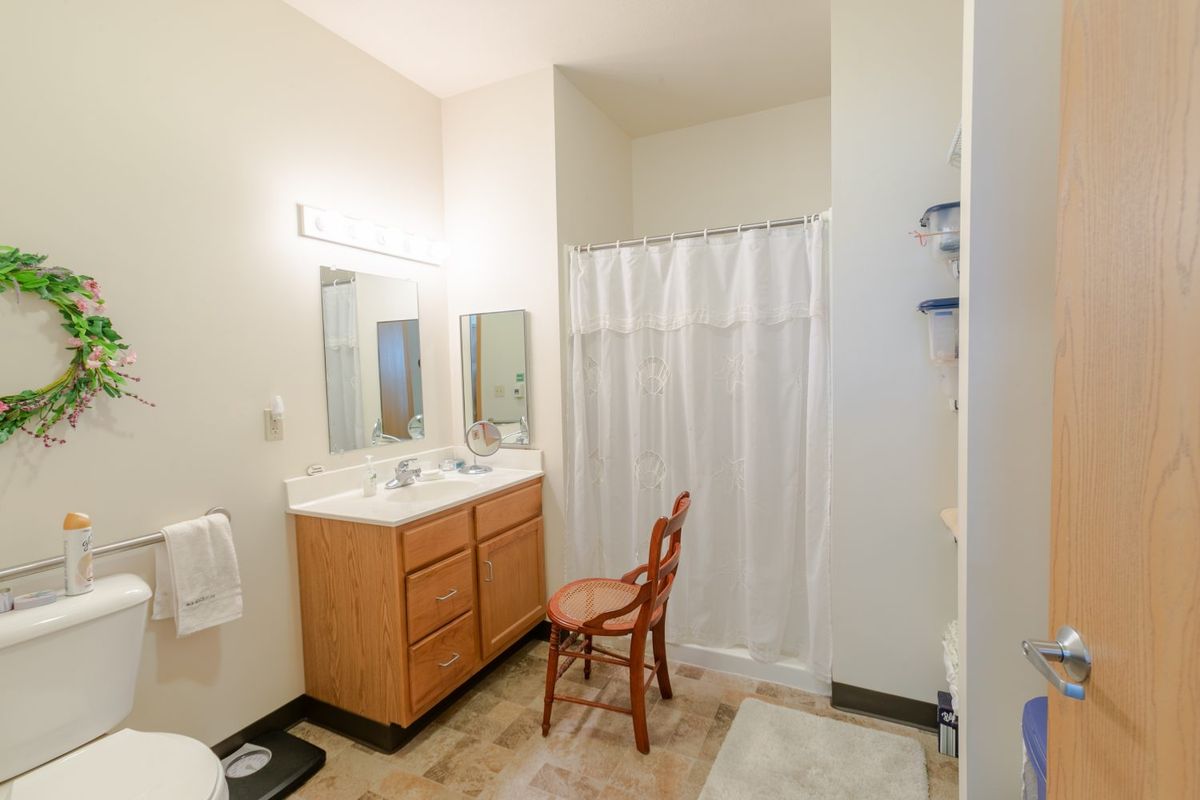
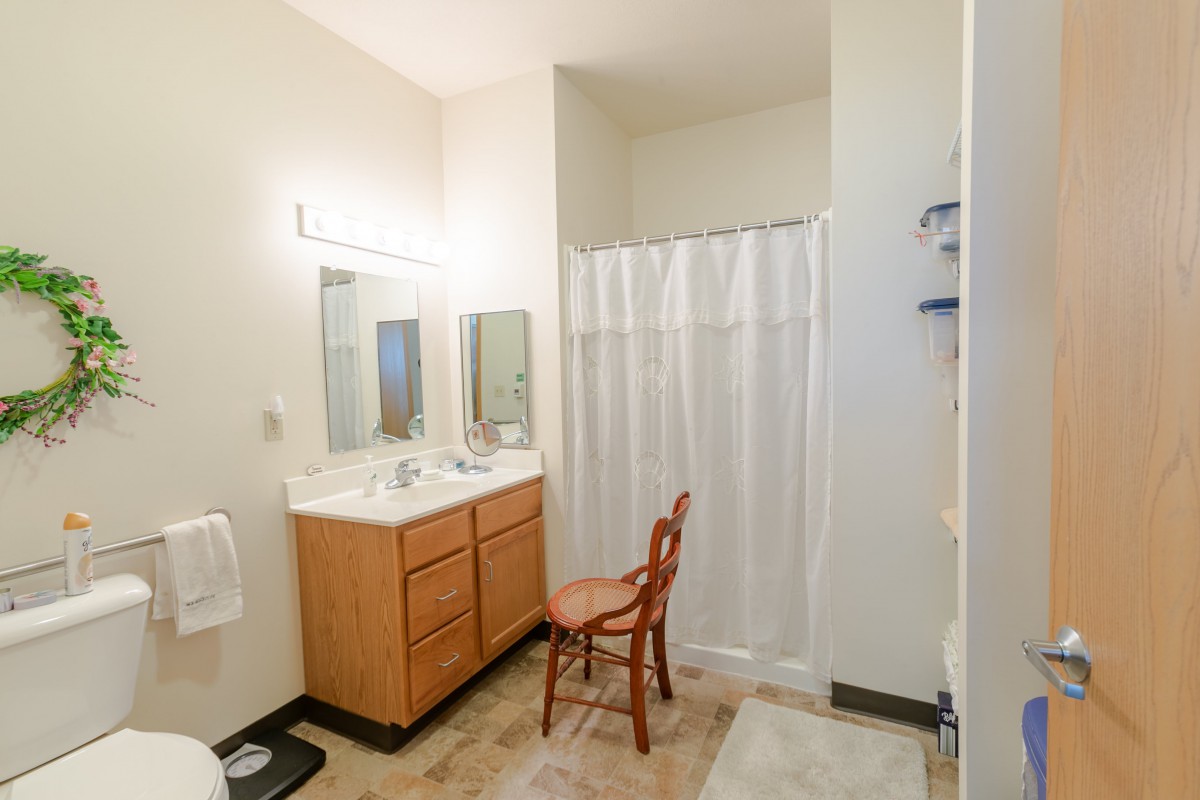
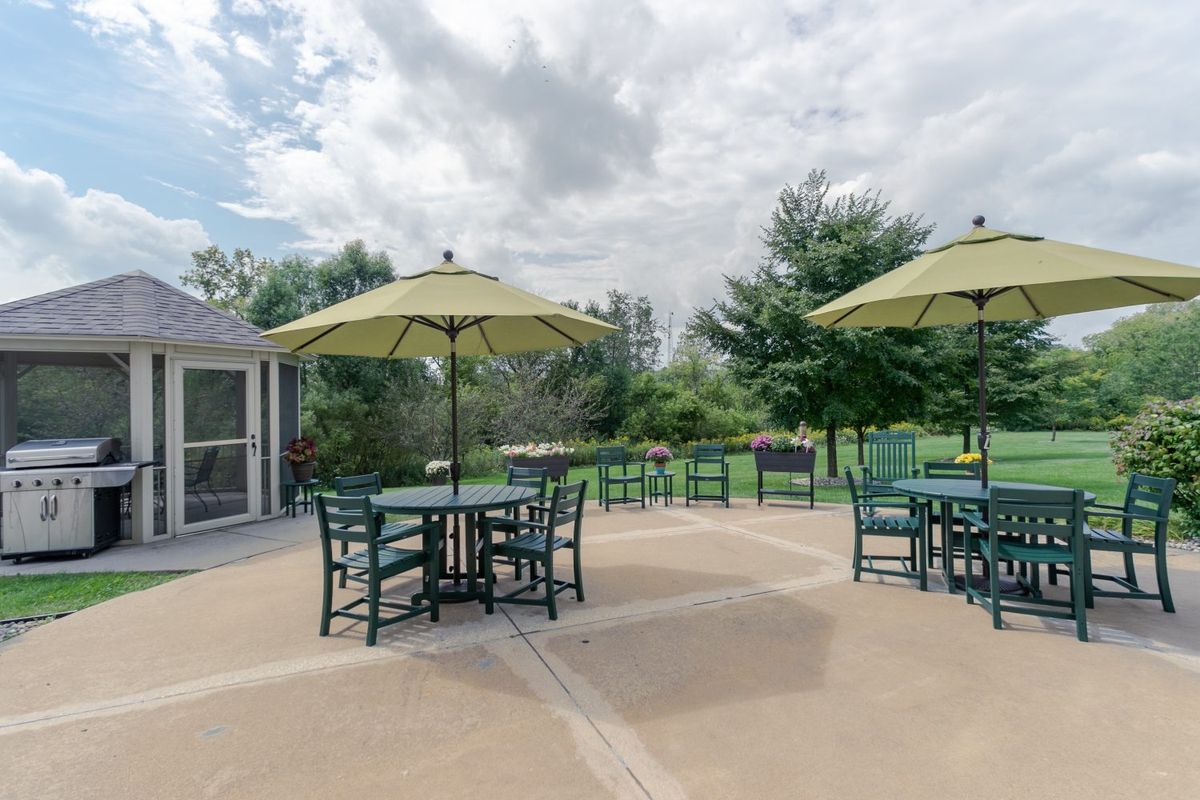
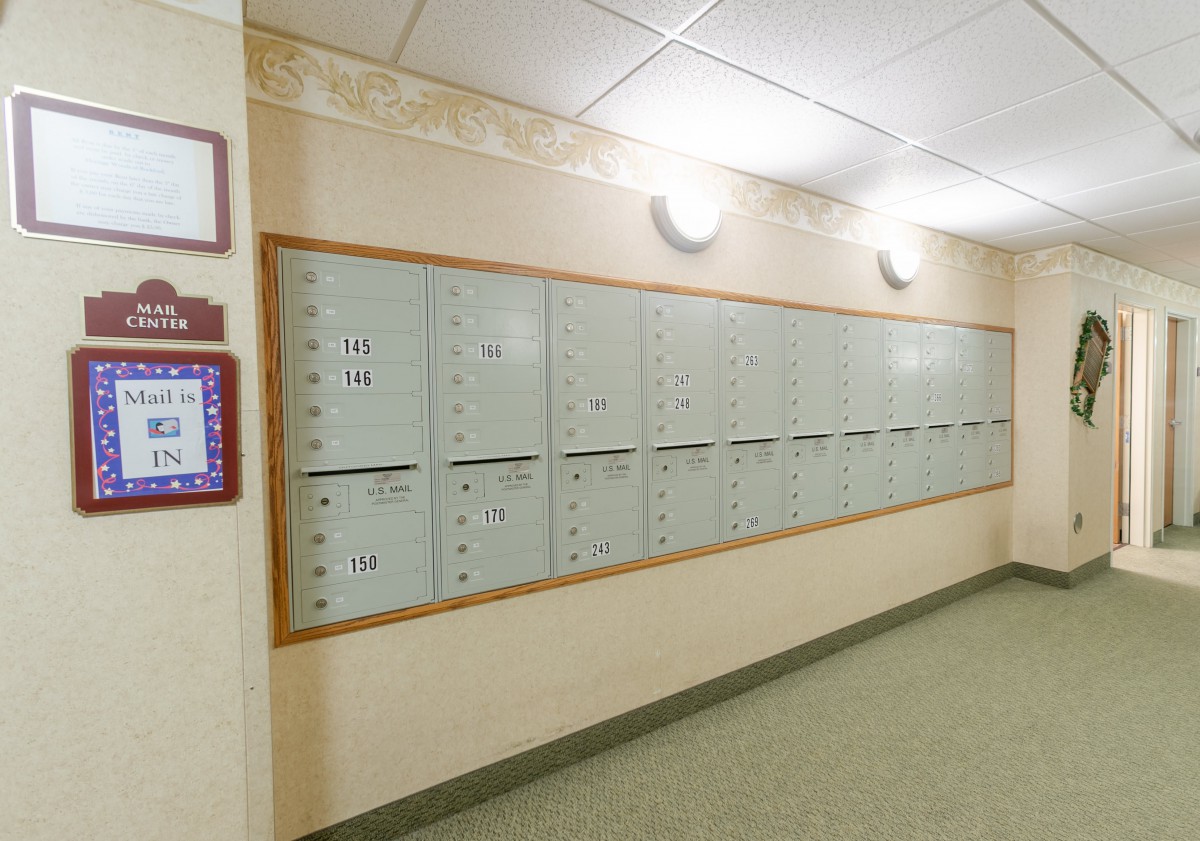
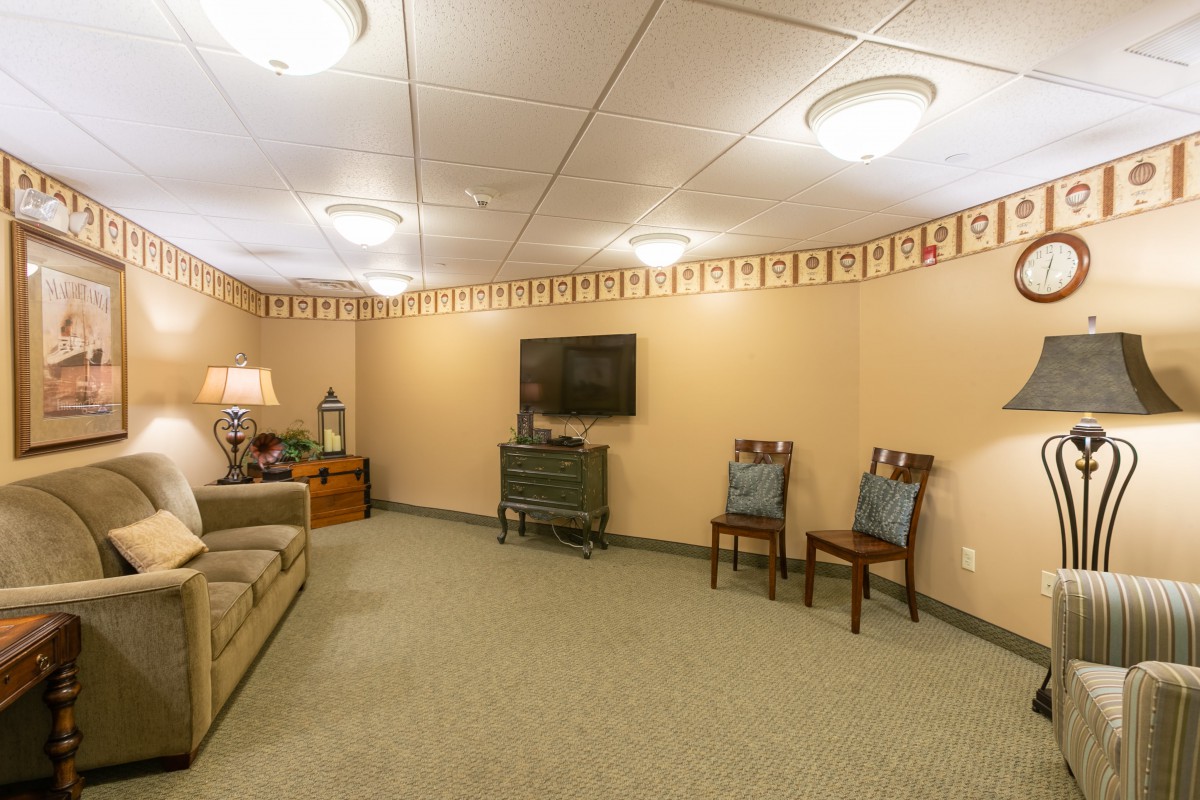
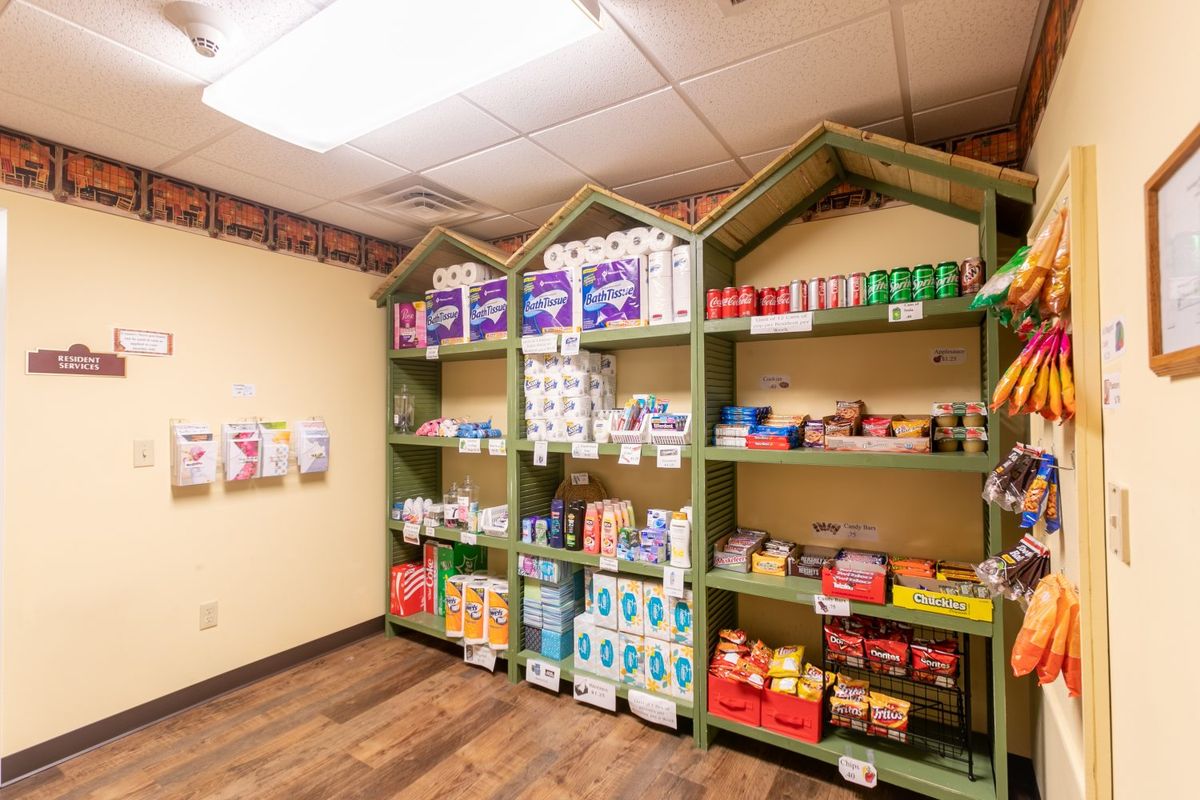
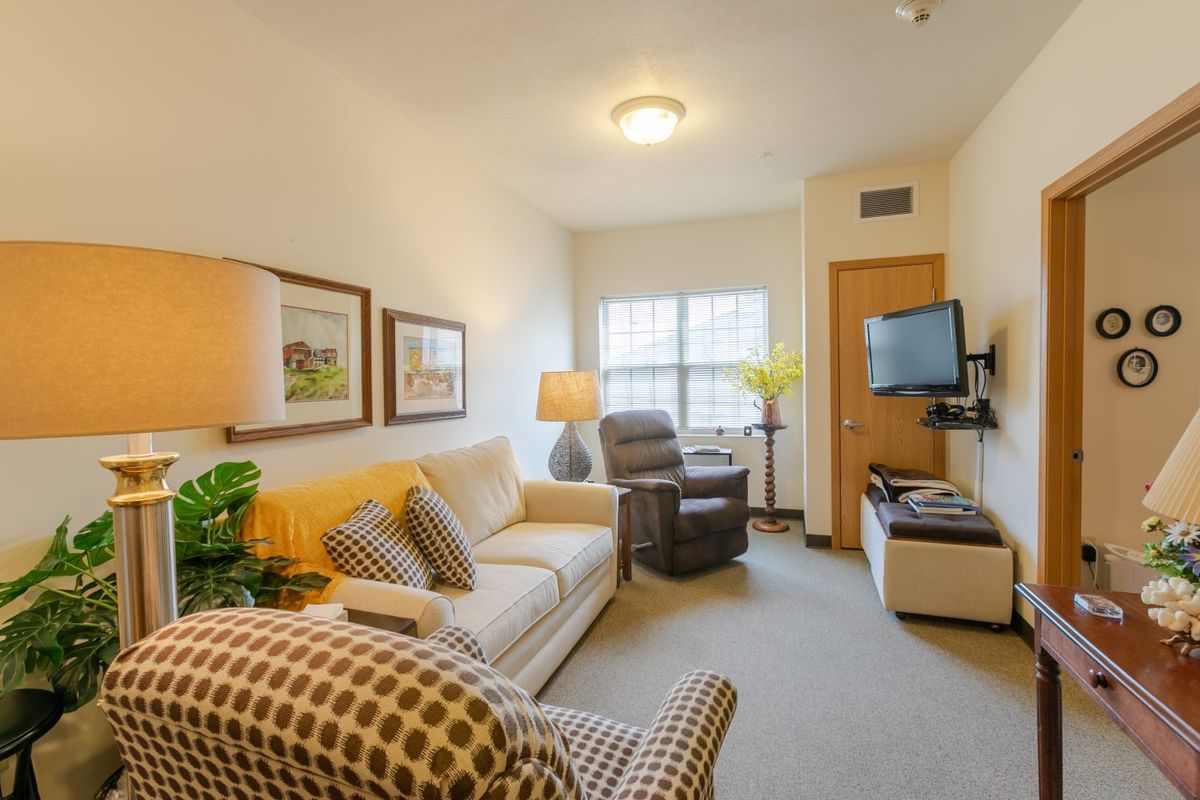
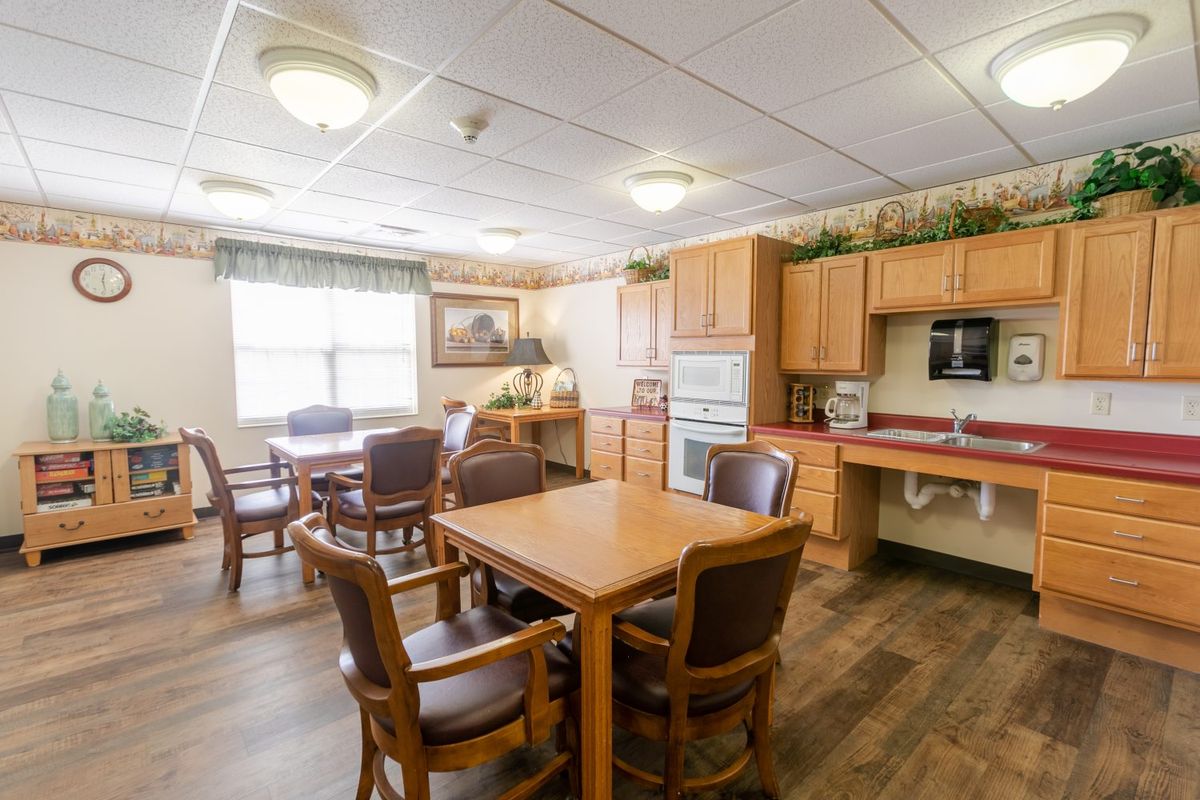
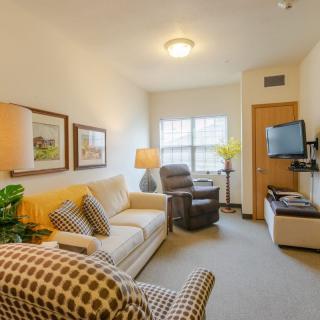
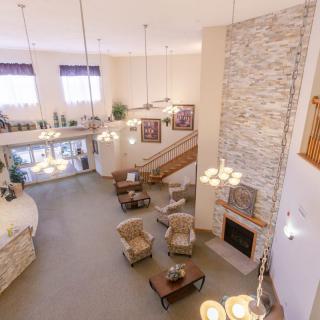
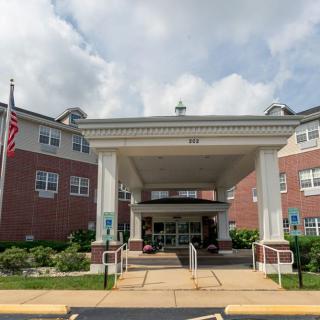
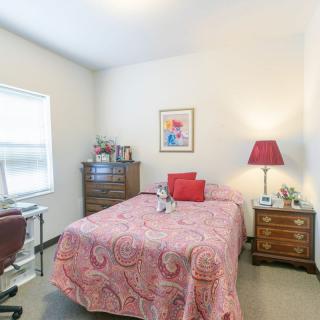
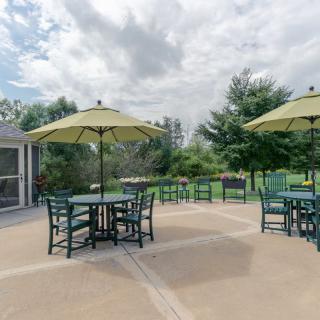
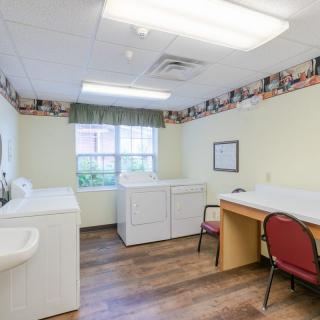
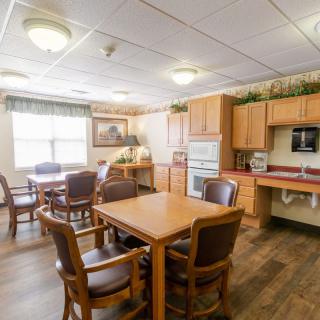
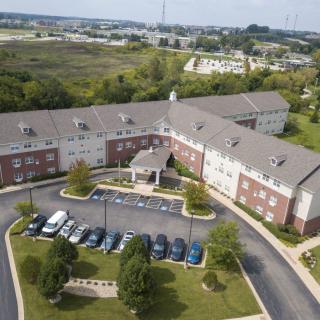
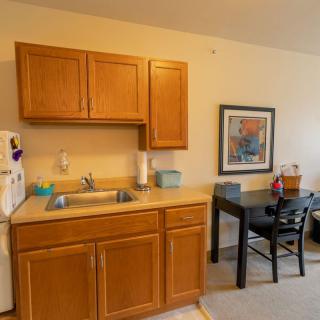
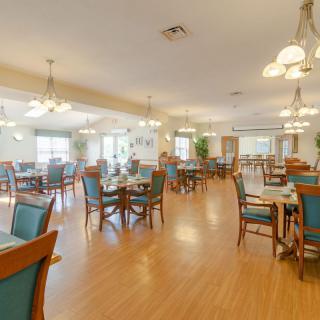
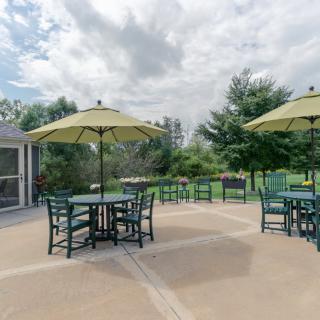
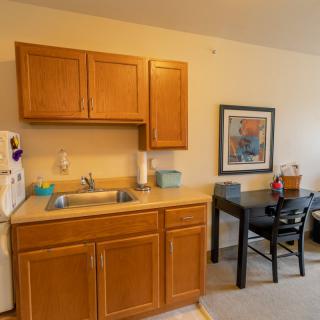
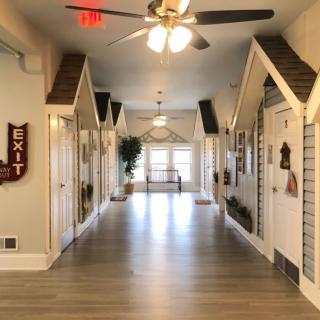
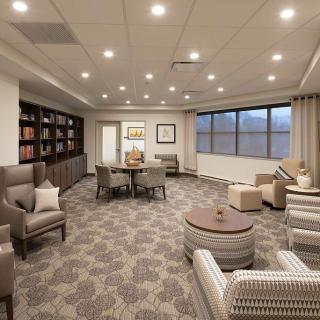
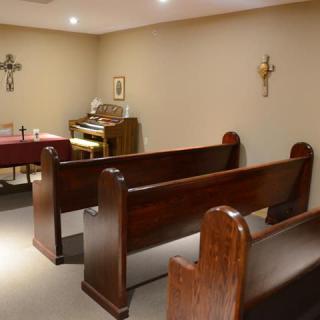
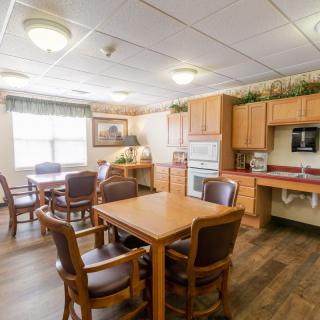
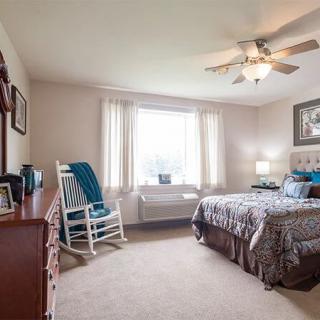
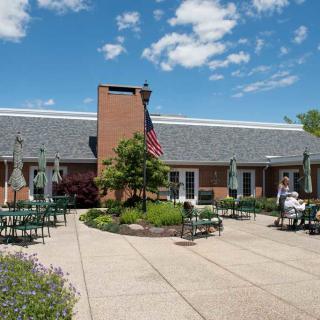
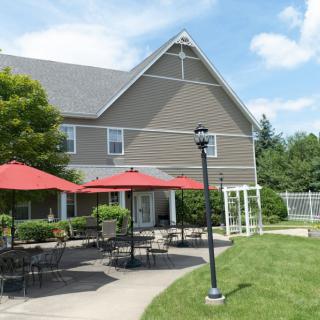
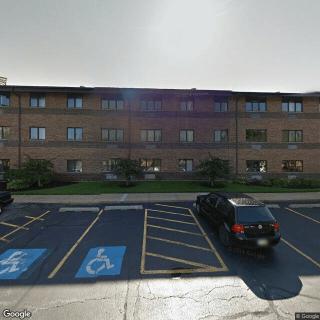
Heritage Woods of Rockford on seniors.fyi includes 52 photos including images showing interior, windows, decor, dining, bathroom, living room, bedroom, kitchen, and more.
Nearby Communities
Cedarhurst of Rockford
Rockford, IL
4.4 from 93 reviews
$3,100 to $3,550 / month
Caring staff with quality care and engaging activities.
Anam Care
Rockford, IL
4.2 from 33 reviews
$2,000 to $5,000 / month
Compassionate staff in a home-like, small-community setting with good meals and engaging activities.
Anam Glen
Rockford, IL
4.1 from 20 reviews
$4,700 to $5,000 / month
Warm, compassionate staff in a home-like, clean setting with personalized memory care.
Cherryvale Place
Rockford, IL
4.3 from 142 reviews
$2,432 to $5,594 / month
Clean, well-maintained facility with friendly staff and engaging activities.
Christian Life Retirement Ctr
Rockford, IL
5 from 3 reviews
Warm, compassionate environment with convenient access to nearby amenities (cafes, parks, pharmacies, physicians, restaurants, hospitals).
Peak Professional Services Inc
Rockford, IL
4.2 from 49 reviews
Convenient access to abundant nearby amenities and healthcare.
Peterson Meadows
Rockford, IL
4.9 from 40 reviews
$2,035 to $2,685 / month
Strong sense of community with friendly staff, good dining, and well-equipped apartments.
Grand Victorian Of Rockford
Rockford, IL
4.3 from 41 reviews
Extensive amenities and comprehensive care services (transit, wellness programs, dining, library, fitness).
Siena on Brendenwood
Rockford, IL
4.7 from 58 reviews
Well-maintained apartments with in-unit kitchens and active social programs.
The guide highlights the importance of assisted living facilities for aging veterans needing daily support, discusses unique challenges they face, and outlines available financial assistance from the VA, including the Aid and Attendance program. It emphasizes understanding eligibility criteria and navigating the VA system to access necessary benefits effectively.
The article compares assisted living and skilled nursing facilities, detailing their differing levels of assistance, medical support, cost structures, and day-to-day experiences. It emphasizes that assisted living is for those needing help with daily activities while maintaining independence, whereas skilled nursing facilities provide intensive medical care with 24-hour staff supervision.
The transition from assisted living to skilled nursing care is often prompted by complex medical needs that assisted living cannot meet, with key indicators including frequent health declines, increased falls, severe memory issues, and caregiver burnout. Families should recognize these signs early to discuss options with healthcare providers and prepare for the emotional and logistical aspects of moving to a facility that offers comprehensive medical support.
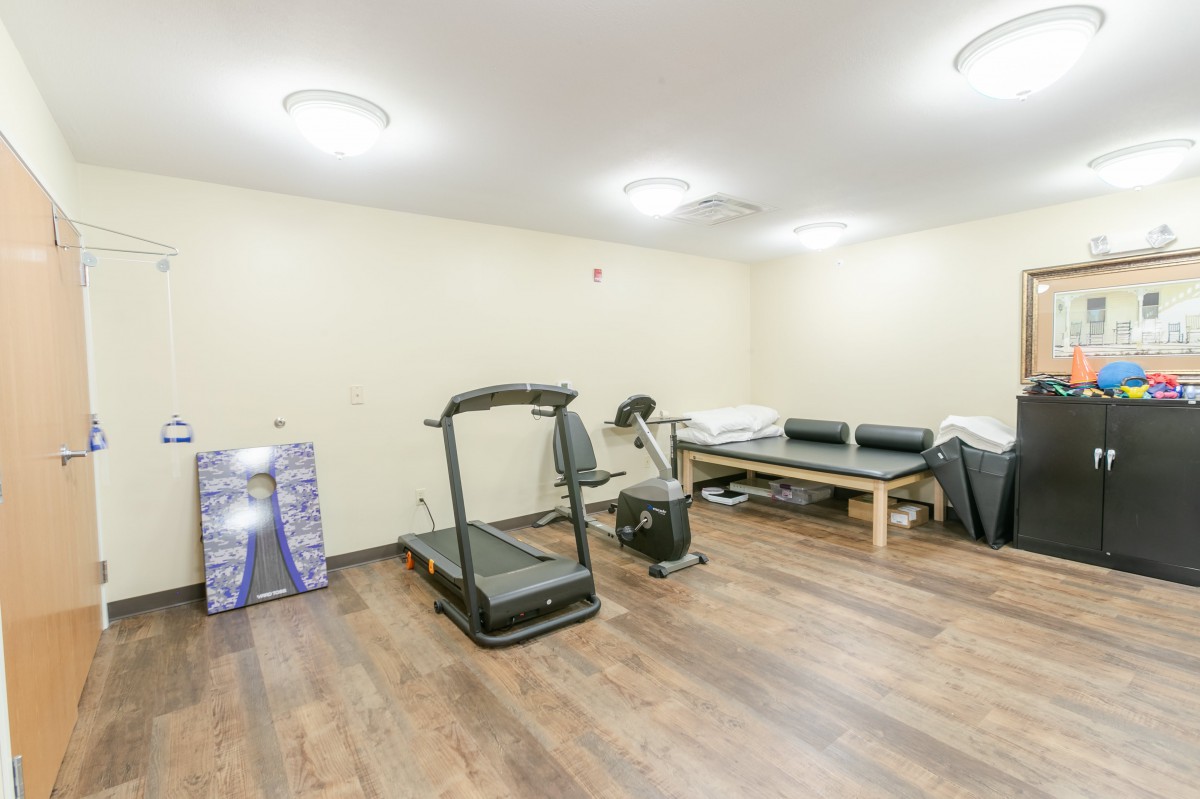
Exercise Equipment, Gym, Treadmill, Exercise Room, and Workout Space
Outdoor Seating
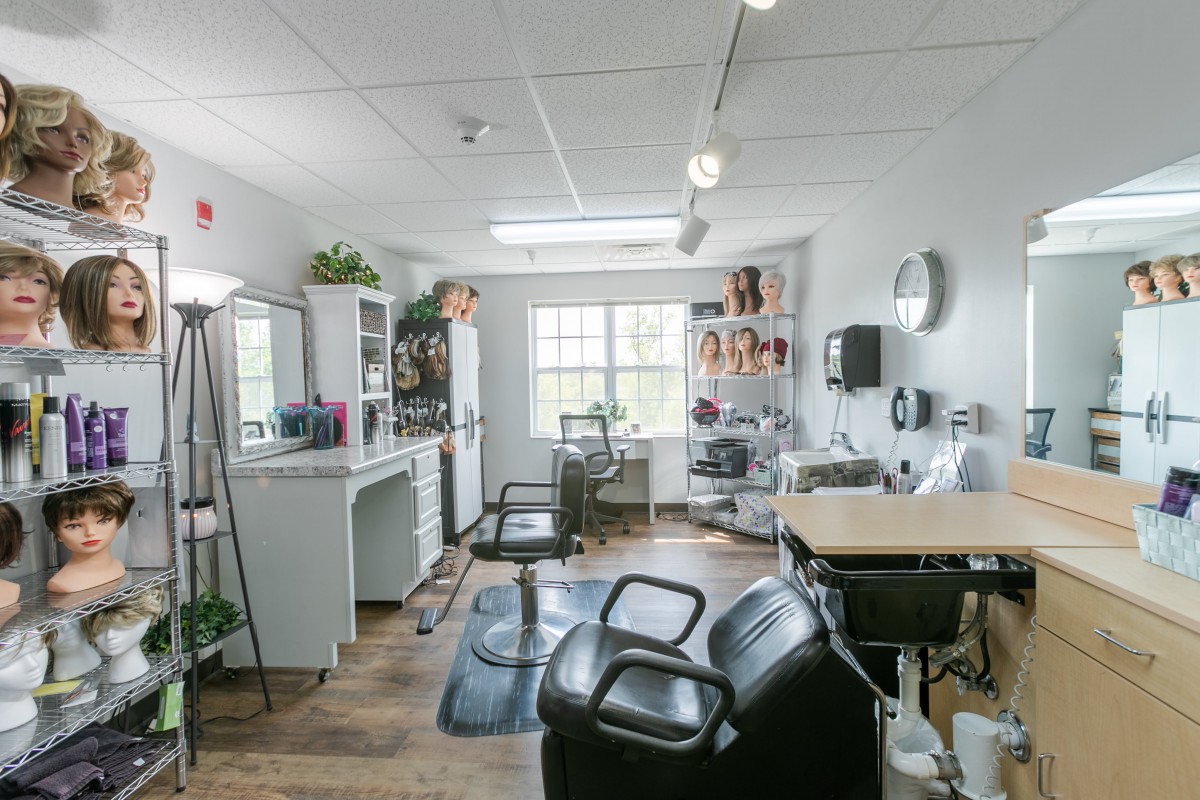
Salon and Mirrors
Appliances
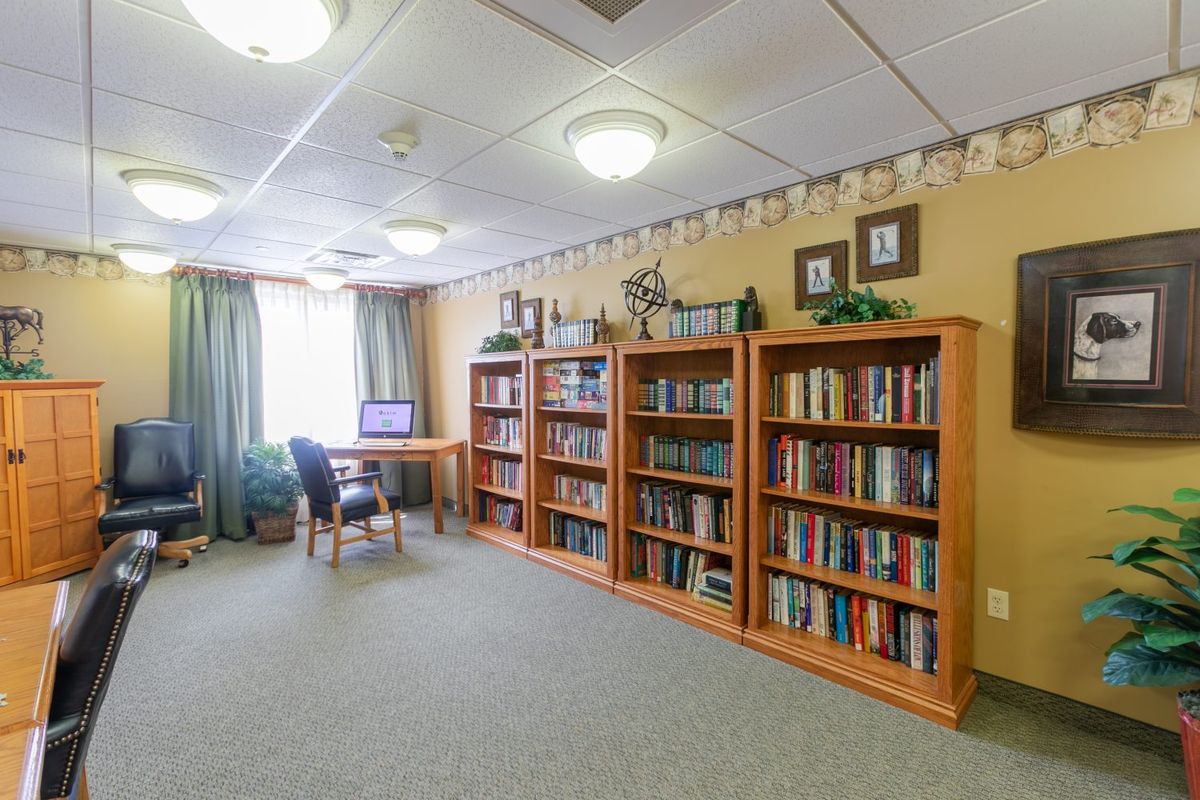
Bookshelves
Flag and Brick
Parking and Aerial View
Cabinets
Hallway
Library and Reading Area
Shower
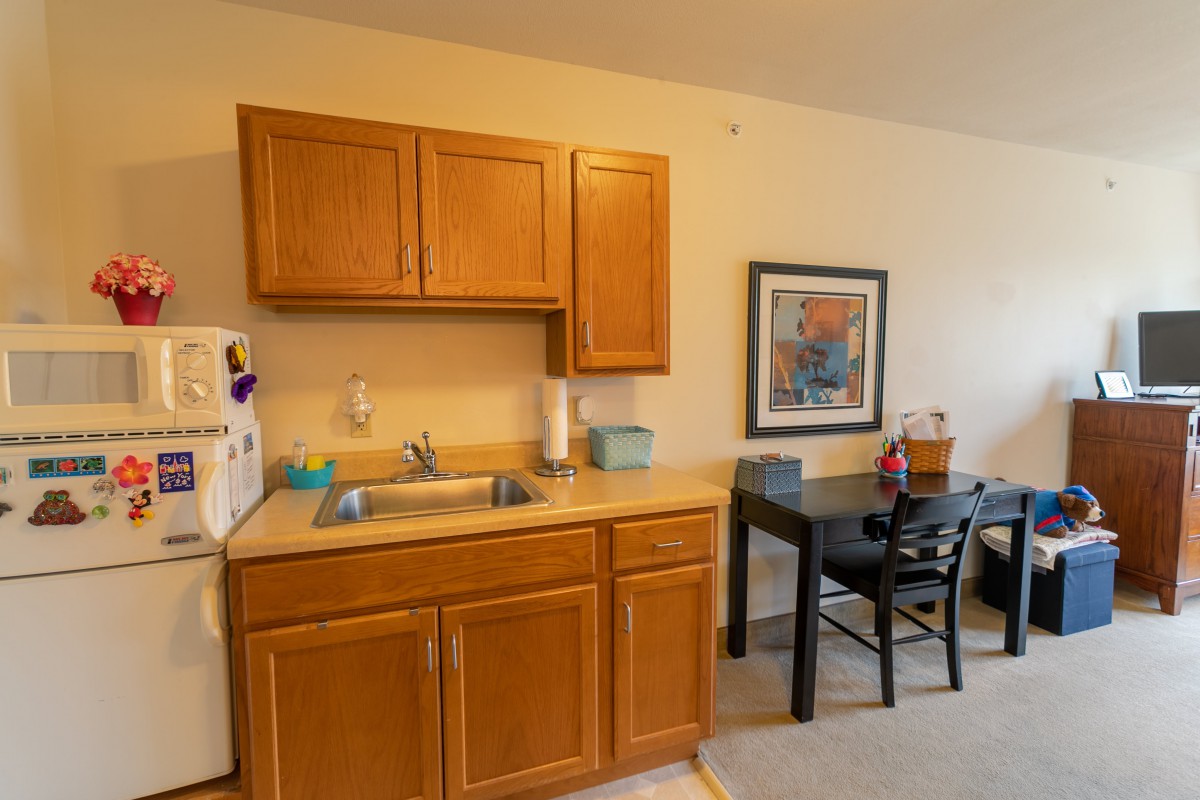
Kitchenette
Dining Table
Bright Lighting
Spacious
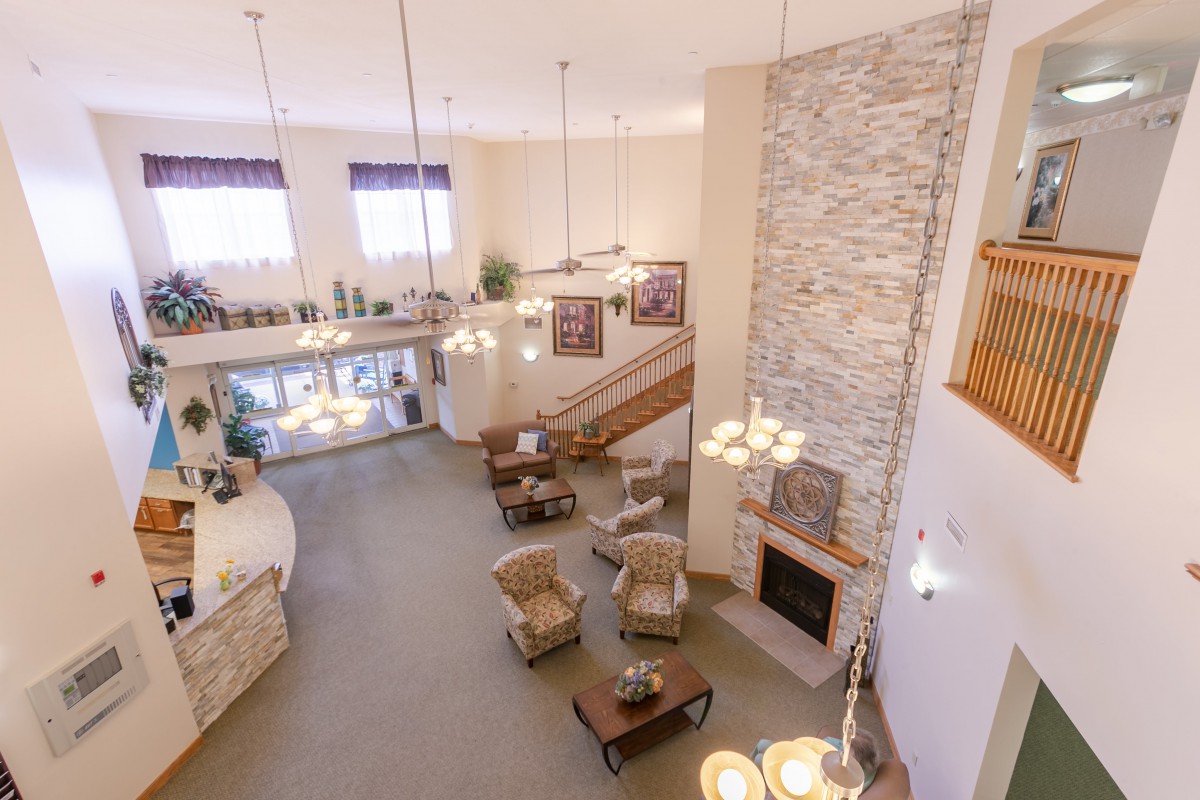
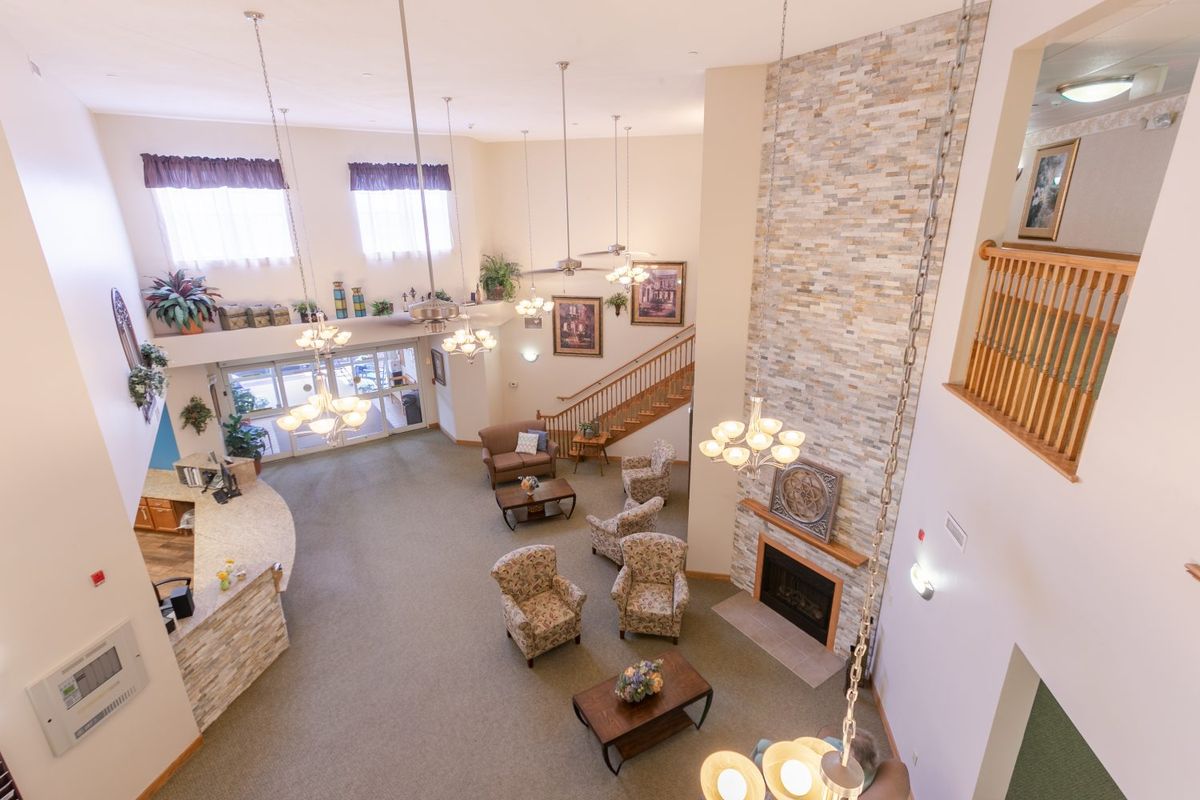
Reception
Apartment Building
Meeting Room
Staircase
Lighting Fixtures
Living Space
Table And Chairs
Computers
Home Interior
Stairs
Reception Desk
Brick Exterior
Laundry Room and Dryer
Light Fixture
High Ceiling
Additional Photos
Get PricingAsk A QuestionSchedule A TourContact Senior Advisor
By clicking submit, you agree to our Partner's Terms of Use. You
also consent to receive calls and texts, which may be autodialed, from our Partner. Your consent is not a condition to
using our Partner's service. Please visit our Partner's Privacy Policy for information about their privacy practices.


 21 resident community capacity
 1-bedroom apartments
 Assisted Living
 Activities off-site
 Beautician on-site
 Cable or satellite TV
 Devotional services on-site
 Dining room
 Fully furnished
 Garden
 Housekeeping services
 Indoor common areas
 Kitchenette
 Move-in coordination
 Outdoor common areas
 Outdoor patio
 Party space
 Telephone
 Wheelchair accessible showers
 Wi-Fi/high-speed internet available
 Greater Rockford (9 miles away)
 Transportation & parking
 24-hour call system
 Ambulatory care
 Assistance with bathing
 Assistance with dressing
 Assistance with transfers
 Diabetes diet
 Diabetic care
 Incontinence care
 Meal preparation and service
 Medication management
 Mental wellness program
 Special dietary restrictions
 Transportation arrangement (medical)
 Fitness programs
 English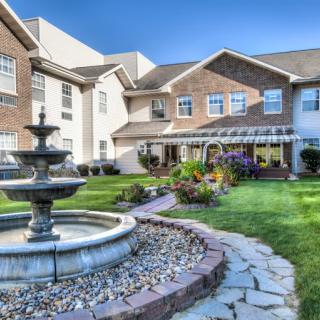
 Caring staff with quality care and engaging activities.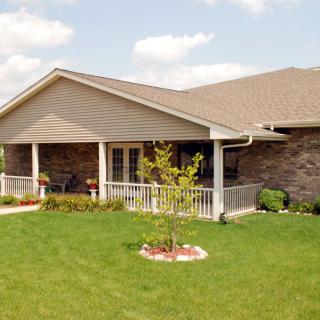


 Assisted Living Support for Veterans: A Complete and Detailed Overview
 Exploring the Contrasts Between Assisted Living and Skilled Nursing
 8 Key Indicators That Suggest It May Be Time to Transition from Assisted Living to Skilled Nursing Care