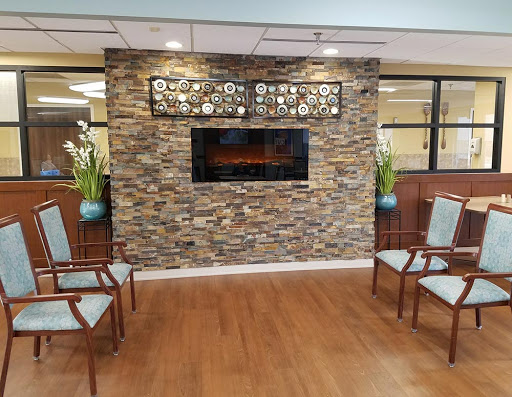
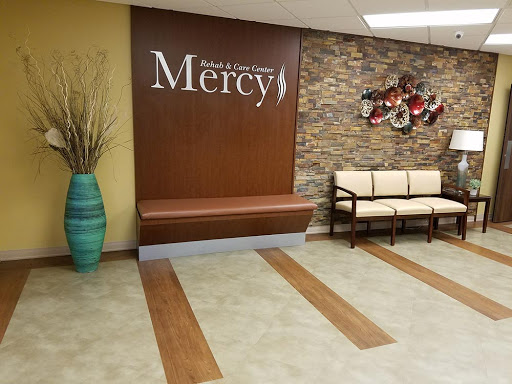
Mercy Rehab And Care Center

Save
Mercy Rehab And Care Center Mercy Rehab And Care Center Mercy Rehab And Care Center Mercy Rehab And Care Center

Mercy Rehab And Care Center

100 Rosewood Village Drive, Swansea, IL 62220

For more information about senior living options: (844) 490-3973

3 from 24 reviews
5 stars
9
4 stars
2
3 stars
2
2 stars
2
1 stars
9

Skilled Nursing Facility

Overall Review of Mercy Rehab And Care Center

Pros

  • pro The facility was clean with no smells, and the staff were excellent.
  • pro A CNA was great at braiding hair.
  • pro The staff were friendly and the environment was welcoming.
  • pro The physical therapist evaluated him and was excellent.
  • pro The food had flavor and the environment was attractive.
  • pro The staff were described as super nice, and the patients' parents loved them.

Cons

  • pro The staff were incredibly rude and made little to no effort to help him get better.
  • pro They misdosed or overdosed him, and ambulance delays left him waiting for hours.
  • pro They allowed patients to fall and had no preventative measures, never apologizing.
  • pro The facility recorded frequent falls (12 in two years) with injuries, and falls were not consistently reported.
  • pro A caretaker let a patient fall from a wheelchair, indicating poor training.
  • pro A level 1 bed sore went unreported, signaling uncleanliness and neglect.
  • pro They harassed a family member to pay a balance and refused to refund poor service.
  • pro The place is not a good option, characterized by patients lying in bed with minimal care and a depressing environment.
  • pro Some staff were disrespectful to visitors and lacked professionalism.
  • pro A relative was not allowed to see their loved one for over a year, and bedsores were reported to the state.

Review

A chorus of voices from families and friends paints a complex, often troubling picture of care at this facility. On one end, there are notes of cleanliness, friendly staff, and moments when care looked genuinely attentive. On the other, a chorus of serious complaints that recur across many reviews: falls without adequate prevention or reporting, delays or mismanagement of medications, and a sense that the overall culture sometimes values appearances or routines over real, compassionate care. Taken together, the anecdotes create a portrait of a place that can feel like two different worlds depending on who you ask and when you visit.

Safety and medical care emerge as the most urgent and unsettling themes. Multiple reviewers report a pattern of residents falling, sometimes repeatedly - one account mentions a rate of about a fall every couple of months over two years, culminating in a nocturnal or post-fall crisis. There are vivid stories of bruises, forehead sutures, and a level-1 bed sore that went unreported to family, suggesting gaps in communication and monitoring. In one particularly alarming episode, a family member describes a near-medication disaster - an apparent overdose or misdosing on the last day that left a patient shaking and speechless, with a five-hour delay before transport to a hospital. Medications and catheter care are described as inconsistent, with another reviewer noting a 12-hour lapse in required medications, while others recount UTIs linked to missed or neglected catheter maintenance. These episodes contribute to an overarching worry that medical oversight is uneven and that urgent needs may not be addressed promptly.

Therapy, rehabilitation, and daily mobility care also appear to be highly variable. Some families report that therapy started slowly or never seemed to get off the ground, leaving residents largely lying or sitting with little active intervention for days. In contrast, at least one review notes a positive turnaround when a physical therapist finally visited the room and delivered effective assessment and care. The inconsistent pace of therapy - paired with reports of residents being kept in bed "all day" or left waiting long stretches for basic services - suggests a facility where goals and timelines can differ dramatically from one patient to the next. The absence of robust fall-prevention measures compounds these concerns, making the daily routine feel more risky than reassuring for families worried about their loved ones' safety.

The tone and professionalism of staff also divide opinion, with a mix of harsh criticisms and isolated compliments. Several accounts describe staff as rude, dismissive, or aggressive toward visitors, and there are mentions of weekend staff being particularly lax or disrespectful. Apologies seem scarce in some cases, and families report feeling unacknowledged after incidents or near-misses. Yet there are counterpoints: a CNA is praised for braiding a resident's hair, and other reviewers describe staff as friendly, compassionate, and capable in certain moments. This contrast hints at an uneven workplace culture where individual staff members can be both caring and overwhelmed, depending on shift, workload, and perhaps management practices.

Financial and administrative pressures surface as a source of additional distress. One recurring grievance is being pressed to pay balances that staff allege are linked to incidents rather than services rendered. Families describe harassment or pressure to settle bills, sometimes after their loved ones experienced falls or health declines that could have been mitigated with better care. Some reviews imply that the facility or the hospital system may downplay problems or reframe incidents to minimize accountability, prompting families to seek external channels such as state complaints or consumer protection offices. The combination of accountability concerns and unclear reporting processes elevates family anxiety at what is already a stressful time.

Personal experiences within the same facility run the gamut from highly positive to devastating. A number of reviews speak glowingly about the cleanliness, odor-free rooms, and overall environment, along with praise for staff who are kind, attentive, or skilled. One reviewer describes an experience where the facility proved to be an excellent option for their family, thanks to supportive staff and a humane approach. Conversely, other families describe what they perceive as soul-crushing neglect: a husband who was "not kind" or "not cared for," a patient left to sit in hallways, or caregivers who fail to provide showers or to deliver medications on schedule, with some reporting that rescue and emergency services were delayed or mishandled. One review recounts a patient dying under hospice care after a period of poor bedside care and a late transition to hospital services, a reminder that inaction or substandard care can have irreversible consequences. The stark contrasts across stories underscore how differently this place can feel depending on who is involved and when.

Taken together, the collection of experiences presents a cautionary picture for families evaluating this facility. Cleanliness and moments of genuine kindness and competence are real and present, but they exist alongside serious, repeated allegations of falls, neglect, mismanaged medications, and insufficient timely therapy. The uneven staff experience - from harsh weekend shifts to compassionate caregivers - suggests variability in day-to-day operations that can dramatically affect a resident's safety and dignity. For anyone considering this facility, the message is clear: conduct thorough, multi-source due diligence. Speak with multiple staff across shifts, request recent inspection reports, tour with an eye for fall-prevention measures, verify the timeliness of medications and therapies, and, if possible, talk directly to residents and family members who have recent, firsthand experience. The facility may offer a clean, welcoming environment and some excellent caregivers, but the risk signals raised by these accounts warrant careful scrutiny before placing a loved one in its care.

Features

Housing

  • 120 resident community capacity 120 resident community capacity

Types of Care

  • Skilled Nursing Facility Skilled Nursing FacilitySkilled Nursing Facilities are crucial for seniors as they provide round-the-clock medical care, rehabilitation services, and assistance with daily activities. These facilities ensure that seniors receive the specialized care they need to maintain their health and well-being as they age.

Amenities

  • Air-conditioning Air-conditioningAir conditioning is important for seniors as they are more vulnerable to heat-related illnesses and may have underlying health conditions that make it difficult for them to regulate their body temperature. It helps to keep them comfortable, safe, and healthy in hot weather.
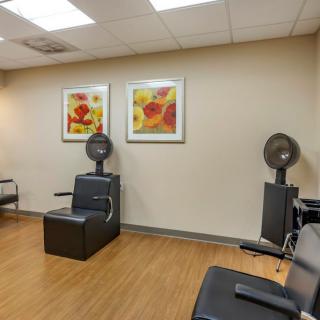
  • Beauty salon Beauty salonBeauty salons are important for seniors because they provide a space for them to feel pampered, socialize, and maintain their personal grooming and hygiene. Regular visits to a beauty salon can help boost seniors' self-esteem and overall well-being.
  • Cable or satellite TV Cable or satellite TVCable or satellite TV is important for seniors because it provides entertainment, news, and companionship, helping to combat loneliness and boredom. It also offers a wide range of programming options tailored to different interests and preferences.
  • Computer center Computer centerA computer center is essential for seniors as it provides access to technology, communication tools, and resources that can enhance their daily lives. It allows them to stay connected with loved ones, engage in online activities, and learn new skills, ultimately promoting socialization and mental stimulation.
  • Dining room Dining roomDining rooms are important for seniors as they provide a space for socialization, connection, and nutritious meals. They offer opportunities for residents to bond over shared meals, foster a sense of community, and promote healthy eating habits. Dining rooms also ensure that seniors have access to well-balanced meals tailored to their dietary needs and preferences.
  • Fitness room Fitness roomHaving a fitness room in a senior living community is essential for seniors to stay active, maintain their physical health, and improve their overall well-being. Regular exercise can help prevent falls, reduce the risk of chronic diseases, and promote mental sharpness. It also provides social opportunities for residents to connect with others and enjoy a sense of community.
  • Fully furnished Fully furnishedFully furnished senior living communities are important for seniors because they provide convenience, comfort, and a hassle-free moving experience. Seniors can easily settle into their new living space without the stress of having to buy and move furniture. This allows them to focus on enjoying their new home and community.
  • Gaming room Gaming roomGaming rooms are important for seniors as they provide a fun and engaging environment for socializing, cognitive stimulation, and physical activity. Games can improve memory, problem-solving skills, and overall mental well-being while fostering friendships and reducing feelings of isolation.
  • Garden GardenGardens are important for seniors as they provide a peaceful and therapeutic environment for relaxation, physical activity, and socialization. Being in nature has been shown to reduce stress, improve mood, and promote overall well-being. Gardens also offer opportunities for seniors to engage in gardening activities, which can improve mobility, flexibility, and cognitive function. Additionally, gardens create a sense of community and connection with others who share a passion for plants and outdoor spaces.
  • Housekeeping services Housekeeping servicesHousekeeping services are important for seniors because they help maintain a clean and safe living environment, promote independence, and reduce the risk of accidents or illnesses. Additionally, having assistance with household chores can alleviate physical strain and allow seniors to focus on other aspects of their well-being.
  • Kitchenette KitchenetteKitchenettes are important for seniors living in senior living communities because they provide the convenience and independence of being able to prepare simple meals and snacks in the comfort of their own living space. This can help promote a sense of autonomy and well-being for seniors, allowing them to maintain some level of control over their dietary choices and daily routines.
  • Move-in coordination Move-in coordinationMove-in coordination is important for seniors because it helps ease the transition into their new living environment. It ensures that all logistics, such as packing, organizing movers, and setting up utilities are taken care of, allowing seniors to focus on settling in and adjusting to their new home. Having a smooth move-in process can alleviate stress and anxiety, making the transition smoother and more enjoyable for seniors.
  • Outdoor space Outdoor spaceOutdoor spaces are important for seniors as they provide opportunities for physical activity, social interaction, exposure to natural light and fresh air, and a sense of connection to nature. Having access to outdoor spaces can improve overall well-being and quality of life for older adults living in senior communities.
  • Private bathrooms Private bathroomsPrivate bathrooms are important for seniors in senior living communities because they provide independence, dignity, and comfort. Having a private bathroom allows seniors to maintain their personal hygiene routines without the need for assistance, promoting a sense of autonomy and privacy. Additionally, private bathrooms help prevent the spread of infections and provide a safe and clean environment for seniors to navigate safely.
  • Restaurant-style dining Restaurant-style diningRestaurant-style dining is important for seniors because it allows them to enjoy delicious, nutritious meals in a social and upscale setting. This enhances their dining experience, promotes healthy eating habits, and fosters socialization with fellow residents, ultimately contributing to their overall well-being and quality of life.
  • Small library Small librarySmall libraries are important for seniors as they provide access to a variety of reading materials, including books, newspapers, and magazines. This can help stimulate their minds, keep them engaged, and provide a sense of community through book clubs and other social activities. Additionally, reading has been shown to improve cognitive function and overall mental well-being in older adults.
  • Telephone TelephoneTelephones are important for seniors as they provide a lifeline for communication with loved ones, emergency services, and healthcare providers. They offer a sense of security and independence, enabling seniors to stay connected and access assistance when needed.
  • Wellness center Wellness centerWellness centers are important for seniors because they offer a variety of programs and services that promote physical, mental, and emotional well-being. These centers provide opportunities for exercise, socialization, education, and relaxation, helping seniors maintain their overall health and quality of life.
  • Wi-Fi/high-speed internet available Wi-Fi/high-speed internet availableWi-Fi/high-speed internet is important for seniors to stay connected with loved ones, access online resources, and participate in virtual activities to combat feelings of loneliness and isolation. It also allows them to easily manage healthcare needs, access entertainment, and engage in lifelong learning opportunities.

Transportation

  • Lambert-St Louis International (25 miles away) Lambert-St Louis International (25 miles away)
  • Community operated transportation Community operated transportationCommunity operated transportation is crucial for seniors as it provides them with the means to access essential services, social activities, and medical appointments. It allows seniors to maintain their independence and quality of life by ensuring they can participate in activities outside of their homes. Additionally, community-operated transportation services offer a safe and reliable way for seniors to travel without having to rely on family or friends for assistance.
  • Transportation arrangement Transportation arrangementTransportation arrangements are crucial for seniors as they may face challenges with driving, mobility, or access to public transportation. Having reliable transportation services ensures that seniors can easily attend appointments, social activities, and maintain their independence and quality of life.
  • Transportation arrangement (non-medical) Transportation arrangement (non-medical)Transportation arrangements are essential for seniors as they provide access to essential services, activities, and social interactions outside the home. This service helps maintain independence, mobility, and overall well-being for seniors who may have limited transportation options.
  • Transportation to doctors appointments Transportation to doctors appointmentsTransportation to doctors appointments is crucial for seniors as it ensures they have access to necessary medical care and support, promoting their health and well-being. It allows them to receive timely treatment, monitor existing conditions, and address any new health concerns efficiently. Additionally, transportation services can help seniors maintain their independence and quality of life by enabling them to stay connected with their healthcare providers.

Care Services

  • 12-16 hour nursing 12-16 hour nursing12-16 hour nursing care is crucial for seniors in order to ensure around-the-clock monitoring, timely medication administration, and prompt response to any health concerns or emergencies. This level of care helps to promote the overall well-being and safety of seniors living in senior living communities.
  • 24-hour call system 24-hour call system24-hour call systems are important for seniors because they provide peace of mind and immediate assistance in case of emergencies. This technology ensures that help is always available, promoting safety and security for elderly individuals living alone or in assisted living facilities.
  • 24-hour supervision 24-hour supervision24-hour supervision is important for seniors to ensure their safety, well-being, and access to immediate assistance in case of emergencies or health issues. This constant support provides peace of mind for both seniors and their loved ones, allowing them to age in place with dignity and security.
  • Activities of daily living assistance Activities of daily living assistanceActivities of daily living assistance are important for seniors because they provide essential support with tasks such as eating, bathing, dressing, and mobility. This assistance helps seniors maintain their independence, dignity, and overall quality of life as they age.
  • Assistance with bathing Assistance with bathingAssistance with bathing is crucial for seniors as it helps maintain personal hygiene, prevents infections, and ensures their overall well-being and comfort. It also provides a sense of dignity and independence for seniors who may struggle with this task on their own.
  • Assistance with dressing Assistance with dressingAssistance with dressing is important for seniors because it helps maintain their independence, promotes personal hygiene, prevents accidents and injuries, and improves overall quality of life. This service ensures that seniors can continue to dress comfortably and confidently, despite any physical limitations they may have.
  • Assistance with transfers Assistance with transfersAssistance with transfers is crucial for seniors as it helps prevent falls and injuries, maintains their independence, and ensures they can safely navigate their living environment. It also provides peace of mind for both seniors and their loved ones.
  • Diabetes diet Diabetes dietA diabetes diet is crucial for seniors as it helps manage blood sugar levels, reduce risks of complications, and improve overall health and well-being. By following a balanced and nutritious diet tailored to their specific needs, seniors can better control their diabetes and enhance their quality of life.
  • Meal preparation and service Meal preparation and serviceMeal preparation and service are crucial for seniors as they may have limited mobility or energy to cook nutritious meals. Having access to healthy and convenient food options can ensure they are getting the proper nutrition needed to maintain their overall health and well-being.
  • Medication management Medication managementMedication management is crucial for seniors to ensure they are taking the right medications at the correct dosages and times. This helps prevent adverse drug interactions, reduces the risk of medication errors, and promotes overall health and well-being. Proactive management also allows for adjustments as needed based on changing health conditions or new prescriptions.
  • Mental wellness program Mental wellness programMental wellness programs are essential for seniors as they promote cognitive stimulation, emotional support, and social engagement. These programs help prevent isolation, depression, and cognitive decline, ultimately enhancing the overall quality of life for older adults.
  • Special dietary restrictions Special dietary restrictionsSpecial dietary restrictions are important for seniors because age-related changes in metabolism and health conditions can make it difficult for their bodies to process certain foods. By following a diet tailored to their specific needs, seniors can maintain their overall health and well-being, manage chronic conditions, and reduce the risk of complications such as malnutrition or food interactions with medications.

Dining

  • Diabetes diet Diabetes dietA diabetes diet is crucial for seniors as it helps manage blood sugar levels, reduce risks of complications, and improve overall health and well-being. By following a balanced and nutritious diet tailored to their specific needs, seniors can better control their diabetes and enhance their quality of life.
  • Special dietary restrictions Special dietary restrictionsSpecial dietary restrictions are important for seniors because age-related changes in metabolism and health conditions can make it difficult for their bodies to process certain foods. By following a diet tailored to their specific needs, seniors can maintain their overall health and well-being, manage chronic conditions, and reduce the risk of complications such as malnutrition or food interactions with medications.

Activities

  • Community-sponsored activities Community-sponsored activitiesCommunity-sponsored activities are important for seniors as they provide opportunities for social interaction, mental stimulation, and physical activity. These activities can help improve overall well-being, combat loneliness and isolation, and promote a sense of belonging and purpose among older adults.
  • Concierge services Concierge servicesConcierge services are essential for seniors as they provide assistance with daily tasks and errands, enhance their quality of life by offering convenience and personalized care, and promote a sense of safety and security.
  • Fitness programs Fitness programsFitness programs are crucial for seniors as they help improve strength, flexibility, balance, and overall well-being. Staying active can reduce the risk of chronic diseases, improve mental health, and enhance quality of life in older adults.
  • Planned day trips Planned day tripsPlanned day trips are important for seniors because they offer opportunities for socialization, mental stimulation, and physical activity. They provide a change of scenery and help seniors stay engaged and connected to their community, promoting overall well-being and quality of life.
  • Resident-run activities Resident-run activitiesResident-run activities are important for seniors as they encourage social interaction, creativity, and a sense of autonomy. These activities empower seniors to stay engaged and active in their community while fostering meaningful connections with their peers.
  • Scheduled daily activities Scheduled daily activitiesScheduled daily activities are important for seniors because they provide structure, socialization, mental stimulation, and physical activity. Engaging in regular activities can improve overall well-being and quality of life for seniors living in a community setting.

Description

Mercy Rehab And Care Center in Swansea, IL offers a wide range of amenities and care services to meet the needs of its residents. The community features a beauty salon, cable or satellite TV, community-operated transportation, a computer center, a dining room, a fitness room, and fully furnished living spaces. Residents can also enjoy the gaming room, garden, small library, and outdoor space.

Housekeeping services are provided to ensure that residents have a clean and comfortable living environment. The kitchenette allows residents to prepare their own meals if desired. Move-in coordination is available to help facilitate a smooth transition for new residents. Restaurant-style dining is offered for those who prefer not to cook their own meals.

For communication and connectivity needs, telephone service and Wi-Fi/high-speed internet are provided. Non-medical transportation arrangements can be made for residents who need assistance getting to appointments or other locations. A wellness center is available for residents to focus on their physical health and well-being.

In terms of care services, Mercy Rehab And Care Center provides 24-hour call system and supervision to ensure the safety and security of its residents. Assistance with activities of daily living such as bathing, dressing, and transfers is available as needed. Special dietary restrictions can be accommodated, including diabetes diets. Medication management is provided to help residents stay on track with their medication schedules.

The community also places importance on mental wellness by offering a mental wellness program for its residents. Transportation arrangement can be made for those in need. In terms of dining options outside the facility, there are three cafes nearby along with various restaurants to choose from.

Residents can engage in various activities such as fitness programs organized by the community or planned day trips. There are resident-run activities as well as scheduled daily activities to keep everyone engaged and entertained.

Mercy Rehab And Care Center is conveniently located near several amenities including parks, pharmacies, physicians' offices, restaurants, places of worship, theaters, and hospitals. This ensures that residents have easy access to essential services and recreational activities. The community provides a comfortable and supportive environment for individuals who require assistance with daily tasks and value their independence.

Nearby Places of Interest

Pharmacies

  • Schnucks (0.1 miles)
  • Walgreens (0.3 miles)
  • CVS Pharmacy (0.7 miles)
  • CVS Pharmacy (2.1 miles)
  • Schnucks Belleville W. Floral (2.6 miles)
  • Walgreens (2.7 miles)
  • Copper Bend Pharmacy (2.7 miles)

Restaurants

  • Burger King (0.1 miles)
  • Jack In The Box (0.7 miles)
  • Belleville Pancake House (1.2 miles)
  • Fletchers Kitchen & Tap (1.4 miles)
  • Demo's Sports Bar (1.4 miles)
  • Spike's Pub & Grub (1.7 miles)
  • Zapata's Mexican Restaurant (1.9 miles)

Physicians

  • Ear Nose & Throat Institute Of Southern Illinois (0.5 miles)
  • University Hematolgoy Oncology (0.5 miles)
  • Dermassociates (1.8 miles)
  • Dr Bhutto, MD (1.9 miles)
  • David Craig Norman (2 miles)
  • Association of Childcare Physicians (2 miles)
  • Illinois Medicine Southern Md Belleville (2 miles)

Hospitals

  • Memorial Hospital (1.9 miles)
  • St Elizabeth's Hospital (2.3 miles)
  • Physical Therapy Center of Belleville (3.3 miles)

Places of Worship

  • St Henry's Catholic Church (2.4 miles)

Parks

  • East End City Park (2.5 miles)
  • Longacre Park (2.9 miles)
  • Three Springs Park (4.3 miles)

Cafes

  • Starbucks (3.7 miles)
  • Starbucks (3.8 miles)
  • Starbucks (3.9 miles)

Theaters

  • O'Fallon Cinema O'Fallon, Il (3.9 miles)

Frequently Asked Questions

Where is Mercy Rehab And Care Center?
What photos are available for Mercy Rehab And Care Center in Swansea, Illinois?

Nearby Communities

Related Resources

  • home health nurseExploring the World of Home Health Nurses: Qualifications, Roles, and Hiring Tips

    Home health nursing is an expanding field where licensed professionals provide specialized medical care in patients' homes, addressing the needs of an aging population through personalized services like assessments and medication management. Effective collaboration with healthcare teams, cultural sensitivity, and quality assurance measures are essential for fostering trust and ensuring positive patient outcomes.

  • does medicare cover home health careNavigating Medicare Coverage for In-Home Care Services

    Medicare covers in-home health care services, which are medical and provided by licensed professionals under a physician's supervision, whereas non-medical personal assistance is generally not covered unless part of a broader skilled care plan. Eligibility for benefits depends on being homebound and needing intermittent skilled services from a Medicare-certified agency, with specific coverage limitations and additional resources available for navigating options.

  • how much does private home care cost per hourIn-Home Care Costs in 2025: A Detailed State-by-State Exploration

    In-home care is increasingly sought after by older adults for maintaining independence, with average private home care rates in 2025 varying by state and service type, reflecting geographical and local labor market influences. As demand rises, families are considering funding options like Medicaid waivers and long-term care insurance to manage costs effectively while ensuring quality care.