

226 Suite E Centreville Drive, Belleville, IL 62220
To contact a resident: (618) 581-0940
For more information about senior living options: (866) 208-4318
Overall Review of Someone Special - Belleville, IL
Pros
 They provide assistance to those in need when requested.
 - They are a beautiful place filled with love that feeds the homeless and provides clothing.
- They do incredible work for the community and offer vital support to people during tough times.
- They involve families in the caregiving process for appointments with therapists.
- They ensure donations reach those truly in need, rather than being wasted on fundraising.
- The volunteers and staff are dedicated and perform merciful acts of service.
Cons
 People often have to wait in long lines to receive assistance, sometimes for hours.
- Other nonprofits spend a fortune on fundraising, and only a small fraction of the donated money actually goes to those in need.
Review
This Belleville operation is best suited for families seeking a mission‑driven, community‑anchored support option rather than a conventional private-pay assisted‑living campus. It works well for seniors who value social services orientation, a broad network of volunteers, and donor-supported resources that directly aid those in need. The environment idealizes compassion and outreach, with a strong sense of purpose that can supplement daily life through community connections. It is not a traditional assisted‑living residence with on‑site, professional caregiving as the sole backbone of daily care.
Those who may want to consider alternatives are clear: anyone requiring predictable, around‑the‑clock professional caregiving should look at conventional assisted living, memory care, or skilled nursing facilities that staff licensed nurses and aides on site. If daily routines hinge on formal in‑facility support, medication management, bathing, mobility assistance, or consistent transportation, the Belleville option may fall short. Reviews note that some caregiving tasks rely on family involvement, such as helping a loved one into the shower, which signals a mismatch for residents needing steady, private daily care.
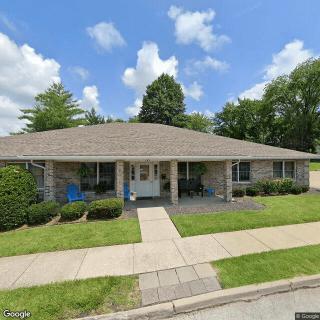
The key pros, an inviting, beautifully kept setting; a culture of helping the homeless and those in need; and the broad community reach through the administrative office, outreach sites, and volunteers, translate into meaningful engagement and social purpose for residents and their families. Donors and volunteers are positioned to ensure that resources flow to those most in need, not overhead, which can provide real peace of mind for relatives concerned about where support dollars go. This mission-driven framework can deliver dignity, companionship, and practical aid that complements personal care, offsetting some gaps left by the absence of a traditional care campus. Yet the main drawbacks remain tangible: wait times to speak with staff, the administrative rather than residential nature of the facility, and the expectation that family members step in for certain care tasks. Those factors erode the predictability many families rely on.
Practically evaluating fit means asking sharp questions: what services are actually offered at the Belleville site, and is it a housing option, a day program, or a gateway to external services? How consistent is staff coverage, and can therapy or support services proceed without family attendance? What is the structure of daily activities, and is transportation reliably available? It is essential to probe how the volunteer and donor network integrates with resident needs and whether there is a clear plan for escalating care if a loved one’s needs increase. A side-by-side cost and service comparison with traditional facilities will reveal whether the value proposition rests on social capital and mission alignment or on expected in‑facility medical care.
Alternatives to consider further include traditional assisted living communities with on-site licensed staff, or memory care and continuing care retirement communities that provide predictable programming and guaranteed supervision. For those with tight finances, the charitable model may offer cost relief, but the degree of in‑facility care remains a decisive variable. The best fit emerges when the priority is access to a compassionate, community‑centric network that offers practical help and social engagement, rather than a facility designed primarily around in-house medical caregiving.
Bottom line: for families drawn to a values‑driven, community‑connected approach that mobilizes volunteers and charitable resources to support residents, this Belleville option warrants a careful visit. Schedule time to walk the grounds, speak with administrators and volunteers, and observe daily routines. Gauge how care tasks are actually handled, how accessible external services are, and whether there is a credible plan to transition to higher levels of care if needed. If the priority is steady, private daily support and guaranteed in‑facility supervision, this option should be weighed against solid, licensed alternatives. When alignment exists between care expectations and the organization’s strengths, meaningful purpose, strong community connections, and practical assistance, the match can yield quality of life gains that larger, more traditional facilities may not deliver.






 Skilled Nursing Facilities vs. Nursing Homes: Making Sense of the Differences
 A Detailed Examination of Nursing Home Costs Across the U.S.
 Exploring Nonmedical Home Care: Understanding Services, Costs, and Financial Approaches